• Essay: The World’s First University Was in Pakistan – Taxila (Takshashila)

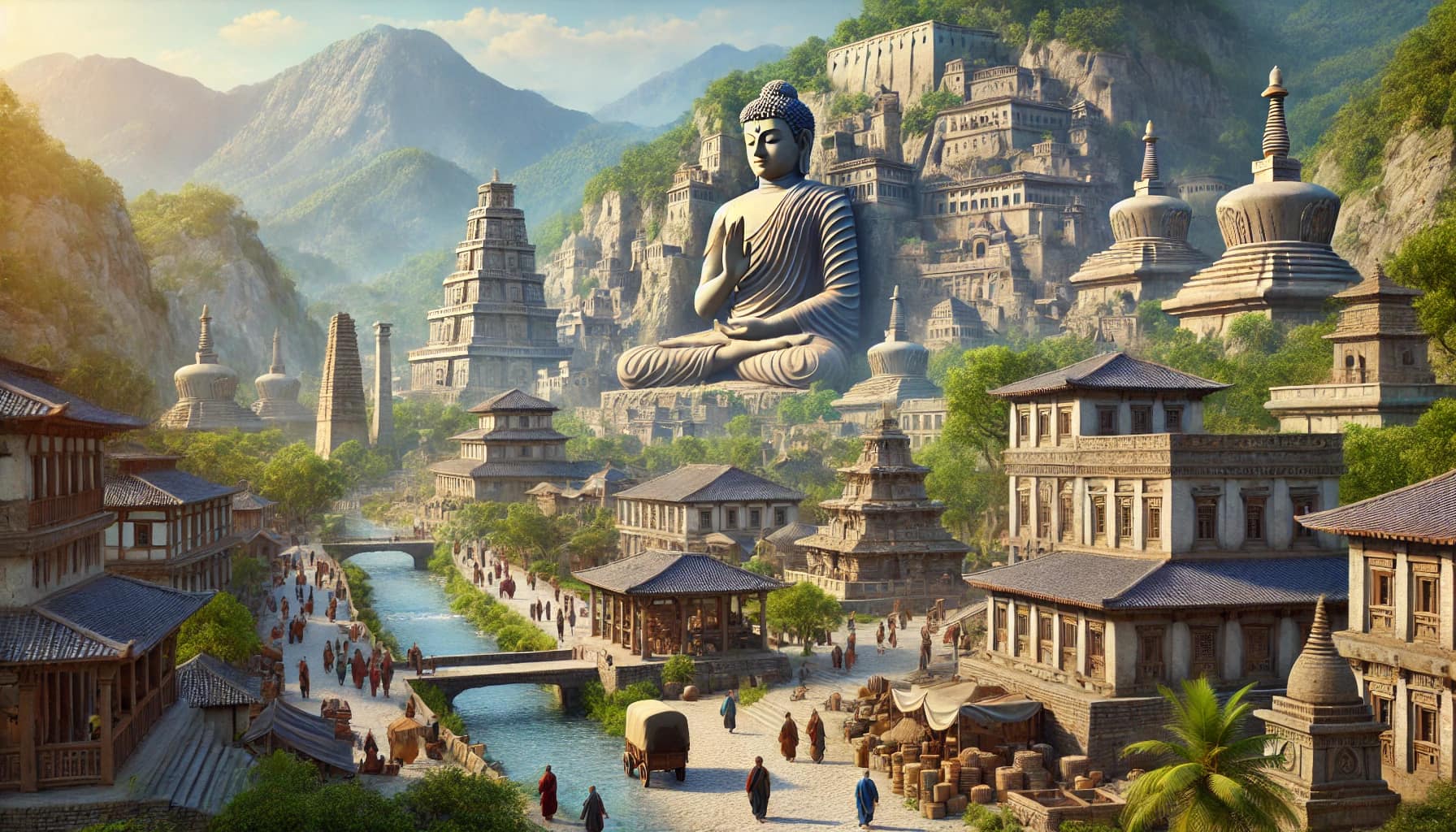
    Long before modern universities like Oxford, Harvard, or Cambridge, there was an ancient center of learning in South Asia called Taxila University. In old times, it was known as Takshashila, a Sanskrit word meaning “the City of Cut Stone.” It was located in the region of today’s Pakistan, near Islamabad and Rawalpindi. Many historians believe it was the world’s first organized university, where students came from faraway lands to study.

    A Center of Knowledge

    Takshashila was not just a city; it was a hub of wisdom. From around 600 BCE to 500 CE, it became a famous place where thousands of students gathered. There were no classrooms like today, but students learned directly from teachers (gurus) in small groups, under trees, in temples, or in houses.

    Subjects Taught

    At Takshashila University, students studied a wide range of subjects:
    • Philosophy and Logic
    • Medicine and Surgery (Ayurveda)
    • Mathematics and Astronomy
    • Grammar and Languages (Sanskrit, Pali, Greek, etc.)
    • Politics, Economics, and Law
    • Military Science and Archery
    • Religion (Hinduism, Buddhism, Jainism)

    This variety made it a true world university.

    Famous Teachers and Students
    • Chanakya (Kautilya): A great teacher of politics and economics at Takshashila. He wrote the famous Arthashastra, a book on governance and strategy.
    • Panini: The world’s greatest grammarian, also connected to Takshashila. His book on Sanskrit grammar is still admired today.
    • Jivaka: A famous doctor who studied medicine here and later became the personal physician of the Buddha.
    • Princes and Kings: Many royal families sent their sons to study at Takshashila to learn leadership, warfare, and statecraft.

    Importance in History

    Takshashila University was not limited to one religion or culture. People from Greece, China, Central Asia, and India came here. This made it an international center of education. Its teachings influenced not only South Asia but also the wider world.

    The Decline

    With invasions and political changes, Takshashila lost its glory around the 5th century CE, especially after the Huns attacked. But its legacy as one of the world’s first great universities still lives on.


    Conclusion

    Taxila, or Takshashila, proves that the world’s first university was in Pakistan. The sages, scientists, and leaders who studied there shaped history for centuries. It reminds us that education has always been the true power of a nation.
    Essay: The World’s First University Was in Pakistan – Taxila (Takshashila) Long before modern universities like Oxford, Harvard, or Cambridge, there was an ancient center of learning in South Asia called Taxila University. In old times, it was known as Takshashila, a Sanskrit word meaning “the City of Cut Stone.” It was located in the region of today’s Pakistan, near Islamabad and Rawalpindi. Many historians believe it was the world’s first organized university, where students came from faraway lands to study. A Center of Knowledge Takshashila was not just a city; it was a hub of wisdom. From around 600 BCE to 500 CE, it became a famous place where thousands of students gathered. There were no classrooms like today, but students learned directly from teachers (gurus) in small groups, under trees, in temples, or in houses. Subjects Taught At Takshashila University, students studied a wide range of subjects: • Philosophy and Logic • Medicine and Surgery (Ayurveda) • Mathematics and Astronomy • Grammar and Languages (Sanskrit, Pali, Greek, etc.) • Politics, Economics, and Law • Military Science and Archery • Religion (Hinduism, Buddhism, Jainism) This variety made it a true world university. Famous Teachers and Students • Chanakya (Kautilya): A great teacher of politics and economics at Takshashila. He wrote the famous Arthashastra, a book on governance and strategy. • Panini: The world’s greatest grammarian, also connected to Takshashila. His book on Sanskrit grammar is still admired today. • Jivaka: A famous doctor who studied medicine here and later became the personal physician of the Buddha. • Princes and Kings: Many royal families sent their sons to study at Takshashila to learn leadership, warfare, and statecraft. Importance in History Takshashila University was not limited to one religion or culture. People from Greece, China, Central Asia, and India came here. This made it an international center of education. Its teachings influenced not only South Asia but also the wider world. The Decline With invasions and political changes, Takshashila lost its glory around the 5th century CE, especially after the Huns attacked. But its legacy as one of the world’s first great universities still lives on. ⸻ Conclusion Taxila, or Takshashila, proves that the world’s first university was in Pakistan. The sages, scientists, and leaders who studied there shaped history for centuries. It reminds us that education has always been the true power of a nation.
    0 Σχόλια 0 Μοιράστηκε 1414 Views
  • Timeline of Every Civilization That Ruled the Land We Call Pakistan

    7000–3300 BCE — Mehrgarh Civilization
    • One of the world’s earliest farming cultures (Balochistan)

    3300–1300 BCE — Indus Valley Civilization
    • Harappa, Mohenjo-Daro, Kot Diji — the world’s earliest urban system

    1300–600 BCE — Early Tribal Kingdoms
    • Post-Indus local cultures

    550–330 BCE — Persian Achaemenid Empire
    • Punjab, Sindh, Balochistan ruled by Darius & Cyrus

    326–323 BCE — Alexander the Great
    • Battles at Jhelum, takes parts of Punjab & Sindh

    322–185 BCE — Mauryan Empire
    • Chandragupta & Ashoka; Taxila flourishes

    180 BCE–10 CE — Indo-Greek Kingdoms
    • Greek rule over Taxila, Swat, Punjab

    10–75 CE — Scythians (Sakas)
    • Sindh & Punjab

    75–100 CE — Parthians
    • Western Pakistan, Taxila stronghold

    100–300 CE — Kushan Empire
    • All Pakistan; Peshawar capital under Kanishka

    320–550 CE — Gupta Influence
    • Marginal rule in lower Punjab/Sindh

    450–600 CE — White Huns
    • KPK & Punjab invasions

    489–632 CE — Rai Dynasty (Sindh)
    • Local Hindu dynasty

    632–712 CE — Brahman Dynasty
    • Raja Dahir’s rule in Sindh

    712–750 CE — Umayyad Caliphate
    • Muhammad bin Qasim; first Islamic government

    750–900 CE — Abbasid Influence
    • Governors in Sindh & Multan

    900–1000 CE — Local Muslim Dynasties
    • Soomro, Habbarids (Sindh)

    977–1186 CE — Ghaznavid Empire
    • Lahore becomes major center under Mahmud

    1186–1206 CE — Ghorid Empire
    • Control of Punjab

    1206–1526 CE — Delhi Sultanate
    • Mamluk → Khilji → Tughlaq → Lodhi rule

    1526–1739 CE — Mughal Empire
    • Entire Pakistan; Lahore royal capital

    1739 — Nader Shah (Persia)
    • Brief invasion

    1747–1823 CE — Durrani (Afghan) Empire
    • KPK & Punjab

    1799–1849 CE — Sikh Empire
    • Ranjit Singh controls Punjab

    1843–1947 CE — British Empire
    • Sindh, Punjab, Balochistan, NWFP

    14 August 1947 — Pakistan
    • Birth of the modern nation-state
    Timeline of Every Civilization That Ruled the Land We Call Pakistan 🇵🇰 7000–3300 BCE — Mehrgarh Civilization • One of the world’s earliest farming cultures (Balochistan) 3300–1300 BCE — Indus Valley Civilization • Harappa, Mohenjo-Daro, Kot Diji — the world’s earliest urban system 1300–600 BCE — Early Tribal Kingdoms • Post-Indus local cultures 550–330 BCE — Persian Achaemenid Empire • Punjab, Sindh, Balochistan ruled by Darius & Cyrus 326–323 BCE — Alexander the Great • Battles at Jhelum, takes parts of Punjab & Sindh 322–185 BCE — Mauryan Empire • Chandragupta & Ashoka; Taxila flourishes 180 BCE–10 CE — Indo-Greek Kingdoms • Greek rule over Taxila, Swat, Punjab 10–75 CE — Scythians (Sakas) • Sindh & Punjab 75–100 CE — Parthians • Western Pakistan, Taxila stronghold 100–300 CE — Kushan Empire • All Pakistan; Peshawar capital under Kanishka 320–550 CE — Gupta Influence • Marginal rule in lower Punjab/Sindh 450–600 CE — White Huns • KPK & Punjab invasions 489–632 CE — Rai Dynasty (Sindh) • Local Hindu dynasty 632–712 CE — Brahman Dynasty • Raja Dahir’s rule in Sindh 712–750 CE — Umayyad Caliphate • Muhammad bin Qasim; first Islamic government 750–900 CE — Abbasid Influence • Governors in Sindh & Multan 900–1000 CE — Local Muslim Dynasties • Soomro, Habbarids (Sindh) 977–1186 CE — Ghaznavid Empire • Lahore becomes major center under Mahmud 1186–1206 CE — Ghorid Empire • Control of Punjab 1206–1526 CE — Delhi Sultanate • Mamluk → Khilji → Tughlaq → Lodhi rule 1526–1739 CE — Mughal Empire • Entire Pakistan; Lahore royal capital 1739 — Nader Shah (Persia) • Brief invasion 1747–1823 CE — Durrani (Afghan) Empire • KPK & Punjab 1799–1849 CE — Sikh Empire • Ranjit Singh controls Punjab 1843–1947 CE — British Empire • Sindh, Punjab, Balochistan, NWFP 14 August 1947 — Pakistan • Birth of the modern nation-state 🇵🇰
    0 Σχόλια 0 Μοιράστηκε 1027 Views
  • ہن وسطی ایشیا میں شدید خانہ بدوش تھے۔ پانچویں صدی عیسوی میں وہ یورپ ، وسطی ایشیا اور قدیم ہندوستان میں وسیع زمینوں کو فتح کرنے میں کامیاب ہوئے۔ وہ پاکستان میں موجودہ صوبہ خیبر پختونخوا (کے پی) کے ذریعے ہندوستان میں داخل ہوئے۔

    ہن آتش پرست تھے۔ ایک ہن جنگجو ، مہر گل (سورج مکھی) نے اپنے آپ کو یہاں بادشاہ کے طور پر قائم کیا۔ اس نے اپنے دارالحکومت سے حکمرانی کی جو آج پاکستان کے صوبہ پنجاب میں سیالکوٹ ہے۔ اس کی حکومت ظالمانہ تھی اور اسے راجستھان (موجودہ ہندوستان میں) اور ملتان (موجودہ پاکستان میں) سے ہندو راجپوت حکمرانوں کے اتحاد نے شکست دی اور ہٹا دیا۔

    #پاکستان #سیالکوٹ #ہنس #پاکستان تاریخ

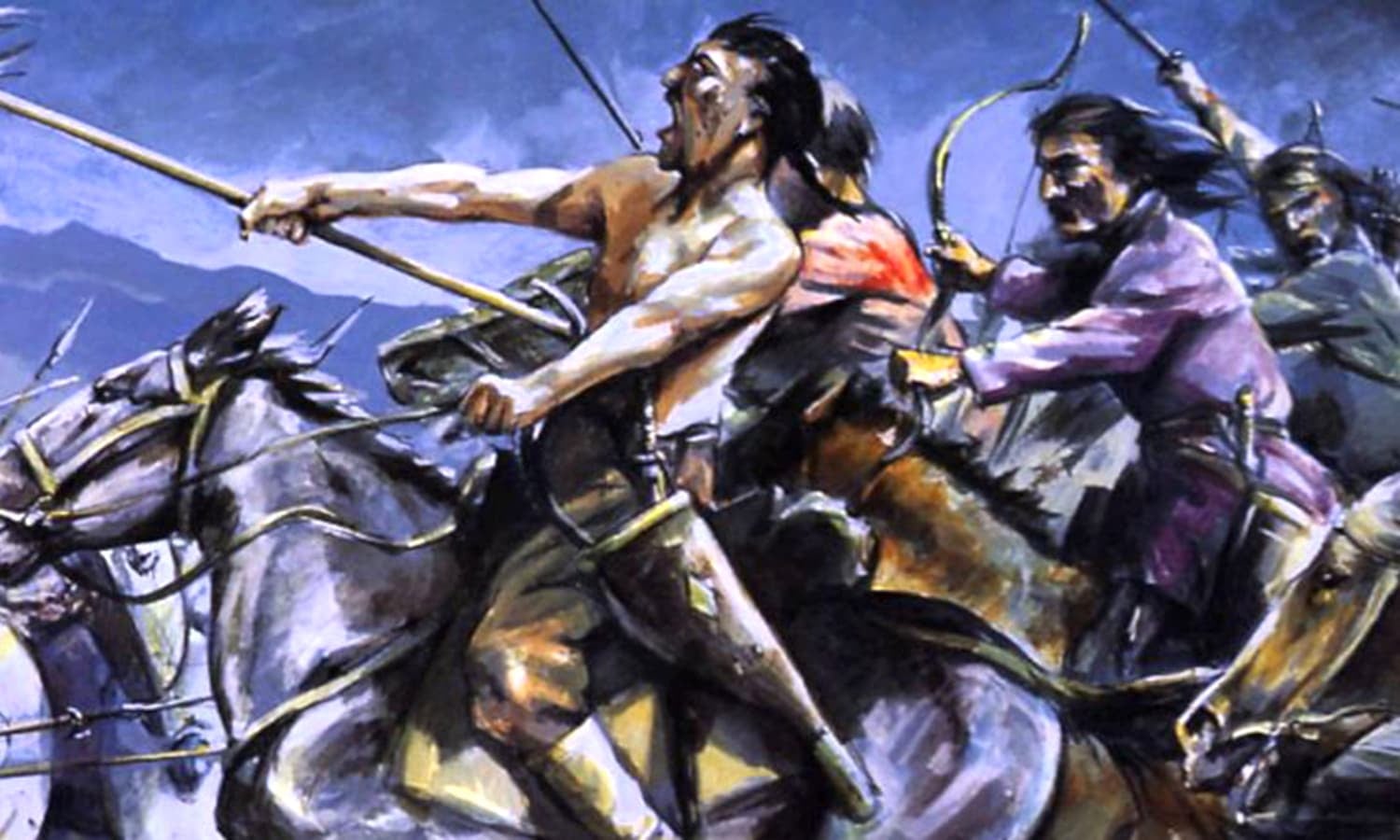
    Huns were fierce nomads in Central Asia. In the 5th century CE they managed to conquer vast lands in Europe, Central Asia and ancient India. They entered India through present-day Khyber Pakhtunkhwa (KP) province in Pakistan.

    Huns were fire-worshippers. A Hun warrior, Mehr Gul (Sunflower), established himself as king here. He ruled from his capital in what today is Sialkot in Pakistan’s Punjab province. His rule was brutal and he was defeated and removed by a confederacy of Hindu Rajput rulers from Rajasthan (in present-day India) and Multan (in present-day Pakistan).

    #Pakistan #sialkot #huns #Pakistanhistory
    ہن وسطی ایشیا میں شدید خانہ بدوش تھے۔ پانچویں صدی عیسوی میں وہ یورپ ، وسطی ایشیا اور قدیم ہندوستان میں وسیع زمینوں کو فتح کرنے میں کامیاب ہوئے۔ وہ پاکستان میں موجودہ صوبہ خیبر پختونخوا (کے پی) کے ذریعے ہندوستان میں داخل ہوئے۔ ہن آتش پرست تھے۔ ایک ہن جنگجو ، مہر گل (سورج مکھی) نے اپنے آپ کو یہاں بادشاہ کے طور پر قائم کیا۔ اس نے اپنے دارالحکومت سے حکمرانی کی جو آج پاکستان کے صوبہ پنجاب میں سیالکوٹ ہے۔ اس کی حکومت ظالمانہ تھی اور اسے راجستھان (موجودہ ہندوستان میں) اور ملتان (موجودہ پاکستان میں) سے ہندو راجپوت حکمرانوں کے اتحاد نے شکست دی اور ہٹا دیا۔ #پاکستان #سیالکوٹ #ہنس #پاکستان تاریخ Huns were fierce nomads in Central Asia. In the 5th century CE they managed to conquer vast lands in Europe, Central Asia and ancient India. They entered India through present-day Khyber Pakhtunkhwa (KP) province in Pakistan. Huns were fire-worshippers. A Hun warrior, Mehr Gul (Sunflower), established himself as king here. He ruled from his capital in what today is Sialkot in Pakistan’s Punjab province. His rule was brutal and he was defeated and removed by a confederacy of Hindu Rajput rulers from Rajasthan (in present-day India) and Multan (in present-day Pakistan). #Pakistan #sialkot #huns #Pakistanhistory
    0 Σχόλια 0 Μοιράστηκε 784 Views
  • The history of Gandhara, an ancient region located in present-day northern Pakistan and parts of eastern Afghanistan, is rich and spans thousands of years. It was a crossroads of civilizations and cultures, playing a pivotal role in the development of art, religion, and trade in South Asia and beyond.

    Geography of Gandhara
    • Gandhara was centered around the valleys of the Peshawar, Swat, and Kabul rivers.
    • Key cities included Taxila, Pushkalavati (modern Charsadda), and later Peshawar.
    • Its location at the crossroads of Central Asia, South Asia, and the Middle East made it a significant hub for trade and cultural exchange.

    Key Historical Periods
    1. Prehistoric Period (3000–1500 BCE):
    • Gandhara was part of the Indus Valley Civilization, evident from archaeological findings.
    • Early settlements in this region were influenced by the Neolithic culture of the nearby Swat Valley and Mehrgarh.
    2. Vedic and Epic Period (1500–600 BCE):
    • Gandhara is mentioned in ancient Indian texts such as the Rigveda and the Mahabharata.
    • The region was home to the Gandhara Kingdom, which played a role in the Vedic and epic narratives. For instance, King Gandhara is mentioned as a prominent figure in the Mahabharata.
    3. Achaemenid Empire (6th–4th Century BCE):
    • Gandhara became a province of the Achaemenid Empire under Darius I (circa 518 BCE).
    • Persian rule brought administrative systems, infrastructure, and Zoroastrian influences to the region.
    • It also connected Gandhara to the wider Persian Empire, making it a conduit for cultural and economic exchanges.
    4. Alexander the Great and Hellenistic Influence (4th Century BCE):
    • Alexander the Great conquered Gandhara in 327 BCE, integrating it into his empire.
    • After his death, the region became part of the Greco-Bactrian Kingdom, which introduced Hellenistic art, architecture, and cultural elements.
    5. Mauryan Empire and the Spread of Buddhism (3rd Century BCE):
    • Under Emperor Ashoka (circa 268–232 BCE), Gandhara became a key center for the spread of Buddhism.
    • Ashoka is credited with building stupas and monasteries in the region, promoting Buddhist philosophy.
    6. Indo-Greek Kingdoms (2nd–1st Century BCE):
    • After the decline of the Mauryan Empire, Gandhara came under the rule of Indo-Greek kings, such as Menander I (Milinda), who converted to Buddhism.
    • This period saw a fusion of Greek and Indian art and culture, known as the Gandhara School of Art.
    7. Kushan Empire (1st–3rd Century CE):
    • Gandhara reached its cultural and artistic zenith under the Kushan Empire, especially during the reign of Kanishka the Great.
    • Kanishka embraced and promoted Buddhism, making Gandhara a global center for Buddhist learning and art.
    • The Gandhara School of Art, characterized by its Greco-Roman and Indian influences, flourished during this time. It produced iconic Buddha statues and narrative reliefs.
    8. Huna Invasions and Decline (5th–6th Century CE):
    • The Hunas (Hephthalites or White Huns) invaded and disrupted the region, leading to a decline in Buddhist institutions.
    • Hinduism regained prominence, and Buddhism began to wane in Gandhara.
    9. Islamic Conquest (7th–8th Century CE):
    • With the advent of Islam, Gandhara’s Buddhist and Hindu cultural heritage declined further.
    • The region became part of the Islamic world, and many of its ancient Buddhist sites fell into disuse or were destroyed.

    Cultural Contributions of Gandhara
    1. Buddhism:
    • Gandhara played a pivotal role in the spread of Buddhism to Central Asia, China, and beyond.
    • The region produced early depictions of the Buddha in human form, inspired by Greek artistic traditions.
    2. Gandhara Art:
    • Known for its unique blend of Greek, Roman, Persian, and Indian influences.
    • Characterized by realistic human figures, intricate drapery, and detailed narrative reliefs depicting the life of the Buddha.
    • Iconic examples include the Buddha statues and the reliefs from Taxila and Swat Valley.
    3. Education and Trade:
    • Taxila, one of the major cities of Gandhara, was a renowned center of learning and attracted students from across the ancient world.
    • The region was a vital link on the Silk Road, facilitating trade and cultural exchange between the East and West.

    Legacy of Gandhara
    • Gandhara’s cultural and artistic achievements have had a lasting impact on South and Central Asia.
    • Archaeological sites such as Taxila, Takht-i-Bahi, and Swat Valley are UNESCO World Heritage Sites and testify to the region’s historical importance.
    • The Gandhara School of Art influenced Buddhist art in China, Korea, and Japan, spreading its legacy far beyond its original borders.

    Gandhara remains a symbol of cultural fusion, representing how diverse civilizations can influence and enrich each other over centuries.
    The history of Gandhara, an ancient region located in present-day northern Pakistan and parts of eastern Afghanistan, is rich and spans thousands of years. It was a crossroads of civilizations and cultures, playing a pivotal role in the development of art, religion, and trade in South Asia and beyond. Geography of Gandhara • Gandhara was centered around the valleys of the Peshawar, Swat, and Kabul rivers. • Key cities included Taxila, Pushkalavati (modern Charsadda), and later Peshawar. • Its location at the crossroads of Central Asia, South Asia, and the Middle East made it a significant hub for trade and cultural exchange. Key Historical Periods 1. Prehistoric Period (3000–1500 BCE): • Gandhara was part of the Indus Valley Civilization, evident from archaeological findings. • Early settlements in this region were influenced by the Neolithic culture of the nearby Swat Valley and Mehrgarh. 2. Vedic and Epic Period (1500–600 BCE): • Gandhara is mentioned in ancient Indian texts such as the Rigveda and the Mahabharata. • The region was home to the Gandhara Kingdom, which played a role in the Vedic and epic narratives. For instance, King Gandhara is mentioned as a prominent figure in the Mahabharata. 3. Achaemenid Empire (6th–4th Century BCE): • Gandhara became a province of the Achaemenid Empire under Darius I (circa 518 BCE). • Persian rule brought administrative systems, infrastructure, and Zoroastrian influences to the region. • It also connected Gandhara to the wider Persian Empire, making it a conduit for cultural and economic exchanges. 4. Alexander the Great and Hellenistic Influence (4th Century BCE): • Alexander the Great conquered Gandhara in 327 BCE, integrating it into his empire. • After his death, the region became part of the Greco-Bactrian Kingdom, which introduced Hellenistic art, architecture, and cultural elements. 5. Mauryan Empire and the Spread of Buddhism (3rd Century BCE): • Under Emperor Ashoka (circa 268–232 BCE), Gandhara became a key center for the spread of Buddhism. • Ashoka is credited with building stupas and monasteries in the region, promoting Buddhist philosophy. 6. Indo-Greek Kingdoms (2nd–1st Century BCE): • After the decline of the Mauryan Empire, Gandhara came under the rule of Indo-Greek kings, such as Menander I (Milinda), who converted to Buddhism. • This period saw a fusion of Greek and Indian art and culture, known as the Gandhara School of Art. 7. Kushan Empire (1st–3rd Century CE): • Gandhara reached its cultural and artistic zenith under the Kushan Empire, especially during the reign of Kanishka the Great. • Kanishka embraced and promoted Buddhism, making Gandhara a global center for Buddhist learning and art. • The Gandhara School of Art, characterized by its Greco-Roman and Indian influences, flourished during this time. It produced iconic Buddha statues and narrative reliefs. 8. Huna Invasions and Decline (5th–6th Century CE): • The Hunas (Hephthalites or White Huns) invaded and disrupted the region, leading to a decline in Buddhist institutions. • Hinduism regained prominence, and Buddhism began to wane in Gandhara. 9. Islamic Conquest (7th–8th Century CE): • With the advent of Islam, Gandhara’s Buddhist and Hindu cultural heritage declined further. • The region became part of the Islamic world, and many of its ancient Buddhist sites fell into disuse or were destroyed. Cultural Contributions of Gandhara 1. Buddhism: • Gandhara played a pivotal role in the spread of Buddhism to Central Asia, China, and beyond. • The region produced early depictions of the Buddha in human form, inspired by Greek artistic traditions. 2. Gandhara Art: • Known for its unique blend of Greek, Roman, Persian, and Indian influences. • Characterized by realistic human figures, intricate drapery, and detailed narrative reliefs depicting the life of the Buddha. • Iconic examples include the Buddha statues and the reliefs from Taxila and Swat Valley. 3. Education and Trade: • Taxila, one of the major cities of Gandhara, was a renowned center of learning and attracted students from across the ancient world. • The region was a vital link on the Silk Road, facilitating trade and cultural exchange between the East and West. Legacy of Gandhara • Gandhara’s cultural and artistic achievements have had a lasting impact on South and Central Asia. • Archaeological sites such as Taxila, Takht-i-Bahi, and Swat Valley are UNESCO World Heritage Sites and testify to the region’s historical importance. • The Gandhara School of Art influenced Buddhist art in China, Korea, and Japan, spreading its legacy far beyond its original borders. Gandhara remains a symbol of cultural fusion, representing how diverse civilizations can influence and enrich each other over centuries.
    0 Σχόλια 0 Μοιράστηκε 654 Views