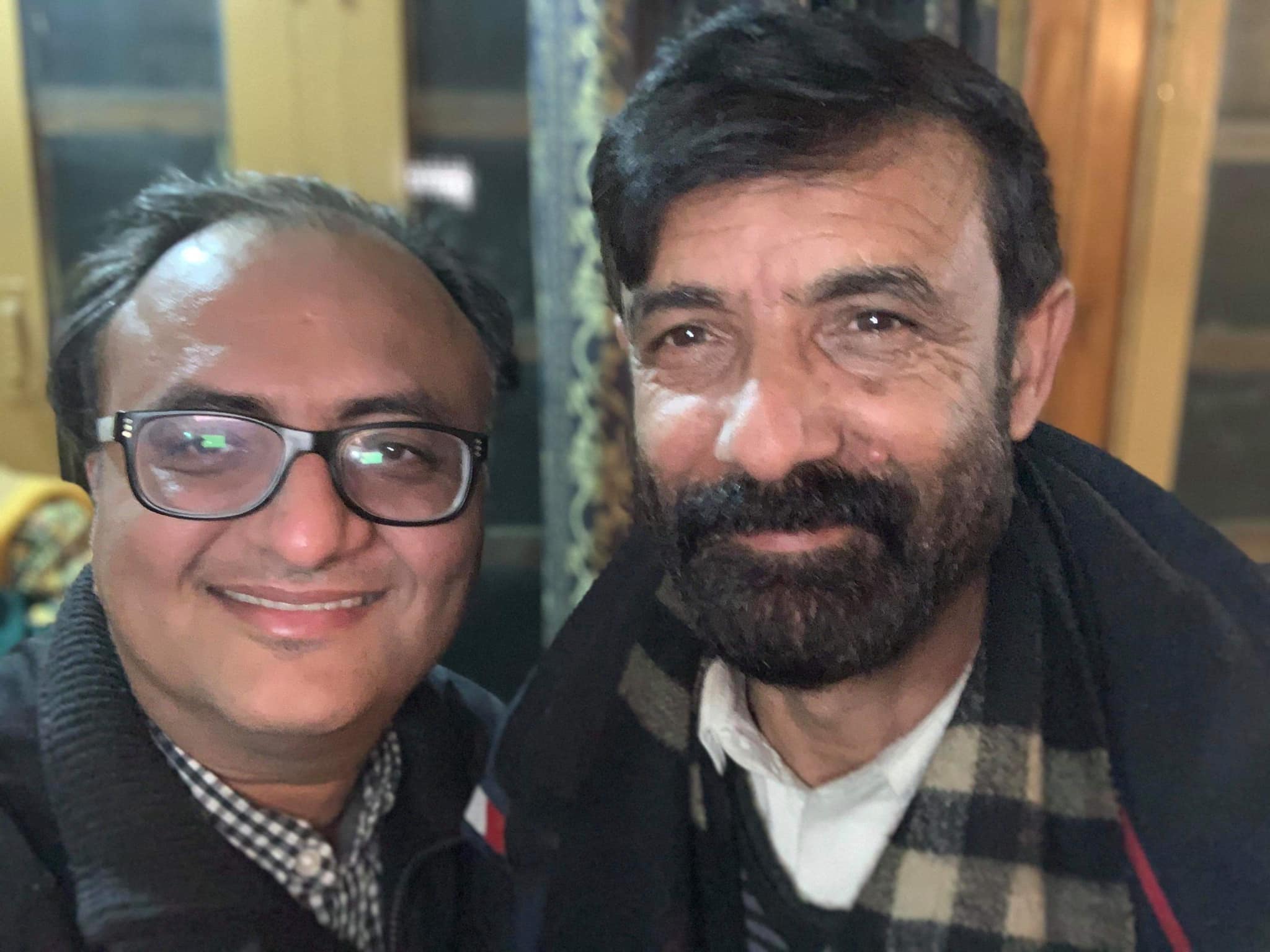
• Meet Aslam Mirza !

    President of Press club of Kashmir, Jhelum Valley !

    Topic : what is Azaadi

    #kashmir #jhelum
    Meet Aslam Mirza ! President of Press club of Kashmir, Jhelum Valley ! Topic : what is Azaadi #kashmir #jhelum
    0 Commenti 0 condivisioni 75 Views
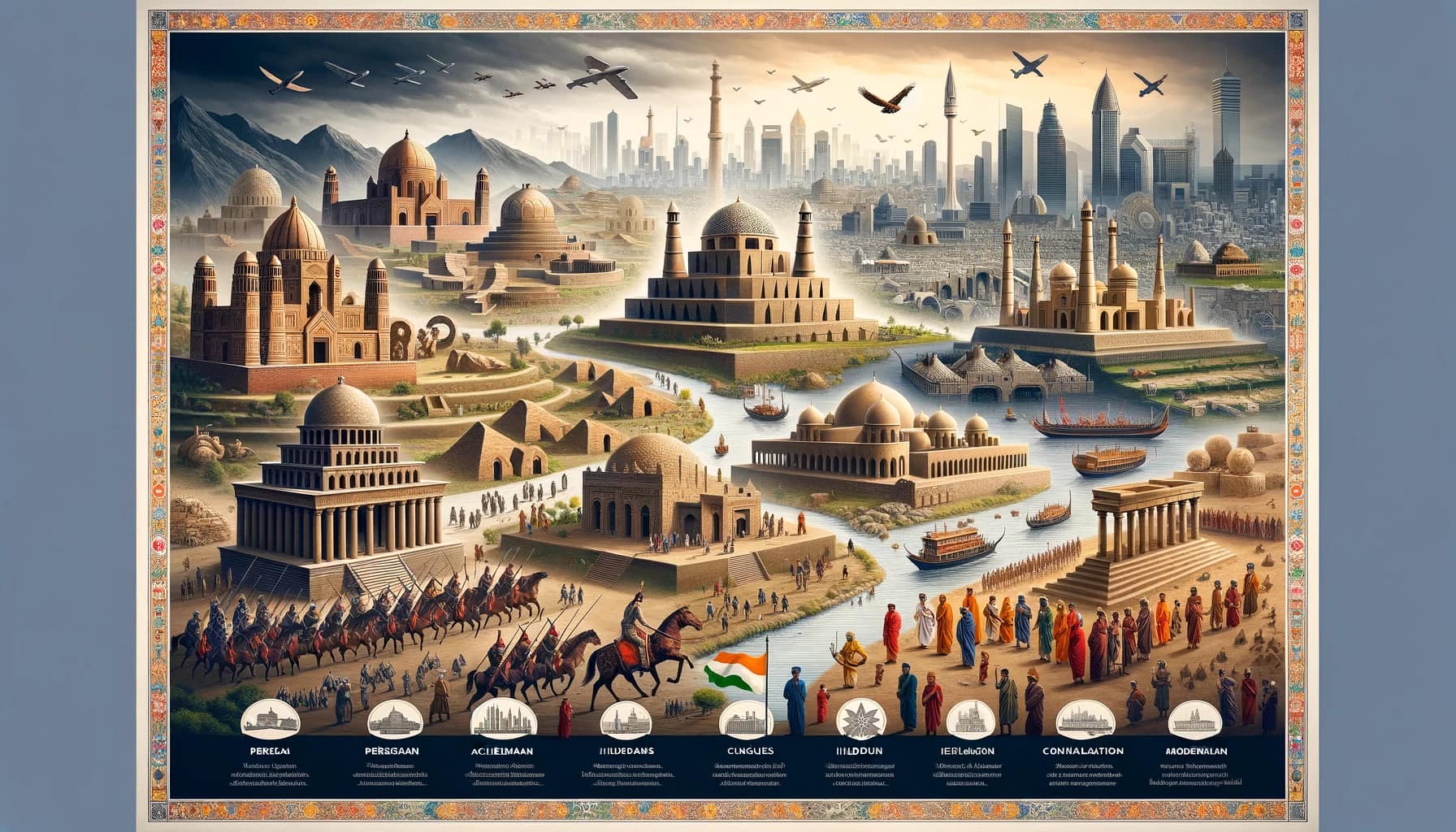
  • Timeline of Every Civilization That Ruled the Land We Call Pakistan

    7000–3300 BCE — Mehrgarh Civilization
    • One of the world’s earliest farming cultures (Balochistan)

    3300–1300 BCE — Indus Valley Civilization
    • Harappa, Mohenjo-Daro, Kot Diji — the world’s earliest urban system

    1300–600 BCE — Early Tribal Kingdoms
    • Post-Indus local cultures

    550–330 BCE — Persian Achaemenid Empire
    • Punjab, Sindh, Balochistan ruled by Darius & Cyrus

    326–323 BCE — Alexander the Great
    • Battles at Jhelum, takes parts of Punjab & Sindh

    322–185 BCE — Mauryan Empire
    • Chandragupta & Ashoka; Taxila flourishes

    180 BCE–10 CE — Indo-Greek Kingdoms
    • Greek rule over Taxila, Swat, Punjab

    10–75 CE — Scythians (Sakas)
    • Sindh & Punjab

    75–100 CE — Parthians
    • Western Pakistan, Taxila stronghold

    100–300 CE — Kushan Empire
    • All Pakistan; Peshawar capital under Kanishka

    320–550 CE — Gupta Influence
    • Marginal rule in lower Punjab/Sindh

    450–600 CE — White Huns
    • KPK & Punjab invasions

    489–632 CE — Rai Dynasty (Sindh)
    • Local Hindu dynasty

    632–712 CE — Brahman Dynasty
    • Raja Dahir’s rule in Sindh

    712–750 CE — Umayyad Caliphate
    • Muhammad bin Qasim; first Islamic government

    750–900 CE — Abbasid Influence
    • Governors in Sindh & Multan

    900–1000 CE — Local Muslim Dynasties
    • Soomro, Habbarids (Sindh)

    977–1186 CE — Ghaznavid Empire
    • Lahore becomes major center under Mahmud

    1186–1206 CE — Ghorid Empire
    • Control of Punjab

    1206–1526 CE — Delhi Sultanate
    • Mamluk → Khilji → Tughlaq → Lodhi rule

    1526–1739 CE — Mughal Empire
    • Entire Pakistan; Lahore royal capital

    1739 — Nader Shah (Persia)
    • Brief invasion

    1747–1823 CE — Durrani (Afghan) Empire
    • KPK & Punjab

    1799–1849 CE — Sikh Empire
    • Ranjit Singh controls Punjab

    1843–1947 CE — British Empire
    • Sindh, Punjab, Balochistan, NWFP

    14 August 1947 — Pakistan
    • Birth of the modern nation-state
    Timeline of Every Civilization That Ruled the Land We Call Pakistan 🇵🇰 7000–3300 BCE — Mehrgarh Civilization • One of the world’s earliest farming cultures (Balochistan) 3300–1300 BCE — Indus Valley Civilization • Harappa, Mohenjo-Daro, Kot Diji — the world’s earliest urban system 1300–600 BCE — Early Tribal Kingdoms • Post-Indus local cultures 550–330 BCE — Persian Achaemenid Empire • Punjab, Sindh, Balochistan ruled by Darius & Cyrus 326–323 BCE — Alexander the Great • Battles at Jhelum, takes parts of Punjab & Sindh 322–185 BCE — Mauryan Empire • Chandragupta & Ashoka; Taxila flourishes 180 BCE–10 CE — Indo-Greek Kingdoms • Greek rule over Taxila, Swat, Punjab 10–75 CE — Scythians (Sakas) • Sindh & Punjab 75–100 CE — Parthians • Western Pakistan, Taxila stronghold 100–300 CE — Kushan Empire • All Pakistan; Peshawar capital under Kanishka 320–550 CE — Gupta Influence • Marginal rule in lower Punjab/Sindh 450–600 CE — White Huns • KPK & Punjab invasions 489–632 CE — Rai Dynasty (Sindh) • Local Hindu dynasty 632–712 CE — Brahman Dynasty • Raja Dahir’s rule in Sindh 712–750 CE — Umayyad Caliphate • Muhammad bin Qasim; first Islamic government 750–900 CE — Abbasid Influence • Governors in Sindh & Multan 900–1000 CE — Local Muslim Dynasties • Soomro, Habbarids (Sindh) 977–1186 CE — Ghaznavid Empire • Lahore becomes major center under Mahmud 1186–1206 CE — Ghorid Empire • Control of Punjab 1206–1526 CE — Delhi Sultanate • Mamluk → Khilji → Tughlaq → Lodhi rule 1526–1739 CE — Mughal Empire • Entire Pakistan; Lahore royal capital 1739 — Nader Shah (Persia) • Brief invasion 1747–1823 CE — Durrani (Afghan) Empire • KPK & Punjab 1799–1849 CE — Sikh Empire • Ranjit Singh controls Punjab 1843–1947 CE — British Empire • Sindh, Punjab, Balochistan, NWFP 14 August 1947 — Pakistan • Birth of the modern nation-state 🇵🇰
    0 Commenti 0 condivisioni 1435 Views
  • Space x star Link satellite flying above a village in jhelum Punjab Pakistan

    Video by Usman umer

    If you have not applied for service yet please do apply https://www.starlink.com for 1000 mb internet connection unlimited for $100 a month , any rural part of the planet
    Space x star Link satellite flying above a village in jhelum Punjab Pakistan Video by Usman umer If you have not applied for service yet please do apply https://www.starlink.com for 1000 mb internet connection unlimited for $100 a month , any rural part of the planet 🌎
    0 Commenti 0 condivisioni 369 Views 0
  • Which Districts in Punjab are you from ?

    Lahore Division
    1. Lahore
    2. Kasur
    3. Sheikhupura
    4. Nankana Sahib

    Faisalabad Division
    5. Faisalabad
    6. Jhang
    7. Toba Tek Singh
    8. Chiniot

    Gujranwala Division
    9. Gujranwala
    10. Sialkot
    11. Narowal
    12. Gujrat
    13. Mandi Bahauddin
    14. Hafizabad

    Rawalpindi Division
    15. Rawalpindi
    16. Attock
    17. Chakwal
    18. Jhelum
    19. Murree

    Sargodha Division
    20. Sargodha
    21. Khushab
    22. Mianwali
    23. Bhakkar

    Multan Division
    24. Multan
    25. Khanewal
    26. Lodhran
    27. Vehari

    Bahawalpur Division
    28. Bahawalpur
    29. Bahawalnagar
    30. Rahim Yar Khan

    Dera Ghazi Khan Division
    31. Dera Ghazi Khan
    32. Rajanpur
    33. Layyah
    34. Taunsa

    35. Sahiwal
    36. Okara
    37. Pakpattan

    38. Talagang
    39. Wazirabad
    40. Kot Addu
    41. Muridke
    42. Muzaffargarh
    Which Districts in Punjab are you from ? Lahore Division 1. Lahore 2. Kasur 3. Sheikhupura 4. Nankana Sahib Faisalabad Division 5. Faisalabad 6. Jhang 7. Toba Tek Singh 8. Chiniot Gujranwala Division 9. Gujranwala 10. Sialkot 11. Narowal 12. Gujrat 13. Mandi Bahauddin 14. Hafizabad Rawalpindi Division 15. Rawalpindi 16. Attock 17. Chakwal 18. Jhelum 19. Murree Sargodha Division 20. Sargodha 21. Khushab 22. Mianwali 23. Bhakkar Multan Division 24. Multan 25. Khanewal 26. Lodhran 27. Vehari Bahawalpur Division 28. Bahawalpur 29. Bahawalnagar 30. Rahim Yar Khan Dera Ghazi Khan Division 31. Dera Ghazi Khan 32. Rajanpur 33. Layyah 34. Taunsa 35. Sahiwal 36. Okara 37. Pakpattan 38. Talagang 39. Wazirabad 40. Kot Addu 41. Muridke 42. Muzaffargarh
    0 Commenti 0 condivisioni 1712 Views
  • Lovely to meet the wise Tahir Hussain Naqvi from Jhelum Valley, Kashmir ! Do connect to learn more from him about life and building humans !
    Lovely to meet the wise Tahir Hussain Naqvi from Jhelum Valley, Kashmir ! Do connect to learn more from him about life and building humans !
    0 Commenti 0 condivisioni 270 Views
  • Here is a 5000-year timeline of the land now known as #Sindh, encompassing its history, religions, and ruling powers.

    Timeline of Sindh (5000 BCE – Present)

    Prehistoric Period (5000–2600 BCE)
    • Civilization: Early farming communities, part of the Neolithic period.
    • Religion: Animism and nature worship; early evidence of fertility cults.
    • Key Rulers: Tribal leaders and clan-based societies.
    • Key Events:
    • Early settlements formed along the Indus River.
    • Mehrgarh (in modern-day Balochistan, closely connected to Sindh) was a center of early agricultural development.

    Indus Valley Civilization (2600–1900 BCE)
    • Civilization: Harappa and Mohenjo-Daro, one of the world’s first urban civilizations.
    • Religion: Proto-Hinduism (worship of fertility symbols, sacred animals, and possibly the proto-Shiva figure).
    • Key Rulers: Likely governed by local elites or councils, no evidence of centralized kings.
    • Key Events:
    • Mohenjo-Daro, located in Sindh, became a major city of the Indus Valley Civilization.
    • Advanced drainage systems, trade networks, and urban planning emerged.

    Post-Harappan Period (1900–1500 BCE)
    • Civilization: Decline of the Indus Valley Civilization due to climatic and environmental changes.
    • Religion: Continuation of local fertility cults; early Vedic practices may have begun.
    • Key Rulers: Fragmented tribal groups.
    • Key Events:
    • Urban centers became depopulated.
    • Migration of Indo-Aryan tribes into the region began.

    Vedic Period (1500–600 BCE)
    • Civilization: Integration into the Vedic civilization.
    • Religion: Early Hinduism (Vedic rituals, deities like Agni, Indra).
    • Key Rulers: Aryan tribes, likely governed by rajas (chieftains).
    • Key Events:
    • Sindh was referred to as Sindhu in the Rigveda, representing the Indus River.

    Achaemenid Empire (519–326 BCE)
    • Civilization: Part of the Achaemenid Persian Empire under Darius I.
    • Religion: Zoroastrianism influenced the region, coexisting with local Hindu practices.
    • Key Rulers: Achaemenid satraps (governors).
    • Key Events:
    • Sindh became a province (satrapy) called Hindush under Persian control.
    • Trade with Persia flourished.

    Greek Conquest (326–305 BCE)
    • Civilization: Part of Alexander the Great’s empire.
    • Religion: Greek polytheism influenced elite culture, alongside Hindu and Zoroastrian practices.
    • Key Rulers: Alexander the Great and his successors.
    • Key Events:
    • Alexander’s forces passed through Sindh after the Battle of the Hydaspes (modern Jhelum).
    • Greek administrators ruled the area briefly.

    Mauryan Empire (305–185 BCE)
    • Civilization: Integrated into the Mauryan Empire.
    • Religion: Buddhism (promoted by Ashoka), alongside Hinduism and local beliefs.
    • Key Rulers: Chandragupta Maurya and Ashoka.
    • Key Events:
    • Sindh became a center for Buddhist learning.
    • Buddhist stupas and monasteries were constructed.

    Indo-Greek and Scythian Rule (185 BCE–75 CE)
    • Civilization: Successor states to the Mauryan Empire.
    • Religion: Buddhism, Hinduism, and Greek polytheism.
    • Key Rulers:
    • Indo-Greek kings (e.g., Menander I).
    • Scythians (Sakas) replaced Greeks later.
    • Key Events:
    • Continued fusion of Greek and Indian cultures.

    Kushan Empire (75–375 CE)
    • Civilization: Part of the Kushan Empire.
    • Religion: Buddhism flourished; Hinduism remained significant.
    • Key Rulers: Kanishka the Great.
    • Key Events:
    • Sindh became a vital hub for Buddhist missionary activities.

    Hindu-Buddhist Dynasties (375–711 CE)
    • Civilization: Ruled by local Hindu-Buddhist dynasties (e.g., Rai Dynasty).
    • Religion: Hinduism and Buddhism coexisted.
    • Key Rulers: Rai rulers followed by the Brahman dynasty.
    • Key Events:
    • Flourishing trade and culture under stable local rule.

    Islamic Conquest (711–1258 CE)
    • Civilization: Conquered by Muhammad bin Qasim (Umayyad Caliphate).
    • Religion: Islam introduced; coexisted with Hinduism and Buddhism initially.
    • Key Rulers: Umayyad governors, later independent Muslim rulers.
    • Key Events:
    • Sindh became the first region in South Asia to come under Islamic rule.
    • Conversion to Islam began, especially among the lower castes.

    Delhi Sultanate and Mughal Empire (1258–1707 CE)
    • Civilization: Incorporated into larger Islamic empires.
    • Religion: Dominantly Islam, with significant Hindu minorities.
    • Key Rulers: Sultans of Delhi and later Mughal emperors.
    • Key Events:
    • Sindh became a strategic province in the Mughal Empire.
    • Flourishing Sufi culture and Islamization of rural Sindh.

    Kalhora and Talpur Dynasties (1707–1843 CE)
    • Civilization: Ruled by local Muslim dynasties.
    • Religion: Islam dominated, with Hindu communities.
    • Key Rulers:
    • Kalhora rulers (Shia influence).
    • Talpur rulers (Sunni influence).
    • Key Events:
    • Internal conflicts between local rulers.
    • Decline due to British intervention.

    British Rule (1843–1947 CE)
    • Civilization: Part of British India.
    • Religion: Islam, Hinduism, Sikhism, and others.
    • Key Rulers: British colonial administrators.
    • Key Events:
    • Sindh was annexed by the British in 1843 after the Battle of Miani.
    • Introduction of modern infrastructure and irrigation systems.

    Post-Independence (1947–Present)
    • Civilization: Part of Pakistan.
    • Religion: Dominantly Islam, with small Hindu and Christian minorities.
    • Key Rulers: Pakistani government and local political leaders.
    • Key Events:
    • Sindh became a key province in Pakistan.
    • Karachi emerged as an economic hub.

    This timeline reflects the dynamic history of Sindh as a land influenced by multiple civilizations, religions, and rulers over 5000 years. It showcases its role as a melting pot of cultures and its transformation under diverse political and religious influences.
    Here is a 5000-year timeline of the land now known as #Sindh, encompassing its history, religions, and ruling powers. Timeline of Sindh (5000 BCE – Present) Prehistoric Period (5000–2600 BCE) • Civilization: Early farming communities, part of the Neolithic period. • Religion: Animism and nature worship; early evidence of fertility cults. • Key Rulers: Tribal leaders and clan-based societies. • Key Events: • Early settlements formed along the Indus River. • Mehrgarh (in modern-day Balochistan, closely connected to Sindh) was a center of early agricultural development. Indus Valley Civilization (2600–1900 BCE) • Civilization: Harappa and Mohenjo-Daro, one of the world’s first urban civilizations. • Religion: Proto-Hinduism (worship of fertility symbols, sacred animals, and possibly the proto-Shiva figure). • Key Rulers: Likely governed by local elites or councils, no evidence of centralized kings. • Key Events: • Mohenjo-Daro, located in Sindh, became a major city of the Indus Valley Civilization. • Advanced drainage systems, trade networks, and urban planning emerged. Post-Harappan Period (1900–1500 BCE) • Civilization: Decline of the Indus Valley Civilization due to climatic and environmental changes. • Religion: Continuation of local fertility cults; early Vedic practices may have begun. • Key Rulers: Fragmented tribal groups. • Key Events: • Urban centers became depopulated. • Migration of Indo-Aryan tribes into the region began. Vedic Period (1500–600 BCE) • Civilization: Integration into the Vedic civilization. • Religion: Early Hinduism (Vedic rituals, deities like Agni, Indra). • Key Rulers: Aryan tribes, likely governed by rajas (chieftains). • Key Events: • Sindh was referred to as Sindhu in the Rigveda, representing the Indus River. Achaemenid Empire (519–326 BCE) • Civilization: Part of the Achaemenid Persian Empire under Darius I. • Religion: Zoroastrianism influenced the region, coexisting with local Hindu practices. • Key Rulers: Achaemenid satraps (governors). • Key Events: • Sindh became a province (satrapy) called Hindush under Persian control. • Trade with Persia flourished. Greek Conquest (326–305 BCE) • Civilization: Part of Alexander the Great’s empire. • Religion: Greek polytheism influenced elite culture, alongside Hindu and Zoroastrian practices. • Key Rulers: Alexander the Great and his successors. • Key Events: • Alexander’s forces passed through Sindh after the Battle of the Hydaspes (modern Jhelum). • Greek administrators ruled the area briefly. Mauryan Empire (305–185 BCE) • Civilization: Integrated into the Mauryan Empire. • Religion: Buddhism (promoted by Ashoka), alongside Hinduism and local beliefs. • Key Rulers: Chandragupta Maurya and Ashoka. • Key Events: • Sindh became a center for Buddhist learning. • Buddhist stupas and monasteries were constructed. Indo-Greek and Scythian Rule (185 BCE–75 CE) • Civilization: Successor states to the Mauryan Empire. • Religion: Buddhism, Hinduism, and Greek polytheism. • Key Rulers: • Indo-Greek kings (e.g., Menander I). • Scythians (Sakas) replaced Greeks later. • Key Events: • Continued fusion of Greek and Indian cultures. Kushan Empire (75–375 CE) • Civilization: Part of the Kushan Empire. • Religion: Buddhism flourished; Hinduism remained significant. • Key Rulers: Kanishka the Great. • Key Events: • Sindh became a vital hub for Buddhist missionary activities. Hindu-Buddhist Dynasties (375–711 CE) • Civilization: Ruled by local Hindu-Buddhist dynasties (e.g., Rai Dynasty). • Religion: Hinduism and Buddhism coexisted. • Key Rulers: Rai rulers followed by the Brahman dynasty. • Key Events: • Flourishing trade and culture under stable local rule. Islamic Conquest (711–1258 CE) • Civilization: Conquered by Muhammad bin Qasim (Umayyad Caliphate). • Religion: Islam introduced; coexisted with Hinduism and Buddhism initially. • Key Rulers: Umayyad governors, later independent Muslim rulers. • Key Events: • Sindh became the first region in South Asia to come under Islamic rule. • Conversion to Islam began, especially among the lower castes. Delhi Sultanate and Mughal Empire (1258–1707 CE) • Civilization: Incorporated into larger Islamic empires. • Religion: Dominantly Islam, with significant Hindu minorities. • Key Rulers: Sultans of Delhi and later Mughal emperors. • Key Events: • Sindh became a strategic province in the Mughal Empire. • Flourishing Sufi culture and Islamization of rural Sindh. Kalhora and Talpur Dynasties (1707–1843 CE) • Civilization: Ruled by local Muslim dynasties. • Religion: Islam dominated, with Hindu communities. • Key Rulers: • Kalhora rulers (Shia influence). • Talpur rulers (Sunni influence). • Key Events: • Internal conflicts between local rulers. • Decline due to British intervention. British Rule (1843–1947 CE) • Civilization: Part of British India. • Religion: Islam, Hinduism, Sikhism, and others. • Key Rulers: British colonial administrators. • Key Events: • Sindh was annexed by the British in 1843 after the Battle of Miani. • Introduction of modern infrastructure and irrigation systems. Post-Independence (1947–Present) • Civilization: Part of Pakistan. • Religion: Dominantly Islam, with small Hindu and Christian minorities. • Key Rulers: Pakistani government and local political leaders. • Key Events: • Sindh became a key province in Pakistan. • Karachi emerged as an economic hub. This timeline reflects the dynamic history of Sindh as a land influenced by multiple civilizations, religions, and rulers over 5000 years. It showcases its role as a melting pot of cultures and its transformation under diverse political and religious influences.
    0 Commenti 0 condivisioni 871 Views
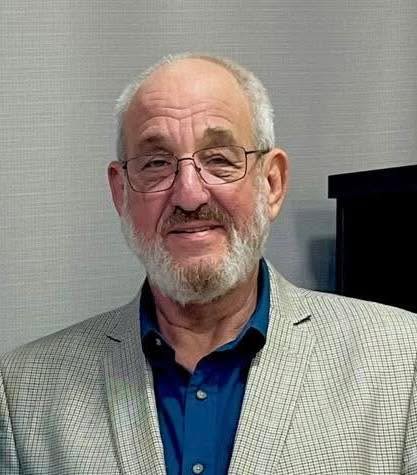
  • An American Who Moved To Pakistan — To Give, Not To Take

    Many Pakistanis dream of moving abroad.
    We imagine a better life — cleaner streets, higher salaries, working systems.
    But once in a while, a story emerges that reminds us that greatness does not come from where you go,
    but from what you give.

    This is the extraordinary story of Richard Geary, an American who, instead of leaving his country for a comfortable life elsewhere, chose to move to Pakistan with his wife Heidi and their children.
    Not to seek money, fame, or luxury — but to dedicate his time, heart, and soul to the deaf children of Pakistan.

    ⸻

    How It All Began

    In the late 1980s, Richard and Heidi visited Pakistan for the first time. What they saw shook them deeply.
    They met children who were deaf — beautiful, bright, full of potential — yet completely cut off from the world.

    These children had no access to education.
    There were no schools for them, no trained teachers, and no sign language system in the local context.
    Many parents, out of frustration and ignorance, kept their deaf children hidden at home.

    Richard and Heidi understood their pain in the most personal way — because they themselves were parents of a deaf child.
    They knew the importance of early language, of communication, of belonging.
    And when they saw that thousands of children in Pakistan lived without those opportunities, their hearts could not turn away.

    So instead of returning home to the United States, they made a decision that would change thousands of lives:
    They decided to make Pakistan their home.

    ⸻

    Building Hope from Scratch — The Birth of FESF

    In 1989, they founded the Family Educational Services Foundation (FESF) in Karachi.
    Their mission was simple yet revolutionary: to make education and communication accessible to every deaf child in Pakistan, especially those from poor families.

    At that time, very few people even believed deaf children could learn.
    But the Gearys did.
    And they proved it.

    In 1995, they launched the first Deaf Reach School — one small classroom, with a few teachers and students, and a dream bigger than any budget.
    They didn’t just start a school. They started a movement.

    ⸻

    Deaf Reach: From One School to a National Movement

    Under Richard’s leadership, Deaf Reach has now grown into a network of seven major campuses across Pakistan — including Karachi, Hyderabad, Sukkur, Nawabshah, Rashidabad, Lahore, and Jhelum.

    Each Deaf Reach campus is more than a school.
    It’s a complete ecosystem where deaf children learn, play, grow, and find confidence to live independently.

    Here’s what they built over the past three decades:

    Education for the Deaf (KG to College)

    Thousands of deaf children, many from the poorest families, now receive high-quality academic education in sign language — completely free or at highly subsidized cost.

    Vocational and Skills Training

    At the age of 14–18, students learn digital design, tailoring, culinary skills, IT, handicrafts, and photography — so that they can earn a living and support their families with dignity.

    Teacher Training

    Deaf Reach trains hundreds of teachers every year — equipping them to teach deaf students using Pakistan Sign Language (PSL).

    Pakistan Sign Language (PSL) Development

    Perhaps their greatest contribution: Richard’s team created the Pakistan Sign Language Dictionary — a complete visual language resource with over 7,000 words and signs, all available online for free.
    This project connected deaf Pakistanis across provinces and became a national communication bridge.

    Digital and Mobile Learning Tools

    Long before “EdTech” became popular, Deaf Reach was already producing e-learning videos, mobile lessons, and storybooks in sign language, allowing deaf students to learn from home — especially during COVID-19 lockdowns.

    Job Placement and Career Counseling

    Graduates from Deaf Reach are working in leading companies like KFC, Unilever, Habib Bank, and other organizations that now proudly hire deaf employees.
    This was unthinkable 20 years ago — but Richard’s quiet revolution made it possible.

    ⸻

    A Life of Love, Not Luxury

    For over 30 years, Richard and Heidi have lived among us —
    celebrating our Eid, eating our food, speaking our languages, and calling Pakistan their true home.

    They raised their children here.
    They didn’t build mansions or chase fame.
    They built futures — for others.

    In 2020, the Government of Pakistan awarded Richard Geary the Sitara-e-Khidmat, one of the nation’s highest civil honors,
    for his lifetime of service and love for Pakistan’s deaf community.

    He could have lived a comfortable, quiet life in America.
    But instead, he chose Karachi’s crowded streets, the noise of construction, the struggle for funds — all for a vision larger than himself.
    He didn’t just build schools; he built hope.
    He didn’t just teach sign language; he taught us the language of compassion.

    ⸻

    A Role Model for Rehan School Students

    At Rehan School, our mission is to create 1,000 leaders who will build $1 million startups, impact 1 million people each, and lift Pakistan’s per capita income to $100,000.

    In our books, Richard Geary is a “DeafWala” — a hero of his field.
    He took one national problem — the neglect of Pakistan’s deaf community — and dedicated his entire life to solving it.

    He didn’t switch causes every year.
    He stayed focused for over 30 years.
    That’s what makes him a true leader and change-maker.

    We estimate that through education, sign language, digital content, and teacher training, Richard Geary has already impacted over a million people in Pakistan, directly or indirectly.
    He transformed not just lives, but systems.
    And that’s exactly the kind of person we want to create — a thousand more “Richards” in Pakistan.

    At Rehan School, we tell our students:
    Find one problem.
    Study it.
    Dedicate your life to solving it.
    That’s how you change the world — one issue, one community, one life at a time.

    Richard Geary did that.
    He is living proof that one person, with love and conviction, can lift a nation.

    ⸻

    A Lesson for Every Pakistani

    Many of us dream of leaving Pakistan.
    He, who was born abroad, found his heaven here.

    Maybe Pakistan’s problem isn’t that people leave.
    Maybe its problem is that not enough people stay to build.

    If one foreign family can come here, and through pure love and service, change the destiny of thousands of deaf children,
    imagine what 220 million of us can do —
    if we give, if we build, if we serve.

    Richard Geary didn’t wait for perfect systems or funding.
    He began with what he had — a heart, a purpose, and a belief that every child deserves a chance.

    ⸻

    A Thank You from Pakistan

    Today, Pakistan says: Thank you, Richard Geary and Heidi.
    Thank you for showing us what true humanity looks like.
    Thank you for proving that love knows no borders, and that compassion speaks louder than language.

    You came as guests.
    You became family.
    You gave your life to our children — and in return, you earned the love of a nation.

    May Allah bless you both with health, happiness, and Jannat in this world and the next.
    You didn’t just teach Pakistan’s deaf children to speak with their hands —
    you taught us all to listen with our hearts.

    — Rehan Allahwala
    Founder, Rehan School
    #RehanSchool #DeafReach #RichardGeary #HeidiGeary #FESF #DeafWala #RoleModel #RehanSchoolLeaders #Pakistan #ServiceToHumanity #LoveInAction #Inspiration

    ❤️ An American Who Moved To Pakistan — To Give, Not To Take Many Pakistanis dream of moving abroad. We imagine a better life — cleaner streets, higher salaries, working systems. But once in a while, a story emerges that reminds us that greatness does not come from where you go, but from what you give. This is the extraordinary story of Richard Geary, an American who, instead of leaving his country for a comfortable life elsewhere, chose to move to Pakistan with his wife Heidi and their children. Not to seek money, fame, or luxury — but to dedicate his time, heart, and soul to the deaf children of Pakistan. ⸻ 🌿 How It All Began In the late 1980s, Richard and Heidi visited Pakistan for the first time. What they saw shook them deeply. They met children who were deaf — beautiful, bright, full of potential — yet completely cut off from the world. These children had no access to education. There were no schools for them, no trained teachers, and no sign language system in the local context. Many parents, out of frustration and ignorance, kept their deaf children hidden at home. Richard and Heidi understood their pain in the most personal way — because they themselves were parents of a deaf child. They knew the importance of early language, of communication, of belonging. And when they saw that thousands of children in Pakistan lived without those opportunities, their hearts could not turn away. So instead of returning home to the United States, they made a decision that would change thousands of lives: They decided to make Pakistan their home. ⸻ 🏫 Building Hope from Scratch — The Birth of FESF In 1989, they founded the Family Educational Services Foundation (FESF) in Karachi. Their mission was simple yet revolutionary: to make education and communication accessible to every deaf child in Pakistan, especially those from poor families. At that time, very few people even believed deaf children could learn. But the Gearys did. And they proved it. In 1995, they launched the first Deaf Reach School — one small classroom, with a few teachers and students, and a dream bigger than any budget. They didn’t just start a school. They started a movement. ⸻ 🌍 Deaf Reach: From One School to a National Movement Under Richard’s leadership, Deaf Reach has now grown into a network of seven major campuses across Pakistan — including Karachi, Hyderabad, Sukkur, Nawabshah, Rashidabad, Lahore, and Jhelum. Each Deaf Reach campus is more than a school. It’s a complete ecosystem where deaf children learn, play, grow, and find confidence to live independently. Here’s what they built over the past three decades: 1️⃣ Education for the Deaf (KG to College) Thousands of deaf children, many from the poorest families, now receive high-quality academic education in sign language — completely free or at highly subsidized cost. 2️⃣ Vocational and Skills Training At the age of 14–18, students learn digital design, tailoring, culinary skills, IT, handicrafts, and photography — so that they can earn a living and support their families with dignity. 3️⃣ Teacher Training Deaf Reach trains hundreds of teachers every year — equipping them to teach deaf students using Pakistan Sign Language (PSL). 4️⃣ Pakistan Sign Language (PSL) Development Perhaps their greatest contribution: Richard’s team created the Pakistan Sign Language Dictionary — a complete visual language resource with over 7,000 words and signs, all available online for free. This project connected deaf Pakistanis across provinces and became a national communication bridge. 5️⃣ Digital and Mobile Learning Tools Long before “EdTech” became popular, Deaf Reach was already producing e-learning videos, mobile lessons, and storybooks in sign language, allowing deaf students to learn from home — especially during COVID-19 lockdowns. 6️⃣ Job Placement and Career Counseling Graduates from Deaf Reach are working in leading companies like KFC, Unilever, Habib Bank, and other organizations that now proudly hire deaf employees. This was unthinkable 20 years ago — but Richard’s quiet revolution made it possible. ⸻ 💚 A Life of Love, Not Luxury For over 30 years, Richard and Heidi have lived among us — celebrating our Eid, eating our food, speaking our languages, and calling Pakistan their true home. They raised their children here. They didn’t build mansions or chase fame. They built futures — for others. In 2020, the Government of Pakistan awarded Richard Geary the Sitara-e-Khidmat, one of the nation’s highest civil honors, for his lifetime of service and love for Pakistan’s deaf community. He could have lived a comfortable, quiet life in America. But instead, he chose Karachi’s crowded streets, the noise of construction, the struggle for funds — all for a vision larger than himself. He didn’t just build schools; he built hope. He didn’t just teach sign language; he taught us the language of compassion. ⸻ 🌟 A Role Model for Rehan School Students At Rehan School, our mission is to create 1,000 leaders who will build $1 million startups, impact 1 million people each, and lift Pakistan’s per capita income to $100,000. In our books, Richard Geary is a “DeafWala” — a hero of his field. He took one national problem — the neglect of Pakistan’s deaf community — and dedicated his entire life to solving it. He didn’t switch causes every year. He stayed focused for over 30 years. That’s what makes him a true leader and change-maker. We estimate that through education, sign language, digital content, and teacher training, Richard Geary has already impacted over a million people in Pakistan, directly or indirectly. He transformed not just lives, but systems. And that’s exactly the kind of person we want to create — a thousand more “Richards” in Pakistan. At Rehan School, we tell our students: Find one problem. Study it. Dedicate your life to solving it. That’s how you change the world — one issue, one community, one life at a time. Richard Geary did that. He is living proof that one person, with love and conviction, can lift a nation. ⸻ 🇵🇰 A Lesson for Every Pakistani Many of us dream of leaving Pakistan. He, who was born abroad, found his heaven here. Maybe Pakistan’s problem isn’t that people leave. Maybe its problem is that not enough people stay to build. If one foreign family can come here, and through pure love and service, change the destiny of thousands of deaf children, imagine what 220 million of us can do — if we give, if we build, if we serve. Richard Geary didn’t wait for perfect systems or funding. He began with what he had — a heart, a purpose, and a belief that every child deserves a chance. ⸻ 🌷 A Thank You from Pakistan Today, Pakistan says: Thank you, Richard Geary and Heidi. Thank you for showing us what true humanity looks like. Thank you for proving that love knows no borders, and that compassion speaks louder than language. You came as guests. You became family. You gave your life to our children — and in return, you earned the love of a nation. May Allah bless you both with health, happiness, and Jannat in this world and the next. You didn’t just teach Pakistan’s deaf children to speak with their hands — you taught us all to listen with our hearts. ❤️🇵🇰 — Rehan Allahwala Founder, Rehan School #RehanSchool #DeafReach #RichardGeary #HeidiGeary #FESF #DeafWala #RoleModel #RehanSchoolLeaders #Pakistan #ServiceToHumanity #LoveInAction #Inspiration

    0 Commenti 0 condivisioni 4986 Views
  • Meet Aslam Mirza !

    President of Press club of Kashmir, Jhelum Valley !

    Topic : what is Azaadi
    Meet Aslam Mirza ! President of Press club of Kashmir, Jhelum Valley ! Topic : what is Azaadi
    0 Commenti 0 condivisioni 325 Views 0
  • Space x star Link satellite flying above a village in jhelum Punjab Pakistan

    Video by Usman umer

    If you have not applied for service yet please do apply https://www.starlink.com for 1000 mb internet connection unlimited for $100 a month , any rural part of the planet
    Space x star Link satellite flying above a village in jhelum Punjab Pakistan Video by Usman umer If you have not applied for service yet please do apply https://www.starlink.com for 1000 mb internet connection unlimited for $100 a month , any rural part of the planet 🌎
    0 Commenti 0 condivisioni 362 Views 0
  • Meet Aslam Mirza !

    President of Press club of Kashmir, Jhelum Valley !

    Topic : what is Azaadi

    #kashmir #jhelum
    Meet Aslam Mirza ! President of Press club of Kashmir, Jhelum Valley ! Topic : what is Azaadi #kashmir #jhelum
    0 Commenti 0 condivisioni 1072 Views 0
Pagine in Evidenza