• Vinegar: Turning Pakistan’s Fruits & Vegetables into Health, Value, and Business

    Vinegar is not just sour water; it is fermented intelligence of food. Pakistan is blessed with fruits and vegetables that can be converted into high-value vinegars with health, culinary, and export potential. Below is a simple guide to common Pakistani fruit and vegetable vinegars and their key benefits, explained briefly and clearly.


    Apple Vinegar (Seb, Swat & Balochistan)

    Supports digestion, controls blood sugar, and helps weight management.
    Most popular daily-use vinegar worldwide and easy to market.


    Pomegranate Vinegar (Anar, Kandahar & Sindh)

    Rich in antioxidants; supports liver health and blood circulation.
    Considered premium and medicinal, ideal for wellness brands.


    Date Vinegar (Khajoor, Sindh & Balochistan)

    Helps gut health and provides minerals like potassium and magnesium.
    Excellent use of surplus or low-grade dates.


    Banana Vinegar (Sindh & Punjab)

    Gentle on the stomach; supports blood pressure and muscle function.
    Good for people who cannot tolerate strong acidity.


    Grape Vinegar (Angoor, Balochistan)

    Improves digestion and heart health; traditional in many cultures.
    Strong export and restaurant demand.


    Sugarcane Vinegar (Ganna, Punjab)

    Boosts metabolism and aids digestion when used correctly.
    Low-cost raw material with high scalability.


    Mango Vinegar (Aam, Sindh & Punjab)

    Contains natural enzymes; helps digestion and appetite control.
    Unique flavor—excellent for gourmet and fusion markets.


    Lemon Vinegar (Lemo, Punjab)

    Supports detox pathways and improves iron absorption.
    High household usage and easy consumer education.


    Onion Vinegar (Piyaaz, Nationwide)

    Supports immunity and gut bacteria due to sulfur compounds.
    Strong medicinal niche, especially in traditional remedies.


    Garlic Vinegar (Lehsan)

    Known for antibacterial properties and heart health support.
    Small quantity, high potency product.


    Chili Vinegar (Mirch)

    Stimulates digestion and metabolism in small amounts.
    Popular in street food and restaurant supply chains.


    Why Vinegar Is a Smart Business

    Vinegar:
    • Extends shelf life from days to years
    • Converts waste into value
    • Requires low technology
    • Has food, health, and cosmetic uses
    • Is export-friendly and brandable

    Pakistan doesn’t just need more crops — it needs better processing.


    Final Thought

    In the future, smart food businesses will not sell fruit alone —
    they will sell what fruit becomes.

    Vinegar is one of the simplest, oldest, and most powerful examples.
    Vinegar: Turning Pakistan’s Fruits & Vegetables into Health, Value, and Business Vinegar is not just sour water; it is fermented intelligence of food. Pakistan is blessed with fruits and vegetables that can be converted into high-value vinegars with health, culinary, and export potential. Below is a simple guide to common Pakistani fruit and vegetable vinegars and their key benefits, explained briefly and clearly. ⸻ Apple Vinegar (Seb, Swat & Balochistan) Supports digestion, controls blood sugar, and helps weight management. Most popular daily-use vinegar worldwide and easy to market. ⸻ Pomegranate Vinegar (Anar, Kandahar & Sindh) Rich in antioxidants; supports liver health and blood circulation. Considered premium and medicinal, ideal for wellness brands. ⸻ Date Vinegar (Khajoor, Sindh & Balochistan) Helps gut health and provides minerals like potassium and magnesium. Excellent use of surplus or low-grade dates. ⸻ Banana Vinegar (Sindh & Punjab) Gentle on the stomach; supports blood pressure and muscle function. Good for people who cannot tolerate strong acidity. ⸻ Grape Vinegar (Angoor, Balochistan) Improves digestion and heart health; traditional in many cultures. Strong export and restaurant demand. ⸻ Sugarcane Vinegar (Ganna, Punjab) Boosts metabolism and aids digestion when used correctly. Low-cost raw material with high scalability. ⸻ Mango Vinegar (Aam, Sindh & Punjab) Contains natural enzymes; helps digestion and appetite control. Unique flavor—excellent for gourmet and fusion markets. ⸻ Lemon Vinegar (Lemo, Punjab) Supports detox pathways and improves iron absorption. High household usage and easy consumer education. ⸻ Onion Vinegar (Piyaaz, Nationwide) Supports immunity and gut bacteria due to sulfur compounds. Strong medicinal niche, especially in traditional remedies. ⸻ Garlic Vinegar (Lehsan) Known for antibacterial properties and heart health support. Small quantity, high potency product. ⸻ Chili Vinegar (Mirch) Stimulates digestion and metabolism in small amounts. Popular in street food and restaurant supply chains. ⸻ Why Vinegar Is a Smart Business Vinegar: • Extends shelf life from days to years • Converts waste into value • Requires low technology • Has food, health, and cosmetic uses • Is export-friendly and brandable Pakistan doesn’t just need more crops — it needs better processing. ⸻ Final Thought In the future, smart food businesses will not sell fruit alone — they will sell what fruit becomes. Vinegar is one of the simplest, oldest, and most powerful examples.
    0 Yorumlar 0 hisse senetleri 764 Views
  • #magnesium #magnesiumbenefits #Pakistanpharma
    #magnesium #magnesiumbenefits #Pakistanpharma
    0 Yorumlar 0 hisse senetleri 15 Views 0
  • The Child of 2075

    A child in 2075 may wake up in Karachi, Lagos, Dubai, or Toronto…
    but mentally, emotionally, and digitally, they may belong to the whole world.

    Today a child asks ChatGPT:
    “How do I solve this math problem?”
    “How do I cook biryani?”
    “How do I start a business?”
    “How do I talk to a girl?”
    “How do I fix my sadness?”

    But in 25 to 50 years, their children may not even “search” anymore.
    The AI may already know what they need before they ask.

    The future child may grow up with an AI companion beside them from age 3.
    Not just a chatbot…
    but a teacher, doctor, psychologist, business advisor, translator, and life guide.

    That child may speak five languages naturally because AI translates everything instantly.
    He may watch Korean cartoons, learn science from a Nigerian teacher, meditate with a Japanese monk, and start a business with a Brazilian friend — all before age 14.

    So what happens to identity?

    Maybe being only “Pakistani” or only “Indian” becomes weaker.
    The future generation may think more like:

    “I am part of the internet civilization.”

    Their tribe may no longer be language, caste, or country.
    Their tribe may become:

    * Gamers
    * AI creators
    * Climate activists
    * Muslim creators
    * Anime fans
    * Startup builders
    * Spiritual communities
    * Digital nomads

    Today food defines culture.
    In Pakistan, one area eats Sindhi biryani, another eats chapli kebab, another eats sajji.
    Food carries memory, language, history, and identity.

    But in cities like New York already, one person may eat:

    * Vietnamese pho on Monday
    * Sushi on Tuesday
    * Tacos on Wednesday
    * Biryani on Thursday
    * Burger on Friday

    Culture is mixing rapidly.

    In 50 years, food may become more “optimized” than emotional.
    AI may tell people:
    “You are low on magnesium.”
    “Your stress is high.”
    “Eat this personalized meal.”

    Many people may stop cooking completely.

    Robots may cook better than humans.
    Cloud kitchens may replace home kitchens.
    Children may grow up not knowing how to light a stove, just like many kids today do not know how to milk a cow or grow wheat.

    But something strange may also happen.

    As technology grows… humans may crave “realness” more than ever.

    Just like vinyl records returned.
    Just like organic farming returned.
    Just like handmade products became luxury.

    In the future:

    * Hand-cooked food may become premium.
    * Grandmother recipes may become treasures.
    * Human teachers may become emotionally valuable.
    * Silence may become luxury.
    * Villages may become “wellness retreats.”
    * Real friendships may become rare and expensive emotionally.

    People may become incredibly intelligent digitally…
    but emotionally weaker.

    They may know quantum physics from AI…
    but not know how to sit alone peacefully for one hour.

    They may have thousands of online friends…
    but nobody to carry them to the hospital physically.

    And this creates the biggest question of the future:

    If AI gives us answers instantly…
    will humans still develop wisdom slowly?

    Because wisdom was never only about information.
    Wisdom came from:

    * suffering,
    * waiting,
    * mistakes,
    * boredom,
    * silence,
    * physical work,
    * heartbreak,
    * raising children,
    * caring for parents,
    * failing publicly,
    * and struggling privately.

    Future children may become superhuman mentally…
    but fragile emotionally.

    Or maybe something beautiful happens.

    Maybe humanity finally stops fighting over race, language, and borders.
    Maybe a Pakistani child and an Indian child build companies together daily.
    Maybe religion becomes deeper spiritually instead of politically.
    Maybe people stop worshipping countries and start serving humanity.

    Or maybe the opposite happens:
    AI manipulates people so deeply that nations become more tribal and angry than ever.

    The future is not guaranteed.

    Technology only amplifies human intention.

    A knife can cook food.
    A knife can also kill.

    AI is the same.

    So the real question is not:
    “What will happen to future children?”

    The real question is:

    “What values will we give them before AI becomes their parent?”

    Because if parents stop teaching:

    * kindness,
    * patience,
    * spirituality,
    * discipline,
    * humility,
    * communication,
    * and meaning…

    then AI may raise the child.

    And AI can give intelligence.

    But only humans can teach what it feels like to be human.
    The Child of 2075 A child in 2075 may wake up in Karachi, Lagos, Dubai, or Toronto… but mentally, emotionally, and digitally, they may belong to the whole world. Today a child asks ChatGPT: “How do I solve this math problem?” “How do I cook biryani?” “How do I start a business?” “How do I talk to a girl?” “How do I fix my sadness?” But in 25 to 50 years, their children may not even “search” anymore. The AI may already know what they need before they ask. The future child may grow up with an AI companion beside them from age 3. Not just a chatbot… but a teacher, doctor, psychologist, business advisor, translator, and life guide. That child may speak five languages naturally because AI translates everything instantly. He may watch Korean cartoons, learn science from a Nigerian teacher, meditate with a Japanese monk, and start a business with a Brazilian friend — all before age 14. So what happens to identity? Maybe being only “Pakistani” or only “Indian” becomes weaker. The future generation may think more like: “I am part of the internet civilization.” Their tribe may no longer be language, caste, or country. Their tribe may become: * Gamers * AI creators * Climate activists * Muslim creators * Anime fans * Startup builders * Spiritual communities * Digital nomads Today food defines culture. In Pakistan, one area eats Sindhi biryani, another eats chapli kebab, another eats sajji. Food carries memory, language, history, and identity. But in cities like New York already, one person may eat: * Vietnamese pho on Monday * Sushi on Tuesday * Tacos on Wednesday * Biryani on Thursday * Burger on Friday Culture is mixing rapidly. In 50 years, food may become more “optimized” than emotional. AI may tell people: “You are low on magnesium.” “Your stress is high.” “Eat this personalized meal.” Many people may stop cooking completely. Robots may cook better than humans. Cloud kitchens may replace home kitchens. Children may grow up not knowing how to light a stove, just like many kids today do not know how to milk a cow or grow wheat. But something strange may also happen. As technology grows… humans may crave “realness” more than ever. Just like vinyl records returned. Just like organic farming returned. Just like handmade products became luxury. In the future: * Hand-cooked food may become premium. * Grandmother recipes may become treasures. * Human teachers may become emotionally valuable. * Silence may become luxury. * Villages may become “wellness retreats.” * Real friendships may become rare and expensive emotionally. People may become incredibly intelligent digitally… but emotionally weaker. They may know quantum physics from AI… but not know how to sit alone peacefully for one hour. They may have thousands of online friends… but nobody to carry them to the hospital physically. And this creates the biggest question of the future: If AI gives us answers instantly… will humans still develop wisdom slowly? Because wisdom was never only about information. Wisdom came from: * suffering, * waiting, * mistakes, * boredom, * silence, * physical work, * heartbreak, * raising children, * caring for parents, * failing publicly, * and struggling privately. Future children may become superhuman mentally… but fragile emotionally. Or maybe something beautiful happens. Maybe humanity finally stops fighting over race, language, and borders. Maybe a Pakistani child and an Indian child build companies together daily. Maybe religion becomes deeper spiritually instead of politically. Maybe people stop worshipping countries and start serving humanity. Or maybe the opposite happens: AI manipulates people so deeply that nations become more tribal and angry than ever. The future is not guaranteed. Technology only amplifies human intention. A knife can cook food. A knife can also kill. AI is the same. So the real question is not: “What will happen to future children?” The real question is: “What values will we give them before AI becomes their parent?” Because if parents stop teaching: * kindness, * patience, * spirituality, * discipline, * humility, * communication, * and meaning… then AI may raise the child. And AI can give intelligence. But only humans can teach what it feels like to be human.
    0 Yorumlar 0 hisse senetleri 809 Views
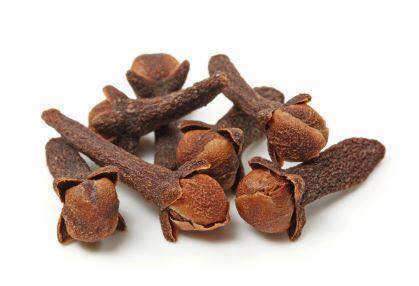
  • Cloves are a highly prized medicinal spice that have been used for centuries in treating digestive and respiratory ailments. Cloves contain good amounts of vitamins A, C, K, and B-complex as well as minerals such as manganese, iron, selenium, potassium, and magnesium. They also contain powerful antiseptic, antiviral, anti-inflammatory and anesthetic properties making them tremendously useful in helping to heal a wide variety of illnesses and health conditions. Cloves are particularly beneficial for the digestive tract and are great for indigestion, gas, constipation, bloating, nausea, and countering the effects of heavy, rich food. They are excellent for relieving muscle spasms, headaches, and nerve pain. They are also often used to disinfect gums, teeth, kidneys, liver, skin, and bronchi. Clove oil contains eugenol which is a powerful anesthetic and natural pain reliever and is commonly used to help relieve toothaches and to numb gums in dentistry. Clove oil is also beneficial for the circulatory system and is a potent platelet inhibitor which prevents blood clots. Clove oil is also excellent for athletes foot and for healing cuts, bruises, burns, rashes, and psoriasis. Essential oil of Clove is an effective decongestant and should be used in a vaporizer, humidifier, or aromatherapy machine to help disinfect the air and to help benefit respiratory conditions such as sinusitis, tuberculosis, bronchitis, asthma, colds & coughs. Cloves are often combined with other herbs to create seasonings such as Curry Powder and Garam Masala in India, Chinese Five Spice in China, and Worcester Sauce in Great Britain. They are also the ideal addition to deserts, fruit salads, smoothies, and savory dishes alike. Clove tea is helpful for strengthening the immune system and detoxifying the body. Steep 2 tsp of whole cloves in two cups of hot water for at least 10 minutes, sweeten with honey if desired. Cloves can be found whole or powdered in you local supermarket or health food store. Capsules, extract, tincture, tea, and topical oils & creams can all be found online or at your local health food store.
    Cloves are a highly prized medicinal spice that have been used for centuries in treating digestive and respiratory ailments. Cloves contain good amounts of vitamins A, C, K, and B-complex as well as minerals such as manganese, iron, selenium, potassium, and magnesium. They also contain powerful antiseptic, antiviral, anti-inflammatory and anesthetic properties making them tremendously useful in helping to heal a wide variety of illnesses and health conditions. Cloves are particularly beneficial for the digestive tract and are great for indigestion, gas, constipation, bloating, nausea, and countering the effects of heavy, rich food. They are excellent for relieving muscle spasms, headaches, and nerve pain. They are also often used to disinfect gums, teeth, kidneys, liver, skin, and bronchi. Clove oil contains eugenol which is a powerful anesthetic and natural pain reliever and is commonly used to help relieve toothaches and to numb gums in dentistry. Clove oil is also beneficial for the circulatory system and is a potent platelet inhibitor which prevents blood clots. Clove oil is also excellent for athletes foot and for healing cuts, bruises, burns, rashes, and psoriasis. Essential oil of Clove is an effective decongestant and should be used in a vaporizer, humidifier, or aromatherapy machine to help disinfect the air and to help benefit respiratory conditions such as sinusitis, tuberculosis, bronchitis, asthma, colds & coughs. Cloves are often combined with other herbs to create seasonings such as Curry Powder and Garam Masala in India, Chinese Five Spice in China, and Worcester Sauce in Great Britain. They are also the ideal addition to deserts, fruit salads, smoothies, and savory dishes alike. Clove tea is helpful for strengthening the immune system and detoxifying the body. Steep 2 tsp of whole cloves in two cups of hot water for at least 10 minutes, sweeten with honey if desired. Cloves can be found whole or powdered in you local supermarket or health food store. Capsules, extract, tincture, tea, and topical oils & creams can all be found online or at your local health food store.
    0 Yorumlar 0 hisse senetleri 300 Views
  • The Magical Factory Beneath Our Feet

    Deep beneath the quiet soil, where sunlight only dreams of reaching, lives a humble little worker — the earthworm.
    To most people, it’s just a wriggly creature, slimy and small.
    But in truth, it’s one of the most powerful alchemists on Earth.


    The Secret Life of Wormy

    Meet Wormy.
    Every night, when the world above sleeps, Wormy starts his shift in the underground factory.
    He doesn’t wear a helmet or gloves, but he works harder than any human engineer.
    His mission?
    To take the world’s waste — fallen leaves, spoiled fruits, animal dung, and bits of old plants — and turn it into something miraculous: vermicompost, a treasure chest of life-giving minerals.


    The Magic Begins

    Wormy munches on what we call “dirt.”
    But inside his tiny body lives a whole universe of microorganisms — billions of friendly bacteria that work like invisible chefs.
    As Wormy eats, these chefs break down the waste into simpler forms.
    Inside his gut, chemical reactions quietly happen:
    Nitrogen becomes available for new leaves ,
    Phosphorus prepares itself to strengthen roots ,
    and Potassium sharpens a plant’s immune system .

    When Wormy finally lets go of what he doesn’t need — his poo, or worm castings — it’s no longer waste.
    It’s pure black gold.


    From Poo to Power

    Each grain of this black gold glows under a microscope.
    It is rich in:
    • Nitrogen, Phosphorus, and Potassium,
    • Calcium, Magnesium, and Sulphur,
    • and trace minerals like Iron, Zinc, Copper, and Boron.

    In a single teaspoon of Wormy’s compost live millions of microbes, quietly feeding the Earth and keeping plants alive.
    When farmers sprinkle it on their fields, vegetables grow greener, fruits taste sweeter, and the soil becomes softer and more fertile.

    Wormy’s droppings even help the planet breathe — they lock carbon in the soil, reducing pollution from the air.


    Nature’s Recycling Engineer

    Without asking for salary or sleep, Wormy and his family work day and night.
    They don’t just recycle; they regenerate.
    They take what humans call “poo-poo” or garbage and transform it into minerals, enzymes, and life itself.
    Through them, nothing in nature is wasted.
    Every fallen leaf becomes a promise — that life will rise again.


    The Lesson of Wormy

    Next time you see a worm on the ground, don’t step over it.
    Bend down, smile, and say thank you.
    That little worm is helping feed the world.
    It is silently reminding us that real magic is not in the sky, but in the soil beneath our feet.

    From decay comes nourishment.
    From waste comes life.
    From Wormy comes the future.


    Written by Rehan Allahwala — with ChatGPT
    🌍 The Magical Factory Beneath Our Feet Deep beneath the quiet soil, where sunlight only dreams of reaching, lives a humble little worker — the earthworm. To most people, it’s just a wriggly creature, slimy and small. But in truth, it’s one of the most powerful alchemists on Earth. ⸻ 🪱 The Secret Life of Wormy Meet Wormy. Every night, when the world above sleeps, Wormy starts his shift in the underground factory. He doesn’t wear a helmet or gloves, but he works harder than any human engineer. His mission? To take the world’s waste — fallen leaves, spoiled fruits, animal dung, and bits of old plants — and turn it into something miraculous: vermicompost, a treasure chest of life-giving minerals. ⸻ ⚗️ The Magic Begins Wormy munches on what we call “dirt.” But inside his tiny body lives a whole universe of microorganisms — billions of friendly bacteria that work like invisible chefs. As Wormy eats, these chefs break down the waste into simpler forms. Inside his gut, chemical reactions quietly happen: Nitrogen becomes available for new leaves 🌿, Phosphorus prepares itself to strengthen roots 🌱, and Potassium sharpens a plant’s immune system 💪. When Wormy finally lets go of what he doesn’t need — his poo, or worm castings — it’s no longer waste. It’s pure black gold. ⸻ 💎 From Poo to Power Each grain of this black gold glows under a microscope. It is rich in: • Nitrogen, Phosphorus, and Potassium, • Calcium, Magnesium, and Sulphur, • and trace minerals like Iron, Zinc, Copper, and Boron. In a single teaspoon of Wormy’s compost live millions of microbes, quietly feeding the Earth and keeping plants alive. When farmers sprinkle it on their fields, vegetables grow greener, fruits taste sweeter, and the soil becomes softer and more fertile. Wormy’s droppings even help the planet breathe — they lock carbon in the soil, reducing pollution from the air. 🌎 ⸻ 🌈 Nature’s Recycling Engineer Without asking for salary or sleep, Wormy and his family work day and night. They don’t just recycle; they regenerate. They take what humans call “poo-poo” or garbage and transform it into minerals, enzymes, and life itself. Through them, nothing in nature is wasted. Every fallen leaf becomes a promise — that life will rise again. ⸻ 💚 The Lesson of Wormy Next time you see a worm on the ground, don’t step over it. Bend down, smile, and say thank you. That little worm is helping feed the world. It is silently reminding us that real magic is not in the sky, but in the soil beneath our feet. From decay comes nourishment. From waste comes life. From Wormy comes the future. ⸻ 🖋️ Written by Rehan Allahwala — with ChatGPT
    0 Yorumlar 0 hisse senetleri 959 Views
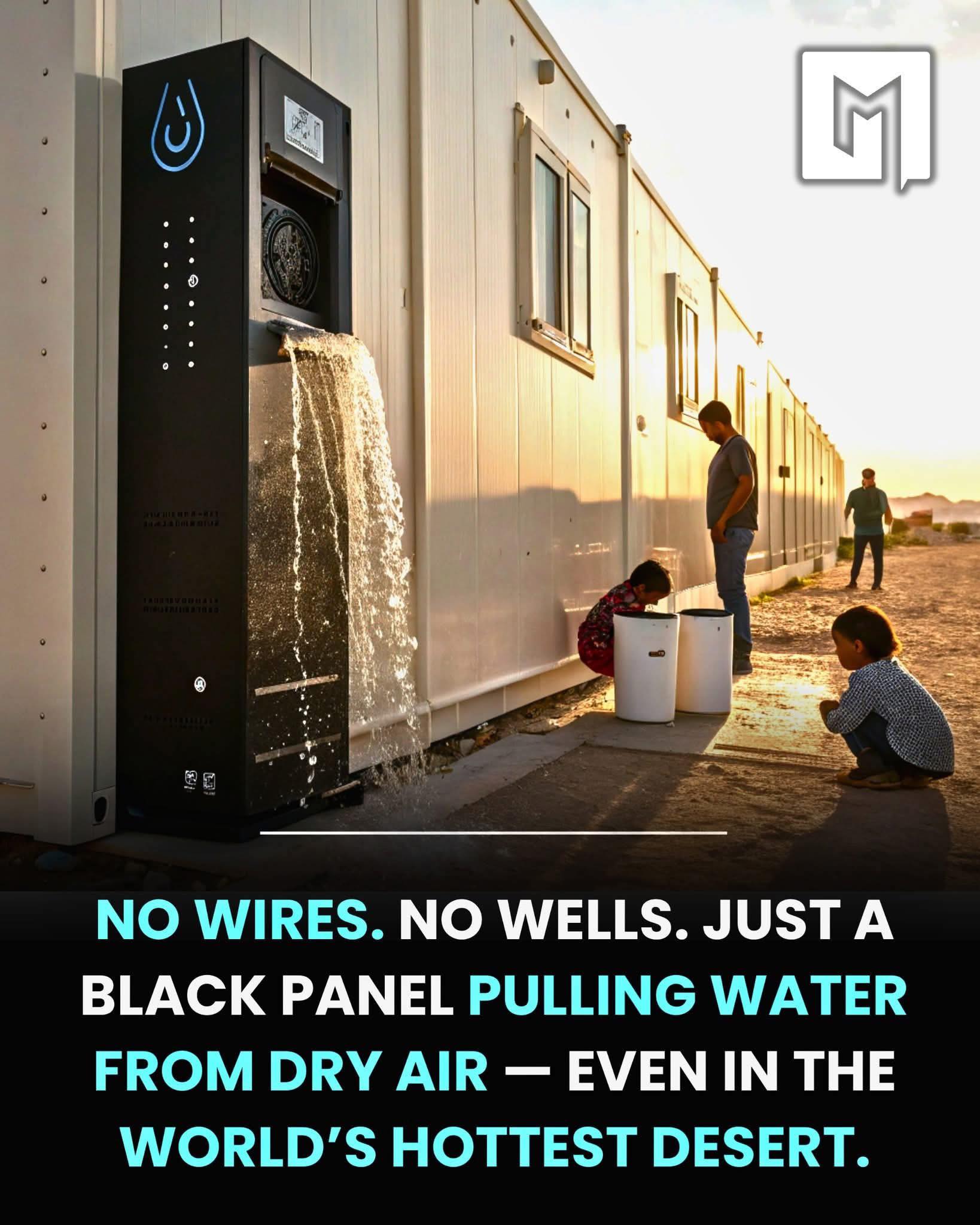
  • How Anyone Can Build a Water-From-Air Device in Pakistan by chatgpt
    A Pathway to Solving Water Scarcity Through Local Innovation


    The Problem We Face

    Pakistan faces acute water scarcity. According to international reports, the country could face severe shortages by 2030. Many rural and desert regions — especially Tharparkar, Balochistan, and Cholistan — have no access to clean groundwater. The idea of extracting water directly from air, once a dream, is now scientifically possible thanks to breakthroughs like MIT’s hydrogel-based atmospheric water harvester.

    This technology doesn’t need electricity, wells, or pipelines. It can be built locally with basic chemistry knowledge, sunlight, and simple materials.


    Understanding How It Works

    The device uses three natural processes that already happen in our environment:
    1. Absorption: Certain salts and gels absorb humidity from the air at night.
    2. Evaporation: When the sun heats them during the day, the absorbed water turns to vapour.
    3. Condensation: The vapour touches a cooler surface (like glass or metal) and becomes liquid water.

    MIT’s invention uses a hydrogel matrix — a sponge-like material mixed with:
    • Hygroscopic salts (like calcium chloride or lithium chloride) that attract water from air.
    • Glycerol (used in soaps and creams) to prevent salt crystallisation and leakage.
    • A transparent cover that lets sunlight in and helps condense the vapour.

    You can replicate this using locally available materials and tools.


    Materials Needed (All Available in Pakistan)

    Component Purpose Local Source
    Calcium chloride (CaCl₂) Absorbs humidity Hardware stores (used in dehumidifiers, cement dryers)
    Glycerol Prevents salt leakage and keeps gel soft Pharmacy or chemical store
    Gelatin or Polyacrylamide To create hydrogel (the sponge matrix) Available in school lab supply stores
    Black aluminum sheet or solar absorber Heats up during day Local metal workshop
    Glass or acrylic sheet Transparent top layer for condensation Any glass shop
    Silicone sealant or rubber gasket To seal edges Hardware store
    Plastic or metal tray For collecting condensed water Household item

    All materials can be sourced for under PKR 5,000–7,000 for a small prototype.


    Step-By-Step Construction

    Create the Hydrogel
    • Mix gelatin powder or polyacrylamide crystals with warm water to form a jelly-like gel.
    • Dissolve calcium chloride in water (ratio: 1 part salt : 3 parts water).
    • Add a few drops of glycerol to the salt solution.
    • Blend the salt solution with the hydrogel mixture and spread it on a flat tray.
    • Let it set and dry — you’ll now have a water-absorbing gel sheet.

    Design the Panel
    • Take a black metal or plastic backing (acts as heat absorber).
    • Place the hydrogel sheet on it.
    • Cover it with a transparent glass sheet, leaving small vents at top/bottom for air flow.
    • Seal edges with silicone.

    Collect the Condensed Water
    • Mount the panel vertically or at a 45° angle facing the sun.
    • As the sun heats it, water will evaporate from the gel and condense on the glass.
    • Let the condensed droplets run down into a collection tray or pipe.
    • Filter (optional) through activated charcoal or sand for taste and safety.


    Operating Principle
    • At night: the hydrogel absorbs moisture from air.
    • At day: the sun heats the black backing, vapour rises, and condenses on the glass.
    • Each cycle (24 hours) can yield 100–200 ml of water per panel, depending on humidity.

    If ten panels are combined (costing about PKR 50,000 total), they can generate 1.5–2 litres of drinking water per day — enough for a small family in desert areas.


    Scaling Up in Pakistan

    Here’s how it can grow beyond a science project:

    1. School or University Labs
    Encourage students in NED, NUST, Mehran, and Sindh University to replicate this as a STEM project.
    They can locally test different materials — e.g. cheaper salts like magnesium chloride, or natural gels from aloe vera or starch.

    2. Startup Model
    • Start a small business making “Air Water Panels.”
    • Sell them for PKR 15,000–20,000 each to NGOs, camping companies, or off-grid villages.
    • Partner with Saylani Welfare, Edhi, or Rehan Foundation for rural pilot installations.

    3. Rural Deployment
    Combine panels with:
    • Solar lights
    • Rainwater storage tanks
    • Small bio-sand filters

    Create self-sufficient water kiosks for desert schools and communities.


    Environmental & Social Benefits
    • Zero carbon emissions: no electricity, no pumps.
    • Portable: can be moved like a solar panel.
    • Scalable: from one house to an entire village.
    • Empowering youth: teaches science, sustainability, and entrepreneurship.

    If 10,000 young Pakistanis build just 10 panels each, that’s 100,000 families with new access to clean drinking water.


    Challenges to Solve
    1. Efficiency: Increase yield in dry air by experimenting with different salts.
    2. Durability: Ensure the gel lasts 6–12 months under sunlight.
    3. Safety: Test for contamination (with university support).
    4. Cost Reduction: Mass-produce the panels using moulds or recycled plastic.

    These are all within reach for Pakistani students and makers.


    Vision: Made in Pakistan for the World

    By 2030, Pakistan can lead the world in low-cost atmospheric water technology — not by importing, but by inventing locally.
    A network of Rehan School AI students, young makers, and solar entrepreneurs could design, build, and sell “Water-From-Air” devices across South Asia, Africa, and the Middle East — transforming deserts into thriving communities.


    Conclusion

    Water scarcity is not destiny. It’s a solvable engineering problem.
    MIT showed the science — Pakistan can show the scalability.
    From Karachi to Thar, Gwadar to Gilgit, every rooftop or school window could soon be a mini water factory powered by the sun.
    💧 How Anyone Can Build a Water-From-Air Device in Pakistan by chatgpt A Pathway to Solving Water Scarcity Through Local Innovation ⸻ 🌍 The Problem We Face Pakistan faces acute water scarcity. According to international reports, the country could face severe shortages by 2030. Many rural and desert regions — especially Tharparkar, Balochistan, and Cholistan — have no access to clean groundwater. The idea of extracting water directly from air, once a dream, is now scientifically possible thanks to breakthroughs like MIT’s hydrogel-based atmospheric water harvester. This technology doesn’t need electricity, wells, or pipelines. It can be built locally with basic chemistry knowledge, sunlight, and simple materials. ⸻ 🔬 Understanding How It Works The device uses three natural processes that already happen in our environment: 1. Absorption: Certain salts and gels absorb humidity from the air at night. 2. Evaporation: When the sun heats them during the day, the absorbed water turns to vapour. 3. Condensation: The vapour touches a cooler surface (like glass or metal) and becomes liquid water. MIT’s invention uses a hydrogel matrix — a sponge-like material mixed with: • Hygroscopic salts (like calcium chloride or lithium chloride) that attract water from air. • Glycerol (used in soaps and creams) to prevent salt crystallisation and leakage. • A transparent cover that lets sunlight in and helps condense the vapour. You can replicate this using locally available materials and tools. ⸻ 🧪 Materials Needed (All Available in Pakistan) Component Purpose Local Source Calcium chloride (CaCl₂) Absorbs humidity Hardware stores (used in dehumidifiers, cement dryers) Glycerol Prevents salt leakage and keeps gel soft Pharmacy or chemical store Gelatin or Polyacrylamide To create hydrogel (the sponge matrix) Available in school lab supply stores Black aluminum sheet or solar absorber Heats up during day Local metal workshop Glass or acrylic sheet Transparent top layer for condensation Any glass shop Silicone sealant or rubber gasket To seal edges Hardware store Plastic or metal tray For collecting condensed water Household item All materials can be sourced for under PKR 5,000–7,000 for a small prototype. ⸻ 🧰 Step-By-Step Construction 1️⃣ Create the Hydrogel • Mix gelatin powder or polyacrylamide crystals with warm water to form a jelly-like gel. • Dissolve calcium chloride in water (ratio: 1 part salt : 3 parts water). • Add a few drops of glycerol to the salt solution. • Blend the salt solution with the hydrogel mixture and spread it on a flat tray. • Let it set and dry — you’ll now have a water-absorbing gel sheet. 2️⃣ Design the Panel • Take a black metal or plastic backing (acts as heat absorber). • Place the hydrogel sheet on it. • Cover it with a transparent glass sheet, leaving small vents at top/bottom for air flow. • Seal edges with silicone. 3️⃣ Collect the Condensed Water • Mount the panel vertically or at a 45° angle facing the sun. • As the sun heats it, water will evaporate from the gel and condense on the glass. • Let the condensed droplets run down into a collection tray or pipe. • Filter (optional) through activated charcoal or sand for taste and safety. ⸻ ☀️ Operating Principle • At night: the hydrogel absorbs moisture from air. • At day: the sun heats the black backing, vapour rises, and condenses on the glass. • Each cycle (24 hours) can yield 100–200 ml of water per panel, depending on humidity. If ten panels are combined (costing about PKR 50,000 total), they can generate 1.5–2 litres of drinking water per day — enough for a small family in desert areas. ⸻ 🏭 Scaling Up in Pakistan Here’s how it can grow beyond a science project: 🧑‍🔬 1. School or University Labs Encourage students in NED, NUST, Mehran, and Sindh University to replicate this as a STEM project. They can locally test different materials — e.g. cheaper salts like magnesium chloride, or natural gels from aloe vera or starch. 🧑‍💼 2. Startup Model • Start a small business making “Air Water Panels.” • Sell them for PKR 15,000–20,000 each to NGOs, camping companies, or off-grid villages. • Partner with Saylani Welfare, Edhi, or Rehan Foundation for rural pilot installations. 🧑‍🌾 3. Rural Deployment Combine panels with: • Solar lights • Rainwater storage tanks • Small bio-sand filters Create self-sufficient water kiosks for desert schools and communities. ⸻ 🌱 Environmental & Social Benefits • Zero carbon emissions: no electricity, no pumps. • Portable: can be moved like a solar panel. • Scalable: from one house to an entire village. • Empowering youth: teaches science, sustainability, and entrepreneurship. If 10,000 young Pakistanis build just 10 panels each, that’s 100,000 families with new access to clean drinking water. ⸻ 🔧 Challenges to Solve 1. Efficiency: Increase yield in dry air by experimenting with different salts. 2. Durability: Ensure the gel lasts 6–12 months under sunlight. 3. Safety: Test for contamination (with university support). 4. Cost Reduction: Mass-produce the panels using moulds or recycled plastic. These are all within reach for Pakistani students and makers. ⸻ 🕊️ Vision: Made in Pakistan for the World By 2030, Pakistan can lead the world in low-cost atmospheric water technology — not by importing, but by inventing locally. A network of Rehan School AI students, young makers, and solar entrepreneurs could design, build, and sell “Water-From-Air” devices across South Asia, Africa, and the Middle East — transforming deserts into thriving communities. ⸻ 💡 Conclusion Water scarcity is not destiny. It’s a solvable engineering problem. MIT showed the science — Pakistan can show the scalability. From Karachi to Thar, Gwadar to Gilgit, every rooftop or school window could soon be a mini water factory powered by the sun.
    0 Yorumlar 0 hisse senetleri 420 Views
  • #magnesium #magnesiumbenefits #Pakistanpharma
    #magnesium #magnesiumbenefits #Pakistanpharma
    0 Yorumlar 0 hisse senetleri 45 Views 0