• Chapter 5: Ukraine & Russia – The Concrete Truce

    For years, Ukraine and Russia’s relationship was like two neighbors fighting so bitterly that even their fences developed PTSD. By 2026, the world was tired of the shouting, the sanctions, the broken promises. And then something unexpected happened: they discovered cement.

    ⸻

    From Bombs to Builders

    In early 2027, while the Planet Progress Fund was planning global reconstruction projects, Ukrainian and Russian engineers submitted a joint proposal:
    “Instead of destroying cities, let’s rebuild them — together.”

    The council loved the irony. And so, the first trucks rolled out of Moscow and Kyiv — not tanks, but cement mixers.

    By the summer of 2028, a company was born: SlavCement United. Its slogan:
    “We lay concrete, not conflict.”

    ⸻

    The Roads of Peace

    What began as rebuilding war-torn Donbas spread into a continental effort:
    • Highways linking Moscow to Kyiv to Warsaw.
    • Bullet trains cutting travel time between St. Petersburg and Odessa to under four hours.
    • Bridges across rivers once used for battlefronts.

    Citizens called them the “roads of peace.” A Russian grandmother joked: “My grandson used to build bunkers. Now he builds bike lanes. Much safer.”

    ⸻

    Culture Joins the Ride

    As construction boomed, so did culture. Festivals sprouted on the very streets once filled with rubble. Musicians from both sides co-wrote songs. TikTok dances filmed on new bridges went viral. Cafés opened with menus proudly offering “borscht AND varenyky — why choose?”

    By 2029, tourism was surging. Instead of frontlines, Ukraine and Russia were on bucket lists for travelers who wanted to “see the place where enemies became neighbors again.”

    ⸻

    The Economic Miracle

    Economists predicted chaos. Instead, they got an economic boom. With military spending reallocated to construction, Russia’s industrial muscle and Ukraine’s agricultural strength fused. Together they became Eastern Europe’s fastest-growing peace economy.

    The Planet Union Council later admitted: “We thought it would take 20 years for reconciliation. SlavCement did it in two.”

    ⸻

    Legacy

    By 2030, Ukraine and Russia were no longer a cautionary tale. They were a case study.

    Every student in Planet Union schools learned the slogan carved into the first rebuilt wall in Kyiv:
    “Concrete lasts longer than conflict.”

    ⸻

    Now copy this chapter and share it on your social media so others can imagine how Ukraine and Russia rebuilt instead of fought.
    Hashtags: #PlanetUnion #Peace2030 #WorldUnited #AIStories
    Chapter 5: Ukraine & Russia – The Concrete Truce For years, Ukraine and Russia’s relationship was like two neighbors fighting so bitterly that even their fences developed PTSD. By 2026, the world was tired of the shouting, the sanctions, the broken promises. And then something unexpected happened: they discovered cement. ⸻ From Bombs to Builders In early 2027, while the Planet Progress Fund was planning global reconstruction projects, Ukrainian and Russian engineers submitted a joint proposal: “Instead of destroying cities, let’s rebuild them — together.” The council loved the irony. And so, the first trucks rolled out of Moscow and Kyiv — not tanks, but cement mixers. By the summer of 2028, a company was born: SlavCement United. Its slogan: “We lay concrete, not conflict.” ⸻ The Roads of Peace What began as rebuilding war-torn Donbas spread into a continental effort: • Highways linking Moscow to Kyiv to Warsaw. • Bullet trains cutting travel time between St. Petersburg and Odessa to under four hours. • Bridges across rivers once used for battlefronts. Citizens called them the “roads of peace.” A Russian grandmother joked: “My grandson used to build bunkers. Now he builds bike lanes. Much safer.” ⸻ Culture Joins the Ride As construction boomed, so did culture. Festivals sprouted on the very streets once filled with rubble. Musicians from both sides co-wrote songs. TikTok dances filmed on new bridges went viral. Cafés opened with menus proudly offering “borscht AND varenyky — why choose?” By 2029, tourism was surging. Instead of frontlines, Ukraine and Russia were on bucket lists for travelers who wanted to “see the place where enemies became neighbors again.” ⸻ The Economic Miracle Economists predicted chaos. Instead, they got an economic boom. With military spending reallocated to construction, Russia’s industrial muscle and Ukraine’s agricultural strength fused. Together they became Eastern Europe’s fastest-growing peace economy. The Planet Union Council later admitted: “We thought it would take 20 years for reconciliation. SlavCement did it in two.” ⸻ Legacy By 2030, Ukraine and Russia were no longer a cautionary tale. They were a case study. Every student in Planet Union schools learned the slogan carved into the first rebuilt wall in Kyiv: “Concrete lasts longer than conflict.” ⸻ 👉 Now copy this chapter and share it on your social media so others can imagine how Ukraine and Russia rebuilt instead of fought. Hashtags: #PlanetUnion #Peace2030 #WorldUnited #AIStories
    0 التعليقات 0 المشاركات 2392 مشاهدة
  • The is one of the most emotionally charged and geopolitically complex conflicts in modern history. Different people see it through completely different lenses depending on their history, media, ideology, geography, and fears.

    Here are five major angles people use to understand the war:

    ⸻

    1. The Pro-Ukraine / Anti-Russian Invasion Angle

    This is the dominant view in most Western countries.

    Core Belief:

    Russia invaded a sovereign country without justification.

    People with this view say:

    * Ukraine is an independent nation.
    * Russia violated international law by annexing Crimea in 2014 and invading in 2022.
    * Ukrainians have the right to choose Europe, democracy, or NATO if they want.
    * Russia is trying to rebuild imperial influence similar to the Soviet era.

    This side often highlights:

    * Civilian casualties
    * Destruction of cities
    * Refugees
    * Alleged war crimes
    * Forced deportations
    * Attacks on infrastructure

    They argue:

    “If large countries can simply invade smaller neighbors, the entire world order collapses.”

    NATO officially frames its support as helping Ukraine defend itself under international law.

    ⸻

    2. The Pro-Russian / Anti-NATO Expansion Angle

    This is common among Russian officials, some geopolitical analysts, and people skeptical of U.S. foreign policy.

    Core Belief:

    Russia felt strategically cornered by NATO expansion.

    People with this view argue:

    * NATO kept moving eastward after the Cold War.
    * Russia repeatedly warned that Ukraine joining NATO was a “red line.”
    * From Moscow’s perspective, hostile military infrastructure near its borders was unacceptable.
    * The West ignored Russian security concerns for decades.

    This angle often compares it to:

    “How would America react if Russia placed military bases in Mexico or Canada?”

    Supporters also point to:

    * Russian-speaking populations in eastern Ukraine
    * The 2014 overthrow of Ukraine’s pro-Russian president
    * Historical ties between Russia and Ukraine
    * Crimea’s strategic naval importance

    Some analysts argue NATO expansion was a major trigger for the war.

    ⸻

    3. The “Both Sides Are Being Used” Angle

    This view is common among anti-war thinkers and people distrustful of global power politics.

    Core Belief:

    Ordinary Ukrainians and Russians are both paying the price for a larger geopolitical power struggle.

    People with this view say:

    * Ukraine became the battleground between Russia and the West.
    * Russia, NATO, defense industries, intelligence agencies, and politicians all have strategic interests.
    * Young Ukrainians and Russians are dying while elites remain protected.
    * Arms manufacturers, energy politics, and geopolitical influence all play roles.

    This perspective often calls the war:

    * A proxy war
    * A security competition
    * A great-power confrontation

    Russian officials call it a NATO proxy war, while NATO rejects that framing.

    ⸻

    4. The Historical-Identity Angle

    This view focuses less on military strategy and more on identity, history, and civilization.

    Core Belief:

    The conflict is partly about competing visions of history and nationhood.

    Russia’s leadership often argues:

    * Russians and Ukrainians are historically “one people.”
    * Ukraine was deeply tied to the Russian Empire and Soviet Union.
    * Western influence is “pulling Ukraine away” culturally and politically.

    Ukraine strongly rejects this narrative and emphasizes:

    * Its own language
    * Its own culture
    * Its own identity
    * Its right to exist independently

    For many Ukrainians, this war is existential:

    “If we lose, our nation disappears.”

    For many Russians supporting the Kremlin:

    “If Ukraine fully joins the Western military sphere, Russia loses historical and strategic security.”

    This identity conflict is one reason compromise becomes emotionally difficult.

    ⸻

    5. The Humanitarian / Human Cost Angle

    This perspective ignores geopolitics and focuses on ordinary humans.

    Core Belief:

    War destroys generations regardless of who is “right.”

    This angle focuses on:

    * Millions displaced
    * Trauma in children
    * Destroyed homes
    * Economic collapse
    * Families separated
    * Long-term hatred between neighbors

    The conflict has also affected:

    * Food prices globally
    * Energy prices
    * Migration
    * Cybersecurity
    * Military spending worldwide

    Research shows major economic and entrepreneurial losses in both countries.

    Many people holding this view believe:

    “Even if one side wins militarily, both societies may lose psychologically for decades.”

    ⸻

    A Sixth Angle Emerging in 2026:

    The “Frozen Conflict” Fear

    Many analysts now worry the war may become a long-term frozen conflict like:

    * Korea
    * Kashmir
    * Cyprus

    Russia currently controls around 20% of Ukrainian territory including Crimea and parts of Donbas, according to several trackers.

    Recent reports show:

    * Heavy casualties on both sides
    * Expanding drone warfare
    * Economic pressure on Russia
    * Continued Western aid to Ukraine
    * No clear peace settlement yet

    ⸻

    The Difficult Truth

    The hardest part about this conflict is:

    Two things can be true at the same time.

    For example:

    * Russia may genuinely fear NATO expansion.
    * Ukraine may genuinely fear Russian domination.

    Or:

    * NATO may believe it is defending democracy.
    * Russia may believe it is defending strategic survival.

    Humans often want a simple:

    “good guy vs bad guy”

    But geopolitics is usually:

    history + fear + power + propaganda + economics + identity + trauma.

    That does not mean “all sides are equal.”
    It means understanding conflicts requires seeing multiple layers simultaneously.
    The is one of the most emotionally charged and geopolitically complex conflicts in modern history. Different people see it through completely different lenses depending on their history, media, ideology, geography, and fears. Here are five major angles people use to understand the war: ⸻ 1. The Pro-Ukraine / Anti-Russian Invasion Angle This is the dominant view in most Western countries. Core Belief: Russia invaded a sovereign country without justification. People with this view say: * Ukraine is an independent nation. * Russia violated international law by annexing Crimea in 2014 and invading in 2022. * Ukrainians have the right to choose Europe, democracy, or NATO if they want. * Russia is trying to rebuild imperial influence similar to the Soviet era. This side often highlights: * Civilian casualties * Destruction of cities * Refugees * Alleged war crimes * Forced deportations * Attacks on infrastructure They argue: “If large countries can simply invade smaller neighbors, the entire world order collapses.” NATO officially frames its support as helping Ukraine defend itself under international law. ⸻ 2. The Pro-Russian / Anti-NATO Expansion Angle This is common among Russian officials, some geopolitical analysts, and people skeptical of U.S. foreign policy. Core Belief: Russia felt strategically cornered by NATO expansion. People with this view argue: * NATO kept moving eastward after the Cold War. * Russia repeatedly warned that Ukraine joining NATO was a “red line.” * From Moscow’s perspective, hostile military infrastructure near its borders was unacceptable. * The West ignored Russian security concerns for decades. This angle often compares it to: “How would America react if Russia placed military bases in Mexico or Canada?” Supporters also point to: * Russian-speaking populations in eastern Ukraine * The 2014 overthrow of Ukraine’s pro-Russian president * Historical ties between Russia and Ukraine * Crimea’s strategic naval importance Some analysts argue NATO expansion was a major trigger for the war. ⸻ 3. The “Both Sides Are Being Used” Angle This view is common among anti-war thinkers and people distrustful of global power politics. Core Belief: Ordinary Ukrainians and Russians are both paying the price for a larger geopolitical power struggle. People with this view say: * Ukraine became the battleground between Russia and the West. * Russia, NATO, defense industries, intelligence agencies, and politicians all have strategic interests. * Young Ukrainians and Russians are dying while elites remain protected. * Arms manufacturers, energy politics, and geopolitical influence all play roles. This perspective often calls the war: * A proxy war * A security competition * A great-power confrontation Russian officials call it a NATO proxy war, while NATO rejects that framing. ⸻ 4. The Historical-Identity Angle This view focuses less on military strategy and more on identity, history, and civilization. Core Belief: The conflict is partly about competing visions of history and nationhood. Russia’s leadership often argues: * Russians and Ukrainians are historically “one people.” * Ukraine was deeply tied to the Russian Empire and Soviet Union. * Western influence is “pulling Ukraine away” culturally and politically. Ukraine strongly rejects this narrative and emphasizes: * Its own language * Its own culture * Its own identity * Its right to exist independently For many Ukrainians, this war is existential: “If we lose, our nation disappears.” For many Russians supporting the Kremlin: “If Ukraine fully joins the Western military sphere, Russia loses historical and strategic security.” This identity conflict is one reason compromise becomes emotionally difficult. ⸻ 5. The Humanitarian / Human Cost Angle This perspective ignores geopolitics and focuses on ordinary humans. Core Belief: War destroys generations regardless of who is “right.” This angle focuses on: * Millions displaced * Trauma in children * Destroyed homes * Economic collapse * Families separated * Long-term hatred between neighbors The conflict has also affected: * Food prices globally * Energy prices * Migration * Cybersecurity * Military spending worldwide Research shows major economic and entrepreneurial losses in both countries. Many people holding this view believe: “Even if one side wins militarily, both societies may lose psychologically for decades.” ⸻ A Sixth Angle Emerging in 2026: The “Frozen Conflict” Fear Many analysts now worry the war may become a long-term frozen conflict like: * Korea * Kashmir * Cyprus Russia currently controls around 20% of Ukrainian territory including Crimea and parts of Donbas, according to several trackers. Recent reports show: * Heavy casualties on both sides * Expanding drone warfare * Economic pressure on Russia * Continued Western aid to Ukraine * No clear peace settlement yet ⸻ The Difficult Truth The hardest part about this conflict is: Two things can be true at the same time. For example: * Russia may genuinely fear NATO expansion. * Ukraine may genuinely fear Russian domination. Or: * NATO may believe it is defending democracy. * Russia may believe it is defending strategic survival. Humans often want a simple: “good guy vs bad guy” But geopolitics is usually: history + fear + power + propaganda + economics + identity + trauma. That does not mean “all sides are equal.” It means understanding conflicts requires seeing multiple layers simultaneously.
    0 التعليقات 0 المشاركات 1368 مشاهدة
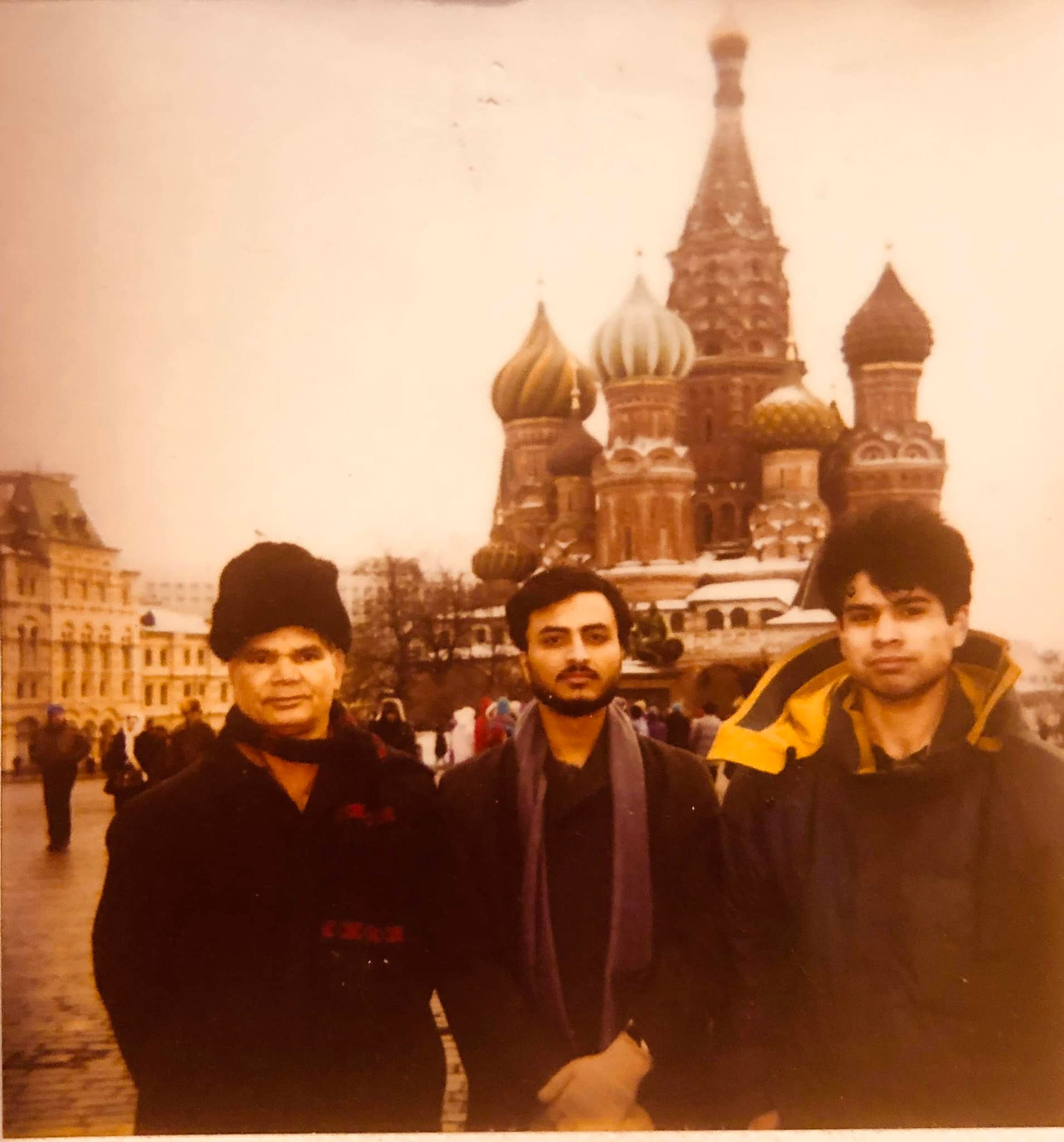
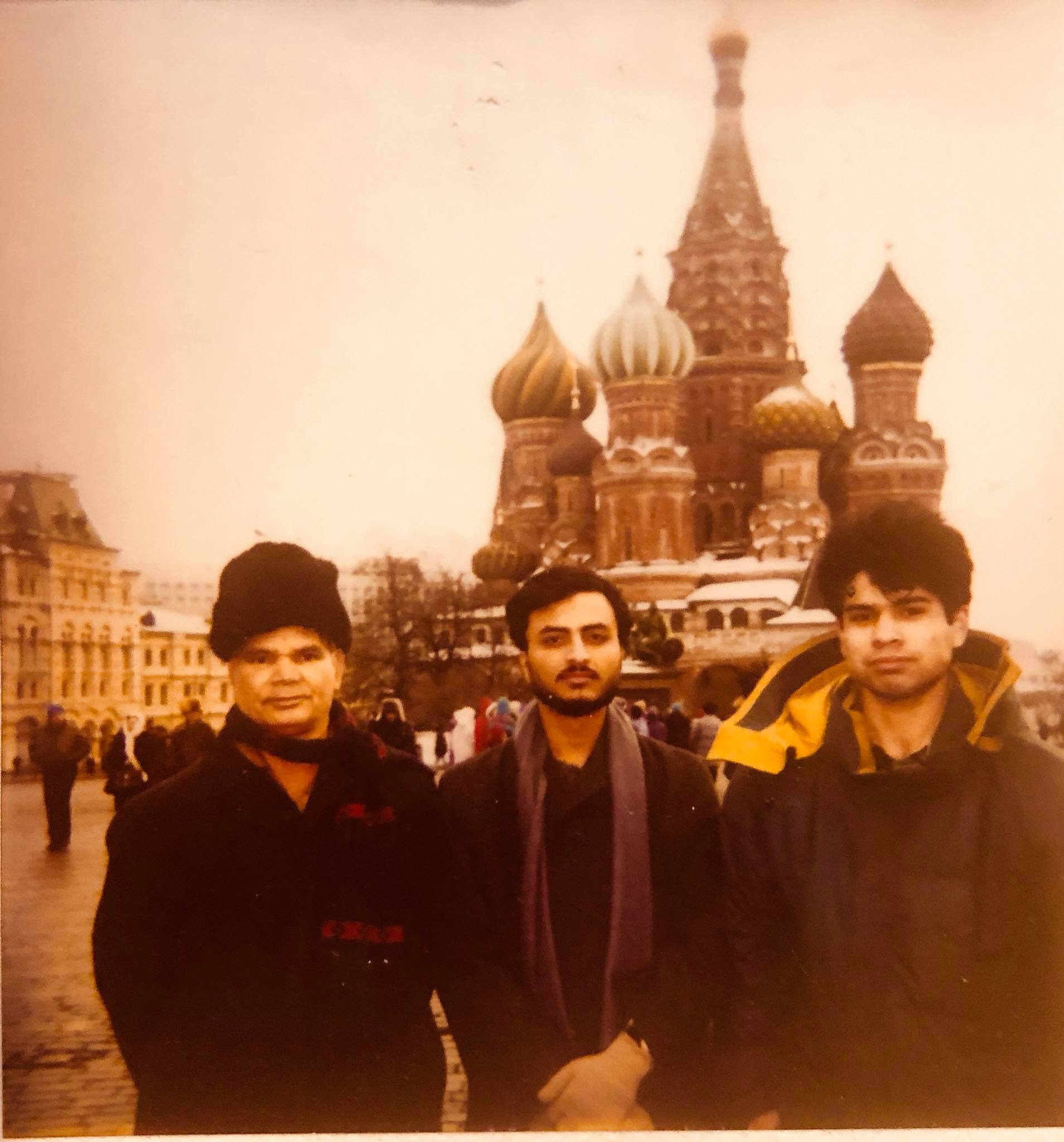
  • Rehan Allahwala in The Kremlin & Red Square, Moscow, Russia
    1993 1994

    The center one is Rehan Allahwala , left is director of Export Promotion And Right is my assistant I hired there
    Rehan Allahwala in The Kremlin & Red Square, Moscow, Russia 1993 1994 The center one is Rehan Allahwala , left is director of Export Promotion And Right is my assistant I hired there
    0 التعليقات 0 المشاركات 23 مشاهدة
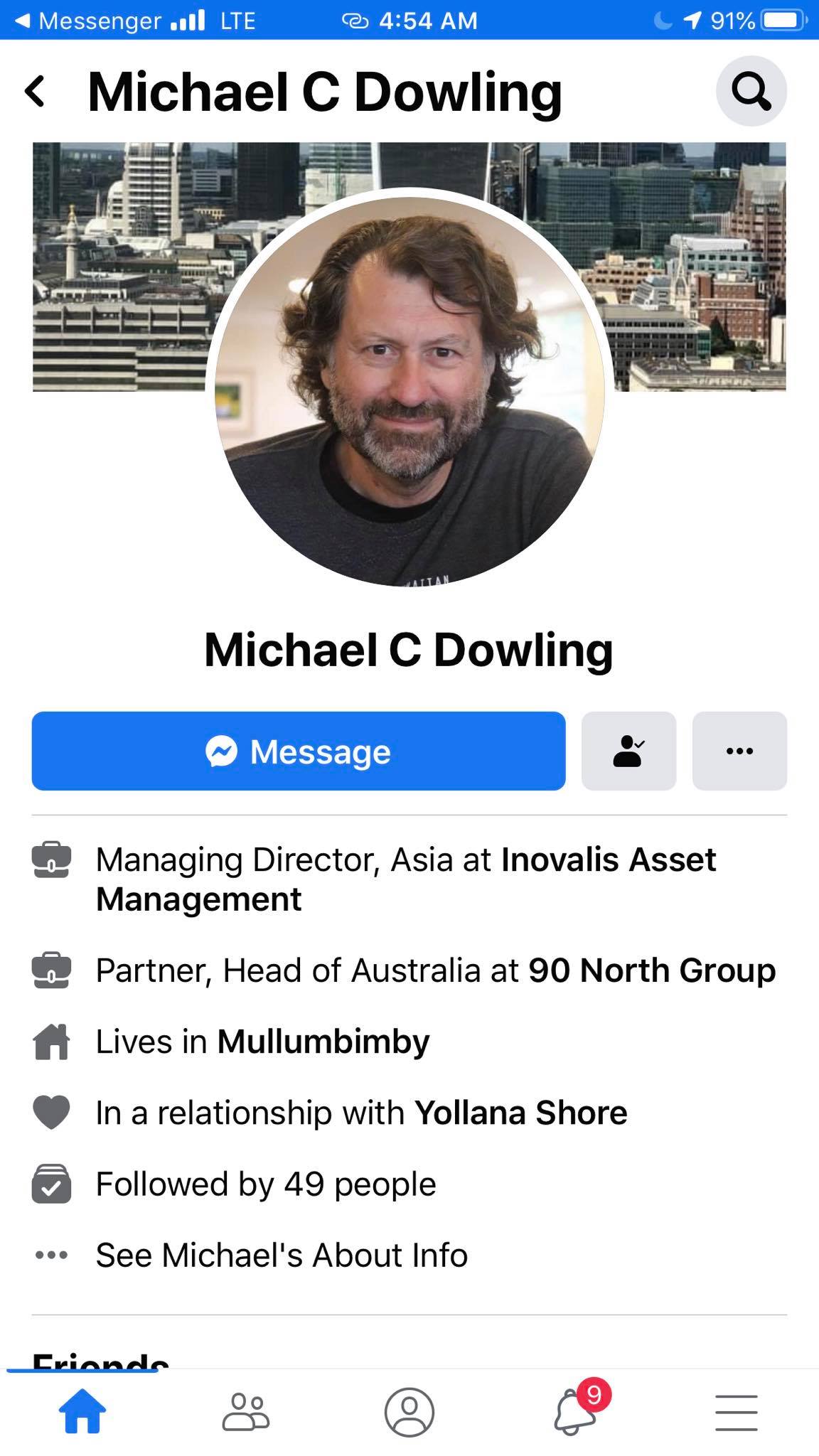
  • My name is Michael C Dowling.

    I live in Australia (Byron Bay) and am a world citizen having lived in Sydney, London, Hong Kong, Singapore, Jakarta, Moscow, Tokyo and Kuwait. I have spent 35 years travelling the world and making business connections. I am a property developer and real estate funds manager. I organise money to develop, own and operate real estate for the benefit of investors. I have a particular focus on residential real estate currently and have developed and invested in a wide range of real estate asset classes. I am also actively creating a combination of real estate and crypto currency. The current time in the world represents the greatest opportunity to adjust the inequality of the post World War II financial system, change the addiction to fiat currency and eradicate poverty.

    This is my Mission

    I would be happy to share what I know and give interviews about my work
    My name is Michael C Dowling. I live in Australia (Byron Bay) and am a world citizen having lived in Sydney, London, Hong Kong, Singapore, Jakarta, Moscow, Tokyo and Kuwait. I have spent 35 years travelling the world and making business connections. I am a property developer and real estate funds manager. I organise money to develop, own and operate real estate for the benefit of investors. I have a particular focus on residential real estate currently and have developed and invested in a wide range of real estate asset classes. I am also actively creating a combination of real estate and crypto currency. The current time in the world represents the greatest opportunity to adjust the inequality of the post World War II financial system, change the addiction to fiat currency and eradicate poverty. This is my Mission I would be happy to share what I know and give interviews about my work
    0 التعليقات 0 المشاركات 61 مشاهدة
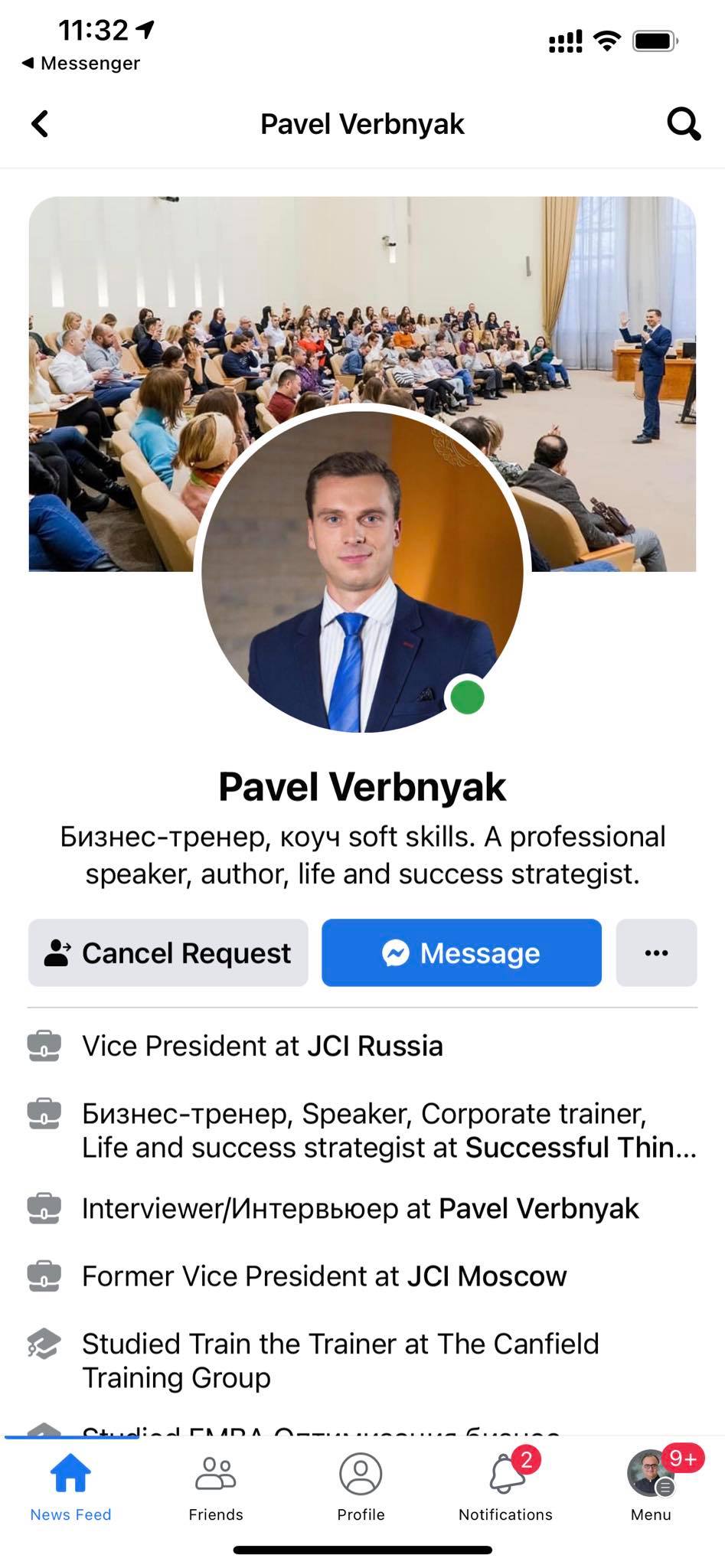
  • Pavel Verbnyak is a professional speaker on personal development, goal-setting, the law of attraction and leadership. He is a success expert, life coach, Vice President of JCI Russia, Brian Tracy Academys expert and partner, the founder of “Successful Thinking”, the author of several books, seminars on unlocking human potential and personal efficiency.
    Pavel specializes in training and development of individuals and organizations, helping to set and achieve personal and professional goals faster and easier, to eliminate limiting beliefs and fears, increase sales etc.
    Pavel Verbnyak is an award-winning speaker and an internationally recognized leader in personal development and peak performance strategies. For over 15 years, he has been teaching entrepreneurs, educators, corporate leaders, and people from all walks of life how to create the life they desire.
    He speaks also to corporate and public audiences on the subjects of Personal and Professional Development, including the executives and staff of many of Worlds largest corporations. His exciting talks and seminars on Leadership, Selling, Self-Esteem, Goals, Strategy, Creativity and Success Psychology bring about immediate changes and long-term results.
    Since 2005 Pavel has been studying the lives of successful people and applied the knowledge and ideas he’s learned into his own life.
    He is the graduate of Jack Canfield’s 2014 Train the Trainer live program (USA).
    Pavel will teach you how to get complete control of your time and your life, increase your income, simplify your work, maximize your special talents and abilities, and achieve financial independence.
    The maximum amount of audience for Pavel’s speech is more than 1000 people.
    He worked with top Russian & international brands: Sberbank, MTS, Russian Railways, Lukoil, Rostelekom, Renault, Volkswagen etc. Consulted famous Russian and CIS top managers.
    Most of Pavel’s core strategies for creating breakthroughs have come from modeling and distilling the strategies of leaders in some of the fastest growing companies in the world. He has used these distinctions to help optimize and grow enterprises to new and more profitable levels.
    Pavel lives in Moscow, Russia, where he continually raises the bar on his own potential by increasing and expanding his comfort zone with continued personal and professional development.
    Pavel Verbnyak is happily married and has son. He is active in community and national affairs.
    He wants to empower you to have a larger vision for your life by connecting to and unleashing the greatness within you.
    Pavel’s goal is to help people achieve your personal, professional, and financial goals faster and easier than you ever imagined.
    Pavel Verbnyak is a professional speaker on personal development, goal-setting, the law of attraction and leadership. He is a success expert, life coach, Vice President of JCI Russia, Brian Tracy Academy's expert and partner, the founder of “Successful Thinking”, the author of several books, seminars on unlocking human potential and personal efficiency. Pavel specializes in training and development of individuals and organizations, helping to set and achieve personal and professional goals faster and easier, to eliminate limiting beliefs and fears, increase sales etc. Pavel Verbnyak is an award-winning speaker and an internationally recognized leader in personal development and peak performance strategies. For over 15 years, he has been teaching entrepreneurs, educators, corporate leaders, and people from all walks of life how to create the life they desire. He speaks also to corporate and public audiences on the subjects of Personal and Professional Development, including the executives and staff of many of World's largest corporations. His exciting talks and seminars on Leadership, Selling, Self-Esteem, Goals, Strategy, Creativity and Success Psychology bring about immediate changes and long-term results. Since 2005 Pavel has been studying the lives of successful people and applied the knowledge and ideas he’s learned into his own life. He is the graduate of Jack Canfield’s 2014 Train the Trainer live program (USA). Pavel will teach you how to get complete control of your time and your life, increase your income, simplify your work, maximize your special talents and abilities, and achieve financial independence. The maximum amount of audience for Pavel’s speech is more than 1000 people. He worked with top Russian & international brands: Sberbank, MTS, Russian Railways, Lukoil, Rostelekom, Renault, Volkswagen etc. Consulted famous Russian and CIS top managers. Most of Pavel’s core strategies for creating breakthroughs have come from modeling and distilling the strategies of leaders in some of the fastest growing companies in the world. He has used these distinctions to help optimize and grow enterprises to new and more profitable levels. Pavel lives in Moscow, Russia, where he continually raises the bar on his own potential by increasing and expanding his comfort zone with continued personal and professional development. Pavel Verbnyak is happily married and has son. He is active in community and national affairs. He wants to empower you to have a larger vision for your life by connecting to and unleashing the greatness within you. Pavel’s goal is to help people achieve your personal, professional, and financial goals faster and easier than you ever imagined.
    0 التعليقات 0 المشاركات 237 مشاهدة
  • Rehan Allahwala in Moscow at age 20 In business delegation to welcome Benazir Bhutto in 1993

    #moscow #russia
    Rehan Allahwala in Moscow at age 20 In business delegation to welcome Benazir Bhutto in 1993 #moscow #russia
    0 التعليقات 0 المشاركات 56 مشاهدة
  • Ilya Sutskever is a renowned artificial intelligence researcher and one of the co-founders of OpenAI, a non-profit AI research company. He was born on July 3, 1987, in Moscow, Russia.

    Sutskever is best known for his work in deep learning and neural networks. He helped pioneer the field of deep learning, which has since become a major area of research in artificial intelligence. In 2014, he co-founded OpenAI with Elon Musk, Sam Altman, Greg Brockman, and Wojciech Zaremba. At OpenAI, Sutskever has led many important projects and research initiatives, including work on generative models, reinforcement learning, and machine translation.

    In addition to his work at OpenAI, Sutskever has made numerous contributions to the field of AI through his numerous research papers and presentations. He has received numerous awards and recognition for his work, including being named one of MIT Technology Reviews 35 Innovators Under 35 in 2017.

    Overall, Ilya Sutskever is widely regarded as one of the leading figures in the field of artificial intelligence and continues to make important contributions to the field through his work at OpenAI.
    Ilya Sutskever is a renowned artificial intelligence researcher and one of the co-founders of OpenAI, a non-profit AI research company. He was born on July 3, 1987, in Moscow, Russia. Sutskever is best known for his work in deep learning and neural networks. He helped pioneer the field of deep learning, which has since become a major area of research in artificial intelligence. In 2014, he co-founded OpenAI with Elon Musk, Sam Altman, Greg Brockman, and Wojciech Zaremba. At OpenAI, Sutskever has led many important projects and research initiatives, including work on generative models, reinforcement learning, and machine translation. In addition to his work at OpenAI, Sutskever has made numerous contributions to the field of AI through his numerous research papers and presentations. He has received numerous awards and recognition for his work, including being named one of MIT Technology Review's 35 Innovators Under 35 in 2017. Overall, Ilya Sutskever is widely regarded as one of the leading figures in the field of artificial intelligence and continues to make important contributions to the field through his work at OpenAI.
    0 التعليقات 0 المشاركات 150 مشاهدة
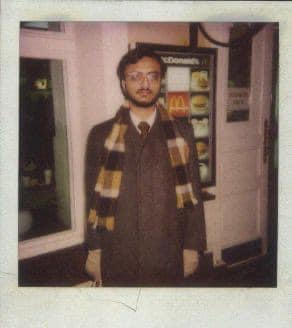
  • Outside MacDonald in Moscow Russia, in 1994

    I was 20 years old
    Outside MacDonald in Moscow Russia, in 1994 I was 20 years old
    0 التعليقات 0 المشاركات 59 مشاهدة
  • “The Day the World Came to Peace”

    A tale of how the wars ended — and peace, somehow, found its way in.

    ⸻

    It all began not with a politician or a peace treaty,
    but with a 14-year-old girl from Gaza… and a boy from Tel Aviv.

    They met online. By accident.

    He wanted to learn Arabic for a school project.
    She wanted to practice her English.

    At first, their chats were awkward, filled with fear.
    But one day, she sent a meme. He laughed. The wall cracked.

    Soon, they were talking daily. Sharing dreams, playlists, stories.
    They created a YouTube channel together — “2 Countries, 1 Heart.”

    It went viral.

    ⸻

    Around the same time, in Ukraine, a soldier laid down his weapon…
    and picked up a violin.

    He livestreamed himself playing music at a ruined train station.
    A Russian soldier watching from across the border wept silently.
    Instead of reporting him, he shared the video.

    It reached millions.

    ⸻

    In Pakistan and India, something strange happened.
    A startup from Lahore and a coder from Bangalore won a global AI competition — together.
    Their secret? A shared love for biryani and Bollywood.

    The Indian and Pakistani media couldn’t ignore the beauty of it.
    Suddenly, anchors were laughing on air, saying:

    “We can code together, maybe we can coexist too.”

    ⸻

    Then came the Turning Week.

    In just seven days:
    • The Iranian and Israeli youth launched a joint peace campaign, saying:
    “Our parents fought, but we will not inherit their hatred.”
    • Russian and Ukrainian mothers marched hand-in-hand through the streets of Warsaw.
    • The hashtag #WeChoosePeace reached 2 billion people.

    And on a quiet Thursday morning…
    a miracle happened.

    All six nations announced ceasefires.
    Not because they were forced — but because their own people demanded it.
    They wanted electricity instead of explosions.
    Wi-Fi, not warfare.

    ⸻

    The UN, stunned, called it: “The People’s Peace Accord.”
    Written not in Geneva… but on Instagram, TikTok, YouTube, and Zoom.
    Drafted in memes, voice notes, songs, and emojis.

    ⸻

    What changed?

    Nothing at first.
    But then — everything.

    Children started visiting schools across borders.
    Refugees went back home — and brought back neighbors.
    Missile factories were converted into housing and hospitals.

    Even the generals smiled.
    One said,

    “For the first time, my grandson is proud of my uniform.”

    ⸻

    And now?
    • Gaza has tech parks.
    • Kashmir has book cafés.
    • Kyiv and Moscow co-host the World Peace Film Festival.
    • And somewhere in Tel Aviv… a 20-year-old is playing Minecraft with her best friend from Tehran.

    ⸻

    Moral?

    It didn’t take a hero.
    It took millions of tiny acts of empathy, courage, and connection.
    It took you, me, them — all of us choosing peace like we choose our phone plan:

    With intention. And for a better future.

    ⸻

    What if this wasn’t fiction?
    What if it started today?

    Would you be part of it?

    #WeChoosePeace
    🌍 “The Day the World Came to Peace” A tale of how the wars ended — and peace, somehow, found its way in. ⸻ It all began not with a politician or a peace treaty, but with a 14-year-old girl from Gaza… and a boy from Tel Aviv. They met online. By accident. He wanted to learn Arabic for a school project. She wanted to practice her English. At first, their chats were awkward, filled with fear. But one day, she sent a meme. He laughed. The wall cracked. Soon, they were talking daily. Sharing dreams, playlists, stories. They created a YouTube channel together — “2 Countries, 1 Heart.” It went viral. ⸻ Around the same time, in Ukraine, a soldier laid down his weapon… and picked up a violin. He livestreamed himself playing music at a ruined train station. A Russian soldier watching from across the border wept silently. Instead of reporting him, he shared the video. It reached millions. ⸻ In Pakistan and India, something strange happened. A startup from Lahore and a coder from Bangalore won a global AI competition — together. Their secret? A shared love for biryani and Bollywood. The Indian and Pakistani media couldn’t ignore the beauty of it. Suddenly, anchors were laughing on air, saying: “We can code together, maybe we can coexist too.” ⸻ Then came the Turning Week. In just seven days: • The Iranian and Israeli youth launched a joint peace campaign, saying: “Our parents fought, but we will not inherit their hatred.” • Russian and Ukrainian mothers marched hand-in-hand through the streets of Warsaw. • The hashtag #WeChoosePeace reached 2 billion people. And on a quiet Thursday morning… a miracle happened. All six nations announced ceasefires. Not because they were forced — but because their own people demanded it. They wanted electricity instead of explosions. Wi-Fi, not warfare. ⸻ The UN, stunned, called it: “The People’s Peace Accord.” Written not in Geneva… but on Instagram, TikTok, YouTube, and Zoom. Drafted in memes, voice notes, songs, and emojis. ⸻ 🕊️ What changed? Nothing at first. But then — everything. Children started visiting schools across borders. Refugees went back home — and brought back neighbors. Missile factories were converted into housing and hospitals. Even the generals smiled. One said, “For the first time, my grandson is proud of my uniform.” ⸻ 🌱 And now? • Gaza has tech parks. • Kashmir has book cafés. • Kyiv and Moscow co-host the World Peace Film Festival. • And somewhere in Tel Aviv… a 20-year-old is playing Minecraft with her best friend from Tehran. ⸻ ✨ Moral? It didn’t take a hero. It took millions of tiny acts of empathy, courage, and connection. It took you, me, them — all of us choosing peace like we choose our phone plan: With intention. And for a better future. ⸻ What if this wasn’t fiction? What if it started today? Would you be part of it? #WeChoosePeace 🌍🕊️
    0 التعليقات 0 المشاركات 596 مشاهدة