• The Most Powerful Time to Be Alive

    For the last 500 years, human beings have been busy collecting knowledge. We wrote books, built libraries, and passed wisdom from one generation to the next. Each century added layers of information, like bricks in the foundation of a massive building.

    Then, in the last few decades, something new happened: the digital revolution. The internet made all human knowledge searchable and accessible within seconds. For the first time in history, knowledge was no longer locked in libraries or universities—it was open to anyone with a connection.

    But what we are witnessing now is something even more extraordinary.

    ⸻

    The Rise of AI: Humanity’s Living Brain

    With the arrival of Artificial Intelligence and Large Language Models (LLMs), we are no longer just gathering knowledge—we are activating it.

    All the wisdom collected over centuries has been fed into these giant intelligent machines. AI has become a kind of living brain, capable of analyzing, creating, and connecting ideas faster than any human ever could.

    Think of it this way:
    • For centuries, we humans have been like a caterpillar, consuming knowledge leaf by leaf.
    • Beneath the surface, invisible mycelium networks of data and intelligence have been spreading, connecting, and preparing.
    • And now, in the next one month to five years, we will begin to see the mushrooms sprouting—the sudden appearance of groundbreaking discoveries, products, and miracles that will change everything we know.

    ⸻

    Why This Moment Is Unique

    We are standing in the most powerful time in human history. The pace of innovation has never been this fast, and it will only accelerate.

    In the next few years, we will witness:
    • New sciences emerging that challenge everything we currently believe.
    • New materials being created that will transform industries overnight.
    • New discoveries that feel like miracles—solutions to diseases, energy problems, and maybe even mysteries of the universe.
    • New tools that give ordinary people superhuman abilities, allowing anyone to create, build, and innovate.

    This is not science fiction. It is already happening. And the next five years will disrupt everything we thought was permanent.

    ⸻

    A Call to Action

    The question is not “Will this happen?”
    The question is: “Will you be part of it?”

    If you are alive today, you have been given a front-row seat to the greatest transformation humanity has ever seen. But being a spectator is not enough.
    • Learn: Explore AI, technology, and new sciences.
    • Experiment: Try things you’ve never done before.
    • Create: Use the tools of today to build the world of tomorrow.
    • Share: Inspire others around you to take part in this journey.

    Because this moment will not come again—at least not in our lifetime.

    ⸻

    Conclusion

    The future is not far away.
    The future is here.

    We are living at the intersection of imagination and reality, where yesterday’s dreams are becoming today’s breakthroughs.

    So don’t waste time. Don’t sit back. Step forward.
    Because in the next five years, the earth itself will be offering its fruits to humanity, and those who are ready will taste the sweetness of this new age.

    This is the most amazing time to be alive.
    🌍 The Most Powerful Time to Be Alive For the last 500 years, human beings have been busy collecting knowledge. We wrote books, built libraries, and passed wisdom from one generation to the next. Each century added layers of information, like bricks in the foundation of a massive building. Then, in the last few decades, something new happened: the digital revolution. The internet made all human knowledge searchable and accessible within seconds. For the first time in history, knowledge was no longer locked in libraries or universities—it was open to anyone with a connection. But what we are witnessing now is something even more extraordinary. ⸻ The Rise of AI: Humanity’s Living Brain With the arrival of Artificial Intelligence and Large Language Models (LLMs), we are no longer just gathering knowledge—we are activating it. All the wisdom collected over centuries has been fed into these giant intelligent machines. AI has become a kind of living brain, capable of analyzing, creating, and connecting ideas faster than any human ever could. Think of it this way: • For centuries, we humans have been like a caterpillar, consuming knowledge leaf by leaf. • Beneath the surface, invisible mycelium networks of data and intelligence have been spreading, connecting, and preparing. • And now, in the next one month to five years, we will begin to see the mushrooms sprouting—the sudden appearance of groundbreaking discoveries, products, and miracles that will change everything we know. ⸻ Why This Moment Is Unique We are standing in the most powerful time in human history. The pace of innovation has never been this fast, and it will only accelerate. In the next few years, we will witness: • New sciences emerging that challenge everything we currently believe. • New materials being created that will transform industries overnight. • New discoveries that feel like miracles—solutions to diseases, energy problems, and maybe even mysteries of the universe. • New tools that give ordinary people superhuman abilities, allowing anyone to create, build, and innovate. This is not science fiction. It is already happening. And the next five years will disrupt everything we thought was permanent. ⸻ A Call to Action The question is not “Will this happen?” The question is: “Will you be part of it?” If you are alive today, you have been given a front-row seat to the greatest transformation humanity has ever seen. But being a spectator is not enough. • Learn: Explore AI, technology, and new sciences. • Experiment: Try things you’ve never done before. • Create: Use the tools of today to build the world of tomorrow. • Share: Inspire others around you to take part in this journey. Because this moment will not come again—at least not in our lifetime. ⸻ Conclusion The future is not far away. The future is here. We are living at the intersection of imagination and reality, where yesterday’s dreams are becoming today’s breakthroughs. So don’t waste time. Don’t sit back. Step forward. Because in the next five years, the earth itself will be offering its fruits to humanity, and those who are ready will taste the sweetness of this new age. 🌍 This is the most amazing time to be alive.
    0 Commentarii 0 Distribuiri 204 Views

  • The Story of Plastic-Eating Mushrooms

    Plastic pollution has become one of the most serious environmental challenges of our time. Every year, more than 400 million tons of plastic are produced, and only about 9% of it ever gets recycled. The rest ends up in landfills, rivers, and oceans, where it remains for hundreds of years, harming animals, entering our food chain, and choking our planet.

    But nature, as always, has a secret weapon — fungi. In the last decade, scientists have discovered that some species of mushrooms have the extraordinary ability to “eat” plastic, turning it into harmless materials. These organisms may hold one of the keys to cleaning up our plastic-filled world.

    ⸻

    What Are Plastic-Eating Mushrooms?

    Plastic-eating mushrooms are not a single species but a group of fungi capable of breaking down synthetic polymers — the long chemical chains that make up plastics. Instead of relying on sunlight or heat, these fungi use enzymes, powerful biological molecules, to digest plastic just as they would digest wood or dead leaves.

    The first major discovery came in 2011 when students from Yale University explored the Amazon rainforest and found a species called Pestalotiopsis microspora. This fungus could survive by feeding on polyurethane, a common type of plastic used in foams, shoes, and furniture — even in places without oxygen, such as deep landfills. This was revolutionary because it meant that fungi could potentially degrade plastic where most other life forms could not survive.

    A few years later, another breakthrough came from Pakistan. Scientists studying a waste dump near Islamabad discovered Aspergillus tubingensis, a fungus that could break down polyurethane in just a few weeks. This discovery gained international attention because it showed that plastic-eating fungi exist even in polluted urban environments, not only in exotic rainforests.

    Since then, researchers around the world — from China to Hawaii — have identified more than 200 species of fungi capable of degrading various plastics, including polyethylene (used in shopping bags), polystyrene (used in packaging), and PET (used in bottles).

    ⸻

    How Do They Eat Plastic?

    The process through which mushrooms “eat” plastic is both simple and amazing.

    When a piece of plastic comes in contact with fungal spores, the spores germinate and form a thin network called mycelium — a web of thread-like roots that cover the plastic’s surface. Once attached, the fungus secretes special enzymes that start attacking the strong chemical bonds inside the plastic.

    These enzymes act like molecular scissors, cutting the long plastic molecules into smaller pieces called monomers. The fungus then absorbs these small molecules as food, using them as a source of carbon and energy. Over time, the plastic begins to lose its shape, crack, and disappear. What remains is mostly water, carbon dioxide, and fungal biomass — all naturally occurring and harmless.

    Some fungi even do this in anaerobic conditions, where there is no oxygen. This is important because most landfill environments are oxygen-poor. That means fungi could, in theory, help reduce the billions of tons of plastic buried underground.

    ⸻

    Where Are They Found?

    Plastic-degrading fungi have been found in some of the most unexpected places.
    • Tropical rainforests like the Amazon, where humidity and biodiversity create perfect conditions for unique microbes to evolve.
    • Urban dumps and landfills, where human waste gives fungi new materials to adapt to.
    • Oceans and coastal areas, where marine fungi cling to floating plastic debris and slowly begin digesting it.

    In 2023, a team from the University of Hawaii discovered that over 60% of marine fungi isolated from ocean plastic waste could degrade plastic to some extent. This shows that nature is already evolving to respond to our pollution problem — we just need to understand and support it.

    ⸻

    What Are the Challenges?

    Although the idea of mushrooms eating plastic sounds like a miracle, it is not yet a large-scale solution. Scientists face several challenges.

    First, speed. Fungi work slowly. In laboratory experiments, small pieces of plastic may take weeks or months to break down, while the world produces millions of tons of plastic every month.

    Second, plastic variety. Not all plastics are the same. Some, like polyurethane, are easier to digest; others, like polyethylene, are extremely resistant. We still don’t have fungi that can handle every type.

    Third, environmental conditions. Fungi need the right temperature, humidity, and nutrients to survive. In dry or cold environments, they may not function effectively.

    Fourth, safety and by-products. When plastic is broken down, tiny microplastics or chemical residues might still remain. Scientists must ensure that these by-products do not cause new environmental or health problems.

    Lastly, scalability. What works in a small petri dish is not easy to repeat in a landfill or ocean. To make this technology useful, we need bioreactors — machines where fungi can grow under controlled conditions and process large quantities of waste.

    ⸻

    Why It Matters

    Even with its challenges, the discovery of plastic-eating mushrooms is a symbol of hope. It reminds us that nature is not our enemy but our greatest teacher. Fungi have been decomposing dead trees, leaves, and animals for millions of years. Now, they are adapting to a new material that humans have introduced: plastic.

    For countries like Pakistan, where waste management systems are weak, this presents a massive opportunity for innovation. Imagine young students or entrepreneurs developing small-scale units that use fungi to turn plastic waste into compost or clean soil. This could become a new form of green entrepreneurship, creating jobs while protecting the environment.

    Schools, like Rehan School, could include this topic in science and leadership curriculums — encouraging students to see waste not as a problem but as a business opportunity. Students could collect plastic waste, experiment with local fungi, measure results, and even develop small startup ideas based on bioremediation.

    ⸻

    The Future of Fungal Biodegradation

    Scientists are now exploring how to make fungi work faster using genetic engineering and biotechnology. By studying the enzymes that break down plastic, researchers hope to produce synthetic versions that are much more efficient.

    Some labs are also combining fungi with bacteria to create microbial teams — ecosystems that can digest different plastics together. Others are designing bioreactors that feed on plastic waste and produce valuable by-products like organic fertilizer or even edible mycelium (mushroom protein).

    In the long term, this technology could be integrated with recycling systems. For example, factories might send certain types of waste to “fungal recycling plants,” where mushrooms turn plastic into harmless matter instead of burning or burying it.

    ⸻

    Lessons from Nature

    The discovery of plastic-eating mushrooms teaches a deep lesson about life on Earth. Whenever humans create a problem, nature begins working on a solution. These fungi are proof that evolution never sleeps. They are small, silent recyclers, turning pollution into potential.

    It also challenges us to rethink how we live. Instead of fighting nature with chemicals and machines, we can partner with it — using living systems to heal what we have damaged.

    ⸻

    Conclusion

    Plastic-eating mushrooms are still in the early stages of research, but they represent one of the most exciting frontiers in environmental science. They show that solutions to global problems may come not from high technology, but from the humble soil beneath our feet.

    If supported by researchers, entrepreneurs, and educators, these fungi could one day help humanity close the loop on plastic waste. For visionary institutions like Rehan School, this is more than a science topic — it is an opportunity to inspire the next generation of green innovators who can turn today’s waste into tomorrow’s wealth.

    Nature has already shown us the way. Now it’s our turn to follow.
    🌱 The Story of Plastic-Eating Mushrooms Plastic pollution has become one of the most serious environmental challenges of our time. Every year, more than 400 million tons of plastic are produced, and only about 9% of it ever gets recycled. The rest ends up in landfills, rivers, and oceans, where it remains for hundreds of years, harming animals, entering our food chain, and choking our planet. But nature, as always, has a secret weapon — fungi. In the last decade, scientists have discovered that some species of mushrooms have the extraordinary ability to “eat” plastic, turning it into harmless materials. These organisms may hold one of the keys to cleaning up our plastic-filled world. ⸻ 🍄 What Are Plastic-Eating Mushrooms? Plastic-eating mushrooms are not a single species but a group of fungi capable of breaking down synthetic polymers — the long chemical chains that make up plastics. Instead of relying on sunlight or heat, these fungi use enzymes, powerful biological molecules, to digest plastic just as they would digest wood or dead leaves. The first major discovery came in 2011 when students from Yale University explored the Amazon rainforest and found a species called Pestalotiopsis microspora. This fungus could survive by feeding on polyurethane, a common type of plastic used in foams, shoes, and furniture — even in places without oxygen, such as deep landfills. This was revolutionary because it meant that fungi could potentially degrade plastic where most other life forms could not survive. A few years later, another breakthrough came from Pakistan. Scientists studying a waste dump near Islamabad discovered Aspergillus tubingensis, a fungus that could break down polyurethane in just a few weeks. This discovery gained international attention because it showed that plastic-eating fungi exist even in polluted urban environments, not only in exotic rainforests. Since then, researchers around the world — from China to Hawaii — have identified more than 200 species of fungi capable of degrading various plastics, including polyethylene (used in shopping bags), polystyrene (used in packaging), and PET (used in bottles). ⸻ 🔬 How Do They Eat Plastic? The process through which mushrooms “eat” plastic is both simple and amazing. When a piece of plastic comes in contact with fungal spores, the spores germinate and form a thin network called mycelium — a web of thread-like roots that cover the plastic’s surface. Once attached, the fungus secretes special enzymes that start attacking the strong chemical bonds inside the plastic. These enzymes act like molecular scissors, cutting the long plastic molecules into smaller pieces called monomers. The fungus then absorbs these small molecules as food, using them as a source of carbon and energy. Over time, the plastic begins to lose its shape, crack, and disappear. What remains is mostly water, carbon dioxide, and fungal biomass — all naturally occurring and harmless. Some fungi even do this in anaerobic conditions, where there is no oxygen. This is important because most landfill environments are oxygen-poor. That means fungi could, in theory, help reduce the billions of tons of plastic buried underground. ⸻ 🌍 Where Are They Found? Plastic-degrading fungi have been found in some of the most unexpected places. • Tropical rainforests like the Amazon, where humidity and biodiversity create perfect conditions for unique microbes to evolve. • Urban dumps and landfills, where human waste gives fungi new materials to adapt to. • Oceans and coastal areas, where marine fungi cling to floating plastic debris and slowly begin digesting it. In 2023, a team from the University of Hawaii discovered that over 60% of marine fungi isolated from ocean plastic waste could degrade plastic to some extent. This shows that nature is already evolving to respond to our pollution problem — we just need to understand and support it. ⸻ ⚙️ What Are the Challenges? Although the idea of mushrooms eating plastic sounds like a miracle, it is not yet a large-scale solution. Scientists face several challenges. First, speed. Fungi work slowly. In laboratory experiments, small pieces of plastic may take weeks or months to break down, while the world produces millions of tons of plastic every month. Second, plastic variety. Not all plastics are the same. Some, like polyurethane, are easier to digest; others, like polyethylene, are extremely resistant. We still don’t have fungi that can handle every type. Third, environmental conditions. Fungi need the right temperature, humidity, and nutrients to survive. In dry or cold environments, they may not function effectively. Fourth, safety and by-products. When plastic is broken down, tiny microplastics or chemical residues might still remain. Scientists must ensure that these by-products do not cause new environmental or health problems. Lastly, scalability. What works in a small petri dish is not easy to repeat in a landfill or ocean. To make this technology useful, we need bioreactors — machines where fungi can grow under controlled conditions and process large quantities of waste. ⸻ 🌿 Why It Matters Even with its challenges, the discovery of plastic-eating mushrooms is a symbol of hope. It reminds us that nature is not our enemy but our greatest teacher. Fungi have been decomposing dead trees, leaves, and animals for millions of years. Now, they are adapting to a new material that humans have introduced: plastic. For countries like Pakistan, where waste management systems are weak, this presents a massive opportunity for innovation. Imagine young students or entrepreneurs developing small-scale units that use fungi to turn plastic waste into compost or clean soil. This could become a new form of green entrepreneurship, creating jobs while protecting the environment. Schools, like Rehan School, could include this topic in science and leadership curriculums — encouraging students to see waste not as a problem but as a business opportunity. Students could collect plastic waste, experiment with local fungi, measure results, and even develop small startup ideas based on bioremediation. ⸻ 🚀 The Future of Fungal Biodegradation Scientists are now exploring how to make fungi work faster using genetic engineering and biotechnology. By studying the enzymes that break down plastic, researchers hope to produce synthetic versions that are much more efficient. Some labs are also combining fungi with bacteria to create microbial teams — ecosystems that can digest different plastics together. Others are designing bioreactors that feed on plastic waste and produce valuable by-products like organic fertilizer or even edible mycelium (mushroom protein). In the long term, this technology could be integrated with recycling systems. For example, factories might send certain types of waste to “fungal recycling plants,” where mushrooms turn plastic into harmless matter instead of burning or burying it. ⸻ 💡 Lessons from Nature The discovery of plastic-eating mushrooms teaches a deep lesson about life on Earth. Whenever humans create a problem, nature begins working on a solution. These fungi are proof that evolution never sleeps. They are small, silent recyclers, turning pollution into potential. It also challenges us to rethink how we live. Instead of fighting nature with chemicals and machines, we can partner with it — using living systems to heal what we have damaged. ⸻ 🧭 Conclusion Plastic-eating mushrooms are still in the early stages of research, but they represent one of the most exciting frontiers in environmental science. They show that solutions to global problems may come not from high technology, but from the humble soil beneath our feet. If supported by researchers, entrepreneurs, and educators, these fungi could one day help humanity close the loop on plastic waste. For visionary institutions like Rehan School, this is more than a science topic — it is an opportunity to inspire the next generation of green innovators who can turn today’s waste into tomorrow’s wealth. Nature has already shown us the way. Now it’s our turn to follow.
    0 Commentarii 0 Distribuiri 3652 Views
  • Do you anything about mushroom growing ?

    Can you help him ?

    salam,, Rehan bhai i want to start buisness of mushrooms(edible), u know pakistanis are not so much aware of this kind of food, if i start it, can u guide me, where am going to sell it,,, and also it will be difficult for me to invest in the processing plant to exportit in refined form,... guide me plz.... waiting for ur reply.

    Rizwan Ullah Khan
    Do you anything about mushroom growing ? Can you help him ? salam,, Rehan bhai i want to start buisness of mushrooms(edible), u know pakistanis are not so much aware of this kind of food, if i start it, can u guide me, where am going to sell it,,, and also it will be difficult for me to invest in the processing plant to exportit in refined form,... guide me plz.... waiting for ur reply. Rizwan Ullah Khan
    0 Commentarii 0 Distribuiri 78 Views
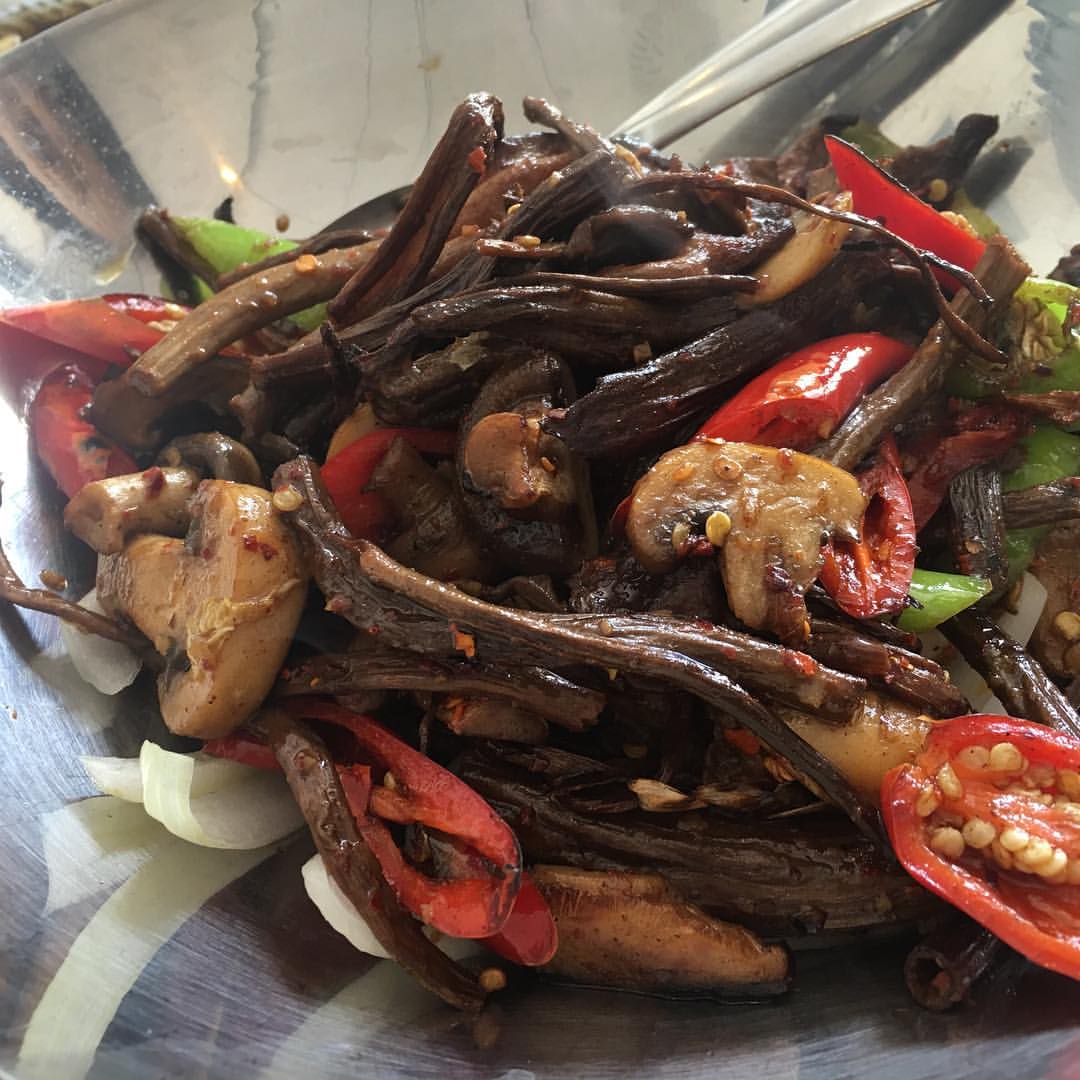
  • Tea mushrooms for lunch !
    Tea mushrooms for lunch !
    0 Commentarii 0 Distribuiri 59 Views
  • #mushrooms
    #mushrooms
    0 Commentarii 0 Distribuiri 207 Views
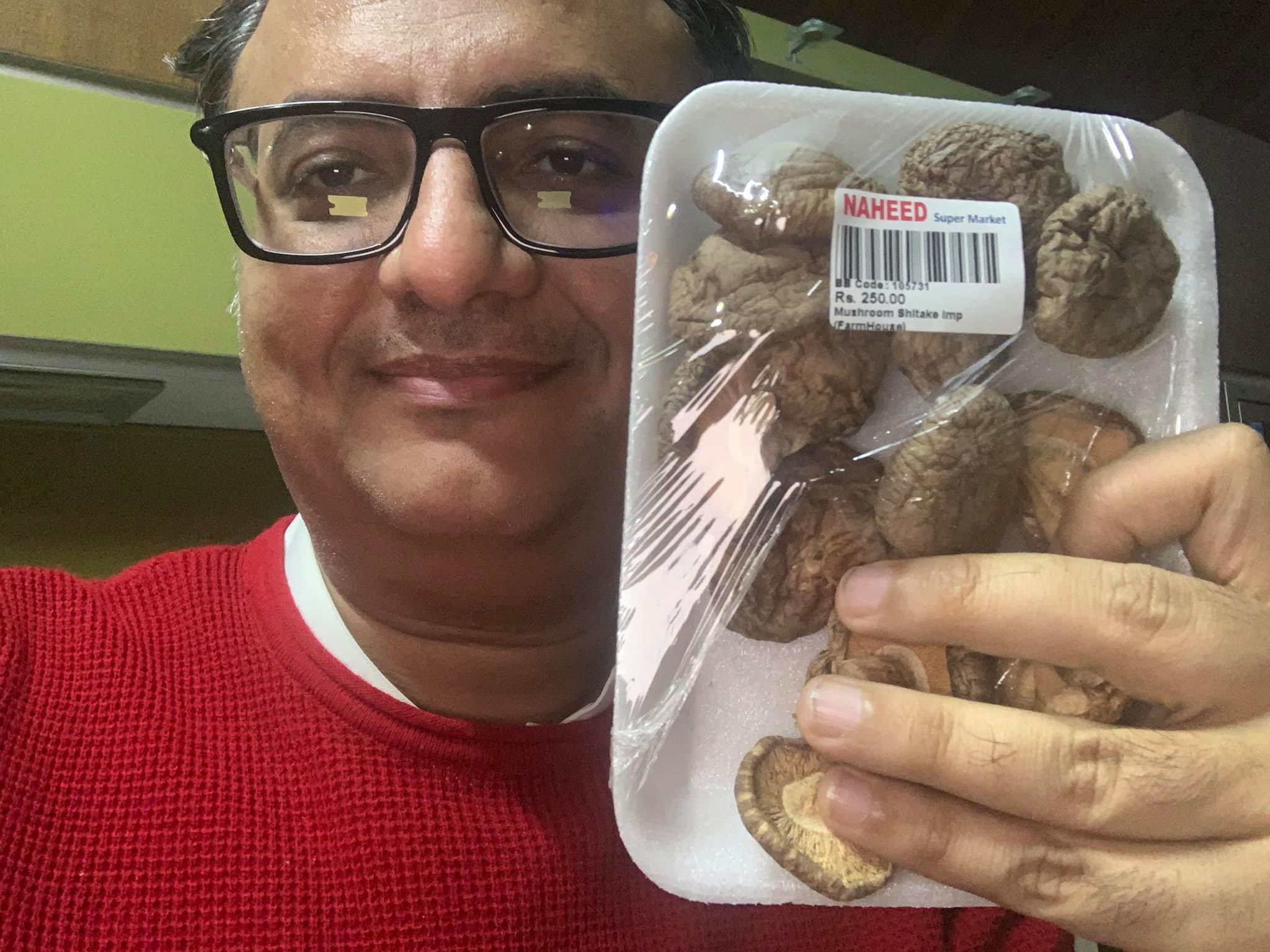
  • Shiitake Mushrooms amazingly yummy !

    You can grow them and sell them fresh or dried online or on stores

    شیٹکے مشروم حیرت انگیز طور پر سوادج!

    آپ ان کو بڑھا سکتے ہیں اور انہیں آن لائن یا اسٹور پر تازہ یا خشک فروخت کرسکتے ہیں

    How to grow link. https://grocycle.com/how-to-grow-shiitake-mushrooms/
    Shiitake Mushrooms 🍄 amazingly yummy ! You can grow them and sell them fresh or dried online or on stores شیٹکے مشروم 🍄 حیرت انگیز طور پر سوادج! آپ ان کو بڑھا سکتے ہیں اور انہیں آن لائن یا اسٹور پر تازہ یا خشک فروخت کرسکتے ہیں How to grow link. https://grocycle.com/how-to-grow-shiitake-mushrooms/
    0 Commentarii 0 Distribuiri 156 Views
  • Via Max Marmer

    Have you ever tried magic mushrooms ?
    Via Max Marmer Have you ever tried magic mushrooms 🍄?
    0 Commentarii 0 Distribuiri 153 Views
  • To make Tom Kha Soup with everyday ingredients you might find in Karachi, youll start with the key flavors of traditional Thai coconut soup, which include coconut milk, galangal or ginger, lemongrass, and Thai chilies. Since some ingredients like galangal and kaffir lime leaves may be hard to find, you can use ginger and lime juice as substitutes.

    Here’s a simplified version of how to make Tom Kha Soup:

    1. Sauté diced shallots (or onions) with ginger slices in a pot until fragrant.
    2. Add your protein of choice (chicken, tofu, or shrimp) and mushrooms to the pot.
    3. Pour in chicken or vegetable broth and add thinly sliced lemongrass (or lemongrass paste) and simmer to infuse the broth with flavor.
    4. Stir in coconut milk and bring to a gentle simmer.
    5. Season the soup with fish sauce (or a vegan alternative like soy sauce) and a pinch of salt.
    6. Finish by adding lime juice and a bit of sugar to balance the flavors.

    Remember, coconut milk shouldnt be boiled too vigorously as it can lose its sweetness and can sometimes curdle. A gentle simmer is all thats needed to blend the flavors together. You can adjust the heat level by adding more or fewer chilies according to your taste.

    Serve the soup hot, garnished with fresh cilantro and a lime wedge on the side. This soup can also be served over rice or rice noodles if desired.

    For specific measurements and step-by-step instructions, you might want to refer to the recipe sources at 40 Aprons, Hot Thai Kitchen, or Feasting At Home for guidance. They provide detailed
    To make Tom Kha Soup with everyday ingredients you might find in Karachi, you'll start with the key flavors of traditional Thai coconut soup, which include coconut milk, galangal or ginger, lemongrass, and Thai chilies. Since some ingredients like galangal and kaffir lime leaves may be hard to find, you can use ginger and lime juice as substitutes. Here’s a simplified version of how to make Tom Kha Soup: 1. Sauté diced shallots (or onions) with ginger slices in a pot until fragrant. 2. Add your protein of choice (chicken, tofu, or shrimp) and mushrooms to the pot. 3. Pour in chicken or vegetable broth and add thinly sliced lemongrass (or lemongrass paste) and simmer to infuse the broth with flavor. 4. Stir in coconut milk and bring to a gentle simmer. 5. Season the soup with fish sauce (or a vegan alternative like soy sauce) and a pinch of salt. 6. Finish by adding lime juice and a bit of sugar to balance the flavors. Remember, coconut milk shouldn't be boiled too vigorously as it can lose its sweetness and can sometimes curdle. A gentle simmer is all that's needed to blend the flavors together. You can adjust the heat level by adding more or fewer chilies according to your taste. Serve the soup hot, garnished with fresh cilantro and a lime wedge on the side. This soup can also be served over rice or rice noodles if desired. For specific measurements and step-by-step instructions, you might want to refer to the recipe sources at 40 Aprons, Hot Thai Kitchen, or Feasting At Home for guidance. They provide detailed
    0 Commentarii 0 Distribuiri 200 Views