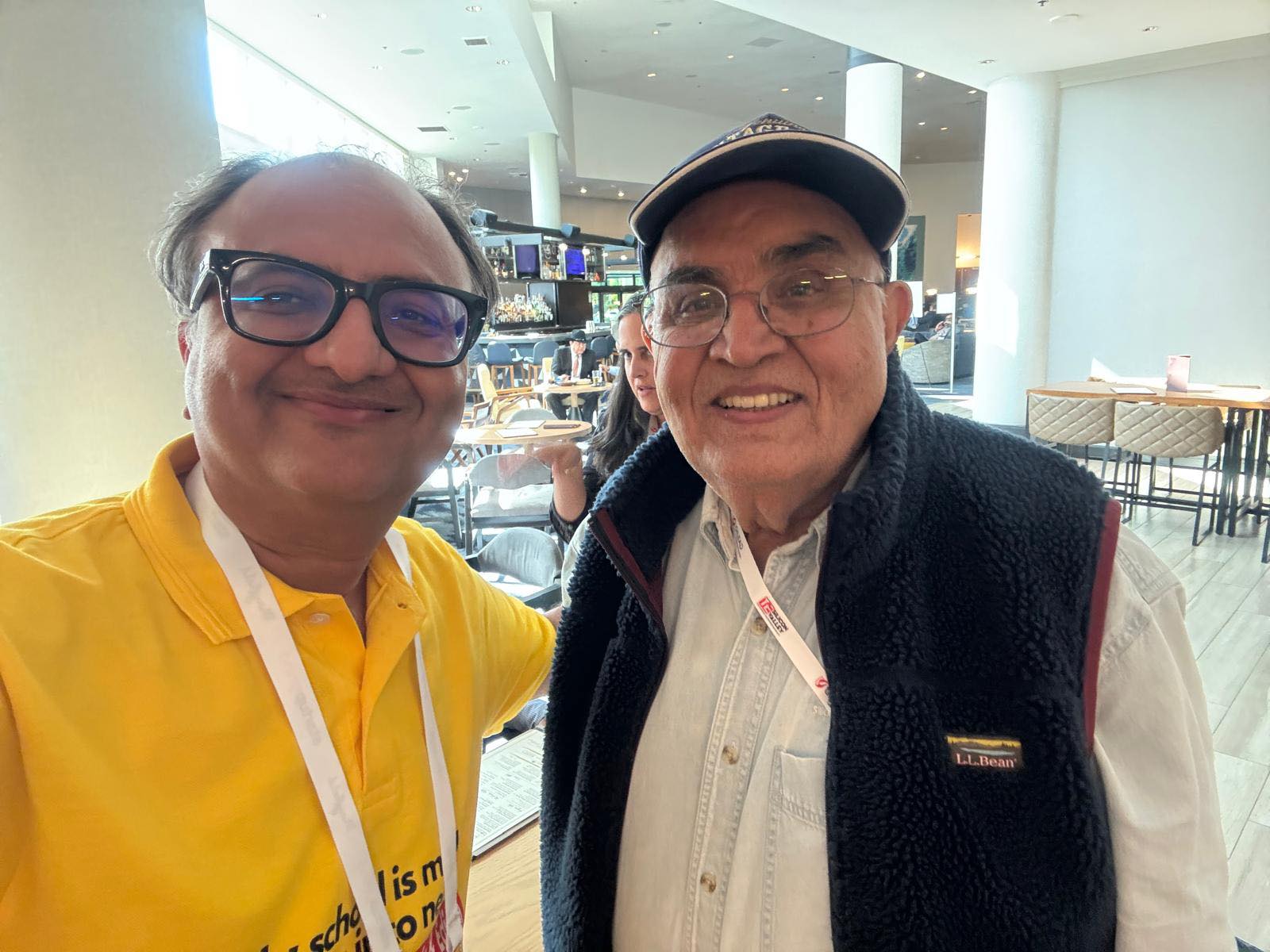
• What app do you recommend or use for buying nasdaq listed stocks ?
    What app do you recommend or use for buying nasdaq listed stocks ?
    0 Comentários 0 Compartilhamentos 303 Visualizações
  • **Baidu**, one of the largest internet companies in China, is often compared to Google due to its dominance in the Chinese search engine market. The company was founded by **Robin Li** and **Eric Xu** in 2000. Heres the story of Baidu and its founders:

    ### Robin Lis Background:
    - **Robin Li (Li Yanhong)** was born in **1968** in Yangquan, a city in Shanxi Province, China. He grew up in a humble family; his parents were factory workers.
    - Li was a diligent student, excelling in academics. He pursued a **bachelor’s degree in information management** at **Peking University**, one of China’s top universities.
    - In 1991, Li went to the **U.S.** to further his studies and earned a **master’s degree in computer science** from the **State University of New York at Buffalo**.

    ### Early Career:
    - After completing his education in the U.S., Robin Li worked at **IDD Information Services**, a division of Dow Jones, where he developed algorithms for financial information services.
    - During this period, he developed a crucial technology called the **RankDex site-scoring algorithm** in **1996**, a precursor to search engine algorithms like Googles **PageRank**. This was one of the earliest methods of ranking web pages based on keyword relevance and link analysis.
    - His work on RankDex provided Li with deep insights into how search engines should function, and these ideas would later form the foundation of Baidu.

    ### The Birth of Baidu:
    - In **1999**, after working in the U.S. tech industry for several years, Robin Li returned to China, convinced of the enormous potential of the Chinese internet market, which was still in its early stages of growth.
    - Together with **Eric Xu**, a biochemist and internet entrepreneur, Li co-founded **Baidu** in **January 2000** in Beijing. Baidu was designed as a search engine tailored to the Chinese language and market. Initially, Baidu was a business-to-business search service that provided companies with search technology.

    ### Rapid Growth and Success:
    - **Baidu** soon evolved into a full-fledged consumer search engine, quickly gaining traction due to its ability to better handle **Chinese characters** and its superior understanding of the nuances of the language compared to other search engines at the time, including Google.
    - By **2003**, Baidu introduced its **pay-for-performance (P4P)** search model, which allowed advertisers to bid on keywords and secure better placement in search results, similar to Googles AdWords model. This business model became a key revenue driver for Baidu.
    - Baidu grew rapidly and went **public on NASDAQ** in **2005**. Its IPO was one of the most successful in the U.S. at the time, with Baidus shares surging by over 350% on the first day of trading.

    ### Dominance in China:
    - Baidu became the dominant search engine in China, capturing a huge market share in the face of competition from other global companies like Google, which later exited China in 2010 due to disputes over censorship and cybersecurity.
    - Baidu expanded beyond search to offer a wide range of services, including **maps, news, video, and AI-powered voice search**. The company invested heavily in research and development, particularly in **artificial intelligence (AI)** and **autonomous driving technology**.

    ### Baidus Focus on Artificial Intelligence:
    - In recent years, Baidu has shifted its focus from being just a search engine company to a leader in **AI research**. Robin Li sees AI as the future of technology, and Baidu has invested heavily in projects such as **self-driving cars, smart assistants**, and **AI cloud services**.
    - Baidu’s **Apollo platform**, a project focused on autonomous driving, has been one of the company’s most ambitious ventures, collaborating with car manufacturers and tech companies to bring self-driving cars to the market.

    ### Leadership and Challenges:
    - Robin Li continues to lead Baidu as CEO, although the company has faced challenges, including increased competition from other Chinese tech giants like **Tencent** and **Alibaba**, as well as regulatory challenges from the Chinese government.
    - Baidu has also faced hurdles in the mobile internet era, where platforms like **WeChat** (owned by Tencent) and **Alibabas e-commerce platforms** have taken away user attention. Despite this, Baidu has remained a leader in AI development and search technologies in China.

    ### Legacy and Impact:
    - Baidu is now known as one of China’s **"BAT"** companies—Baidu, Alibaba, and Tencent—representing the three biggest tech firms in the country.
    - **Robin Li** is recognized as one of the most influential figures in the tech industry in China, with Baidu playing a crucial role in the development of the internet in the country.

    In summary, Baidu was founded by **Robin Li** and **Eric Xu** in **2000** and quickly became the dominant search engine in China. Robin Lis vision and his expertise in search engine algorithms were key to the companys success. Over time, Baidu expanded into various areas of technology, including artificial intelligence and autonomous driving, positioning itself as a tech leader in the global market.
    **Baidu**, one of the largest internet companies in China, is often compared to Google due to its dominance in the Chinese search engine market. The company was founded by **Robin Li** and **Eric Xu** in 2000. Here's the story of Baidu and its founders: ### Robin Li's Background: - **Robin Li (Li Yanhong)** was born in **1968** in Yangquan, a city in Shanxi Province, China. He grew up in a humble family; his parents were factory workers. - Li was a diligent student, excelling in academics. He pursued a **bachelor’s degree in information management** at **Peking University**, one of China’s top universities. - In 1991, Li went to the **U.S.** to further his studies and earned a **master’s degree in computer science** from the **State University of New York at Buffalo**. ### Early Career: - After completing his education in the U.S., Robin Li worked at **IDD Information Services**, a division of Dow Jones, where he developed algorithms for financial information services. - During this period, he developed a crucial technology called the **RankDex site-scoring algorithm** in **1996**, a precursor to search engine algorithms like Google's **PageRank**. This was one of the earliest methods of ranking web pages based on keyword relevance and link analysis. - His work on RankDex provided Li with deep insights into how search engines should function, and these ideas would later form the foundation of Baidu. ### The Birth of Baidu: - In **1999**, after working in the U.S. tech industry for several years, Robin Li returned to China, convinced of the enormous potential of the Chinese internet market, which was still in its early stages of growth. - Together with **Eric Xu**, a biochemist and internet entrepreneur, Li co-founded **Baidu** in **January 2000** in Beijing. Baidu was designed as a search engine tailored to the Chinese language and market. Initially, Baidu was a business-to-business search service that provided companies with search technology. ### Rapid Growth and Success: - **Baidu** soon evolved into a full-fledged consumer search engine, quickly gaining traction due to its ability to better handle **Chinese characters** and its superior understanding of the nuances of the language compared to other search engines at the time, including Google. - By **2003**, Baidu introduced its **pay-for-performance (P4P)** search model, which allowed advertisers to bid on keywords and secure better placement in search results, similar to Google's AdWords model. This business model became a key revenue driver for Baidu. - Baidu grew rapidly and went **public on NASDAQ** in **2005**. Its IPO was one of the most successful in the U.S. at the time, with Baidu's shares surging by over 350% on the first day of trading. ### Dominance in China: - Baidu became the dominant search engine in China, capturing a huge market share in the face of competition from other global companies like Google, which later exited China in 2010 due to disputes over censorship and cybersecurity. - Baidu expanded beyond search to offer a wide range of services, including **maps, news, video, and AI-powered voice search**. The company invested heavily in research and development, particularly in **artificial intelligence (AI)** and **autonomous driving technology**. ### Baidu's Focus on Artificial Intelligence: - In recent years, Baidu has shifted its focus from being just a search engine company to a leader in **AI research**. Robin Li sees AI as the future of technology, and Baidu has invested heavily in projects such as **self-driving cars, smart assistants**, and **AI cloud services**. - Baidu’s **Apollo platform**, a project focused on autonomous driving, has been one of the company’s most ambitious ventures, collaborating with car manufacturers and tech companies to bring self-driving cars to the market. ### Leadership and Challenges: - Robin Li continues to lead Baidu as CEO, although the company has faced challenges, including increased competition from other Chinese tech giants like **Tencent** and **Alibaba**, as well as regulatory challenges from the Chinese government. - Baidu has also faced hurdles in the mobile internet era, where platforms like **WeChat** (owned by Tencent) and **Alibaba's e-commerce platforms** have taken away user attention. Despite this, Baidu has remained a leader in AI development and search technologies in China. ### Legacy and Impact: - Baidu is now known as one of China’s **"BAT"** companies—Baidu, Alibaba, and Tencent—representing the three biggest tech firms in the country. - **Robin Li** is recognized as one of the most influential figures in the tech industry in China, with Baidu playing a crucial role in the development of the internet in the country. In summary, Baidu was founded by **Robin Li** and **Eric Xu** in **2000** and quickly became the dominant search engine in China. Robin Li's vision and his expertise in search engine algorithms were key to the company's success. Over time, Baidu expanded into various areas of technology, including artificial intelligence and autonomous driving, positioning itself as a tech leader in the global market.
    0 Comentários 0 Compartilhamentos 2006 Visualizações
  • The Baby Millionaire — The Story of Mr. Munawwar’s Wisdom and the Magic of Time
    By Rehan Allahwala

    ⸻

    The Beginning — A Baby and a Dream

    It was a bright morning when Sara was born — the first child of imran and Aisha.
    The family celebrated, everyone brought gifts, and the house was full of love, laughter, and prayers.

    Among the visitors was Mr. @munawwar Abdullah a calm, wise man who had spent years studying finance and the science of compounding.
    He smiled at the baby and said something unusual:

    “Don’t just buy her gold or clothes. Do something that will bless her future forever.
    When a baby is born, invest $10,000 immediately in their name, and then $100 every week thereafter.
    By the time she turns 21, the magic of compounding will make her a millionaire.”

    Rehan laughed. “A millionaire? Just by $100 a week?”
    Munawwar smiled. “Wait 21 years. The baby will thank you for believing in time.”

    ⸻

    Year 1 — The Seed of Wealth

    Following his advice, Rehan opened an investment account in Sara’s name and bought shares of QQQ, the fund that owns parts of companies like Apple, Microsoft, Amazon, and Google — the world’s engines of innovation.

    He started with $10,000 as the first gift, and every Friday, without fail, he added $100.
    No matter what the market did — up, down, or sideways — he stayed consistent.

    His relatives said, “What if the market crashes?”
    He replied, “Then she’ll get more shares at a discount.”

    ⸻

    Year 5 — The First Growth

    After five years, Rehan had invested $10,000 + ($100 × 52 weeks × 5 years = $26,000).
    Total money put in: $36,000.

    But because the market averaged around 10–12% growth, the account had grown to about $47,000.

    Sara was still in kindergarten — she didn’t know that her birthday gift was quietly working harder than most adults.

    ⸻

    Year 10 — The Power of Habit

    When Sara turned 10, Rehan had now invested $10,000 + ($100 × 52 weeks × 10 years = $52,000).
    That’s $62,000 total invested, but the account had grown to around $105,000.

    He hadn’t missed a single week. Sometimes it felt boring, even mechanical — but he remembered Munawwar’s words:

    “Consistency is the fertilizer of compounding.”

    Sara was now old enough to learn what her father was doing.
    He showed her a graph of her investment growing.
    She couldn’t believe that just time could turn small amounts into something so big.

    ⸻

    Year 15 — The Miracle in Motion

    At 15, Sara was in high school and had started to understand money.
    Her father told her, “You own a small part of Apple, Google, Tesla, and Amazon.”

    Her total contributions: $10,000 + $78,000 = $88,000.
    But her account was now worth about $210,000.

    She had doubled her money — not by trading or guessing, but by staying still and letting time do the heavy lifting.

    ⸻

    Year 21 — The Magic Unfolds

    When Sara turned 21, Rehan checked her account again.
    He had invested $10,000 + ($100 × 52 weeks × 21 years = $109,200) —
    so $119,200 total.

    But her account balance?
    Roughly $380,000 to $420,000, depending on the market’s average return (around 10–12%).

    If the market performed like the Nasdaq did in the past 20 years (closer to 13–14%), the number could easily cross $500,000 to $600,000.

    All this — from $100 a week and patience.

    ⸻

    The Lesson — The Baby Who Owned Her Future

    When Sara graduated from university, she had something no one else had —
    freedom.

    She didn’t need to take loans. She didn’t have to work in a job she hated.
    Her money was already working for her.

    She looked at her father and said, “You didn’t just give me money. You gave me time.”
    Rehan smiled. “No, it was Uncle Munawwar’s wisdom. He taught me that the most powerful gift is compounding with consistency.”

    ⸻

    The Formula Behind the Story

    Here’s the math:
    • Start: $10,000
    • Weekly: $100 (≈ $5,200 per year)
    • Time: 21 years
    • Average annual return: 10–12%

    Future value ≈ $400,000–$500,000.

    If the child keeps it untouched until 30, the same account could exceed $1 million.

    ⸻

    Moral — The Real Inheritance

    Most people leave their children property or jewelry.
    But the greatest gift is a financial system that grows with time.

    The lesson of Mr. Munawwar Abdullah’s advice is simple:

    “When a baby is born, plant the seed of compounding.
    By the time they become an adult, that seed will become a forest of freedom.”

    So the next time a baby is born in your family,
    don’t just bring sweets — bring a plan.

    Because one $100-per-week habit, started today,
    can turn that little baby into the next generation of self-made millionaires —
    not through luck, but through the quiet, unstoppable power of compounding and consistency.aahah

    👶 The Baby Millionaire — The Story of Mr. Munawwar’s Wisdom and the Magic of Time By Rehan Allahwala ⸻ 🌅 The Beginning — A Baby and a Dream It was a bright morning when Sara was born — the first child of imran and Aisha. The family celebrated, everyone brought gifts, and the house was full of love, laughter, and prayers. Among the visitors was Mr. @munawwar Abdullah a calm, wise man who had spent years studying finance and the science of compounding. He smiled at the baby and said something unusual: “Don’t just buy her gold or clothes. Do something that will bless her future forever. When a baby is born, invest $10,000 immediately in their name, and then $100 every week thereafter. By the time she turns 21, the magic of compounding will make her a millionaire.” Rehan laughed. “A millionaire? Just by $100 a week?” Munawwar smiled. “Wait 21 years. The baby will thank you for believing in time.” ⸻ 💰 Year 1 — The Seed of Wealth Following his advice, Rehan opened an investment account in Sara’s name and bought shares of QQQ, the fund that owns parts of companies like Apple, Microsoft, Amazon, and Google — the world’s engines of innovation. He started with $10,000 as the first gift, and every Friday, without fail, he added $100. No matter what the market did — up, down, or sideways — he stayed consistent. His relatives said, “What if the market crashes?” He replied, “Then she’ll get more shares at a discount.” ⸻ 🌱 Year 5 — The First Growth After five years, Rehan had invested $10,000 + ($100 × 52 weeks × 5 years = $26,000). Total money put in: $36,000. But because the market averaged around 10–12% growth, the account had grown to about $47,000. Sara was still in kindergarten — she didn’t know that her birthday gift was quietly working harder than most adults. ⸻ 🌿 Year 10 — The Power of Habit When Sara turned 10, Rehan had now invested $10,000 + ($100 × 52 weeks × 10 years = $52,000). That’s $62,000 total invested, but the account had grown to around $105,000. He hadn’t missed a single week. Sometimes it felt boring, even mechanical — but he remembered Munawwar’s words: “Consistency is the fertilizer of compounding.” Sara was now old enough to learn what her father was doing. He showed her a graph of her investment growing. She couldn’t believe that just time could turn small amounts into something so big. ⸻ 🌸 Year 15 — The Miracle in Motion At 15, Sara was in high school and had started to understand money. Her father told her, “You own a small part of Apple, Google, Tesla, and Amazon.” Her total contributions: $10,000 + $78,000 = $88,000. But her account was now worth about $210,000. She had doubled her money — not by trading or guessing, but by staying still and letting time do the heavy lifting. ⸻ 🌳 Year 21 — The Magic Unfolds When Sara turned 21, Rehan checked her account again. He had invested $10,000 + ($100 × 52 weeks × 21 years = $109,200) — so $119,200 total. But her account balance? Roughly $380,000 to $420,000, depending on the market’s average return (around 10–12%). If the market performed like the Nasdaq did in the past 20 years (closer to 13–14%), the number could easily cross $500,000 to $600,000. All this — from $100 a week and patience. ⸻ 🌞 The Lesson — The Baby Who Owned Her Future When Sara graduated from university, she had something no one else had — freedom. She didn’t need to take loans. She didn’t have to work in a job she hated. Her money was already working for her. She looked at her father and said, “You didn’t just give me money. You gave me time.” Rehan smiled. “No, it was Uncle Munawwar’s wisdom. He taught me that the most powerful gift is compounding with consistency.” ⸻ 📖 The Formula Behind the Story Here’s the math: • Start: $10,000 • Weekly: $100 (≈ $5,200 per year) • Time: 21 years • Average annual return: 10–12% Future value ≈ $400,000–$500,000. If the child keeps it untouched until 30, the same account could exceed $1 million. ⸻ 💫 Moral — The Real Inheritance Most people leave their children property or jewelry. But the greatest gift is a financial system that grows with time. The lesson of Mr. Munawwar Abdullah’s advice is simple: “When a baby is born, plant the seed of compounding. By the time they become an adult, that seed will become a forest of freedom.” So the next time a baby is born in your family, don’t just bring sweets — bring a plan. Because one $100-per-week habit, started today, can turn that little baby into the next generation of self-made millionaires — not through luck, but through the quiet, unstoppable power of compounding and consistency.aahah

    0 Comentários 0 Compartilhamentos 335 Visualizações
  • Ashar Aziz is an OPEN Silicon Valley and OPEN Islamabad Charter Member, recipient of the Ernst & Young Entrepreneur of the Year Award, civil award Sitara-i-Imtiaz by the government of Pakistan for his contributions to the IT industry and is one of the few Pakistanis inducted into the Forbes list of Billionaires.

    A techie by profession, foodie at heart and one of the biggest OPEN supporters,
    Ashar Aziz is the Founder and Chairman of BedRock Systems, an early stage cybersecurity company building formally verified security software. He is the inventor of the core concepts behind the BedRock technology. He is the Founder and Executive Chairman of SkyElectric Inc, an intelligent solar plus storage company. He is the creator of the core energy intelligence and management technologies embedded in the SkyElectric Smart Solar System. In 2018, Mr. Aziz received the most prestigious National award, Sitara-e-Imtiaz for his services in IT Industry. Previously, Ashar founded FireEye, Inc., (NASDAQ:FEYE), a global cyber-security company, in 2004. He served as the CEO of FireEye from 2004 until November 2012 and also served as its Board Vice Chairman, CFO and CTO.

    Prior to FireEye, he founded Terraspring, Inc., and also served as the CTO of Sun Microsystems, Inc. N1 program. Before founding Terraspring, he spent 12 years at Sun Microsystems, Inc. as a Distinguished Engineer. He has over 80 patents in the areas of networking, network security, and data center virtualization. Mr. Aziz also has the honor of receiving the Ernst and Young Entrepreneur of the Year award. Ashar graduated with an SB from MIT and later received an MS from UC Berkeley.

    His interview https://youtu.be/8uiZ08Kc2Ss
    Ashar Aziz is an OPEN Silicon Valley and OPEN Islamabad Charter Member, recipient of the Ernst & Young Entrepreneur of the Year Award, civil award Sitara-i-Imtiaz by the government of Pakistan for his contributions to the IT industry and is one of the few Pakistanis inducted into the Forbes list of Billionaires. A techie by profession, foodie at heart and one of the biggest OPEN supporters, Ashar Aziz is the Founder and Chairman of BedRock Systems, an early stage cybersecurity company building formally verified security software. He is the inventor of the core concepts behind the BedRock technology. He is the Founder and Executive Chairman of SkyElectric Inc, an intelligent solar plus storage company. He is the creator of the core energy intelligence and management technologies embedded in the SkyElectric Smart Solar System. In 2018, Mr. Aziz received the most prestigious National award, Sitara-e-Imtiaz for his services in IT Industry. Previously, Ashar founded FireEye, Inc., (NASDAQ:FEYE), a global cyber-security company, in 2004. He served as the CEO of FireEye from 2004 until November 2012 and also served as its Board Vice Chairman, CFO and CTO. Prior to FireEye, he founded Terraspring, Inc., and also served as the CTO of Sun Microsystems, Inc. N1 program. Before founding Terraspring, he spent 12 years at Sun Microsystems, Inc. as a Distinguished Engineer. He has over 80 patents in the areas of networking, network security, and data center virtualization. Mr. Aziz also has the honor of receiving the Ernst and Young Entrepreneur of the Year award. Ashar graduated with an SB from MIT and later received an MS from UC Berkeley. His interview https://youtu.be/8uiZ08Kc2Ss
    0 Comentários 0 Compartilhamentos 1759 Visualizações
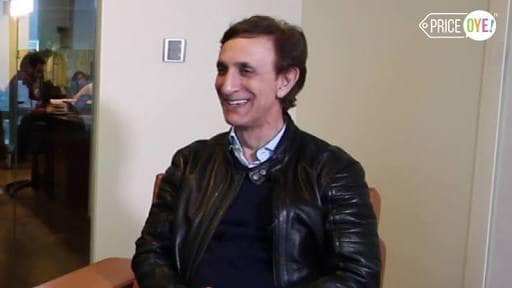
  • The amazing Kanwal Rekhi

    He is credited as the first Indian-American Founder and CEO to take a venture-backed company public on the NASDAQ.

    One of the cofounder of The Indus Entrepreneurs

    https://en.wikipedia.org/wiki/Kanwal_Rekhi
    The amazing Kanwal Rekhi He is credited as the first Indian-American Founder and CEO to take a venture-backed company public on the NASDAQ. One of the cofounder of The Indus Entrepreneurs https://en.wikipedia.org/wiki/Kanwal_Rekhi
    0 Comentários 0 Compartilhamentos 42 Visualizações
  • One 10 million dollar chinese company caused 2000 billion dollar market loss today in #nasdaq
    One 10 million dollar chinese company caused 2000 billion dollar market loss today in #nasdaq
    0 Comentários 0 Compartilhamentos 40 Visualizações
  • کانول ریکھھی: ایک وژنری لیڈر اور تعلیمی انقلابی

    کانول سنگھ ریکھھی، جنہیں آج دنیا ایک کامیاب ٹیکنالوجی لیڈر، سرمایہ کار اور سماجی رہنما کے طور پر جانتی ہے، 29 اگست 1945 کو راولپنڈی میں پیدا ہوئے۔ بچپن میں تقسیمِ ہند کے ہنگاموں کو دیکھنے کے بعد ان کا خاندان بھارت منتقل ہوا۔ ابتدائی تعلیم کے بعد انہوں نے آئی آئی ٹی بمبئی سے الیکٹریکل انجینئرنگ کی ڈگری حاصل کی اور پھر اعلیٰ تعلیم کے لیے امریکہ گئے جہاں Michigan Technological University سے ماسٹرز مکمل کیا۔

    امریکہ پہنچ کر انہوں نے اپنے کیریئر کا آغاز بطور انجینئر کیا، لیکن جلد ہی انہوں نے کاروبار اور قیادت کی دنیا میں قدم رکھا۔ وہ پہلے بھارتی-امریکی تھے جنہوں نے Silicon Valley میں ایک وینچر بیکڈ کمپنی (Excelan) کو کامیابی سے عوامی سطح پر NASDAQ پر لسٹ کیا۔ یہ کامیابی نہ صرف ان کی ذاتی کاوش کا نتیجہ تھی بلکہ ہزاروں دیگر بھارتی نژاد انجینئرز اور کاروباری افراد کے لیے ایک مثال بن گئی۔

    ریکھھی صرف کاروباری دنیا تک محدود نہ رہے بلکہ انہوں نے نوجوانوں اور اسٹارٹ اپس کے لیے ایک ایسا پلیٹ فارم بنایا جو آج دنیا کے سب سے بڑے نیٹ ورکس میں سے ایک ہے — TiE (The Indus Entrepreneurs)۔ TiE نے ہزاروں نئے کاروباری منصوبوں کو رہنمائی، سرمایہ اور مینٹورنگ فراہم کی اور جنوبی ایشیائی کاروباری برادری کو عالمی سطح پر پہچان دلائی۔

    ان کی فلاحی خدمات بھی شاندار ہیں۔ انہوں نے بھارت میں Kanwal Rekhi School of Information Technology (IIT بمبئی) کی بنیاد رکھی اور امریکہ میں Ann & Kanwal Rekhi Hall (Michigan Tech) تعمیر کروایا۔ ساتھ ہی وہ RAND Corporation کے Asia Pacific Policy Center کے بورڈ ممبر بھی ہیں۔

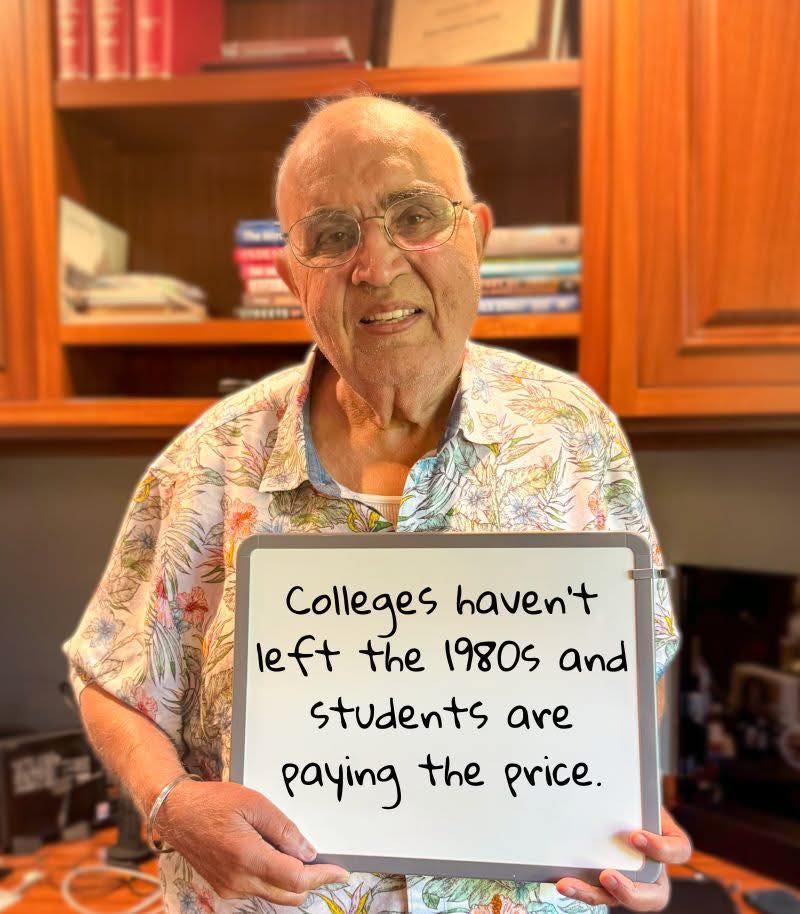
    کانول ریکھھی کا ویژن ہمیشہ یہی رہا ہے کہ تعلیم، کاروبار اور ٹیکنالوجی کو ایک دوسرے سے جوڑ کر نوجوانوں کو آزادی دی جائے تاکہ وہ ناکام ہو کر بھی سیکھ سکیں۔ ان کے مطابق، روایتی کالج نظام جس میں صرف اسائنمنٹ اور گریڈز کی دوڑ لگی ہو، آج کے دور میں نوجوانوں کو ناکارہ بنا رہا ہے۔ وہ سمجھتے ہیں کہ طلبہ کو اپنے کالج کے سالوں میں آئیڈیاز آزمانے، ناکامی سے سیکھنے اور اپنی صلاحیتوں کو حقیقت کی دنیا میں پرکھنے کا موقع ملنا چاہیے۔

    ⸻

    کانول ریکھھی کی تحریر (اردو ترجمہ)

    اگر میں کالج کا نصاب دوبارہ لکھوں تو سب سے پہلے اس میں طلبہ کو یہ آزادی دوں کہ وہ باہر جا کر حقیقت کی دنیا میں ناکام ہوں اور اس ناکامی سے سیکھیں۔

    لیکن آج کے وقت میں ہمارے طلبہ اپنی بہترین عمر ایک مہنگے کالج سسٹم میں قید ہو کر گزار دیتے ہیں، جہاں صرف اسائنمنٹس اور فائنل گریڈ کی پرواہ کی جاتی ہے۔

    یہ ماڈل شاید 1980 کی دہائی میں کارآمد تھا، لیکن 2025 میں، جب اے آئی آپ کے پیپرز آپ سے بہتر لکھ سکتی ہے، یہ نظام بالکل غیر متعلق ہو چکا ہے۔

    اسے درست کرنے کے لیے ہمیں دو بڑی تبدیلیاں لانی ہوں گی:

    طلبہ کو کالج کے ان برسوں میں ایک سیفٹی نیٹ دیا جائے، تاکہ وہ آئیڈیاز آزما سکیں، گِر سکیں اور اصل دنیا سے سیکھ سکیں۔

    طلبہ کو بہت جلد مختلف خانوں میں نہ باندھا جائے۔ پہلے چار سال انجینئرنگ کے بنیادی مضامین اور لبرل آرٹس کی مضبوط بنیاد رکھی جائے۔ اسپیشلائزیشن صرف تب آئے جب بنیاد پختہ ہو جائے۔

    لیکن مستقبل کے لیے تیاری صرف کالجوں کا کام نہیں، یہ طلبہ کی ذمہ داری بھی ہے۔ کیونکہ کالجوں کو نصاب بدلنے میں وقت لگے گا۔ اس دوران طلبہ کو خود قدم اٹھانا ہوگا — کوئی سائیڈ پراجیکٹ شروع کریں، نئے شعبوں میں انٹرن شپ کریں یا کوئی بزنس لانچ کریں۔ ناکامی کی فکر نہ کریں، بس کوشش پر توجہ دیں۔

    ورنہ اگر کچھ نہ بدلا تو ہم اپنی نوجوانی ایک پرانے اور بوسیدہ نظام پر ضائع کرتے رہیں گے۔ وقت آ گیا ہے کہ ہم بنیادوں کی طرف لوٹیں۔ وقت آ گیا ہے کہ ہم اے آئی سے چلنے والی نئی دنیا کے لیے خود کو تیار کریں !

    Thank you Kanwal Rekhi
    کانول ریکھھی: ایک وژنری لیڈر اور تعلیمی انقلابی کانول سنگھ ریکھھی، جنہیں آج دنیا ایک کامیاب ٹیکنالوجی لیڈر، سرمایہ کار اور سماجی رہنما کے طور پر جانتی ہے، 29 اگست 1945 کو راولپنڈی میں پیدا ہوئے۔ بچپن میں تقسیمِ ہند کے ہنگاموں کو دیکھنے کے بعد ان کا خاندان بھارت منتقل ہوا۔ ابتدائی تعلیم کے بعد انہوں نے آئی آئی ٹی بمبئی سے الیکٹریکل انجینئرنگ کی ڈگری حاصل کی اور پھر اعلیٰ تعلیم کے لیے امریکہ گئے جہاں Michigan Technological University سے ماسٹرز مکمل کیا۔ امریکہ پہنچ کر انہوں نے اپنے کیریئر کا آغاز بطور انجینئر کیا، لیکن جلد ہی انہوں نے کاروبار اور قیادت کی دنیا میں قدم رکھا۔ وہ پہلے بھارتی-امریکی تھے جنہوں نے Silicon Valley میں ایک وینچر بیکڈ کمپنی (Excelan) کو کامیابی سے عوامی سطح پر NASDAQ پر لسٹ کیا۔ یہ کامیابی نہ صرف ان کی ذاتی کاوش کا نتیجہ تھی بلکہ ہزاروں دیگر بھارتی نژاد انجینئرز اور کاروباری افراد کے لیے ایک مثال بن گئی۔ ریکھھی صرف کاروباری دنیا تک محدود نہ رہے بلکہ انہوں نے نوجوانوں اور اسٹارٹ اپس کے لیے ایک ایسا پلیٹ فارم بنایا جو آج دنیا کے سب سے بڑے نیٹ ورکس میں سے ایک ہے — TiE (The Indus Entrepreneurs)۔ TiE نے ہزاروں نئے کاروباری منصوبوں کو رہنمائی، سرمایہ اور مینٹورنگ فراہم کی اور جنوبی ایشیائی کاروباری برادری کو عالمی سطح پر پہچان دلائی۔ ان کی فلاحی خدمات بھی شاندار ہیں۔ انہوں نے بھارت میں Kanwal Rekhi School of Information Technology (IIT بمبئی) کی بنیاد رکھی اور امریکہ میں Ann & Kanwal Rekhi Hall (Michigan Tech) تعمیر کروایا۔ ساتھ ہی وہ RAND Corporation کے Asia Pacific Policy Center کے بورڈ ممبر بھی ہیں۔ کانول ریکھھی کا ویژن ہمیشہ یہی رہا ہے کہ تعلیم، کاروبار اور ٹیکنالوجی کو ایک دوسرے سے جوڑ کر نوجوانوں کو آزادی دی جائے تاکہ وہ ناکام ہو کر بھی سیکھ سکیں۔ ان کے مطابق، روایتی کالج نظام جس میں صرف اسائنمنٹ اور گریڈز کی دوڑ لگی ہو، آج کے دور میں نوجوانوں کو ناکارہ بنا رہا ہے۔ وہ سمجھتے ہیں کہ طلبہ کو اپنے کالج کے سالوں میں آئیڈیاز آزمانے، ناکامی سے سیکھنے اور اپنی صلاحیتوں کو حقیقت کی دنیا میں پرکھنے کا موقع ملنا چاہیے۔ ⸻ کانول ریکھھی کی تحریر (اردو ترجمہ) اگر میں کالج کا نصاب دوبارہ لکھوں تو سب سے پہلے اس میں طلبہ کو یہ آزادی دوں کہ وہ باہر جا کر حقیقت کی دنیا میں ناکام ہوں اور اس ناکامی سے سیکھیں۔ لیکن آج کے وقت میں ہمارے طلبہ اپنی بہترین عمر ایک مہنگے کالج سسٹم میں قید ہو کر گزار دیتے ہیں، جہاں صرف اسائنمنٹس اور فائنل گریڈ کی پرواہ کی جاتی ہے۔ یہ ماڈل شاید 1980 کی دہائی میں کارآمد تھا، لیکن 2025 میں، جب اے آئی آپ کے پیپرز آپ سے بہتر لکھ سکتی ہے، یہ نظام بالکل غیر متعلق ہو چکا ہے۔ اسے درست کرنے کے لیے ہمیں دو بڑی تبدیلیاں لانی ہوں گی: 1️⃣ طلبہ کو کالج کے ان برسوں میں ایک سیفٹی نیٹ دیا جائے، تاکہ وہ آئیڈیاز آزما سکیں، گِر سکیں اور اصل دنیا سے سیکھ سکیں۔ 2️⃣ طلبہ کو بہت جلد مختلف خانوں میں نہ باندھا جائے۔ پہلے چار سال انجینئرنگ کے بنیادی مضامین اور لبرل آرٹس کی مضبوط بنیاد رکھی جائے۔ اسپیشلائزیشن صرف تب آئے جب بنیاد پختہ ہو جائے۔ لیکن مستقبل کے لیے تیاری صرف کالجوں کا کام نہیں، یہ طلبہ کی ذمہ داری بھی ہے۔ کیونکہ کالجوں کو نصاب بدلنے میں وقت لگے گا۔ اس دوران طلبہ کو خود قدم اٹھانا ہوگا — کوئی سائیڈ پراجیکٹ شروع کریں، نئے شعبوں میں انٹرن شپ کریں یا کوئی بزنس لانچ کریں۔ ناکامی کی فکر نہ کریں، بس کوشش پر توجہ دیں۔ ورنہ اگر کچھ نہ بدلا تو ہم اپنی نوجوانی ایک پرانے اور بوسیدہ نظام پر ضائع کرتے رہیں گے۔ وقت آ گیا ہے کہ ہم بنیادوں کی طرف لوٹیں۔ وقت آ گیا ہے کہ ہم اے آئی سے چلنے والی نئی دنیا کے لیے خود کو تیار کریں 🎓! Thank you Kanwal Rekhi
    0 Comentários 0 Compartilhamentos 196 Visualizações
  • کانول سنگھ ریکھھی — راولپنڈی کا بیٹا، دنیا کا روشن چراغ

    کامیابی کی کہانیاں ہمیشہ دل کو چھو لیتی ہیں۔ لیکن کچھ کہانیاں صرف متاثر نہیں کرتیں بلکہ قوموں کو جگا دیتی ہیں۔ ایسی ہی ایک کہانی ہے کانول سنگھ ریکھھی کی، جو 1945 میں پاکستان کے شہر راولپنڈی میں پیدا ہوئے۔ تقسیمِ ہند کے بعد ان کا خاندان بھارت منتقل ہوا، اور یہیں سے ایک عام بچے نے غیر معمولی سفر شروع کیا۔

    چھوٹے سے گھرانے سے نکل کر انہوں نے محنت اور تعلیم کو اپنا ہتھیار بنایا۔ پہلے IIT بمبئی سے انجینئرنگ کی، پھر اعلیٰ تعلیم کے لیے امریکہ چلے گئے جہاں Michigan Technological University سے ماسٹرز کی ڈگری حاصل کی۔ یہ وہ وقت تھا جب دنیا کو اندازہ بھی نہیں تھا کہ ایک دن یہ نوجوان ٹیکنالوجی کی دنیا میں انقلاب لے آئے گا۔

    سلکان ویلی کی فتح

    امریکہ پہنچ کر انہوں نے ایک کمپنی بنائی جس کا نام تھا Excelan۔ اس کمپنی نے انٹرنیٹ اور نیٹ ورکنگ کی دنیا میں نئے در کھول دیے۔ چند سالوں بعد یہ کمپنی امریکہ کے بڑے اسٹاک ایکسچینج NASDAQ پر پبلک ہوئی — اور یوں کانول ریکھھی پہلے بھارتی نژاد CEO بنے جنہوں نے یہ تاریخی کارنامہ انجام دیا۔ اس کے بعد وہ دنیا کی مشہور کمپنی Novell کے ٹاپ ایگزیکٹو بھی بنے۔

    TiE کی بنیاد — نوجوانوں کے لیے روشنی

    کامیابی کے ساتھ ساتھ وہ دوسروں کے لیے راستے کھولنے والے بن گئے۔ انہوں نے TiE (The Indus Entrepreneurs) کی بنیاد رکھی۔ یہ دنیا کا سب سے بڑا بزنس مینٹورنگ نیٹ ورک ہے جو ہزاروں نوجوانوں کو کاروبار، سرمایہ اور رہنمائی فراہم کرتا ہے۔ آج دنیا بھر میں لاکھوں نوجوان ان سے انسپائر ہو کر اپنے خوابوں کو حقیقت بنا رہے ہیں۔

    علم کے چراغ

    انہوں نے تعلیم کو بھی کبھی نہیں بھلایا۔ بھارت میں Kanwal Rekhi School of Information Technology قائم کیا، اور امریکہ میں اپنی مادرِ علمی کو کروڑوں ڈالر عطیہ دیے۔ ان کا ماننا ہے کہ تعلیم ہی وہ بنیاد ہے جو قوموں کو کھڑا کرتی ہے۔

    دولت اور اثر و رسوخ

    آج ان کی دولت کا شمار سینکڑوں ملین ڈالرز میں ہوتا ہے۔ لیکن اصل دولت صرف پیسہ نہیں، بلکہ ہزاروں زندگیاں ہیں جنہیں انہوں نے متاثر کیا اور وہ خواب ہیں جنہیں انہوں نے حقیقت کا راستہ دکھایا۔

    ⸻

    سبق جو ہمیں سیکھنا چاہیے

    کانول ریکھھی کی زندگی ہمیں ایک بڑا سبق دیتی ہے:
    • آپ چاہے کسی عام گھر میں پیدا ہوں، دنیا میں کچھ بھی کر سکتے ہیں۔
    • تعلیم اور محنت کے بغیر ترقی ممکن نہیں۔
    • اصل کامیابی وہ ہے جب آپ اپنی کامیابی سے دوسروں کے لیے بھی دروازے کھولیں۔

    ⸻

    پیغام برائے نوجوانان پاکستان

    یاد رکھو، یہ کہانی ایک ایسے شخص کی ہے جس کا آغاز راولپنڈی کی گلیوں سے ہوا اور اختتام دنیا کی سب سے بڑی ٹیکنالوجی کمپنیوں تک جا پہنچا۔ اگر وہ کر سکتے ہیں، تو آپ کیوں نہیں؟

    اپنے خوابوں پر یقین رکھو، ہمت دکھاؤ، ناکامی سے ڈرو مت۔ ایک دن تمہاری کہانی بھی دنیا کو انسپائر کرے گی۔

    ⸻

    اگر آپ چاہتے ہیں کہ آپ کی زندگی بھی بدلے تو اس پوسٹ کو شیئر کریں، کمنٹ کریں اور فالو کریں تاکہ مزید ایسی کہانیاں آپ تک پہنچتی رہیں۔ کیونکہ تبدیلی کا آغاز صرف ایک خواب اور ایک قدم سے ہوتا ہے۔

    ⸻

    Follow Him on Kanwal Rekhi and other social media
    کانول سنگھ ریکھھی — راولپنڈی کا بیٹا، دنیا کا روشن چراغ کامیابی کی کہانیاں ہمیشہ دل کو چھو لیتی ہیں۔ لیکن کچھ کہانیاں صرف متاثر نہیں کرتیں بلکہ قوموں کو جگا دیتی ہیں۔ ایسی ہی ایک کہانی ہے کانول سنگھ ریکھھی کی، جو 1945 میں پاکستان کے شہر راولپنڈی میں پیدا ہوئے۔ تقسیمِ ہند کے بعد ان کا خاندان بھارت منتقل ہوا، اور یہیں سے ایک عام بچے نے غیر معمولی سفر شروع کیا۔ چھوٹے سے گھرانے سے نکل کر انہوں نے محنت اور تعلیم کو اپنا ہتھیار بنایا۔ پہلے IIT بمبئی سے انجینئرنگ کی، پھر اعلیٰ تعلیم کے لیے امریکہ چلے گئے جہاں Michigan Technological University سے ماسٹرز کی ڈگری حاصل کی۔ یہ وہ وقت تھا جب دنیا کو اندازہ بھی نہیں تھا کہ ایک دن یہ نوجوان ٹیکنالوجی کی دنیا میں انقلاب لے آئے گا۔ سلکان ویلی کی فتح امریکہ پہنچ کر انہوں نے ایک کمپنی بنائی جس کا نام تھا Excelan۔ اس کمپنی نے انٹرنیٹ اور نیٹ ورکنگ کی دنیا میں نئے در کھول دیے۔ چند سالوں بعد یہ کمپنی امریکہ کے بڑے اسٹاک ایکسچینج NASDAQ پر پبلک ہوئی — اور یوں کانول ریکھھی پہلے بھارتی نژاد CEO بنے جنہوں نے یہ تاریخی کارنامہ انجام دیا۔ اس کے بعد وہ دنیا کی مشہور کمپنی Novell کے ٹاپ ایگزیکٹو بھی بنے۔ TiE کی بنیاد — نوجوانوں کے لیے روشنی کامیابی کے ساتھ ساتھ وہ دوسروں کے لیے راستے کھولنے والے بن گئے۔ انہوں نے TiE (The Indus Entrepreneurs) کی بنیاد رکھی۔ یہ دنیا کا سب سے بڑا بزنس مینٹورنگ نیٹ ورک ہے جو ہزاروں نوجوانوں کو کاروبار، سرمایہ اور رہنمائی فراہم کرتا ہے۔ آج دنیا بھر میں لاکھوں نوجوان ان سے انسپائر ہو کر اپنے خوابوں کو حقیقت بنا رہے ہیں۔ علم کے چراغ انہوں نے تعلیم کو بھی کبھی نہیں بھلایا۔ بھارت میں Kanwal Rekhi School of Information Technology قائم کیا، اور امریکہ میں اپنی مادرِ علمی کو کروڑوں ڈالر عطیہ دیے۔ ان کا ماننا ہے کہ تعلیم ہی وہ بنیاد ہے جو قوموں کو کھڑا کرتی ہے۔ دولت اور اثر و رسوخ آج ان کی دولت کا شمار سینکڑوں ملین ڈالرز میں ہوتا ہے۔ لیکن اصل دولت صرف پیسہ نہیں، بلکہ ہزاروں زندگیاں ہیں جنہیں انہوں نے متاثر کیا اور وہ خواب ہیں جنہیں انہوں نے حقیقت کا راستہ دکھایا۔ ⸻ سبق جو ہمیں سیکھنا چاہیے کانول ریکھھی کی زندگی ہمیں ایک بڑا سبق دیتی ہے: • آپ چاہے کسی عام گھر میں پیدا ہوں، دنیا میں کچھ بھی کر سکتے ہیں۔ • تعلیم اور محنت کے بغیر ترقی ممکن نہیں۔ • اصل کامیابی وہ ہے جب آپ اپنی کامیابی سے دوسروں کے لیے بھی دروازے کھولیں۔ ⸻ پیغام برائے نوجوانان پاکستان 🇵🇰 یاد رکھو، یہ کہانی ایک ایسے شخص کی ہے جس کا آغاز راولپنڈی کی گلیوں سے ہوا اور اختتام دنیا کی سب سے بڑی ٹیکنالوجی کمپنیوں تک جا پہنچا۔ اگر وہ کر سکتے ہیں، تو آپ کیوں نہیں؟ اپنے خوابوں پر یقین رکھو، ہمت دکھاؤ، ناکامی سے ڈرو مت۔ ایک دن تمہاری کہانی بھی دنیا کو انسپائر کرے گی۔ ⸻ 🔥 اگر آپ چاہتے ہیں کہ آپ کی زندگی بھی بدلے تو اس پوسٹ کو شیئر کریں، کمنٹ کریں اور فالو کریں تاکہ مزید ایسی کہانیاں آپ تک پہنچتی رہیں۔ کیونکہ تبدیلی کا آغاز صرف ایک خواب اور ایک قدم سے ہوتا ہے۔ ⸻ Follow Him on Kanwal Rekhi and other social media
    0 Comentários 0 Compartilhamentos 216 Visualizações
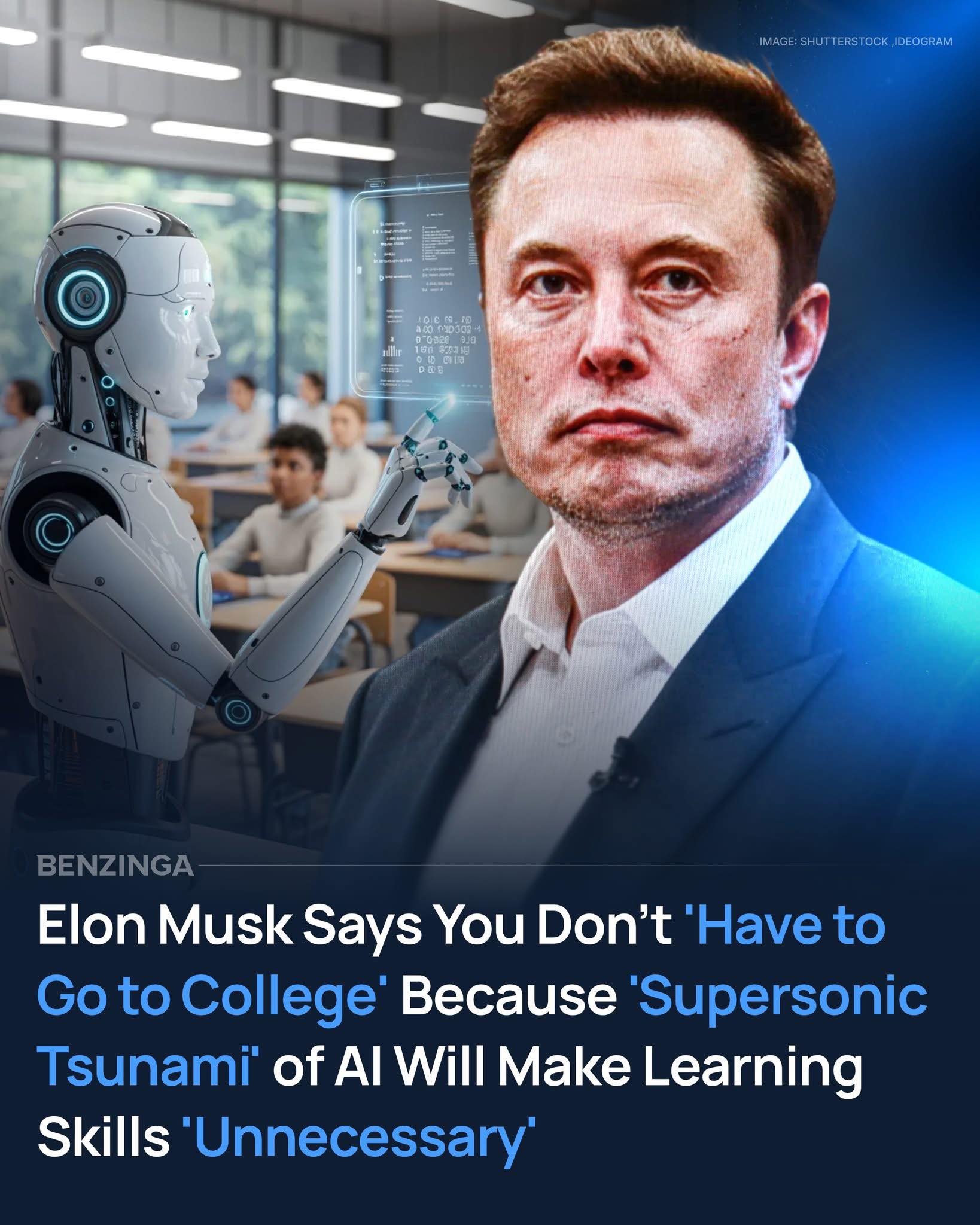
  • Elon Musk says the skills taught in college may not be necessary in the future because of the AI revolution.

    Speaking on the "People By WTF" podcast with entrepreneur Nikhil Kamath in November, the Tesla Inc. (NASDAQ:TSLA) CEO said college can be useful for developing social skills and spending time with people your age. But he thinks going to college to learn new skills makes less sense given the direction society has taken.

    "Will these skills be necessary in the future? Probably not, because we’re gonna be in like a post-work society," Musk said. "But I think, if something’s of interest, it’s fine to go and study that. You know, to study the sciences, the arts and sciences."

    Musk said college is no longer essential, but those who choose to attend should take a wide range of courses and focus on breadth. He said his older sons share the view that AI will make many skills "unnecessary" in the future.

    "I don’t think you have to go to college, but I think if you do, you just try to learn as much as possible across a wide range of subjects," Musk told Kamath. "But like I said, AI and robotics is a supersonic tsunami. This is really gonna be the most radical change that we’ve ever seen."

    Musk is not alone in warning about the potential impact of AI on jobs and education. Anthropic CEO Dario Amodei recently warned that AI could bring an "unprecedented shock" to the labor market. He thinks AI could displace half of all entry-level white-collar jobs in the next five years. Microsoft Corp. (NASDAQ:MSFT) co-founder Bill Gates also believes artificial intelligence will take over many tasks traditionally done by humans, to the point that people will not be needed for "most things."

    Read more: https://www.benzinga.com/news/topics/26/02/50362019/elon-musk-says-you-dont-have-to-go-to-college-because-supersonic-tsunami-of-ai-will-make-learning-skills-unnecessary
    Elon Musk says the skills taught in college may not be necessary in the future because of the AI revolution. Speaking on the "People By WTF" podcast with entrepreneur Nikhil Kamath in November, the Tesla Inc. (NASDAQ:TSLA) CEO said college can be useful for developing social skills and spending time with people your age. But he thinks going to college to learn new skills makes less sense given the direction society has taken. "Will these skills be necessary in the future? Probably not, because we’re gonna be in like a post-work society," Musk said. "But I think, if something’s of interest, it’s fine to go and study that. You know, to study the sciences, the arts and sciences." Musk said college is no longer essential, but those who choose to attend should take a wide range of courses and focus on breadth. He said his older sons share the view that AI will make many skills "unnecessary" in the future. "I don’t think you have to go to college, but I think if you do, you just try to learn as much as possible across a wide range of subjects," Musk told Kamath. "But like I said, AI and robotics is a supersonic tsunami. This is really gonna be the most radical change that we’ve ever seen." Musk is not alone in warning about the potential impact of AI on jobs and education. Anthropic CEO Dario Amodei recently warned that AI could bring an "unprecedented shock" to the labor market. He thinks AI could displace half of all entry-level white-collar jobs in the next five years. Microsoft Corp. (NASDAQ:MSFT) co-founder Bill Gates also believes artificial intelligence will take over many tasks traditionally done by humans, to the point that people will not be needed for "most things." Read more: https://www.benzinga.com/news/topics/26/02/50362019/elon-musk-says-you-dont-have-to-go-to-college-because-supersonic-tsunami-of-ai-will-make-learning-skills-unnecessary
    0 Comentários 0 Compartilhamentos 227 Visualizações