• Winning the Nobel Peace Prize is a significant accomplishment and is typically awarded to individuals or organizations that have made exceptional contributions to promoting peace and resolving conflicts. The Nobel Peace Prize is awarded based on the recommendations of the Norwegian Nobel Committee, which consists of five members appointed by the Norwegian Parliament.

    To be considered for the Nobel Peace Prize, individuals or organizations cannot directly apply or campaign for the award. The Nobel Committee reviews a wide range of potential candidates, including government officials, diplomats, activists, organizations, and even academics who have made substantial contributions to peace efforts.

    The Nobel Peace Prize is typically awarded based on achievements in areas such as conflict resolution, disarmament, human rights, promoting dialogue, fostering peace treaties, or advocating for social justice. It is important to note that the nomination and selection process is confidential, and the deliberations of the Nobel Committee are not publicly disclosed until 50 years later.

    If you aspire to make a positive impact in the world and contribute to peacebuilding efforts, it is commendable to focus on promoting peace, advocating for human rights, and working towards resolving conflicts. While winning the Nobel Peace Prize is not something one can actively pursue, the aim should be to make a difference in the lives of others and strive for a more peaceful and just world.
    Winning the Nobel Peace Prize is a significant accomplishment and is typically awarded to individuals or organizations that have made exceptional contributions to promoting peace and resolving conflicts. The Nobel Peace Prize is awarded based on the recommendations of the Norwegian Nobel Committee, which consists of five members appointed by the Norwegian Parliament. To be considered for the Nobel Peace Prize, individuals or organizations cannot directly apply or campaign for the award. The Nobel Committee reviews a wide range of potential candidates, including government officials, diplomats, activists, organizations, and even academics who have made substantial contributions to peace efforts. The Nobel Peace Prize is typically awarded based on achievements in areas such as conflict resolution, disarmament, human rights, promoting dialogue, fostering peace treaties, or advocating for social justice. It is important to note that the nomination and selection process is confidential, and the deliberations of the Nobel Committee are not publicly disclosed until 50 years later. If you aspire to make a positive impact in the world and contribute to peacebuilding efforts, it is commendable to focus on promoting peace, advocating for human rights, and working towards resolving conflicts. While winning the Nobel Peace Prize is not something one can actively pursue, the aim should be to make a difference in the lives of others and strive for a more peaceful and just world.
    0 Comments 0 Shares 840 Views
  • The word for "Allah" in different languages may vary, but it often reflects the concept of God in those respective languages. Heres "Allah" in 50 different languages:

    1. Arabic - الله (Allah)
    2. Persian - خدا (Khoda)
    3. Urdu - اللہ (Allah)
    4. Turkish - Tanrı
    5. Indonesian - Allah
    6. Malay - Allah
    7. Swahili - Mungu
    8. Bengali - আল্লাহ (Allah)
    9. Hindi - अल्लाह (Allah)
    10. Punjabi - ਅੱਲਾਹ (Allah)
    11. Somali - Ilaah
    12. Pashto - خدا (Khuda)
    13. Kurdish - Xweda
    14. Azerbaijani - Allah
    15. Uzbek - Alloh
    16. Kazakh - Аллаһ (Allah)
    17. Malayalam - അല്ലാഹു (Allahu)
    18. Tamil - அல்லாஹ் (Allāh)
    19. Thai - อัลลอฮ์ (Allāh)
    20. Vietnamese - Chúa
    21. Russian - Аллах (Allakh)
    22. Chinese (Simplified) - 安拉 (Ān lā)
    23. Japanese - アッラー (Arrā)
    24. Korean - 알라 (Alla)
    25. Greek - Αλλάχ (Allákh)
    26. Hebrew - אללה (Ellah)
    27. Spanish - Alá
    28. French - Allah
    29. German - Allah
    30. Italian - Allah
    31. Portuguese - Alá
    32. Dutch - Allah
    33. Norwegian - Allah
    34. Swedish - Allah
    35. Finnish - Allah
    36. Danish - Allah
    37. Romanian - Allah
    38. Polish - Allah
    39. Hungarian - Allah
    40. Czech - Allah
    41. Slovak - Allah
    42. Bulgarian - Алах (Alah)
    43. Greek (Ancient) - Αλλάχ (Allákh)
    44. Hausa - Allah
    45. Yoruba - Olodumare
    46. Igbo - Chineke
    47. Zulu - Unkulunkulu
    48. Maori - Atua
    49. Hawaiian - Akua
    50. Navajo - Diyin Dineé (Holy Being)

    Please note that the pronunciation and script for "Allah" may vary in these languages, but the concept of God is often represented by a similar term in various cultures and languages.
    The word for "Allah" in different languages may vary, but it often reflects the concept of God in those respective languages. Here's "Allah" in 50 different languages: 1. Arabic - الله (Allah) 2. Persian - خدا (Khoda) 3. Urdu - اللہ (Allah) 4. Turkish - Tanrı 5. Indonesian - Allah 6. Malay - Allah 7. Swahili - Mungu 8. Bengali - আল্লাহ (Allah) 9. Hindi - अल्लाह (Allah) 10. Punjabi - ਅੱਲਾਹ (Allah) 11. Somali - Ilaah 12. Pashto - خدا (Khuda) 13. Kurdish - Xweda 14. Azerbaijani - Allah 15. Uzbek - Alloh 16. Kazakh - Аллаһ (Allah) 17. Malayalam - അല്ലാഹു (Allahu) 18. Tamil - அல்லாஹ் (Allāh) 19. Thai - อัลลอฮ์ (Allāh) 20. Vietnamese - Chúa 21. Russian - Аллах (Allakh) 22. Chinese (Simplified) - 安拉 (Ān lā) 23. Japanese - アッラー (Arrā) 24. Korean - 알라 (Alla) 25. Greek - Αλλάχ (Allákh) 26. Hebrew - אללה (El'lah) 27. Spanish - Alá 28. French - Allah 29. German - Allah 30. Italian - Allah 31. Portuguese - Alá 32. Dutch - Allah 33. Norwegian - Allah 34. Swedish - Allah 35. Finnish - Allah 36. Danish - Allah 37. Romanian - Allah 38. Polish - Allah 39. Hungarian - Allah 40. Czech - Allah 41. Slovak - Allah 42. Bulgarian - Алах (Alah) 43. Greek (Ancient) - Αλλάχ (Allákh) 44. Hausa - Allah 45. Yoruba - Olodumare 46. Igbo - Chineke 47. Zulu - Unkulunkulu 48. Maori - Atua 49. Hawaiian - Akua 50. Navajo - Diyin Dine'é (Holy Being) Please note that the pronunciation and script for "Allah" may vary in these languages, but the concept of God is often represented by a similar term in various cultures and languages.
    0 Comments 0 Shares 805 Views
  • Listing translations for "Allah" (or God) in 100 languages is quite a task, and note that the concept of God and the specifics of language nuances can make a direct translation challenging. However, Ill provide translations for the word "God" or its closest equivalent in various languages. Remember, in many languages, the name "Allah" is also used directly, especially in languages influenced by Islam. Heres an attempt:

    1. English: God
    2. Arabic: الله (Allah)
    3. French: Dieu
    4. Spanish: Dios
    5. Portuguese: Deus
    6. German: Gott
    7. Russian: Бог (Bog)
    8. Chinese (Mandarin): 上帝 (Shàngdì)
    9. Japanese: 神 (Kami)
    10. Korean: 하느님 (Haneunim)
    11. Hindi: भगवान (Bhagwan) or ईश्वर (Ishwar)
    12. Bengali: ঈশ্বর (Ishor)
    13. Punjabi: ਰੱਬ (Rabb)
    14. Urdu: خدا (Khuda)
    15. Persian (Farsi): خدا (Khuda)
    16. Turkish: Tanrı
    17. Malay/Indonesian: Tuhan
    18. Filipino: Diyos
    19. Vietnamese: Chúa
    20. Thai: พระเจ้า (Phra Chao)
    21. Kannada: ದೇವರು (Devaru)
    22. Tamil: கடவுள் (Kadavul)
    23. Telugu: దేవుడు (Devudu)
    24. Malayalam: ദൈവം (Daivam)
    25. Gujarati: ભગવાન (Bhagwan)
    26. Marathi: दैवत (Daivat)
    27. Nepali: परमेश्वर (Parameshwar)
    28. Sinhalese: දෙවියා (Deviya)
    29. Burmese: ဘုရား (Bhura)
    30. Lao: ພຣະເຈົ້າ (Phra Chao)
    31. Khmer: ព្រះ (Preah)
    32. Pashto: خداي (Khday)
    33. Sindhi: الله (Allah) or خُدَ
    34. Uzbek: Alloh or Xudo
    35. Kurdish: Xwedê
    36. Swahili: Mungu
    37. Hausa: Allah
    38. Yoruba: Olorun
    39. Igbo: Chukwu
    40. Zulu: uNkulunkulu
    41. Somali: Ilaah
    42. Amharic: እግዚአብሔር (Egziabher)
    43. Afrikaans: God
    44. Dutch: God
    45. Italian: Dio
    46. Romanian: Dumnezeu
    47. Polish: Bóg
    48. Ukrainian: Бог (Boh)
    49. Greek: Θεός (Theós)
    50. Czech: Bůh
    51. Slovak: Boh
    52. Hungarian: Isten
    53. Swedish: Gud
    54. Norwegian: Gud
    55. Danish: Gud
    56. Finnish: Jumala
    57. Lithuanian: Dievas
    58. Latvian: Dievs
    59. Estonian: Jumal
    60. Croatian: Bog
    61. Bosnian: Bog
    62. Serbian: Бог (Bog)
    63. Macedonian: Бог (Bog)
    64. Albanian: Zoti
    65. Bulgarian: Бог (Bog)
    66. Georgian: ღმერთი (Ghmerti)
    67. Kazakh: Құдай (Quday)
    68. Tajik: Худо (Khudo)
    69. Kyrgyz: Алла (Alla)
    70. Turkmen: Alla
    71. Azeri: Tanrı
    72. Armenian: Աստված (Astvats)
    73. Hebrew: אלוהים (Elohim)
    74. Maltese: Alla
    75. Dhivehi: الله (Allah)
    76. Sinhala: දෙවියා (Deviya)
    77. Basque: Jainko
    78. Icelandic: Guð
    79. Irish: Dia
    80. Scottish Gaelic: Dia
    81. Welsh: Duw
    82. Breton: Doue
    83. Corsican: Diu
    84. Belarusian: Бог (Boh)
    85. Mongolian: Бурхан (Burkhan)
    86. Bahasa Bugis: Dewata
    87. Javanese: Gusti
    88. Maori: Atua
    89. Samoan: Atua
    90. Tongan: Otua
    91. Fijian: Kalou
    92. Malagasy: Andriamanitra
    93. Tswana: Modimo
    94. Shona: Mwari
    95. Maltese: Alla
    96. Quechua: Dios
    97. Guarani: Ñandejara
    98. Aymara: Tata Inti
    99. Mapudungun: Ñuke Mapu
    100. Kiswahili: Mungu

    Note that some nuances can be lost in translation, and not all these translations might be an exact fit for the concept of "Allah" or "God" as understood in Islam or Christianity. Always consult with native speakers or linguists for deeper understanding.
    Listing translations for "Allah" (or God) in 100 languages is quite a task, and note that the concept of God and the specifics of language nuances can make a direct translation challenging. However, I'll provide translations for the word "God" or its closest equivalent in various languages. Remember, in many languages, the name "Allah" is also used directly, especially in languages influenced by Islam. Here's an attempt: 1. English: God 2. Arabic: الله (Allah) 3. French: Dieu 4. Spanish: Dios 5. Portuguese: Deus 6. German: Gott 7. Russian: Бог (Bog) 8. Chinese (Mandarin): 上帝 (Shàngdì) 9. Japanese: 神 (Kami) 10. Korean: 하느님 (Haneunim) 11. Hindi: भगवान (Bhagwan) or ईश्वर (Ishwar) 12. Bengali: ঈশ্বর (Ishor) 13. Punjabi: ਰੱਬ (Rabb) 14. Urdu: خدا (Khuda) 15. Persian (Farsi): خدا (Khuda) 16. Turkish: Tanrı 17. Malay/Indonesian: Tuhan 18. Filipino: Diyos 19. Vietnamese: Chúa 20. Thai: พระเจ้า (Phra Chao) 21. Kannada: ದೇವರು (Devaru) 22. Tamil: கடவுள் (Kadavul) 23. Telugu: దేవుడు (Devudu) 24. Malayalam: ദൈവം (Daivam) 25. Gujarati: ભગવાન (Bhagwan) 26. Marathi: दैवत (Daivat) 27. Nepali: परमेश्वर (Parameshwar) 28. Sinhalese: දෙවියා (Deviya) 29. Burmese: ဘုရား (Bhura) 30. Lao: ພຣະເຈົ້າ (Phra Chao) 31. Khmer: ព្រះ (Preah) 32. Pashto: خداي (Khday) 33. Sindhi: الله (Allah) or خُدَ 34. Uzbek: Alloh or Xudo 35. Kurdish: Xwedê 36. Swahili: Mungu 37. Hausa: Allah 38. Yoruba: Olorun 39. Igbo: Chukwu 40. Zulu: uNkulunkulu 41. Somali: Ilaah 42. Amharic: እግዚአብሔር (Egziabher) 43. Afrikaans: God 44. Dutch: God 45. Italian: Dio 46. Romanian: Dumnezeu 47. Polish: Bóg 48. Ukrainian: Бог (Boh) 49. Greek: Θεός (Theós) 50. Czech: Bůh 51. Slovak: Boh 52. Hungarian: Isten 53. Swedish: Gud 54. Norwegian: Gud 55. Danish: Gud 56. Finnish: Jumala 57. Lithuanian: Dievas 58. Latvian: Dievs 59. Estonian: Jumal 60. Croatian: Bog 61. Bosnian: Bog 62. Serbian: Бог (Bog) 63. Macedonian: Бог (Bog) 64. Albanian: Zoti 65. Bulgarian: Бог (Bog) 66. Georgian: ღმერთი (Ghmerti) 67. Kazakh: Құдай (Quday) 68. Tajik: Худо (Khudo) 69. Kyrgyz: Алла (Alla) 70. Turkmen: Alla 71. Azeri: Tanrı 72. Armenian: Աստված (Astvats) 73. Hebrew: אלוהים (Elohim) 74. Maltese: Alla 75. Dhivehi: الله (Allah) 76. Sinhala: දෙවියා (Deviya) 77. Basque: Jainko 78. Icelandic: Guð 79. Irish: Dia 80. Scottish Gaelic: Dia 81. Welsh: Duw 82. Breton: Doue 83. Corsican: Diu 84. Belarusian: Бог (Boh) 85. Mongolian: Бурхан (Burkhan) 86. Bahasa Bugis: Dewata 87. Javanese: Gusti 88. Maori: Atua 89. Samoan: Atua 90. Tongan: 'Otua 91. Fijian: Kalou 92. Malagasy: Andriamanitra 93. Tswana: Modimo 94. Shona: Mwari 95. Maltese: Alla 96. Quechua: Dios 97. Guarani: Ñandejara 98. Aymara: Tata Inti 99. Mapudungun: Ñuke Mapu 100. Kiswahili: Mungu Note that some nuances can be lost in translation, and not all these translations might be an exact fit for the concept of "Allah" or "God" as understood in Islam or Christianity. Always consult with native speakers or linguists for deeper understanding.
    0 Comments 0 Shares 1583 Views
  • Thank you Shan Salman Ibrahim Butt for my first Norwegian video ! #norway #norwegian
    Thank you Shan Salman Ibrahim Butt for my first Norwegian video ! #norway #norwegian
    0 Comments 0 Shares 43 Views 0
  • Thank you Shan Salman Ibrahim Butt for my first Norwegian video ! #norway #norwegian
    Thank you Shan Salman Ibrahim Butt for my first Norwegian video ! #norway #norwegian
    0 Comments 0 Shares 43 Views 0
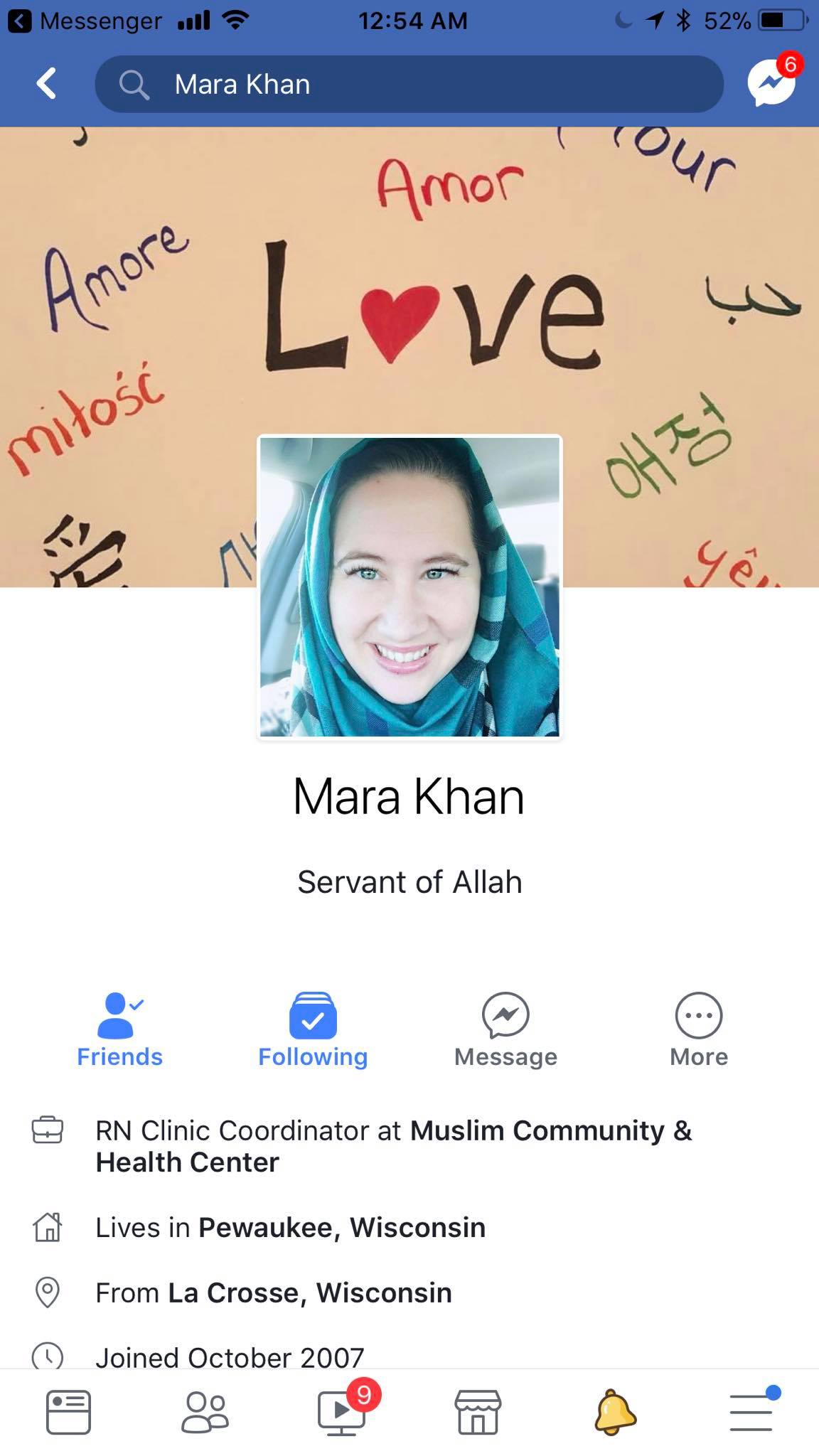
  • Meet Mara Khan

    American by birth, Chinese 50%, Norwegian 25%, German, Scottish, English, Irish by ethnicity, Pakistan by heart
    Meet Mara Khan American by birth, Chinese 50%, Norwegian 25%, German, Scottish, English, Irish by ethnicity, Pakistan by heart ❤️
    0 Comments 0 Shares 42 Views
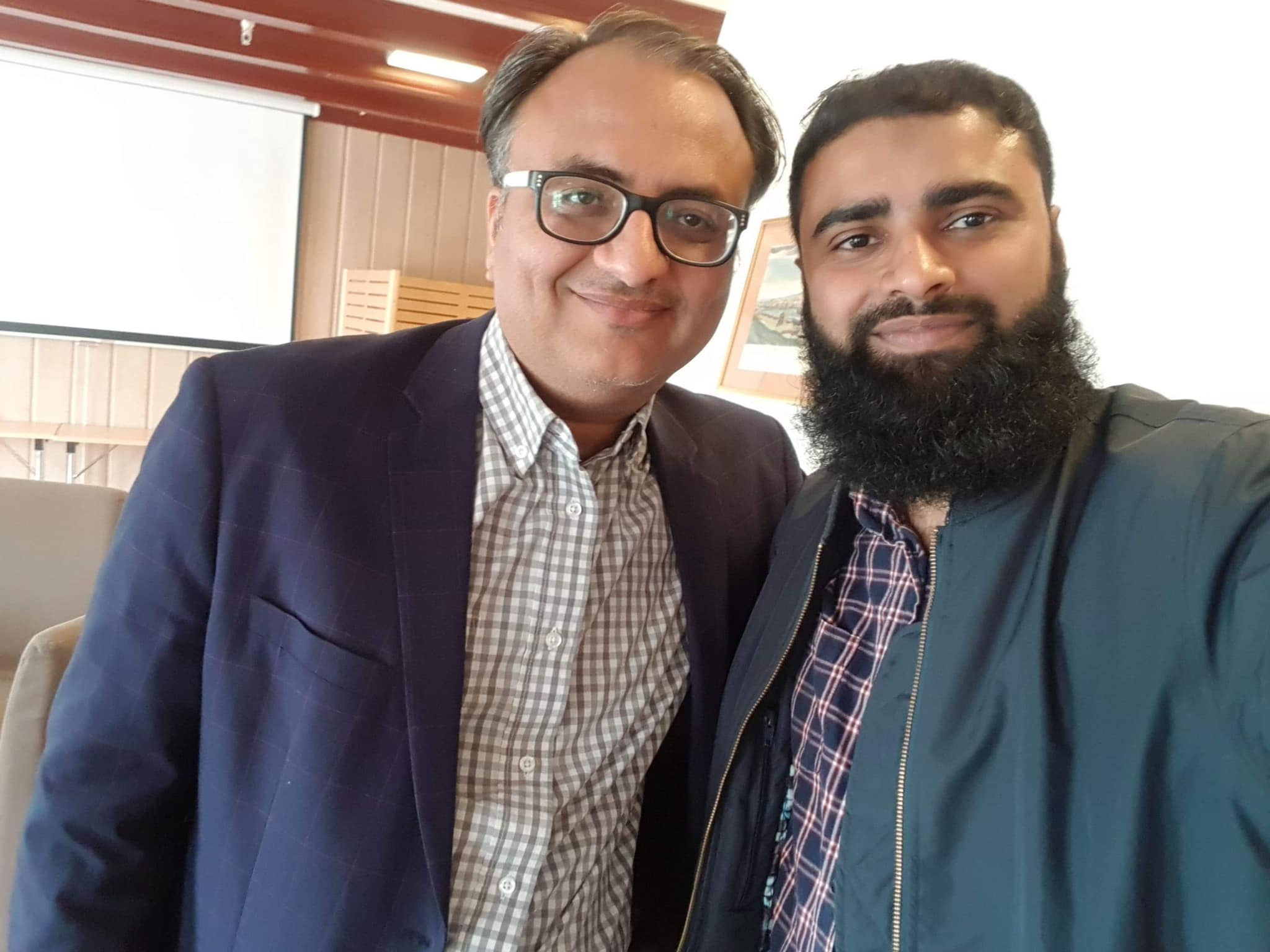
  • Meet Ali Shafqat from Trondhjem!

    He is originally from Faisalabad, Pakistan and now a PHD student in Norway

    If you want to come to norway and take advantage of the free Université here, add him, ask him how, and he will make you videos on how to do that.

    He can also teach you how to make processes in your companies better.

    His wife is making How to make Pakistani food in Norwegian language and needs a female to costar with his wife for explaining in Norwegian, so if you can introduce someone, would be great !

    Thank you Ali for combing to meet me today and lunch !
    Meet Ali Shafqat from Trondhjem! He is originally from Faisalabad, Pakistan and now a PHD student in Norway 🇳🇴 If you want to come to norway and take advantage of the free Université here, add him, ask him how, and he will make you videos on how to do that. He can also teach you how to make processes in your companies better. His wife is making How to make Pakistani food in Norwegian language and needs a female to costar with his wife for explaining in Norwegian, so if you can introduce someone, would be great ! Thank you Ali for combing to meet me today and lunch !
    0 Comments 0 Shares 44 Views
  • Meet Ali Shafqat from Trondhjem!

    He is originally from Faisalabad, Pakistan and now a PHD student in Norway

    If you want to come to norway and take advantage of the free Université here, add him, ask him how, and he will make you videos on how to do that.

    He can also teach you how to make processes in your companies better.

    His wife is making How to make Pakistani food in Norwegian language and needs a female to costar with his wife for explaining in Norwegian, so if you can introduce someone, would be great !

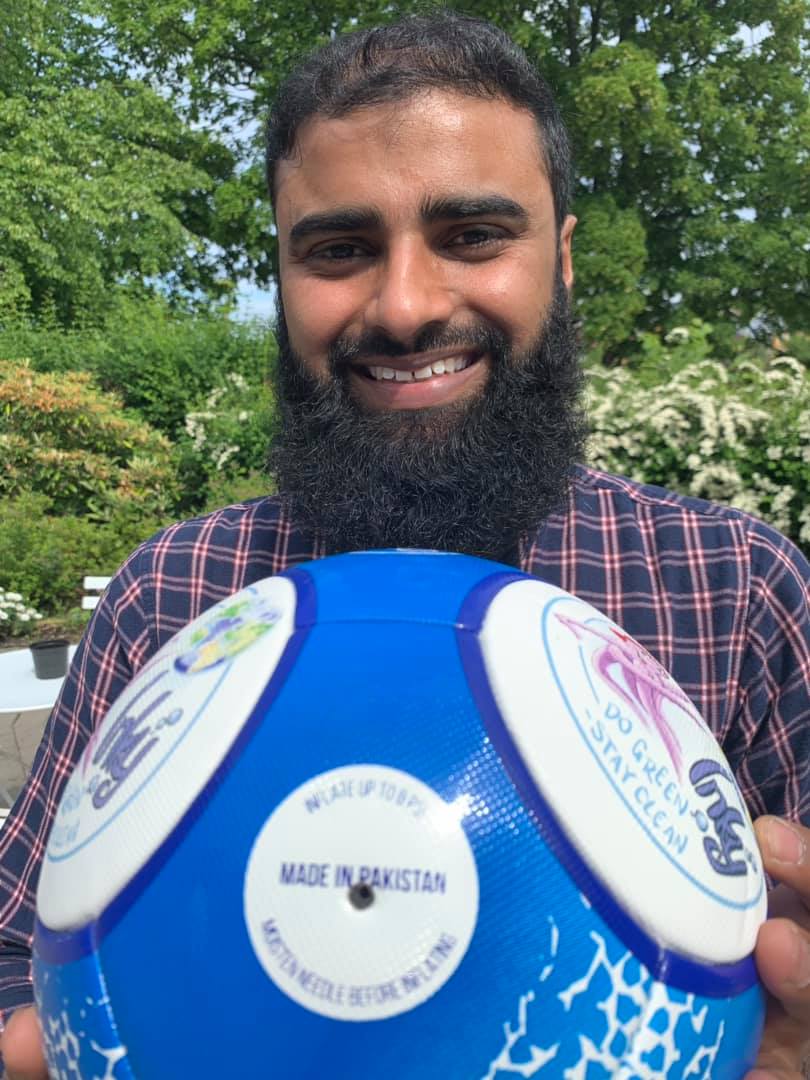
    Here he is holding the world famous balls from Pakistan used in World Cup
    Meet Ali Shafqat from Trondhjem! He is originally from Faisalabad, Pakistan and now a PHD student in Norway 🇳🇴 If you want to come to norway and take advantage of the free Université here, add him, ask him how, and he will make you videos on how to do that. He can also teach you how to make processes in your companies better. His wife is making How to make Pakistani food in Norwegian language and needs a female to costar with his wife for explaining in Norwegian, so if you can introduce someone, would be great ! Here he is holding the world 🌎 famous balls from Pakistan used in World Cup
    0 Comments 0 Shares 42 Views
  • Honored to meet Farooq Ansari
    Lawyer, social worker, philanthropist!

    He was born in Norway and speaks fluent English, Norwegian, Punjabi and Urdu !

    He is wanting to connect with trade bodies, businesses and others in Pakistan who want to work for uplifting Pakistan with him !

    Wanna Work for Pakistan ?
    Honored to meet Farooq Ansari Lawyer, social worker, philanthropist! He was born in Norway and speaks fluent English, Norwegian, Punjabi and Urdu ! He is wanting to connect with trade bodies, businesses and others in Pakistan who want to work for uplifting Pakistan with him ! Wanna Work for Pakistan ?
    0 Comments 0 Shares 42 Views
  • Do you know anything absolute ? Do you know what is Epistemology !

    Meet Shan Salman Ibrahim Butt who did his masters in this !

    Born in Norway he speaks beautiful Urdu, English and Norwegian !

    He works in field of IT in agriculture!

    Do connect ! Get inspired !
    Do you know anything absolute ? Do you know what is Epistemology ! Meet Shan Salman Ibrahim Butt who did his masters in this ! Born in Norway he speaks beautiful Urdu, English and Norwegian ! He works in field of IT in agriculture! Do connect ! Get inspired !
    0 Comments 0 Shares 42 Views
More Results