• Coding Task: 66
    Prompt :
    " Develop a fully functional service marketplace inspired by TaskRabbit, where users can post tasks, hire freelancers, and get local services done efficiently."
    Click Here for Try : http://rsk152.rehanschool.us/taskrabbit_clone/
    Coding Task: 66 Prompt : " Develop a fully functional service marketplace inspired by TaskRabbit, where users can post tasks, hire freelancers, and get local services done efficiently." Click Here for Try : http://rsk152.rehanschool.us/taskrabbit_clone/
    0 Comments 0 Shares 332 Views 0
  • Is anyone working task rabbit type app for Pakistan ?
    Is anyone working task rabbit type app for Pakistan ?
    0 Comments 0 Shares 129 Views
  • Nature does not hurry, yet everything is accomplished.
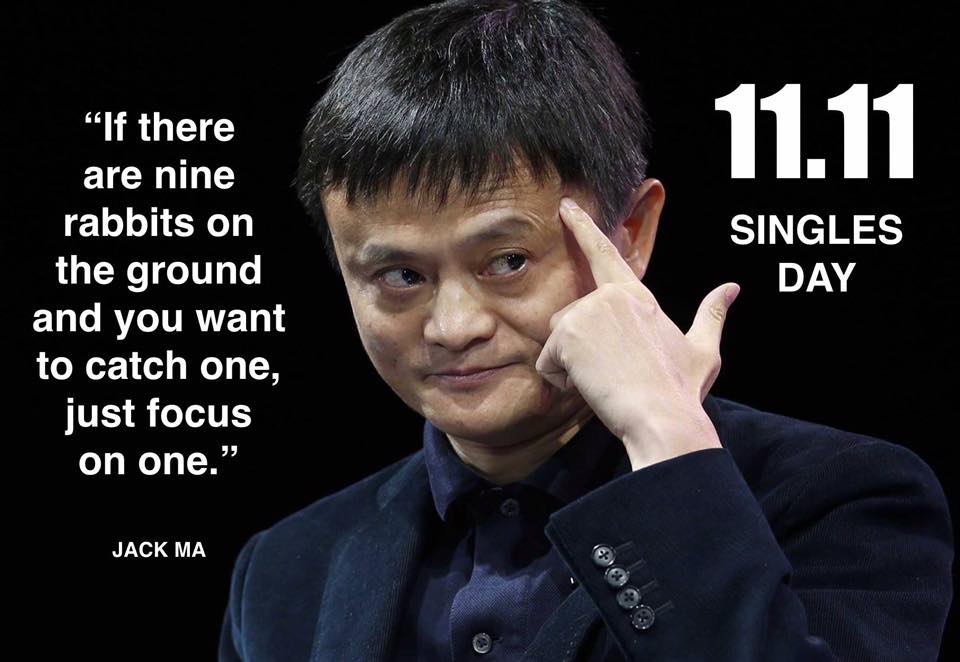
    Man who chases two rabbits catches neither.

    This proverb emphasizes the importance of simplicity and focus, and suggests that trying to do too many things at once can lead to a cluttered and disorganized life. Instead, by taking things slowly and focusing on one task at a time, we can achieve our goals more effectively and maintain a sense of calm and clarity in our lives.
    Nature does not hurry, yet everything is accomplished. Man who chases two rabbits catches neither. This proverb emphasizes the importance of simplicity and focus, and suggests that trying to do too many things at once can lead to a cluttered and disorganized life. Instead, by taking things slowly and focusing on one task at a time, we can achieve our goals more effectively and maintain a sense of calm and clarity in our lives.
    0 Comments 0 Shares 206 Views
  • Speech therapy is a type of treatment that helps people improve their speech, language, and communication skills. It’s done by trained professionals called speech-language pathologists (SLPs), often referred to as speech therapists.

    It helps with:
    • Pronunciation problems (e.g., saying “wabbit” instead of “rabbit”)
    • Stuttering
    • Delayed speech in children
    • Trouble understanding or using language (aphasia) after a stroke or injury
    • Voice disorders (hoarseness, pitch problems)
    • Feeding and swallowing issues (often in children or after illness)

    Who might need it?
    • Children with speech delays or disorders
    • Adults after a stroke or brain injury
    • People with developmental conditions like autism
    • Anyone with difficulty speaking clearly or communicating effectively

    In short: speech therapy is like a gym for your mouth, brain, and ears — to get communication in shape!
    Speech therapy is a type of treatment that helps people improve their speech, language, and communication skills. It’s done by trained professionals called speech-language pathologists (SLPs), often referred to as speech therapists. It helps with: • Pronunciation problems (e.g., saying “wabbit” instead of “rabbit”) • Stuttering • Delayed speech in children • Trouble understanding or using language (aphasia) after a stroke or injury • Voice disorders (hoarseness, pitch problems) • Feeding and swallowing issues (often in children or after illness) Who might need it? • Children with speech delays or disorders • Adults after a stroke or brain injury • People with developmental conditions like autism • Anyone with difficulty speaking clearly or communicating effectively In short: speech therapy is like a gym for your mouth, brain, and ears — to get communication in shape!
    0 Comments 0 Shares 262 Views
  • Many people guided me for this ! But I always ran after 11 rabbits ! I admit I was wrong ! Focusing on one is better !
    Many people guided me for this ! But I always ran after 11 rabbits ! I admit I was wrong ! Focusing on one is better !
    0 Comments 0 Shares 15 Views
  • If you see this photo it looks like dog, rabbit and cat. But when you zoom it you will see the beauty of photography...
    If you see this photo it looks like dog, rabbit and cat. But when you zoom it you will see the beauty of photography...
    0 Comments 0 Shares 63 Views
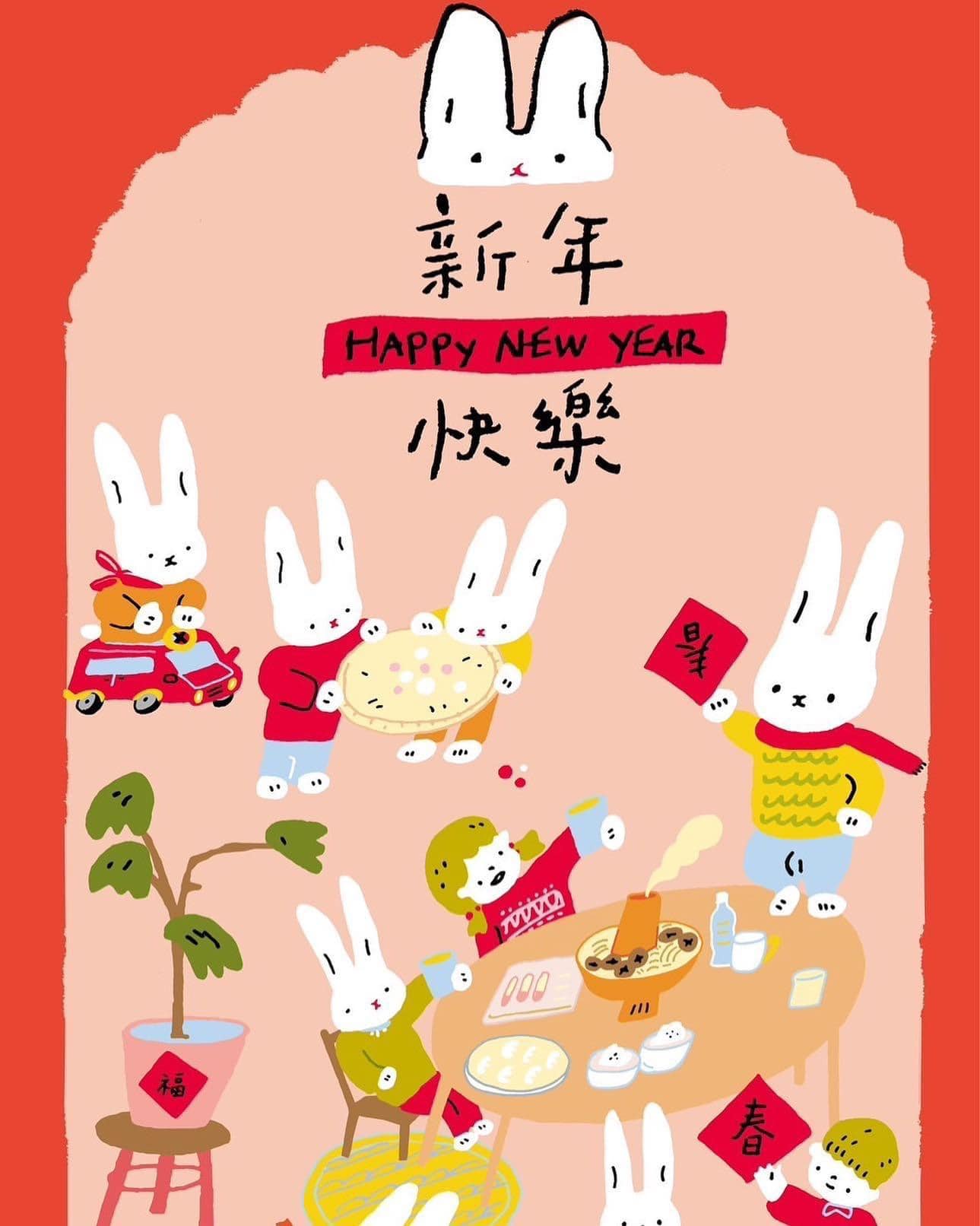
  • Happy #lunar new year! May the year of #rabbit bring you health, luck, and happiness!

    Via Wenchi Yu
    Happy #lunar new year! May the year of #rabbit bring you health, luck, and happiness! Via Wenchi Yu
    0 Comments 0 Shares 48 Views
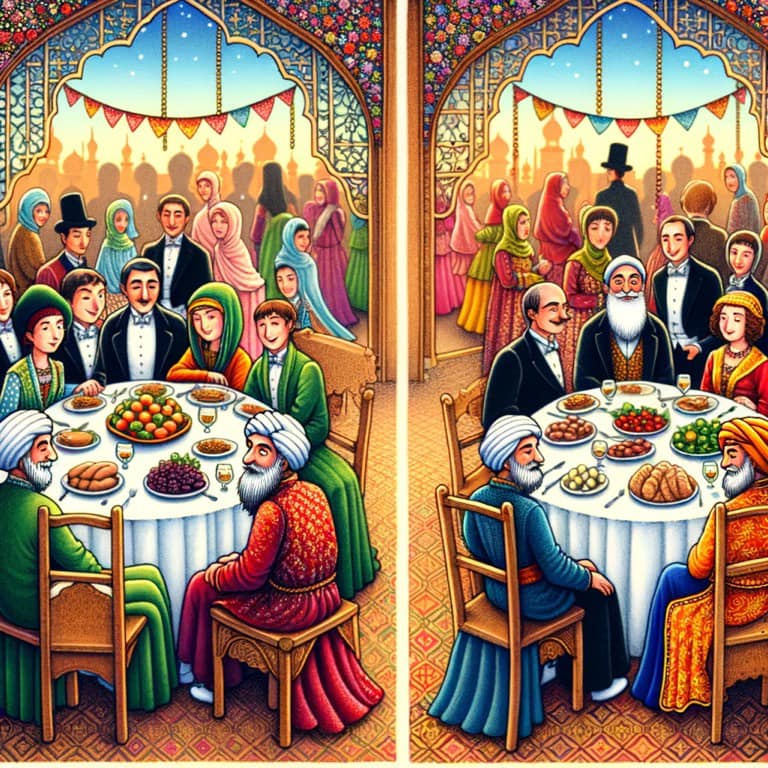
  • Mullah Nasruddins tales, known for their wit and wisdom, have parallels in various cultures, featuring characters who use humor and cleverness to highlight truths or critique societal norms. Here are a few similar figures and their stories:

    1. **Juha (Middle Eastern Folklore)**: Juha, like Nasruddin, is a character in Middle Eastern folklore known for his wit. In one popular tale, Juha carries his door on his back after his house is robbed. When asked why, he explains that since the thieves have already taken everything inside, hes afraid they might come back for the door.

    2. **Hodja (Turkish Folklore)**: Hodja stories are very similar to those of Nasruddin. One famous story involves Hodja riding his donkey backwards. When asked why, he explains that this way, either he or the donkey can see where theyre going.

    3. **Brer Rabbit (African-American Folklore)**: Brer Rabbit is a trickster figure who often outsmarts larger animals. In the famous "Brer Rabbit and the Tar Baby" story, he cleverly tricks Brer Fox who tries to capture him using a tar doll.

    4. **Eulenspiegel (German Folklore)**: Till Eulenspiegel was a jester and trickster. In one story, hes asked to ride a horse to its new owner but instead rides it to his home, arguing that he was only told to ride it, not to deliver it.

    5. **Panchatantra Tales (Indian Folklore)**: These are ancient Indian fables featuring animals in human-like situations. The stories, such as "The Monkey and the Crocodile", often carry moral lessons and reflect on human nature and society.

    6. **Anansi (West African and Caribbean Folklore)**: Anansi is a spider who often takes the form of a man. In one story, Anansi, the king of all stories, gains the right to tell stories by completing a series of impossible tasks set by the Sky God.

    These stories, like those of Nasruddin, use humor and cleverness to make larger points about human nature and society, and have been passed down through generations in various cultures.
    Mullah Nasruddin's tales, known for their wit and wisdom, have parallels in various cultures, featuring characters who use humor and cleverness to highlight truths or critique societal norms. Here are a few similar figures and their stories: 1. **Juha (Middle Eastern Folklore)**: Juha, like Nasruddin, is a character in Middle Eastern folklore known for his wit. In one popular tale, Juha carries his door on his back after his house is robbed. When asked why, he explains that since the thieves have already taken everything inside, he's afraid they might come back for the door. 2. **Hodja (Turkish Folklore)**: Hodja stories are very similar to those of Nasruddin. One famous story involves Hodja riding his donkey backwards. When asked why, he explains that this way, either he or the donkey can see where they're going. 3. **Br'er Rabbit (African-American Folklore)**: Br'er Rabbit is a trickster figure who often outsmarts larger animals. In the famous "Br'er Rabbit and the Tar Baby" story, he cleverly tricks Br'er Fox who tries to capture him using a tar doll. 4. **Eulenspiegel (German Folklore)**: Till Eulenspiegel was a jester and trickster. In one story, he's asked to ride a horse to its new owner but instead rides it to his home, arguing that he was only told to ride it, not to deliver it. 5. **Panchatantra Tales (Indian Folklore)**: These are ancient Indian fables featuring animals in human-like situations. The stories, such as "The Monkey and the Crocodile", often carry moral lessons and reflect on human nature and society. 6. **Anansi (West African and Caribbean Folklore)**: Anansi is a spider who often takes the form of a man. In one story, Anansi, the king of all stories, gains the right to tell stories by completing a series of impossible tasks set by the Sky God. These stories, like those of Nasruddin, use humor and cleverness to make larger points about human nature and society, and have been passed down through generations in various cultures.
    0 Comments 0 Shares 851 Views
  • https://www.wired.com/story/rabbit-r1/
    https://www.wired.com/story/rabbit-r1/
    0 Comments 0 Shares 45 Views
  • ### جانوروں کا اسکول

    ایک وقت کی بات ہے کہ جانوروں نے فیصلہ کیا کہ وہ ایک اسکول بنائیں گے جہاں ہر جانور کو دوڑنا، چڑھنا، اڑنا اور تیرنا سکھایا جائے گا۔ سب جانوروں کو ان تمام مضامین میں شرکت کرنی تھی۔

    #### بطخ
    بطخ تیراکی میں بہترین تھی، یہاں تک کہ اس کے استاد سے بھی بہتر تھی۔ لیکن اسے دوڑنے اور اڑنے میں مشکلات کا سامنا تھا۔ اپنے دوڑنے کی مہارت کو بہتر بنانے کے لیے اسے اسکول کے بعد رکنا پڑتا اور تیرنا چھوڑنا پڑتا، جس کی وجہ سے اس کے پاؤں خراب ہو گئے اور وہ تیراکی میں صرف اوسط کارکردگی کا مظاہرہ کر سکا۔

    #### خرگوش
    خرگوش دوڑنے کی کلاس میں سب سے آگے تھا، لیکن زیادہ تیراکی کے کام کی وجہ سے اس کی ذہنی حالت خراب ہو گئی۔

    #### گلہری
    گلہری چڑھنے میں بہترین تھی، لیکن اسے اڑنے کی کلاس میں مشکلات پیش آتی تھیں۔ اس کے استاد نے اصرار کیا کہ وہ زمین سے اڑنے کی مشق کرے، جس کی وجہ سے اس کے پٹھے کھنچ گئے اور اس کی چڑھنے کی کارکردگی خراب ہو گئی۔

    #### عقاب
    عقاب کو ایک مسئلہ سمجھا جاتا تھا کیونکہ وہ درخت کی چوٹی پر پہنچنے کے لیے اپنی قدرتی اڑان کا استعمال کرتا تھا، لیکن اسکول نے اسے چڑھنے پر زور دیا، جس کی وجہ سے وہ مایوس ہو گیا۔

    #### بام مچھلی
    بام مچھلی جو ہر مضمون میں تھوڑی تھوڑی مہارت رکھتی تھی، اسے کلاس کا بہترین طالب علم قرار دیا گیا، جس نے اس بات کو اجاگر کیا کہ نظام اوسط کارکردگی کو زیادہ اہمیت دیتا ہے بجائے اس کے کہ کسی ایک شعبے میں مہارت کو تسلیم کرے۔

    ### اخلاق
    اس کہانی کا سبق یہ ہے کہ تعلیم کو ہر فرد کی صلاحیتوں کو پہچاننا اور پروان چڑھانا چاہیے بجائے اس کے کہ سب کو ایک ہی پیمانے پر پرکھا جائے۔

    ### Summary of "The Animal School"

    In the fable "The Animal School," the animals decide to create a school to make their education more standardized. They develop a curriculum that includes running, climbing, swimming, and flying, believing that this will create well-rounded individuals.

    #### The Duck
    The duck excels in swimming but struggles with running, flying, and climbing. The school insists on improving his weak areas, which results in him becoming mediocre in swimming, his natural talent.

    #### The Rabbit
    The rabbit is excellent at running but fails at swimming. His performance drops due to the stress of having to improve in areas that dont align with his natural abilities.

    #### The Squirrel
    The squirrel is great at climbing but faces difficulties in flying. The school forces him to start flying from the ground up, which is unnatural for him and causes him to get injured and fail in his other subjects.

    #### The Eagle
    The eagle is naturally talented at flying but is forced to participate in all activities. His unique way of flying to the top of trees is not appreciated by the school, leading to conflicts.

    #### The Eel
    The eel, who can do all subjects fairly well but is not excellent in any, becomes the valedictorian, highlighting the flawed system that values mediocrity over excellence in individual talents.

    ### Moral
    The fable underscores the absurdity of a standardized educational system that fails to recognize individual strengths and abilities. It suggests that education should be tailored to nurture and develop each individuals unique talents.

    For more details, you can view the full text of "The Animal School" by George Reavis in the PDF document available [here](https://madalen.wordpress.com/wp-content/uploads/2009/09/14037268-the-animal-school.pdf).

    ### جانوروں کا اسکول ایک وقت کی بات ہے کہ جانوروں نے فیصلہ کیا کہ وہ ایک اسکول بنائیں گے جہاں ہر جانور کو دوڑنا، چڑھنا، اڑنا اور تیرنا سکھایا جائے گا۔ سب جانوروں کو ان تمام مضامین میں شرکت کرنی تھی۔ #### بطخ بطخ تیراکی میں بہترین تھی، یہاں تک کہ اس کے استاد سے بھی بہتر تھی۔ لیکن اسے دوڑنے اور اڑنے میں مشکلات کا سامنا تھا۔ اپنے دوڑنے کی مہارت کو بہتر بنانے کے لیے اسے اسکول کے بعد رکنا پڑتا اور تیرنا چھوڑنا پڑتا، جس کی وجہ سے اس کے پاؤں خراب ہو گئے اور وہ تیراکی میں صرف اوسط کارکردگی کا مظاہرہ کر سکا۔ #### خرگوش خرگوش دوڑنے کی کلاس میں سب سے آگے تھا، لیکن زیادہ تیراکی کے کام کی وجہ سے اس کی ذہنی حالت خراب ہو گئی۔ #### گلہری گلہری چڑھنے میں بہترین تھی، لیکن اسے اڑنے کی کلاس میں مشکلات پیش آتی تھیں۔ اس کے استاد نے اصرار کیا کہ وہ زمین سے اڑنے کی مشق کرے، جس کی وجہ سے اس کے پٹھے کھنچ گئے اور اس کی چڑھنے کی کارکردگی خراب ہو گئی۔ #### عقاب عقاب کو ایک مسئلہ سمجھا جاتا تھا کیونکہ وہ درخت کی چوٹی پر پہنچنے کے لیے اپنی قدرتی اڑان کا استعمال کرتا تھا، لیکن اسکول نے اسے چڑھنے پر زور دیا، جس کی وجہ سے وہ مایوس ہو گیا۔ #### بام مچھلی بام مچھلی جو ہر مضمون میں تھوڑی تھوڑی مہارت رکھتی تھی، اسے کلاس کا بہترین طالب علم قرار دیا گیا، جس نے اس بات کو اجاگر کیا کہ نظام اوسط کارکردگی کو زیادہ اہمیت دیتا ہے بجائے اس کے کہ کسی ایک شعبے میں مہارت کو تسلیم کرے۔ ### اخلاق اس کہانی کا سبق یہ ہے کہ تعلیم کو ہر فرد کی صلاحیتوں کو پہچاننا اور پروان چڑھانا چاہیے بجائے اس کے کہ سب کو ایک ہی پیمانے پر پرکھا جائے۔ ### Summary of "The Animal School" In the fable "The Animal School," the animals decide to create a school to make their education more standardized. They develop a curriculum that includes running, climbing, swimming, and flying, believing that this will create well-rounded individuals. #### The Duck The duck excels in swimming but struggles with running, flying, and climbing. The school insists on improving his weak areas, which results in him becoming mediocre in swimming, his natural talent. #### The Rabbit The rabbit is excellent at running but fails at swimming. His performance drops due to the stress of having to improve in areas that don't align with his natural abilities. #### The Squirrel The squirrel is great at climbing but faces difficulties in flying. The school forces him to start flying from the ground up, which is unnatural for him and causes him to get injured and fail in his other subjects. #### The Eagle The eagle is naturally talented at flying but is forced to participate in all activities. His unique way of flying to the top of trees is not appreciated by the school, leading to conflicts. #### The Eel The eel, who can do all subjects fairly well but is not excellent in any, becomes the valedictorian, highlighting the flawed system that values mediocrity over excellence in individual talents. ### Moral The fable underscores the absurdity of a standardized educational system that fails to recognize individual strengths and abilities. It suggests that education should be tailored to nurture and develop each individual's unique talents. For more details, you can view the full text of "The Animal School" by George Reavis in the PDF document available [here](https://madalen.wordpress.com/wp-content/uploads/2009/09/14037268-the-animal-school.pdf).

    0 Comments 0 Shares 298 Views
More Results