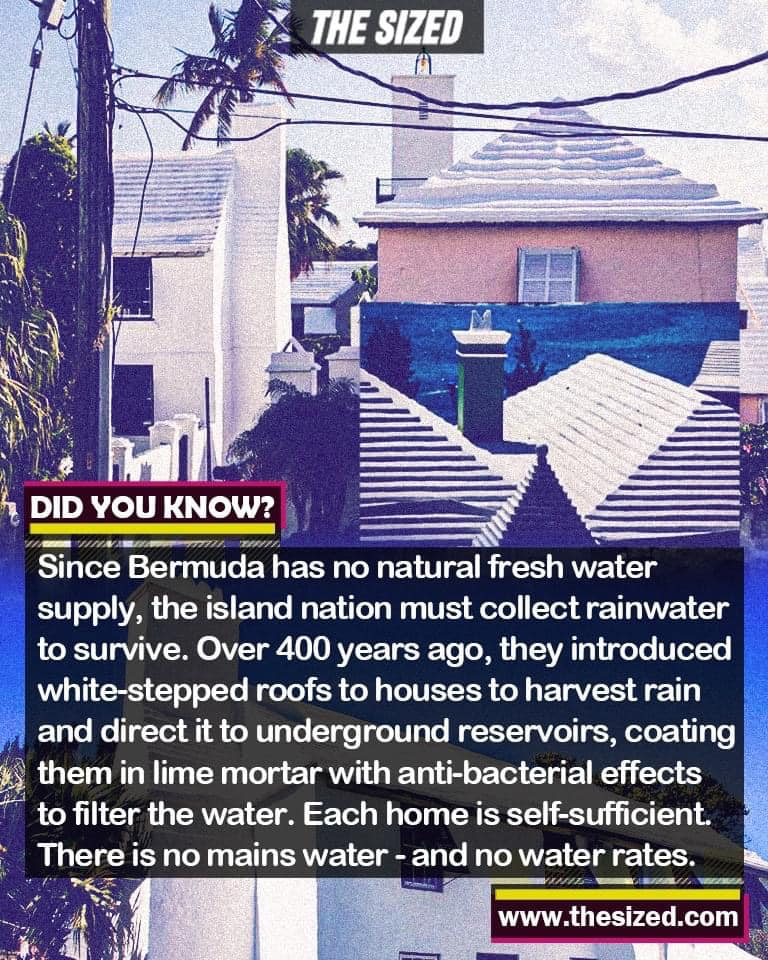
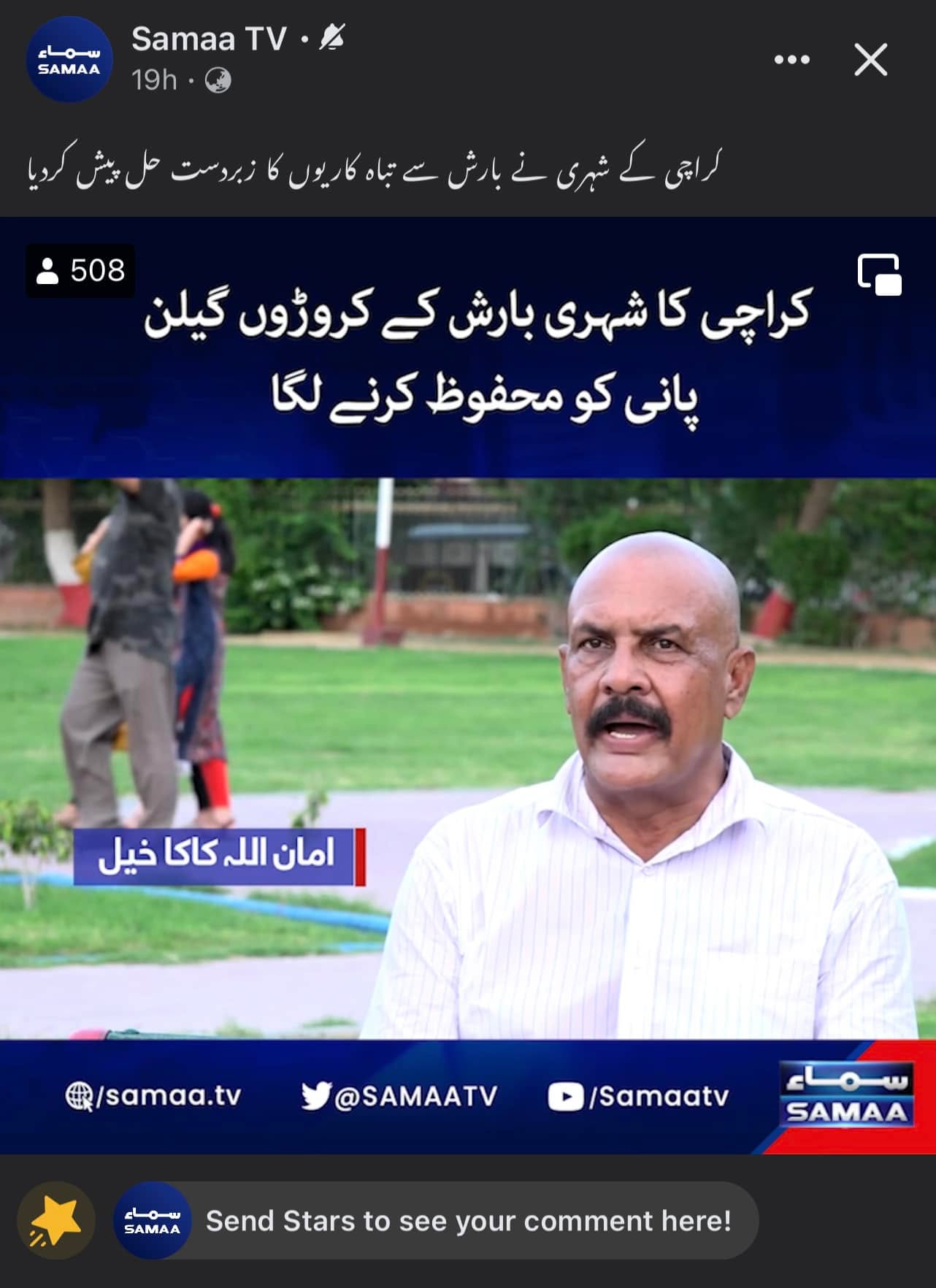
• Do you know how to save rainwater underground?
    Do you know how to save rainwater underground?
    0 Reacties 0 aandelen 178 Views
  • A Practical, Do-Able Solution to the Problems of Karachi via Chatgpt

    Karachi is not a failed city.
    Karachi is a mismanaged, under-trusted, under-designed city.

    It generates over 25–30% of Pakistan’s GDP, collects massive taxes, runs the country’s ports, feeds industries, and absorbs migrants from every province.
    Yet it struggles with water, waste, transport, safety, and dignity.

    The problem is not money.
    The problem is systems.

    Below is a realistic, phased, ground-level solution—not political slogans.


    1. Governance: One City, One Brain

    Problem

    Karachi is run by too many authorities:
    • KMC
    • Cantonments
    • DHA
    • K-Electric
    • Water Board
    • Provincial control

    No one is accountable.

    Solution

    Create One Karachi Authority (OKA):
    • Single elected mayor with 5-year protected term
    • Direct control over:
    • Water
    • Transport
    • Solid waste
    • Policing coordination
    • Independent city budget (like global mega cities)

    Without one brain, the body will always suffer.


    2. Water: Treat It Like Gold, Not Charity

    Problem
    • Over 40% water theft
    • Tanker mafia
    • Leaky pipelines
    • Zero metering

    Solutions
    1. Universal Water Metering (low-cost smart meters)
    2. Community Desalination Plants near coast (solar-powered)
    3. Rainwater harvesting mandatory for:
    • Schools
    • Mosques
    • Factories
    4. Heavy penalties for illegal hydrants

    Water must be priced fairly, not stolen freely.


    3. Waste: Turn Garbage into Jobs

    Problem
    • 12,000+ tons of waste daily
    • Open dumping
    • Zero segregation

    Solutions
    1. Ward-level waste ownership
    2. Mandatory 3-bin system:
    • Organic
    • Recyclable
    • Residual
    3. Micro-contracts to local youth groups
    4. Compost → urban farming → income

    Garbage is not filth.
    Garbage is misused raw material.


    4. Transport: Move People, Not Cars

    Problem
    • Broken buses
    • Unsafe rickshaws
    • Traffic chaos
    • No pedestrian respect

    Solutions
    1. Dedicated Bus Rapid Transit (BRT) lanes enforced by cameras
    2. City-wide single transport card
    3. Legalize & regulate:
    • Bike taxis
    • Electric rickshaws
    4. Sidewalks rebuilt before flyovers

    A city that forces the poor to suffer in transport is already unjust.


    5. Safety: Cameras + Community, Not Fear

    Problem
    • Street crime
    • Weak policing trust
    • Slow response time

    Solutions
    1. City-owned CCTV grid (not private islands)
    2. AI-based crime heat maps
    3. Local Mohalla Safety Committees
    4. Police promotions tied to:
    • Response time
    • Complaint resolution

    Fear reduces productivity more than poverty.


    6. Education: Fix the Root, Not the Leaves

    Problem
    • Millions of out-of-school children
    • Outdated curriculum
    • No skills, no earning

    Solutions
    1. Convert public schools into skill-first schools
    2. Mandatory:
    • English communication
    • Digital literacy
    • AI tools
    3. Students earning by age 12
    4. Partnerships with startups & SMEs

    A city where children earn with dignity does not breed crime.


    7. Health: Prevent, Don’t Just Treat

    Problem
    • Overloaded hospitals
    • No primary care
    • Pollution-driven illness

    Solutions
    1. Neighborhood primary clinics every 10,000 people
    2. Air quality sensors published publicly
    3. Mandatory health screening in schools
    4. Mental health awareness at community level

    A sick city cannot compete globally.


    8. Economy: Enable Small, Scale Fast

    Problem
    • Informal economy
    • Harassment
    • No growth path

    Solutions
    1. One-window digital business registration
    2. Zero bribes via online approvals
    3. Skill-to-market pipelines:
    • Freelancing
    • Repair services
    • Micro manufacturing
    4. City-backed micro-loans tied to training

    Karachi does not need charity.
    It needs permission to work.


    9. Data: Measure Everything

    Problem

    Decisions are made on opinions, not facts.

    Solutions
    1. Open city dashboard:
    • Water supply
    • Waste cleared
    • Crime stats
    • School attendance
    2. Public access = public pressure
    3. Annual “City Report Card”

    What is measured improves.
    What is hidden rots.


    10. Mindset: From Survival to Pride

    Karachi’s biggest crisis is emotional exhaustion.

    People have stopped believing.

    Final Step
    • Teach civic responsibility in schools
    • Celebrate honest workers
    • Reward cleanliness
    • Publicly shame corruption (legally)

    A city heals when citizens feel ownership, not helplessness.


    Final Truth

    Karachi does not need:
    • More speeches
    • More flyovers
    • More commissions

    Karachi needs:
    • Clear authority
    • Simple systems
    • Respect for citizens
    • Youth empowerment
    • Technology as leverage

    If run properly, Karachi alone can lift Pakistan’s economy.

    This is not a dream.
    This is basic urban management.

    And it is possible—now, not someday.
    A Practical, Do-Able Solution to the Problems of Karachi via Chatgpt Karachi is not a failed city. Karachi is a mismanaged, under-trusted, under-designed city. It generates over 25–30% of Pakistan’s GDP, collects massive taxes, runs the country’s ports, feeds industries, and absorbs migrants from every province. Yet it struggles with water, waste, transport, safety, and dignity. The problem is not money. The problem is systems. Below is a realistic, phased, ground-level solution—not political slogans. ⸻ 1. Governance: One City, One Brain Problem Karachi is run by too many authorities: • KMC • Cantonments • DHA • K-Electric • Water Board • Provincial control No one is accountable. Solution Create One Karachi Authority (OKA): • Single elected mayor with 5-year protected term • Direct control over: • Water • Transport • Solid waste • Policing coordination • Independent city budget (like global mega cities) Without one brain, the body will always suffer. ⸻ 2. Water: Treat It Like Gold, Not Charity Problem • Over 40% water theft • Tanker mafia • Leaky pipelines • Zero metering Solutions 1. Universal Water Metering (low-cost smart meters) 2. Community Desalination Plants near coast (solar-powered) 3. Rainwater harvesting mandatory for: • Schools • Mosques • Factories 4. Heavy penalties for illegal hydrants Water must be priced fairly, not stolen freely. ⸻ 3. Waste: Turn Garbage into Jobs Problem • 12,000+ tons of waste daily • Open dumping • Zero segregation Solutions 1. Ward-level waste ownership 2. Mandatory 3-bin system: • Organic • Recyclable • Residual 3. Micro-contracts to local youth groups 4. Compost → urban farming → income Garbage is not filth. Garbage is misused raw material. ⸻ 4. Transport: Move People, Not Cars Problem • Broken buses • Unsafe rickshaws • Traffic chaos • No pedestrian respect Solutions 1. Dedicated Bus Rapid Transit (BRT) lanes enforced by cameras 2. City-wide single transport card 3. Legalize & regulate: • Bike taxis • Electric rickshaws 4. Sidewalks rebuilt before flyovers A city that forces the poor to suffer in transport is already unjust. ⸻ 5. Safety: Cameras + Community, Not Fear Problem • Street crime • Weak policing trust • Slow response time Solutions 1. City-owned CCTV grid (not private islands) 2. AI-based crime heat maps 3. Local Mohalla Safety Committees 4. Police promotions tied to: • Response time • Complaint resolution Fear reduces productivity more than poverty. ⸻ 6. Education: Fix the Root, Not the Leaves Problem • Millions of out-of-school children • Outdated curriculum • No skills, no earning Solutions 1. Convert public schools into skill-first schools 2. Mandatory: • English communication • Digital literacy • AI tools 3. Students earning by age 12 4. Partnerships with startups & SMEs A city where children earn with dignity does not breed crime. ⸻ 7. Health: Prevent, Don’t Just Treat Problem • Overloaded hospitals • No primary care • Pollution-driven illness Solutions 1. Neighborhood primary clinics every 10,000 people 2. Air quality sensors published publicly 3. Mandatory health screening in schools 4. Mental health awareness at community level A sick city cannot compete globally. ⸻ 8. Economy: Enable Small, Scale Fast Problem • Informal economy • Harassment • No growth path Solutions 1. One-window digital business registration 2. Zero bribes via online approvals 3. Skill-to-market pipelines: • Freelancing • Repair services • Micro manufacturing 4. City-backed micro-loans tied to training Karachi does not need charity. It needs permission to work. ⸻ 9. Data: Measure Everything Problem Decisions are made on opinions, not facts. Solutions 1. Open city dashboard: • Water supply • Waste cleared • Crime stats • School attendance 2. Public access = public pressure 3. Annual “City Report Card” What is measured improves. What is hidden rots. ⸻ 10. Mindset: From Survival to Pride Karachi’s biggest crisis is emotional exhaustion. People have stopped believing. Final Step • Teach civic responsibility in schools • Celebrate honest workers • Reward cleanliness • Publicly shame corruption (legally) A city heals when citizens feel ownership, not helplessness. ⸻ Final Truth Karachi does not need: • More speeches • More flyovers • More commissions Karachi needs: • Clear authority • Simple systems • Respect for citizens • Youth empowerment • Technology as leverage If run properly, Karachi alone can lift Pakistan’s economy. This is not a dream. This is basic urban management. And it is possible—now, not someday.
    0 Reacties 0 aandelen 434 Views
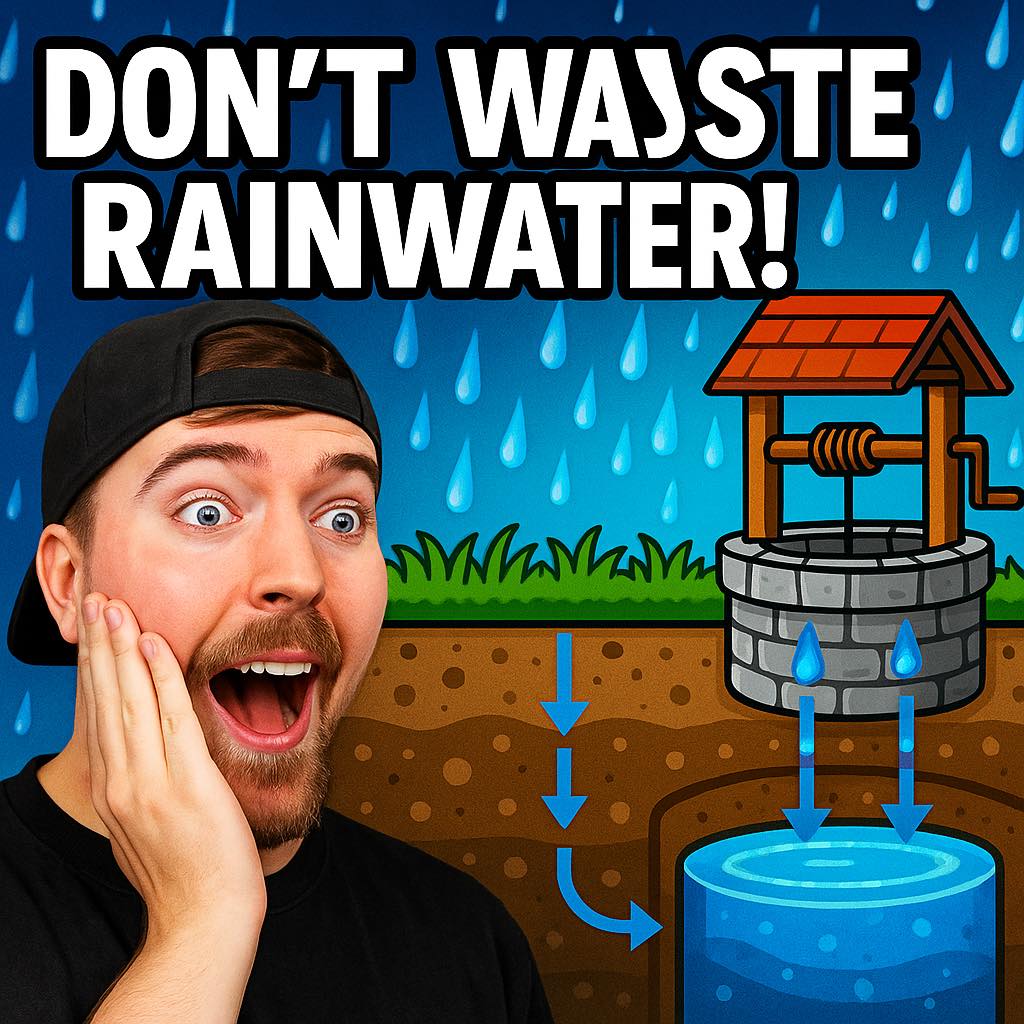
  • Save everything ! Don’t waste anything

    #rainwaterharvesting #rainwaterharvestingsystem #rainwater
    Save everything ! Don’t waste anything #rainwaterharvesting #rainwaterharvestingsystem #rainwater
    0 Reacties 0 aandelen 705 Views
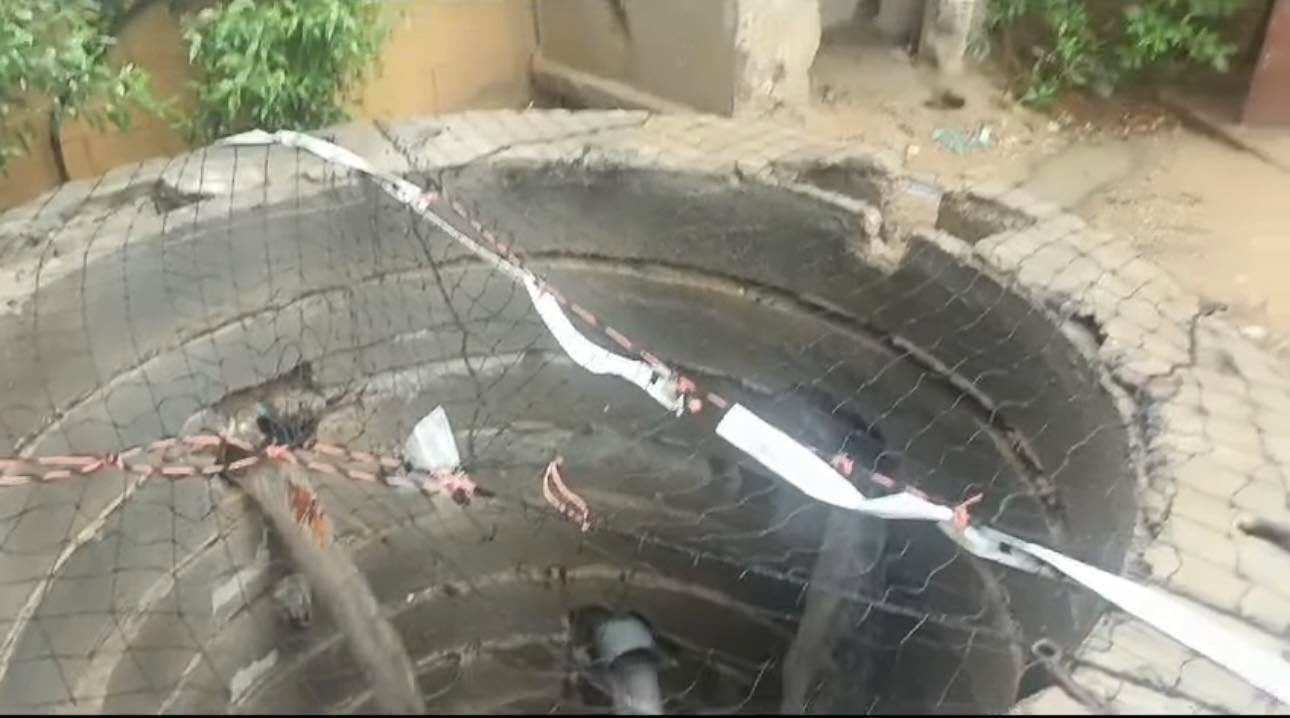
  • Finally found a rainwater man !

    Can someone send me his number
    Finally found a rainwater man ! Can someone send me his number
    0 Reacties 0 aandelen 177 Views
  • بارش کا پانی اور کنوؤں کی ریچارجنگ: نعمت یا خطرہ؟

    پاکستان اس وقت دنیا کے شدید ترین پانی کے بحران کا شکار ہے۔ بہت سے علاقوں میں زیرِ زمین پانی تیزی سے نیچے جا رہا ہے اور ٹیوب ویل یا ہینڈ پمپ خشک ہو رہے ہیں۔ اس مسئلے کا حل نکالنے کے لیے لوگ بارش کے پانی کو محفوظ کر کے زمین میں واپس بھیجنے (Rainwater Harvesting & Recharge) کا طریقہ اپنا رہے ہیں۔

    یہ خیال بظاہر بہت سادہ اور طاقتور ہے، لیکن اس کے فائدے بھی ہیں اور نقصان بھی۔ اگر ہم اسے سائنسی طریقے سے نہ کریں تو یہی پانی جو ہمیں بچانا چاہیے، وہی ہمارے زیرِ زمین پانی کو ہمیشہ کے لیے خراب کر سکتا ہے۔


    ایکویفر (Aquifer) کیا ہے؟

    ایکویفر زمین کے نیچے موجود مٹی، ریت یا چٹان کی وہ تہہ ہے جو پانی کو جذب کر کے محفوظ رکھتی ہے۔ اسے آپ ایک بڑے زیرِ زمین “سپنج” سمجھ لیں۔
    • بارش کا پانی عام طور پر آہستہ آہستہ مٹی اور چٹانوں کی تہوں سے گزرتا ہے اور یہ تہیں پانی کو قدرتی طور پر صاف کر دیتی ہیں۔
    • لیکن جب ہم بارش کا پانی براہِ راست کنوؤں یا بورنگ میں ڈال دیتے ہیں تو ہم قدرتی فلٹریشن کے اس نظام کو بائی پاس کر دیتے ہیں۔
    • یہی وہ جگہ ہے جہاں اصل خطرہ چھپا ہوا ہے۔


    بارش کے پانی سے کنوؤں کی ریچارجنگ کے فائدے
    1. زیرِ زمین پانی کی بحالی
    • جہاں پانی کی سطح نیچے جا رہی ہے وہاں بارش کا پانی دوبارہ کنوؤں اور ایکویفر کو بھر سکتا ہے۔
    2. خشک سالی سے تحفظ
    • خشک مہینوں میں بھی کنوؤں میں پانی دستیاب رہتا ہے۔
    3. کم خرچ اور پائیدار حل
    • بڑے ڈیموں کے بجائے چھوٹے ریچارج ویل، تالاب اور چیک ڈیم گاؤں اور شہروں میں بنائے جا سکتے ہیں۔
    4. کامیاب مثالیں
    • استاد عثمان پہاڑی علاقوں میں چھوٹے تالاب بنا رہے ہیں جہاں بارش کا پانی جمع ہوتا ہے۔ یہ پانی آہستہ آہستہ زمین میں جذب ہو کر قدرتی طریقے سے ایکویفر کو ریچارج کرتا ہے۔ اس سے سیلاب بھی کم ہوتا ہے، زراعت کو فائدہ ملتا ہے اور کنویں دوبارہ بھر جاتے ہیں۔


    بارش کے پانی کی ریچارجنگ کے نقصانات
    1. زیرِ زمین پانی کی آلودگی
    • اگر بارش کا گندا پانی (مٹی، کچرا، جانوروں کی بیٹ، کیمیکلز، کیڑے مار دوائیاں، سڑکوں کا تیل) براہِ راست کنوؤں میں ڈال دیا جائے تو یہ پورے ایکویفر کو آلودہ کر دیتا ہے۔
    • اور ایکویفر کو ایک بار آلودہ کر دیا جائے تو اسے صاف کرنا تقریباً ناممکن ہے۔
    2. صحت کے مسائل
    • آلودہ پانی ہیضہ، ہیپاٹائٹس اور دیگر بیماریاں پھیلاتا ہے۔
    3. قدرتی فلٹریشن کا نقصان
    • جب ہم پانی کو مٹی اور ریت سے گزارنے کے بجائے سیدھا کنوؤں میں ڈال دیتے ہیں تو قدرتی صفائی کا نظام ختم ہو جاتا ہے۔


    اسے محفوظ بنانے کے طریقے
    1. فرسٹ فلش سسٹم
    • بارش کے پہلے 10–15 منٹ کا پانی کبھی بھی ذخیرہ یا ریچارج کے لیے استعمال نہ کریں کیونکہ یہی سب سے زیادہ گندا ہوتا ہے۔
    2. فلٹریشن سسٹم
    • پانی کو مٹی، بجری اور چارکول کی تہوں سے گزار کر صاف کریں تاکہ وہ ایکویفر تک پہنچے۔
    3. ریچارج تالاب اور ٹینک
    • پانی کو براہِ راست کنوؤں میں ڈالنے کے بجائے چھوٹے تالابوں میں جمع کریں تاکہ وہ آہستہ آہستہ زمین میں جذب ہو کر قدرتی طور پر ایکویفر کو بھر دے۔
    4. پینے اور ریچارج کے نظام کو الگ رکھیں
    • جو پانی پینے کے لیے ہے وہ الگ ٹینک میں ذخیرہ ہو اور فلٹر یا ابال کر استعمال کیا جائے۔
    • جو پانی ریچارج کے لیے ہے وہ صاف کر کے زمین میں چھوڑا جائے۔
    5. صفائی کا اہتمام
    • ٹینک، فلٹر اور کنوؤں کی باقاعدہ صفائی ضروری ہے۔


    نتیجہ

    بارش کے پانی کو ذخیرہ کر کے کنوؤں اور ایکویفر کو بھرنا پاکستان کو پانی کے بحران سے بچا سکتا ہے۔ لیکن یہ ایک تلوار کی طرح ہے — صحیح استعمال کیا جائے تو نعمت ہے، غلط کیا جائے تو زحمت۔

    صحیح طریقہ یہ ہے کہ پانی کو مٹی اور تالاب کے ذریعے فلٹر کر کے آہستہ آہستہ زمین میں بھیجا جائے۔ غلط طریقہ یہ ہے کہ گندا پانی براہِ راست کنوؤں میں ڈال دیا جائے اور زیرِ زمین پانی ہمیشہ کے لیے خراب ہو جائے۔

    پاکستان کو اس بارے میں فوری آگاہی کی ضرورت ہے۔ اگر ہم سب مل کر صحیح طریقے سے بارش کے پانی کو استعمال کریں تو ہر بوند ہماری آنے والی نسلوں کے لیے رحمت بن سکتی ہے، نہ کہ زہر۔
    🌧️ بارش کا پانی اور کنوؤں کی ریچارجنگ: نعمت یا خطرہ؟ پاکستان اس وقت دنیا کے شدید ترین پانی کے بحران کا شکار ہے۔ بہت سے علاقوں میں زیرِ زمین پانی تیزی سے نیچے جا رہا ہے اور ٹیوب ویل یا ہینڈ پمپ خشک ہو رہے ہیں۔ اس مسئلے کا حل نکالنے کے لیے لوگ بارش کے پانی کو محفوظ کر کے زمین میں واپس بھیجنے (Rainwater Harvesting & Recharge) کا طریقہ اپنا رہے ہیں۔ یہ خیال بظاہر بہت سادہ اور طاقتور ہے، لیکن اس کے فائدے بھی ہیں اور نقصان بھی۔ اگر ہم اسے سائنسی طریقے سے نہ کریں تو یہی پانی جو ہمیں بچانا چاہیے، وہی ہمارے زیرِ زمین پانی کو ہمیشہ کے لیے خراب کر سکتا ہے۔ ⸻ 💧 ایکویفر (Aquifer) کیا ہے؟ ایکویفر زمین کے نیچے موجود مٹی، ریت یا چٹان کی وہ تہہ ہے جو پانی کو جذب کر کے محفوظ رکھتی ہے۔ اسے آپ ایک بڑے زیرِ زمین “سپنج” سمجھ لیں۔ • بارش کا پانی عام طور پر آہستہ آہستہ مٹی اور چٹانوں کی تہوں سے گزرتا ہے اور یہ تہیں پانی کو قدرتی طور پر صاف کر دیتی ہیں۔ • لیکن جب ہم بارش کا پانی براہِ راست کنوؤں یا بورنگ میں ڈال دیتے ہیں تو ہم قدرتی فلٹریشن کے اس نظام کو بائی پاس کر دیتے ہیں۔ • یہی وہ جگہ ہے جہاں اصل خطرہ چھپا ہوا ہے۔ ⸻ ✅ بارش کے پانی سے کنوؤں کی ریچارجنگ کے فائدے 1. زیرِ زمین پانی کی بحالی • جہاں پانی کی سطح نیچے جا رہی ہے وہاں بارش کا پانی دوبارہ کنوؤں اور ایکویفر کو بھر سکتا ہے۔ 2. خشک سالی سے تحفظ • خشک مہینوں میں بھی کنوؤں میں پانی دستیاب رہتا ہے۔ 3. کم خرچ اور پائیدار حل • بڑے ڈیموں کے بجائے چھوٹے ریچارج ویل، تالاب اور چیک ڈیم گاؤں اور شہروں میں بنائے جا سکتے ہیں۔ 4. کامیاب مثالیں • استاد عثمان پہاڑی علاقوں میں چھوٹے تالاب بنا رہے ہیں جہاں بارش کا پانی جمع ہوتا ہے۔ یہ پانی آہستہ آہستہ زمین میں جذب ہو کر قدرتی طریقے سے ایکویفر کو ریچارج کرتا ہے۔ اس سے سیلاب بھی کم ہوتا ہے، زراعت کو فائدہ ملتا ہے اور کنویں دوبارہ بھر جاتے ہیں۔ ⸻ ❌ بارش کے پانی کی ریچارجنگ کے نقصانات 1. زیرِ زمین پانی کی آلودگی • اگر بارش کا گندا پانی (مٹی، کچرا، جانوروں کی بیٹ، کیمیکلز، کیڑے مار دوائیاں، سڑکوں کا تیل) براہِ راست کنوؤں میں ڈال دیا جائے تو یہ پورے ایکویفر کو آلودہ کر دیتا ہے۔ • اور ایکویفر کو ایک بار آلودہ کر دیا جائے تو اسے صاف کرنا تقریباً ناممکن ہے۔ 2. صحت کے مسائل • آلودہ پانی ہیضہ، ہیپاٹائٹس اور دیگر بیماریاں پھیلاتا ہے۔ 3. قدرتی فلٹریشن کا نقصان • جب ہم پانی کو مٹی اور ریت سے گزارنے کے بجائے سیدھا کنوؤں میں ڈال دیتے ہیں تو قدرتی صفائی کا نظام ختم ہو جاتا ہے۔ ⸻ 🛠️ اسے محفوظ بنانے کے طریقے 1. فرسٹ فلش سسٹم • بارش کے پہلے 10–15 منٹ کا پانی کبھی بھی ذخیرہ یا ریچارج کے لیے استعمال نہ کریں کیونکہ یہی سب سے زیادہ گندا ہوتا ہے۔ 2. فلٹریشن سسٹم • پانی کو مٹی، بجری اور چارکول کی تہوں سے گزار کر صاف کریں تاکہ وہ ایکویفر تک پہنچے۔ 3. ریچارج تالاب اور ٹینک • پانی کو براہِ راست کنوؤں میں ڈالنے کے بجائے چھوٹے تالابوں میں جمع کریں تاکہ وہ آہستہ آہستہ زمین میں جذب ہو کر قدرتی طور پر ایکویفر کو بھر دے۔ 4. پینے اور ریچارج کے نظام کو الگ رکھیں • جو پانی پینے کے لیے ہے وہ الگ ٹینک میں ذخیرہ ہو اور فلٹر یا ابال کر استعمال کیا جائے۔ • جو پانی ریچارج کے لیے ہے وہ صاف کر کے زمین میں چھوڑا جائے۔ 5. صفائی کا اہتمام • ٹینک، فلٹر اور کنوؤں کی باقاعدہ صفائی ضروری ہے۔ ⸻ 🌍 نتیجہ بارش کے پانی کو ذخیرہ کر کے کنوؤں اور ایکویفر کو بھرنا پاکستان کو پانی کے بحران سے بچا سکتا ہے۔ لیکن یہ ایک تلوار کی طرح ہے — صحیح استعمال کیا جائے تو نعمت ہے، غلط کیا جائے تو زحمت۔ صحیح طریقہ یہ ہے کہ پانی کو مٹی اور تالاب کے ذریعے فلٹر کر کے آہستہ آہستہ زمین میں بھیجا جائے۔ غلط طریقہ یہ ہے کہ گندا پانی براہِ راست کنوؤں میں ڈال دیا جائے اور زیرِ زمین پانی ہمیشہ کے لیے خراب ہو جائے۔ پاکستان کو اس بارے میں فوری آگاہی کی ضرورت ہے۔ اگر ہم سب مل کر صحیح طریقے سے بارش کے پانی کو استعمال کریں تو ہر بوند ہماری آنے والی نسلوں کے لیے رحمت بن سکتی ہے، نہ کہ زہر۔
    0 Reacties 0 aandelen 169 Views
  • Rainwater Harvesting by Green Wells Pakistan

    Don’t waste rainwater – recharge your wells and aquifers!

    ہر سال پاکستان میں اربوں لیٹر بارش کا پانی ضائع ہو جاتا ہے۔
    Green Wells Pakistan آپ کو یہ موقع دیتا ہے کہ آپ اس پانی کو محفوظ کریں اور اپنے کنوؤں، بور اور زیرِ زمین Aquifers کو دوبارہ بھر سکیں۔

    ہمارے کام:
    • بارش کے پانی کو جمع اور فلٹر کرنا
    • Well & Bore Recharge سسٹم لگانا
    • زیرِ زمین Aquifers کو Recharge کرنے کے لئے خصوصی سسٹمز
    • Recharge ponds اور filtration pits کا ڈیزائن اور تنصیب

    فائدے:
    • خشک ہوتے کنویں اور بور دوبارہ پانی سے بھر جائیں گے
    • زمین کی سطح کے نیچے پانی کے ذخائر لمبے عرصے تک محفوظ رہیں گے
    • زراعت اور پینے کے لئے پانی کی دستیابی بڑھے گی
    • آنے والی نسلوں کے لئے پانی کا مستقبل محفوظ ہوگا

    آج ہی اپنے گھر، اسکول، فیکٹری یا مسجد میں Green Wells Pakistan کا Rainwater Harvesting & Aquifer Recharge System لگوائیں۔

    پانی بچائیں – پاکستان بچائیں!

    Join
    https://chat.whatsapp.com/FeiETbOBsOYGYqTDvmcARD?mode=ems_copy_c
    🌧️💧 Rainwater Harvesting by Green Wells Pakistan 💧🌧️ Don’t waste rainwater – recharge your wells and aquifers! ہر سال پاکستان میں اربوں لیٹر بارش کا پانی ضائع ہو جاتا ہے۔ Green Wells Pakistan آپ کو یہ موقع دیتا ہے کہ آپ اس پانی کو محفوظ کریں اور اپنے کنوؤں، بور اور زیرِ زمین Aquifers کو دوبارہ بھر سکیں۔ ✅ ہمارے کام: • بارش کے پانی کو جمع اور فلٹر کرنا • Well & Bore Recharge سسٹم لگانا • زیرِ زمین Aquifers کو Recharge کرنے کے لئے خصوصی سسٹمز • Recharge ponds اور filtration pits کا ڈیزائن اور تنصیب 🌿 فائدے: • خشک ہوتے کنویں اور بور دوبارہ پانی سے بھر جائیں گے • زمین کی سطح کے نیچے پانی کے ذخائر لمبے عرصے تک محفوظ رہیں گے • زراعت اور پینے کے لئے پانی کی دستیابی بڑھے گی • آنے والی نسلوں کے لئے پانی کا مستقبل محفوظ ہوگا 📢 آج ہی اپنے گھر، اسکول، فیکٹری یا مسجد میں Green Wells Pakistan کا Rainwater Harvesting & Aquifer Recharge System لگوائیں۔ 🌍 پانی بچائیں – پاکستان بچائیں! 🇵🇰 Join https://chat.whatsapp.com/FeiETbOBsOYGYqTDvmcARD?mode=ems_copy_c
    0 Reacties 0 aandelen 177 Views
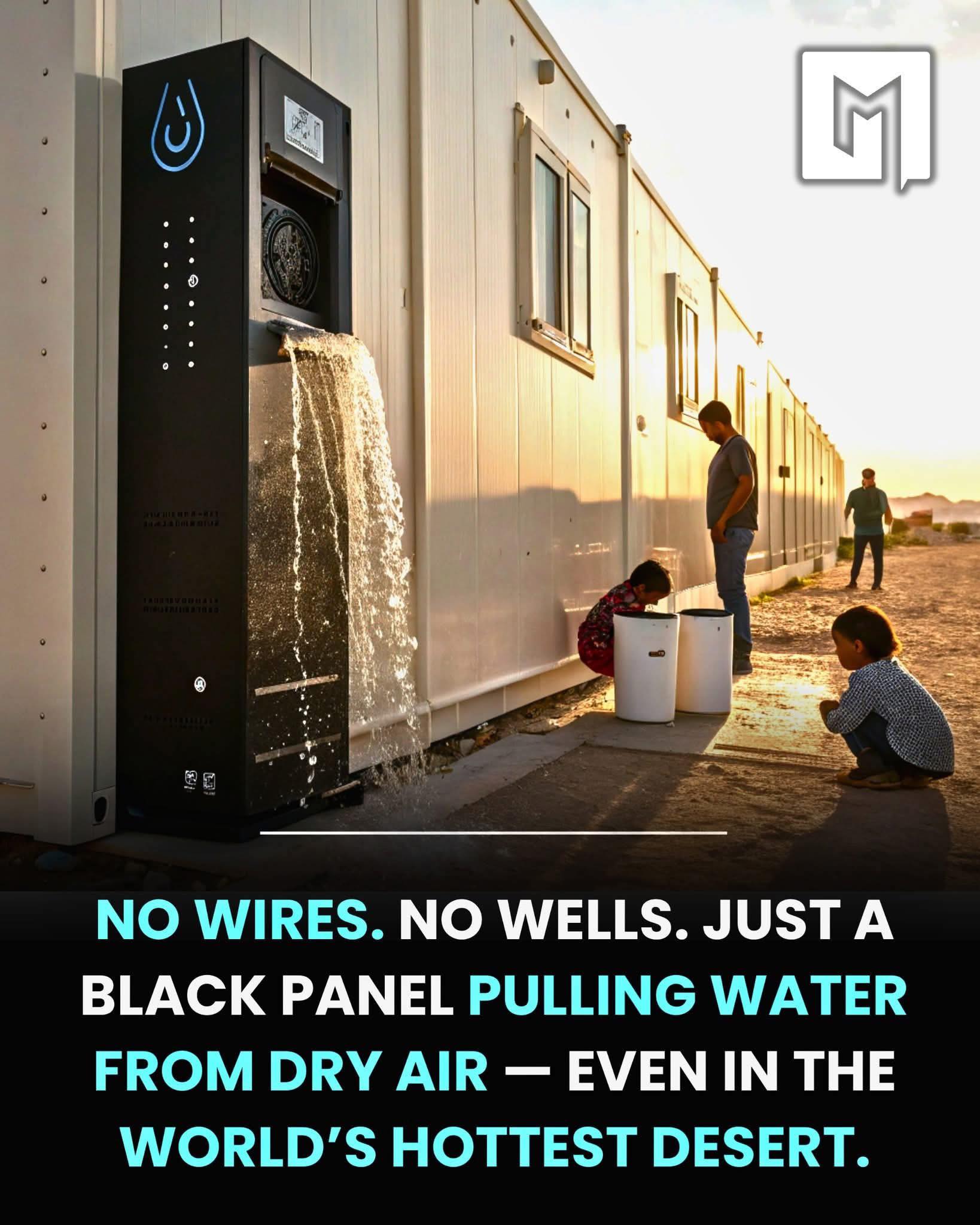
  • How Anyone Can Build a Water-From-Air Device in Pakistan by chatgpt
    A Pathway to Solving Water Scarcity Through Local Innovation


    The Problem We Face

    Pakistan faces acute water scarcity. According to international reports, the country could face severe shortages by 2030. Many rural and desert regions — especially Tharparkar, Balochistan, and Cholistan — have no access to clean groundwater. The idea of extracting water directly from air, once a dream, is now scientifically possible thanks to breakthroughs like MIT’s hydrogel-based atmospheric water harvester.

    This technology doesn’t need electricity, wells, or pipelines. It can be built locally with basic chemistry knowledge, sunlight, and simple materials.


    Understanding How It Works

    The device uses three natural processes that already happen in our environment:
    1. Absorption: Certain salts and gels absorb humidity from the air at night.
    2. Evaporation: When the sun heats them during the day, the absorbed water turns to vapour.
    3. Condensation: The vapour touches a cooler surface (like glass or metal) and becomes liquid water.

    MIT’s invention uses a hydrogel matrix — a sponge-like material mixed with:
    • Hygroscopic salts (like calcium chloride or lithium chloride) that attract water from air.
    • Glycerol (used in soaps and creams) to prevent salt crystallisation and leakage.
    • A transparent cover that lets sunlight in and helps condense the vapour.

    You can replicate this using locally available materials and tools.


    Materials Needed (All Available in Pakistan)

    Component Purpose Local Source
    Calcium chloride (CaCl₂) Absorbs humidity Hardware stores (used in dehumidifiers, cement dryers)
    Glycerol Prevents salt leakage and keeps gel soft Pharmacy or chemical store
    Gelatin or Polyacrylamide To create hydrogel (the sponge matrix) Available in school lab supply stores
    Black aluminum sheet or solar absorber Heats up during day Local metal workshop
    Glass or acrylic sheet Transparent top layer for condensation Any glass shop
    Silicone sealant or rubber gasket To seal edges Hardware store
    Plastic or metal tray For collecting condensed water Household item

    All materials can be sourced for under PKR 5,000–7,000 for a small prototype.


    Step-By-Step Construction

    Create the Hydrogel
    • Mix gelatin powder or polyacrylamide crystals with warm water to form a jelly-like gel.
    • Dissolve calcium chloride in water (ratio: 1 part salt : 3 parts water).
    • Add a few drops of glycerol to the salt solution.
    • Blend the salt solution with the hydrogel mixture and spread it on a flat tray.
    • Let it set and dry — you’ll now have a water-absorbing gel sheet.

    Design the Panel
    • Take a black metal or plastic backing (acts as heat absorber).
    • Place the hydrogel sheet on it.
    • Cover it with a transparent glass sheet, leaving small vents at top/bottom for air flow.
    • Seal edges with silicone.

    Collect the Condensed Water
    • Mount the panel vertically or at a 45° angle facing the sun.
    • As the sun heats it, water will evaporate from the gel and condense on the glass.
    • Let the condensed droplets run down into a collection tray or pipe.
    • Filter (optional) through activated charcoal or sand for taste and safety.


    Operating Principle
    • At night: the hydrogel absorbs moisture from air.
    • At day: the sun heats the black backing, vapour rises, and condenses on the glass.
    • Each cycle (24 hours) can yield 100–200 ml of water per panel, depending on humidity.

    If ten panels are combined (costing about PKR 50,000 total), they can generate 1.5–2 litres of drinking water per day — enough for a small family in desert areas.


    Scaling Up in Pakistan

    Here’s how it can grow beyond a science project:

    1. School or University Labs
    Encourage students in NED, NUST, Mehran, and Sindh University to replicate this as a STEM project.
    They can locally test different materials — e.g. cheaper salts like magnesium chloride, or natural gels from aloe vera or starch.

    2. Startup Model
    • Start a small business making “Air Water Panels.”
    • Sell them for PKR 15,000–20,000 each to NGOs, camping companies, or off-grid villages.
    • Partner with Saylani Welfare, Edhi, or Rehan Foundation for rural pilot installations.

    3. Rural Deployment
    Combine panels with:
    • Solar lights
    • Rainwater storage tanks
    • Small bio-sand filters

    Create self-sufficient water kiosks for desert schools and communities.


    Environmental & Social Benefits
    • Zero carbon emissions: no electricity, no pumps.
    • Portable: can be moved like a solar panel.
    • Scalable: from one house to an entire village.
    • Empowering youth: teaches science, sustainability, and entrepreneurship.

    If 10,000 young Pakistanis build just 10 panels each, that’s 100,000 families with new access to clean drinking water.


    Challenges to Solve
    1. Efficiency: Increase yield in dry air by experimenting with different salts.
    2. Durability: Ensure the gel lasts 6–12 months under sunlight.
    3. Safety: Test for contamination (with university support).
    4. Cost Reduction: Mass-produce the panels using moulds or recycled plastic.

    These are all within reach for Pakistani students and makers.


    Vision: Made in Pakistan for the World

    By 2030, Pakistan can lead the world in low-cost atmospheric water technology — not by importing, but by inventing locally.
    A network of Rehan School AI students, young makers, and solar entrepreneurs could design, build, and sell “Water-From-Air” devices across South Asia, Africa, and the Middle East — transforming deserts into thriving communities.


    Conclusion

    Water scarcity is not destiny. It’s a solvable engineering problem.
    MIT showed the science — Pakistan can show the scalability.
    From Karachi to Thar, Gwadar to Gilgit, every rooftop or school window could soon be a mini water factory powered by the sun.

    💧 How Anyone Can Build a Water-From-Air Device in Pakistan by chatgpt A Pathway to Solving Water Scarcity Through Local Innovation ⸻ 🌍 The Problem We Face Pakistan faces acute water scarcity. According to international reports, the country could face severe shortages by 2030. Many rural and desert regions — especially Tharparkar, Balochistan, and Cholistan — have no access to clean groundwater. The idea of extracting water directly from air, once a dream, is now scientifically possible thanks to breakthroughs like MIT’s hydrogel-based atmospheric water harvester. This technology doesn’t need electricity, wells, or pipelines. It can be built locally with basic chemistry knowledge, sunlight, and simple materials. ⸻ 🔬 Understanding How It Works The device uses three natural processes that already happen in our environment: 1. Absorption: Certain salts and gels absorb humidity from the air at night. 2. Evaporation: When the sun heats them during the day, the absorbed water turns to vapour. 3. Condensation: The vapour touches a cooler surface (like glass or metal) and becomes liquid water. MIT’s invention uses a hydrogel matrix — a sponge-like material mixed with: • Hygroscopic salts (like calcium chloride or lithium chloride) that attract water from air. • Glycerol (used in soaps and creams) to prevent salt crystallisation and leakage. • A transparent cover that lets sunlight in and helps condense the vapour. You can replicate this using locally available materials and tools. ⸻ 🧪 Materials Needed (All Available in Pakistan) Component Purpose Local Source Calcium chloride (CaCl₂) Absorbs humidity Hardware stores (used in dehumidifiers, cement dryers) Glycerol Prevents salt leakage and keeps gel soft Pharmacy or chemical store Gelatin or Polyacrylamide To create hydrogel (the sponge matrix) Available in school lab supply stores Black aluminum sheet or solar absorber Heats up during day Local metal workshop Glass or acrylic sheet Transparent top layer for condensation Any glass shop Silicone sealant or rubber gasket To seal edges Hardware store Plastic or metal tray For collecting condensed water Household item All materials can be sourced for under PKR 5,000–7,000 for a small prototype. ⸻ 🧰 Step-By-Step Construction 1️⃣ Create the Hydrogel • Mix gelatin powder or polyacrylamide crystals with warm water to form a jelly-like gel. • Dissolve calcium chloride in water (ratio: 1 part salt : 3 parts water). • Add a few drops of glycerol to the salt solution. • Blend the salt solution with the hydrogel mixture and spread it on a flat tray. • Let it set and dry — you’ll now have a water-absorbing gel sheet. 2️⃣ Design the Panel • Take a black metal or plastic backing (acts as heat absorber). • Place the hydrogel sheet on it. • Cover it with a transparent glass sheet, leaving small vents at top/bottom for air flow. • Seal edges with silicone. 3️⃣ Collect the Condensed Water • Mount the panel vertically or at a 45° angle facing the sun. • As the sun heats it, water will evaporate from the gel and condense on the glass. • Let the condensed droplets run down into a collection tray or pipe. • Filter (optional) through activated charcoal or sand for taste and safety. ⸻ ☀️ Operating Principle • At night: the hydrogel absorbs moisture from air. • At day: the sun heats the black backing, vapour rises, and condenses on the glass. • Each cycle (24 hours) can yield 100–200 ml of water per panel, depending on humidity. If ten panels are combined (costing about PKR 50,000 total), they can generate 1.5–2 litres of drinking water per day — enough for a small family in desert areas. ⸻ 🏭 Scaling Up in Pakistan Here’s how it can grow beyond a science project: 🧑‍🔬 1. School or University Labs Encourage students in NED, NUST, Mehran, and Sindh University to replicate this as a STEM project. They can locally test different materials — e.g. cheaper salts like magnesium chloride, or natural gels from aloe vera or starch. 🧑‍💼 2. Startup Model • Start a small business making “Air Water Panels.” • Sell them for PKR 15,000–20,000 each to NGOs, camping companies, or off-grid villages. • Partner with Saylani Welfare, Edhi, or Rehan Foundation for rural pilot installations. 🧑‍🌾 3. Rural Deployment Combine panels with: • Solar lights • Rainwater storage tanks • Small bio-sand filters Create self-sufficient water kiosks for desert schools and communities. ⸻ 🌱 Environmental & Social Benefits • Zero carbon emissions: no electricity, no pumps. • Portable: can be moved like a solar panel. • Scalable: from one house to an entire village. • Empowering youth: teaches science, sustainability, and entrepreneurship. If 10,000 young Pakistanis build just 10 panels each, that’s 100,000 families with new access to clean drinking water. ⸻ 🔧 Challenges to Solve 1. Efficiency: Increase yield in dry air by experimenting with different salts. 2. Durability: Ensure the gel lasts 6–12 months under sunlight. 3. Safety: Test for contamination (with university support). 4. Cost Reduction: Mass-produce the panels using moulds or recycled plastic. These are all within reach for Pakistani students and makers. ⸻ 🕊️ Vision: Made in Pakistan for the World By 2030, Pakistan can lead the world in low-cost atmospheric water technology — not by importing, but by inventing locally. A network of Rehan School AI students, young makers, and solar entrepreneurs could design, build, and sell “Water-From-Air” devices across South Asia, Africa, and the Middle East — transforming deserts into thriving communities. ⸻ 💡 Conclusion Water scarcity is not destiny. It’s a solvable engineering problem. MIT showed the science — Pakistan can show the scalability. From Karachi to Thar, Gwadar to Gilgit, every rooftop or school window could soon be a mini water factory powered by the sun.

    0 Reacties 0 aandelen 181 Views
  • اسلام آباد میں ایک بڑا فیصلہ… جو ہر پاکستانی کو سمجھنا چاہیے!

    کیا آپ جانتے ہیں…؟
    ہم روز زمین سے پانی نکال رہے ہیں…
    لیکن واپس کچھ بھی نہیں دے رہے…

    اور اب… زمین خاموشی سے خالی ہو رہی ہے…


    اسی لیے CDA نے ایک اہم اعلان کیا ہے:

    اب ہر گھر، ہر بلڈنگ میں
    بارش کے پانی کو ضائع کرنے کے بجائے زمین میں واپس ڈالنا لازمی ہوگا!


    اس کا مطلب کیا ہے؟

    جب بارش ہو
    تو آپ کی چھت کا پانی:

    پائپ کے ذریعے
    ایک سادہ سسٹم سے
    زمین کے اندر واپس جائے گا

    یعنی:
    پانی ضائع نہیں
    پانی محفوظ + زمین ریچارج


    کن لوگوں کے لیے ضروری ہے؟

    1 کنال یا اس سے بڑے گھر
    نئی اور پرانی عمارتیں
    کمرشل بلڈنگز


    اگر نہ کیا تو؟

    قانونی مسئلہ
    NOC میں رکاوٹ
    جرمانہ بھی ہو سکتا ہے


    اصل سبق کیا ہے؟

    ہم نے صرف لینا سیکھا ہے… دینا نہیں

    زمین ہمیں پانی دیتی ہے…
    اب وقت ہے ہم اسے واپس دیں


    بہت بڑا موقع (Business Opportunity)

    یہ صرف قانون نہیں… ایک زبردست بزنس موقع ہے:

    Rainwater systems لگانے کا کام
    گھروں میں سسٹم ڈیزائن + انسٹال کرنا
    50,000 سے 200,000 روپے ماہانہ کمانا

    خاص بات:

    یہ کام ایسے لوگوں کے لیے بہترین ہے جیسے
    Usman جیسے teachers / skilled لوگ

    کیونکہ:

    اگر یہ سسٹم صحیح طریقے سے نہ لگایا گیا
    تو:
    زیرِ زمین پانی مزید خراب ہو سکتا ہے
    آلودگی پھیل سکتی ہے
    لوگوں کا نقصان ہو سکتا ہے


    اس لیے ضرورت ہے:

    Proper training
    Quality installation
    Responsible business


    صاف بات:

    یہ کام ہر بندہ نہیں کر سکتا
    جو سیکھ کر صحیح کرے گا… وہی کامیاب ہوگا


    آج کا ایکشن:

    اپنے گھر کی چھت دیکھیں
    پانی کہاں جا رہا ہے، سمجھیں
    اس سسٹم کو سیکھیں یا کسی expert سے لگوائیں


    یاد رکھیں:
    جو قوم پانی بچاتی ہے…
    وہی مستقبل بناتی ہے


    اگلا قدم:

    اگر آپ اس بزنس کو شروع کرنا چاہتے ہیں تو
    ChatGPT سے پوچھیں:

    “Rainwater harvesting business پاکستان میں کیسے شروع کریں؟
    Step by step guide + cost + earning model بتائیں”

    اور فوراً اپنا سفر شروع کریں
    🔥 اسلام آباد میں ایک بڑا فیصلہ… جو ہر پاکستانی کو سمجھنا چاہیے! کیا آپ جانتے ہیں…؟ ہم روز زمین سے پانی نکال رہے ہیں… لیکن واپس کچھ بھی نہیں دے رہے… 😔 اور اب… زمین خاموشی سے خالی ہو رہی ہے… 💧⬇️ ⸻ 💥 اسی لیے CDA نے ایک اہم اعلان کیا ہے: 👉 اب ہر گھر، ہر بلڈنگ میں بارش کے پانی کو ضائع کرنے کے بجائے زمین میں واپس ڈالنا لازمی ہوگا! ⸻ 🏠 اس کا مطلب کیا ہے؟ جب بارش ہو 🌧️ تو آپ کی چھت کا پانی: ➡️ پائپ کے ذریعے ➡️ ایک سادہ سسٹم سے ➡️ زمین کے اندر واپس جائے گا یعنی: ❌ پانی ضائع نہیں ✅ پانی محفوظ + زمین ریچارج ⸻ ⚠️ کن لوگوں کے لیے ضروری ہے؟ ✔️ 1 کنال یا اس سے بڑے گھر ✔️ نئی اور پرانی عمارتیں ✔️ کمرشل بلڈنگز ⸻ 😨 اگر نہ کیا تو؟ ❌ قانونی مسئلہ ❌ NOC میں رکاوٹ ❌ جرمانہ بھی ہو سکتا ہے ⸻ 💡 اصل سبق کیا ہے؟ ہم نے صرف لینا سیکھا ہے… دینا نہیں زمین ہمیں پانی دیتی ہے… اب وقت ہے ہم اسے واپس دیں 🌍❤️ ⸻ 🚀 بہت بڑا موقع (Business Opportunity) یہ صرف قانون نہیں… ایک زبردست بزنس موقع ہے: 👉 Rainwater systems لگانے کا کام 👉 گھروں میں سسٹم ڈیزائن + انسٹال کرنا 👉 50,000 سے 200,000 روپے ماہانہ کمانا 💡 خاص بات: یہ کام ایسے لوگوں کے لیے بہترین ہے جیسے 👉 Usman جیسے teachers / skilled لوگ کیونکہ: ⚠️ اگر یہ سسٹم صحیح طریقے سے نہ لگایا گیا تو: ❌ زیرِ زمین پانی مزید خراب ہو سکتا ہے ❌ آلودگی پھیل سکتی ہے ❌ لوگوں کا نقصان ہو سکتا ہے ⸻ 🧠 اس لیے ضرورت ہے: ✔️ Proper training ✔️ Quality installation ✔️ Responsible business ⸻ 🎯 صاف بات: 👉 یہ کام ہر بندہ نہیں کر سکتا 👉 جو سیکھ کر صحیح کرے گا… وہی کامیاب ہوگا ⸻ 🔥 آج کا ایکشن: 📌 اپنے گھر کی چھت دیکھیں 📌 پانی کہاں جا رہا ہے، سمجھیں 📌 اس سسٹم کو سیکھیں یا کسی expert سے لگوائیں ⸻ 👉 یاد رکھیں: جو قوم پانی بچاتی ہے… وہی مستقبل بناتی ہے 💧🇵🇰 ⸻ 🤖 اگلا قدم: 👉 اگر آپ اس بزنس کو شروع کرنا چاہتے ہیں تو ChatGPT سے پوچھیں: “Rainwater harvesting business پاکستان میں کیسے شروع کریں؟ Step by step guide + cost + earning model بتائیں” اور فوراً اپنا سفر شروع کریں 🚀
    0 Reacties 0 aandelen 166 Views
  • رین واٹر ہارویسٹنگ — ایک ایسا بزنس جو لاکھوں لوگوں کی زندگی بدل سکتا ہے

    Rain Water Harvesting کا مطلب ہے بارش کے پانی کو جمع کرنا اور محفوظ کرنا تاکہ بعد میں اسے استعمال کیا جا سکے، بجائے اس کے کہ وہ ضائع ہو جائے یا نالیوں میں بہہ کر ختم ہو جائے۔

    ہر سال اربوں لیٹر بارش کا پانی ہماری چھتوں، گلیوں اور زمین پر گرتا ہے۔
    لیکن اس کا زیادہ حصہ ضائع ہو جاتا ہے۔

    اگر ایک سادہ سسٹم بنا دیا جائے تو:

    • چھتوں سے پانی پائپ کے ذریعے جمع کیا جا سکتا ہے
    • فلٹر کیا جا سکتا ہے
    • ٹینک میں محفوظ کیا جا سکتا ہے
    • یا زمین میں واپس پہنچا کر زیرِ زمین پانی کو بڑھایا جا سکتا ہے

    اس طرح ایک سادہ سا نظام پانی کی کمی کا مسئلہ لاکھوں لوگوں کے لیے حل کر سکتا ہے۔

    اسے بزنس کیوں بنایا جائے؟

    زیادہ تر لوگ جانتے ہیں کہ بارش کا پانی قیمتی ہے، لیکن انہیں نہیں معلوم:

    • سسٹم کیسے ڈیزائن کرنا ہے
    • کون سا فلٹر لگانا ہے
    • پائپ کیسے لگانے ہیں
    • پانی کو محفوظ یا زمین میں واپس کیسے بھیجنا ہے

    اسی لیے ضروری ہے کہ رین واٹر ہارویسٹنگ کو ایک منظم بزنس بنایا جائے۔

    اگر اسے فرنچائز ماڈل پر کیا جائے تو یہ پورے ملک میں تیزی سے پھیل سکتا ہے۔

    یعنی:

    ایک ٹیم ➜ 100 ٹیمیں
    ایک شہر ➜ 100 شہر
    ہزاروں گھر ➜ لاکھوں گھر

    اس سے:

    • پانی کی کمی کم ہو سکتی ہے
    • زیر زمین پانی دوبارہ بھر سکتا ہے
    • سیلاب کے مسائل کم ہو سکتے ہیں
    • ہزاروں لوگوں کو روزگار مل سکتا ہے
    • پورے معاشرے کو فائدہ ہو سکتا ہے

    بزنس بنانا کیوں ضروری ہے؟

    اگر یہ صرف ایک فلاحی کام رہے گا تو اس کی رفتار سست رہے گی۔

    لیکن اگر اسے بزنس اور فرنچائز سسٹم بنایا جائے تو:

    • لوگ اس میں روزگار کما سکیں گے
    • ٹرینڈ ٹیمیں ہر شہر میں بن سکیں گی
    • لاکھوں گھروں میں یہ سسٹم لگایا جا سکے گا
    • مسئلہ تیزی سے حل ہو سکے گا

    دنیا کے بہت سے بڑے مسائل تب حل ہوتے ہیں جب اچھا آئیڈیا ایک مضبوط بزنس بن جاتا ہے۔

    تعارف — Teacher.usman

    اس مشن کے پیچھے ایک جذبہ رکھنے والے استاد ہیں:

    Teacher.usman

    Teacher Usman ایک ایسے استاد ہیں جو تعلیم کو صرف کتابوں تک محدود نہیں سمجھتے بلکہ چاہتے ہیں کہ علم کو استعمال کر کے معاشرے کے حقیقی مسائل حل کیے جائیں۔

    اسی سوچ کے ساتھ وہ Rain Water Harvesting کو ایک بزنس اور فرنچائز ماڈل کے طور پر شروع کرنا چاہتے ہیں تاکہ یہ سسٹم لاکھوں لوگوں تک پہنچ سکے۔

    کیونکہ حقیقت یہ ہے کہ:

    زیادہ تر لوگ خود سے ایسا نظام نہیں بنا سکتے۔

    انہیں ضرورت ہوتی ہے:

    • رہنمائی کی
    • ڈیزائن کی
    • انسٹالیشن کی
    • اور ایک قابل اعتماد سروس کی

    اگر یہ کام ایک مضبوط بزنس کی شکل میں کیا جائے تو پانی کا مسئلہ حل کرنے کے ساتھ ساتھ ہزاروں لوگوں کو روزگار بھی مل سکتا ہے۔

    اور کبھی کبھی سب سے بڑے بزنس وہ ہوتے ہیں جو انسان کی بنیادی ضرورت کو حل کرتے ہیں — جیسے پانی۔

    #RainWaterHarvesting
    #WaterCrisis
    #SaveWater
    #WaterForPakistan
    #ClimateSolutions
    #GreenPakistan
    #SustainablePakistan
    #SocialEntrepreneurship
    #FranchiseModel
    #CommunitySolutions
    #TeacherUsman
    #RehanSchool
    #SolveRealProblems
    #EntrepreneurshipForImpact

    Starting a rain water harvesting business with Teacher.usman
    💧 رین واٹر ہارویسٹنگ — ایک ایسا بزنس جو لاکھوں لوگوں کی زندگی بدل سکتا ہے Rain Water Harvesting کا مطلب ہے بارش کے پانی کو جمع کرنا اور محفوظ کرنا تاکہ بعد میں اسے استعمال کیا جا سکے، بجائے اس کے کہ وہ ضائع ہو جائے یا نالیوں میں بہہ کر ختم ہو جائے۔ ہر سال اربوں لیٹر بارش کا پانی ہماری چھتوں، گلیوں اور زمین پر گرتا ہے۔ لیکن اس کا زیادہ حصہ ضائع ہو جاتا ہے۔ اگر ایک سادہ سسٹم بنا دیا جائے تو: • چھتوں سے پانی پائپ کے ذریعے جمع کیا جا سکتا ہے • فلٹر کیا جا سکتا ہے • ٹینک میں محفوظ کیا جا سکتا ہے • یا زمین میں واپس پہنچا کر زیرِ زمین پانی کو بڑھایا جا سکتا ہے اس طرح ایک سادہ سا نظام پانی کی کمی کا مسئلہ لاکھوں لوگوں کے لیے حل کر سکتا ہے۔ اسے بزنس کیوں بنایا جائے؟ زیادہ تر لوگ جانتے ہیں کہ بارش کا پانی قیمتی ہے، لیکن انہیں نہیں معلوم: • سسٹم کیسے ڈیزائن کرنا ہے • کون سا فلٹر لگانا ہے • پائپ کیسے لگانے ہیں • پانی کو محفوظ یا زمین میں واپس کیسے بھیجنا ہے اسی لیے ضروری ہے کہ رین واٹر ہارویسٹنگ کو ایک منظم بزنس بنایا جائے۔ اگر اسے فرنچائز ماڈل پر کیا جائے تو یہ پورے ملک میں تیزی سے پھیل سکتا ہے۔ یعنی: ایک ٹیم ➜ 100 ٹیمیں ایک شہر ➜ 100 شہر ہزاروں گھر ➜ لاکھوں گھر اس سے: • پانی کی کمی کم ہو سکتی ہے • زیر زمین پانی دوبارہ بھر سکتا ہے • سیلاب کے مسائل کم ہو سکتے ہیں • ہزاروں لوگوں کو روزگار مل سکتا ہے • پورے معاشرے کو فائدہ ہو سکتا ہے بزنس بنانا کیوں ضروری ہے؟ اگر یہ صرف ایک فلاحی کام رہے گا تو اس کی رفتار سست رہے گی۔ لیکن اگر اسے بزنس اور فرنچائز سسٹم بنایا جائے تو: • لوگ اس میں روزگار کما سکیں گے • ٹرینڈ ٹیمیں ہر شہر میں بن سکیں گی • لاکھوں گھروں میں یہ سسٹم لگایا جا سکے گا • مسئلہ تیزی سے حل ہو سکے گا دنیا کے بہت سے بڑے مسائل تب حل ہوتے ہیں جب اچھا آئیڈیا ایک مضبوط بزنس بن جاتا ہے۔ تعارف — Teacher.usman اس مشن کے پیچھے ایک جذبہ رکھنے والے استاد ہیں: Teacher.usman Teacher Usman ایک ایسے استاد ہیں جو تعلیم کو صرف کتابوں تک محدود نہیں سمجھتے بلکہ چاہتے ہیں کہ علم کو استعمال کر کے معاشرے کے حقیقی مسائل حل کیے جائیں۔ اسی سوچ کے ساتھ وہ Rain Water Harvesting کو ایک بزنس اور فرنچائز ماڈل کے طور پر شروع کرنا چاہتے ہیں تاکہ یہ سسٹم لاکھوں لوگوں تک پہنچ سکے۔ کیونکہ حقیقت یہ ہے کہ: زیادہ تر لوگ خود سے ایسا نظام نہیں بنا سکتے۔ انہیں ضرورت ہوتی ہے: • رہنمائی کی • ڈیزائن کی • انسٹالیشن کی • اور ایک قابل اعتماد سروس کی اگر یہ کام ایک مضبوط بزنس کی شکل میں کیا جائے تو پانی کا مسئلہ حل کرنے کے ساتھ ساتھ ہزاروں لوگوں کو روزگار بھی مل سکتا ہے۔ اور کبھی کبھی سب سے بڑے بزنس وہ ہوتے ہیں جو انسان کی بنیادی ضرورت کو حل کرتے ہیں — جیسے پانی۔ 💧 #RainWaterHarvesting #WaterCrisis #SaveWater #WaterForPakistan #ClimateSolutions #GreenPakistan #SustainablePakistan #SocialEntrepreneurship #FranchiseModel #CommunitySolutions #TeacherUsman #RehanSchool #SolveRealProblems #EntrepreneurshipForImpact Starting a rain water harvesting business with Teacher.usman
    0 Reacties 0 aandelen 3077 Views 0