• Unlock the future: robots boost productivity, safety, and creativity

    Unlock the future: robots boost productivity, safety, and creativity

    #robotics #futuretech #automation #innovation #productivity #safety #creativity #techtrends #fridayvibes
    Unlock the future: robots boost productivity, safety, and creativity 🤖✨ Unlock the future: robots boost productivity, safety, and creativity 🤖✨ #robotics #futuretech #automation #innovation #productivity #safety #creativity #techtrends #fridayvibes
    0 تبصرے 0 شیئرز 150 ویوز
  • RSIF8
    ROLL NO 77
    TEDX TALK NO 41
    TEDX TOPIC "How I Held My Breath for 17 Minutes" – David Blaine.
    **How I Held My Breath for 17 Minutes – David Blaine**
    Can you imagine holding your breath underwater for more than 17 minutes? David Blaine’s incredible endurance challenge explores the limits of the human body, the power of mental strength, and the fascinating world of science!
    Through extensive training, careful preparation, and expert guidance, David Blaine pushed the boundaries of human endurance. His story reminds us that patience, dedication, and determination can help us improve our abilities and achieve extraordinary goals.
    **Key Lesson:** Stay curious, keep learning, work hard toward your goals, and always prioritize your safety!
    **Safety Reminder:** Breath-holding underwater can be extremely dangerous. Never attempt such challenges alone.
    \#DavidBlaine #HumanEndurance #AmazingScience #MindPower #IncredibleAchievements #ScienceFacts #Motivation #NeverGiveUp #LearningJourney #EducationalContent #DidYouKnow
    RSIF8 ROLL NO 77 TEDX TALK NO 41 TEDX TOPIC "How I Held My Breath for 17 Minutes" – David Blaine. 🤯🌊 **How I Held My Breath for 17 Minutes – David Blaine** Can you imagine holding your breath underwater for more than 17 minutes? 😮 David Blaine’s incredible endurance challenge explores the limits of the human body, the power of mental strength, and the fascinating world of science! 🧠✨ Through extensive training, careful preparation, and expert guidance, David Blaine pushed the boundaries of human endurance. His story reminds us that patience, dedication, and determination can help us improve our abilities and achieve extraordinary goals. 💪🚀 💡 **Key Lesson:** Stay curious, keep learning, work hard toward your goals, and always prioritize your safety! ⚠️ **Safety Reminder:** Breath-holding underwater can be extremely dangerous. Never attempt such challenges alone. \#DavidBlaine #HumanEndurance #AmazingScience #MindPower #IncredibleAchievements #ScienceFacts #Motivation #NeverGiveUp #LearningJourney #EducationalContent #DidYouKnow 🌊🧠✨
    0 تبصرے 0 شیئرز 664 ویوز 8
  • RSIF8
    Roll NO:13
    Task no :5
    task topic How to Create an Instagram Account?

    Instagram is a popular social media platform where people can share photos, videos, stories, and creative ideas with others. Creating an Instagram account is a simple process, but it is important to understand the basic steps and use the platform responsibly and safely.

    The first step in creating an Instagram account is to download the Instagram app from the official app store on your phone or use Instagram through a web browser. After opening the app, you can choose the option to create a new account. Instagram will ask for some basic information, such as an email address or phone number, which can be used to create and manage the account.

    Next, you will need to choose a username. Your username is the name people can use to find your profile, so it is a good idea to choose something simple, appropriate, and easy to remember. You can also add a profile picture and write a short bio that explains your interests or what you want to share.

    A strong password is another important part of creating an account. Your password should be difficult for other people to guess, and you should never share it with friends or strangers. If available, using additional account-security features such as two-step verification can provide extra protection.

    After setting up your profile, you can customize your account according to your interests. You can follow people, creators, educational pages, sports accounts, and other topics that you enjoy. Instagram may also recommend accounts based on your interests, helping you discover new content.

    When using Instagram, privacy and safety should always be important priorities. Avoid sharing personal information such as your home address, passwords, private contact details, or other information that could put your privacy at risk. It is also important to think carefully before posting photos, videos, comments, or other content because anything shared online can potentially be saved or reshared by others.

    Instagram can be used for much more than entertainment. Students can use social media to discover educational content, follow creative communities, share project
    RSIF8 Roll NO:13 Task no :5 task topic How to Create an Instagram Account? Instagram is a popular social media platform where people can share photos, videos, stories, and creative ideas with others. Creating an Instagram account is a simple process, but it is important to understand the basic steps and use the platform responsibly and safely. The first step in creating an Instagram account is to download the Instagram app from the official app store on your phone or use Instagram through a web browser. After opening the app, you can choose the option to create a new account. Instagram will ask for some basic information, such as an email address or phone number, which can be used to create and manage the account. Next, you will need to choose a username. Your username is the name people can use to find your profile, so it is a good idea to choose something simple, appropriate, and easy to remember. You can also add a profile picture and write a short bio that explains your interests or what you want to share. A strong password is another important part of creating an account. Your password should be difficult for other people to guess, and you should never share it with friends or strangers. If available, using additional account-security features such as two-step verification can provide extra protection. After setting up your profile, you can customize your account according to your interests. You can follow people, creators, educational pages, sports accounts, and other topics that you enjoy. Instagram may also recommend accounts based on your interests, helping you discover new content. When using Instagram, privacy and safety should always be important priorities. Avoid sharing personal information such as your home address, passwords, private contact details, or other information that could put your privacy at risk. It is also important to think carefully before posting photos, videos, comments, or other content because anything shared online can potentially be saved or reshared by others. Instagram can be used for much more than entertainment. Students can use social media to discover educational content, follow creative communities, share project
    0 تبصرے 0 شیئرز 1030 ویوز
  • Mohsin RS F8
    Story post NO:17
    roll NO:13
    Class: Foundation Level
    Made by Me

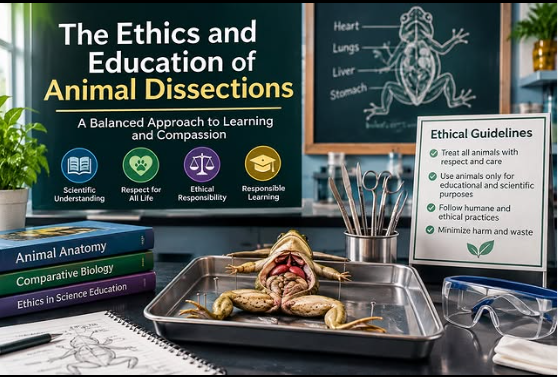
    The Ethics and Education of Animal Dissections

    Animal dissections have been used in science education for many years as a way to help students understand anatomy, biological structures, and how different body systems work together. By studying organisms directly, students can connect what they read in textbooks with real biological structures. Dissections can make lessons more meaningful by allowing learners to observe organs, tissues, and their relationships in a practical setting.

    However, animal dissection is not only a scientific or educational topic; it also raises important ethical questions. Animals are living beings, and their use in education should always be approached with respect, care, and responsibility. Students and teachers should understand why a specimen is being used and ensure that the activity has a genuine educational purpose. Ethical education encourages students to think about both the value of scientific knowledge and the responsibility humans have toward other living organisms.

    A responsible approach to dissection includes following appropriate safety and ethical guidelines. Specimens should be obtained through approved and humane sources, handled carefully, and used only when they provide meaningful educational value. Teachers should also explain the purpose of the activity before beginning and create an environment where students can ask questions or express concerns respectfully.

    Education is ultimately about developing knowledge as well as character. Learning anatomy through dissection can teach students about the complexity of life, but it can also encourage appreciation for living organisms. When carried out responsibly, the experience can promote scientific curiosity, careful observation, critical thinking, and respect for life.

    Modern education can also consider alternatives such as detailed anatomical models, digital simulations, videos, diagrams, and virtual dissection programs. These methods can provide valuable learning experiences while reducing the need for physical specimens in some situations.
    Mohsin RS F8 🎓✨ Story post NO:17 roll NO:13 Class: Foundation Level 📚 Made by Me 💻🚀 The Ethics and Education of Animal Dissections Animal dissections have been used in science education for many years as a way to help students understand anatomy, biological structures, and how different body systems work together. By studying organisms directly, students can connect what they read in textbooks with real biological structures. Dissections can make lessons more meaningful by allowing learners to observe organs, tissues, and their relationships in a practical setting. However, animal dissection is not only a scientific or educational topic; it also raises important ethical questions. Animals are living beings, and their use in education should always be approached with respect, care, and responsibility. Students and teachers should understand why a specimen is being used and ensure that the activity has a genuine educational purpose. Ethical education encourages students to think about both the value of scientific knowledge and the responsibility humans have toward other living organisms. A responsible approach to dissection includes following appropriate safety and ethical guidelines. Specimens should be obtained through approved and humane sources, handled carefully, and used only when they provide meaningful educational value. Teachers should also explain the purpose of the activity before beginning and create an environment where students can ask questions or express concerns respectfully. Education is ultimately about developing knowledge as well as character. Learning anatomy through dissection can teach students about the complexity of life, but it can also encourage appreciation for living organisms. When carried out responsibly, the experience can promote scientific curiosity, careful observation, critical thinking, and respect for life. Modern education can also consider alternatives such as detailed anatomical models, digital simulations, videos, diagrams, and virtual dissection programs. These methods can provide valuable learning experiences while reducing the need for physical specimens in some situations.
    0 تبصرے 0 شیئرز 1248 ویوز
  • Rehan School Online Academy
    ACCL Foundation Level
    Batch 13
    Day 14: Mulla Nasrudin and the Tightrope Walker ‍

    One day, a famous tightrope walker came to Mulla Nasrudin's village. A huge crowd gathered to watch as the performer carefully walked across a thin rope high above the ground.

    When the show ended, everyone clapped loudly. The tightrope walker proudly asked, "Who believes I can cross the rope again with a person on my shoulders?"

    The crowd shouted, "We do! We do!"

    Smiling, the performer pointed at Mulla Nasrudin and said, "Wonderful! Then please climb onto my shoulders."

    Mulla quickly stepped back and laughed. "I believe in your skill," he said, "but I believe in my own safety too!"

    The crowd burst into laughter. Even the tightrope walker smiled, realizing that believing in someone doesn't mean ignoring common sense.

    ملا نصرالدین اور رسّی پر چلنے والا ‍

    ایک دن ملا نصرالدین کے گاؤں میں ایک مشہور رسّی پر چلنے والا فنکار آیا۔ لوگ دور دور سے اس کا کرتب دیکھنے جمع ہوئے۔

    فنکار بڑی مہارت سے زمین سے کافی اونچی بندھی ہوئی باریک رسّی پر چل کر دوسری طرف پہنچ گیا۔

    تماشہ ختم ہوا تو سب نے زور دار تالیاں بجائیں۔

    فنکار نے مسکراتے ہوئے پوچھا، "کون یقین رکھتا ہے کہ میں ایک بار پھر رسّی پار کر سکتا ہوں، اس بار کسی کو اپنے کندھوں پر بٹھا کر؟"

    تمام لوگ بول اٹھے، "ہمیں یقین ہے!"

    فنکار نے فوراً ملا نصرالدین کی طرف اشارہ کرتے ہوئے کہا، "تو پھر آئیے، آپ میرے کندھوں پر بیٹھ جائیں!"

    ملا نصرالدین فوراً ایک قدم پیچھے ہٹے اور ہنستے ہوئے بولے، "مجھے آپ کی مہارت پر پورا یقین ہے، لیکن اپنی حفاظت پر بھی اتنا ہی یقین ہے!"

    یہ سن کر پورا مجمع ہنس پڑا۔ حتیٰ کہ فنکار بھی مسکرا دیا۔ سب نے سمجھ لیا کہ کسی پر بھروسہ کرنا اچھی بات ہے، مگر عقل مندی یہ ہے کہ ہر خطرہ مول نہ لیا جائے۔
    Rehan School Online Academy ACCL Foundation Level Batch 13 Day 14: 🎪 Mulla Nasrudin and the Tightrope Walker 🤹‍♂️ One day, a famous tightrope walker came to Mulla Nasrudin's village. 🌟 A huge crowd gathered to watch as the performer carefully walked across a thin rope high above the ground. 😲👏 When the show ended, everyone clapped loudly. 👏🎉 The tightrope walker proudly asked, "Who believes I can cross the rope again with a person on my shoulders?" 🤔 The crowd shouted, "We do! We do!" 🙌 Smiling, the performer pointed at Mulla Nasrudin and said, "Wonderful! Then please climb onto my shoulders." 😄 Mulla quickly stepped back and laughed. 😂 "I believe in your skill," he said, "but I believe in my own safety too!" 😅 The crowd burst into laughter. 🤣 Even the tightrope walker smiled, realizing that believing in someone doesn't mean ignoring common sense. 💡 🎪 ملا نصرالدین اور رسّی پر چلنے والا 🤹‍♂️ ایک دن ملا نصرالدین کے گاؤں میں ایک مشہور رسّی پر چلنے والا فنکار آیا۔ 🌟 لوگ دور دور سے اس کا کرتب دیکھنے جمع ہوئے۔ 👥🎉 فنکار بڑی مہارت سے زمین سے کافی اونچی بندھی ہوئی باریک رسّی پر چل کر دوسری طرف پہنچ گیا۔ 😲👏 تماشہ ختم ہوا تو سب نے زور دار تالیاں بجائیں۔ 👏🎊 فنکار نے مسکراتے ہوئے پوچھا، "کون یقین رکھتا ہے کہ میں ایک بار پھر رسّی پار کر سکتا ہوں، اس بار کسی کو اپنے کندھوں پر بٹھا کر؟" 🤔 تمام لوگ بول اٹھے، "ہمیں یقین ہے!" 🙌 فنکار نے فوراً ملا نصرالدین کی طرف اشارہ کرتے ہوئے کہا، "تو پھر آئیے، آپ میرے کندھوں پر بیٹھ جائیں!" 😄 ملا نصرالدین فوراً ایک قدم پیچھے ہٹے اور ہنستے ہوئے بولے، 😂 "مجھے آپ کی مہارت پر پورا یقین ہے، لیکن اپنی حفاظت پر بھی اتنا ہی یقین ہے!" 😅 یہ سن کر پورا مجمع ہنس پڑا۔ 🤣 حتیٰ کہ فنکار بھی مسکرا دیا۔ 😊 سب نے سمجھ لیا کہ کسی پر بھروسہ کرنا اچھی بات ہے، مگر عقل مندی یہ ہے کہ ہر خطرہ مول نہ لیا جائے۔ 💡
    0 تبصرے 0 شیئرز 937 ویوز
  • #rsisb
    Roll no.239
    Miss Zoya no.6
    Foundation Level

    Artificial Intelligence (AI) is a powerful technology that enables computers and machines to perform tasks that usually require human intelligence. AI can learn from data, recognize patterns, understand language, answer questions, solve problems, and help people make decisions.

    AI is now used in many areas, including **education, healthcare, science, smartphones, robotics, transportation, business, and entertainment**. Students can use AI to learn new topics, practice skills, generate ideas, and understand difficult concepts.

    The 100 AI questions explore important topics such as **how AI works, Machine Learning, robots, AI in education, AI and humans, healthcare, safety, ethics, and the future of technology**.

    AI has many benefits, but it can also make mistakes and should be used responsibly. We should always check important information and use AI as a helpful tool rather than depending on it completely.

    **Key Message:** AI can help us learn, create, and solve problems. By using it wisely, safely, and responsibly, we can make technology useful for a better future.

    #AI #ArtificialIntelligence #Technology #Education #MachineLearning #Robotics #Innovation #FutureOfTechnology #Students #DigitalLearning

    #rsisb Roll no.239 Miss Zoya no.6 Foundation Level Artificial Intelligence (AI) is a powerful technology that enables computers and machines to perform tasks that usually require human intelligence. AI can learn from data, recognize patterns, understand language, answer questions, solve problems, and help people make decisions. AI is now used in many areas, including **education, healthcare, science, smartphones, robotics, transportation, business, and entertainment**. Students can use AI to learn new topics, practice skills, generate ideas, and understand difficult concepts. The 100 AI questions explore important topics such as **how AI works, Machine Learning, robots, AI in education, AI and humans, healthcare, safety, ethics, and the future of technology**. AI has many benefits, but it can also make mistakes and should be used responsibly. We should always check important information and use AI as a helpful tool rather than depending on it completely. 🌟 **Key Message:** AI can help us learn, create, and solve problems. By using it wisely, safely, and responsibly, we can make technology useful for a better future. #AI #ArtificialIntelligence #Technology #Education #MachineLearning #Robotics #Innovation #FutureOfTechnology #Students #DigitalLearning 🤖💻🌍✨
    0 تبصرے 0 شیئرز 1261 ویوز 4
  • #rsisb
    Roll no.239
    Miss Zoya no.3
    Foundation Level

    **Human beings are one of the most remarkable parts of life on Earth.** Humans have the ability to think, learn, communicate, create, imagine, and solve problems. They can develop knowledge through education and experience and use that knowledge to improve their lives and the world around them.

    The **human body** is a complex system made up of many organs and body systems that work together. The brain helps humans think, remember, learn, and control the body. The heart pumps blood throughout the body, while the lungs help provide oxygen. Bones provide structure and support, muscles allow movement, and the nervous system helps control and coordinate many body functions.

    Humans also have **emotions and feelings**. People can experience happiness, sadness, fear, anger, love, excitement, and many other emotions. Understanding emotions is important because they influence how people communicate, make decisions, and interact with others.

    ### Learning and Intelligence

    Humans have a remarkable ability to learn. Children learn language, numbers, social skills, and many other things as they grow. Education helps people develop knowledge and skills, while experience teaches them how to deal with challenges and make better decisions.

    Humans can also use **creativity and imagination** to create art, music, literature, inventions, and new technologies. This ability to imagine new possibilities has played an important role in the development of human civilization.

    ### Health and Well-Being

    Good health is essential for a healthy and productive life. Humans need nutritious food, clean water, oxygen, enough sleep, physical activity, and a safe environment. Regular exercise can help keep the body strong, while healthy habits can support overall well-being.

    Mental and emotional well-being are also important. People need positive relationships, support, relaxation, and opportunities to express their feelings.

    ### ‍‍‍ Human Relationships

    Humans are social beings. Families, friends, classmates, teachers, colleagues, and communities all play important roles in people's lives. Communication and cooperation help people build strong relationships

    ### Humans and Technology

    Technology has become an important part of modern human life. Computers, smartphones, the internet, robotics, and artificial intelligence help people communicate, learn, work, and solve problems.

    Artificial intelligence can assist humans in many areas, but human judgment, responsibility, creativity, and ethical thinking remain extremely important. Technology should be used wisely and responsibly to benefit society.

    ### Humans and the Environment

    Humans depend on Earth for air, water, food, energy, and natural resources. Protecting the environment is therefore an important responsibility.

    Pollution, climate change, deforestation, and the loss of biodiversity can affect human life and other living organisms. People can help protect the planet by reducing waste, saving water and energy, recycling, planting trees, and using resources responsibly.

    ### The Future of Humanity

    The future of humanity will depend on the choices people make today. Education, science, technology, cooperation, peace, and responsible decision-making can help create a better future.

    Humans may continue to explore space, develop new medical treatments, create advanced technologies, and discover new ways to solve global problems. However, progress should always be balanced with ethics, safety, equality, and respect for life.

    ### **Conclusion**

    The study of humans is a broad and fascinating topic that includes the **human body, brain, emotions, health, learning, relationships, society, technology, and the future**.

    Understanding ourselves can help us become healthier, kinder, more responsible, and more thoughtful people. It can also teach us to respect others, appreciate differences, protect our planet, and work together to solve problems.

    **Key Message:**

    > **Human beings have the ability to learn, create, care, and make a difference. By using knowledge wisely and treating others with respect, humans can help build a healthier, kinder, and better world.**

    #rsisb Roll no.239 Miss Zoya no.3 Foundation Level **Human beings are one of the most remarkable parts of life on Earth.** Humans have the ability to think, learn, communicate, create, imagine, and solve problems. They can develop knowledge through education and experience and use that knowledge to improve their lives and the world around them. The **human body** is a complex system made up of many organs and body systems that work together. The brain helps humans think, remember, learn, and control the body. The heart pumps blood throughout the body, while the lungs help provide oxygen. Bones provide structure and support, muscles allow movement, and the nervous system helps control and coordinate many body functions. Humans also have **emotions and feelings**. People can experience happiness, sadness, fear, anger, love, excitement, and many other emotions. Understanding emotions is important because they influence how people communicate, make decisions, and interact with others. ### 🧠 Learning and Intelligence Humans have a remarkable ability to learn. Children learn language, numbers, social skills, and many other things as they grow. Education helps people develop knowledge and skills, while experience teaches them how to deal with challenges and make better decisions. Humans can also use **creativity and imagination** to create art, music, literature, inventions, and new technologies. This ability to imagine new possibilities has played an important role in the development of human civilization. ### ❤️ Health and Well-Being Good health is essential for a healthy and productive life. Humans need nutritious food, clean water, oxygen, enough sleep, physical activity, and a safe environment. Regular exercise can help keep the body strong, while healthy habits can support overall well-being. Mental and emotional well-being are also important. People need positive relationships, support, relaxation, and opportunities to express their feelings. ### 👨‍👩‍👧‍👦 Human Relationships Humans are social beings. Families, friends, classmates, teachers, colleagues, and communities all play important roles in people's lives. Communication and cooperation help people build strong relationships ### 💻 Humans and Technology Technology has become an important part of modern human life. Computers, smartphones, the internet, robotics, and artificial intelligence help people communicate, learn, work, and solve problems. Artificial intelligence can assist humans in many areas, but human judgment, responsibility, creativity, and ethical thinking remain extremely important. Technology should be used wisely and responsibly to benefit society. ### 🌱 Humans and the Environment Humans depend on Earth for air, water, food, energy, and natural resources. Protecting the environment is therefore an important responsibility. Pollution, climate change, deforestation, and the loss of biodiversity can affect human life and other living organisms. People can help protect the planet by reducing waste, saving water and energy, recycling, planting trees, and using resources responsibly. ### 🚀 The Future of Humanity The future of humanity will depend on the choices people make today. Education, science, technology, cooperation, peace, and responsible decision-making can help create a better future. Humans may continue to explore space, develop new medical treatments, create advanced technologies, and discover new ways to solve global problems. However, progress should always be balanced with ethics, safety, equality, and respect for life. ### **Conclusion** The study of humans is a broad and fascinating topic that includes the **human body, brain, emotions, health, learning, relationships, society, technology, and the future**. Understanding ourselves can help us become healthier, kinder, more responsible, and more thoughtful people. It can also teach us to respect others, appreciate differences, protect our planet, and work together to solve problems. **Key Message:** > **Human beings have the ability to learn, create, care, and make a difference. By using knowledge wisely and treating others with respect, humans can help build a healthier, kinder, and better world.**

    0 تبصرے 0 شیئرز 2446 ویوز 5
  • #rsisb
    Roll no.239
    Miss Zoya no.2
    Foundation Level

    **Artificial Intelligence (AI)** is one of the most important technologies in the modern world. AI allows computers and machines to perform tasks that normally require human intelligence, such as learning, understanding language, recognizing images, solving problems, and making predictions.

    In this topic, we will explore **AI in Japanese**, using **English letters (Romanized Japanese)**. We will learn simple Japanese questions about AI, ChatGPT, machine learning, education, technology, safety, and the future of AI. This is a useful topic for students who want to practice Japanese speaking while also learning about modern technology.

    AI is becoming part of our daily lives through smartphones, computers, education, healthcare, transportation, businesses, and many other areas. Learning about AI can help students understand both the opportunities and responsibilities that come with new technology.

    **Key message:** AI is a powerful tool, but it should be used wisely, safely, and responsibly
    #rsisb Roll no.239 Miss Zoya no.2 Foundation Level **Artificial Intelligence (AI)** is one of the most important technologies in the modern world. AI allows computers and machines to perform tasks that normally require human intelligence, such as learning, understanding language, recognizing images, solving problems, and making predictions. In this topic, we will explore **AI in Japanese**, using **English letters (Romanized Japanese)**. We will learn simple Japanese questions about AI, ChatGPT, machine learning, education, technology, safety, and the future of AI. This is a useful topic for students who want to practice Japanese speaking while also learning about modern technology. AI is becoming part of our daily lives through smartphones, computers, education, healthcare, transportation, businesses, and many other areas. Learning about AI can help students understand both the opportunities and responsibilities that come with new technology. **Key message:** AI is a powerful tool, but it should be used wisely, safely, and responsibly
    0 تبصرے 0 شیئرز 506 ویوز 3
  • #rsisb
    Roll no.239
    Miss Zoya no.1
    Foundation Level

    **Artificial Intelligence (AI)** is a powerful technology that enables computers and machines to perform tasks that normally require human intelligence. AI can help machines understand information, recognize patterns, answer questions, solve problems, learn from data, and support people in many different areas.

    This topic explores **100 questions about AI**, including what artificial intelligence is, how it works, machine learning, robots, education, healthcare, science, daily life, safety, ethics, and the future of technology.

    AI can help students learn new subjects, improve their skills, create ideas, analyze information, and understand complex topics. However, it is also important to use AI **responsibly, safely, and honestly** and to check important information before trusting it.

    **Key Message:** AI is a powerful tool that can make our lives easier and help us learn—but the way we use it determines how beneficial it can be.

    #AI #ArtificialIntelligence #Technology #Education #MachineLearning #Robotics #FutureTechnology #DigitalLearning #Science #Students
    #rsisb Roll no.239 Miss Zoya no.1 Foundation Level **Artificial Intelligence (AI)** is a powerful technology that enables computers and machines to perform tasks that normally require human intelligence. AI can help machines understand information, recognize patterns, answer questions, solve problems, learn from data, and support people in many different areas. This topic explores **100 questions about AI**, including what artificial intelligence is, how it works, machine learning, robots, education, healthcare, science, daily life, safety, ethics, and the future of technology. AI can help students learn new subjects, improve their skills, create ideas, analyze information, and understand complex topics. However, it is also important to use AI **responsibly, safely, and honestly** and to check important information before trusting it. 🌟 **Key Message:** AI is a powerful tool that can make our lives easier and help us learn—but the way we use it determines how beneficial it can be. #AI #ArtificialIntelligence #Technology #Education #MachineLearning #Robotics #FutureTechnology #DigitalLearning #Science #Students 🤖💻🌍✨
    0 تبصرے 0 شیئرز 1410 ویوز 2
  • #rsisb Roll No.240 Tedx Talk No.1 Level One In this talk, Alan Winfield explores the fascinating world of robotics and asks an important question: How can we build robots that behave safely, responsibly, and ethically? 🤖💡 The talk helps us understand that creating intelligent robots is not only about technology and programming. It is also about safety, responsibility, human values, trust, and the impact of robots on society. 🌟 This topic gives us an opportunity to think about the future of artificial intelligence and robotics, and how humans can develop technology in a responsible way. 🚀🧠 Watching and reviewing this talk helped me learn that the future of robotics requires both technical knowledge and ethical thinking. 📚✨ #EthicalRobots #AlanWinfield #Robotics #ArtificialIntelligence #AI #Technology #FutureOfRobotics #Ethics #Learning #Education #Innovation #ResponsibleTechnology #ScienceAndTechnology 🤖⚖️🌍 Rehan School Islamabad Campus Asma Shaheen EducationWali Irum Asim Leadershipwali Saima Empowerment Wali https://www.facebook.com/share/v/1DCELYNeBn/
    0 تبصرے 0 شیئرز 1950 ویوز
More Results