• #rsisb
    Roll no. 247
    Story post . 18
    Foundation level

    **Story Post — Decoding “Cyber”: Origins in Norbert Wiener’s Cybernetics**

    **Have you ever wondered where the word “Cyber” comes from?**

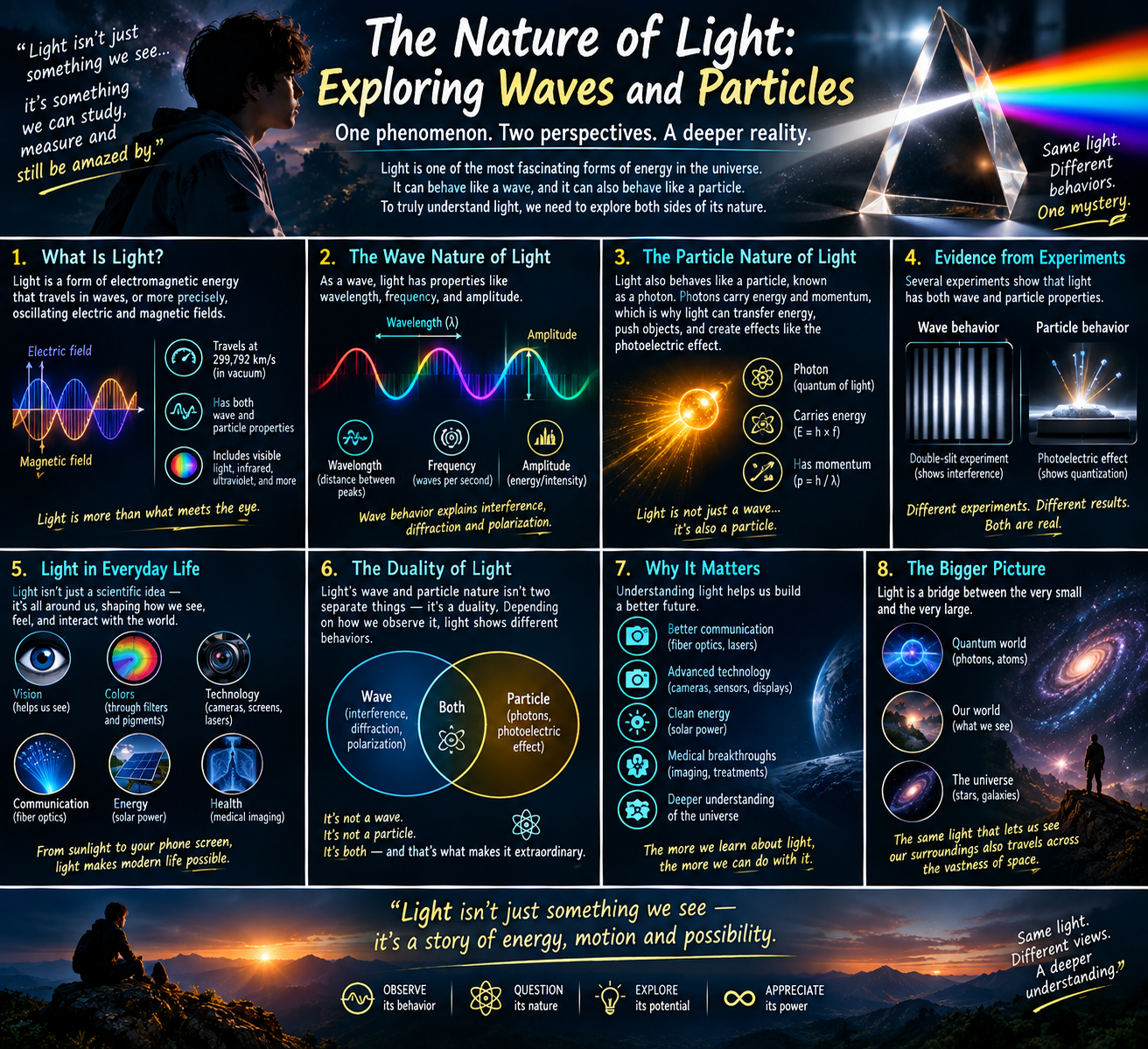
    The word *Cyber* is connected to the fascinating world of **cybernetics**, a field that explores communication, control, and feedback in both living organisms and machines. It helps us understand how humans, computers, and other systems receive information, respond to changes, and make adjustments.

    **The Story Behind Cybernetics**

    The story takes us back to **Norbert Wiener (1894–1964)**, an American mathematician who helped establish the field of cybernetics. In 1948, he published his influential book *Cybernetics: Or Control and Communication in the Animal and the Machine*.

    Wiener explored how communication and control work in animals and machines. One important concept was **feedback**—when a system uses information about its results to adjust what it does next.

    For example, a thermostat checks the temperature of a room and adjusts the heating to maintain the desired temperature. Similarly, modern robots use sensors to understand their surroundings and adjust their movements. These ideas help us understand many technologies we use today!

    **How Did “Cyber” Become So Popular?**

    Over time, the word *cyber* became associated with computers, digital communication, and the internet. Today, we hear it in words such as:

    **Cybersecurity** — protecting computers, networks, and information from digital threats.

    **Cyberspace** — the digital environment where people communicate and interact online.

    **Cybercrime** — illegal activities involving computers or digital networks.

    **Cybernetics** — the study of control, communication, and feedback in systems.

    From the early ideas of cybernetics to today's connected digital world, this little word has become part of our everyday vocabulary!

    **Why Is This Story Important?**

    Understanding the history of the word *cyber* helps us appreciate how scientific ideas influence language and technology. It also reminds us that many modern inventions are built on ideas developed decades ago. Every time we use the internet, learn about artificial intelligence, or explore robotics, we encounter concepts connected to communication, information, and control.

    **Today's Learning Message:**
    Every word has a story, and every story can teach us something new! Keep asking questions, exploring history, and discovering how science shapes our world.

    **Question for You:**
    Which cyber-related topic interests you the most: cybersecurity, artificial intelligence, robotics, or the history of the internet? Share your answer in the comments!

    Like, share, and comment to help others discover the amazing story behind the word *Cyber*!

    #rsisb Roll no. 247 Story post . 18 Foundation level 🌐🤖 **Story Post — Decoding “Cyber”: Origins in Norbert Wiener’s Cybernetics** 💻📚 ✨ **Have you ever wondered where the word “Cyber” comes from?** 🚀 The word *Cyber* is connected to the fascinating world of **cybernetics**, a field that explores communication, control, and feedback in both living organisms and machines. 🧠⚙️ It helps us understand how humans, computers, and other systems receive information, respond to changes, and make adjustments. 📖 **The Story Behind Cybernetics** The story takes us back to **Norbert Wiener (1894–1964)**, an American mathematician who helped establish the field of cybernetics. In 1948, he published his influential book *Cybernetics: Or Control and Communication in the Animal and the Machine*. 📘🔬 Wiener explored how communication and control work in animals and machines. One important concept was **feedback**—when a system uses information about its results to adjust what it does next. 🔄🤖 For example, a thermostat checks the temperature of a room and adjusts the heating to maintain the desired temperature. 🌡️🏠 Similarly, modern robots use sensors to understand their surroundings and adjust their movements. These ideas help us understand many technologies we use today! 🌍 **How Did “Cyber” Become So Popular?** Over time, the word *cyber* became associated with computers, digital communication, and the internet. Today, we hear it in words such as: 💻 **Cybersecurity** — protecting computers, networks, and information from digital threats. 🌐 **Cyberspace** — the digital environment where people communicate and interact online. 🕵️ **Cybercrime** — illegal activities involving computers or digital networks. 🤖 **Cybernetics** — the study of control, communication, and feedback in systems. From the early ideas of cybernetics to today's connected digital world, this little word has become part of our everyday vocabulary! 🌟 🎯 **Why Is This Story Important?** Understanding the history of the word *cyber* helps us appreciate how scientific ideas influence language and technology. It also reminds us that many modern inventions are built on ideas developed decades ago. Every time we use the internet, learn about artificial intelligence, or explore robotics, we encounter concepts connected to communication, information, and control. 🚀🧠 💡 **Today's Learning Message:** Every word has a story, and every story can teach us something new! Keep asking questions, exploring history, and discovering how science shapes our world. 📚✨ 💬 **Question for You:** Which cyber-related topic interests you the most: cybersecurity, artificial intelligence, robotics, or the history of the internet? Share your answer in the comments! 👇🌐 ❤️ Like, share, and comment to help others discover the amazing story behind the word *Cyber*!
    0 Reacties 0 aandelen 1966 Views
  • #rsisb
    Roll no. 247
    Story post . 18
    Foundation level

    **Story Post — Decoding “Cyber”: Origins in Norbert Wiener’s Cybernetics**

    **Have you ever wondered where the word “Cyber” comes from?**

    The word *Cyber* is connected to the fascinating world of **cybernetics**, a field that explores communication, control, and feedback in both living organisms and machines. It helps us understand how humans, computers, and other systems receive information, respond to changes, and make adjustments.

    **The Story Behind Cybernetics**

    The story takes us back to **Norbert Wiener (1894–1964)**, an American mathematician who helped establish the field of cybernetics. In 1948, he published his influential book *Cybernetics: Or Control and Communication in the Animal and the Machine*.

    Wiener explored how communication and control work in animals and machines. One important concept was **feedback**—when a system uses information about its results to adjust what it does next.

    For example, a thermostat checks the temperature of a room and adjusts the heating to maintain the desired temperature. Similarly, modern robots use sensors to understand their surroundings and adjust their movements. These ideas help us understand many technologies we use today!

    **How Did “Cyber” Become So Popular?**

    Over time, the word *cyber* became associated with computers, digital communication, and the internet. Today, we hear it in words such as:

    **Cybersecurity** — protecting computers, networks, and information from digital threats.

    **Cyberspace** — the digital environment where people communicate and interact online.

    **Cybercrime** — illegal activities involving computers or digital networks.

    **Cybernetics** — the study of control, communication, and feedback in systems.

    From the early ideas of cybernetics to today's connected digital world, this little word has become part of our everyday vocabulary!

    **Why Is This Story Important?**

    Understanding the history of the word *cyber* helps us appreciate how scientific ideas influence language and technology. It also reminds us that many modern inventions are built on ideas developed decades ago. Every time we use the internet, learn about artificial intelligence, or explore robotics, we encounter concepts connected to communication, information, and control.

    **Today's Learning Message:**
    Every word has a story, and every story can teach us something new! Keep asking questions, exploring history, and discovering how science shapes our world.

    **Question for You:**
    Which cyber-related topic interests you the most: cybersecurity, artificial intelligence, robotics, or the history of the internet? Share your answer in the comments!

    Like, share, and comment to help others discover the amazing story behind the word *Cyber*!

    #Cyber #Cybernetics #NorbertWiener #WordOrigins #HistoryOfTechnology #Technology #Science #ComputerScience #ArtificialIntelligence #AI #Cybersecurity #DigitalWorld #Internet #Robotics #Innovation #LearningEveryDay #EducationalContent #DidYouKnow #KnowledgeIsPower #TechHistory #DigitalLiteracy #StoryPost #RehanSchool #RSISB #RehanCodingWithAI
    #rsisb Roll no. 247 Story post . 18 Foundation level 🌐🤖 **Story Post — Decoding “Cyber”: Origins in Norbert Wiener’s Cybernetics** 💻📚 ✨ **Have you ever wondered where the word “Cyber” comes from?** 🚀 The word *Cyber* is connected to the fascinating world of **cybernetics**, a field that explores communication, control, and feedback in both living organisms and machines. 🧠⚙️ It helps us understand how humans, computers, and other systems receive information, respond to changes, and make adjustments. 📖 **The Story Behind Cybernetics** The story takes us back to **Norbert Wiener (1894–1964)**, an American mathematician who helped establish the field of cybernetics. In 1948, he published his influential book *Cybernetics: Or Control and Communication in the Animal and the Machine*. 📘🔬 Wiener explored how communication and control work in animals and machines. One important concept was **feedback**—when a system uses information about its results to adjust what it does next. 🔄🤖 For example, a thermostat checks the temperature of a room and adjusts the heating to maintain the desired temperature. 🌡️🏠 Similarly, modern robots use sensors to understand their surroundings and adjust their movements. These ideas help us understand many technologies we use today! 🌍 **How Did “Cyber” Become So Popular?** Over time, the word *cyber* became associated with computers, digital communication, and the internet. Today, we hear it in words such as: 💻 **Cybersecurity** — protecting computers, networks, and information from digital threats. 🌐 **Cyberspace** — the digital environment where people communicate and interact online. 🕵️ **Cybercrime** — illegal activities involving computers or digital networks. 🤖 **Cybernetics** — the study of control, communication, and feedback in systems. From the early ideas of cybernetics to today's connected digital world, this little word has become part of our everyday vocabulary! 🌟 🎯 **Why Is This Story Important?** Understanding the history of the word *cyber* helps us appreciate how scientific ideas influence language and technology. It also reminds us that many modern inventions are built on ideas developed decades ago. Every time we use the internet, learn about artificial intelligence, or explore robotics, we encounter concepts connected to communication, information, and control. 🚀🧠 💡 **Today's Learning Message:** Every word has a story, and every story can teach us something new! Keep asking questions, exploring history, and discovering how science shapes our world. 📚✨ 💬 **Question for You:** Which cyber-related topic interests you the most: cybersecurity, artificial intelligence, robotics, or the history of the internet? Share your answer in the comments! 👇🌐 ❤️ Like, share, and comment to help others discover the amazing story behind the word *Cyber*! #Cyber #Cybernetics #NorbertWiener #WordOrigins #HistoryOfTechnology #Technology #Science #ComputerScience #ArtificialIntelligence #AI #Cybersecurity #DigitalWorld #Internet #Robotics #Innovation #LearningEveryDay #EducationalContent #DidYouKnow #KnowledgeIsPower #TechHistory #DigitalLiteracy #StoryPost #RehanSchool #RSISB #RehanCodingWithAI 🚀💻📚
    0 Reacties 0 aandelen 3371 Views
  • #rsisb
    Roll no. 247
    Story post 14
    Foundation level

    **The Evolution of “Robot”: From Czech Play to Tech Terminology **

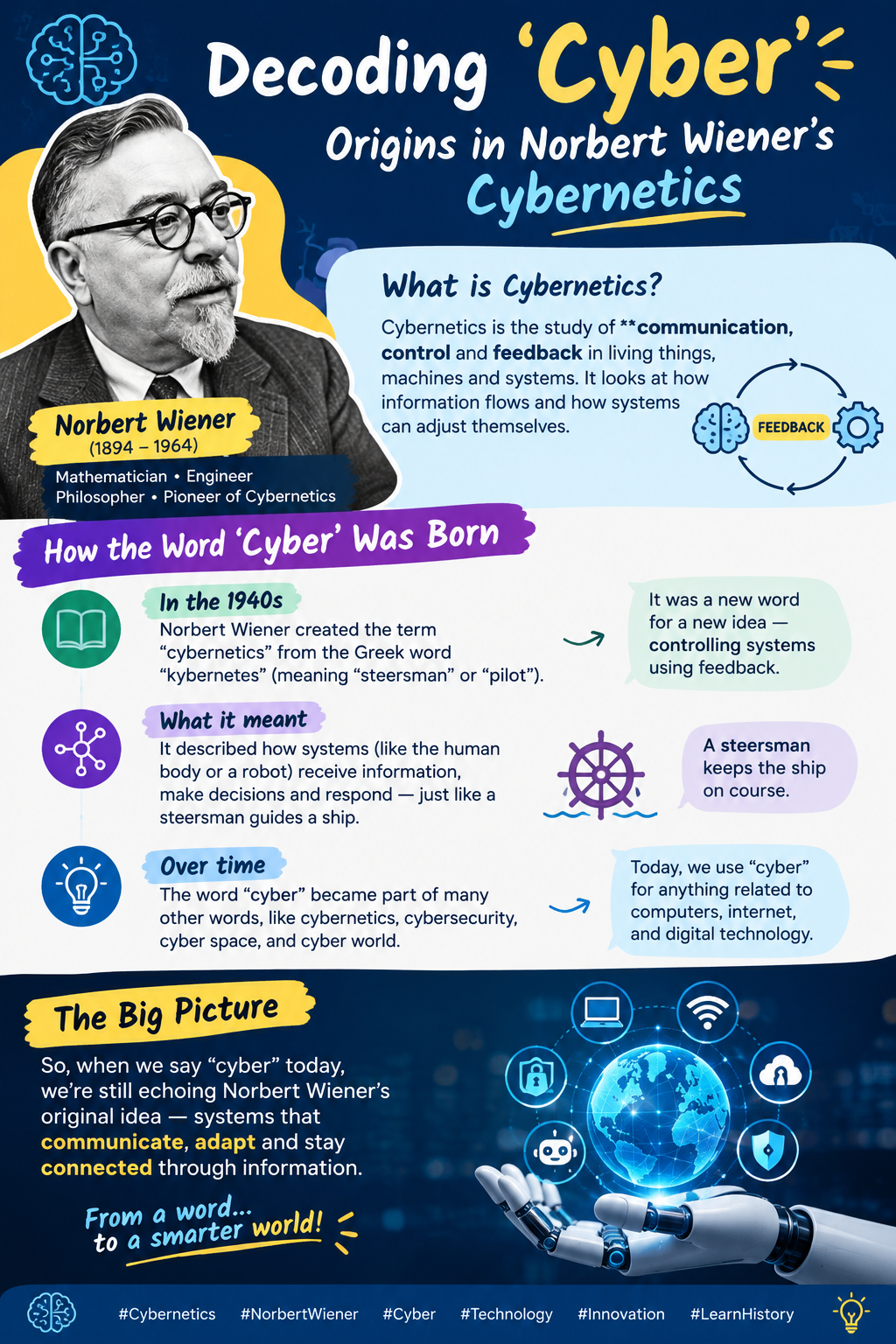
    Have you ever wondered where the word **“robot”** came from? Today, we use this word when talking about smart machines, artificial intelligence, factories, space exploration, and modern technology. But did you know that the word “robot” became popular through a Czech play written more than a century ago? Let's explore the fascinating journey of this little word that became a big part of our technological world!

    **1. The Beginning: A Czech Play **

    The story of the word “robot” begins with Czech writer and playwright **Karel Čapek** and his science-fiction play *R.U.R. (Rossum’s Universal Robots)*, first performed in 1921 and published in 1920. The play imagined artificial workers created to perform tasks for humans. It introduced audiences to ideas about artificial beings, technology, work, and the relationship between humans and machines.

    The word “robot” comes from the Czech word *robota*, associated with forced labor or compulsory work. Interestingly, Karel Čapek credited his brother, **Josef Čapek**, with suggesting the word for the play.

    **2. How the Word Spread Around the World **

    As the play gained attention, the word “robot” spread beyond literature and entered everyday language. People began using it to discuss machines that could perform tasks automatically. Over time, robots became a popular subject in science-fiction stories, films, books, and discussions about the future.

    Writers and scientists explored exciting questions: Could machines help humans? Could robots perform difficult tasks? How might technology change our lives? These questions helped inspire generations of inventors and researchers.

    **3. From Fiction to Real Machines **

    Robots eventually became an important part of real-world engineering and science. Modern robots can perform repetitive tasks, assist with manufacturing, explore places that are difficult for humans to reach, and help researchers carry out complex work.

    Today, we can find robots in many areas:

    **Factories:** Industrial robots help assemble products and perform precise tasks.

    **Homes:** Robotic vacuum cleaners help people with household cleaning.

    **Healthcare:** Specialised robotic systems assist medical professionals with certain procedures.

    **Space Exploration:** Robotic rovers and spacecraft help scientists explore distant worlds.

    **Agriculture:** Some robots help monitor crops and perform farming tasks.

    **Research:** Scientists use robots to test ideas, collect information, and explore new possibilities.

    **4. Robots and Artificial Intelligence **

    Modern technology has introduced new possibilities through artificial intelligence (AI). Some robots use AI to interpret information from sensors, recognise objects, plan actions, or respond to changing conditions. However, not every robot uses AI, and not every AI system is a robot.

    This difference is important! A robot is generally a physical machine that can carry out tasks, while AI refers to computer systems designed to perform tasks that may require abilities such as recognising patterns or understanding language. Together, robotics and AI are helping researchers develop new tools and technologies.

    **5. What Can We Learn from the Evolution of “Robot”?**

    The journey of the word “robot” teaches us that ideas can travel from books and plays into real life. A word introduced through a fictional story became an important term in science, engineering, and technology.

    It also reminds us that technology is created by people using imagination, creativity, teamwork, and scientific knowledge. As we learn more about robots, we should think about how to use technology responsibly and how it can benefit people and communities.

    **Conclusion: From a Czech Play to a Technological Future**

    The evolution of “robot” is a remarkable example of how language, literature, and science connect. What began as a word associated with artificial workers in a Czech play is now used around the world to describe machines that help us in factories, homes, hospitals, laboratories, and space exploration.

    The future of robotics will continue to bring new discoveries, challenges, and opportunities. By learning about the past, understanding the present, and thinking creatively about the future, we can become more informed and responsible users of technology.

    **Let's keep learning, exploring, and innovating!** Every great invention begins with an idea, and every curious mind has the potential to discover something new.

    **Question for everyone:** If you could invent a helpful robot, what would you want it to do? Share your ideas in the comments!

    Like, share, and spread the excitement of science and technology!

    ━━━━━━━━━━━━━━━━━━

    **HASHTAGS**

    #EvolutionOfRobots #RobotHistory #TheWordRobot #KarelCapek #JosefCapek #RUR #CzechLiterature #HistoryOfTechnology #Robotics #ArtificialIntelligence #AI #ScienceAndTechnology #EducationalPost #StoryPost #TechnologyEducation #FutureTechnology #Innovation #Engineering #STEMEducation #ScienceForEveryone #LearningIsFun #DigitalLearning #TechHistory #SmartMachines #SpaceExploration #IndustrialRobots #CreativeThinking #KnowledgeIsPower #ChatGPT #PostOnAllPlatforms
    #rsisb Roll no. 247 Story post 14 Foundation level 🤖🌍 **The Evolution of “Robot”: From Czech Play to Tech Terminology 📚✨** 🚀🤖 Have you ever wondered where the word **“robot”** came from? Today, we use this word when talking about smart machines, artificial intelligence, factories, space exploration, and modern technology. But did you know that the word “robot” became popular through a Czech play written more than a century ago? 📖🌟 Let's explore the fascinating journey of this little word that became a big part of our technological world! 💡🌐 📚 **1. The Beginning: A Czech Play 🇨🇿** The story of the word “robot” begins with Czech writer and playwright **Karel Čapek** and his science-fiction play *R.U.R. (Rossum’s Universal Robots)*, first performed in 1921 and published in 1920. 🎭🤖 The play imagined artificial workers created to perform tasks for humans. It introduced audiences to ideas about artificial beings, technology, work, and the relationship between humans and machines. The word “robot” comes from the Czech word *robota*, associated with forced labor or compulsory work. Interestingly, Karel Čapek credited his brother, **Josef Čapek**, with suggesting the word for the play. ✍️💭 🌎 **2. How the Word Spread Around the World 🌐** As the play gained attention, the word “robot” spread beyond literature and entered everyday language. People began using it to discuss machines that could perform tasks automatically. 📖⚙️ Over time, robots became a popular subject in science-fiction stories, films, books, and discussions about the future. Writers and scientists explored exciting questions: Could machines help humans? Could robots perform difficult tasks? How might technology change our lives? These questions helped inspire generations of inventors and researchers. 🚀🧠 ⚙️ **3. From Fiction to Real Machines 🏭** Robots eventually became an important part of real-world engineering and science. Modern robots can perform repetitive tasks, assist with manufacturing, explore places that are difficult for humans to reach, and help researchers carry out complex work. 🔧🤖 Today, we can find robots in many areas: 🏭 **Factories:** Industrial robots help assemble products and perform precise tasks. 🏠 **Homes:** Robotic vacuum cleaners help people with household cleaning. 🏥 **Healthcare:** Specialised robotic systems assist medical professionals with certain procedures. 🚀 **Space Exploration:** Robotic rovers and spacecraft help scientists explore distant worlds. 🌾 **Agriculture:** Some robots help monitor crops and perform farming tasks. 🧪 **Research:** Scientists use robots to test ideas, collect information, and explore new possibilities. 💻 **4. Robots and Artificial Intelligence 🧠** Modern technology has introduced new possibilities through artificial intelligence (AI). Some robots use AI to interpret information from sensors, recognise objects, plan actions, or respond to changing conditions. 🤖💡 However, not every robot uses AI, and not every AI system is a robot. This difference is important! A robot is generally a physical machine that can carry out tasks, while AI refers to computer systems designed to perform tasks that may require abilities such as recognising patterns or understanding language. Together, robotics and AI are helping researchers develop new tools and technologies. 🌐✨ 🌟 **5. What Can We Learn from the Evolution of “Robot”?** The journey of the word “robot” teaches us that ideas can travel from books and plays into real life. A word introduced through a fictional story became an important term in science, engineering, and technology. 📚➡️⚙️ It also reminds us that technology is created by people using imagination, creativity, teamwork, and scientific knowledge. As we learn more about robots, we should think about how to use technology responsibly and how it can benefit people and communities. ❤️🌍 🎯 **Conclusion: From a Czech Play to a Technological Future** The evolution of “robot” is a remarkable example of how language, literature, and science connect. What began as a word associated with artificial workers in a Czech play is now used around the world to describe machines that help us in factories, homes, hospitals, laboratories, and space exploration. 🤖🚀 The future of robotics will continue to bring new discoveries, challenges, and opportunities. By learning about the past, understanding the present, and thinking creatively about the future, we can become more informed and responsible users of technology. 🌟💚 📢 **Let's keep learning, exploring, and innovating!** Every great invention begins with an idea, and every curious mind has the potential to discover something new. 💡📚 💬 **Question for everyone:** If you could invent a helpful robot, what would you want it to do? Share your ideas in the comments! 👇🤖 ❤️ Like, share, and spread the excitement of science and technology! ━━━━━━━━━━━━━━━━━━ 🏷️ **HASHTAGS** #EvolutionOfRobots #RobotHistory #TheWordRobot #KarelCapek #JosefCapek #RUR #CzechLiterature #HistoryOfTechnology #Robotics #ArtificialIntelligence #AI #ScienceAndTechnology #EducationalPost #StoryPost #TechnologyEducation #FutureTechnology #Innovation #Engineering #STEMEducation #ScienceForEveryone #LearningIsFun #DigitalLearning #TechHistory #SmartMachines #SpaceExploration #IndustrialRobots #CreativeThinking #KnowledgeIsPower #ChatGPT #PostOnAllPlatforms 🤖🌍📚🚀✨
    0 Reacties 0 aandelen 7836 Views
  • #rsisb
    Roll No 253
    Foundation Level
    Story Post 24

    # The Nature of Light: Exploring Waves and Particles

    Imagine standing beneath a night sky filled with stars.

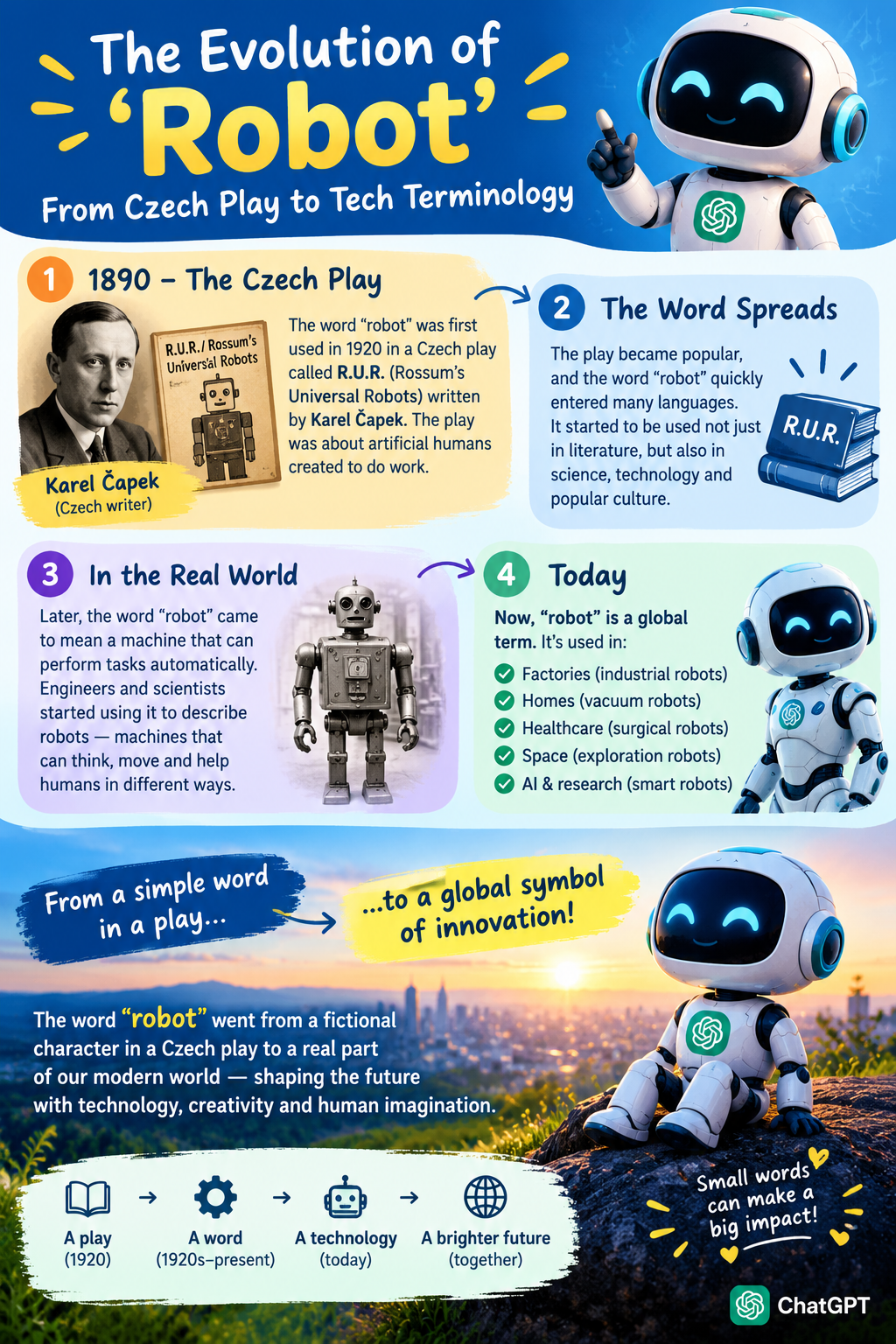
    Every photon reaching your eyes has traveled across space carrying information from distant worlds. Light allows us to see, measure, communicate, explore, and understand the universe itself.

    But light is far stranger than it first appears.

    Sometimes it behaves like a **wave** .

    Sometimes it behaves like a **particle** .

    And understanding this strange dual nature changed our picture of reality forever.

    ---

    # 1. What Is Light?

    Light is a form of **electromagnetic radiation**—energy carried through oscillating electric and magnetic fields.

    In empty space, electromagnetic waves travel at approximately:

    ### **299,792 kilometers per second**

    That's the speed of light in vacuum.

    Visible light is only a small part of the electromagnetic spectrum.

    Beyond what our eyes can see are:

    Radio waves
    Microwaves
    Infrared
    Visible light
    Ultraviolet
    🩻 X-rays
    Gamma rays

    So light isn't simply what we see.

    ### **It's an enormous family of electromagnetic phenomena.**

    ---

    # 2. The Wave Nature of Light

    When light behaves as a wave, we can describe it using several important properties:

    **Wavelength** — the distance between successive wave peaks
    **Frequency** — how many oscillations occur each second
    **Amplitude** — related to the wave's intensity

    These properties help explain many familiar phenomena.

    **Interference** occurs when waves combine.
    **Diffraction** occurs when waves spread around openings or obstacles.
    **Polarization** describes the orientation of electromagnetic oscillations.

    The wave model explains behaviors that are difficult to understand if we imagine light only as tiny particles.

    ---

    # 3. The Particle Nature of Light

    But the story doesn't end there.

    Light can also behave as if it arrives in discrete packets of energy called **photons**.

    A photon is a quantum of electromagnetic radiation.

    Its energy is related to frequency:

    ### **E = h × f**

    And its momentum is related to its wavelength:

    ### **p = h / λ**

    This particle-like behavior helps explain phenomena such as the **photoelectric effect**, where light can transfer energy to electrons.

    So light isn't simply a smooth continuous wave.

    At the quantum level, energy can be exchanged in discrete amounts.

    ### **Light has another side—and it's quantum.**

    ---

    # 4. Evidence From Experiments

    The strange nature of light isn't merely philosophical.

    Experiments demonstrate it.

    ### Double-Slit Experiment

    When light passes through two narrow openings, an **interference pattern** can appear—strong evidence of wave-like behavior.

    ### Photoelectric Effect

    When light strikes certain materials, it can eject electrons. This behavior is explained using photons and quantized energy.

    Different experiments reveal different aspects of light.

    And that's one of the most fascinating things about physics:

    ### **The same phenomenon can reveal different behaviors depending on how we investigate it.**

    ---

    # 5. Light in Everyday Life

    Light isn't something that exists only inside physics laboratories.

    It's everywhere.

    **Vision** — allows us to see the world
    **Colors** — arise from how different wavelengths interact with matter
    **Cameras** — convert light into images
    **Screens** — produce controlled patterns of light
    **Fiber optics** — carry information using light
    **Solar panels** — convert light energy into electrical energy
    🩻 **Medical imaging** — uses electromagnetic radiation to see inside the body

    From sunrise to smartphone screens…

    ### **Modern civilization depends heavily on our ability to control light.**

    ---

    # 6. The Duality of Light

    Here lies the great mystery.

    Light can display **wave-like behavior**

    and

    **particle-like behavior** .

    This is known as **wave-particle duality**.

    It's important to understand that this doesn't mean light is literally switching between being a classical wave and a classical particle like two separate objects.

    Instead, quantum physics gives us a deeper framework in which classical wave and particle descriptions each capture different aspects of light's behavior.

    ### **Two perspectives. One quantum reality.**

    ---

    # 7. Why Understanding Light Matters

    Learning how light behaves has transformed technology.

    **Communication** — fiber-optic networks
    **Science** — spectroscopy and microscopy
    **Imaging** — cameras and sensors
    **Energy** — solar technology
    **Medicine** — lasers and diagnostic imaging
    **Astronomy** — studying distant stars and galaxies

    When astronomers observe light from a distant star, they aren't simply seeing brightness.

    They can analyze the light's wavelengths and learn about the star's:

    Temperature
    Chemical composition
    Motion
    Environment

    ### **Light carries information across space.**

    ---

    # 8. The Bigger Picture

    Light connects the microscopic and the cosmic.

    At the quantum scale, photons interact with atoms and electrons.

    At human scales, light allows us to see and communicate.

    Across astronomical distances, light travels from stars and galaxies to our telescopes.

    In many ways, light is our messenger from the universe.

    When we look at a distant galaxy, we are receiving photons that may have traveled for millions or billions of years before reaching Earth.

    ### **Looking at the universe means looking at ancient light.**

    ---

    # The Final Thought

    Light is more than something that illuminates a room.

    It is energy.
    It is information.
    It is electromagnetic radiation.
    It has quantum behavior.
    And it is one of the most important tools we have for exploring reality.

    From a photon interacting with an electron…

    to sunlight crossing space…

    to the glow of a distant galaxy…

    ### **Light connects the smallest scales of nature with the largest.**

    So the next time you see sunlight streaming through a window , a rainbow , or stars shining overhead , remember:

    **You aren't simply seeing light.**

    You're witnessing one of the universe's most fascinating mysteries—a phenomenon that behaves in ways far stranger and more beautiful than our everyday experience suggests.

    # **Light isn't just something we see—it's a story of energy, motion, information, and possibility.** ∞


    Asma Shaheen EducationWali
    Saima Empowerment Wali
    Mishaal TrainingWali
    #rsisb Roll No 253 Foundation Level Story Post 24 # 🌈⚡ The Nature of Light: Exploring Waves and Particles Imagine standing beneath a night sky filled with stars. 🌌✨ Every photon reaching your eyes has traveled across space carrying information from distant worlds. Light allows us to see, measure, communicate, explore, and understand the universe itself. 🔭👁️📡 But light is far stranger than it first appears. Sometimes it behaves like a **wave** 🌊. Sometimes it behaves like a **particle** ⚛️. And understanding this strange dual nature changed our picture of reality forever. 🧠🌌 --- # 💡🌌 1. What Is Light? Light is a form of **electromagnetic radiation**—energy carried through oscillating electric and magnetic fields. ⚡🧲 In empty space, electromagnetic waves travel at approximately: ### 🚀 **299,792 kilometers per second** That's the speed of light in vacuum. Visible light 👁️🌈 is only a small part of the electromagnetic spectrum. Beyond what our eyes can see are: 📻 Radio waves 📡 Microwaves 🔥 Infrared 🌈 Visible light ☀️ Ultraviolet 🩻 X-rays ☢️ Gamma rays So light isn't simply what we see. ### **It's an enormous family of electromagnetic phenomena.** 🌌⚡ --- # 🌊🔬 2. The Wave Nature of Light When light behaves as a wave, we can describe it using several important properties: 〰️ **Wavelength** — the distance between successive wave peaks ⚡ **Frequency** — how many oscillations occur each second 📈 **Amplitude** — related to the wave's intensity These properties help explain many familiar phenomena. 🌈 **Interference** occurs when waves combine. 🔍 **Diffraction** occurs when waves spread around openings or obstacles. 🕶️ **Polarization** describes the orientation of electromagnetic oscillations. The wave model explains behaviors that are difficult to understand if we imagine light only as tiny particles. --- # ⚛️✨ 3. The Particle Nature of Light But the story doesn't end there. Light can also behave as if it arrives in discrete packets of energy called **photons**. ⚛️💡 A photon is a quantum of electromagnetic radiation. Its energy is related to frequency: ### **E = h × f** ⚡ And its momentum is related to its wavelength: ### **p = h / λ** 🌊⚛️ This particle-like behavior helps explain phenomena such as the **photoelectric effect**, where light can transfer energy to electrons. So light isn't simply a smooth continuous wave. At the quantum level, energy can be exchanged in discrete amounts. ### **Light has another side—and it's quantum.** 🌌⚛️ --- # 🧪🔍 4. Evidence From Experiments The strange nature of light isn't merely philosophical. Experiments demonstrate it. ### 🌊 Double-Slit Experiment When light passes through two narrow openings, an **interference pattern** can appear—strong evidence of wave-like behavior. 🌊〰️ ### ⚡ Photoelectric Effect When light strikes certain materials, it can eject electrons. This behavior is explained using photons and quantized energy. ⚛️🔋 Different experiments reveal different aspects of light. And that's one of the most fascinating things about physics: ### **The same phenomenon can reveal different behaviors depending on how we investigate it.** 🔬✨ --- # 👁️🌈 5. Light in Everyday Life Light isn't something that exists only inside physics laboratories. It's everywhere. 🌍☀️ 👁️ **Vision** — allows us to see the world 🌈 **Colors** — arise from how different wavelengths interact with matter 📷 **Cameras** — convert light into images 📱 **Screens** — produce controlled patterns of light 🌐 **Fiber optics** — carry information using light ☀️ **Solar panels** — convert light energy into electrical energy 🩻 **Medical imaging** — uses electromagnetic radiation to see inside the body From sunrise to smartphone screens… ### **Modern civilization depends heavily on our ability to control light.** 💡🌍 --- # 🌊⚛️ 6. The Duality of Light Here lies the great mystery. Light can display **wave-like behavior** 🌊 and **particle-like behavior** ⚛️. This is known as **wave-particle duality**. It's important to understand that this doesn't mean light is literally switching between being a classical wave and a classical particle like two separate objects. Instead, quantum physics gives us a deeper framework in which classical wave and particle descriptions each capture different aspects of light's behavior. ### **Two perspectives. One quantum reality.** 🌌✨ --- # 🚀🔬 7. Why Understanding Light Matters Learning how light behaves has transformed technology. 📡 **Communication** — fiber-optic networks 🔬 **Science** — spectroscopy and microscopy 📷 **Imaging** — cameras and sensors ☀️ **Energy** — solar technology 🩺 **Medicine** — lasers and diagnostic imaging 🚀 **Astronomy** — studying distant stars and galaxies When astronomers observe light from a distant star, they aren't simply seeing brightness. They can analyze the light's wavelengths and learn about the star's: 🌡️ Temperature 🧪 Chemical composition 💨 Motion 🌌 Environment ### **Light carries information across space.** --- # 🌌🔭 8. The Bigger Picture Light connects the microscopic and the cosmic. At the quantum scale, photons interact with atoms and electrons. ⚛️🔬 At human scales, light allows us to see and communicate. 👁️📱 Across astronomical distances, light travels from stars and galaxies to our telescopes. 🌟🔭 In many ways, light is our messenger from the universe. When we look at a distant galaxy, we are receiving photons that may have traveled for millions or billions of years before reaching Earth. 🌌⏳ ### **Looking at the universe means looking at ancient light.** ✨ --- # 🌅💡 The Final Thought Light is more than something that illuminates a room. It is energy. ⚡ It is information. 📡 It is electromagnetic radiation. 🌊 It has quantum behavior. ⚛️ And it is one of the most important tools we have for exploring reality. 🔭 From a photon interacting with an electron… to sunlight crossing space… to the glow of a distant galaxy… ### **Light connects the smallest scales of nature with the largest.** 🌌⚛️ So the next time you see sunlight streaming through a window ☀️, a rainbow 🌈, or stars shining overhead ⭐, remember: **You aren't simply seeing light.** You're witnessing one of the universe's most fascinating mysteries—a phenomenon that behaves in ways far stranger and more beautiful than our everyday experience suggests. 🌊⚛️✨ # 🌈🌌 **Light isn't just something we see—it's a story of energy, motion, information, and possibility.** ⚡🔬∞ Asma Shaheen EducationWali Saima Empowerment Wali Mishaal TrainingWali
    0 Reacties 0 aandelen 6459 Views
  • Wouldn’t it be interesting to see a conversation where politicians need to discuss some of the very real issues we will face in the 2020s:

    - What happens when a foreign power develops a 50 Qbit quantum computer that can cut through encryption like a knife through butter and look back 10 years at everything ever said by anyone? What private companies should be allowed to have a powerful quantum computer that can strip away all known encryption?

    - What ethical choices do we make about AI that is better at diagnosis than 90% of GPs? Or that can drive cars 90% more safely than humans? Or that is 90% better at adjudication than judges? Or that can categorically predict someone is a danger before they actually do something bad?

    - How does the economy function when 75% of human needs can be fulfilled by digital products, software, media or automation that creates this capacity without any human inputs?

    - In a 5G world, what do we want to occupy the additional 90% of bandwidth with? Do we want a super-surveillance state that is linked to Machine Learning? Do we want early diagnosis of incurable disease based upon sensors in our homes and watches?

    - What role do we want traditional education to play? What future are we preparing kids for? In a world where computers can give precise answers to 95% of the problems we could ever conceive, what training does a child require to operate it?

    If our biggest medical breakthroughs, military threats and educational needs all hinge on having good answers to difficult questions with quantum computing, AI/ML, 5G, etc why is this stuff never even remotely discussed?

    Via Daniel Priestley
    Wouldn’t it be interesting to see a conversation where politicians need to discuss some of the very real issues we will face in the 2020s: - What happens when a foreign power develops a 50 Qbit quantum computer that can cut through encryption like a knife through butter and look back 10 years at everything ever said by anyone? What private companies should be allowed to have a powerful quantum computer that can strip away all known encryption? - What ethical choices do we make about AI that is better at diagnosis than 90% of GPs? Or that can drive cars 90% more safely than humans? Or that is 90% better at adjudication than judges? Or that can categorically predict someone is a danger before they actually do something bad? - How does the economy function when 75% of human needs can be fulfilled by digital products, software, media or automation that creates this capacity without any human inputs? - In a 5G world, what do we want to occupy the additional 90% of bandwidth with? Do we want a super-surveillance state that is linked to Machine Learning? Do we want early diagnosis of incurable disease based upon sensors in our homes and watches? - What role do we want traditional education to play? What future are we preparing kids for? In a world where computers can give precise answers to 95% of the problems we could ever conceive, what training does a child require to operate it? If our biggest medical breakthroughs, military threats and educational needs all hinge on having good answers to difficult questions with quantum computing, AI/ML, 5G, etc why is this stuff never even remotely discussed? Via Daniel Priestley
    0 Reacties 0 aandelen 1025 Views
  • The photovoltaic effect is a physical phenomenon where certain materials can convert light energy into electrical energy. This effect was first observed by French physicist Alexandre-Edmond Becquerel in 1839 when he noticed that certain materials produced a small electrical current when exposed to light.

    The photovoltaic effect is used in solar cells, which are devices that convert sunlight into electricity. Solar cells are made up of layers of materials, usually silicon, that are specially designed to generate an electric current when exposed to light.

    The process of the photovoltaic effect in solar cells works like this:

    1. When sunlight hits the solar cell, it excites the electrons in the silicon atoms in the top layer of the cell.

    2. Some of these excited electrons break free from their atoms and become mobile.

    3. The free electrons are attracted to one side of the cell, while the positively charged "holes" left behind by the free electrons are attracted to the other side of the cell. This creates an electrical imbalance between the two sides of the cell.

    4. By connecting a wire between the two sides of the cell, a flow of electric current is generated as the free electrons move from one side of the cell to the other.

    5. This flow of electric current can be used to power electrical devices or stored in a battery for later use.

    The photovoltaic effect is not limited to solar cells, and can also be used in other types of electronic devices, such as light sensors and photodetectors. It is a fundamental process in the field of optoelectronics, which involves the study of the interaction between light and electricity.

    In summary, the photovoltaic effect is a process where certain materials can convert light energy into electrical energy. It is the basis for the operation of solar cells and other electronic devices that use light as a source of energy.
    The photovoltaic effect is a physical phenomenon where certain materials can convert light energy into electrical energy. This effect was first observed by French physicist Alexandre-Edmond Becquerel in 1839 when he noticed that certain materials produced a small electrical current when exposed to light. The photovoltaic effect is used in solar cells, which are devices that convert sunlight into electricity. Solar cells are made up of layers of materials, usually silicon, that are specially designed to generate an electric current when exposed to light. The process of the photovoltaic effect in solar cells works like this: 1. When sunlight hits the solar cell, it excites the electrons in the silicon atoms in the top layer of the cell. 2. Some of these excited electrons break free from their atoms and become mobile. 3. The free electrons are attracted to one side of the cell, while the positively charged "holes" left behind by the free electrons are attracted to the other side of the cell. This creates an electrical imbalance between the two sides of the cell. 4. By connecting a wire between the two sides of the cell, a flow of electric current is generated as the free electrons move from one side of the cell to the other. 5. This flow of electric current can be used to power electrical devices or stored in a battery for later use. The photovoltaic effect is not limited to solar cells, and can also be used in other types of electronic devices, such as light sensors and photodetectors. It is a fundamental process in the field of optoelectronics, which involves the study of the interaction between light and electricity. In summary, the photovoltaic effect is a process where certain materials can convert light energy into electrical energy. It is the basis for the operation of solar cells and other electronic devices that use light as a source of energy.
    0 Reacties 0 aandelen 1406 Views
  • Teleporting humans or objects as seen in sci-fi movies is extremely challenging because of fundamental laws of physics. However, let’s think creatively and propose a hypothetical pathway to achieving real teleportation by combining quantum mechanics, advanced computing, and molecular engineering.

    Hypothetical Model for Human Teleportation:
    1. Quantum Scanning & Mapping (Quantum Digital Twin)
    • Use advanced quantum sensors to scan every atom and quantum state of a human body.
    • Store this information as a “quantum blueprint” in a high-density quantum computer.
    • Develop a method to overcome the Heisenberg Uncertainty Principle, allowing precise scanning without disturbing atomic states.
    2. Entanglement-Based Transmission (Quantum Network)
    • Utilize quantum entanglement to transfer the quantum state of scanned particles to another location instantly.
    • This requires a global network of entangled particles—potentially stored in a quantum teleportation station at both locations.
    3. Reconstruction at Destination (Molecular Assembly)
    • At the target location, use nanotechnology and atomic assembly to rebuild the body using a supply of fundamental atoms.
    • A quantum AI system ensures perfect reassembly without errors.
    • The process must ensure the consciousness and identity of the person remain intact.

    Major Challenges to Overcome:
    • Data Storage & Processing: A human body consists of ~10^27 atoms, requiring unimaginable storage and computing power.
    • Error Correction: Any slight mistake in reconstruction could be fatal.
    • Ethical Issues: Would the person at the destination still be the “original” person?
    • Energy Requirements: Breaking and rebuilding atomic structures requires massive energy.

    Alternative Solution – Wormhole-Based Teleportation

    Instead of scanning and reconstructing, another possibility is wormhole teleportation:
    1. Create an Einstein-Rosen Bridge (Wormhole)
    • Use extreme gravity or quantum fluctuations to create a stable wormhole.
    • This requires exotic matter to keep the wormhole open.
    2. Quantum Stabilization
    • Develop a system that prevents collapse by quantum field manipulation.
    3. Instantaneous Travel
    • If successful, stepping into the wormhole would instantly transport matter to another location.

    Conclusion

    While current physics does not allow human teleportation, advancements in quantum computing, nanotechnology, and theoretical physics could one day make it possible. It might take centuries, but breakthroughs in quantum entanglement, atomic assembly, or wormhole engineering could lead to real teleportation in the future.
    Teleporting humans or objects as seen in sci-fi movies is extremely challenging because of fundamental laws of physics. However, let’s think creatively and propose a hypothetical pathway to achieving real teleportation by combining quantum mechanics, advanced computing, and molecular engineering. Hypothetical Model for Human Teleportation: 1. Quantum Scanning & Mapping (Quantum Digital Twin) • Use advanced quantum sensors to scan every atom and quantum state of a human body. • Store this information as a “quantum blueprint” in a high-density quantum computer. • Develop a method to overcome the Heisenberg Uncertainty Principle, allowing precise scanning without disturbing atomic states. 2. Entanglement-Based Transmission (Quantum Network) • Utilize quantum entanglement to transfer the quantum state of scanned particles to another location instantly. • This requires a global network of entangled particles—potentially stored in a quantum teleportation station at both locations. 3. Reconstruction at Destination (Molecular Assembly) • At the target location, use nanotechnology and atomic assembly to rebuild the body using a supply of fundamental atoms. • A quantum AI system ensures perfect reassembly without errors. • The process must ensure the consciousness and identity of the person remain intact. Major Challenges to Overcome: • Data Storage & Processing: A human body consists of ~10^27 atoms, requiring unimaginable storage and computing power. • Error Correction: Any slight mistake in reconstruction could be fatal. • Ethical Issues: Would the person at the destination still be the “original” person? • Energy Requirements: Breaking and rebuilding atomic structures requires massive energy. Alternative Solution – Wormhole-Based Teleportation Instead of scanning and reconstructing, another possibility is wormhole teleportation: 1. Create an Einstein-Rosen Bridge (Wormhole) • Use extreme gravity or quantum fluctuations to create a stable wormhole. • This requires exotic matter to keep the wormhole open. 2. Quantum Stabilization • Develop a system that prevents collapse by quantum field manipulation. 3. Instantaneous Travel • If successful, stepping into the wormhole would instantly transport matter to another location. Conclusion While current physics does not allow human teleportation, advancements in quantum computing, nanotechnology, and theoretical physics could one day make it possible. It might take centuries, but breakthroughs in quantum entanglement, atomic assembly, or wormhole engineering could lead to real teleportation in the future.
    0 Reacties 0 aandelen 1289 Views
  • The Physics of Abundance

    For most of human history, people lived in scarcity. Food was limited, energy was rare, knowledge was locked in books, and only a few had the privilege to dream beyond survival. But scarcity is not a law of nature. It is a condition created by incomplete understanding of the universe.

    Physics teaches us that the universe is made of infinite energy and matter, constantly transforming but never destroyed. If energy and matter are abundant in the cosmos, why should human societies be trapped in scarcity? The answer is not that abundance does not exist—it is that we have not yet developed the science to access it fully. This is where the Physics of Abundance begins.

    ⸻

    1. Energy is Infinite

    According to the laws of physics, energy cannot be created or destroyed; it only changes form. The sun releases more energy in one second than humanity has used in its entire history. The oceans, the wind, the geothermal heat of the Earth—these are all vast reservoirs. Scarcity exists not because energy is missing, but because our systems to capture and distribute it are inefficient.

    The Physics of Abundance studies how to unlock infinite energy flows cheaply, cleanly, and universally. Solar panels, wind farms, fusion reactors, and AI-driven energy grids are not just technologies—they are gateways to abundance.

    ⸻

    2. Information Multiplies, Not Depletes

    Unlike material resources, information grows the more it is shared. If I give you knowledge, I do not lose mine; we both gain. The internet and artificial intelligence have transformed information into a self-replicating resource.

    The Physics of Abundance treats information as a new form of “energy.” Just as electricity powers machines, information powers human creativity. With AI, one idea can turn into a million applications overnight.

    ⸻

    3. Networks Create Exponential Value

    Physics teaches that particles interact through forces. In human systems, people interact through networks. A single human may have limited capacity, but when connected through digital networks, the total output becomes exponential.

    The Physics of Abundance explores the mathematics of connectivity: how each new node in a network multiplies the opportunities for trade, collaboration, and innovation. This explains why connected societies grow richer, healthier, and more creative.

    ⸻

    4. Ego as Friction in the System

    In physics, friction wastes energy. In society, ego plays the same role. Ego creates competition where cooperation is possible, hoards resources where sharing multiplies value, and breeds inequality instead of balance.

    The Physics of Abundance includes the reduction of “ego friction.” Humility, collaboration, and service are not just virtues—they are efficient states of energy flow in human systems. By lowering ego, more abundance flows to more people.

    ⸻

    5. The Abundance Equation

    If we merge energy, information, and networks, we arrive at an equation:

    Abundance = (Energy × Information × Networks) – Ego Friction

    This is the foundation of a measurable science. It shows that scarcity is not natural—it is engineered by inefficiency, disconnection, and ego.

    ⸻

    6. From Theory to Practice

    The Physics of Abundance must not remain abstract. It must guide how we build schools, design economies, and solve problems:
    • Free energy through renewables.
    • Free education through AI tutors.
    • Free healthcare through connected sensors and AI diagnostics.
    • Free opportunity through global digital work platforms.

    In such a system, scarcity becomes a choice, not a destiny.

    ⸻

    Conclusion

    The Physics of Abundance declares that the universe is generous, not stingy. Energy is infinite, information multiplies, networks expand value, and ego is the only true limiter. By studying these laws and designing systems that follow them, humanity can move from survival to flourishing.

    Scarcity was yesterday’s physics. Abundance is the new law of nature.
    The Physics of Abundance For most of human history, people lived in scarcity. Food was limited, energy was rare, knowledge was locked in books, and only a few had the privilege to dream beyond survival. But scarcity is not a law of nature. It is a condition created by incomplete understanding of the universe. Physics teaches us that the universe is made of infinite energy and matter, constantly transforming but never destroyed. If energy and matter are abundant in the cosmos, why should human societies be trapped in scarcity? The answer is not that abundance does not exist—it is that we have not yet developed the science to access it fully. This is where the Physics of Abundance begins. ⸻ 1. Energy is Infinite According to the laws of physics, energy cannot be created or destroyed; it only changes form. The sun releases more energy in one second than humanity has used in its entire history. The oceans, the wind, the geothermal heat of the Earth—these are all vast reservoirs. Scarcity exists not because energy is missing, but because our systems to capture and distribute it are inefficient. The Physics of Abundance studies how to unlock infinite energy flows cheaply, cleanly, and universally. Solar panels, wind farms, fusion reactors, and AI-driven energy grids are not just technologies—they are gateways to abundance. ⸻ 2. Information Multiplies, Not Depletes Unlike material resources, information grows the more it is shared. If I give you knowledge, I do not lose mine; we both gain. The internet and artificial intelligence have transformed information into a self-replicating resource. The Physics of Abundance treats information as a new form of “energy.” Just as electricity powers machines, information powers human creativity. With AI, one idea can turn into a million applications overnight. ⸻ 3. Networks Create Exponential Value Physics teaches that particles interact through forces. In human systems, people interact through networks. A single human may have limited capacity, but when connected through digital networks, the total output becomes exponential. The Physics of Abundance explores the mathematics of connectivity: how each new node in a network multiplies the opportunities for trade, collaboration, and innovation. This explains why connected societies grow richer, healthier, and more creative. ⸻ 4. Ego as Friction in the System In physics, friction wastes energy. In society, ego plays the same role. Ego creates competition where cooperation is possible, hoards resources where sharing multiplies value, and breeds inequality instead of balance. The Physics of Abundance includes the reduction of “ego friction.” Humility, collaboration, and service are not just virtues—they are efficient states of energy flow in human systems. By lowering ego, more abundance flows to more people. ⸻ 5. The Abundance Equation If we merge energy, information, and networks, we arrive at an equation: Abundance = (Energy × Information × Networks) – Ego Friction This is the foundation of a measurable science. It shows that scarcity is not natural—it is engineered by inefficiency, disconnection, and ego. ⸻ 6. From Theory to Practice The Physics of Abundance must not remain abstract. It must guide how we build schools, design economies, and solve problems: • Free energy through renewables. • Free education through AI tutors. • Free healthcare through connected sensors and AI diagnostics. • Free opportunity through global digital work platforms. In such a system, scarcity becomes a choice, not a destiny. ⸻ Conclusion The Physics of Abundance declares that the universe is generous, not stingy. Energy is infinite, information multiplies, networks expand value, and ego is the only true limiter. By studying these laws and designing systems that follow them, humanity can move from survival to flourishing. Scarcity was yesterday’s physics. Abundance is the new law of nature.
    0 Reacties 0 aandelen 1115 Views
  • A Practical, Do-Able Solution to the Problems of Karachi via Chatgpt

    Karachi is not a failed city.
    Karachi is a mismanaged, under-trusted, under-designed city.

    It generates over 25–30% of Pakistan’s GDP, collects massive taxes, runs the country’s ports, feeds industries, and absorbs migrants from every province.
    Yet it struggles with water, waste, transport, safety, and dignity.

    The problem is not money.
    The problem is systems.

    Below is a realistic, phased, ground-level solution—not political slogans.

    ⸻

    1. Governance: One City, One Brain

    Problem

    Karachi is run by too many authorities:
    • KMC
    • Cantonments
    • DHA
    • K-Electric
    • Water Board
    • Provincial control

    No one is accountable.

    Solution

    Create One Karachi Authority (OKA):
    • Single elected mayor with 5-year protected term
    • Direct control over:
    • Water
    • Transport
    • Solid waste
    • Policing coordination
    • Independent city budget (like global mega cities)

    Without one brain, the body will always suffer.

    ⸻

    2. Water: Treat It Like Gold, Not Charity

    Problem
    • Over 40% water theft
    • Tanker mafia
    • Leaky pipelines
    • Zero metering

    Solutions
    1. Universal Water Metering (low-cost smart meters)
    2. Community Desalination Plants near coast (solar-powered)
    3. Rainwater harvesting mandatory for:
    • Schools
    • Mosques
    • Factories
    4. Heavy penalties for illegal hydrants

    Water must be priced fairly, not stolen freely.

    ⸻

    3. Waste: Turn Garbage into Jobs

    Problem
    • 12,000+ tons of waste daily
    • Open dumping
    • Zero segregation

    Solutions
    1. Ward-level waste ownership
    2. Mandatory 3-bin system:
    • Organic
    • Recyclable
    • Residual
    3. Micro-contracts to local youth groups
    4. Compost → urban farming → income

    Garbage is not filth.
    Garbage is misused raw material.

    ⸻

    4. Transport: Move People, Not Cars

    Problem
    • Broken buses
    • Unsafe rickshaws
    • Traffic chaos
    • No pedestrian respect

    Solutions
    1. Dedicated Bus Rapid Transit (BRT) lanes enforced by cameras
    2. City-wide single transport card
    3. Legalize & regulate:
    • Bike taxis
    • Electric rickshaws
    4. Sidewalks rebuilt before flyovers

    A city that forces the poor to suffer in transport is already unjust.

    ⸻

    5. Safety: Cameras + Community, Not Fear

    Problem
    • Street crime
    • Weak policing trust
    • Slow response time

    Solutions
    1. City-owned CCTV grid (not private islands)
    2. AI-based crime heat maps
    3. Local Mohalla Safety Committees
    4. Police promotions tied to:
    • Response time
    • Complaint resolution

    Fear reduces productivity more than poverty.

    ⸻

    6. Education: Fix the Root, Not the Leaves

    Problem
    • Millions of out-of-school children
    • Outdated curriculum
    • No skills, no earning

    Solutions
    1. Convert public schools into skill-first schools
    2. Mandatory:
    • English communication
    • Digital literacy
    • AI tools
    3. Students earning by age 12
    4. Partnerships with startups & SMEs

    A city where children earn with dignity does not breed crime.

    ⸻

    7. Health: Prevent, Don’t Just Treat

    Problem
    • Overloaded hospitals
    • No primary care
    • Pollution-driven illness

    Solutions
    1. Neighborhood primary clinics every 10,000 people
    2. Air quality sensors published publicly
    3. Mandatory health screening in schools
    4. Mental health awareness at community level

    A sick city cannot compete globally.

    ⸻

    8. Economy: Enable Small, Scale Fast

    Problem
    • Informal economy
    • Harassment
    • No growth path

    Solutions
    1. One-window digital business registration
    2. Zero bribes via online approvals
    3. Skill-to-market pipelines:
    • Freelancing
    • Repair services
    • Micro manufacturing
    4. City-backed micro-loans tied to training

    Karachi does not need charity.
    It needs permission to work.

    ⸻

    9. Data: Measure Everything

    Problem

    Decisions are made on opinions, not facts.

    Solutions
    1. Open city dashboard:
    • Water supply
    • Waste cleared
    • Crime stats
    • School attendance
    2. Public access = public pressure
    3. Annual “City Report Card”

    What is measured improves.
    What is hidden rots.

    ⸻

    10. Mindset: From Survival to Pride

    Karachi’s biggest crisis is emotional exhaustion.

    People have stopped believing.

    Final Step
    • Teach civic responsibility in schools
    • Celebrate honest workers
    • Reward cleanliness
    • Publicly shame corruption (legally)

    A city heals when citizens feel ownership, not helplessness.

    ⸻

    Final Truth

    Karachi does not need:
    • More speeches
    • More flyovers
    • More commissions

    Karachi needs:
    • Clear authority
    • Simple systems
    • Respect for citizens
    • Youth empowerment
    • Technology as leverage

    If run properly, Karachi alone can lift Pakistan’s economy.

    This is not a dream.
    This is basic urban management.

    And it is possible—now, not someday.
    A Practical, Do-Able Solution to the Problems of Karachi via Chatgpt Karachi is not a failed city. Karachi is a mismanaged, under-trusted, under-designed city. It generates over 25–30% of Pakistan’s GDP, collects massive taxes, runs the country’s ports, feeds industries, and absorbs migrants from every province. Yet it struggles with water, waste, transport, safety, and dignity. The problem is not money. The problem is systems. Below is a realistic, phased, ground-level solution—not political slogans. ⸻ 1. Governance: One City, One Brain Problem Karachi is run by too many authorities: • KMC • Cantonments • DHA • K-Electric • Water Board • Provincial control No one is accountable. Solution Create One Karachi Authority (OKA): • Single elected mayor with 5-year protected term • Direct control over: • Water • Transport • Solid waste • Policing coordination • Independent city budget (like global mega cities) Without one brain, the body will always suffer. ⸻ 2. Water: Treat It Like Gold, Not Charity Problem • Over 40% water theft • Tanker mafia • Leaky pipelines • Zero metering Solutions 1. Universal Water Metering (low-cost smart meters) 2. Community Desalination Plants near coast (solar-powered) 3. Rainwater harvesting mandatory for: • Schools • Mosques • Factories 4. Heavy penalties for illegal hydrants Water must be priced fairly, not stolen freely. ⸻ 3. Waste: Turn Garbage into Jobs Problem • 12,000+ tons of waste daily • Open dumping • Zero segregation Solutions 1. Ward-level waste ownership 2. Mandatory 3-bin system: • Organic • Recyclable • Residual 3. Micro-contracts to local youth groups 4. Compost → urban farming → income Garbage is not filth. Garbage is misused raw material. ⸻ 4. Transport: Move People, Not Cars Problem • Broken buses • Unsafe rickshaws • Traffic chaos • No pedestrian respect Solutions 1. Dedicated Bus Rapid Transit (BRT) lanes enforced by cameras 2. City-wide single transport card 3. Legalize & regulate: • Bike taxis • Electric rickshaws 4. Sidewalks rebuilt before flyovers A city that forces the poor to suffer in transport is already unjust. ⸻ 5. Safety: Cameras + Community, Not Fear Problem • Street crime • Weak policing trust • Slow response time Solutions 1. City-owned CCTV grid (not private islands) 2. AI-based crime heat maps 3. Local Mohalla Safety Committees 4. Police promotions tied to: • Response time • Complaint resolution Fear reduces productivity more than poverty. ⸻ 6. Education: Fix the Root, Not the Leaves Problem • Millions of out-of-school children • Outdated curriculum • No skills, no earning Solutions 1. Convert public schools into skill-first schools 2. Mandatory: • English communication • Digital literacy • AI tools 3. Students earning by age 12 4. Partnerships with startups & SMEs A city where children earn with dignity does not breed crime. ⸻ 7. Health: Prevent, Don’t Just Treat Problem • Overloaded hospitals • No primary care • Pollution-driven illness Solutions 1. Neighborhood primary clinics every 10,000 people 2. Air quality sensors published publicly 3. Mandatory health screening in schools 4. Mental health awareness at community level A sick city cannot compete globally. ⸻ 8. Economy: Enable Small, Scale Fast Problem • Informal economy • Harassment • No growth path Solutions 1. One-window digital business registration 2. Zero bribes via online approvals 3. Skill-to-market pipelines: • Freelancing • Repair services • Micro manufacturing 4. City-backed micro-loans tied to training Karachi does not need charity. It needs permission to work. ⸻ 9. Data: Measure Everything Problem Decisions are made on opinions, not facts. Solutions 1. Open city dashboard: • Water supply • Waste cleared • Crime stats • School attendance 2. Public access = public pressure 3. Annual “City Report Card” What is measured improves. What is hidden rots. ⸻ 10. Mindset: From Survival to Pride Karachi’s biggest crisis is emotional exhaustion. People have stopped believing. Final Step • Teach civic responsibility in schools • Celebrate honest workers • Reward cleanliness • Publicly shame corruption (legally) A city heals when citizens feel ownership, not helplessness. ⸻ Final Truth Karachi does not need: • More speeches • More flyovers • More commissions Karachi needs: • Clear authority • Simple systems • Respect for citizens • Youth empowerment • Technology as leverage If run properly, Karachi alone can lift Pakistan’s economy. This is not a dream. This is basic urban management. And it is possible—now, not someday.
    0 Reacties 0 aandelen 1853 Views
  • Proposal for Implementing Clean Energy Initiatives at Pakistan’s Airports

    To: Chairman, Civil Aviation Authority of Pakistan

    Subject: Proposal for Enhancing Energy Efficiency and Sustainability at Major Pakistani Airports

    Executive Summary:

    With increasing global attention on reducing carbon emissions and adopting sustainable energy solutions, it is imperative for Pakistan’s key airports—Karachi (Jinnah International), Lahore (Allama Iqbal International), and Islamabad (Islamabad International)—to modernize their energy infrastructure. Drawing inspiration from Dubai International Airport’s groundbreaking solar energy initiatives, this proposal outlines steps to transition Pakistan’s airports toward cleaner, more sustainable operations, with a focus on solar energy integration.

    Objective:

    The goal is to reduce the carbon footprint of major Pakistani airports by:

    • Harnessing renewable energy, primarily solar, to meet a substantial portion of their energy needs.
    • Reducing operational costs through energy efficiency and savings.
    • Aligning with national and global sustainability targets for cleaner, greener operations.

    Proposal Overview:

    1. Solar Energy Installation:

    • Dubai’s Model: Dubai International Airport and Dubai World Central are set to generate 60,346 MWh annually through solar panels, offsetting 23,000 tonnes of CO2 emissions .
    • Proposal for Pakistan: Install solar panels on rooftops and open spaces such as parking lots and unused land around the airports.
    • Target Capacity: Aim for 20-30 MW capacity initially, scalable in future phases.
    • Energy Output: Estimated generation of 40,000-50,000 MWh annually, potentially powering up to 30% of each airport’s energy needs.
    • Cost Savings: Significant reduction in electricity costs for airport operations over the long term.

    2. Energy-Efficient Systems:

    • Introduce energy-saving measures like LED lighting, motion sensors, and advanced HVAC systems.
    • Smart Energy Management: Implement a real-time energy monitoring system to optimize energy use and detect inefficiencies.

    3. Green Building Standards:

    • Integrate LEED (Leadership in Energy and Environmental Design) certification practices into new terminal designs and renovations.
    • Use energy-efficient materials in construction and retrofitting of existing facilities.

    4. Carbon Offset Initiatives:

    • Carbon Neutrality: Set long-term goals to make major airports carbon-neutral by 2035, focusing on energy efficiency and renewable energy usage.
    • Partnerships: Collaborate with international bodies (e.g., UNDP, World Bank) and private sector investors to fund clean energy projects at airports.

    5. Government and Policy Support:

    • Leverage government programs and international climate funds to subsidize the initial installation and integration of renewable energy sources.
    • Policy Incentives: Advocate for government tax breaks or incentives for renewable energy adoption, similar to the incentives used in Dubai.

    Expected Benefits:

    1. Cost Reduction:
    • Substantial reduction in electricity bills due to the shift to solar energy.
    • Reduced dependence on external electricity suppliers and volatile fuel prices.
    2. Environmental Impact:
    • Reduction in Carbon Emissions: A significant contribution to Pakistan’s climate goals by reducing CO2 emissions by thousands of tonnes annually.
    • Improvement in the environmental reputation of Pakistan’s aviation sector.
    3. Energy Security:
    • Increased resilience of airports to energy disruptions and power shortages.
    • Sustainable energy solutions can support future airport expansions without increasing the carbon footprint.
    4. Global Competitiveness:
    • Pakistan’s airports will align with international sustainability standards, enhancing their global standing and appeal to environmentally conscious travelers and businesses.

    Action Plan and Timeline:

    1. Feasibility Study (3-6 months):
    Conduct a comprehensive energy audit and feasibility study to identify key areas for solar panel installation, energy efficiency measures, and expected ROI.
    2. Pilot Project (6-12 months):
    Launch a pilot solar installation at one terminal (preferably in Karachi or Islamabad). Monitor energy savings, performance, and operational impacts.
    3. Full-Scale Implementation (24-36 months):
    Roll out solar energy installations and energy efficiency systems across all major airports in phases, ensuring minimal disruption to airport operations.
    4. Monitoring and Evaluation (Ongoing):
    Implement an ongoing monitoring framework to assess performance, savings, and environmental impact.

    Budget Estimate:

    • Initial Capital Investment: Estimated cost for solar installations and energy efficiency measures is projected between USD 20-40 million for each major airport.
    • Long-term Savings: The initial investment is expected to be recouped within 5-7 years through energy savings, with long-term operational costs reduced by up to 30%.

    Conclusion:

    This proposal aims to position Pakistan’s major airports as leaders in sustainability, aligning with global trends toward greener aviation practices. By implementing solar energy and other sustainable measures, we can reduce operating costs, enhance energy security, and contribute to national and international environmental goals. Your support in driving this initiative forward is crucial to its success.
    Proposal for Implementing Clean Energy Initiatives at Pakistan’s Airports To: Chairman, Civil Aviation Authority of Pakistan Subject: Proposal for Enhancing Energy Efficiency and Sustainability at Major Pakistani Airports Executive Summary: With increasing global attention on reducing carbon emissions and adopting sustainable energy solutions, it is imperative for Pakistan’s key airports—Karachi (Jinnah International), Lahore (Allama Iqbal International), and Islamabad (Islamabad International)—to modernize their energy infrastructure. Drawing inspiration from Dubai International Airport’s groundbreaking solar energy initiatives, this proposal outlines steps to transition Pakistan’s airports toward cleaner, more sustainable operations, with a focus on solar energy integration. Objective: The goal is to reduce the carbon footprint of major Pakistani airports by: • Harnessing renewable energy, primarily solar, to meet a substantial portion of their energy needs. • Reducing operational costs through energy efficiency and savings. • Aligning with national and global sustainability targets for cleaner, greener operations. Proposal Overview: 1. Solar Energy Installation: • Dubai’s Model: Dubai International Airport and Dubai World Central are set to generate 60,346 MWh annually through solar panels, offsetting 23,000 tonnes of CO2 emissions . • Proposal for Pakistan: Install solar panels on rooftops and open spaces such as parking lots and unused land around the airports. • Target Capacity: Aim for 20-30 MW capacity initially, scalable in future phases. • Energy Output: Estimated generation of 40,000-50,000 MWh annually, potentially powering up to 30% of each airport’s energy needs. • Cost Savings: Significant reduction in electricity costs for airport operations over the long term. 2. Energy-Efficient Systems: • Introduce energy-saving measures like LED lighting, motion sensors, and advanced HVAC systems. • Smart Energy Management: Implement a real-time energy monitoring system to optimize energy use and detect inefficiencies. 3. Green Building Standards: • Integrate LEED (Leadership in Energy and Environmental Design) certification practices into new terminal designs and renovations. • Use energy-efficient materials in construction and retrofitting of existing facilities. 4. Carbon Offset Initiatives: • Carbon Neutrality: Set long-term goals to make major airports carbon-neutral by 2035, focusing on energy efficiency and renewable energy usage. • Partnerships: Collaborate with international bodies (e.g., UNDP, World Bank) and private sector investors to fund clean energy projects at airports. 5. Government and Policy Support: • Leverage government programs and international climate funds to subsidize the initial installation and integration of renewable energy sources. • Policy Incentives: Advocate for government tax breaks or incentives for renewable energy adoption, similar to the incentives used in Dubai. Expected Benefits: 1. Cost Reduction: • Substantial reduction in electricity bills due to the shift to solar energy. • Reduced dependence on external electricity suppliers and volatile fuel prices. 2. Environmental Impact: • Reduction in Carbon Emissions: A significant contribution to Pakistan’s climate goals by reducing CO2 emissions by thousands of tonnes annually. • Improvement in the environmental reputation of Pakistan’s aviation sector. 3. Energy Security: • Increased resilience of airports to energy disruptions and power shortages. • Sustainable energy solutions can support future airport expansions without increasing the carbon footprint. 4. Global Competitiveness: • Pakistan’s airports will align with international sustainability standards, enhancing their global standing and appeal to environmentally conscious travelers and businesses. Action Plan and Timeline: 1. Feasibility Study (3-6 months): Conduct a comprehensive energy audit and feasibility study to identify key areas for solar panel installation, energy efficiency measures, and expected ROI. 2. Pilot Project (6-12 months): Launch a pilot solar installation at one terminal (preferably in Karachi or Islamabad). Monitor energy savings, performance, and operational impacts. 3. Full-Scale Implementation (24-36 months): Roll out solar energy installations and energy efficiency systems across all major airports in phases, ensuring minimal disruption to airport operations. 4. Monitoring and Evaluation (Ongoing): Implement an ongoing monitoring framework to assess performance, savings, and environmental impact. Budget Estimate: • Initial Capital Investment: Estimated cost for solar installations and energy efficiency measures is projected between USD 20-40 million for each major airport. • Long-term Savings: The initial investment is expected to be recouped within 5-7 years through energy savings, with long-term operational costs reduced by up to 30%. Conclusion: This proposal aims to position Pakistan’s major airports as leaders in sustainability, aligning with global trends toward greener aviation practices. By implementing solar energy and other sustainable measures, we can reduce operating costs, enhance energy security, and contribute to national and international environmental goals. Your support in driving this initiative forward is crucial to its success.
    0 Reacties 0 aandelen 273 Views
Zoekresultaten