


0 Commentarios
0 Acciones
484 Views

Buscar
Descubre nuevas personas, crear nuevas conexiones y hacer nuevos amigos
-
- The Austro-Hungarian Empire was a dual monarchy that existed from 1867 to 1918, emerging as a political solution to internal tensions within the Austrian Empire and among its diverse ethnic groups. It played a significant role in European geopolitics until its collapse at the end of World War I.
Formation:
1. Predecessor: Austrian Empire (1804–1867)
• The Austrian Empire was established in 1804 by the House of Habsburg, covering a vast and ethnically diverse territory including modern Austria, Hungary, the Czech Republic, Slovakia, parts of Poland, Romania, Italy, and the Balkans.
• The 1848 revolutions across Europe brought demands for independence and autonomy from Hungary and other ethnic groups under Habsburg rule.
2. Austro-Hungarian Compromise of 1867 (Ausgleich)
• After Austria’s defeat in the Austro-Prussian War (1866), its influence in Germany declined, prompting the Habsburg monarchy to refocus on stabilizing its internal issues.
• The Compromise of 1867 established a dual monarchy where the Austrian Empire and the Kingdom of Hungary became two separate, equal states united under Emperor Franz Joseph I, who served as both Emperor of Austria and King of Hungary.
• The two entities shared certain institutions, like foreign policy, military, and finance, but had separate parliaments and governance for internal affairs.
What It Was About:
1. Structure: Dual Monarchy
• The empire was divided into two main regions:
• Cisleithania (Austria): Included modern Austria, the Czech Republic, and other territories.
• Transleithania (Hungary): Included modern Hungary, Slovakia, and parts of Croatia, Serbia, and Romania.
• Bosnia and Herzegovina were administered jointly after 1878.
2. Diversity
• The empire was a multi-ethnic state with Germans, Hungarians, Czechs, Slovaks, Poles, Ukrainians, Romanians, Croats, Serbs, Slovenes, Italians, and Jews.
• Ethnic tensions were a persistent challenge as many groups sought greater autonomy or independence.
3. Economy and Culture
• The empire was an industrializing force in Central Europe, with significant infrastructure development, urbanization, and cultural achievements.
• It became a center of innovation, arts, and literature, with Vienna and Budapest as cultural hubs.
4. Challenges
• Persistent ethnic nationalism and unequal representation in governance caused tensions.
• The dual monarchy’s structure failed to address the aspirations of many smaller ethnic groups.
Decline and Fall:
1. World War I (1914–1918)
• The empire’s involvement in World War I began after the assassination of Archduke Franz Ferdinand in Sarajevo in 1914, which led to the war.
• The war drained its resources and further strained relations among its ethnic groups.
2. End of the Empire (1918)
• As the war ended, the empire disintegrated due to internal revolts and external pressure.
• In 1918, Emperor Karl I renounced his participation in state affairs, effectively dissolving the monarchy.
3. Post-Empire
• The empire’s territories were divided among newly formed or expanded states, including Austria, Hungary, Czechoslovakia, Yugoslavia, and others, as per the Treaty of Saint-Germain (1919) and Treaty of Trianon (1920).
Key Dates:
• 1867: Formation of Austro-Hungarian Empire.
• 1914: Start of World War I.
• 1918: Collapse of the empire.
The Austro-Hungarian Empire is remembered as both a powerful and deeply flawed entity, symbolizing the challenges of governing a multi-ethnic state in a period of rising nationalism.The Austro-Hungarian Empire was a dual monarchy that existed from 1867 to 1918, emerging as a political solution to internal tensions within the Austrian Empire and among its diverse ethnic groups. It played a significant role in European geopolitics until its collapse at the end of World War I. Formation: 1. Predecessor: Austrian Empire (1804–1867) • The Austrian Empire was established in 1804 by the House of Habsburg, covering a vast and ethnically diverse territory including modern Austria, Hungary, the Czech Republic, Slovakia, parts of Poland, Romania, Italy, and the Balkans. • The 1848 revolutions across Europe brought demands for independence and autonomy from Hungary and other ethnic groups under Habsburg rule. 2. Austro-Hungarian Compromise of 1867 (Ausgleich) • After Austria’s defeat in the Austro-Prussian War (1866), its influence in Germany declined, prompting the Habsburg monarchy to refocus on stabilizing its internal issues. • The Compromise of 1867 established a dual monarchy where the Austrian Empire and the Kingdom of Hungary became two separate, equal states united under Emperor Franz Joseph I, who served as both Emperor of Austria and King of Hungary. • The two entities shared certain institutions, like foreign policy, military, and finance, but had separate parliaments and governance for internal affairs. What It Was About: 1. Structure: Dual Monarchy • The empire was divided into two main regions: • Cisleithania (Austria): Included modern Austria, the Czech Republic, and other territories. • Transleithania (Hungary): Included modern Hungary, Slovakia, and parts of Croatia, Serbia, and Romania. • Bosnia and Herzegovina were administered jointly after 1878. 2. Diversity • The empire was a multi-ethnic state with Germans, Hungarians, Czechs, Slovaks, Poles, Ukrainians, Romanians, Croats, Serbs, Slovenes, Italians, and Jews. • Ethnic tensions were a persistent challenge as many groups sought greater autonomy or independence. 3. Economy and Culture • The empire was an industrializing force in Central Europe, with significant infrastructure development, urbanization, and cultural achievements. • It became a center of innovation, arts, and literature, with Vienna and Budapest as cultural hubs. 4. Challenges • Persistent ethnic nationalism and unequal representation in governance caused tensions. • The dual monarchy’s structure failed to address the aspirations of many smaller ethnic groups. Decline and Fall: 1. World War I (1914–1918) • The empire’s involvement in World War I began after the assassination of Archduke Franz Ferdinand in Sarajevo in 1914, which led to the war. • The war drained its resources and further strained relations among its ethnic groups. 2. End of the Empire (1918) • As the war ended, the empire disintegrated due to internal revolts and external pressure. • In 1918, Emperor Karl I renounced his participation in state affairs, effectively dissolving the monarchy. 3. Post-Empire • The empire’s territories were divided among newly formed or expanded states, including Austria, Hungary, Czechoslovakia, Yugoslavia, and others, as per the Treaty of Saint-Germain (1919) and Treaty of Trianon (1920). Key Dates: • 1867: Formation of Austro-Hungarian Empire. • 1914: Start of World War I. • 1918: Collapse of the empire. The Austro-Hungarian Empire is remembered as both a powerful and deeply flawed entity, symbolizing the challenges of governing a multi-ethnic state in a period of rising nationalism.0 Commentarios 0 Acciones 3199 Views - For Pakistani graduates seeking employment opportunities abroad, several countries offer relatively accessible work permits or visa pathways. While direct employment without a permit is uncommon, the following countries have streamlined processes that may facilitate your transition:
1. Germany
• Job Seeker Visa: Germany provides a Job Seeker Visa allowing individuals to enter the country and search for employment. Applicants must have a recognized degree, relevant work experience, and sufficient financial means to support their stay. Upon securing a job, you can apply for a work permit or EU Blue Card. 
2. United Arab Emirates (UAE)
• Job Seeker Visa: The UAE offers a Job Seeker Visa valid for 60, 90, or 120 days, enabling individuals to explore job opportunities without a prior employment offer. Applicants need a bachelor’s degree, proof of financial stability, and a valid passport. 
3. Portugal
• Job Seeker Visa: Portugal has introduced a Job Seeker Visa allowing entry for up to 180 days to search for employment. Applicants must demonstrate financial means to support their stay and have a valid travel document.
4. Thailand
• Work Permits: Thailand offers work permits, particularly in sectors like tourism, hospitality, and education. The process is relatively straightforward, especially for professionals in demand. 
5. South Korea
• E-9 Non-Professional Employment Visa: South Korea issues the E-9 visa to workers from select countries, including Pakistan, for employment in sectors like manufacturing, construction, and agriculture. Applicants must meet specific requirements and secure a job offer through the Employment Permit System. 
6. Saudi Arabia
• Work Visas: Saudi Arabia employs a significant number of Pakistani workers, particularly in construction, retail, and domestic work. Obtaining a work visa requires a job offer and sponsorship from a Saudi employer. 
7. Qatar
• Work Visas: Qatar has a streamlined process for obtaining work visas, especially for professionals in sectors like construction, healthcare, and education. A job offer and employer sponsorship are necessary.
8. Bahrain
• Flexi Permit: Bahrain offers the Flexi Permit, allowing expatriates without legal residency to work and live in the country without an employer sponsor. This permit is subject to specific eligibility criteria.
9. Oman
• Work Visas: Oman provides work visas for various sectors, with a relatively straightforward application process facilitated by employer sponsorship.
10. Malaysia
• Employment Pass: Malaysia’s Employment Pass caters to expatriates in managerial or technical positions. Applicants need a job offer with a minimum salary requirement.
11. Singapore
• Employment Pass: Singapore offers the Employment Pass for foreign professionals, managers, and executives. Applicants must have a job offer, relevant qualifications, and meet salary criteria. 
12. Canada
• Global Skills Strategy: Canada has provisions for short-term work permit exemptions for high-skilled workers, facilitating quicker entry for eligible individuals. 
13. Australia
• Temporary Skill Shortage Visa (Subclass 482): Australia allows employers to sponsor skilled workers for up to four years. Applicants must have relevant skills and qualifications. 
14. New Zealand
• Essential Skills Work Visa: New Zealand offers this visa to workers with a job offer in sectors facing skill shortages. Applicants must meet health and character requirements.
15. Ireland
• General Employment Permit: Ireland provides permits to non-EU citizens for up to two years, with opportunities for renewal. Applicants need a job offer in eligible occupations. 
16. Colombia
• Migrant (M) Visa: Colombia offers the M Visa for foreign nationals with a local employment contract. The process is relatively straightforward, requiring standard documentation. 
17. Cambodia
• E-Type Visa (Ordinary Visa): Cambodia allows foreigners to obtain an E-Type Visa, which can be extended for long-term stays and includes eligibility for work permits. 
18. Slovakia
• Single Permit: Slovakia offers a Single Permit combining residence and work authorization, simplifying the process for foreign workers. 
19. Latvia
• Work Permits: Latvia provides various work permits, including options for those employed by Latvian companies or through intra-company transfers. 
20. Luxembourg
• Short-Stay Schengen Visa: Luxembourg offers short-stay visas for business purposes, with relatively straightforward procedures for eligible applicants. 
Important Considerations:
• Documentation: Ensure all educational and professional documents are authenticated and, if necessary, translated.
• Language Proficiency: Proficiency in the host country’s language can enhance employment prospects and integration.
• Legal Compliance: Always adhere to the immigration and labor laws of the host country to avoid legal complications.
While these countries offer more accessible pathways, it’s crucial to conduct thorough research and consult official immigration resources or legal experts to navigate the specific requirements and processes effectively.
You can ask more to ChatGPTFor Pakistani graduates seeking employment opportunities abroad, several countries offer relatively accessible work permits or visa pathways. While direct employment without a permit is uncommon, the following countries have streamlined processes that may facilitate your transition: 1. Germany • Job Seeker Visa: Germany provides a Job Seeker Visa allowing individuals to enter the country and search for employment. Applicants must have a recognized degree, relevant work experience, and sufficient financial means to support their stay. Upon securing a job, you can apply for a work permit or EU Blue Card.  2. United Arab Emirates (UAE) • Job Seeker Visa: The UAE offers a Job Seeker Visa valid for 60, 90, or 120 days, enabling individuals to explore job opportunities without a prior employment offer. Applicants need a bachelor’s degree, proof of financial stability, and a valid passport.  3. Portugal • Job Seeker Visa: Portugal has introduced a Job Seeker Visa allowing entry for up to 180 days to search for employment. Applicants must demonstrate financial means to support their stay and have a valid travel document. 4. Thailand • Work Permits: Thailand offers work permits, particularly in sectors like tourism, hospitality, and education. The process is relatively straightforward, especially for professionals in demand.  5. South Korea • E-9 Non-Professional Employment Visa: South Korea issues the E-9 visa to workers from select countries, including Pakistan, for employment in sectors like manufacturing, construction, and agriculture. Applicants must meet specific requirements and secure a job offer through the Employment Permit System.  6. Saudi Arabia • Work Visas: Saudi Arabia employs a significant number of Pakistani workers, particularly in construction, retail, and domestic work. Obtaining a work visa requires a job offer and sponsorship from a Saudi employer.  7. Qatar • Work Visas: Qatar has a streamlined process for obtaining work visas, especially for professionals in sectors like construction, healthcare, and education. A job offer and employer sponsorship are necessary. 8. Bahrain • Flexi Permit: Bahrain offers the Flexi Permit, allowing expatriates without legal residency to work and live in the country without an employer sponsor. This permit is subject to specific eligibility criteria. 9. Oman • Work Visas: Oman provides work visas for various sectors, with a relatively straightforward application process facilitated by employer sponsorship. 10. Malaysia • Employment Pass: Malaysia’s Employment Pass caters to expatriates in managerial or technical positions. Applicants need a job offer with a minimum salary requirement. 11. Singapore • Employment Pass: Singapore offers the Employment Pass for foreign professionals, managers, and executives. Applicants must have a job offer, relevant qualifications, and meet salary criteria.  12. Canada • Global Skills Strategy: Canada has provisions for short-term work permit exemptions for high-skilled workers, facilitating quicker entry for eligible individuals.  13. Australia • Temporary Skill Shortage Visa (Subclass 482): Australia allows employers to sponsor skilled workers for up to four years. Applicants must have relevant skills and qualifications.  14. New Zealand • Essential Skills Work Visa: New Zealand offers this visa to workers with a job offer in sectors facing skill shortages. Applicants must meet health and character requirements. 15. Ireland • General Employment Permit: Ireland provides permits to non-EU citizens for up to two years, with opportunities for renewal. Applicants need a job offer in eligible occupations.  16. Colombia • Migrant (M) Visa: Colombia offers the M Visa for foreign nationals with a local employment contract. The process is relatively straightforward, requiring standard documentation.  17. Cambodia • E-Type Visa (Ordinary Visa): Cambodia allows foreigners to obtain an E-Type Visa, which can be extended for long-term stays and includes eligibility for work permits.  18. Slovakia • Single Permit: Slovakia offers a Single Permit combining residence and work authorization, simplifying the process for foreign workers.  19. Latvia • Work Permits: Latvia provides various work permits, including options for those employed by Latvian companies or through intra-company transfers.  20. Luxembourg • Short-Stay Schengen Visa: Luxembourg offers short-stay visas for business purposes, with relatively straightforward procedures for eligible applicants.  Important Considerations: • Documentation: Ensure all educational and professional documents are authenticated and, if necessary, translated. • Language Proficiency: Proficiency in the host country’s language can enhance employment prospects and integration. • Legal Compliance: Always adhere to the immigration and labor laws of the host country to avoid legal complications. While these countries offer more accessible pathways, it’s crucial to conduct thorough research and consult official immigration resources or legal experts to navigate the specific requirements and processes effectively. You can ask more to ChatGPT0 Commentarios 0 Acciones 2866 Views - Chapter 3: The United Nations 2.0
The original United Nations was a bit like an old family WhatsApp group: lots of members, lots of messages, very few decisions, and plenty of drama. By 2026, people were tired of it.
Then came the bold idea: upgrade it like an app. The world needed a UN 2.0 — faster, funnier, smarter, and actually useful.
⸻
The Biggest Zoom Call in History
It began in 2026, when the Secretary-General announced a global online meeting. Nearly every president, prime minister, king, sultan, dictator, and village chief logged in. The screen looked like Netflix had produced World Leaders: The Reality Show.
• America joined from Washington, Biden’s microphone muted for the first 15 minutes.
• China’s delegate had the best background — a Great Wall made of holograms.
• Pakistan and India both unmuted at the same time and immediately argued over who should speak first… until the AI moderator muted them both and said: “Gentlemen, please. You’ll be friends in three years anyway.”
• Even North Korea logged in, though nobody was sure if it was Kim Jong-un or just an AI deepfake.
Despite the chaos, something historic happened. Instead of debating endlessly, the AI moderator forced every country to answer three questions in under 90 seconds each:
1. What’s your biggest national problem?
2. What resources do you waste?
3. How can you help others if we help you?
It was the first time in decades that nations spoke like humans, not politicians.
⸻
The Planet Union Council Is Born
Out of that meeting came the decision to dissolve the dusty old UN and launch the Planet Union Council.
• Voting was replaced by simulations. Instead of endless speeches, AI showed instant future models of each decision. (Want to keep fighting? Here’s the poverty graph. Want to cooperate? Here’s the happiness graph. Choose wisely.)
• Security Council turned into Peace Council. Instead of five veto powers, five rotating “Mediators of the Month” were selected from small countries. In the first year, Bhutan, Costa Rica, Rwanda, Slovakia, and Fiji had more global influence than ever before.
• Budgets went transparent. Every citizen could log into an app and see how their taxes were being used — whether for schools, solar panels, or free ice cream (okay, that was Italy’s idea).
⸻
The Moment of Laughter
The turning point came when an African delegate asked:
“Excuse me, can we redirect just 1% of the world’s military budget to schools?”
AI instantly calculated and displayed:
1% = $20 billion = 200,000 new schools.
The room went silent. Then an Italian delegate broke the silence:
“My grandmother could have told you that.”
Everyone laughed, and the decision was unanimous: the first act of the new Planet Union Council was to cancel 1% of war to fund schools.
⸻
Legacy
By 2030, the UN 2.0 wasn’t seen as a building in New York. It was a global app on everyone’s phone — a direct democracy of simulations, data, and collective action.
The old UN had tried to keep peace with speeches. The new one kept peace with math and memes.
And that, historians later wrote, was the real beginning of the Planet Union.
⸻
Now copy this chapter and share it on your social media so others can imagine the birth of UN 2.0.
Hashtags: #PlanetUnion #Peace2030 #WorldUnited #AIStoriesChapter 3: The United Nations 2.0 The original United Nations was a bit like an old family WhatsApp group: lots of members, lots of messages, very few decisions, and plenty of drama. By 2026, people were tired of it. Then came the bold idea: upgrade it like an app. The world needed a UN 2.0 — faster, funnier, smarter, and actually useful. ⸻ The Biggest Zoom Call in History It began in 2026, when the Secretary-General announced a global online meeting. Nearly every president, prime minister, king, sultan, dictator, and village chief logged in. The screen looked like Netflix had produced World Leaders: The Reality Show. • America joined from Washington, Biden’s microphone muted for the first 15 minutes. • China’s delegate had the best background — a Great Wall made of holograms. • Pakistan and India both unmuted at the same time and immediately argued over who should speak first… until the AI moderator muted them both and said: “Gentlemen, please. You’ll be friends in three years anyway.” • Even North Korea logged in, though nobody was sure if it was Kim Jong-un or just an AI deepfake. Despite the chaos, something historic happened. Instead of debating endlessly, the AI moderator forced every country to answer three questions in under 90 seconds each: 1. What’s your biggest national problem? 2. What resources do you waste? 3. How can you help others if we help you? It was the first time in decades that nations spoke like humans, not politicians. ⸻ The Planet Union Council Is Born Out of that meeting came the decision to dissolve the dusty old UN and launch the Planet Union Council. • Voting was replaced by simulations. Instead of endless speeches, AI showed instant future models of each decision. (Want to keep fighting? Here’s the poverty graph. Want to cooperate? Here’s the happiness graph. Choose wisely.) • Security Council turned into Peace Council. Instead of five veto powers, five rotating “Mediators of the Month” were selected from small countries. In the first year, Bhutan, Costa Rica, Rwanda, Slovakia, and Fiji had more global influence than ever before. • Budgets went transparent. Every citizen could log into an app and see how their taxes were being used — whether for schools, solar panels, or free ice cream (okay, that was Italy’s idea). ⸻ The Moment of Laughter The turning point came when an African delegate asked: “Excuse me, can we redirect just 1% of the world’s military budget to schools?” AI instantly calculated and displayed: 1% = $20 billion = 200,000 new schools. The room went silent. Then an Italian delegate broke the silence: “My grandmother could have told you that.” Everyone laughed, and the decision was unanimous: the first act of the new Planet Union Council was to cancel 1% of war to fund schools. ⸻ Legacy By 2030, the UN 2.0 wasn’t seen as a building in New York. It was a global app on everyone’s phone — a direct democracy of simulations, data, and collective action. The old UN had tried to keep peace with speeches. The new one kept peace with math and memes. And that, historians later wrote, was the real beginning of the Planet Union. ⸻ 👉 Now copy this chapter and share it on your social media so others can imagine the birth of UN 2.0. Hashtags: #PlanetUnion #Peace2030 #WorldUnited #AIStories0 Commentarios 0 Acciones 5072 Views - I have an idea to take a small unused village with houses like this in Baltistan and convert it into a 3 to 5 star resort, while keeping the old houses as they are yet making the houses comfortable to stay like I have seen in italy and Slovakia
Gm Saqib has one village like this where he wants to partner woth a developer
1 / 4 share of the village
1/4 share of village owner house
1/4 share for developer
1/4 share of the company making it to reinvest
If you are interested in this idea do connect with him, his number is +92 346 8116943I have an idea to take a small unused village with houses like this in Baltistan and convert it into a 3 to 5 star resort, while keeping the old houses as they are yet making the houses comfortable to stay like I have seen in italy and Slovakia 🇸🇰 Gm Saqib has one village like this where he wants to partner woth a developer 1 / 4 share of the village 1/4 share of village owner house 1/4 share for developer 1/4 share of the company making it to reinvest If you are interested in this idea do connect with him, his number is +92 346 81169430 Commentarios 0 Acciones 387 Views 0 - Podbranc! Have you been here yet ? #Slovakia
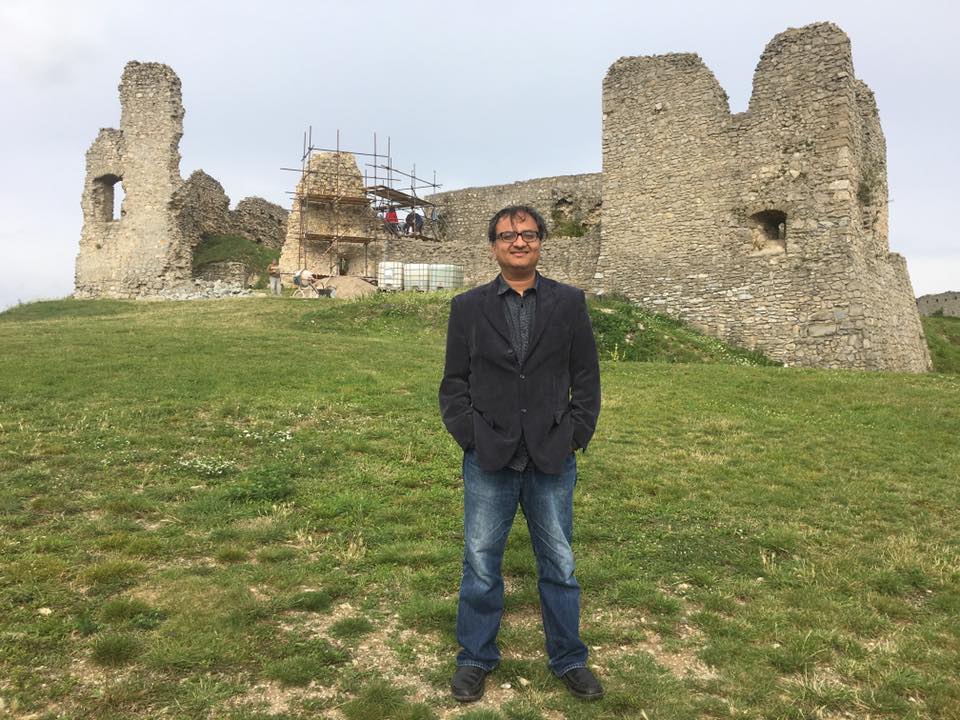 0 Commentarios 0 Acciones 314 Views
- Thank You Palo D. Jablonicky for inviting me to your office and showing me around your lovely city :)
Hope we can give many Laptops away in Slovakia and connect the people together :)Thank You Palo D. Jablonicky for inviting me to your office and showing me around your lovely city :) Hope we can give many Laptops away in Slovakia and connect the people together :)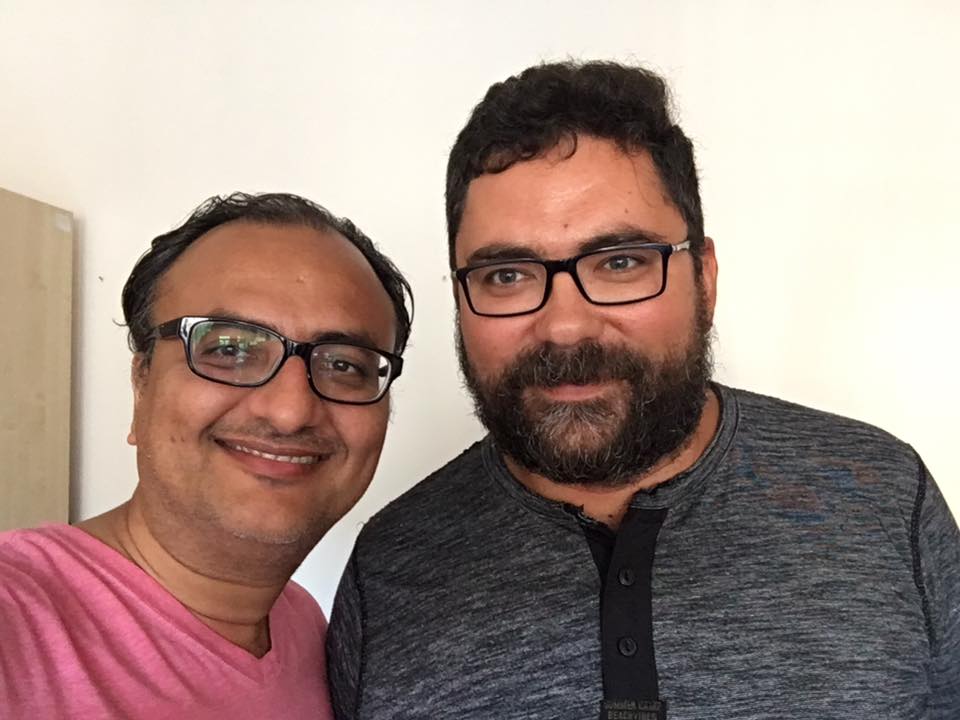 0 Commentarios 0 Acciones 274 Views
Resultados de la búsqueda