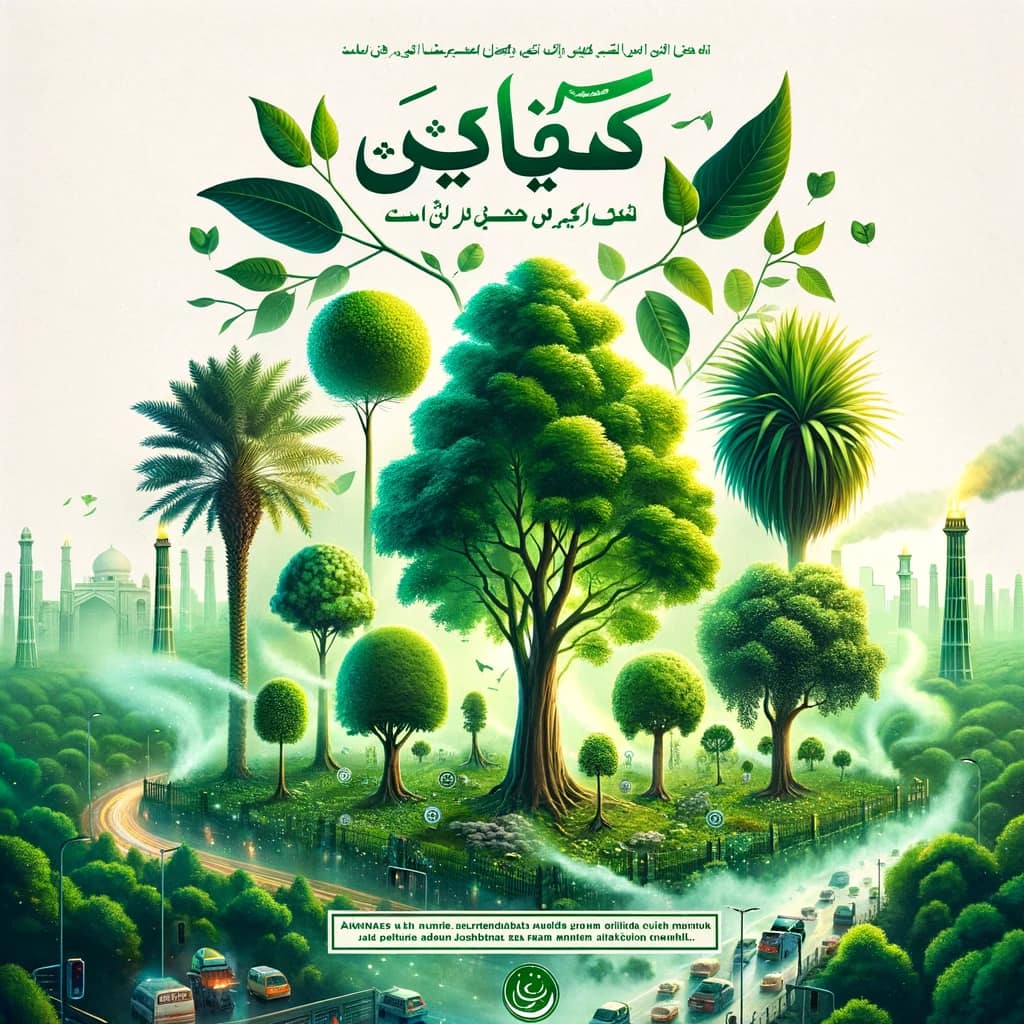
• My Conscience Is Dying A Slow Death.
    By Javaid Jabbar.

    Sometimes in the darkest hour of the night I call on my conscience to see if it is still breathing. Its dying a slow and gradual death
    every single day.

    When I pay for a meal in a fancy restaurant
    an amount which is perhaps the monthly income of the guard who holds the door open, I quickly shrug away that thought. My conscience dies a little.

    When I buy vegetables from the vendor and his son "Chhotu" (a small child who should be studying at school)
    smilingly weighs the potatoes, I look the other way. My conscience dies a little.

    When Im all decked up in a designer suit (a suit that costs a bomb)
    and I see a woman at the crossing in torn clothes, trying unsuccessfully to save her dignity, I immediately roll up my window. My conscience dies a little.

    When I buy expensive gifts for my children and returning home I see half-clad naked children with empty stomachs and hungry eyes selling toys at the red traffic signal, I try to save my conscience by buying some. Yet, my conscience dies a little more.

    When my sick maid who cant come to work sends her daughter to work by making her miss school, I know I should tell the little girl to go to school, but then I look at the loaded sink full of dirty dishes and I tell myself that is just for a couple of days. My conscience dies a little more.

    When I hear about a rape or a murder of a child, I feel sad, yet a little thankful that its not my child. I cannot look at myself in the mirror. My conscience dies a little more.

    When people fight over caste, creed, and religion and I feel hurt and helpless, I tell myself that my country is going to the dogs, and I conveniently blame the corrupt politicians, absolving myself of all responsibilities. My conscience dies a little more.

    When my city is choked and breathing is dangerous in the smog ridden metropolis I take my car to work daily, not taking the public transport, or car pooling. One less car wont make a difference, I tell myself. My conscience dies a little more.

    So when in the darkest hour of the night I visit my conscience and find that it is still breathing I am surprised because bit by bit, day by day, I try to kill it and bury it with my very own hands.
    My Conscience Is Dying A Slow Death. By Javaid Jabbar. Sometimes in the darkest hour of the night I call on my conscience to see if it is still breathing. It's dying a slow and gradual death every single day. When I pay for a meal in a fancy restaurant an amount which is perhaps the monthly income of the guard who holds the door open, I quickly shrug away that thought. My conscience dies a little. When I buy vegetables from the vendor and his son "Chhotu" (a small child who should be studying at school) smilingly weighs the potatoes, I look the other way. My conscience dies a little. When I'm all decked up in a designer suit (a suit that costs a bomb) and I see a woman at the crossing in torn clothes, trying unsuccessfully to save her dignity, I immediately roll up my window. My conscience dies a little. When I buy expensive gifts for my children and returning home I see half-clad naked children with empty stomachs and hungry eyes selling toys at the red traffic signal, I try to save my conscience by buying some. Yet, my conscience dies a little more. When my sick maid who can't come to work sends her daughter to work by making her miss school, I know I should tell the little girl to go to school, but then I look at the loaded sink full of dirty dishes and I tell myself that is just for a couple of days. My conscience dies a little more. When I hear about a rape or a murder of a child, I feel sad, yet a little thankful that it's not my child. I cannot look at myself in the mirror. My conscience dies a little more. When people fight over caste, creed, and religion and I feel hurt and helpless, I tell myself that my country is going to the dogs, and I conveniently blame the corrupt politicians, absolving myself of all responsibilities. My conscience dies a little more. When my city is choked and breathing is dangerous in the smog ridden metropolis I take my car to work daily, not taking the public transport, or car pooling. One less car won't make a difference, I tell myself. My conscience dies a little more. So when in the darkest hour of the night I visit my conscience and find that it is still breathing I am surprised because bit by bit, day by day, I try to kill it and bury it with my very own hands. 🎭🎭🎭🎭🎭🎭🎭🎭
    0 Yorumlar 0 hisse senetleri 822 Views
  • The name America has its origins in the early 16th century and is derived from the Latinized version of the name of the Italian explorer Amerigo Vespucci (1454–1512). Vespucci was among the first to suggest that the lands discovered by Christopher Columbus were part of a “New World,” separate from Asia.

    Origin and History:
    1. Amerigo Vespucci:
    The name “America” is derived from the Latinized version of his first name, Americus (in Latin) or Amerigo (in Italian). Vespucci wrote letters describing the lands he explored in the Americas, and his accounts spread widely in Europe.
    2. Naming by Martin Waldseemüller (1507):
    A German cartographer, Martin Waldseemüller, is credited with naming the continent “America.” In 1507, he published a map titled “Universalis Cosmographia” that labeled the new continent “America” in honor of Vespucci. This was the first recorded instance of the name being used.
    3. Application to Both Continents:
    Initially, “America” referred only to South America, as Vespucci’s explorations focused on that region. Over time, the name expanded to include North America as well.

    Meaning:

    The name “America” itself does not have a specific linguistic meaning but is derived from Vespucci’s name as an acknowledgment of his contributions to the discovery and understanding of the New World.

    Fun Fact:

    While Vespucci’s name is immortalized in the continents’ name, there is historical debate about whether the naming was entirely justified, as Columbus had discovered the New World before Vespucci’s exploration and writings.
    The name America has its origins in the early 16th century and is derived from the Latinized version of the name of the Italian explorer Amerigo Vespucci (1454–1512). Vespucci was among the first to suggest that the lands discovered by Christopher Columbus were part of a “New World,” separate from Asia. Origin and History: 1. Amerigo Vespucci: The name “America” is derived from the Latinized version of his first name, Americus (in Latin) or Amerigo (in Italian). Vespucci wrote letters describing the lands he explored in the Americas, and his accounts spread widely in Europe. 2. Naming by Martin Waldseemüller (1507): A German cartographer, Martin Waldseemüller, is credited with naming the continent “America.” In 1507, he published a map titled “Universalis Cosmographia” that labeled the new continent “America” in honor of Vespucci. This was the first recorded instance of the name being used. 3. Application to Both Continents: Initially, “America” referred only to South America, as Vespucci’s explorations focused on that region. Over time, the name expanded to include North America as well. Meaning: The name “America” itself does not have a specific linguistic meaning but is derived from Vespucci’s name as an acknowledgment of his contributions to the discovery and understanding of the New World. Fun Fact: While Vespucci’s name is immortalized in the continents’ name, there is historical debate about whether the naming was entirely justified, as Columbus had discovered the New World before Vespucci’s exploration and writings.
    0 Yorumlar 0 hisse senetleri 279 Views
  • Air, Cities, and Human Life

    How Where We Live Quietly Decides How Long We Live

    Air is invisible, yet it is the largest daily input into the human body.
    An average adult breathes 20,000 times a day. What enters the lungs enters the blood, the brain, and every organ. Over years, this silently adds or subtracts years of life.

    This essay looks at Karachi, Lahore, Islamabad, Dubai, New York, London, and adds two of the cleanest cities in the world to show the contrast.


    Karachi – A Mixed Toxic Cocktail

    Karachi’s air is polluted mainly due to old vehicles, diesel trucks, factories, power plants, burning garbage, and coastal humidity that traps pollutants. Fine particles (PM2.5) stay suspended and enter deep into the lungs.

    Estimated life lost:
    ➡ 2–3 years of average life expectancy

    Why:
    Long-term exposure increases acid reflux, chronic cough, heart disease, and stroke risk.

    How Karachi’s air can improve:
    1. Phase out old diesel vehicles (biggest single win)
    2. Ban open garbage burning
    3. Shift industries to cleaner fuels
    4. Expand urban trees and coastal wind corridors


    Lahore – The Most Dangerous Among Them

    Lahore suffers from extreme smog, especially in winter. Sources include brick kilns, crop burning, traffic emissions, and weather inversion that traps pollution.

    Estimated life lost:
    ➡ 5–7 years (one of the highest in the world)

    Why:
    PM2.5 levels regularly exceed safe limits by 5–10 times, damaging lungs, heart, brain, and children’s development.

    How Lahore’s air can improve:
    1. Stop crop burning with farmer incentives
    2. Convert brick kilns to zig-zag or electric
    3. Massive public transport shift
    4. Regional (cross-border) pollution agreements


    Islamabad – Cleaner but Not Immune

    Islamabad benefits from green belts and lower traffic, but winter smog and increasing vehicles are slowly degrading air quality.

    Estimated life lost:
    ➡ 1–2 years

    Why:
    Seasonal PM2.5 spikes and pollen allergies.

    How Islamabad’s air can improve:
    1. Preserve green zones strictly
    2. Control vehicle growth early
    3. Promote electric transport before it’s too late


    Dubai – Clean Looking but Dry and Dusty

    Dubai’s pollution comes mainly from desert dust, traffic emissions, and extreme air-conditioning dependence.

    Estimated life lost:
    ➡ 0.8–1.5 years

    Why:
    Dust particles irritate airways; dry air damages throat and vocal cords.

    How Dubai’s air can improve:
    1. More electric transport
    2. Dust-control landscaping
    3. Indoor humidity regulation standards


    New York – Polluted but Controlled

    New York is a dense megacity, but strict laws keep pollution relatively controlled.

    Estimated life lost:
    ➡ 0.5–1 year

    Why:
    Traffic, heating systems, and summer ozone.

    How New York improves air:
    1. Emission standards enforcement
    2. Green buildings
    3. Public transport dominance


    London – Diesel’s Long Shadow

    London’s main issue has been diesel vehicles, especially affecting children.

    Estimated life lost:
    ➡ 0.7–1.2 years

    Why:
    Nitrogen dioxide (NO₂) and fine particles.

    How London improves air:
    1. Ultra-Low Emission Zones (already working)
    2. Diesel bans
    3. Cycling and walking infrastructure


    Two of the Cleanest Cities in the World

    Helsinki, Finland

    Surrounded by forests and sea, powered by clean energy.

    Estimated life lost:
    ➡ 0–0.2 years

    Why so clean:
    Low population density, renewable energy, strong regulation.


    Zurich, Switzerland

    Often ranked among the world’s cleanest cities.

    Estimated life lost:
    ➡ Almost zero

    Why so clean:
    Strict emissions laws, electric transport, urban planning, clean industry.


    Summary Table

    City Estimated Life Lost
    Lahore 5–7 years
    Karachi 2–3 years
    Islamabad 1–2 years
    Dubai 0.8–1.5 years
    London 0.7–1.2 years
    New York 0.5–1 year
    Helsinki 0–0.2 years
    Zurich ≈ 0 years


    The Hard Truth

    Air pollution does not kill loudly.
    It shortens life quietly, breath by breath.

    People often blame food, stress, or genetics, while air alone can steal more years than smoking in polluted cities.


    The Most Effective Fix (Globally)

    If every city did just three things, air would improve dramatically:
    1. Eliminate old diesel vehicles
    2. End open burning (trash, crops, fuel)
    3. Design cities for people, not cars
    Air, Cities, and Human Life How Where We Live Quietly Decides How Long We Live Air is invisible, yet it is the largest daily input into the human body. An average adult breathes 20,000 times a day. What enters the lungs enters the blood, the brain, and every organ. Over years, this silently adds or subtracts years of life. This essay looks at Karachi, Lahore, Islamabad, Dubai, New York, London, and adds two of the cleanest cities in the world to show the contrast. ⸻ Karachi – A Mixed Toxic Cocktail Karachi’s air is polluted mainly due to old vehicles, diesel trucks, factories, power plants, burning garbage, and coastal humidity that traps pollutants. Fine particles (PM2.5) stay suspended and enter deep into the lungs. Estimated life lost: ➡ 2–3 years of average life expectancy Why: Long-term exposure increases acid reflux, chronic cough, heart disease, and stroke risk. How Karachi’s air can improve: 1. Phase out old diesel vehicles (biggest single win) 2. Ban open garbage burning 3. Shift industries to cleaner fuels 4. Expand urban trees and coastal wind corridors ⸻ Lahore – The Most Dangerous Among Them Lahore suffers from extreme smog, especially in winter. Sources include brick kilns, crop burning, traffic emissions, and weather inversion that traps pollution. Estimated life lost: ➡ 5–7 years (one of the highest in the world) Why: PM2.5 levels regularly exceed safe limits by 5–10 times, damaging lungs, heart, brain, and children’s development. How Lahore’s air can improve: 1. Stop crop burning with farmer incentives 2. Convert brick kilns to zig-zag or electric 3. Massive public transport shift 4. Regional (cross-border) pollution agreements ⸻ Islamabad – Cleaner but Not Immune Islamabad benefits from green belts and lower traffic, but winter smog and increasing vehicles are slowly degrading air quality. Estimated life lost: ➡ 1–2 years Why: Seasonal PM2.5 spikes and pollen allergies. How Islamabad’s air can improve: 1. Preserve green zones strictly 2. Control vehicle growth early 3. Promote electric transport before it’s too late ⸻ Dubai – Clean Looking but Dry and Dusty Dubai’s pollution comes mainly from desert dust, traffic emissions, and extreme air-conditioning dependence. Estimated life lost: ➡ 0.8–1.5 years Why: Dust particles irritate airways; dry air damages throat and vocal cords. How Dubai’s air can improve: 1. More electric transport 2. Dust-control landscaping 3. Indoor humidity regulation standards ⸻ New York – Polluted but Controlled New York is a dense megacity, but strict laws keep pollution relatively controlled. Estimated life lost: ➡ 0.5–1 year Why: Traffic, heating systems, and summer ozone. How New York improves air: 1. Emission standards enforcement 2. Green buildings 3. Public transport dominance ⸻ London – Diesel’s Long Shadow London’s main issue has been diesel vehicles, especially affecting children. Estimated life lost: ➡ 0.7–1.2 years Why: Nitrogen dioxide (NO₂) and fine particles. How London improves air: 1. Ultra-Low Emission Zones (already working) 2. Diesel bans 3. Cycling and walking infrastructure ⸻ Two of the Cleanest Cities in the World Helsinki, Finland Surrounded by forests and sea, powered by clean energy. Estimated life lost: ➡ 0–0.2 years Why so clean: Low population density, renewable energy, strong regulation. ⸻ Zurich, Switzerland Often ranked among the world’s cleanest cities. Estimated life lost: ➡ Almost zero Why so clean: Strict emissions laws, electric transport, urban planning, clean industry. ⸻ Summary Table City Estimated Life Lost Lahore 5–7 years Karachi 2–3 years Islamabad 1–2 years Dubai 0.8–1.5 years London 0.7–1.2 years New York 0.5–1 year Helsinki 0–0.2 years Zurich ≈ 0 years ⸻ The Hard Truth Air pollution does not kill loudly. It shortens life quietly, breath by breath. People often blame food, stress, or genetics, while air alone can steal more years than smoking in polluted cities. ⸻ The Most Effective Fix (Globally) If every city did just three things, air would improve dramatically: 1. Eliminate old diesel vehicles 2. End open burning (trash, crops, fuel) 3. Design cities for people, not cars
    0 Yorumlar 0 hisse senetleri 572 Views
  • Yah fog Nahi hay, smog hay
    Yah fog Nahi hay, smog hay
    0 Yorumlar 0 hisse senetleri 9 Views 0
  • Looking for 4 Pakistanis who want to work on solving smog problem from Pakistan #smog #lahoresmog
    Looking for 4 Pakistanis who want to work on solving smog problem from Pakistan 🇵🇰 #smog #lahoresmog
    0 Yorumlar 0 hisse senetleri 13 Views 0
  • Meanwhile in Lahore

    After a car accident a young guy comes out of his Porsche shouting , "Gaadi thok di, Tu jaanta hai mera Baap kaun hai?"

    The other guy comes out of his Merc - slaps the first guy hard and says, "Dhyan se dekh ,main tera Baap hi hoon"

    Now you know how bad the Smog in Lahore is...
    Meanwhile in Lahore After a car accident a young guy comes out of his Porsche shouting , "Gaadi thok di, Tu jaanta hai mera Baap kaun hai?" The other guy comes out of his Merc - slaps the first guy hard and says, "Dhyan se dekh ,main tera Baap hi hoon" Now you know how bad the Smog in Lahore is...😏 😜
    0 Yorumlar 0 hisse senetleri 9 Views
  • Lovely surprise to find wonderful Ahmad Waleed the head of news at Public TV

    We are starting a new lahore clean air group as he has got his lungs polluted due to the air !

    The normal air index is 30 and in lahore it is 600 according to him !

    If you want to work on this issue and meet once a week join this group

    https://chat.whatsapp.com/F1Yk63jMkU0ILHswfewHpa

    #lahoreair #SmogInLahore
    Lovely surprise to find wonderful Ahmad Waleed the head of news at Public TV We are starting a new lahore clean air group as he has got his lungs 🫁 polluted due to the air ! The normal air index is 30 and in lahore it is 600 according to him ! If you want to work on this issue and meet once a week join this group https://chat.whatsapp.com/F1Yk63jMkU0ILHswfewHpa #lahoreair #SmogInLahore
    0 Yorumlar 0 hisse senetleri 17 Views
  • "ہمارے پیارے لاہوریو!

    سموگ ہمارے شہر اور ہماری صحت کے لیے ایک بڑا مسئلہ ہے۔ لیکن ہم اس کا حل خود بن سکتے ہیں! اپنے گھروں اور پارکوں میں یہ درخت لگا کر، ہم سموگ کو کم کر سکتے ہیں:

    1. نیم (Azadirachta indica)
    2. پیپل (Ficus religiosa)
    3. برگد (Ficus benghalensis)
    4. سہجن (Moringa Oleifera)
    5. املتاس (Cassia fistula)
    6. انڈین لارل فگ (Ficus microcarpa)
    7. جامن (Syzygium cumini)

    یہ درخت نہ صرف ہمارے ماحول کو خوبصورت بناتے ہیں بلکہ فضائی آلودگی کو بھی کم کرتے ہیں۔ آئیں مل کر لاہور کو سبز اور صحت مند بنائیں۔

    #سبزلاہور #فضائیآلودگی #درخت_لگاؤ"

    ---

    Translation in English:

    "Dear Lahorians!

    Smog is a major issue for our city and our health. But we can be the solution! By planting these trees in our homes and parks, we can reduce smog:

    1. Neem (Azadirachta indica)
    2. Peepal (Ficus religiosa)
    3. Banyan (Ficus benghalensis)
    4. Moringa (Moringa Oleifera)
    5. Amaltas (Cassia fistula)
    6. Indian Laurel Fig (Ficus microcarpa)
    7. Jamun (Syzygium cumini)

    These trees not only beautify our environment but also reduce air pollution. Lets join hands to make Lahore green and healthy.

    #GreenLahore #AirPollution #PlantTrees"
    "ہمارے پیارے لاہوریو! سموگ ہمارے شہر اور ہماری صحت کے لیے ایک بڑا مسئلہ ہے۔ لیکن ہم اس کا حل خود بن سکتے ہیں! اپنے گھروں اور پارکوں میں یہ درخت لگا کر، ہم سموگ کو کم کر سکتے ہیں: 1. نیم (Azadirachta indica) 2. پیپل (Ficus religiosa) 3. برگد (Ficus benghalensis) 4. سہجن (Moringa Oleifera) 5. املتاس (Cassia fistula) 6. انڈین لارل فگ (Ficus microcarpa) 7. جامن (Syzygium cumini) یہ درخت نہ صرف ہمارے ماحول کو خوبصورت بناتے ہیں بلکہ فضائی آلودگی کو بھی کم کرتے ہیں۔ آئیں مل کر لاہور کو سبز اور صحت مند بنائیں۔ 🌳💚 #سبزلاہور #فضائیآلودگی #درخت_لگاؤ" --- Translation in English: "Dear Lahorians! Smog is a major issue for our city and our health. But we can be the solution! By planting these trees in our homes and parks, we can reduce smog: 1. Neem (Azadirachta indica) 2. Peepal (Ficus religiosa) 3. Banyan (Ficus benghalensis) 4. Moringa (Moringa Oleifera) 5. Amaltas (Cassia fistula) 6. Indian Laurel Fig (Ficus microcarpa) 7. Jamun (Syzygium cumini) These trees not only beautify our environment but also reduce air pollution. Let's join hands to make Lahore green and healthy. 🌳💚 #GreenLahore #AirPollution #PlantTrees"
    0 Yorumlar 0 hisse senetleri 2405 Views
  • Are you worried about smog and climate change ?

    Meet the team and students of Muhammad Awais Rasool who is working on this !

    Connect and interview with them to learn more about what they are doing and tell them about what you are doing !

    #climatechange
    Are you worried about smog and climate change ? Meet the team and students of Muhammad Awais Rasool who is working on this ! Connect and interview with them to learn more about what they are doing and tell them about what you are doing ! #climatechange
    0 Yorumlar 0 hisse senetleri 592 Views
  • Yah fog Nahi hay, smog hay
    Yah fog Nahi hay, smog hay
    0 Yorumlar 0 hisse senetleri 53 Views 0
Arama Sonuçları