Why Do We Like What We Like?
The Science Behind Human Preferences
Human beings live in a world of choices. From the food we eat, the clothes we wear, the people we befriend, to the careers we pursue—our lives are shaped by what we “like.” But what determines these likes and dislikes? Why do we prefer certain things while others leave us indifferent—or even repulsed? The answer lies in a fascinating interplay of biology, psychology, culture, and personal experience.
⸻
1. The Biological Basis of Preferences
At the most fundamental level, our likes are deeply influenced by biology and evolution.
• Survival and Reproduction:
Humans evolved to like things that enhanced survival. Sweetness in food, for example, signals high-calorie content. This is why people across cultures generally like sugar—it meant energy and survival for our ancestors. Similarly, we tend to find fertile, healthy-looking individuals attractive because those traits historically indicated reproductive success.
• Neurochemistry of Pleasure:
The human brain is wired with a “reward system.” When we do something pleasurable—like eating chocolate, listening to music, or achieving a goal—our brain releases dopamine, a neurotransmitter linked to feelings of pleasure and motivation. Over time, our brain learns to “like” the things that consistently trigger this reward system.
• Genetics:
Studies show that up to 50% of personality traits and preferences may be heritable. For example, some people are genetically more sensitive to bitter tastes (due to variations in the TAS2R38 gene), which influences whether they like or dislike vegetables like broccoli. Similarly, genes may predispose us to be thrill-seekers or risk-averse, shaping our preferences in lifestyle and careers.
⸻
2. The Role of the Brain and Perception
• Sensory Processing:
What we like is also determined by how our brain processes sensory input. Some people are highly sensitive to certain smells, sounds, or colors, which can affect their likes. For instance, a preference for bright colors may come from heightened visual stimulation in the brain.
• Memory and Association:
Preferences are often linked to memories. If you ate mangoes during joyful childhood summers, you may “like” mangoes not just for the taste but also because your brain associates them with happiness and safety. Psychologists call this associative learning.
• Habituation and Novelty:
The brain has a paradoxical tendency: it likes what is familiar but is also drawn to novelty. We enjoy our favorite foods because of familiarity, yet we also seek new experiences because novelty activates the brain’s reward pathways. This balance ensures we stick to safe options while still exploring new opportunities.
⸻
3. Psychological and Emotional Factors
• Personality:
An extrovert may like social gatherings because they recharge their energy through interactions, while an introvert may prefer solitude or smaller groups. Our likes often mirror our personality traits, which are partly genetic and partly shaped by environment.
• Emotions and Mood:
What we like at a given time can shift depending on our emotional state. When sad, people may like comfort foods (such as ice cream), whereas during celebrations, they may prefer lively music and gatherings.
• Conditioning:
Classical and operant conditioning also shape likes. For example, if a child is praised every time they play the piano, they may grow to “like” music. Conversely, a negative experience—like food poisoning from seafood—can create a lifelong dislike.
⸻
4. Cultural and Social Influences
• Cultural Background:
Culture strongly shapes what we like. While fermented foods are delicacies in some Asian cultures, they may seem unpleasant to others. Beauty standards also vary across societies—fair skin may be admired in some places, while tanned skin is seen as attractive elsewhere.
• Social Validation:
Humans are social animals. Sometimes we like things simply because others around us do. Psychologists call this social conformity. For instance, if everyone in your peer group enjoys a new song, you may also begin to like it, even if you didn’t initially.
• Trends and Media:
Social media, movies, and advertising play a powerful role in shaping preferences. Repeated exposure (the “mere exposure effect”) can make us like things we didn’t notice before.
⸻
5. The Dynamic Nature of Likes
Our likes are not fixed. They evolve as we grow, learn, and experience new things.
• Developmental Changes:
Children are naturally drawn to sweet foods, but adults often develop appreciation for bitter flavors like coffee or dark chocolate. This shift is partly biological (taste bud sensitivity decreases with age) and partly psychological (exposure and social influence).
• Life Experiences:
Traumatic or positive experiences can permanently alter preferences. Someone who survives a car accident may dislike fast driving, while someone who travels extensively may develop a love for diverse cuisines.
• Neuroplasticity:
The brain’s ability to rewire itself means likes can be trained. Musicians, for instance, may develop a liking for complex compositions that non-musicians find “too much,” simply because their brains adapt to process music differently.
⸻
6. Scientific Studies and Evidence
• A 2016 study in Nature Neuroscience showed that preferences in music activate the same brain areas involved in predicting rewards, linking liking directly to dopamine circuits.
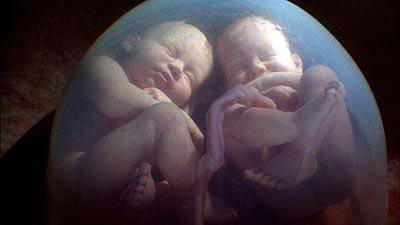
• Research in behavioral genetics shows that identical twins, even when raised apart, often share similar likes and dislikes—evidence of strong genetic influence.
• Studies on consumer psychology reveal that “branding” can trick the brain: in blind taste tests, people rate Pepsi higher than Coca-Cola, but when shown labels, Coca-Cola is rated higher—showing how perception and identity shape preferences.
⸻
Conclusion
The question “Why do we like what we like?” cannot be answered by a single factor. Instead, our preferences emerge from a complex interplay of biology (genes, brain chemistry), psychology (memories, emotions, personality), culture (society, media, trends), and personal experiences.
Ultimately, liking is both an ancient survival tool and a deeply personal expression of who we are. It reflects our past experiences, current state, and even our aspirations for the future. Understanding why we like what we like not only gives insight into human behavior but also empowers us to reflect: are our likes truly ours, or are they shaped by forces we barely notice?
Why Do We Like What We Like?
The Science Behind Human Preferences
Human beings live in a world of choices. From the food we eat, the clothes we wear, the people we befriend, to the careers we pursue—our lives are shaped by what we “like.” But what determines these likes and dislikes? Why do we prefer certain things while others leave us indifferent—or even repulsed? The answer lies in a fascinating interplay of biology, psychology, culture, and personal experience.
⸻
1. The Biological Basis of Preferences
At the most fundamental level, our likes are deeply influenced by biology and evolution.
• Survival and Reproduction:
Humans evolved to like things that enhanced survival. Sweetness in food, for example, signals high-calorie content. This is why people across cultures generally like sugar—it meant energy and survival for our ancestors. Similarly, we tend to find fertile, healthy-looking individuals attractive because those traits historically indicated reproductive success.
• Neurochemistry of Pleasure:
The human brain is wired with a “reward system.” When we do something pleasurable—like eating chocolate, listening to music, or achieving a goal—our brain releases dopamine, a neurotransmitter linked to feelings of pleasure and motivation. Over time, our brain learns to “like” the things that consistently trigger this reward system.
• Genetics:
Studies show that up to 50% of personality traits and preferences may be heritable. For example, some people are genetically more sensitive to bitter tastes (due to variations in the TAS2R38 gene), which influences whether they like or dislike vegetables like broccoli. Similarly, genes may predispose us to be thrill-seekers or risk-averse, shaping our preferences in lifestyle and careers.
⸻
2. The Role of the Brain and Perception
• Sensory Processing:
What we like is also determined by how our brain processes sensory input. Some people are highly sensitive to certain smells, sounds, or colors, which can affect their likes. For instance, a preference for bright colors may come from heightened visual stimulation in the brain.
• Memory and Association:
Preferences are often linked to memories. If you ate mangoes during joyful childhood summers, you may “like” mangoes not just for the taste but also because your brain associates them with happiness and safety. Psychologists call this associative learning.
• Habituation and Novelty:
The brain has a paradoxical tendency: it likes what is familiar but is also drawn to novelty. We enjoy our favorite foods because of familiarity, yet we also seek new experiences because novelty activates the brain’s reward pathways. This balance ensures we stick to safe options while still exploring new opportunities.
⸻
3. Psychological and Emotional Factors
• Personality:
An extrovert may like social gatherings because they recharge their energy through interactions, while an introvert may prefer solitude or smaller groups. Our likes often mirror our personality traits, which are partly genetic and partly shaped by environment.
• Emotions and Mood:
What we like at a given time can shift depending on our emotional state. When sad, people may like comfort foods (such as ice cream), whereas during celebrations, they may prefer lively music and gatherings.
• Conditioning:
Classical and operant conditioning also shape likes. For example, if a child is praised every time they play the piano, they may grow to “like” music. Conversely, a negative experience—like food poisoning from seafood—can create a lifelong dislike.
⸻
4. Cultural and Social Influences
• Cultural Background:
Culture strongly shapes what we like. While fermented foods are delicacies in some Asian cultures, they may seem unpleasant to others. Beauty standards also vary across societies—fair skin may be admired in some places, while tanned skin is seen as attractive elsewhere.
• Social Validation:
Humans are social animals. Sometimes we like things simply because others around us do. Psychologists call this social conformity. For instance, if everyone in your peer group enjoys a new song, you may also begin to like it, even if you didn’t initially.
• Trends and Media:
Social media, movies, and advertising play a powerful role in shaping preferences. Repeated exposure (the “mere exposure effect”) can make us like things we didn’t notice before.
⸻
5. The Dynamic Nature of Likes
Our likes are not fixed. They evolve as we grow, learn, and experience new things.
• Developmental Changes:
Children are naturally drawn to sweet foods, but adults often develop appreciation for bitter flavors like coffee or dark chocolate. This shift is partly biological (taste bud sensitivity decreases with age) and partly psychological (exposure and social influence).
• Life Experiences:
Traumatic or positive experiences can permanently alter preferences. Someone who survives a car accident may dislike fast driving, while someone who travels extensively may develop a love for diverse cuisines.
• Neuroplasticity:
The brain’s ability to rewire itself means likes can be trained. Musicians, for instance, may develop a liking for complex compositions that non-musicians find “too much,” simply because their brains adapt to process music differently.
⸻
6. Scientific Studies and Evidence
• A 2016 study in Nature Neuroscience showed that preferences in music activate the same brain areas involved in predicting rewards, linking liking directly to dopamine circuits.
• Research in behavioral genetics shows that identical twins, even when raised apart, often share similar likes and dislikes—evidence of strong genetic influence.
• Studies on consumer psychology reveal that “branding” can trick the brain: in blind taste tests, people rate Pepsi higher than Coca-Cola, but when shown labels, Coca-Cola is rated higher—showing how perception and identity shape preferences.
⸻
Conclusion
The question “Why do we like what we like?” cannot be answered by a single factor. Instead, our preferences emerge from a complex interplay of biology (genes, brain chemistry), psychology (memories, emotions, personality), culture (society, media, trends), and personal experiences.
Ultimately, liking is both an ancient survival tool and a deeply personal expression of who we are. It reflects our past experiences, current state, and even our aspirations for the future. Understanding why we like what we like not only gives insight into human behavior but also empowers us to reflect: are our likes truly ours, or are they shaped by forces we barely notice?
0 Commentaires
0 Parts
2524 Vue