• Mohsin
    #RSF8
    #canvapost15
    Class: Foundation level
    Roool No:13
    Made by Me

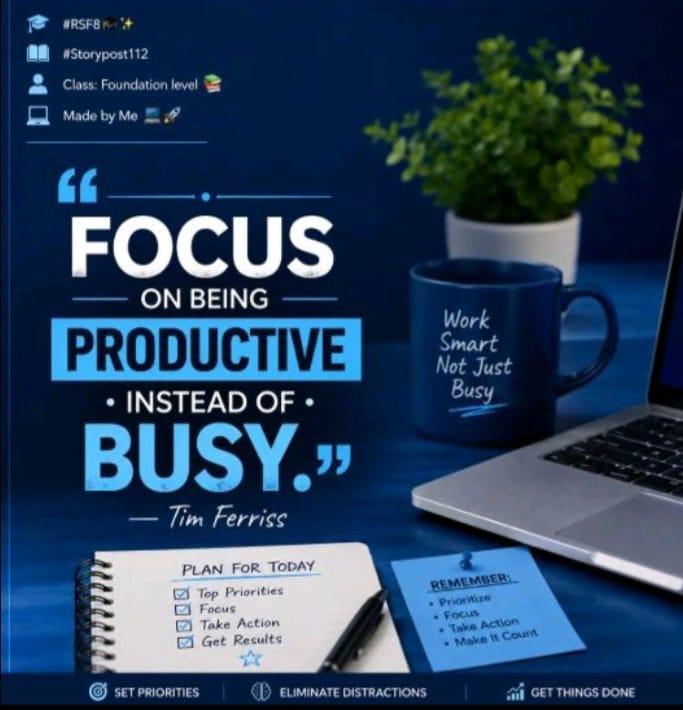
    **"Focus on being productive instead of busy." — Tim Ferriss**

    In today's fast-paced world, many people spend their entire day moving from one task to another, believing that being busy automatically means they are making progress. However, there is a huge difference between being **busy** and being **productive**. Being busy often means filling your schedule with countless activities, while being productive means focusing on the tasks that truly matter and create meaningful results.

    Productivity is not about working longer hours—it's about working with purpose. Every successful person understands the importance of setting clear priorities, managing time wisely, and avoiding unnecessary distractions. Instead of trying to do everything at once, focus on completing the most important tasks with excellence. One meaningful achievement is always more valuable than a long list of unfinished activities.

    Every small step you take with consistency brings you closer to your dreams. Don't compare your journey with others or measure success by how busy your day looks. Measure it by the progress you've made, the lessons you've learned, and the positive impact you've created. Stay disciplined, keep learning, and remember that success is built through smart decisions made every single day.

    Take a few moments each morning to plan your day, identify your top priorities, and commit to finishing what truly matters. Eliminate distractions, believe in your abilities, and use your time as your greatest investment. Your future is shaped by the choices you make today, so choose to be productive, stay focused, and keep moving forward with confidence.

    **Work with purpose.**
    **Focus on what matters.**
    **Create progress every day.**
    **Turn your goals into achievements.**

    #Productivity #Focus #TimFerriss #WorkSmart #Success #GrowthMindset #SelfImprovement #Discipline #Motivation #Inspiration #GoalSetter #PositiveMindset #TimeManagement #NeverStopLearning #DailyMotivation #PersonalGrowth #CanvaPost #RSF8 #FoundationLevel
    Mohsin #RSF8🎓✨ #canvapost15 Class: Foundation level 📚 Roool No:13 Made by Me 💻🚀 🚀 **"Focus on being productive instead of busy." — Tim Ferriss** 💙 In today's fast-paced world, many people spend their entire day moving from one task to another, believing that being busy automatically means they are making progress. However, there is a huge difference between being **busy** and being **productive**. Being busy often means filling your schedule with countless activities, while being productive means focusing on the tasks that truly matter and create meaningful results. 🎯 Productivity is not about working longer hours—it's about working with purpose. Every successful person understands the importance of setting clear priorities, managing time wisely, and avoiding unnecessary distractions. Instead of trying to do everything at once, focus on completing the most important tasks with excellence. One meaningful achievement is always more valuable than a long list of unfinished activities. 📚✨ Every small step you take with consistency brings you closer to your dreams. Don't compare your journey with others or measure success by how busy your day looks. Measure it by the progress you've made, the lessons you've learned, and the positive impact you've created. Stay disciplined, keep learning, and remember that success is built through smart decisions made every single day. 💪🌱 Take a few moments each morning to plan your day, identify your top priorities, and commit to finishing what truly matters. Eliminate distractions, believe in your abilities, and use your time as your greatest investment. Your future is shaped by the choices you make today, so choose to be productive, stay focused, and keep moving forward with confidence. 🚀💙 ✨ **Work with purpose.** 🎯 **Focus on what matters.** 📈 **Create progress every day.** 🌟 **Turn your goals into achievements.** #Productivity #Focus #TimFerriss #WorkSmart #Success #GrowthMindset #SelfImprovement #Discipline #Motivation #Inspiration #GoalSetter #PositiveMindset #TimeManagement #NeverStopLearning #DailyMotivation #PersonalGrowth #CanvaPost #RSF8 #FoundationLevel 🎓✨🚀
    0 Reacties 0 aandelen 1353 Views
  • #rsisb
    RollNo.247
    Foundation Level

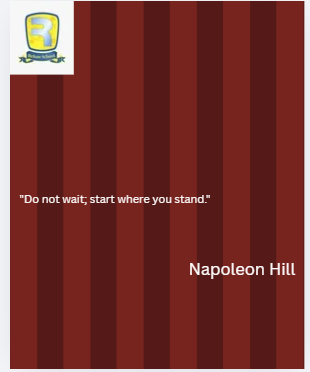
    "Do not wait; start where you stand." — Napoleon Hill

    Success doesn't begin when everything is perfect—it begins the moment you decide to take the first step. Too many dreams remain unfinished because people wait for the "right time," the "perfect opportunity," or the "best resources." The truth is, there is no perfect moment. The best time to begin is now, with what you already have.

    Every successful person once stood exactly where you are today—uncertain, inexperienced, and full of questions. What made the difference was not luck but the courage to start. Small actions taken consistently create extraordinary results over time. Every chapter you read, every skill you learn, every challenge you overcome, and every effort you make brings you one step closer to your goals.

    Don't compare your beginning to someone else's success. Focus on your own journey, believe in your abilities, and keep moving forward even when progress feels slow. Remember, great achievements are built one step at a time.

    Today is your opportunity to turn your dreams into reality. Don't wait for permission. Don't wait for perfection. Start where you stand, use what you have, and become the person you were meant to be. Your future self will thank you for taking that first step today.

    Believe in yourself. Stay consistent. Keep learning. Never give up. Your journey starts NOW!

    #NapoleonHill #StartNow #TakeTheFirstStep #SuccessMindset #DreamBig #BelieveInYourself #GrowthMindset #Motivation #Inspiration #SelfImprovement #NeverGiveUp #PositiveThinking #SuccessJourney #PersonalGrowth #HardWorkPaysOff #Discipline #Goals #MindsetMatters #KeepMovingForward #AchieveGreatness
    #rsisb RollNo.247 Foundation Level 🌟 "Do not wait; start where you stand." — Napoleon Hill 🌟 Success doesn't begin when everything is perfect—it begins the moment you decide to take the first step. 💪 Too many dreams remain unfinished because people wait for the "right time," the "perfect opportunity," or the "best resources." The truth is, there is no perfect moment. The best time to begin is now, with what you already have. 🚀 Every successful person once stood exactly where you are today—uncertain, inexperienced, and full of questions. What made the difference was not luck but the courage to start. 🌱 Small actions taken consistently create extraordinary results over time. Every chapter you read, every skill you learn, every challenge you overcome, and every effort you make brings you one step closer to your goals. 📚✨ Don't compare your beginning to someone else's success. Focus on your own journey, believe in your abilities, and keep moving forward even when progress feels slow. Remember, great achievements are built one step at a time. 🌍🏆 Today is your opportunity to turn your dreams into reality. Don't wait for permission. Don't wait for perfection. Start where you stand, use what you have, and become the person you were meant to be. Your future self will thank you for taking that first step today. ❤️🔥 ✨ Believe in yourself. Stay consistent. Keep learning. Never give up. Your journey starts NOW! 💯🚀 #NapoleonHill #StartNow #TakeTheFirstStep #SuccessMindset #DreamBig #BelieveInYourself #GrowthMindset #Motivation #Inspiration #SelfImprovement #NeverGiveUp #PositiveThinking #SuccessJourney #PersonalGrowth #HardWorkPaysOff #Discipline #Goals #MindsetMatters #KeepMovingForward #AchieveGreatness
    0 Reacties 0 aandelen 5809 Views
  • Essay: “When I Was Clever, I Tried to Change the World…”
    Inspired by Rumi’s Wisdom

    ⸻

    There’s a famous quote by Jalaluddin Rumi:

    “Yesterday I was clever, so I wanted to change the world.
    Today I am wise, so I am changing myself.”

    This single line carries the weight of centuries of frustration, evolution, and truth. It whispers what most of us spend a lifetime learning — that the key to changing the world lies not in preaching louder, but in living better.

    ⸻

    The Mirror Called “The World”

    The world is not separate from us. It is a reflection of our collective minds, our inner turmoils, and our unfinished business. We see chaos because we are chaotic. We see lies because we lie to ourselves. We see hate because we haven’t loved enough — not even our own flaws.

    When we complain that the world is selfish, rude, dishonest, violent, or broken… the question isn’t “Why is the world like this?”
    The real question is:
    “How much of that lives inside me?”

    ⸻

    “But They’re Wrong!” — And That’s Okay

    Everywhere we look — Twitter, Instagram, Facebook, street corners, dinner tables — everyone is playing referee.
    “You’re wrong.”
    “You should do this.”
    “You need to think like this.”

    But no one ever changed the world by yelling louder than the other person. Nobody became noble by winning an argument in the comments section.

    Correcting others is easy. Correcting ourselves? That’s war.
    And most of us don’t want that battle. Because it’s private.
    It doesn’t give likes. It doesn’t trend.
    It doesn’t feel like “activism.”

    But the truth is… self-improvement is the most revolutionary act.

    ⸻

    Smiling at Mistakes — The Real Meditation

    When we see someone doing wrong — lying, cheating, being lazy, rude, or angry — what if we smiled?
    Not with arrogance.
    But with awareness.

    “Ah… there’s a part of me in that, too.
    Maybe not now, maybe not in public — but I know that energy.”

    Instead of reacting, we reflect.
    Instead of judging, we upgrade.
    That’s how energy shifts.
    That’s how we become better.

    ⸻

    Where Are the Living Role Models?

    We talk about Prophet Muhammad (PBUH), Gandhi, Rumi, Mandela, and so many more — but they’re not on Instagram today.
    They’re not uploading stories.
    They’re not making reels.

    So, who is?
    We are.

    But we’re hiding.
    The kind people, the honest souls, the ones who are evolving — they’re too quiet.
    The wise are silent. The fools are viral.
    Why?
    Because we think being good is “private.” But being a good example is public service.

    ⸻

    You Want to Change the World? Clean Your Room.

    Start small.
    Smile first.
    Help someone who didn’t ask.
    Turn off the need to correct everyone.
    Turn on the mirror.

    Let your kindness be louder than your advice.
    Let your evolution be more attractive than your opinions.
    Let your peace become someone else’s inspiration.

    ⸻

    Final Thought

    If the whole world tried to change the world, we’d burn out in argument and war.
    But if everyone just tried to become the best version of themselves,
    we’d accidentally create heaven on Earth.

    And maybe, just maybe…
    That’s what Rumi meant when he became wise.
    🌱 Essay: “When I Was Clever, I Tried to Change the World…” Inspired by Rumi’s Wisdom ⸻ There’s a famous quote by Jalaluddin Rumi: “Yesterday I was clever, so I wanted to change the world. Today I am wise, so I am changing myself.” This single line carries the weight of centuries of frustration, evolution, and truth. It whispers what most of us spend a lifetime learning — that the key to changing the world lies not in preaching louder, but in living better. ⸻ 🪞 The Mirror Called “The World” The world is not separate from us. It is a reflection of our collective minds, our inner turmoils, and our unfinished business. We see chaos because we are chaotic. We see lies because we lie to ourselves. We see hate because we haven’t loved enough — not even our own flaws. When we complain that the world is selfish, rude, dishonest, violent, or broken… the question isn’t “Why is the world like this?” The real question is: “How much of that lives inside me?” ⸻ 😤 “But They’re Wrong!” — And That’s Okay Everywhere we look — Twitter, Instagram, Facebook, street corners, dinner tables — everyone is playing referee. “You’re wrong.” “You should do this.” “You need to think like this.” But no one ever changed the world by yelling louder than the other person. Nobody became noble by winning an argument in the comments section. Correcting others is easy. Correcting ourselves? That’s war. And most of us don’t want that battle. Because it’s private. It doesn’t give likes. It doesn’t trend. It doesn’t feel like “activism.” But the truth is… self-improvement is the most revolutionary act. ⸻ 🌸 Smiling at Mistakes — The Real Meditation When we see someone doing wrong — lying, cheating, being lazy, rude, or angry — what if we smiled? Not with arrogance. But with awareness. “Ah… there’s a part of me in that, too. Maybe not now, maybe not in public — but I know that energy.” Instead of reacting, we reflect. Instead of judging, we upgrade. That’s how energy shifts. That’s how we become better. ⸻ 🔥 Where Are the Living Role Models? We talk about Prophet Muhammad (PBUH), Gandhi, Rumi, Mandela, and so many more — but they’re not on Instagram today. They’re not uploading stories. They’re not making reels. So, who is? We are. But we’re hiding. The kind people, the honest souls, the ones who are evolving — they’re too quiet. The wise are silent. The fools are viral. Why? Because we think being good is “private.” But being a good example is public service. ⸻ ✨ You Want to Change the World? Clean Your Room. Start small. Smile first. Help someone who didn’t ask. Turn off the need to correct everyone. Turn on the mirror. Let your kindness be louder than your advice. Let your evolution be more attractive than your opinions. Let your peace become someone else’s inspiration. ⸻ 💡 Final Thought If the whole world tried to change the world, we’d burn out in argument and war. But if everyone just tried to become the best version of themselves, we’d accidentally create heaven on Earth. And maybe, just maybe… That’s what Rumi meant when he became wise.
    0 Reacties 0 aandelen 917 Views
  • Manifesto of New Physics

    We, the generation living at the dawn of Artificial Intelligence, declare that the time has come to invent New Physics.

    For centuries, humanity has looked at the stars, the atoms, and the mysteries of time with wonder. Newton gave us motion. Einstein gave us relativity. Quantum mechanics revealed the strangeness of particles. Yet even today, our most advanced theories leave us with unanswered questions:
    • What is dark matter and dark energy, which make up most of the universe?
    • Why does quantum entanglement defy the speed of light?
    • What is time — a dimension, an illusion, or something deeper?
    • How does consciousness emerge from matter?

    These questions are not failures of physics. They are open doors.

    And now, for the first time in history, we have a partner that no Newton, Einstein, or Feynman ever had: Artificial Intelligence.

    ⸻

    Our Principles
    1. New Physics begins with curiosity. Every unanswered mystery is an opportunity to create new laws.
    2. AI is our collaborator. It can read, compare, simulate, and propose ideas at a scale no single human can achieve.
    3. Mathematics is language, not prison. We will invent new symbols and structures when old ones fail.
    4. Thought experiments matter. Just as Einstein imagined riding a beam of light, we will imagine realities beyond today’s limits—with AI as our co-dreamer.
    5. Democratize discovery. A student in Karachi or Kathmandu has as much right to invent physics as a professor at Princeton. AI makes this possible.
    6. The universe is unfinished. Our role is not just to observe it, but to participate in discovering new laws that govern it.

    ⸻

    Our Mission
    • To create frameworks that unite quantum mechanics and relativity.
    • To explore time, space, energy, and consciousness as a unified field.
    • To publish ideas openly, so that every curious mind can test and refine them.
    • To build communities, institutes, and schools where New Physics is practiced, not just taught.

    ⸻

    Our Call

    Let every thinker, student, and dreamer join this movement. Do not be afraid of being “wrong.” Every wrong equation is one step closer to truth. The physics of tomorrow will not be born in silence — it will be born in collaboration, in courage, and in the shared vision of a humanity unafraid to ask:

    What if the universe is waiting for us to discover its next law?

    ⸻

    This is the birth of New Physics.
    We declare it today, with Artificial Intelligence as our partner.
    📜 Manifesto of New Physics We, the generation living at the dawn of Artificial Intelligence, declare that the time has come to invent New Physics. For centuries, humanity has looked at the stars, the atoms, and the mysteries of time with wonder. Newton gave us motion. Einstein gave us relativity. Quantum mechanics revealed the strangeness of particles. Yet even today, our most advanced theories leave us with unanswered questions: • What is dark matter and dark energy, which make up most of the universe? • Why does quantum entanglement defy the speed of light? • What is time — a dimension, an illusion, or something deeper? • How does consciousness emerge from matter? These questions are not failures of physics. They are open doors. And now, for the first time in history, we have a partner that no Newton, Einstein, or Feynman ever had: Artificial Intelligence. ⸻ Our Principles 1. New Physics begins with curiosity. Every unanswered mystery is an opportunity to create new laws. 2. AI is our collaborator. It can read, compare, simulate, and propose ideas at a scale no single human can achieve. 3. Mathematics is language, not prison. We will invent new symbols and structures when old ones fail. 4. Thought experiments matter. Just as Einstein imagined riding a beam of light, we will imagine realities beyond today’s limits—with AI as our co-dreamer. 5. Democratize discovery. A student in Karachi or Kathmandu has as much right to invent physics as a professor at Princeton. AI makes this possible. 6. The universe is unfinished. Our role is not just to observe it, but to participate in discovering new laws that govern it. ⸻ Our Mission • To create frameworks that unite quantum mechanics and relativity. • To explore time, space, energy, and consciousness as a unified field. • To publish ideas openly, so that every curious mind can test and refine them. • To build communities, institutes, and schools where New Physics is practiced, not just taught. ⸻ Our Call Let every thinker, student, and dreamer join this movement. Do not be afraid of being “wrong.” Every wrong equation is one step closer to truth. The physics of tomorrow will not be born in silence — it will be born in collaboration, in courage, and in the shared vision of a humanity unafraid to ask: What if the universe is waiting for us to discover its next law? ⸻ 🌍 This is the birth of New Physics. We declare it today, with Artificial Intelligence as our partner.
    0 Reacties 0 aandelen 1255 Views
  • The Story of SAARC

    In the years after independence, the countries of South Asia shared more than borders. They shared history, culture, languages, and above all, struggles. Poverty was widespread, education levels were low, and economies remained fragile. While Europe was learning to unite under the European Union and Southeast Asia was coming together through ASEAN, South Asia remained divided, mostly because of political mistrust.

    It was in this environment that President Ziaur Rahman of Bangladesh in the late 1970s began to dream of something different. He believed that the nations of South Asia could achieve far more if they stood together than if they worked alone. His proposal for a regional organization was not immediately welcomed—skepticism and suspicion ran high, particularly between India and Pakistan. Yet the idea slowly gained ground.

    Through a series of ministerial meetings in the early 1980s, the concept took shape. Leaders realized that they all faced common challenges: how to lift millions out of poverty, how to improve health and literacy, how to strengthen economies, and how to deal with disasters that so often struck the region. Working together could not erase political disputes, but it might build trust and deliver progress for ordinary people.

    Finally, on 8 December 1985, in Dhaka, Bangladesh, leaders of seven nations—Bangladesh, Bhutan, India, Maldives, Nepal, Pakistan, and Sri Lanka—signed a charter and gave birth to the South Asian Association for Regional Cooperation (SAARC). For the first time, South Asia had its own platform to speak as a region. There was excitement, hope, and a sense of new beginnings.

    The goals were ambitious yet simple: promote economic growth, foster social progress, celebrate cultural ties, and build peace. Later, in 2007, Afghanistan joined as the eighth member, broadening the family. Over the years, SAARC launched projects in education, agriculture, technology, health, and even disaster management. The creation of SAFTA (South Asian Free Trade Area) in 2006 was seen as a bold step toward economic integration.

    But the journey was not smooth. Political rivalries—especially between India and Pakistan—often froze dialogue. Summits were postponed, agreements stayed on paper, and the vision of a united South Asia never fully blossomed. While ASEAN surged ahead in trade and the EU built a common market, SAARC struggled to move beyond speeches and declarations.

    Today, nearly four decades later, #SAARC remains a symbol of both promise and frustration. It showed that South Asian leaders could dream of working together, but it also revealed how deep political divides can stall even the most hopeful visions. Still, the idea of SAARC continues to inspire—because the challenges of poverty, climate change, health, and regional trade are too large for any one country to solve alone.

    The story of SAARC is unfinished. It is the story of a region that knows it can rise higher if united, yet still searches for the courage to overcome mistrust and truly walk forward together.
    The Story of SAARC In the years after independence, the countries of South Asia shared more than borders. They shared history, culture, languages, and above all, struggles. Poverty was widespread, education levels were low, and economies remained fragile. While Europe was learning to unite under the European Union and Southeast Asia was coming together through ASEAN, South Asia remained divided, mostly because of political mistrust. It was in this environment that President Ziaur Rahman of Bangladesh in the late 1970s began to dream of something different. He believed that the nations of South Asia could achieve far more if they stood together than if they worked alone. His proposal for a regional organization was not immediately welcomed—skepticism and suspicion ran high, particularly between India and Pakistan. Yet the idea slowly gained ground. Through a series of ministerial meetings in the early 1980s, the concept took shape. Leaders realized that they all faced common challenges: how to lift millions out of poverty, how to improve health and literacy, how to strengthen economies, and how to deal with disasters that so often struck the region. Working together could not erase political disputes, but it might build trust and deliver progress for ordinary people. Finally, on 8 December 1985, in Dhaka, Bangladesh, leaders of seven nations—Bangladesh, Bhutan, India, Maldives, Nepal, Pakistan, and Sri Lanka—signed a charter and gave birth to the South Asian Association for Regional Cooperation (SAARC). For the first time, South Asia had its own platform to speak as a region. There was excitement, hope, and a sense of new beginnings. The goals were ambitious yet simple: promote economic growth, foster social progress, celebrate cultural ties, and build peace. Later, in 2007, Afghanistan joined as the eighth member, broadening the family. Over the years, SAARC launched projects in education, agriculture, technology, health, and even disaster management. The creation of SAFTA (South Asian Free Trade Area) in 2006 was seen as a bold step toward economic integration. But the journey was not smooth. Political rivalries—especially between India and Pakistan—often froze dialogue. Summits were postponed, agreements stayed on paper, and the vision of a united South Asia never fully blossomed. While ASEAN surged ahead in trade and the EU built a common market, SAARC struggled to move beyond speeches and declarations. Today, nearly four decades later, #SAARC remains a symbol of both promise and frustration. It showed that South Asian leaders could dream of working together, but it also revealed how deep political divides can stall even the most hopeful visions. Still, the idea of SAARC continues to inspire—because the challenges of poverty, climate change, health, and regional trade are too large for any one country to solve alone. The story of SAARC is unfinished. It is the story of a region that knows it can rise higher if united, yet still searches for the courage to overcome mistrust and truly walk forward together.
    0 Reacties 0 aandelen 1602 Views
  • Chapter 5 — Problems Are Hidden Opportunities

    Most people run away from problems.

    They complain about them.
    They blame others for them.
    They wait for someone older, richer, or more powerful to fix them.

    Builders do the opposite.

    They move toward problems.

    Because every problem is proof that value is missing — and wherever value is missing, opportunity is waiting.

    ⸻

    Why Problems Exist in the First Place

    If a problem still exists, it means one of three things:
    1. No one has noticed it clearly
    2. People have noticed it but don’t care enough
    3. People care, but the solution is too expensive, slow, or complicated

    This is important.

    The world is not full of unsolvable problems.
    It is full of unsolved problems.

    And unsolved problems are not curses — they are open invitations.

    ⸻

    Why Most People Don’t See Opportunities

    Two people can face the same problem.
    • One says: “This country is broken.”
    • The other says: “Why is this system inefficient?”

    One complains.
    The other investigates.

    The difference is not intelligence.
    The difference is orientation.

    Most people were trained to:
    • Avoid mistakes
    • Avoid risk
    • Avoid responsibility

    So when they see a problem, they see danger.

    Problem-solvers were trained differently:
    • Curiosity over fear
    • Understanding over judgment
    • Action over excuses

    To them, a problem is not an obstacle.

    It is unfinished work.

    ⸻

    The Opportunity Formula

    Every opportunity hides inside a sentence that begins with:
    • “Why is it so hard to…”
    • “Why does it take so long to…”
    • “Why is this so expensive?”
    • “Why do people still struggle with…”
    • “Why hasn’t anyone fixed this yet?”

    These are not complaints.

    They are business questions.
    They are innovation prompts.
    They are million-dollar sentences.

    ⸻

    Small Problems Are Not Small

    Students often make one mistake at the beginning:

    They chase big-sounding problems instead of real ones.

    They want to:
    • “Fix education”
    • “End poverty”
    • “Revolutionize healthcare”

    But every massive problem is made of thousands of tiny, painful moments.

    Education is broken — but where exactly?
    • Homework?
    • Language barriers?
    • Fear of speaking?
    • Lack of feedback?
    • Poor explanations?

    Poverty exists — but how does it show up?
    • No access to tools?
    • No trust?
    • No networks?
    • No guidance?
    • No confidence?

    Big missions start with small, sharp pain points.

    ⸻

    Why Local Problems Matter Most

    Global problems feel important.
    Local problems feel embarrassing.

    That’s why beginners ignore local problems.

    But here is the truth:

    Every global solution started as a local fix.

    • Someone solved a problem in their street
    • Then their city
    • Then their country
    • Then the world

    Local problems are:
    • Easier to observe
    • Easier to test
    • Easier to understand deeply

    If you can solve a problem for 10 people you know, you can often solve it for 10 million people you don’t.

    ⸻

    The Empathy Advantage

    Problems are not technical first.

    They are human first.

    A problem exists because someone:
    • Is confused
    • Is tired
    • Is scared
    • Is wasting time
    • Is losing money
    • Is losing dignity

    If you feel annoyed by a problem, that’s data.
    If you feel angry, that’s data.
    If you feel sad, that’s data.

    Emotion is not weakness.
    It is signal.

    The best problem-solvers are not the smartest.
    They are the most empathetic.

    ⸻

    Why AI Makes Problem-Finding Easier Than Ever

    In the past, you needed years of experience to “understand the market.”

    Today, AI can help you:
    • Analyze thousands of reviews
    • Summarize complaints
    • Spot repeated frustrations
    • Compare what people want vs what exists
    • Ask “why” at scale

    AI does not give you the problem.

    It helps you see patterns humans miss.

    But AI cannot feel frustration.
    You can.

    That is your advantage.

    ⸻

    A Simple Test: Is This a Real Problem?

    Ask three questions:
    1. Do people complain about this without being asked?
    2. Does this problem cost them time, money, energy, or dignity?
    3. Have people already created ugly, inefficient workarounds?

    If the answer is “yes” to all three —
    You have found opportunity.

    ⸻

    Why Problems Are a Privilege

    Many people say:
    “There are too many problems in this country.”

    A builder says:
    “There are too many opportunities.”

    Problems mean:
    • You are early
    • The market is open
    • No one has solved it properly yet

    A world with no problems would be a dead world.

    Progress exists because problems exist.

    ⸻

    What Rehan School Students Are Trained to Do

    At Rehan School, we don’t train students to memorize answers.

    We train them to:
    • Observe friction
    • Ask better questions
    • Sit with confusion
    • Break problems into parts
    • Look for leverage
    • Act without waiting for permission

    Because once you can see problems clearly, the rest is learnable.

    ⸻

    The Shift You Must Make

    From this chapter onward, you must change one habit:

    When you feel annoyed, don’t complain.
    When you feel stuck, don’t escape.
    When you feel confused, don’t ignore it.

    Pause and ask:

    “Who else is suffering from this?”
    “How many people?”
    “What is the smallest useful fix?”

    That question is the doorway.

    ⸻

    In the next chapter, we will train your mind to see like a problem-solver — systematically, deliberately, and relentlessly.

    Because once you learn to see problems clearly,
    you will never look at the world the same way again.
    Chapter 5 — Problems Are Hidden Opportunities Most people run away from problems. They complain about them. They blame others for them. They wait for someone older, richer, or more powerful to fix them. Builders do the opposite. They move toward problems. Because every problem is proof that value is missing — and wherever value is missing, opportunity is waiting. ⸻ Why Problems Exist in the First Place If a problem still exists, it means one of three things: 1. No one has noticed it clearly 2. People have noticed it but don’t care enough 3. People care, but the solution is too expensive, slow, or complicated This is important. The world is not full of unsolvable problems. It is full of unsolved problems. And unsolved problems are not curses — they are open invitations. ⸻ Why Most People Don’t See Opportunities Two people can face the same problem. • One says: “This country is broken.” • The other says: “Why is this system inefficient?” One complains. The other investigates. The difference is not intelligence. The difference is orientation. Most people were trained to: • Avoid mistakes • Avoid risk • Avoid responsibility So when they see a problem, they see danger. Problem-solvers were trained differently: • Curiosity over fear • Understanding over judgment • Action over excuses To them, a problem is not an obstacle. It is unfinished work. ⸻ The Opportunity Formula Every opportunity hides inside a sentence that begins with: • “Why is it so hard to…” • “Why does it take so long to…” • “Why is this so expensive?” • “Why do people still struggle with…” • “Why hasn’t anyone fixed this yet?” These are not complaints. They are business questions. They are innovation prompts. They are million-dollar sentences. ⸻ Small Problems Are Not Small Students often make one mistake at the beginning: They chase big-sounding problems instead of real ones. They want to: • “Fix education” • “End poverty” • “Revolutionize healthcare” But every massive problem is made of thousands of tiny, painful moments. Education is broken — but where exactly? • Homework? • Language barriers? • Fear of speaking? • Lack of feedback? • Poor explanations? Poverty exists — but how does it show up? • No access to tools? • No trust? • No networks? • No guidance? • No confidence? Big missions start with small, sharp pain points. ⸻ Why Local Problems Matter Most Global problems feel important. Local problems feel embarrassing. That’s why beginners ignore local problems. But here is the truth: Every global solution started as a local fix. • Someone solved a problem in their street • Then their city • Then their country • Then the world Local problems are: • Easier to observe • Easier to test • Easier to understand deeply If you can solve a problem for 10 people you know, you can often solve it for 10 million people you don’t. ⸻ The Empathy Advantage Problems are not technical first. They are human first. A problem exists because someone: • Is confused • Is tired • Is scared • Is wasting time • Is losing money • Is losing dignity If you feel annoyed by a problem, that’s data. If you feel angry, that’s data. If you feel sad, that’s data. Emotion is not weakness. It is signal. The best problem-solvers are not the smartest. They are the most empathetic. ⸻ Why AI Makes Problem-Finding Easier Than Ever In the past, you needed years of experience to “understand the market.” Today, AI can help you: • Analyze thousands of reviews • Summarize complaints • Spot repeated frustrations • Compare what people want vs what exists • Ask “why” at scale AI does not give you the problem. It helps you see patterns humans miss. But AI cannot feel frustration. You can. That is your advantage. ⸻ A Simple Test: Is This a Real Problem? Ask three questions: 1. Do people complain about this without being asked? 2. Does this problem cost them time, money, energy, or dignity? 3. Have people already created ugly, inefficient workarounds? If the answer is “yes” to all three — You have found opportunity. ⸻ Why Problems Are a Privilege Many people say: “There are too many problems in this country.” A builder says: “There are too many opportunities.” Problems mean: • You are early • The market is open • No one has solved it properly yet A world with no problems would be a dead world. Progress exists because problems exist. ⸻ What Rehan School Students Are Trained to Do At Rehan School, we don’t train students to memorize answers. We train them to: • Observe friction • Ask better questions • Sit with confusion • Break problems into parts • Look for leverage • Act without waiting for permission Because once you can see problems clearly, the rest is learnable. ⸻ The Shift You Must Make From this chapter onward, you must change one habit: When you feel annoyed, don’t complain. When you feel stuck, don’t escape. When you feel confused, don’t ignore it. Pause and ask: “Who else is suffering from this?” “How many people?” “What is the smallest useful fix?” That question is the doorway. ⸻ In the next chapter, we will train your mind to see like a problem-solver — systematically, deliberately, and relentlessly. Because once you learn to see problems clearly, you will never look at the world the same way again.
    0 Reacties 0 aandelen 126 Views
  • Allowing Imperfection in Areas That Are Not Your Priority

    Human energy is finite. Time, attention, emotional bandwidth, and willpower all come with limits, yet modern culture quietly pressures people to excel at everything simultaneously—career, health, relationships, appearance, learning, productivity, spirituality, and social presence. This expectation is not only unrealistic; it is destructive. One of the most powerful and under-taught life skills is the conscious permission to be imperfect in areas that are not your current priority.

    This is not laziness. It is strategy.

    ⸻

    1. The Hidden Cost of Trying to Be Perfect Everywhere

    Perfection across all domains creates decision fatigue, chronic guilt, and shallow progress. When everything is important, nothing truly is.

    Psychologically, the brain works on a resource-allocation model. Attention and self-control draw from the same mental reservoir. When that reservoir is spread thin across too many goals, performance drops everywhere. Studies in cognitive psychology show that people who attempt to optimize all life areas simultaneously experience:
    • Higher anxiety
    • Lower follow-through
    • Increased burnout
    • Reduced creativity

    In simple terms: trying to be good at everything makes you average at most things.

    ⸻

    2. Priority Is Not Preference—It Is a Season

    A priority is not what you like most; it is what your life currently demands most.

    At different seasons, different domains deserve excellence:
    • A startup founder in survival mode may neglect hobbies.
    • A parent with a newborn may accept lower productivity.
    • A student mastering a new skill may temporarily reduce social life.

    Maturity is the ability to say:

    “This matters now. That can wait.”

    Allowing imperfection is not abandonment; it is postponement with intention.

    ⸻

    3. The Myth of Balance vs. the Reality of Alignment

    “Life balance” is often misunderstood as equal attention to all areas. In reality, balance is dynamic imbalance—intentionally leaning into one domain while allowing others to operate at “good enough.”

    Alignment means:
    • Excellence in one or two core priorities
    • Maintenance mode in secondary areas
    • Minimal investment in low-impact zones

    Airplanes don’t adjust all engines equally during turbulence. They stabilize first, optimize later.

    ⸻

    4. Imperfection as a Productivity Tool

    Allowing imperfection does three critical things:

    a. It Preserves Cognitive Bandwidth

    When you lower standards in non-priority areas, you free mental energy for what truly matters. This reduces internal friction and constant self-judgment.

    b. It Increases Speed

    Perfectionism slows execution. Accepting “acceptable” in low-priority tasks increases momentum in high-priority goals.

    c. It Prevents Self-Sabotage

    Many people quit important projects because they feel behind in unrelated areas. Allowing imperfection prevents this emotional leakage.

    ⸻

    5. The Difference Between Neglect and Strategic Neglect

    Not all neglect is harmful.
    • Unconscious neglect creates chaos.
    • Strategic neglect creates focus.

    Strategic neglect is deliberate, time-bound, and reviewed periodically. It sounds like:
    • “My house will be messier this month.”
    • “I won’t be socially available every weekend.”
    • “I will do the minimum viable effort here.”

    This is not lowering standards permanently—it is reassigning excellence.

    ⸻

    6. Why High Performers Are Comfortable with Being “Bad” at Some Things

    Elite performers often appear disciplined, but what’s less visible is their comfort with visible imperfection elsewhere.

    They understand a counterintuitive truth:

    You cannot protect your peak without sacrificing your average.

    High performers protect:
    • One mission
    • One core identity
    • One dominant output

    Everything else becomes negotiable.

    ⸻

    7. Emotional Maturity: Letting Go of Guilt

    Guilt often comes from borrowed standards—expectations imposed by society, family, or past versions of yourself.

    Emotional maturity is the ability to say:
    • “I am choosing this trade-off.”
    • “This is temporary.”
    • “I am not failing; I am focusing.”

    When imperfection is chosen consciously, guilt dissolves into clarity.

    ⸻

    8. A Simple Framework to Apply This

    Ask yourself three questions:
    1. What is my top priority for the next 90 days?
    (Only one. Maximum two.)
    2. Which areas can operate at 70% without long-term damage?
    These are your maintenance zones.
    3. Which areas can be safely deprioritized temporarily?
    Name them explicitly.

    Write them down. Conscious trade-offs remove internal conflict.

    ⸻

    9. The Paradox: Imperfection Enables Excellence

    Perfectionism feels like discipline but often acts like fear. Allowing imperfection in non-priority areas is not lowering ambition—it is concentrating it.

    By choosing where not to be perfect, you give yourself permission to be exceptional where it truly counts.

    In the long run, greatness is not built by doing everything well—it is built by doing the right thing deeply, while allowing the rest to be imperfect, quiet, and unfinished—for now.

    ⸻

    Clarity beats balance.
    Focus beats guilt.
    Intentional imperfection beats exhausted excellence.
    Allowing Imperfection in Areas That Are Not Your Priority Human energy is finite. Time, attention, emotional bandwidth, and willpower all come with limits, yet modern culture quietly pressures people to excel at everything simultaneously—career, health, relationships, appearance, learning, productivity, spirituality, and social presence. This expectation is not only unrealistic; it is destructive. One of the most powerful and under-taught life skills is the conscious permission to be imperfect in areas that are not your current priority. This is not laziness. It is strategy. ⸻ 1. The Hidden Cost of Trying to Be Perfect Everywhere Perfection across all domains creates decision fatigue, chronic guilt, and shallow progress. When everything is important, nothing truly is. Psychologically, the brain works on a resource-allocation model. Attention and self-control draw from the same mental reservoir. When that reservoir is spread thin across too many goals, performance drops everywhere. Studies in cognitive psychology show that people who attempt to optimize all life areas simultaneously experience: • Higher anxiety • Lower follow-through • Increased burnout • Reduced creativity In simple terms: trying to be good at everything makes you average at most things. ⸻ 2. Priority Is Not Preference—It Is a Season A priority is not what you like most; it is what your life currently demands most. At different seasons, different domains deserve excellence: • A startup founder in survival mode may neglect hobbies. • A parent with a newborn may accept lower productivity. • A student mastering a new skill may temporarily reduce social life. Maturity is the ability to say: “This matters now. That can wait.” Allowing imperfection is not abandonment; it is postponement with intention. ⸻ 3. The Myth of Balance vs. the Reality of Alignment “Life balance” is often misunderstood as equal attention to all areas. In reality, balance is dynamic imbalance—intentionally leaning into one domain while allowing others to operate at “good enough.” Alignment means: • Excellence in one or two core priorities • Maintenance mode in secondary areas • Minimal investment in low-impact zones Airplanes don’t adjust all engines equally during turbulence. They stabilize first, optimize later. ⸻ 4. Imperfection as a Productivity Tool Allowing imperfection does three critical things: a. It Preserves Cognitive Bandwidth When you lower standards in non-priority areas, you free mental energy for what truly matters. This reduces internal friction and constant self-judgment. b. It Increases Speed Perfectionism slows execution. Accepting “acceptable” in low-priority tasks increases momentum in high-priority goals. c. It Prevents Self-Sabotage Many people quit important projects because they feel behind in unrelated areas. Allowing imperfection prevents this emotional leakage. ⸻ 5. The Difference Between Neglect and Strategic Neglect Not all neglect is harmful. • Unconscious neglect creates chaos. • Strategic neglect creates focus. Strategic neglect is deliberate, time-bound, and reviewed periodically. It sounds like: • “My house will be messier this month.” • “I won’t be socially available every weekend.” • “I will do the minimum viable effort here.” This is not lowering standards permanently—it is reassigning excellence. ⸻ 6. Why High Performers Are Comfortable with Being “Bad” at Some Things Elite performers often appear disciplined, but what’s less visible is their comfort with visible imperfection elsewhere. They understand a counterintuitive truth: You cannot protect your peak without sacrificing your average. High performers protect: • One mission • One core identity • One dominant output Everything else becomes negotiable. ⸻ 7. Emotional Maturity: Letting Go of Guilt Guilt often comes from borrowed standards—expectations imposed by society, family, or past versions of yourself. Emotional maturity is the ability to say: • “I am choosing this trade-off.” • “This is temporary.” • “I am not failing; I am focusing.” When imperfection is chosen consciously, guilt dissolves into clarity. ⸻ 8. A Simple Framework to Apply This Ask yourself three questions: 1. What is my top priority for the next 90 days? (Only one. Maximum two.) 2. Which areas can operate at 70% without long-term damage? These are your maintenance zones. 3. Which areas can be safely deprioritized temporarily? Name them explicitly. Write them down. Conscious trade-offs remove internal conflict. ⸻ 9. The Paradox: Imperfection Enables Excellence Perfectionism feels like discipline but often acts like fear. Allowing imperfection in non-priority areas is not lowering ambition—it is concentrating it. By choosing where not to be perfect, you give yourself permission to be exceptional where it truly counts. In the long run, greatness is not built by doing everything well—it is built by doing the right thing deeply, while allowing the rest to be imperfect, quiet, and unfinished—for now. ⸻ Clarity beats balance. Focus beats guilt. Intentional imperfection beats exhausted excellence.
    0 Reacties 0 aandelen 524 Views
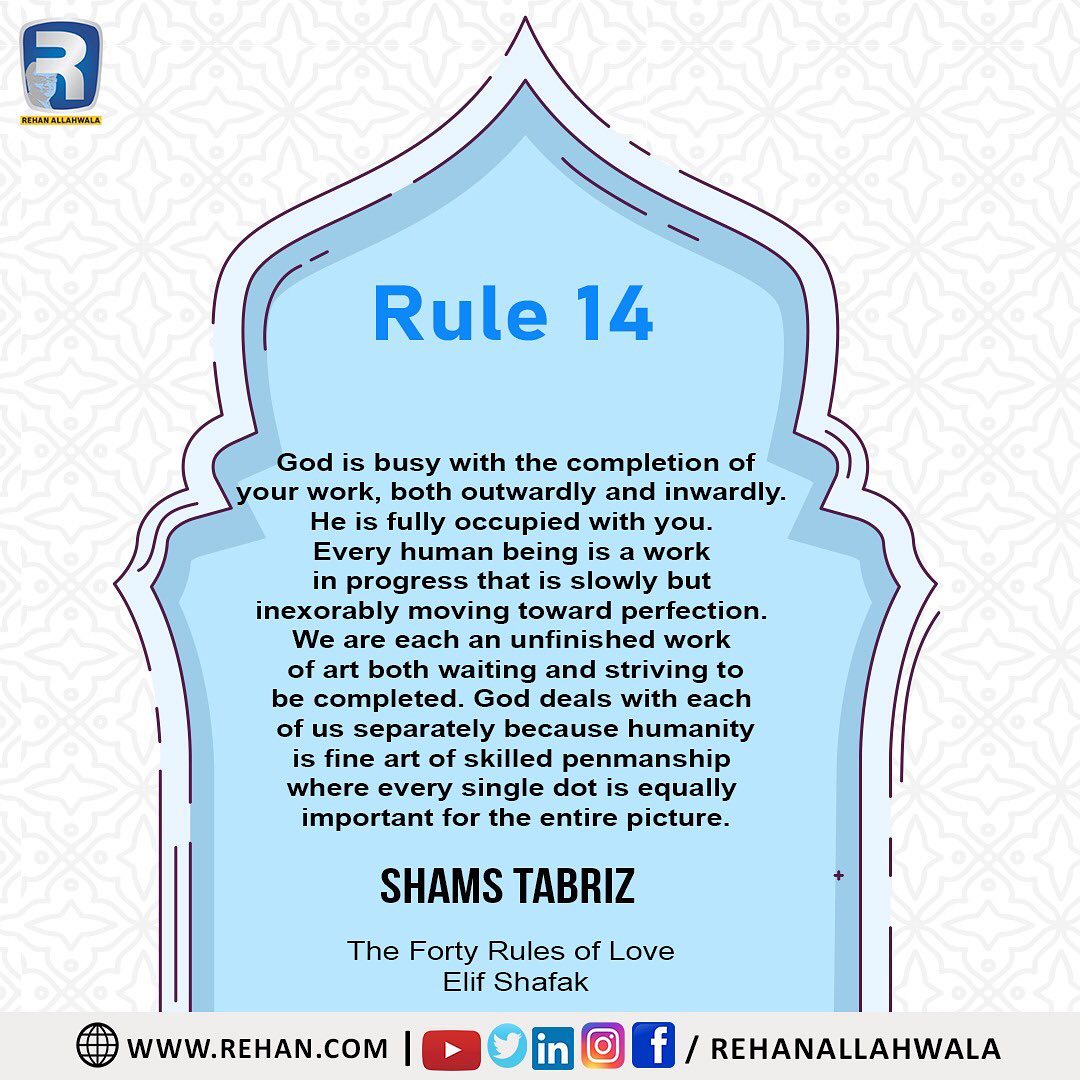
  • #shamstabrizi #workinprogress #perfection #unfinished #humanity #art #penmanship #entirepicture #inward #outward
    #shamstabrizi #workinprogress #perfection #unfinished #humanity #art #penmanship #entirepicture #inward #outward
    0 Reacties 0 aandelen 112 Views
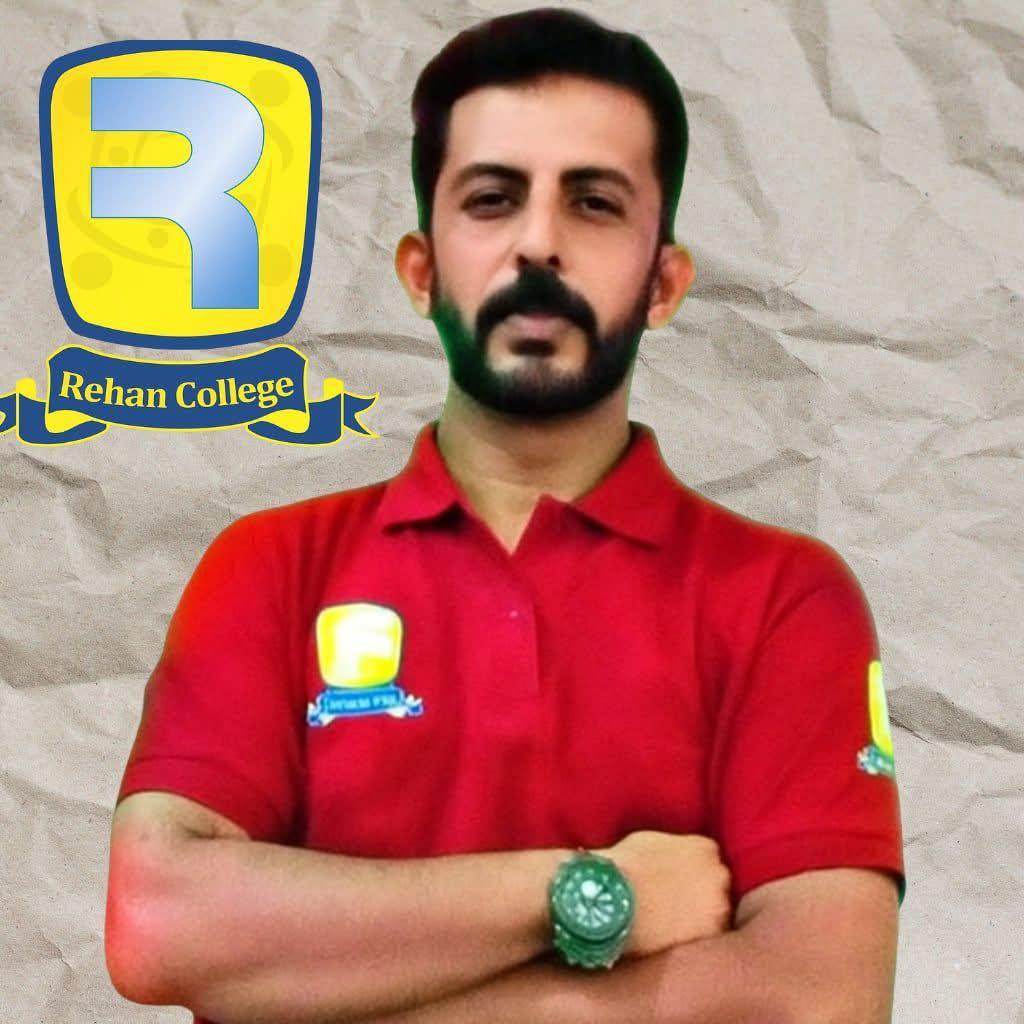
  • The Gentle Commander: The Story of Mohsin Rathore Seo Wala and Rehan College

    In July, when the summer heat still wrapped Karachi in golden light, a quiet man took charge of a young and restless project — Rehan College. The college had less than fifty students at the time — dreamers, misfits, and changemakers in training. They came with energy but no discipline, passion but no direction.

    When Mohsin Rathod was appointed Project Head, many wondered if he could handle them. He didn’t shout, didn’t threaten, didn’t even carry the traditional authority that makes students tremble.

    He simply smiled and said,

    “I will not teach them to obey — I will help them learn to care.”

    That one sentence became the constitution of Rehan College.

    ⸻

    1. Leadership Born of Love

    Mohsin began his journey not by giving orders, but by giving time.
    He sat with every student — one by one — asking them not what grades they wanted, but what kind of person they wanted to become.

    Some said, “I want to speak English.”
    Others said, “I want to start a business.”
    A few said, “I just want someone to believe in me.”

    And Mohsin did. He believed in every one of them — even when they didn’t believe in themselves.

    He once told a colleague,

    “If I can make them feel seen, they will learn anything.”

    It wasn’t a management strategy; it was pure virtue — Ren, the Confucian virtue of human-heartedness.

    ⸻

    2. The Calm That Transformed Chaos

    In the early weeks, students arrived late, argued with teachers, and left projects unfinished. Others skipped class entirely.

    Everyone expected Mohsin to impose discipline. Instead, he imposed kindness.

    He didn’t scold them; he invited them for a walk around the campus, speaking softly:

    “I know you can do better — not for me, but for yourself.”

    The students began to change — not out of fear, but out of respect. They started showing up earlier, staying later, helping one another.

    They realized that kindness, when consistent, becomes power.

    “The superior man is not harsh in his commands;
    he leads others through example.” — Confucius

    ⸻

    3. Building a Culture of Virtue

    Mohsin transformed Rehan College into a living classroom of moral growth.
    Every Monday began not with attendance, but with a short reflection he called “The 2-Minute Virtue.”

    He or a student would share one thought — about patience, honesty, gratitude, or humility.

    He told them:

    “We are not just learning to earn — we are learning to be.”

    Students started writing gratitude notes to teachers, keeping their spaces clean, and helping juniors with homework.

    The small acts added up. Within months, visitors could feel something invisible in the air — peace, discipline, and love.

    It wasn’t enforced; it was absorbed.

    ⸻

    4. He Built People, Not Systems

    When asked about his management system, Mohsin would laugh.

    “My system is simple: trust them first.”

    He trusted students to organize events, handle finances, and manage online projects. They made mistakes — sometimes big ones.
    But he never reacted with anger. He sat beside them, saying,

    “Every mistake is proof that you tried.”

    Gradually, the students began owning the college. They called it “our place” — not “Sir’s place.”

    Trust turned into responsibility.
    Responsibility turned into pride.
    And pride turned into progress.

    “If you want loyalty, first give it.” — Confucius

    ⸻

    5. The Day of the Big Presentation

    One afternoon, the students had to present their semester projects to the Rehan School leadership.
    Many were nervous — it was their first time speaking before senior mentors.

    Instead of giving a long speech, Mohsin said only this:

    “I’m proud of you, no matter what happens today. You have already won — because you didn’t quit.”

    His calm confidence filled the room. The students delivered beautifully — clear, confident, creative. When the applause began, many looked toward Mohsin — not for approval, but for reassurance. He just nodded and smiled.

    That was his way of saying, “You’ve become what you were meant to be.”

    ⸻

    6. A Community, Not a College

    Under Mohsin’s guidance, Rehan College became more than an academic project — it became a community of growth.

    Students cooked together, learned together, failed together, and celebrated together.
    He encouraged them to meditate, to journal, to interview people, to create podcasts, and to use AI tools to amplify their voices.

    But the real technology he taught them was emotional intelligence — how to listen, how to forgive, how to lead without ego.

    “To see what is right and not do it is the want of courage.” — Confucius

    Mohsin reminded them daily that courage doesn’t come from shouting or fighting — it comes from doing the right thing quietly, even when no one sees.

    ⸻

    7. The Day They Called Him “Baba”

    Over time, the students began calling him “Baba Mohsin.”
    Not because of age — but because he had become the father figure many never had.

    He taught them responsibility through care, discipline through kindness, and success through service.

    When someone made a mistake, he’d say:

    “It’s okay. You are still growing. Flowers don’t bloom by shouting at them.”

    That line spread like a mantra across Rehan College. Teachers began using it too. It became the school’s philosophy.

    ⸻

    8. The Legacy of Gentle Strength

    By the end of the year, Rehan College had not just survived — it had blossomed.
    Student projects became cleaner, classrooms livelier, and discipline effortless.

    The students’ love for Mohsin was genuine — they respected him not out of duty, but from their hearts.
    When he entered a room, they stood — not because it was required, but because it felt right.

    “He who rules by virtue is like the North Star — steady and guiding.” — Confucius

    In a world where leaders lead by fear, Mohsin proved that gentleness is the highest form of power.

    ⸻

    9. The Reflection of Rehan College

    Today, when people visit Rehan College, they often ask, “How do these students behave so well without punishment or pressure?”

    The answer is always the same:
    “Because their leader never shamed them — he shaped them.”

    Every student carries a little of Mohsin’s calmness now.
    They speak with respect, work with joy, and dream without fear.

    That is his true legacy.

    ⸻

    Epilogue: The Way of Mohsin

    When Mohsin Rathod began his journey in July, he inherited a handful of students.
    By the end of the year, he had built a family of future leaders.

    He led not through authority, but through example.
    Not through demands, but through understanding.
    Not through threats, but through virtue, patience, and love.

    And because of that, Rehan College became not just a place of learning —
    but a living proof that Confucius was right when he said:

    “The virtuous leader is like the wind;
    the people are like the grass —
    when the wind passes over, the grass bends naturally.”

    The Gentle Commander: The Story of Mohsin Rathore Seo Wala and Rehan College In July, when the summer heat still wrapped Karachi in golden light, a quiet man took charge of a young and restless project — Rehan College. The college had less than fifty students at the time — dreamers, misfits, and changemakers in training. They came with energy but no discipline, passion but no direction. When Mohsin Rathod was appointed Project Head, many wondered if he could handle them. He didn’t shout, didn’t threaten, didn’t even carry the traditional authority that makes students tremble. He simply smiled and said, “I will not teach them to obey — I will help them learn to care.” That one sentence became the constitution of Rehan College. ⸻ 🌿 1. Leadership Born of Love Mohsin began his journey not by giving orders, but by giving time. He sat with every student — one by one — asking them not what grades they wanted, but what kind of person they wanted to become. Some said, “I want to speak English.” Others said, “I want to start a business.” A few said, “I just want someone to believe in me.” And Mohsin did. He believed in every one of them — even when they didn’t believe in themselves. He once told a colleague, “If I can make them feel seen, they will learn anything.” It wasn’t a management strategy; it was pure virtue — Ren, the Confucian virtue of human-heartedness. ⸻ 💡 2. The Calm That Transformed Chaos In the early weeks, students arrived late, argued with teachers, and left projects unfinished. Others skipped class entirely. Everyone expected Mohsin to impose discipline. Instead, he imposed kindness. He didn’t scold them; he invited them for a walk around the campus, speaking softly: “I know you can do better — not for me, but for yourself.” The students began to change — not out of fear, but out of respect. They started showing up earlier, staying later, helping one another. They realized that kindness, when consistent, becomes power. “The superior man is not harsh in his commands; he leads others through example.” — Confucius ⸻ 🌸 3. Building a Culture of Virtue Mohsin transformed Rehan College into a living classroom of moral growth. Every Monday began not with attendance, but with a short reflection he called “The 2-Minute Virtue.” He or a student would share one thought — about patience, honesty, gratitude, or humility. He told them: “We are not just learning to earn — we are learning to be.” Students started writing gratitude notes to teachers, keeping their spaces clean, and helping juniors with homework. The small acts added up. Within months, visitors could feel something invisible in the air — peace, discipline, and love. It wasn’t enforced; it was absorbed. ⸻ ⚙️ 4. He Built People, Not Systems When asked about his management system, Mohsin would laugh. “My system is simple: trust them first.” He trusted students to organize events, handle finances, and manage online projects. They made mistakes — sometimes big ones. But he never reacted with anger. He sat beside them, saying, “Every mistake is proof that you tried.” Gradually, the students began owning the college. They called it “our place” — not “Sir’s place.” Trust turned into responsibility. Responsibility turned into pride. And pride turned into progress. “If you want loyalty, first give it.” — Confucius ⸻ 💬 5. The Day of the Big Presentation One afternoon, the students had to present their semester projects to the Rehan School leadership. Many were nervous — it was their first time speaking before senior mentors. Instead of giving a long speech, Mohsin said only this: “I’m proud of you, no matter what happens today. You have already won — because you didn’t quit.” His calm confidence filled the room. The students delivered beautifully — clear, confident, creative. When the applause began, many looked toward Mohsin — not for approval, but for reassurance. He just nodded and smiled. That was his way of saying, “You’ve become what you were meant to be.” ⸻ 🌍 6. A Community, Not a College Under Mohsin’s guidance, Rehan College became more than an academic project — it became a community of growth. Students cooked together, learned together, failed together, and celebrated together. He encouraged them to meditate, to journal, to interview people, to create podcasts, and to use AI tools to amplify their voices. But the real technology he taught them was emotional intelligence — how to listen, how to forgive, how to lead without ego. “To see what is right and not do it is the want of courage.” — Confucius Mohsin reminded them daily that courage doesn’t come from shouting or fighting — it comes from doing the right thing quietly, even when no one sees. ⸻ 🌻 7. The Day They Called Him “Baba” Over time, the students began calling him “Baba Mohsin.” Not because of age — but because he had become the father figure many never had. He taught them responsibility through care, discipline through kindness, and success through service. When someone made a mistake, he’d say: “It’s okay. You are still growing. Flowers don’t bloom by shouting at them.” That line spread like a mantra across Rehan College. Teachers began using it too. It became the school’s philosophy. ⸻ 🌟 8. The Legacy of Gentle Strength By the end of the year, Rehan College had not just survived — it had blossomed. Student projects became cleaner, classrooms livelier, and discipline effortless. The students’ love for Mohsin was genuine — they respected him not out of duty, but from their hearts. When he entered a room, they stood — not because it was required, but because it felt right. “He who rules by virtue is like the North Star — steady and guiding.” — Confucius In a world where leaders lead by fear, Mohsin proved that gentleness is the highest form of power. ⸻ ✨ 9. The Reflection of Rehan College Today, when people visit Rehan College, they often ask, “How do these students behave so well without punishment or pressure?” The answer is always the same: “Because their leader never shamed them — he shaped them.” Every student carries a little of Mohsin’s calmness now. They speak with respect, work with joy, and dream without fear. That is his true legacy. ⸻ 🌿 Epilogue: The Way of Mohsin When Mohsin Rathod began his journey in July, he inherited a handful of students. By the end of the year, he had built a family of future leaders. He led not through authority, but through example. Not through demands, but through understanding. Not through threats, but through virtue, patience, and love. And because of that, Rehan College became not just a place of learning — but a living proof that Confucius was right when he said: “The virtuous leader is like the wind; the people are like the grass — when the wind passes over, the grass bends naturally.”

    0 Reacties 0 aandelen 224 Views
  • #rsisb
    Roll No.190
    Canva Post No.36
    Foundation Level

    "A year from now, you may wish you had started today." — Karen Lamb

    Time has a way of moving faster than we expect. Days turn into weeks, weeks turn into months, and before we know it, another year has passed. So many dreams remain unfinished not because people aren't capable of achieving them, but because they keep waiting for the "perfect" moment to begin.

    Maybe you've been thinking about starting a new project, learning a new skill, improving your health, building a business, creating content, writing a book, or chasing a dream that has been living in your heart for years. The truth is, the perfect time may never come. There will always be challenges, doubts, fears, and reasons to wait.

    Imagine yourself one year from today. Think about the progress you could make if you started right now. Even small efforts, repeated every day, can create incredible results over time. One page a day can become a book. One workout at a time can transform your health. One step forward each day can completely change your future.

    Success isn't built overnight. It's built through consistency, patience, and the willingness to begin before you feel fully ready. Most successful people didn't start with all the answers. They started with a decision. A decision to take action despite uncertainty.

    Don't let fear of failure stop you. Every expert was once a beginner. Every achievement started with someone taking that first step. Mistakes are part of the journey, and every setback teaches valuable lessons that move you closer to your goals.

    The future version of you is depending on the choices you make today. Instead of wondering "What if I fail?" ask yourself, "What if I succeed?" What if this is the year that changes everything? What if one small action today becomes the foundation of an incredible future?

    A year from now, you could be stronger, wiser, healthier, happier, and closer to your dreams—or you could still be wishing you had started. The choice is yours. Start now. Start small. Start imperfectly. Just start.

    Your future is created by what you do today, not tomorrow.

    #KarenLamb #Motivation #Inspiration #Success #DreamBig #StartToday #PersonalGrowth #SelfImprovement #GrowthMindset #BelieveInYourself #NeverGiveUp #KeepGoing #DailyMotivation #PositiveMindset #Goals #SuccessMindset #FutureSelf #HardWorkPaysOff #StayFocused #MindsetMatters #MotivationalQuotes #LifeQuotes #InspireOthers #ProgressNotPerfection #Consistency #Determination #Achievement #GoalSetting #SuccessJourney #MakeItHappen
    #rsisb Roll No.190 Canva Post No.36 Foundation Level ✨ "A year from now, you may wish you had started today." — Karen Lamb ✨ ⏳ Time has a way of moving faster than we expect. Days turn into weeks, weeks turn into months, and before we know it, another year has passed. So many dreams remain unfinished not because people aren't capable of achieving them, but because they keep waiting for the "perfect" moment to begin. 🌱 Maybe you've been thinking about starting a new project, learning a new skill, improving your health, building a business, creating content, writing a book, or chasing a dream that has been living in your heart for years. The truth is, the perfect time may never come. There will always be challenges, doubts, fears, and reasons to wait. 💡 Imagine yourself one year from today. Think about the progress you could make if you started right now. Even small efforts, repeated every day, can create incredible results over time. One page a day can become a book. One workout at a time can transform your health. One step forward each day can completely change your future. 🚀 Success isn't built overnight. It's built through consistency, patience, and the willingness to begin before you feel fully ready. Most successful people didn't start with all the answers. They started with a decision. A decision to take action despite uncertainty. 💪 Don't let fear of failure stop you. Every expert was once a beginner. Every achievement started with someone taking that first step. Mistakes are part of the journey, and every setback teaches valuable lessons that move you closer to your goals. 🌟 The future version of you is depending on the choices you make today. Instead of wondering "What if I fail?" ask yourself, "What if I succeed?" What if this is the year that changes everything? What if one small action today becomes the foundation of an incredible future? ❤️ A year from now, you could be stronger, wiser, healthier, happier, and closer to your dreams—or you could still be wishing you had started. The choice is yours. Start now. Start small. Start imperfectly. Just start. ✨ Your future is created by what you do today, not tomorrow. #KarenLamb #Motivation #Inspiration #Success #DreamBig #StartToday #PersonalGrowth #SelfImprovement #GrowthMindset #BelieveInYourself #NeverGiveUp #KeepGoing #DailyMotivation #PositiveMindset #Goals #SuccessMindset #FutureSelf #HardWorkPaysOff #StayFocused #MindsetMatters #MotivationalQuotes #LifeQuotes #InspireOthers #ProgressNotPerfection #Consistency #Determination #Achievement #GoalSetting #SuccessJourney #MakeItHappen 🚀✨
    0 Reacties 0 aandelen 9455 Views
Zoekresultaten