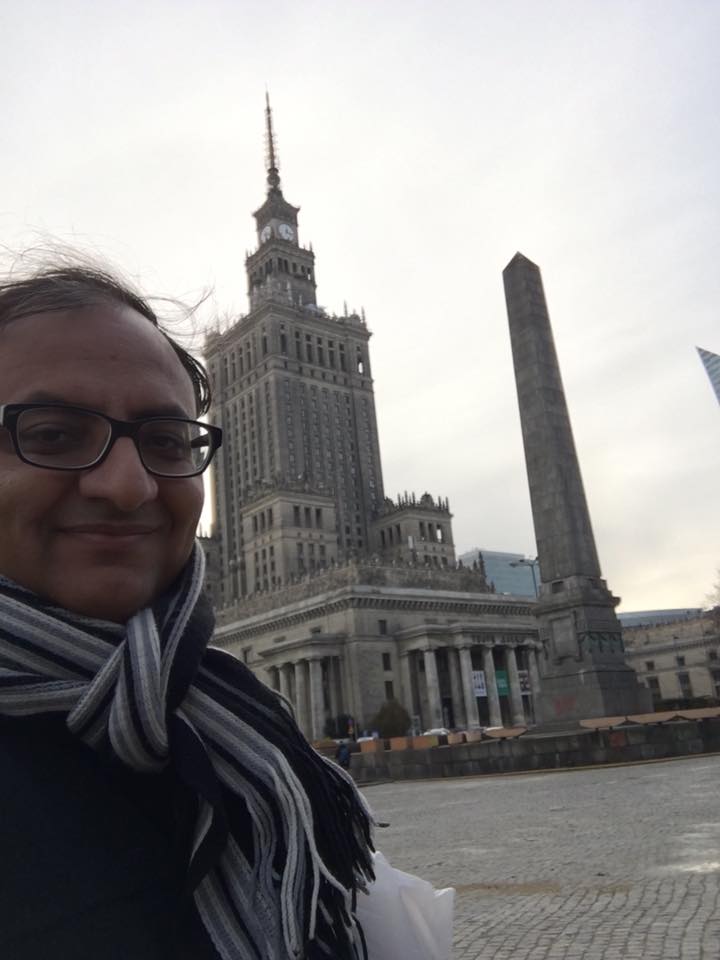
• Warsaw poland live
    Warsaw poland live
    0 Kommentare 0 Anteile 174 Ansichten
  • Chapter 5: Ukraine & Russia – The Concrete Truce

    For years, Ukraine and Russia’s relationship was like two neighbors fighting so bitterly that even their fences developed PTSD. By 2026, the world was tired of the shouting, the sanctions, the broken promises. And then something unexpected happened: they discovered cement.

    ⸻

    From Bombs to Builders

    In early 2027, while the Planet Progress Fund was planning global reconstruction projects, Ukrainian and Russian engineers submitted a joint proposal:
    “Instead of destroying cities, let’s rebuild them — together.”

    The council loved the irony. And so, the first trucks rolled out of Moscow and Kyiv — not tanks, but cement mixers.

    By the summer of 2028, a company was born: SlavCement United. Its slogan:
    “We lay concrete, not conflict.”

    ⸻

    The Roads of Peace

    What began as rebuilding war-torn Donbas spread into a continental effort:
    • Highways linking Moscow to Kyiv to Warsaw.
    • Bullet trains cutting travel time between St. Petersburg and Odessa to under four hours.
    • Bridges across rivers once used for battlefronts.

    Citizens called them the “roads of peace.” A Russian grandmother joked: “My grandson used to build bunkers. Now he builds bike lanes. Much safer.”

    ⸻

    Culture Joins the Ride

    As construction boomed, so did culture. Festivals sprouted on the very streets once filled with rubble. Musicians from both sides co-wrote songs. TikTok dances filmed on new bridges went viral. Cafés opened with menus proudly offering “borscht AND varenyky — why choose?”

    By 2029, tourism was surging. Instead of frontlines, Ukraine and Russia were on bucket lists for travelers who wanted to “see the place where enemies became neighbors again.”

    ⸻

    The Economic Miracle

    Economists predicted chaos. Instead, they got an economic boom. With military spending reallocated to construction, Russia’s industrial muscle and Ukraine’s agricultural strength fused. Together they became Eastern Europe’s fastest-growing peace economy.

    The Planet Union Council later admitted: “We thought it would take 20 years for reconciliation. SlavCement did it in two.”

    ⸻

    Legacy

    By 2030, Ukraine and Russia were no longer a cautionary tale. They were a case study.

    Every student in Planet Union schools learned the slogan carved into the first rebuilt wall in Kyiv:
    “Concrete lasts longer than conflict.”

    ⸻

    Now copy this chapter and share it on your social media so others can imagine how Ukraine and Russia rebuilt instead of fought.
    Hashtags: #PlanetUnion #Peace2030 #WorldUnited #AIStories
    Chapter 5: Ukraine & Russia – The Concrete Truce For years, Ukraine and Russia’s relationship was like two neighbors fighting so bitterly that even their fences developed PTSD. By 2026, the world was tired of the shouting, the sanctions, the broken promises. And then something unexpected happened: they discovered cement. ⸻ From Bombs to Builders In early 2027, while the Planet Progress Fund was planning global reconstruction projects, Ukrainian and Russian engineers submitted a joint proposal: “Instead of destroying cities, let’s rebuild them — together.” The council loved the irony. And so, the first trucks rolled out of Moscow and Kyiv — not tanks, but cement mixers. By the summer of 2028, a company was born: SlavCement United. Its slogan: “We lay concrete, not conflict.” ⸻ The Roads of Peace What began as rebuilding war-torn Donbas spread into a continental effort: • Highways linking Moscow to Kyiv to Warsaw. • Bullet trains cutting travel time between St. Petersburg and Odessa to under four hours. • Bridges across rivers once used for battlefronts. Citizens called them the “roads of peace.” A Russian grandmother joked: “My grandson used to build bunkers. Now he builds bike lanes. Much safer.” ⸻ Culture Joins the Ride As construction boomed, so did culture. Festivals sprouted on the very streets once filled with rubble. Musicians from both sides co-wrote songs. TikTok dances filmed on new bridges went viral. Cafés opened with menus proudly offering “borscht AND varenyky — why choose?” By 2029, tourism was surging. Instead of frontlines, Ukraine and Russia were on bucket lists for travelers who wanted to “see the place where enemies became neighbors again.” ⸻ The Economic Miracle Economists predicted chaos. Instead, they got an economic boom. With military spending reallocated to construction, Russia’s industrial muscle and Ukraine’s agricultural strength fused. Together they became Eastern Europe’s fastest-growing peace economy. The Planet Union Council later admitted: “We thought it would take 20 years for reconciliation. SlavCement did it in two.” ⸻ Legacy By 2030, Ukraine and Russia were no longer a cautionary tale. They were a case study. Every student in Planet Union schools learned the slogan carved into the first rebuilt wall in Kyiv: “Concrete lasts longer than conflict.” ⸻ 👉 Now copy this chapter and share it on your social media so others can imagine how Ukraine and Russia rebuilt instead of fought. Hashtags: #PlanetUnion #Peace2030 #WorldUnited #AIStories
    0 Kommentare 0 Anteile 3651 Ansichten
  • Are you in Warsaw, Poland and want to meetup ? 1230 afternoon today Suleman Mehboob has arranged a lunch meetup !

    You are welcome to join !

    Inbox him or ask him here for details
    Are you in Warsaw, Poland and want to meetup ? 1230 afternoon today Suleman Mehboob has arranged a lunch meetup ! You are welcome to join ! Inbox him or ask him here for details
    0 Kommentare 0 Anteile 72 Ansichten
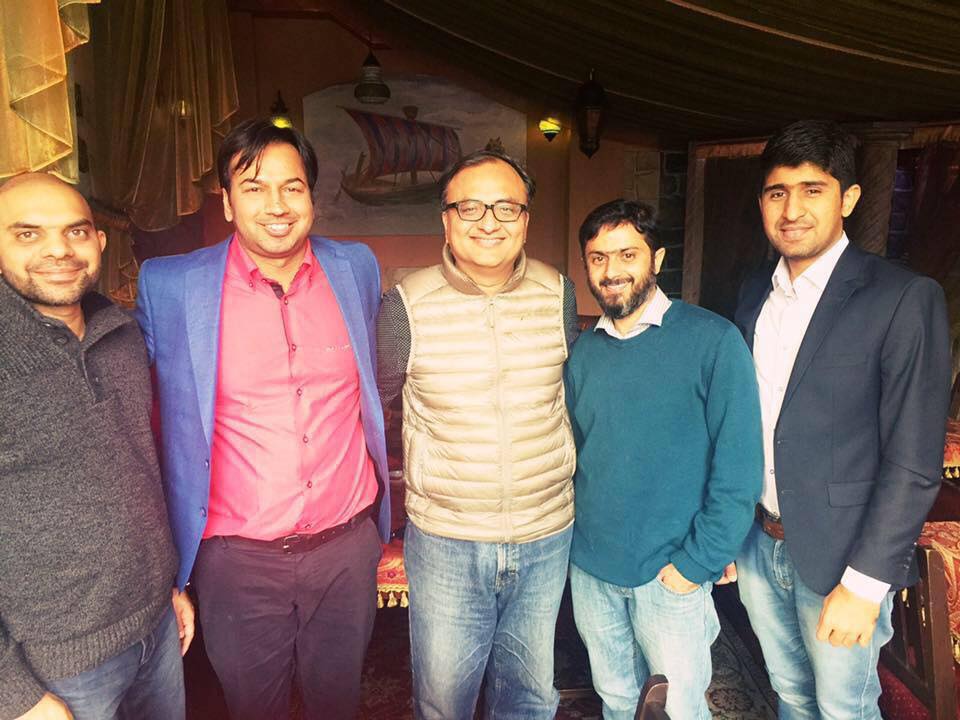
  • Thank You Pakistani in Poland team for inviting me to Lunch !

    There are 5000+ Pakistani in Poland and 2500 in this group!

    There are 39 million Polish people

    You can join them and ask them how you can migrate or work with them to build a collective business between you and them.

    Do add them and also add 10 Polish people to learn more about Poland and tell them more about your country!

    #Poland #warsaw
    Thank You Pakistani in Poland team for inviting me to Lunch ! There are 5000+ Pakistani in Poland and 2500 in this group! There are 39 million Polish people You can join them and ask them how you can migrate or work with them to build a collective business between you and them. Do add them and also add 10 Polish people to learn more about Poland and tell them more about your country! #Poland #warsaw
    0 Kommentare 0 Anteile 48 Ansichten
  • Bye bye Warsaw, Poland
    Bye bye Warsaw, Poland
    0 Kommentare 0 Anteile 48 Ansichten
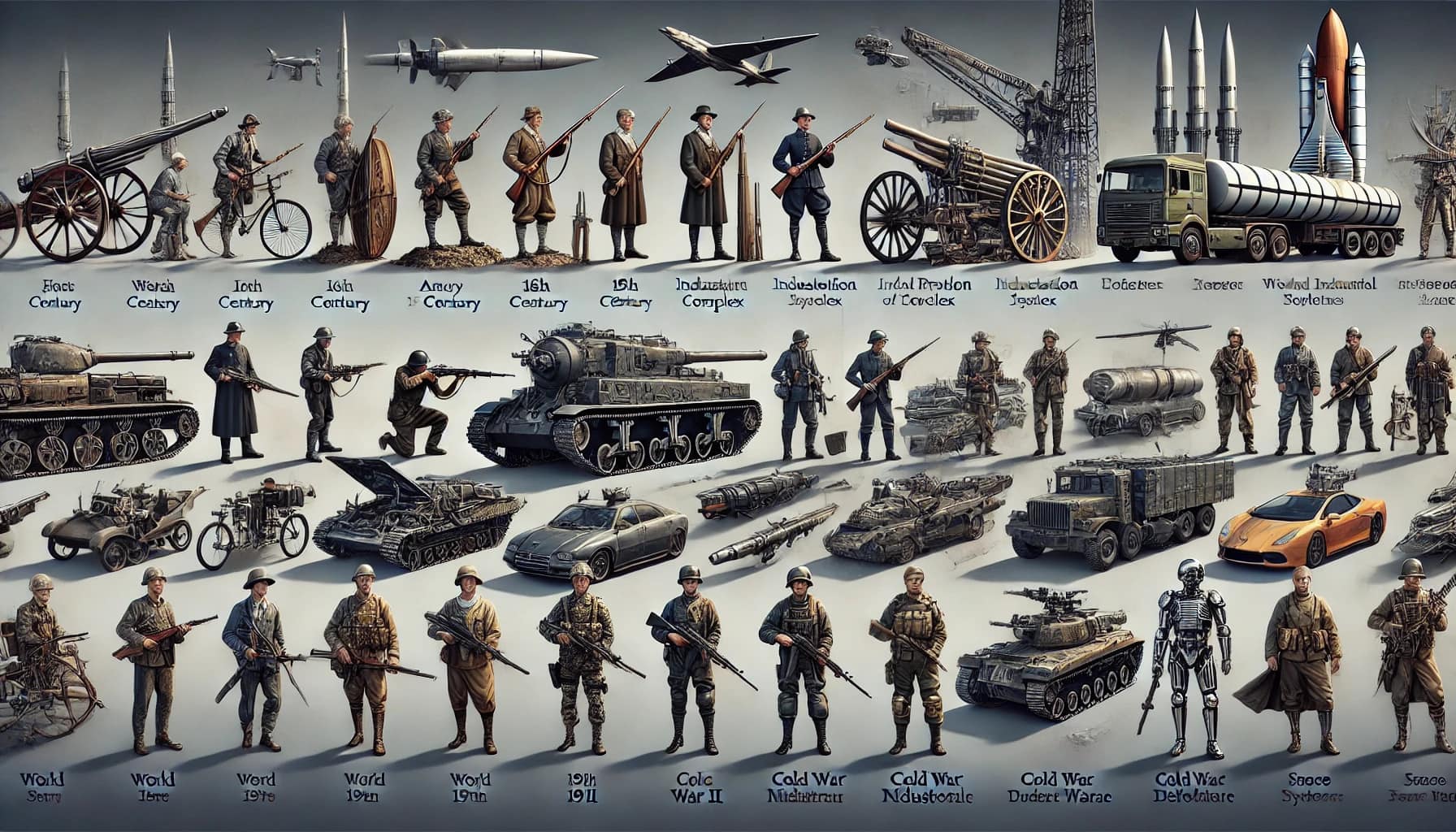
  • The term military-industrial complex (MIC) refers to the intricate relationship between a nation’s military, its government, and the defense industry that supplies arms and military technologies. This concept gained prominence when U.S. President Dwight D. Eisenhower warned of its potential influence in his 1961 farewell address. 

    Over the past 500 years, the evolution of the MIC and global military expenditures have been influenced by technological advancements, geopolitical shifts, and economic developments. Here’s an overview:

    16th to 18th Centuries: Early Modern Period
    • Military-Industrial Relations: During this era, European powers began establishing state-controlled armories and naval shipyards to support expanding empires. The relationship between governments and private arms manufacturers was nascent, with monarchies often commissioning weapons production directly.
    • Global Military Spending: Comprehensive data is scarce, but military expenditures were significant, especially for colonial powers like Spain, France, and England, which invested heavily in navies and armies to protect and expand their territories.

    19th Century: Industrial Revolution and Militarization
    • Military-Industrial Relations: The Industrial Revolution introduced mass production techniques, leading to the rise of private arms manufacturers. Governments increasingly relied on these private entities for weapons, marking the early stages of the MIC.
    • Global Military Spending: Military expenditures grew as nations built large standing armies and navies. For instance, by the late 19th century, major powers were spending substantial portions of their national budgets on defense to support imperial ambitions.

    Early to Mid-20th Century: World Wars and the Formalization of the MIC
    • Military-Industrial Relations: World Wars I and II necessitated unprecedented collaboration between governments and private industry to produce vast quantities of arms. In the U.S., this collaboration was formalized during World War II, with civilian industries shifting to wartime production. 
    • Global Military Spending: Military spending surged during the World Wars. For example, U.S. military expenditure during World War II peaked at approximately 40% of GDP. 

    Cold War Era (1947–1991): Expansion of the MIC
    • Military-Industrial Relations: The Cold War era saw the MIC become deeply entrenched, especially in the U.S. The persistent arms race between NATO and the Warsaw Pact led to sustained high levels of defense spending and the proliferation of defense contractors.
    • Global Military Spending: Global military expenditure remained high throughout the Cold War. In the 1980s, during the Reagan administration, U.S. military spending reached about 6% of GDP, contributing to global military expenditures exceeding $1 trillion annually.

    Post-Cold War to Early 21st Century: Transformation and Modernization
    • Military-Industrial Relations: The end of the Cold War led to a temporary reduction in military spending, known as the “peace dividend.” However, conflicts in the Middle East and the War on Terror reignited defense expenditures. The MIC adapted by focusing on advanced technologies, cybersecurity, and unmanned systems.
    • Global Military Spending: After a decline in the 1990s, global military spending began to rise again in the 2000s. By 2010, it reached approximately $1.7 trillion. 

    Recent Trends: 2020s and Beyond
    • Military-Industrial Relations: The MIC continues to evolve with a focus on emerging technologies such as artificial intelligence, space capabilities, and advanced missile systems. Geopolitical tensions, such as those involving Ukraine, have prompted increased defense budgets and a reevaluation of military-industrial capabilities.
    • Global Military Spending: In 2023, global military expenditure reached a record high of $2.44 trillion, reflecting ongoing geopolitical tensions and the modernization of armed forces worldwide. 

    Conclusion

    Over the past five centuries, the relationship between governments, militaries, and the defense industry has transformed significantly, culminating in the modern military-industrial complex. Global military spending has mirrored this evolution, influenced by technological advancements, geopolitical dynamics, and economic capacities. The MIC remains a pivotal component of national security strategies, with global military expenditures continuing to rise in response to emerging threats and strategic competitions.
    The term military-industrial complex (MIC) refers to the intricate relationship between a nation’s military, its government, and the defense industry that supplies arms and military technologies. This concept gained prominence when U.S. President Dwight D. Eisenhower warned of its potential influence in his 1961 farewell address.  Over the past 500 years, the evolution of the MIC and global military expenditures have been influenced by technological advancements, geopolitical shifts, and economic developments. Here’s an overview: 16th to 18th Centuries: Early Modern Period • Military-Industrial Relations: During this era, European powers began establishing state-controlled armories and naval shipyards to support expanding empires. The relationship between governments and private arms manufacturers was nascent, with monarchies often commissioning weapons production directly. • Global Military Spending: Comprehensive data is scarce, but military expenditures were significant, especially for colonial powers like Spain, France, and England, which invested heavily in navies and armies to protect and expand their territories. 19th Century: Industrial Revolution and Militarization • Military-Industrial Relations: The Industrial Revolution introduced mass production techniques, leading to the rise of private arms manufacturers. Governments increasingly relied on these private entities for weapons, marking the early stages of the MIC. • Global Military Spending: Military expenditures grew as nations built large standing armies and navies. For instance, by the late 19th century, major powers were spending substantial portions of their national budgets on defense to support imperial ambitions. Early to Mid-20th Century: World Wars and the Formalization of the MIC • Military-Industrial Relations: World Wars I and II necessitated unprecedented collaboration between governments and private industry to produce vast quantities of arms. In the U.S., this collaboration was formalized during World War II, with civilian industries shifting to wartime production.  • Global Military Spending: Military spending surged during the World Wars. For example, U.S. military expenditure during World War II peaked at approximately 40% of GDP.  Cold War Era (1947–1991): Expansion of the MIC • Military-Industrial Relations: The Cold War era saw the MIC become deeply entrenched, especially in the U.S. The persistent arms race between NATO and the Warsaw Pact led to sustained high levels of defense spending and the proliferation of defense contractors. • Global Military Spending: Global military expenditure remained high throughout the Cold War. In the 1980s, during the Reagan administration, U.S. military spending reached about 6% of GDP, contributing to global military expenditures exceeding $1 trillion annually. Post-Cold War to Early 21st Century: Transformation and Modernization • Military-Industrial Relations: The end of the Cold War led to a temporary reduction in military spending, known as the “peace dividend.” However, conflicts in the Middle East and the War on Terror reignited defense expenditures. The MIC adapted by focusing on advanced technologies, cybersecurity, and unmanned systems. • Global Military Spending: After a decline in the 1990s, global military spending began to rise again in the 2000s. By 2010, it reached approximately $1.7 trillion.  Recent Trends: 2020s and Beyond • Military-Industrial Relations: The MIC continues to evolve with a focus on emerging technologies such as artificial intelligence, space capabilities, and advanced missile systems. Geopolitical tensions, such as those involving Ukraine, have prompted increased defense budgets and a reevaluation of military-industrial capabilities. • Global Military Spending: In 2023, global military expenditure reached a record high of $2.44 trillion, reflecting ongoing geopolitical tensions and the modernization of armed forces worldwide.  Conclusion Over the past five centuries, the relationship between governments, militaries, and the defense industry has transformed significantly, culminating in the modern military-industrial complex. Global military spending has mirrored this evolution, influenced by technological advancements, geopolitical dynamics, and economic capacities. The MIC remains a pivotal component of national security strategies, with global military expenditures continuing to rise in response to emerging threats and strategic competitions.
    0 Kommentare 0 Anteile 403 Ansichten
  • “The Day the World Came to Peace”

    A tale of how the wars ended — and peace, somehow, found its way in.

    ⸻

    It all began not with a politician or a peace treaty,
    but with a 14-year-old girl from Gaza… and a boy from Tel Aviv.

    They met online. By accident.

    He wanted to learn Arabic for a school project.
    She wanted to practice her English.

    At first, their chats were awkward, filled with fear.
    But one day, she sent a meme. He laughed. The wall cracked.

    Soon, they were talking daily. Sharing dreams, playlists, stories.
    They created a YouTube channel together — “2 Countries, 1 Heart.”

    It went viral.

    ⸻

    Around the same time, in Ukraine, a soldier laid down his weapon…
    and picked up a violin.

    He livestreamed himself playing music at a ruined train station.
    A Russian soldier watching from across the border wept silently.
    Instead of reporting him, he shared the video.

    It reached millions.

    ⸻

    In Pakistan and India, something strange happened.
    A startup from Lahore and a coder from Bangalore won a global AI competition — together.
    Their secret? A shared love for biryani and Bollywood.

    The Indian and Pakistani media couldn’t ignore the beauty of it.
    Suddenly, anchors were laughing on air, saying:

    “We can code together, maybe we can coexist too.”

    ⸻

    Then came the Turning Week.

    In just seven days:
    • The Iranian and Israeli youth launched a joint peace campaign, saying:
    “Our parents fought, but we will not inherit their hatred.”
    • Russian and Ukrainian mothers marched hand-in-hand through the streets of Warsaw.
    • The hashtag #WeChoosePeace reached 2 billion people.

    And on a quiet Thursday morning…
    a miracle happened.

    All six nations announced ceasefires.
    Not because they were forced — but because their own people demanded it.
    They wanted electricity instead of explosions.
    Wi-Fi, not warfare.

    ⸻

    The UN, stunned, called it: “The People’s Peace Accord.”
    Written not in Geneva… but on Instagram, TikTok, YouTube, and Zoom.
    Drafted in memes, voice notes, songs, and emojis.

    ⸻

    What changed?

    Nothing at first.
    But then — everything.

    Children started visiting schools across borders.
    Refugees went back home — and brought back neighbors.
    Missile factories were converted into housing and hospitals.

    Even the generals smiled.
    One said,

    “For the first time, my grandson is proud of my uniform.”

    ⸻

    And now?
    • Gaza has tech parks.
    • Kashmir has book cafés.
    • Kyiv and Moscow co-host the World Peace Film Festival.
    • And somewhere in Tel Aviv… a 20-year-old is playing Minecraft with her best friend from Tehran.

    ⸻

    Moral?

    It didn’t take a hero.
    It took millions of tiny acts of empathy, courage, and connection.
    It took you, me, them — all of us choosing peace like we choose our phone plan:

    With intention. And for a better future.

    ⸻

    What if this wasn’t fiction?
    What if it started today?

    Would you be part of it?

    #WeChoosePeace
    🌍 “The Day the World Came to Peace” A tale of how the wars ended — and peace, somehow, found its way in. ⸻ It all began not with a politician or a peace treaty, but with a 14-year-old girl from Gaza… and a boy from Tel Aviv. They met online. By accident. He wanted to learn Arabic for a school project. She wanted to practice her English. At first, their chats were awkward, filled with fear. But one day, she sent a meme. He laughed. The wall cracked. Soon, they were talking daily. Sharing dreams, playlists, stories. They created a YouTube channel together — “2 Countries, 1 Heart.” It went viral. ⸻ Around the same time, in Ukraine, a soldier laid down his weapon… and picked up a violin. He livestreamed himself playing music at a ruined train station. A Russian soldier watching from across the border wept silently. Instead of reporting him, he shared the video. It reached millions. ⸻ In Pakistan and India, something strange happened. A startup from Lahore and a coder from Bangalore won a global AI competition — together. Their secret? A shared love for biryani and Bollywood. The Indian and Pakistani media couldn’t ignore the beauty of it. Suddenly, anchors were laughing on air, saying: “We can code together, maybe we can coexist too.” ⸻ Then came the Turning Week. In just seven days: • The Iranian and Israeli youth launched a joint peace campaign, saying: “Our parents fought, but we will not inherit their hatred.” • Russian and Ukrainian mothers marched hand-in-hand through the streets of Warsaw. • The hashtag #WeChoosePeace reached 2 billion people. And on a quiet Thursday morning… a miracle happened. All six nations announced ceasefires. Not because they were forced — but because their own people demanded it. They wanted electricity instead of explosions. Wi-Fi, not warfare. ⸻ The UN, stunned, called it: “The People’s Peace Accord.” Written not in Geneva… but on Instagram, TikTok, YouTube, and Zoom. Drafted in memes, voice notes, songs, and emojis. ⸻ 🕊️ What changed? Nothing at first. But then — everything. Children started visiting schools across borders. Refugees went back home — and brought back neighbors. Missile factories were converted into housing and hospitals. Even the generals smiled. One said, “For the first time, my grandson is proud of my uniform.” ⸻ 🌱 And now? • Gaza has tech parks. • Kashmir has book cafés. • Kyiv and Moscow co-host the World Peace Film Festival. • And somewhere in Tel Aviv… a 20-year-old is playing Minecraft with her best friend from Tehran. ⸻ ✨ Moral? It didn’t take a hero. It took millions of tiny acts of empathy, courage, and connection. It took you, me, them — all of us choosing peace like we choose our phone plan: With intention. And for a better future. ⸻ What if this wasn’t fiction? What if it started today? Would you be part of it? #WeChoosePeace 🌍🕊️

    0 Kommentare 0 Anteile 890 Ansichten
  • Enjoy the breakfast buffet, at one of the most expensive places I ended up staying !

    Will write about it soon more

    Good morning from Warsaw, Poland
    Enjoy the breakfast buffet, at one of the most expensive places I ended up staying ! Will write about it soon more Good morning from Warsaw, Poland
    0 Kommentare 0 Anteile 91 Ansichten 0