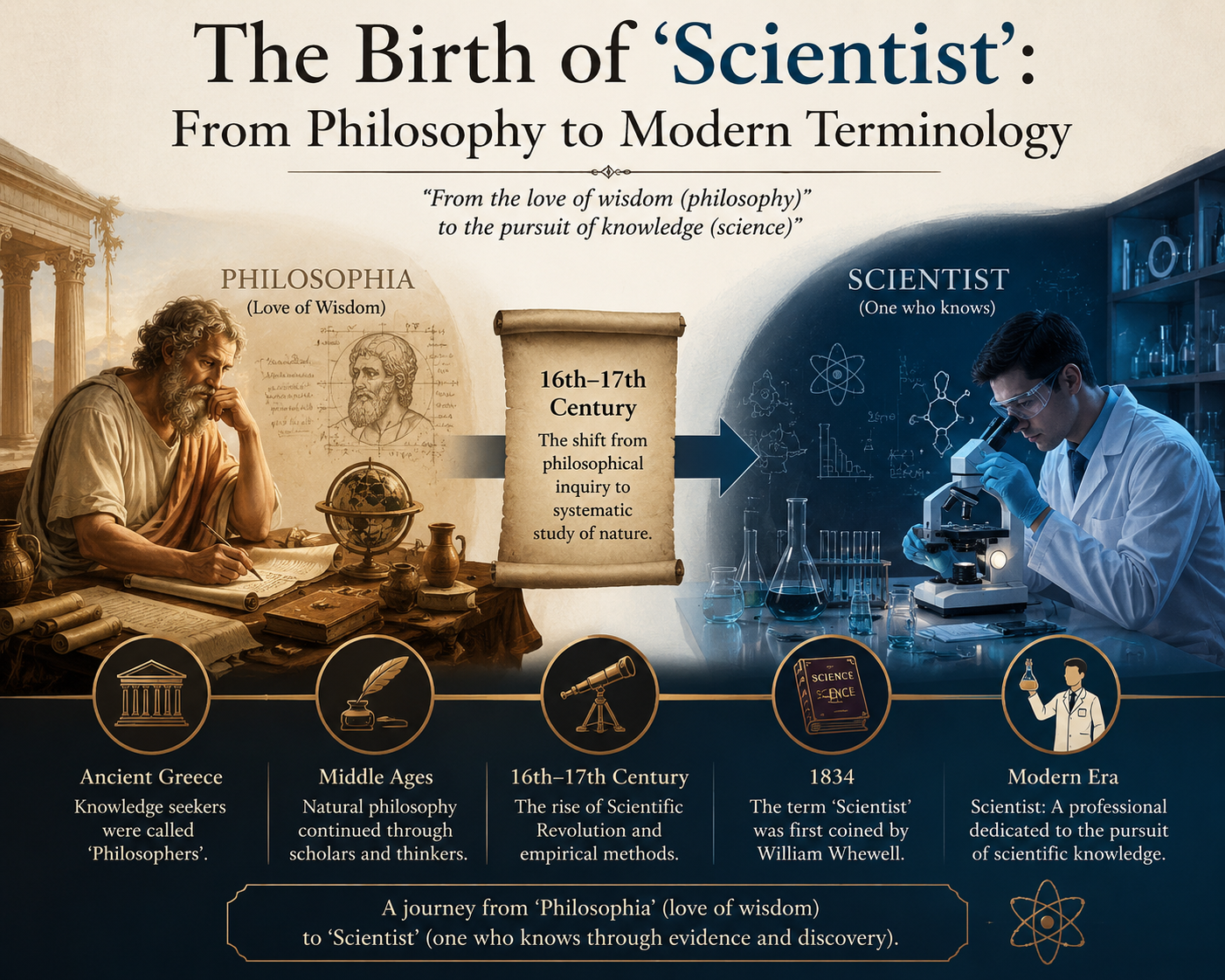
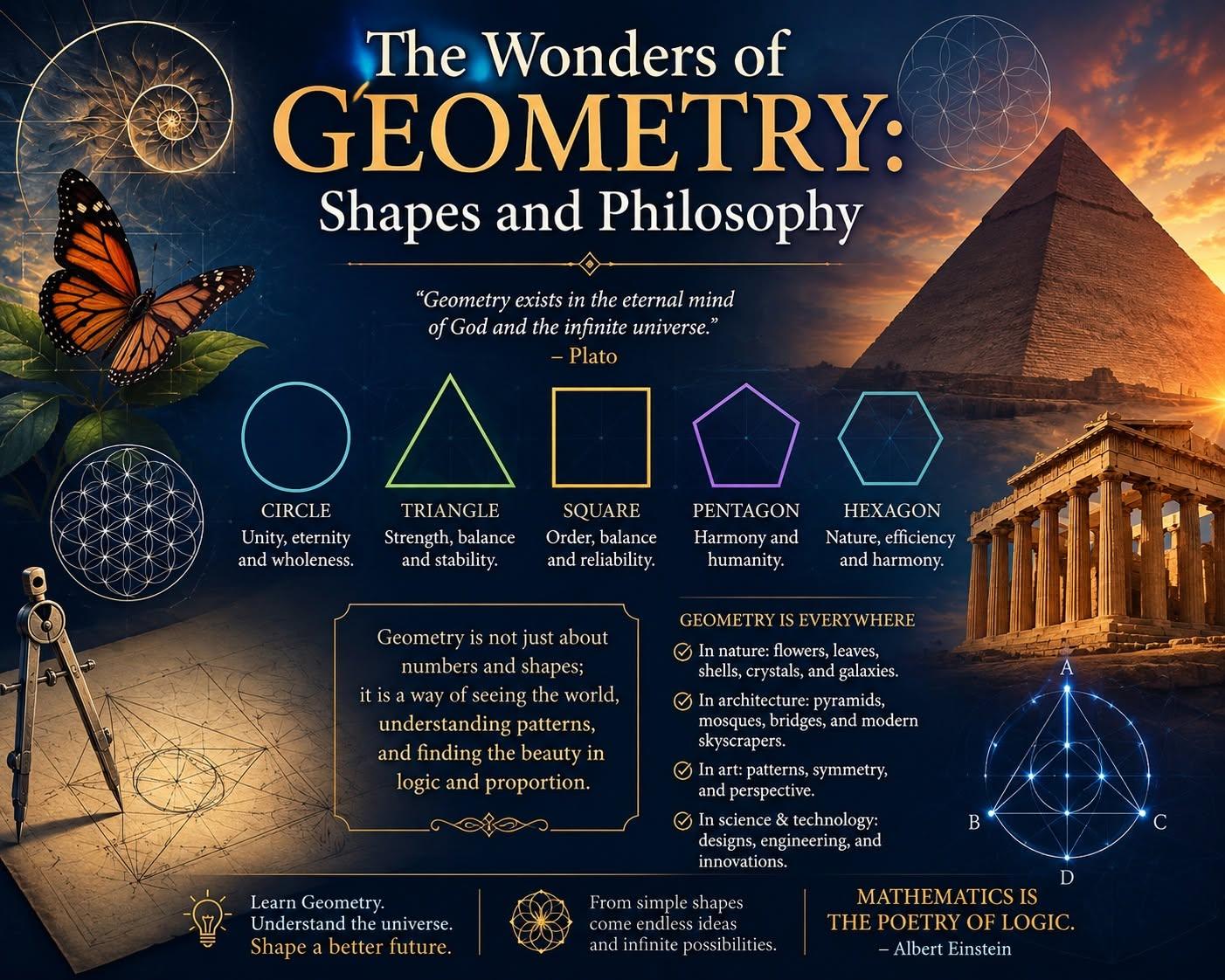
• The world will not become right till Philosophers become kings or Kings become Philosophers ! - Plato
    The world will not become right till Philosophers become kings or Kings become Philosophers ! - Plato
    0 Commentarii 0 Distribuiri 223 Views
  • Socrates, 399 BC

    On a day in 399 BC the philosopher Socrates stood before a jury of 500 of his fellow Athenians accused of "refusing to recognize the gods recognized by the state" and of "corrupting the youth." If found guilty; his penalty could be death. The trial took place in the heart of the city, the jurors seated on wooden benches surrounded by a crowd of spectators. Socrates accusers (three Athenian citizens) were allotted three hours to present their case, after which, the philosopher would have three hours to defend himself.

    Socrates
    Socrates was 70 years old and familiar to most Athenians. His anti-democratic views had turned many in the city against him. Two of his students, Alcibiades and Critias, had twice briefly overthrown the democratic government of the city, instituting a reign of terror in which thousands of citizens were deprived of their property and either banished from the city or executed.

    After hearing the arguments of both Socrates and his accusers, the jury was asked to vote on his guilt. Under Athenian law the jurors did not deliberate the point. Instead, each juror registered his judgment by placing a small disk into an urn marked either "guilty" or "not guilty." Socrates was found guilty by a vote of 280 to 220.

    The jurors were next asked to determine Socrates penalty. His accusers argued for the death penalty. Socrates was given the opportunity to suggest his own punishment and could probably have avoided death by recommending exile. Instead, the philosopher initially offered the sarcastic recommendation that he be rewarded for his actions. When pressed for a realistic punishment, he proposed that he be fined a modest sum of money. Faced with the two choices, the jury selected death for Socrates.

    The philosopher was taken to the near-by jail where his sentence would be carried out. Athenian law prescribed death by drinking a cup of poison hemlock. Socrates would be his own executioner.

    "What must I do?"

    Plato was Socrates most famous student. Although he was not present at his mentors death, he did know those who were there. Plato describes the scene through the narrative voice of the fictional character Phaedo.

    "When Crito heard, he signaled to the slave who was standing by. The boy went out, and returned after a few moments with the man who was to administer the poison which he brought ready mixed in a cup. When Socrates saw him, he said, Now, good sir, you understand these things. What must I do?

    Just drink it and walk around until your legs begin to feel heavy, then lie down. It will soon act. With that he offered Socrates the cup.

    The latter took it quite cheerfully without a tremor, with no change of color or expression. He just gave the man his stolid look, and asked, How say you, is it permissible to pledge this drink to anyone? May I?

    The answer came, We allow reasonable time in which to drink it.

    I understand, he said, we can and must pray to the gods that our sojourn on earth will continue happy beyond the grave. This is my prayer, and may it come to pass. With these words, he stoically drank the potion, quite readily and cheerfully. Up till this moment most of us were able with some decency to hold back our tears, but when we saw him drinking the poison to the last drop, we could restrain ourselves no longer. In spite of myself, the tears came in floods, so that I covered my face and wept - not for him, but at my own misfortune at losing such a man as my friend. Crito, even before me, rose and went out when he could check his tears no longer.

    Apollodorus was already steadily weeping, and by drying his eyes, crying again and sobbing, he affected everyone present except for Socrates himself.

    He said, You are strange fellows; what is wrong with you? I sent the women away for this very purpose, to stop their creating such a scene. I have heard that one should die in silence. So please be quiet and keep control of yourselves. These words made us ashamed, and we stopped crying.

    Jacques-Louis David, 1787
    The Death of Socrates

    Socrates walked around until he said that his legs were becoming heavy, when he lay on his back, as the attendant instructed. This fellow felt him, and then a moment later examined his feet and legs again. Squeezing a foot hard, he asked him if he felt anything. Socrates said that he did not. He did the same to his calves and, going higher, showed us that he was becoming cold and stiff. Then he felt him a last time and said that when the poison reached the heart he would be gone.

    As the chill sensation got to his waist, Socrates uncovered his head (he had put something over it) and said his last words: Crito, we owe a cock to Asclepius. Do pay it. Dont forget.

    Of course, said Crito. Do you want to say anything else?

    There was no reply to this question, but after a while he gave a slight stir, and the attendant uncovered him and examined his eyes. Then Crito saw that he was dead, he closed his mouth and eyelids.

    This was the end of our friend, the best, wisest and most upright man of any that I have ever known"

    References:
    Platos description appears in: Tredennick, Hugh (translator)The last days of Socrates : Euthyphro, The apology, Crito, Phaedo / Plato (1959); Freeman, Charles, The Greek Achievement (1999); Stone, I.F., The Trial of Socrates (1988).

    Socrates, 399 BC On a day in 399 BC the philosopher Socrates stood before a jury of 500 of his fellow Athenians accused of "refusing to recognize the gods recognized by the state" and of "corrupting the youth." If found guilty; his penalty could be death. The trial took place in the heart of the city, the jurors seated on wooden benches surrounded by a crowd of spectators. Socrates' accusers (three Athenian citizens) were allotted three hours to present their case, after which, the philosopher would have three hours to defend himself. Socrates Socrates was 70 years old and familiar to most Athenians. His anti-democratic views had turned many in the city against him. Two of his students, Alcibiades and Critias, had twice briefly overthrown the democratic government of the city, instituting a reign of terror in which thousands of citizens were deprived of their property and either banished from the city or executed. After hearing the arguments of both Socrates and his accusers, the jury was asked to vote on his guilt. Under Athenian law the jurors did not deliberate the point. Instead, each juror registered his judgment by placing a small disk into an urn marked either "guilty" or "not guilty." Socrates was found guilty by a vote of 280 to 220. The jurors were next asked to determine Socrates' penalty. His accusers argued for the death penalty. Socrates was given the opportunity to suggest his own punishment and could probably have avoided death by recommending exile. Instead, the philosopher initially offered the sarcastic recommendation that he be rewarded for his actions. When pressed for a realistic punishment, he proposed that he be fined a modest sum of money. Faced with the two choices, the jury selected death for Socrates. The philosopher was taken to the near-by jail where his sentence would be carried out. Athenian law prescribed death by drinking a cup of poison hemlock. Socrates would be his own executioner. "What must I do?" Plato was Socrates' most famous student. Although he was not present at his mentor's death, he did know those who were there. Plato describes the scene through the narrative voice of the fictional character Phaedo. "When Crito heard, he signaled to the slave who was standing by. The boy went out, and returned after a few moments with the man who was to administer the poison which he brought ready mixed in a cup. When Socrates saw him, he said, 'Now, good sir, you understand these things. What must I do?' 'Just drink it and walk around until your legs begin to feel heavy, then lie down. It will soon act.' With that he offered Socrates the cup. The latter took it quite cheerfully without a tremor, with no change of color or expression. He just gave the man his stolid look, and asked, 'How say you, is it permissible to pledge this drink to anyone? May I?' The answer came, 'We allow reasonable time in which to drink it.' 'I understand', he said, 'we can and must pray to the gods that our sojourn on earth will continue happy beyond the grave. This is my prayer, and may it come to pass.' With these words, he stoically drank the potion, quite readily and cheerfully. Up till this moment most of us were able with some decency to hold back our tears, but when we saw him drinking the poison to the last drop, we could restrain ourselves no longer. In spite of myself, the tears came in floods, so that I covered my face and wept - not for him, but at my own misfortune at losing such a man as my friend. Crito, even before me, rose and went out when he could check his tears no longer. Apollodorus was already steadily weeping, and by drying his eyes, crying again and sobbing, he affected everyone present except for Socrates himself. He said, 'You are strange fellows; what is wrong with you? I sent the women away for this very purpose, to stop their creating such a scene. I have heard that one should die in silence. So please be quiet and keep control of yourselves.' These words made us ashamed, and we stopped crying. Jacques-Louis David, 1787 The Death of Socrates Socrates walked around until he said that his legs were becoming heavy, when he lay on his back, as the attendant instructed. This fellow felt him, and then a moment later examined his feet and legs again. Squeezing a foot hard, he asked him if he felt anything. Socrates said that he did not. He did the same to his calves and, going higher, showed us that he was becoming cold and stiff. Then he felt him a last time and said that when the poison reached the heart he would be gone. As the chill sensation got to his waist, Socrates uncovered his head (he had put something over it) and said his last words: 'Crito, we owe a cock to Asclepius. Do pay it. Don't forget.' 'Of course', said Crito. 'Do you want to say anything else?' 'There was no reply to this question, but after a while he gave a slight stir, and the attendant uncovered him and examined his eyes. Then Crito saw that he was dead, he closed his mouth and eyelids. This was the end of our friend, the best, wisest and most upright man of any that I have ever known" References: Plato's description appears in: Tredennick, Hugh (translator)The last days of Socrates : Euthyphro, The apology, Crito, Phaedo / Plato (1959); Freeman, Charles, The Greek Achievement (1999); Stone, I.F., The Trial of Socrates (1988).

    0 Commentarii 0 Distribuiri 1120 Views
  • John Perry Barlow, song-writer (lyricist for The Grateful Dead), philosopher and activist, wrote the Principle of Adult Behavior as standard code of conduct when he was 30 years old.

    1. Be patient. No matter what.
    2. Don’t badmouth: Assign responsibility, not blame. Say nothing of another you wouldn’t say to him.
    3. Never assume the motives of others are, to them, less noble than yours are to you.
    4. Expand your sense of the possible.
    5. Don’t trouble yourself with matters you truly cannot change.
    6. Expect no more of anyone than you can deliver yourself.
    7. Tolerate ambiguity.
    8. Laugh at yourself frequently.
    9. Concern yourself with what is right rather than who is right.
    10. Never forget that, no matter how certain, you might be wrong.
    11. Give up blood sports.
    12. Remember that your life belongs to others as well. Don’t risk it frivolously.
    13. Never lie to anyone for any reason. (Lies of omission are sometimes exempt.)
    14. Learn the needs of those around you and respect them.
    15. Avoid the pursuit of happiness. Seek to define your mission and pursue that.
    16. Reduce your use of the first personal pronoun.
    17. Praise at least as often as you disparage.
    18. Admit your errors freely and soon.
    19. Become less suspicious of joy.
    20. Understand humility.
    21. Remember that love forgives everything.
    22. Foster dignity.
    23. Live memorably.
    24. Love yourself.
    25. Endure.

    HOW MANY OF THESE RULES DO YOU STRIVE TO LIVE BY?
    John Perry Barlow, song-writer (lyricist for The Grateful Dead), philosopher and activist, wrote the Principle of Adult Behavior as standard code of conduct when he was 30 years old. 1. Be patient. No matter what. 2. Don’t badmouth: Assign responsibility, not blame. Say nothing of another you wouldn’t say to him. 3. Never assume the motives of others are, to them, less noble than yours are to you. 4. Expand your sense of the possible. 5. Don’t trouble yourself with matters you truly cannot change. 6. Expect no more of anyone than you can deliver yourself. 7. Tolerate ambiguity. 8. Laugh at yourself frequently. 9. Concern yourself with what is right rather than who is right. 10. Never forget that, no matter how certain, you might be wrong. 11. Give up blood sports. 12. Remember that your life belongs to others as well. Don’t risk it frivolously. 13. Never lie to anyone for any reason. (Lies of omission are sometimes exempt.) 14. Learn the needs of those around you and respect them. 15. Avoid the pursuit of happiness. Seek to define your mission and pursue that. 16. Reduce your use of the first personal pronoun. 17. Praise at least as often as you disparage. 18. Admit your errors freely and soon. 19. Become less suspicious of joy. 20. Understand humility. 21. Remember that love forgives everything. 22. Foster dignity. 23. Live memorably. 24. Love yourself. 25. Endure. HOW MANY OF THESE RULES DO YOU STRIVE TO LIVE BY?
    0 Commentarii 0 Distribuiri 570 Views
  • What does Allama Iqbal mean by Khudi ?

    Allama Iqbal is a famous poet and philosopher from South Asia who is known for his philosophical poems that explore themes of self-discovery and individual identity. In his poetry, he often uses the term "khudi" to refer to the concept of self-awareness and self-assertion.

    According to Iqbal, khudi represents the inner, spiritual aspect of the individual self, and it is through the cultivation and development of khudi that one can truly discover their own identity and potential. He believed that khudi was essential for achieving personal growth and fulfillment, and that it was the key to attaining a sense of purpose and meaning in life.

    Iqbals concept of khudi has been widely influential in South Asian literature and thought, and his poetry has inspired many people to seek self-discovery and personal growth. In his poems, Iqbal encourages readers to embrace their khudi and to use it as a force for positive change in the world. So, khudi is a way of discovering and expressing ones own identity, purpose, and potential.

    Via #ChatGPT
    What does Allama Iqbal mean by Khudi ? Allama Iqbal is a famous poet and philosopher from South Asia who is known for his philosophical poems that explore themes of self-discovery and individual identity. In his poetry, he often uses the term "khudi" to refer to the concept of self-awareness and self-assertion. According to Iqbal, khudi represents the inner, spiritual aspect of the individual self, and it is through the cultivation and development of khudi that one can truly discover their own identity and potential. He believed that khudi was essential for achieving personal growth and fulfillment, and that it was the key to attaining a sense of purpose and meaning in life. Iqbal's concept of khudi has been widely influential in South Asian literature and thought, and his poetry has inspired many people to seek self-discovery and personal growth. In his poems, Iqbal encourages readers to embrace their khudi and to use it as a force for positive change in the world. So, khudi is a way of discovering and expressing one's own identity, purpose, and potential. Via #ChatGPT
    0 Commentarii 0 Distribuiri 877 Views
  • The "Allegory of the Cave" is a story written by the Greek philosopher Plato, and is featured in his work "The Republic." The exact date of when "The Republic" was written is not known, but it is estimated to have been composed in 380 BCE.

    The story describes the journey of a person from a state of ignorance to a state of knowledge . In the story, there are prisoners in a cave who have been tied up so that they can only look straight ahead and see the shadows of objects passing by on the wall in front of them . These shadows are all that the prisoners know of reality .

    One day, one of the prisoners is freed and is able to leave the cave . He sees the real objects for the first time and eventually realizes that the shadows in the cave were only an imitation of reality . He comes to understand that the objects in the world are more real and that his previous understanding was limited and incomplete .

    The allegory is often interpreted as a representation of the journey from ignorance to knowledge and the limitations of sensory perception . It is also seen as a commentary on the role of education in shaping our understanding of the world .
    The "Allegory of the Cave" is a story written by the Greek philosopher Plato, and is featured in his work "The Republic." The exact date of when "The Republic" was written is not known, but it is estimated to have been composed in 380 BCE. The story describes the journey of a person from a state of ignorance to a state of knowledge 💡. In the story, there are prisoners in a cave who have been tied up so that they can only look straight ahead and see the shadows of objects passing by on the wall in front of them 🔗. These shadows are all that the prisoners know of reality 🙈. One day, one of the prisoners is freed 🙌 and is able to leave the cave 🚶‍♂️. He sees the real objects for the first time 🤯 and eventually realizes that the shadows in the cave were only an imitation of reality 💡. He comes to understand that the objects in the world are more real 🌎 and that his previous understanding was limited and incomplete 🤔. The allegory is often interpreted as a representation of the journey from ignorance to knowledge 🧠 and the limitations of sensory perception 👀. It is also seen as a commentary on the role of education in shaping our understanding of the world 📚.
    0 Commentarii 0 Distribuiri 498 Views
  • Love is an intense feeling of affection and connection towards someone or something. It can refer to romantic love between two partners, the love between family members or friends, or even love for a pet or an object. Love can have a profound impact on a persons emotions, behavior, and overall well-being.

    Love is often described as a complex mix of emotions, thoughts, and behaviors. It can involve feelings of joy, happiness, and contentment, as well as feelings of vulnerability and fear of rejection. Love can also involve physical sensations, such as a racing heartbeat or butterflies in the stomach.

    Love is a universal experience, and it is considered to be one of the most powerful and influential emotions. It has been studied by philosophers, psychologists, and anthropologists for centuries, and it continues to be a topic of research and discussion today.

    Love can take many forms and can vary greatly from person to person. Some people may experience love as a deep, emotional connection, while others may experience it as more of a physical attraction. Despite its many variations, love is widely considered to be a fundamental aspect of the human experience, and it is often considered to be a key component of happiness and well-being.

    Love is a complex emotion that is influenced by a variety of factors, including biology, psychology, and social and cultural influences. While there is no single hormone that is responsible for love, several hormones have been implicated in the experience and expression of love and affection.

    Here are a few hormones that have been linked to love and affection:

    1. Oxytocin: Oxytocin is often referred to as the "love hormone." It is released in the brain and is associated with feelings of bonding, trust, and affection. Oxytocin is often released during physical touch and sexual activity, and it is thought to play a role in the formation of close relationships and the experience of love.

    2. Dopamine: Dopamine is a neurotransmitter that is associated with feelings of pleasure and reward. It is released in response to positive experiences, such as falling in love, and is thought to play a role in the formation of romantic attachments.

    3. Serotonin: Serotonin is a neurotransmitter that is associated with feelings of happiness and well-being. Low levels of serotonin have been linked to depression and anxiety, and it is thought that changes in serotonin levels may contribute to the experience of love and affection.

    4. Adrenaline: Adrenaline is a hormone that is associated with excitement and arousal. It is often released in response to intense feelings, such as love and passion, and is thought to play a role in the experience of attraction and sexual desire.

    Its important to note that the experience of love and affection is influenced by a complex interplay of hormones, brain chemistry, and environmental and psychological factors. While these hormones may play a role in the experience of love, they are not the sole determinants of love and affection.
    Love is an intense feeling of affection and connection towards someone or something. It can refer to romantic love between two partners, the love between family members or friends, or even love for a pet or an object. Love can have a profound impact on a person's emotions, behavior, and overall well-being. Love is often described as a complex mix of emotions, thoughts, and behaviors. It can involve feelings of joy, happiness, and contentment, as well as feelings of vulnerability and fear of rejection. Love can also involve physical sensations, such as a racing heartbeat or butterflies in the stomach. Love is a universal experience, and it is considered to be one of the most powerful and influential emotions. It has been studied by philosophers, psychologists, and anthropologists for centuries, and it continues to be a topic of research and discussion today. Love can take many forms and can vary greatly from person to person. Some people may experience love as a deep, emotional connection, while others may experience it as more of a physical attraction. Despite its many variations, love is widely considered to be a fundamental aspect of the human experience, and it is often considered to be a key component of happiness and well-being. Love is a complex emotion that is influenced by a variety of factors, including biology, psychology, and social and cultural influences. While there is no single hormone that is responsible for love, several hormones have been implicated in the experience and expression of love and affection. Here are a few hormones that have been linked to love and affection: 1. Oxytocin: Oxytocin is often referred to as the "love hormone." It is released in the brain and is associated with feelings of bonding, trust, and affection. Oxytocin is often released during physical touch and sexual activity, and it is thought to play a role in the formation of close relationships and the experience of love. 2. Dopamine: Dopamine is a neurotransmitter that is associated with feelings of pleasure and reward. It is released in response to positive experiences, such as falling in love, and is thought to play a role in the formation of romantic attachments. 3. Serotonin: Serotonin is a neurotransmitter that is associated with feelings of happiness and well-being. Low levels of serotonin have been linked to depression and anxiety, and it is thought that changes in serotonin levels may contribute to the experience of love and affection. 4. Adrenaline: Adrenaline is a hormone that is associated with excitement and arousal. It is often released in response to intense feelings, such as love and passion, and is thought to play a role in the experience of attraction and sexual desire. It's important to note that the experience of love and affection is influenced by a complex interplay of hormones, brain chemistry, and environmental and psychological factors. While these hormones may play a role in the experience of love, they are not the sole determinants of love and affection.
    0 Commentarii 0 Distribuiri 1018 Views
  • The purpose of life according to gpt4

    The purpose of life is a deeply philosophical question and has been the subject of debate and contemplation throughout human history. Different perspectives on the purpose of life come from various cultural, religious, and philosophical backgrounds. Some common ideas include:

    Religious perspectives: Many religious traditions propose that the purpose of life is to fulfill a higher calling, adhere to divine commandments, or attain spiritual enlightenment and connection with a higher power.
    Philosophical perspectives: Some philosophers, such as existentialists, argue that life has no inherent meaning, and its up to individuals to create their own purpose through choices, actions, and personal values.
    Hedonism: This perspective posits that the purpose of life is to pursue pleasure and happiness, seeking to maximize positive experiences and minimize suffering.
    Altruism: Some people believe that the purpose of life is to contribute to the well-being of others, either through acts of kindness, philanthropy, or working towards social and environmental justice.
    Personal growth and self-actualization: Another perspective is that the purpose of life is to develop and grow as individuals, striving to reach ones full potential and achieve self-fulfillment.
    Ultimately, the purpose of life is a deeply personal and subjective question, and each person may have their own unique perspective or combination of perspectives that define their sense of purpose.
    The purpose of life according to gpt4 The purpose of life is a deeply philosophical question and has been the subject of debate and contemplation throughout human history. Different perspectives on the purpose of life come from various cultural, religious, and philosophical backgrounds. Some common ideas include: Religious perspectives: Many religious traditions propose that the purpose of life is to fulfill a higher calling, adhere to divine commandments, or attain spiritual enlightenment and connection with a higher power. Philosophical perspectives: Some philosophers, such as existentialists, argue that life has no inherent meaning, and it's up to individuals to create their own purpose through choices, actions, and personal values. Hedonism: This perspective posits that the purpose of life is to pursue pleasure and happiness, seeking to maximize positive experiences and minimize suffering. Altruism: Some people believe that the purpose of life is to contribute to the well-being of others, either through acts of kindness, philanthropy, or working towards social and environmental justice. Personal growth and self-actualization: Another perspective is that the purpose of life is to develop and grow as individuals, striving to reach one's full potential and achieve self-fulfillment. Ultimately, the purpose of life is a deeply personal and subjective question, and each person may have their own unique perspective or combination of perspectives that define their sense of purpose.
    0 Commentarii 0 Distribuiri 852 Views
  • "First principle" typically refers to the concept of "first principles thinking," a problem-solving approach that involves breaking down complex problems into their most basic, fundamental elements. This method allows you to understand the underlying principles that govern a situation, system, or problem and build new solutions from the ground up.

    First principles thinking is often attributed to ancient Greek philosopher Aristotle, who referred to it as "archai," the fundamental assumptions or principles from which a theory or system is derived. It has been used by various successful individuals and inventors throughout history, including Elon Musk, who has applied the concept to his work with Tesla, SpaceX, and other ventures.

    To apply first principles thinking, you must:

    Identify the problem or system you want to analyze.
    Break it down into its most basic components or elements.
    Analyze these fundamental components to understand the core principles governing the problem or system.
    Use the insights gained from this analysis to develop innovative solutions or approaches.
    By focusing on the core principles, first principles thinking helps to eliminate assumptions and biases, allowing for a deeper understanding and more creative problem-solving.
    "First principle" typically refers to the concept of "first principles thinking," a problem-solving approach that involves breaking down complex problems into their most basic, fundamental elements. This method allows you to understand the underlying principles that govern a situation, system, or problem and build new solutions from the ground up. First principles thinking is often attributed to ancient Greek philosopher Aristotle, who referred to it as "archai," the fundamental assumptions or principles from which a theory or system is derived. It has been used by various successful individuals and inventors throughout history, including Elon Musk, who has applied the concept to his work with Tesla, SpaceX, and other ventures. To apply first principles thinking, you must: Identify the problem or system you want to analyze. Break it down into its most basic components or elements. Analyze these fundamental components to understand the core principles governing the problem or system. Use the insights gained from this analysis to develop innovative solutions or approaches. By focusing on the core principles, first principles thinking helps to eliminate assumptions and biases, allowing for a deeper understanding and more creative problem-solving.
    0 Commentarii 0 Distribuiri 901 Views
  • World educational timeline since 1800

    Early 1800s: The Lancasterian System, also known as the monitorial system, gains popularity in Europe and the United States, emphasizing large-scale, low-cost education.

    1817: Freidrich Froebel, a German educator, lays the foundation for modern kindergarten education.

    1837: Horace Mann becomes the Secretary of the Massachusetts State Board of Education, advocating for public education and teacher training in the United States.

    1857: The Indian Rebellion leads to significant changes in the British colonial education system in India, with an increased focus on English-language education.

    1870: The Elementary Education Act is passed in England, making primary education compulsory for children aged 5 to 10.

    1875: Sir Syed Ahmad Khan establishes the Aligarh Muslim University in India, aiming to modernize Muslim education.

    1890s: Maria Montessori, an Italian educator, develops the Montessori method, which emphasizes child-centered education and self-directed learning.

    1896: John Dewey, an American philosopher and educator, opens the Laboratory School at the University of Chicago, promoting progressive education.

    Early 20th century: Compulsory education laws spread to other countries, including Japan, France, and Italy, leading to the expansion of public education systems.

    1945: The United Nations is founded, promoting universal access to education through its specialized agency, UNESCO.

    1954: The United States Supreme Court rules in Brown v. Board of Education that racial segregation in public schools is unconstitutional.

    1960s-1970s: The Open Education Movement gains traction, advocating for more flexible, student-centered learning environments.

    1970s: Paulo Freire, a Brazilian educator, publishes "Pedagogy of the Oppressed," advocating for critical pedagogy and education as a tool for social change.

    1980s: The focus on standardized testing increases in countries like the United States, with the introduction of the No Child Left Behind Act in 2001.

    1990s: The World Wide Web is invented, revolutionizing access to information and learning resources.

    2000: The United Nations establishes the Millennium Development Goals, including universal primary education by 2015.

    2015: The United Nations adopts the Sustainable Development Goals, emphasizing quality education for all by 2030.

    21st century: The adoption of digital technology in education, such as online learning and personalized learning, continues to expand.

    #education
    World educational timeline since 1800 Early 1800s: The Lancasterian System, also known as the monitorial system, gains popularity in Europe and the United States, emphasizing large-scale, low-cost education. 1817: Freidrich Froebel, a German educator, lays the foundation for modern kindergarten education. 1837: Horace Mann becomes the Secretary of the Massachusetts State Board of Education, advocating for public education and teacher training in the United States. 1857: The Indian Rebellion leads to significant changes in the British colonial education system in India, with an increased focus on English-language education. 1870: The Elementary Education Act is passed in England, making primary education compulsory for children aged 5 to 10. 1875: Sir Syed Ahmad Khan establishes the Aligarh Muslim University in India, aiming to modernize Muslim education. 1890s: Maria Montessori, an Italian educator, develops the Montessori method, which emphasizes child-centered education and self-directed learning. 1896: John Dewey, an American philosopher and educator, opens the Laboratory School at the University of Chicago, promoting progressive education. Early 20th century: Compulsory education laws spread to other countries, including Japan, France, and Italy, leading to the expansion of public education systems. 1945: The United Nations is founded, promoting universal access to education through its specialized agency, UNESCO. 1954: The United States Supreme Court rules in Brown v. Board of Education that racial segregation in public schools is unconstitutional. 1960s-1970s: The Open Education Movement gains traction, advocating for more flexible, student-centered learning environments. 1970s: Paulo Freire, a Brazilian educator, publishes "Pedagogy of the Oppressed," advocating for critical pedagogy and education as a tool for social change. 1980s: The focus on standardized testing increases in countries like the United States, with the introduction of the No Child Left Behind Act in 2001. 1990s: The World Wide Web is invented, revolutionizing access to information and learning resources. 2000: The United Nations establishes the Millennium Development Goals, including universal primary education by 2015. 2015: The United Nations adopts the Sustainable Development Goals, emphasizing quality education for all by 2030. 21st century: The adoption of digital technology in education, such as online learning and personalized learning, continues to expand. #education
    0 Commentarii 0 Distribuiri 729 Views
  • Some of the key pedagogical approaches and innovations throughout history. Many of these approaches continue to evolve and influence modern education practices.

    c. 700 BCE: Socratic Method - Ancient Greek philosopher Socrates develops a questioning technique to promote critical thinking and dialogue.

    15th-18th centuries: Humanism - Renaissance scholars emphasize the importance of classical education, focusing on literature, history, and moral philosophy.

    18th century: Rousseau and Natural Education - Jean-Jacques Rousseaus "Emile" promotes a child-centered approach, advocating for learning through experience and nature.

    Early 19th century: Pestalozzi Method - Johann Heinrich Pestalozzi, a Swiss educator, develops a teaching method that focuses on the development of the whole child, including head, heart, and hands.

    Mid-19th century: Kindergarten - Friedrich Froebel establishes the concept of kindergarten, emphasizing play, creativity, and social development in early education.

    Late 19th century: Montessori Method - Maria Montessori introduces a child-centered approach, focusing on self-directed learning, multi-age classrooms, and hands-on materials.

    Late 19th century: Dewey and Progressive Education - John Dewey advocates for experiential learning, democratic classrooms, and real-world problem-solving.

    Early 20th century: Steiner and Waldorf Education - Rudolf Steiner establishes Waldorf schools, emphasizing a holistic approach to education, artistic expression, and social responsibility.

    Mid-20th century: Behaviorism - B.F. Skinners theories of operant conditioning and reinforcement gain popularity, shaping educational approaches that focus on observable behaviors and learning outcomes.

    1960s: Constructivism - Jean Piaget and Lev Vygotskys theories emphasize the importance of active learning, social interaction, and the construction of knowledge through experience.

    1970s: Critical Pedagogy - Paulo Freires "Pedagogy of the Oppressed" introduces a transformative educational approach that empowers learners to challenge social injustices and inequalities.

    1980s: Multiple Intelligences - Howard Gardner proposes the theory of multiple intelligences, suggesting that individuals possess various types of intelligence, each requiring different teaching methods.

    Late 20th century: Inquiry-Based Learning - Educational approaches that encourage students to ask questions, explore, and discover knowledge through their curiosity and interests gain popularity.

    21st century: Flipped Classroom - Educators experiment with inverting the traditional teaching model, assigning lectures for homework and using class time for hands-on activities and discussions.

    21st century: Blended Learning - The integration of digital technology and online resources with traditional classroom instruction becomes more widespread, creating diverse learning opportunities.
    Some of the key pedagogical approaches and innovations throughout history. Many of these approaches continue to evolve and influence modern education practices. c. 700 BCE: Socratic Method - Ancient Greek philosopher Socrates develops a questioning technique to promote critical thinking and dialogue. 15th-18th centuries: Humanism - Renaissance scholars emphasize the importance of classical education, focusing on literature, history, and moral philosophy. 18th century: Rousseau and Natural Education - Jean-Jacques Rousseau's "Emile" promotes a child-centered approach, advocating for learning through experience and nature. Early 19th century: Pestalozzi Method - Johann Heinrich Pestalozzi, a Swiss educator, develops a teaching method that focuses on the development of the whole child, including head, heart, and hands. Mid-19th century: Kindergarten - Friedrich Froebel establishes the concept of kindergarten, emphasizing play, creativity, and social development in early education. Late 19th century: Montessori Method - Maria Montessori introduces a child-centered approach, focusing on self-directed learning, multi-age classrooms, and hands-on materials. Late 19th century: Dewey and Progressive Education - John Dewey advocates for experiential learning, democratic classrooms, and real-world problem-solving. Early 20th century: Steiner and Waldorf Education - Rudolf Steiner establishes Waldorf schools, emphasizing a holistic approach to education, artistic expression, and social responsibility. Mid-20th century: Behaviorism - B.F. Skinner's theories of operant conditioning and reinforcement gain popularity, shaping educational approaches that focus on observable behaviors and learning outcomes. 1960s: Constructivism - Jean Piaget and Lev Vygotsky's theories emphasize the importance of active learning, social interaction, and the construction of knowledge through experience. 1970s: Critical Pedagogy - Paulo Freire's "Pedagogy of the Oppressed" introduces a transformative educational approach that empowers learners to challenge social injustices and inequalities. 1980s: Multiple Intelligences - Howard Gardner proposes the theory of multiple intelligences, suggesting that individuals possess various types of intelligence, each requiring different teaching methods. Late 20th century: Inquiry-Based Learning - Educational approaches that encourage students to ask questions, explore, and discover knowledge through their curiosity and interests gain popularity. 21st century: Flipped Classroom - Educators experiment with inverting the traditional teaching model, assigning lectures for homework and using class time for hands-on activities and discussions. 21st century: Blended Learning - The integration of digital technology and online resources with traditional classroom instruction becomes more widespread, creating diverse learning opportunities.
    0 Commentarii 0 Distribuiri 992 Views
Sponsorizeaza Paginile