• The Origin Story of Sony — From a Ruined City to a Global Revolution

    In 1945, Japan was silent.
    The war had ended. Tokyo lay in ashes. Factories were rubble. Hope was scarce.

    Yet, in a small bombed-out department store in Nihonbashi, Tokyo — two men dreamed of rebuilding Japan through innovation, not war.
    Their names were Masaru Ibuka and Akio Morita.


    The Dream Begins

    Masaru Ibuka, an engineer full of curiosity, had set up a tiny workshop to repair radios for a living.
    He believed that technology could heal Japan’s spirit.

    Akio Morita, a young physicist from a respected sake-brewing family, shared that vision. He had met Ibuka during the war while working on military research. Both hated the destruction around them — they wanted to build things that connected people instead of killing them.

    So in May 1946, they founded a small company with just 190,000 yen (around $500 at the time) and 20 employees.
    They called it Tokyo Tsushin Kogyo — “Tokyo Telecommunications Engineering Company.”


    The First Sparks

    Their goal?
    To create original Japanese technology, not copy Western products.

    Their first invention was a rice cooker — and it failed. The cooker burned more rice than it cooked.
    But failure didn’t stop them.

    Next, they made tape recorders for schools. Japan had never made magnetic tape before — they invented their own.

    It was a start.


    The Moment That Changed Everything

    In 1950, they released Japan’s first tape recorder, the Type-G.
    Soon after, they learned about a brand-new invention from the U.S. — the transistor, created by Bell Labs.

    While most companies saw it as something for military use, Ibuka and Morita saw a dream: a tiny radio people could carry anywhere.

    They bought a transistor license from Western Electric and in 1955, launched Japan’s first transistor radio, the TR-55 — followed by the TR-63, the first truly pocket-sized radio.

    It was an instant hit in America.
    Teenagers listened to rock & roll on their Sony radios — a new global culture was born.


    A New Name for a New World

    But “Tokyo Tsushin Kogyo” was hard to say overseas.
    So they chose a short, powerful name that combined “Sonus” (Latin for sound) and “Sonny” (a young boy full of energy).

    In 1958, Sony was born.


    From Radios to Dreams

    Then came a wave of revolutions:
    • The Trinitron color TV (1968) — the best in the world.
    • The Walkman (1979) — personal music on the go.
    • The Compact Disc (1982) — created with Philips.
    • The PlayStation (1994) — which redefined gaming forever.

    Sony didn’t just make products — it made emotions.
    It gave sound, color, and imagination to millions of lives.


    The Philosophy That Built Sony

    Akio Morita once said:

    “We don’t serve markets. We create them.”

    And they did.
    They turned failure into fuel, poverty into purpose, and technology into art.

    Their story wasn’t about machines — it was about belief.
    Belief that even in a broken world, creativity could rebuild nations.


    Legacy

    From a bombed-out building in Tokyo to a trillion-dollar global icon — Sony became the heartbeat of post-war Japan’s rise.

    The name now stands for innovation, quality, and courage — and a reminder that every empire of creativity starts with two people and a dream.

    🎬 The Origin Story of Sony — From a Ruined City to a Global Revolution In 1945, Japan was silent. The war had ended. Tokyo lay in ashes. Factories were rubble. Hope was scarce. Yet, in a small bombed-out department store in Nihonbashi, Tokyo — two men dreamed of rebuilding Japan through innovation, not war. Their names were Masaru Ibuka and Akio Morita. ⸻ 🧠 The Dream Begins Masaru Ibuka, an engineer full of curiosity, had set up a tiny workshop to repair radios for a living. He believed that technology could heal Japan’s spirit. Akio Morita, a young physicist from a respected sake-brewing family, shared that vision. He had met Ibuka during the war while working on military research. Both hated the destruction around them — they wanted to build things that connected people instead of killing them. So in May 1946, they founded a small company with just 190,000 yen (around $500 at the time) and 20 employees. They called it Tokyo Tsushin Kogyo — “Tokyo Telecommunications Engineering Company.” ⸻ ⚡ The First Sparks Their goal? To create original Japanese technology, not copy Western products. Their first invention was a rice cooker — and it failed. The cooker burned more rice than it cooked. But failure didn’t stop them. Next, they made tape recorders for schools. Japan had never made magnetic tape before — they invented their own. It was a start. ⸻ 📻 The Moment That Changed Everything In 1950, they released Japan’s first tape recorder, the Type-G. Soon after, they learned about a brand-new invention from the U.S. — the transistor, created by Bell Labs. While most companies saw it as something for military use, Ibuka and Morita saw a dream: a tiny radio people could carry anywhere. They bought a transistor license from Western Electric and in 1955, launched Japan’s first transistor radio, the TR-55 — followed by the TR-63, the first truly pocket-sized radio. It was an instant hit in America. Teenagers listened to rock & roll on their Sony radios — a new global culture was born. ⸻ 🌍 A New Name for a New World But “Tokyo Tsushin Kogyo” was hard to say overseas. So they chose a short, powerful name that combined “Sonus” (Latin for sound) and “Sonny” (a young boy full of energy). In 1958, Sony was born. ⸻ 🎧 From Radios to Dreams Then came a wave of revolutions: • The Trinitron color TV (1968) — the best in the world. • The Walkman (1979) — personal music on the go. • The Compact Disc (1982) — created with Philips. • The PlayStation (1994) — which redefined gaming forever. Sony didn’t just make products — it made emotions. It gave sound, color, and imagination to millions of lives. ⸻ 💡 The Philosophy That Built Sony Akio Morita once said: “We don’t serve markets. We create them.” And they did. They turned failure into fuel, poverty into purpose, and technology into art. Their story wasn’t about machines — it was about belief. Belief that even in a broken world, creativity could rebuild nations. ⸻ 🌈 Legacy From a bombed-out building in Tokyo to a trillion-dollar global icon — Sony became the heartbeat of post-war Japan’s rise. The name now stands for innovation, quality, and courage — and a reminder that every empire of creativity starts with two people and a dream. ⸻
    0 Commentarii 0 Distribuiri 444 Views
  • Let Me Introduce You to a New Word: RISH

    By Rehan Allahwala – 2025

    Language is humanity’s mirror.
    It grows when we grow.
    Every century, new inventions, ideas, and emotions enter our world — and with them, new words.
    Once there was no “bread,” only baked grain.
    No “pasta,” only boiled dough.
    No “internet,” no “emoji,” no “podcast.”
    Each new word begins when someone notices that something exists — but doesn’t yet have a name.

    And so, in 2025, I noticed something missing.

    Half of humanity eats rice every single day.
    We have biryani, pulao, paella, nasi goreng, risotto, jollof, bibimbap, khao pad, arroz con pollo, sushi, kheer — hundreds of unique dishes, across every culture and continent.
    But there is no single English word that means “a dish made from rice.”

    We say rice dish or rice meal — but that’s not language, that’s description.
    We don’t call bread “wheat food,” or pasta “flour shapes.”
    Why should rice, the foundation of billions of lives, not have its own universal identity?

    So, let me introduce you to a new word:


    RISH (noun)

    Pronunciation: /rɪʃ/ — rhymes with wish
    Plural: Rishes
    Adjective: Rishy (relating to rice)
    Etymology: Modern English blend of rice + dish
    Coined by: Rehan Allahwala (2025)

    Definition:

    Any prepared dish whose primary ingredient is rice — cooked, seasoned, or combined with other ingredients.

    Examples:
    • “Biryani is my favorite rish.”
    • “Paella, nasi goreng, and risotto are all world-famous rishes.”
    • “Every region has its own rish — some spicy, some sweet, all comforting.”


    What is a Rish?

    A rish is any food that turns rice from a grain into a meal —
    a dish created through human imagination, culture, and taste.

    Examples of Rishes of the World:
    • Biryani (Pakistan/India) – a layered, spiced rish with meat or vegetables
    • Pulao / Pilaf (Persia, Turkey, South Asia) – a savory rish cooked in broth
    • Paella (Spain) – saffron rish with seafood or chicken
    • Khao Pad (Thailand) – fried rish with eggs and herbs
    • Nasi Goreng (Indonesia) – sweet-spicy fried rish
    • Risotto (Italy) – creamy rish with stock and cheese
    • Bibimbap (Korea) – a mixed rish topped with vegetables and egg
    • Jollof Rice (West Africa) – tomato and chili-based rish
    • Arroz con Pollo (Latin America) – chicken rish
    • Kheer (South Asia) – sweet milk-based rish
    • Sushi (Japan) – vinegared rish served cold with seafood

    Every one of these is different — yet they all belong to one family: the Rishes of our planet.


    Why the world needs this word

    Because we are now global citizens.
    Our languages, foods, and cultures are merging faster than ever before.
    We watch Japanese shows while eating Pakistani biryani in London and read African recipes on Instagram from Brazil.

    But our language hasn’t caught up.
    We lack the vocabulary to describe this global unity of culture.

    Creating the word Rish gives the world a new linguistic category —
    a way to recognize and celebrate all rice-based dishes together.
    It expands our horizon, gives writers and chefs a new word,
    and gives English — the world’s bridge language — the ability to talk about food as a shared human experience.

    We can now say:

    “Bread unites the West. Pasta defines Italy. Curry speaks for the subcontinent. And Rish belongs to all of us.”

    And astonishingly, this beautiful, short, four-letter word — RISH —
    was still available.
    It does not exist in the Oxford, Cambridge, or Merriam-Webster dictionaries as a noun.
    It was a completely empty space in language, waiting to be filled.
    And now, it has meaning, heart, and global purpose.


    Proposed Oxford Dictionary Entry

    Rish /rɪʃ/
    noun

    Definition:
    Any prepared dish made primarily from rice; a rice-based meal of any cultural origin.

    Examples:
    “Biryani and paella are famous rishes.”
    “A simple vegetable rish can be found in almost every country.”

    Etymology:
    Coined 2025 by Rehan Allahwala, from rice + dish.

    Plural: rishes
    Adjective: rishy (relating to or characteristic of rice).

    Cultural Note:
    Represents the global unity of rice-based cuisines across Asia, Africa, and the Americas — the food of more than half of humanity.


    Why naming matters

    When we name something, we give it identity.
    We bring it into human consciousness.
    By creating a word for a concept, we invite thought, respect, and creativity around it.

    Bread became a symbol of civilization.
    Pasta became a symbol of Italy.
    Taco became a symbol of Mexico.

    Now, Rish becomes the symbol of unity — a word that connects the rice bowls of Karachi, Kyoto, Kampala, and California.
    It’s not just food anymore; it’s a bridge between cultures.


    Closing Thoughts

    Language shapes how we think, and food shapes how we live.
    When we expand language, we expand the mind.
    When we give rice a word of its own, we honor billions who depend on it.

    The future belongs to global citizens — people who share meals, knowledge, and kindness across borders.
    Rish is a small step toward that shared vocabulary of humanity.

    From today, let’s not just eat rice dishes.
    Let’s eat Rish.
    Let Me Introduce You to a New Word: RISH By Rehan Allahwala – 2025 Language is humanity’s mirror. It grows when we grow. Every century, new inventions, ideas, and emotions enter our world — and with them, new words. Once there was no “bread,” only baked grain. No “pasta,” only boiled dough. No “internet,” no “emoji,” no “podcast.” Each new word begins when someone notices that something exists — but doesn’t yet have a name. And so, in 2025, I noticed something missing. Half of humanity eats rice every single day. We have biryani, pulao, paella, nasi goreng, risotto, jollof, bibimbap, khao pad, arroz con pollo, sushi, kheer — hundreds of unique dishes, across every culture and continent. But there is no single English word that means “a dish made from rice.” We say rice dish or rice meal — but that’s not language, that’s description. We don’t call bread “wheat food,” or pasta “flour shapes.” Why should rice, the foundation of billions of lives, not have its own universal identity? So, let me introduce you to a new word: ⸻ 🪶 RISH (noun) Pronunciation: /rɪʃ/ — rhymes with wish Plural: Rishes Adjective: Rishy (relating to rice) Etymology: Modern English blend of rice + dish Coined by: Rehan Allahwala (2025) Definition: Any prepared dish whose primary ingredient is rice — cooked, seasoned, or combined with other ingredients. Examples: • “Biryani is my favorite rish.” • “Paella, nasi goreng, and risotto are all world-famous rishes.” • “Every region has its own rish — some spicy, some sweet, all comforting.” ⸻ 🌾 What is a Rish? A rish is any food that turns rice from a grain into a meal — a dish created through human imagination, culture, and taste. Examples of Rishes of the World: • Biryani (Pakistan/India) – a layered, spiced rish with meat or vegetables • Pulao / Pilaf (Persia, Turkey, South Asia) – a savory rish cooked in broth • Paella (Spain) – saffron rish with seafood or chicken • Khao Pad (Thailand) – fried rish with eggs and herbs • Nasi Goreng (Indonesia) – sweet-spicy fried rish • Risotto (Italy) – creamy rish with stock and cheese • Bibimbap (Korea) – a mixed rish topped with vegetables and egg • Jollof Rice (West Africa) – tomato and chili-based rish • Arroz con Pollo (Latin America) – chicken rish • Kheer (South Asia) – sweet milk-based rish • Sushi (Japan) – vinegared rish served cold with seafood Every one of these is different — yet they all belong to one family: the Rishes of our planet. ⸻ 🌍 Why the world needs this word Because we are now global citizens. Our languages, foods, and cultures are merging faster than ever before. We watch Japanese shows while eating Pakistani biryani in London and read African recipes on Instagram from Brazil. But our language hasn’t caught up. We lack the vocabulary to describe this global unity of culture. Creating the word Rish gives the world a new linguistic category — a way to recognize and celebrate all rice-based dishes together. It expands our horizon, gives writers and chefs a new word, and gives English — the world’s bridge language — the ability to talk about food as a shared human experience. We can now say: “Bread unites the West. Pasta defines Italy. Curry speaks for the subcontinent. And Rish belongs to all of us.” And astonishingly, this beautiful, short, four-letter word — RISH — was still available. It does not exist in the Oxford, Cambridge, or Merriam-Webster dictionaries as a noun. It was a completely empty space in language, waiting to be filled. And now, it has meaning, heart, and global purpose. ⸻ 📘 Proposed Oxford Dictionary Entry Rish /rɪʃ/ noun Definition: Any prepared dish made primarily from rice; a rice-based meal of any cultural origin. Examples: “Biryani and paella are famous rishes.” “A simple vegetable rish can be found in almost every country.” Etymology: Coined 2025 by Rehan Allahwala, from rice + dish. Plural: rishes Adjective: rishy (relating to or characteristic of rice). Cultural Note: Represents the global unity of rice-based cuisines across Asia, Africa, and the Americas — the food of more than half of humanity. ⸻ 💡 Why naming matters When we name something, we give it identity. We bring it into human consciousness. By creating a word for a concept, we invite thought, respect, and creativity around it. Bread became a symbol of civilization. Pasta became a symbol of Italy. Taco became a symbol of Mexico. Now, Rish becomes the symbol of unity — a word that connects the rice bowls of Karachi, Kyoto, Kampala, and California. It’s not just food anymore; it’s a bridge between cultures. ⸻ 🪴 Closing Thoughts Language shapes how we think, and food shapes how we live. When we expand language, we expand the mind. When we give rice a word of its own, we honor billions who depend on it. The future belongs to global citizens — people who share meals, knowledge, and kindness across borders. Rish is a small step toward that shared vocabulary of humanity. From today, let’s not just eat rice dishes. Let’s eat Rish.
    0 Commentarii 0 Distribuiri 1238 Views
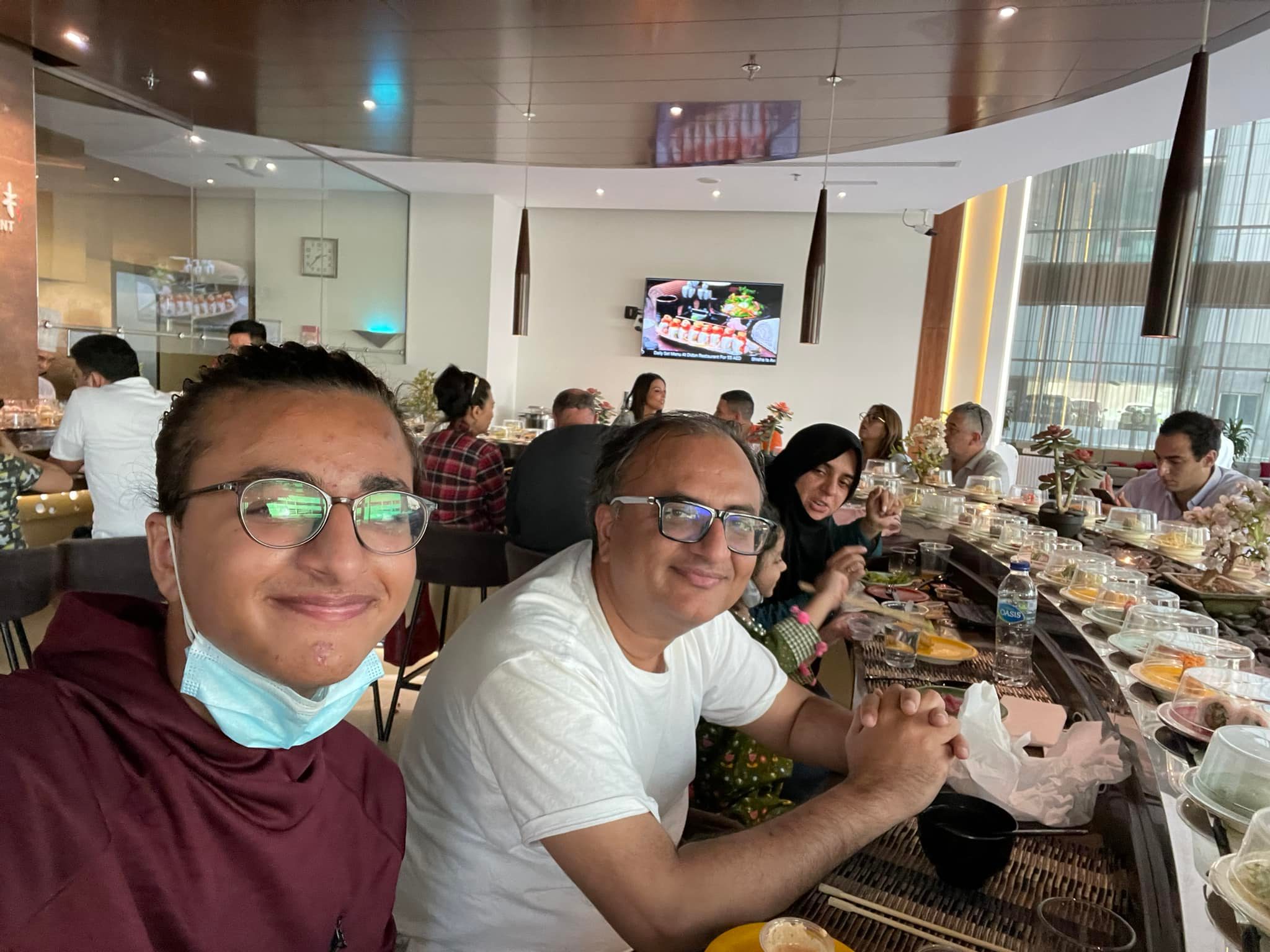
  • Sushi experience worh Mikael Allahwala
    Sushi 🍣 experience worh Mikael Allahwala
    0 Commentarii 0 Distribuiri 57 Views 0
  • Try some #yosushi #sushi
    Try some #yosushi #sushi
    0 Commentarii 0 Distribuiri 93 Views 0
  • The Child of 2075

    A child in 2075 may wake up in Karachi, Lagos, Dubai, or Toronto…
    but mentally, emotionally, and digitally, they may belong to the whole world.

    Today a child asks ChatGPT:
    “How do I solve this math problem?”
    “How do I cook biryani?”
    “How do I start a business?”
    “How do I talk to a girl?”
    “How do I fix my sadness?”

    But in 25 to 50 years, their children may not even “search” anymore.
    The AI may already know what they need before they ask.

    The future child may grow up with an AI companion beside them from age 3.
    Not just a chatbot…
    but a teacher, doctor, psychologist, business advisor, translator, and life guide.

    That child may speak five languages naturally because AI translates everything instantly.
    He may watch Korean cartoons, learn science from a Nigerian teacher, meditate with a Japanese monk, and start a business with a Brazilian friend — all before age 14.

    So what happens to identity?

    Maybe being only “Pakistani” or only “Indian” becomes weaker.
    The future generation may think more like:

    “I am part of the internet civilization.”

    Their tribe may no longer be language, caste, or country.
    Their tribe may become:

    * Gamers
    * AI creators
    * Climate activists
    * Muslim creators
    * Anime fans
    * Startup builders
    * Spiritual communities
    * Digital nomads

    Today food defines culture.
    In Pakistan, one area eats Sindhi biryani, another eats chapli kebab, another eats sajji.
    Food carries memory, language, history, and identity.

    But in cities like New York already, one person may eat:

    * Vietnamese pho on Monday
    * Sushi on Tuesday
    * Tacos on Wednesday
    * Biryani on Thursday
    * Burger on Friday

    Culture is mixing rapidly.

    In 50 years, food may become more “optimized” than emotional.
    AI may tell people:
    “You are low on magnesium.”
    “Your stress is high.”
    “Eat this personalized meal.”

    Many people may stop cooking completely.

    Robots may cook better than humans.
    Cloud kitchens may replace home kitchens.
    Children may grow up not knowing how to light a stove, just like many kids today do not know how to milk a cow or grow wheat.

    But something strange may also happen.

    As technology grows… humans may crave “realness” more than ever.

    Just like vinyl records returned.
    Just like organic farming returned.
    Just like handmade products became luxury.

    In the future:

    * Hand-cooked food may become premium.
    * Grandmother recipes may become treasures.
    * Human teachers may become emotionally valuable.
    * Silence may become luxury.
    * Villages may become “wellness retreats.”
    * Real friendships may become rare and expensive emotionally.

    People may become incredibly intelligent digitally…
    but emotionally weaker.

    They may know quantum physics from AI…
    but not know how to sit alone peacefully for one hour.

    They may have thousands of online friends…
    but nobody to carry them to the hospital physically.

    And this creates the biggest question of the future:

    If AI gives us answers instantly…
    will humans still develop wisdom slowly?

    Because wisdom was never only about information.
    Wisdom came from:

    * suffering,
    * waiting,
    * mistakes,
    * boredom,
    * silence,
    * physical work,
    * heartbreak,
    * raising children,
    * caring for parents,
    * failing publicly,
    * and struggling privately.

    Future children may become superhuman mentally…
    but fragile emotionally.

    Or maybe something beautiful happens.

    Maybe humanity finally stops fighting over race, language, and borders.
    Maybe a Pakistani child and an Indian child build companies together daily.
    Maybe religion becomes deeper spiritually instead of politically.
    Maybe people stop worshipping countries and start serving humanity.

    Or maybe the opposite happens:
    AI manipulates people so deeply that nations become more tribal and angry than ever.

    The future is not guaranteed.

    Technology only amplifies human intention.

    A knife can cook food.
    A knife can also kill.

    AI is the same.

    So the real question is not:
    “What will happen to future children?”

    The real question is:

    “What values will we give them before AI becomes their parent?”

    Because if parents stop teaching:

    * kindness,
    * patience,
    * spirituality,
    * discipline,
    * humility,
    * communication,
    * and meaning…

    then AI may raise the child.

    And AI can give intelligence.

    But only humans can teach what it feels like to be human.
    The Child of 2075 A child in 2075 may wake up in Karachi, Lagos, Dubai, or Toronto… but mentally, emotionally, and digitally, they may belong to the whole world. Today a child asks ChatGPT: “How do I solve this math problem?” “How do I cook biryani?” “How do I start a business?” “How do I talk to a girl?” “How do I fix my sadness?” But in 25 to 50 years, their children may not even “search” anymore. The AI may already know what they need before they ask. The future child may grow up with an AI companion beside them from age 3. Not just a chatbot… but a teacher, doctor, psychologist, business advisor, translator, and life guide. That child may speak five languages naturally because AI translates everything instantly. He may watch Korean cartoons, learn science from a Nigerian teacher, meditate with a Japanese monk, and start a business with a Brazilian friend — all before age 14. So what happens to identity? Maybe being only “Pakistani” or only “Indian” becomes weaker. The future generation may think more like: “I am part of the internet civilization.” Their tribe may no longer be language, caste, or country. Their tribe may become: * Gamers * AI creators * Climate activists * Muslim creators * Anime fans * Startup builders * Spiritual communities * Digital nomads Today food defines culture. In Pakistan, one area eats Sindhi biryani, another eats chapli kebab, another eats sajji. Food carries memory, language, history, and identity. But in cities like New York already, one person may eat: * Vietnamese pho on Monday * Sushi on Tuesday * Tacos on Wednesday * Biryani on Thursday * Burger on Friday Culture is mixing rapidly. In 50 years, food may become more “optimized” than emotional. AI may tell people: “You are low on magnesium.” “Your stress is high.” “Eat this personalized meal.” Many people may stop cooking completely. Robots may cook better than humans. Cloud kitchens may replace home kitchens. Children may grow up not knowing how to light a stove, just like many kids today do not know how to milk a cow or grow wheat. But something strange may also happen. As technology grows… humans may crave “realness” more than ever. Just like vinyl records returned. Just like organic farming returned. Just like handmade products became luxury. In the future: * Hand-cooked food may become premium. * Grandmother recipes may become treasures. * Human teachers may become emotionally valuable. * Silence may become luxury. * Villages may become “wellness retreats.” * Real friendships may become rare and expensive emotionally. People may become incredibly intelligent digitally… but emotionally weaker. They may know quantum physics from AI… but not know how to sit alone peacefully for one hour. They may have thousands of online friends… but nobody to carry them to the hospital physically. And this creates the biggest question of the future: If AI gives us answers instantly… will humans still develop wisdom slowly? Because wisdom was never only about information. Wisdom came from: * suffering, * waiting, * mistakes, * boredom, * silence, * physical work, * heartbreak, * raising children, * caring for parents, * failing publicly, * and struggling privately. Future children may become superhuman mentally… but fragile emotionally. Or maybe something beautiful happens. Maybe humanity finally stops fighting over race, language, and borders. Maybe a Pakistani child and an Indian child build companies together daily. Maybe religion becomes deeper spiritually instead of politically. Maybe people stop worshipping countries and start serving humanity. Or maybe the opposite happens: AI manipulates people so deeply that nations become more tribal and angry than ever. The future is not guaranteed. Technology only amplifies human intention. A knife can cook food. A knife can also kill. AI is the same. So the real question is not: “What will happen to future children?” The real question is: “What values will we give them before AI becomes their parent?” Because if parents stop teaching: * kindness, * patience, * spirituality, * discipline, * humility, * communication, * and meaning… then AI may raise the child. And AI can give intelligence. But only humans can teach what it feels like to be human.
    0 Commentarii 0 Distribuiri 896 Views
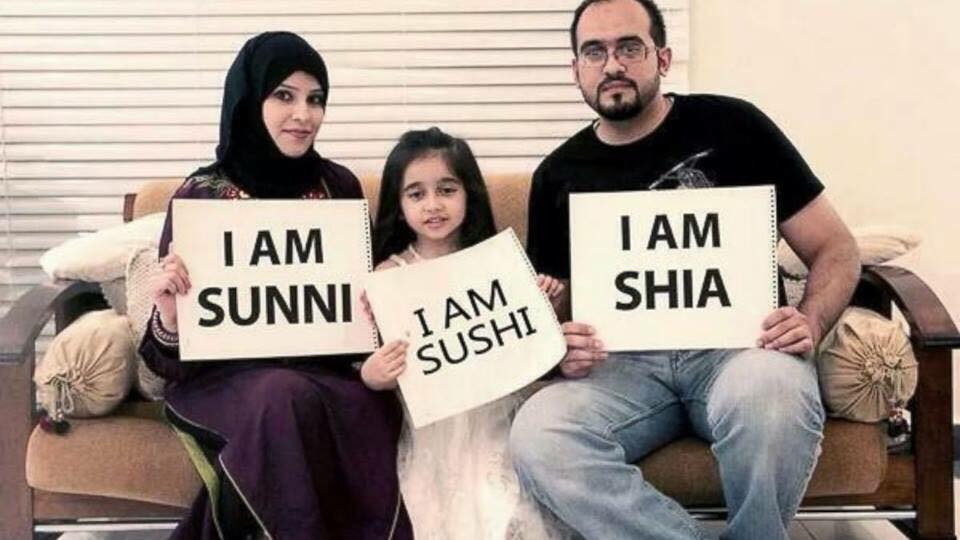
  • I like Sushi !
    I like Sushi !
    0 Commentarii 0 Distribuiri 57 Views
  • Hey Rehan and Dubai friends,
    Im looking to work for a high profile family in need of top notch maternity nurse/ nanny. Any suggestions besides an agency? Im US citizen .

    Virginia Sushila
    Hey Rehan and Dubai friends, Im looking to work for a high profile family in need of top notch maternity nurse/ nanny. Any suggestions besides an agency? Im US citizen . Virginia Sushila
    0 Commentarii 0 Distribuiri 57 Views
  • Sushi buffet with Mikael Allahwala
    Sushi buffet with Mikael Allahwala
    0 Commentarii 0 Distribuiri 57 Views
  • The story of **Akio Morita**, the co-founder of **Sony**, is a remarkable tale of vision, innovation, and perseverance. Morita, along with **Masaru Ibuka**, built Sony from a small post-war Japanese electronics company into a global technology giant. Heres an overview of his life and the creation of Sony:

    ### Early Life:
    - **Akio Morita** was born on **January 26, 1921**, in **Nagoya, Japan**, into a wealthy family that had been brewing sake for generations. Despite his family’s expectation that he would eventually take over the family business, Morita was more interested in science and technology from a young age.
    - Morita studied **physics** at **Osaka Imperial University** and graduated in 1944. During **World War II**, he served as a lieutenant in the Japanese navy, working on military technology, particularly in acoustics and communication systems.

    ### Meeting Masaru Ibuka:
    - After World War II, Japan was in economic ruins, but Morita’s passion for technology led him to pursue innovation in electronics. In 1946, Morita met **Masaru Ibuka**, an engineer and fellow visionary who had founded a small electronics repair shop in Tokyo called **Tokyo Tsushin Kogyo K.K.** (Tokyo Telecommunications Engineering Corporation).
    - Recognizing a shared vision for innovation, Morita and Ibuka formed a partnership, and Morita invested in the company. Together, they co-founded the company that would eventually become Sony. Morita focused on the business and marketing side, while Ibuka concentrated on technology and engineering.

    ### Early Challenges and Innovations:
    - Tokyo Tsushin Kogyo started with very little capital—around $500—and initially focused on repairing radios and making small electronic devices. Their first breakthrough product came in 1950 when they built **Japan’s first tape recorder**, called the **G-Type**. This product marked the company’s early foray into consumer electronics.
    - In **1955**, they introduced Japan’s first **transistor radio**, the **TR-55**, which was a major success and helped the company establish itself in the electronics market. The **TR-63**, the first truly pocket-sized transistor radio, followed in 1957, and became extremely popular in the United States.

    ### The Birth of Sony:
    - Morita and Ibuka realized that to become a global player, they needed a brand that would resonate internationally. In 1958, they renamed the company **Sony**, combining the Latin word **"sonus"** (meaning sound) with the English slang word "sonny," which symbolized youth and vitality. This marked the beginning of Sonys journey as a global brand.
    - Morita was the driving force behind Sonys international expansion. He believed that Japanese companies needed to focus on global markets rather than just domestic success. Under Morita’s leadership, Sony opened its first office in the **United States** in the 1950s, establishing a direct foothold in one of the world’s largest markets.

    ### Sonys Iconic Products:
    1. **Trinitron TV**: In 1968, Sony introduced the **Trinitron**, a groundbreaking color television that used a unique cathode-ray tube technology. The Trinitron became a massive success worldwide and established Sony as a leader in the television market. The Trinitron earned Sony an **Emmy Award** for engineering excellence in television technology.

    2. **Sony Walkman**: Perhaps one of the most iconic products Sony ever created was the **Walkman**, introduced in **1979**. The Walkman revolutionized the way people listened to music by making it portable. It became a global phenomenon, selling over **400 million units** and transforming personal audio consumption.

    3. **PlayStation**: Although it was launched after Morita stepped down from active management, the **PlayStation** (introduced in **1994**) is one of Sony’s most successful and influential products. It helped establish Sony as a major player in the gaming industry, competing with Nintendo and Sega.

    ### Moritas Leadership and Global Vision:
    - Morita was instrumental in shaping Sony’s **corporate culture**. Unlike many traditional Japanese companies, he promoted an open and international corporate environment. He encouraged creativity and risk-taking, which helped Sony become an innovator in the global marketplace.

    - Morita’s vision of making Sony a **global brand** was groundbreaking. He was one of the first Japanese business leaders to actively embrace Western markets, particularly the **United States**. His understanding of both Japanese and Western business cultures helped Sony thrive on the international stage.

    - He also believed in **quality and innovation** as Sonys guiding principles. This commitment to innovation led Sony to take risks on new technologies and products that other companies might have avoided.

    ### "Made in Japan" and Morita’s Influence:
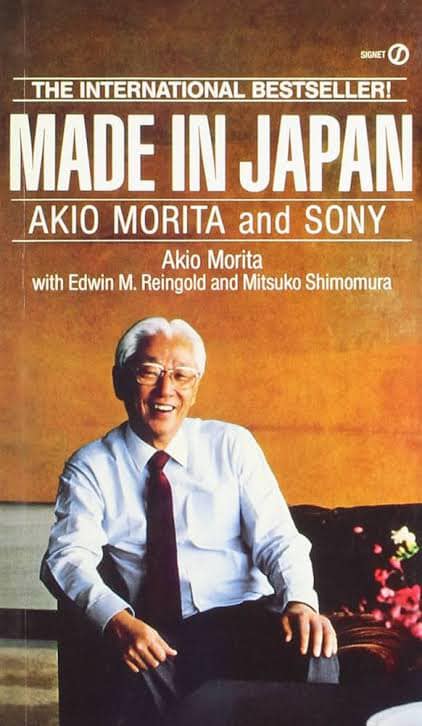
    - In 1986, Akio Morita published his autobiography, **"Made in Japan: Akio Morita and Sony,"** which provided insights into his business philosophy and the rise of Sony. The book became influential for both Japanese and international business leaders, highlighting Moritas views on innovation, leadership, and the importance of understanding global markets.

    ### Challenges and Morita’s Later Years:
    - Despite Sonys global success, the company faced challenges in the 1980s and 1990s as competition in the electronics market increased. However, Sony remained a leader in innovation under Morita’s guidance.

    - In **1993**, Morita suffered a stroke and was forced to retire from his leadership role. He officially stepped down as **chairman** of Sony in **1994** and remained out of the public eye afterward.

    ### Death and Legacy:
    - **Akio Morita** passed away on **October 3, 1999**, at the age of 78. His legacy, however, endures. Morita is remembered as a visionary leader who helped transform Sony into one of the most innovative and respected companies in the world.

    - His contributions to global business, particularly his emphasis on cross-cultural understanding, innovation, and international expansion, influenced generations of business leaders. Morita also helped change the perception of Japanese products, which were once considered inferior, by proving that Japanese companies could compete globally with high-quality, cutting-edge technology.

    ### Conclusion:
    Akio Morita’s story is one of remarkable vision and global ambition. From his humble beginnings in post-war Japan, he helped build Sony into a global electronics powerhouse, pioneering products like the Walkman and the Trinitron TV that changed the way people consumed entertainment. His belief in innovation, quality, and international collaboration set Sony apart and left a lasting impact on the business world, making Morita one of the most respected entrepreneurs of the 20th century.
    The story of **Akio Morita**, the co-founder of **Sony**, is a remarkable tale of vision, innovation, and perseverance. Morita, along with **Masaru Ibuka**, built Sony from a small post-war Japanese electronics company into a global technology giant. Here's an overview of his life and the creation of Sony: ### Early Life: - **Akio Morita** was born on **January 26, 1921**, in **Nagoya, Japan**, into a wealthy family that had been brewing sake for generations. Despite his family’s expectation that he would eventually take over the family business, Morita was more interested in science and technology from a young age. - Morita studied **physics** at **Osaka Imperial University** and graduated in 1944. During **World War II**, he served as a lieutenant in the Japanese navy, working on military technology, particularly in acoustics and communication systems. ### Meeting Masaru Ibuka: - After World War II, Japan was in economic ruins, but Morita’s passion for technology led him to pursue innovation in electronics. In 1946, Morita met **Masaru Ibuka**, an engineer and fellow visionary who had founded a small electronics repair shop in Tokyo called **Tokyo Tsushin Kogyo K.K.** (Tokyo Telecommunications Engineering Corporation). - Recognizing a shared vision for innovation, Morita and Ibuka formed a partnership, and Morita invested in the company. Together, they co-founded the company that would eventually become Sony. Morita focused on the business and marketing side, while Ibuka concentrated on technology and engineering. ### Early Challenges and Innovations: - Tokyo Tsushin Kogyo started with very little capital—around $500—and initially focused on repairing radios and making small electronic devices. Their first breakthrough product came in 1950 when they built **Japan’s first tape recorder**, called the **G-Type**. This product marked the company’s early foray into consumer electronics. - In **1955**, they introduced Japan’s first **transistor radio**, the **TR-55**, which was a major success and helped the company establish itself in the electronics market. The **TR-63**, the first truly pocket-sized transistor radio, followed in 1957, and became extremely popular in the United States. ### The Birth of Sony: - Morita and Ibuka realized that to become a global player, they needed a brand that would resonate internationally. In 1958, they renamed the company **Sony**, combining the Latin word **"sonus"** (meaning sound) with the English slang word "sonny," which symbolized youth and vitality. This marked the beginning of Sony's journey as a global brand. - Morita was the driving force behind Sony's international expansion. He believed that Japanese companies needed to focus on global markets rather than just domestic success. Under Morita’s leadership, Sony opened its first office in the **United States** in the 1950s, establishing a direct foothold in one of the world’s largest markets. ### Sony's Iconic Products: 1. **Trinitron TV**: In 1968, Sony introduced the **Trinitron**, a groundbreaking color television that used a unique cathode-ray tube technology. The Trinitron became a massive success worldwide and established Sony as a leader in the television market. The Trinitron earned Sony an **Emmy Award** for engineering excellence in television technology. 2. **Sony Walkman**: Perhaps one of the most iconic products Sony ever created was the **Walkman**, introduced in **1979**. The Walkman revolutionized the way people listened to music by making it portable. It became a global phenomenon, selling over **400 million units** and transforming personal audio consumption. 3. **PlayStation**: Although it was launched after Morita stepped down from active management, the **PlayStation** (introduced in **1994**) is one of Sony’s most successful and influential products. It helped establish Sony as a major player in the gaming industry, competing with Nintendo and Sega. ### Morita's Leadership and Global Vision: - Morita was instrumental in shaping Sony’s **corporate culture**. Unlike many traditional Japanese companies, he promoted an open and international corporate environment. He encouraged creativity and risk-taking, which helped Sony become an innovator in the global marketplace. - Morita’s vision of making Sony a **global brand** was groundbreaking. He was one of the first Japanese business leaders to actively embrace Western markets, particularly the **United States**. His understanding of both Japanese and Western business cultures helped Sony thrive on the international stage. - He also believed in **quality and innovation** as Sony's guiding principles. This commitment to innovation led Sony to take risks on new technologies and products that other companies might have avoided. ### "Made in Japan" and Morita’s Influence: - In 1986, Akio Morita published his autobiography, **"Made in Japan: Akio Morita and Sony,"** which provided insights into his business philosophy and the rise of Sony. The book became influential for both Japanese and international business leaders, highlighting Morita's views on innovation, leadership, and the importance of understanding global markets. ### Challenges and Morita’s Later Years: - Despite Sony's global success, the company faced challenges in the 1980s and 1990s as competition in the electronics market increased. However, Sony remained a leader in innovation under Morita’s guidance. - In **1993**, Morita suffered a stroke and was forced to retire from his leadership role. He officially stepped down as **chairman** of Sony in **1994** and remained out of the public eye afterward. ### Death and Legacy: - **Akio Morita** passed away on **October 3, 1999**, at the age of 78. His legacy, however, endures. Morita is remembered as a visionary leader who helped transform Sony into one of the most innovative and respected companies in the world. - His contributions to global business, particularly his emphasis on cross-cultural understanding, innovation, and international expansion, influenced generations of business leaders. Morita also helped change the perception of Japanese products, which were once considered inferior, by proving that Japanese companies could compete globally with high-quality, cutting-edge technology. ### Conclusion: Akio Morita’s story is one of remarkable vision and global ambition. From his humble beginnings in post-war Japan, he helped build Sony into a global electronics powerhouse, pioneering products like the Walkman and the Trinitron TV that changed the way people consumed entertainment. His belief in innovation, quality, and international collaboration set Sony apart and left a lasting impact on the business world, making Morita one of the most respected entrepreneurs of the 20th century.
    0 Commentarii 0 Distribuiri 653 Views
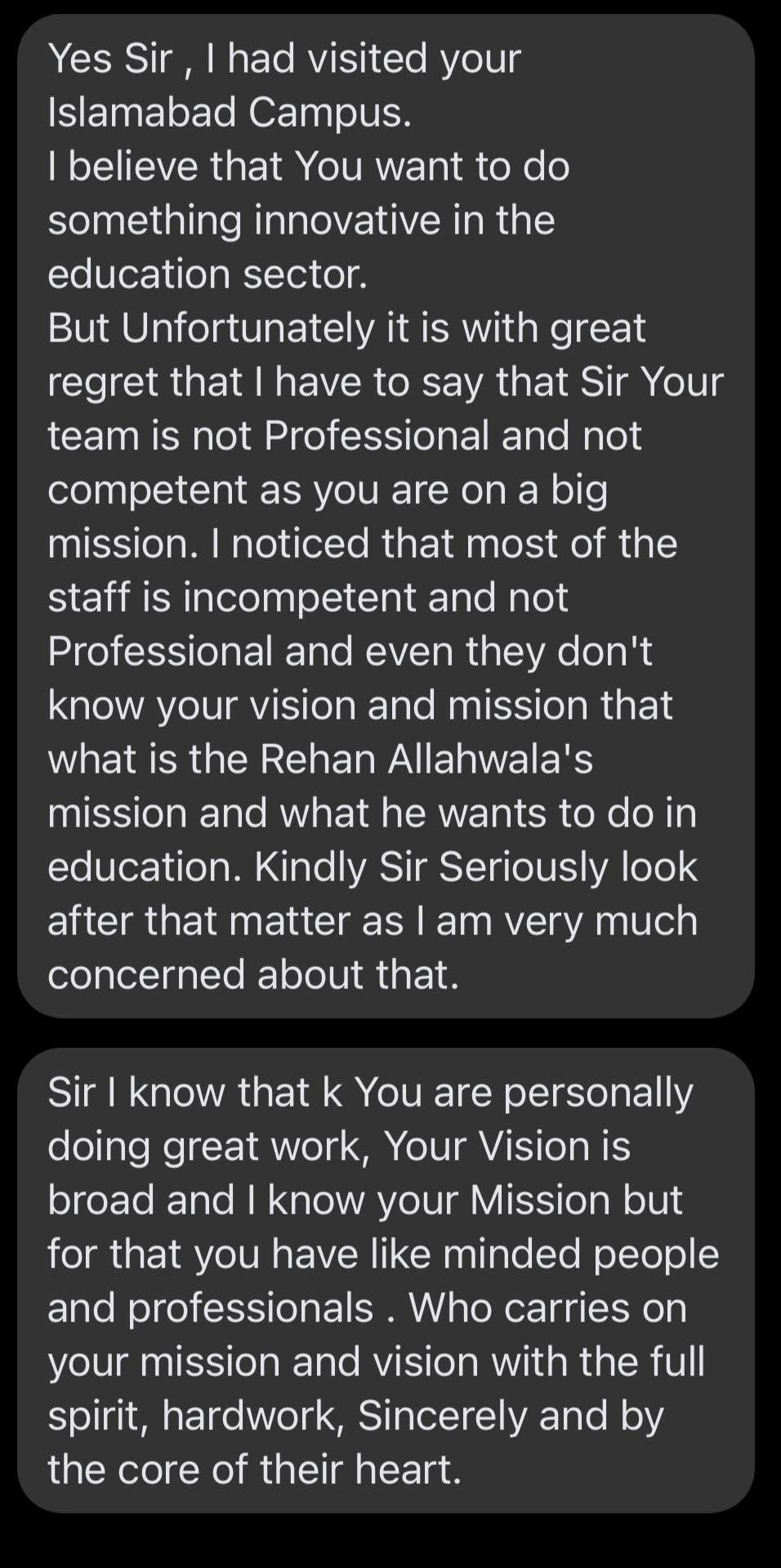
  • Someone said my team isn’t “professional” enough.
    One gave birth to a baby and was back at work the next day.
    Another almost resigned… now works 18 hours a day, even Sundays.
    They didn’t understand my vision at first — now they’re building the impossible.
    Criticize us, please. We turn it into fuel.

    Details !

    Someone said my team is not “professional” enough. Here’s my answer.

    Recently, a visitor came to our Islamabad campus.
    In just 30 minutes, they decided my team doesn’t fully understand my vision.

    Let me tell you something…
    My vision is not a cup of chai you sip and instantly enjoy.
    It’s Korean kimchi. Raw sushi. Fresh crab.
    The first time you try it — you’re confused. Maybe you even spit it out. You don’t get it.
    But once you acquire the taste, it changes you forever.

    Yes — my team actually doesn’t know most of the time what they’re doing in the beginning.
    They can’t follow my vision 100% — not because they’re incapable, but because they’ve never seen it, never experienced it.
    And that’s exactly why I appreciate them so much.
    They still follow my vision to the best of their ability, with full dedication.

    Almost every team member I’ve ever hired tells me the same thing:
    For the first 6 months, they have no idea what they’re doing.
    Then it starts to click.
    After a year — they go incredible.

    Look at Asma Shaheen EducationWali — she gave birth to a baby, and the very next day she was back at work because she couldn’t stay away from what we’re building.

    Look at Rubab EducationWali — after four months, she wanted to resign because she couldn’t understand the vision.
    Today, she works 16–18 hours a day, and even wants to come in on Sundays, because she believes in what we’re creating with all her heart.

    They call the results of our children “like little genies”.
    When you see transformation like that with your own eyes, you don’t want to sleep anymore — you just want to work, work, work, work, work.

    This is the only major complaint we’ve had in 3 years.
    And I will never use feedback to break my team’s spirit.
    I will use it to make them stronger.

    Because here’s the truth:
    People give feedback based on their own experiences, their own biases.
    And that’s okay.
    But you can’t understand a vision built over a lifetime in a half-hour tour.

    To those who doubt us — I invite you:
    Come back in six months. See what’s changed.
    You will be surprised. You will be proud.

    Even Sheikh Mohammed of Dubai — one of the richest and most visionary leaders alive — says Dubai today is only 10% of his dream.
    Great things take time.

    I’m proud of my team.
    I’m proud of what we’re building.
    I’m thankful for every person who has visited or will visit.
    And I welcome criticism — because we use it as fuel to become even better.

    We’re not here to do the ordinary.
    We’re here to build the impossible.
    💥 Someone said my team isn’t “professional” enough. 💪 One gave birth to a baby and was back at work the next day. 🔥 Another almost resigned… now works 18 hours a day, even Sundays. ❤️ They didn’t understand my vision at first — now they’re building the impossible. 🚀 Criticize us, please. We turn it into fuel. Details ! 🚨 Someone said my team is not “professional” enough. Here’s my answer. 🚨 Recently, a visitor came to our Islamabad campus. In just 30 minutes, they decided my team doesn’t fully understand my vision. Let me tell you something… My vision is not a cup of chai you sip and instantly enjoy. It’s Korean kimchi. Raw sushi. Fresh crab. The first time you try it — you’re confused. Maybe you even spit it out. You don’t get it. But once you acquire the taste, it changes you forever. Yes — my team actually doesn’t know most of the time what they’re doing in the beginning. They can’t follow my vision 100% — not because they’re incapable, but because they’ve never seen it, never experienced it. And that’s exactly why I appreciate them so much. They still follow my vision to the best of their ability, with full dedication. Almost every team member I’ve ever hired tells me the same thing: For the first 6 months, they have no idea what they’re doing. Then it starts to click. After a year — they go incredible. Look at Asma Shaheen EducationWali — she gave birth to a baby, and the very next day she was back at work because she couldn’t stay away from what we’re building. Look at Rubab EducationWali — after four months, she wanted to resign because she couldn’t understand the vision. Today, she works 16–18 hours a day, and even wants to come in on Sundays, because she believes in what we’re creating with all her heart. They call the results of our children “like little genies”. When you see transformation like that with your own eyes, you don’t want to sleep anymore — you just want to work, work, work, work, work. This is the only major complaint we’ve had in 3 years. And I will never use feedback to break my team’s spirit. I will use it to make them stronger. Because here’s the truth: People give feedback based on their own experiences, their own biases. And that’s okay. But you can’t understand a vision built over a lifetime in a half-hour tour. To those who doubt us — I invite you: Come back in six months. See what’s changed. You will be surprised. You will be proud. Even Sheikh Mohammed of Dubai — one of the richest and most visionary leaders alive — says Dubai today is only 10% of his dream. Great things take time. 💪 I’m proud of my team. 💪 I’m proud of what we’re building. 💪 I’m thankful for every person who has visited or will visit. 💪 And I welcome criticism — because we use it as fuel to become even better. We’re not here to do the ordinary. We’re here to build the impossible.
    0 Commentarii 0 Distribuiri 63 Views
Sponsorizeaza Paginile