• Fondation Level Batch No 4
    Roll RSLC #42
    Task No #71
    Day #71

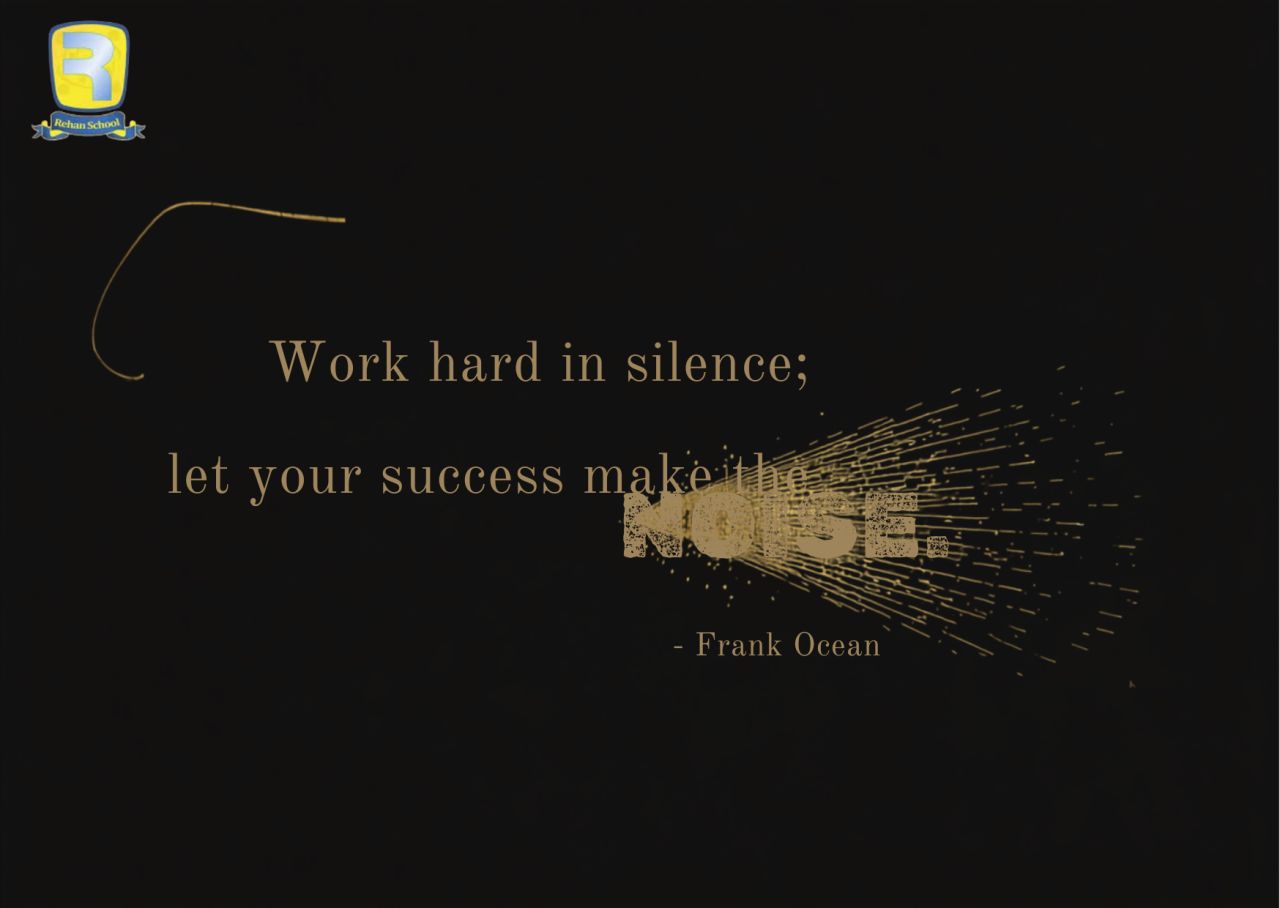
    Work hard in silence and stay focused on your dreams, even when nobody notices your efforts. Success takes patience, dedication, and consistent effort, so never give up when the journey gets difficult. Keep believing in yourself and continue moving forward, because every small step brings you closer to your goals.

    #WorkHard #Success #StayFocused #Motivation #Consistency #HardWork #DreamBig #NeverGiveUp
    Fondation Level Batch No 4 Roll RSLC #42 Task No #71 Day #71 Work hard in silence and stay focused on your dreams, even when nobody notices your efforts. Success takes patience, dedication, and consistent effort, so never give up when the journey gets difficult. Keep believing in yourself and continue moving forward, because every small step brings you closer to your goals. #WorkHard #Success #StayFocused #Motivation #Consistency #HardWork #DreamBig #NeverGiveUp
    0 التعليقات 0 المشاركات 39 مشاهدة
  • Fondation Level Batch No 4
    Roll RSLC #42
    Task No #64
    Day #64

    Start where you are and make the best use of what you already have. You don?t need perfect conditions to take the first step toward your goals. Small actions today can create meaningful progress and open new opportunities tomorrow. Believe in yourself, take action, and keep moving forward with confidence.

    #Motivation #SuccessMindset #TakeAction #PositiveThinking #PersonalGrowth #Inspiration #KeepGoing #TheodoreRoosevelt
    Fondation Level Batch No 4 Roll RSLC #42 Task No #64 Day #64 Start where you are and make the best use of what you already have. You don?t need perfect conditions to take the first step toward your goals. Small actions today can create meaningful progress and open new opportunities tomorrow. Believe in yourself, take action, and keep moving forward with confidence. #Motivation #SuccessMindset #TakeAction #PositiveThinking #PersonalGrowth #Inspiration #KeepGoing #TheodoreRoosevelt
    0 التعليقات 0 المشاركات 47 مشاهدة
  • Fondation Level Batch No 4
    Roll RSLC #42
    Task No #64
    Day #64

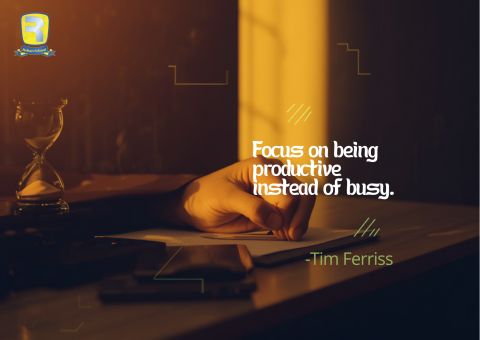
    Productivity means focusing on what truly matters instead of simply staying busy. Set clear goals, avoid distractions, and use your time wisely. Work smarter and give your energy to tasks that create meaningful progress. Remember, true success comes from focused and purposeful action. ??

    #Productivity #Focus #TimeManagement #WorkSmarter #SuccessMindset #Motivation #PersonalGrowth #TimFerriss
    Fondation Level Batch No 4 Roll RSLC #42 Task No #64 Day #64 Productivity means focusing on what truly matters instead of simply staying busy. Set clear goals, avoid distractions, and use your time wisely. Work smarter and give your energy to tasks that create meaningful progress. Remember, true success comes from focused and purposeful action. ?? #Productivity #Focus #TimeManagement #WorkSmarter #SuccessMindset #Motivation #PersonalGrowth #TimFerriss
    0 التعليقات 0 المشاركات 64 مشاهدة
  • Fondation Level Batch No 4
    Roll RSLC #42
    Task No #174
    Day #174

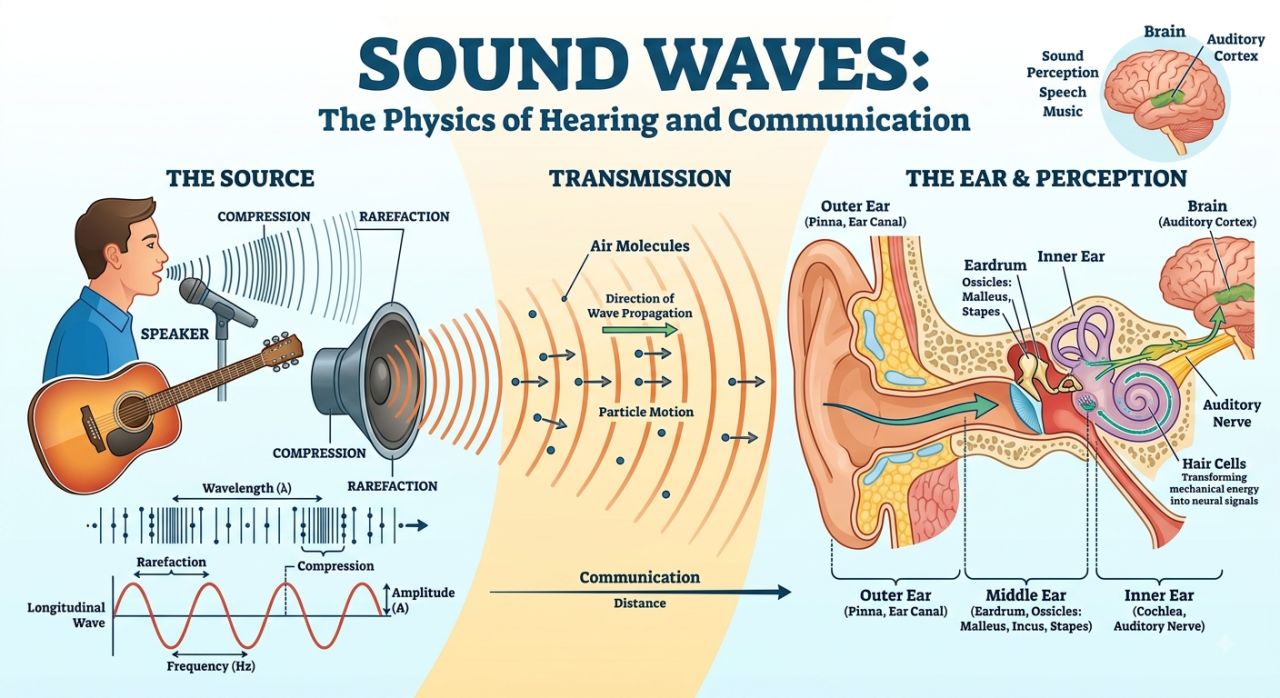
    Sound is an important part of our daily lives, traveling from one place to another in the form of waves.
    When an object vibrates, it causes surrounding particles to move and produces sound.
    These waves eventually reach our ears and allow us to hear different sounds.

    Our ears convert sound waves into electrical signals that the brain can understand.
    The frequency of a sound determines its pitch, while its intensity affects how loud it seems.
    This makes hearing a fascinating combination of physics and the human body.

    Sound is not only important for hearing but also for communication.
    We use our voices, music, phones, and many technologies to send information through sound.
    Sound waves allow messages to travel through different materials and reach their destination.

    The world of sound shows us how closely science is connected to everyday life.
    Behind every word, melody, and noise is a fascinating system of vibrations and waves.
    Understanding sound waves brings us closer to understanding hearing, communication, and the wonders of physics.

    ???? ????? ?????? ????? ?? ??? ??? ??? ??? ?? ????? ?? ???? ??? ??? ???? ???
    ?? ???? ??? ?????? ???? ???? ?? ?? ?????? ?? ???? ???? ???? ??? ??? ???? ???? ???
    ??? ????? ????? ????? ?? ???? ?? ???? ????? ?????? ???? ??? ??? ???? ????

    ??? ???? ?? ????? ?? ???? ????? ??? ????? ???? ??? ????? ???? ?????? ???
    ???? ?? ????????? ???? ??? ???? ?? ?? ??? ???? ?? ????? ????? ????? ???
    ??? ????? ????? ??????? ??? ?????? ??? ?? ??? ???? ????? ?????? ???

    ???? ??? ???? ?? ??? ???? ???? ????? ?? ?????? ????? ??? ???
    ?? ?????? ??????? ??? ???? ??? ????? ???? ?? ????? ???? ?? ????? ??????? ?? ??? ??????? ???? ????
    ???? ?? ????? ????? ??? ????? ????? ?? ??? ?? ??????? ????? ???? ????

    ???? ?? ???? ???? ?????? ?? ?? ????? ????? ?????? ????? ?? ???? ???? ??? ???? ???
    ?? ???? ?? ??? ??? ?? ???? ?? ????? ?????? ??? ????? ?? ??? ????? ???? ????? ???
    ????? ???? ?? ?????? ???? ?????? ????? ??? ?????? ?? ??? ????? ?? ???? ?? ???? ???

    #SoundWaves #PhysicsOfSound #HearingScience #ScienceExplained #WavePhysics #Communication #Physics
    Fondation Level Batch No 4 Roll RSLC #42 Task No #174 Day #174 Sound is an important part of our daily lives, traveling from one place to another in the form of waves. When an object vibrates, it causes surrounding particles to move and produces sound. These waves eventually reach our ears and allow us to hear different sounds. Our ears convert sound waves into electrical signals that the brain can understand. The frequency of a sound determines its pitch, while its intensity affects how loud it seems. This makes hearing a fascinating combination of physics and the human body. Sound is not only important for hearing but also for communication. We use our voices, music, phones, and many technologies to send information through sound. Sound waves allow messages to travel through different materials and reach their destination. The world of sound shows us how closely science is connected to everyday life. Behind every word, melody, and noise is a fascinating system of vibrations and waves. Understanding sound waves brings us closer to understanding hearing, communication, and the wonders of physics. ???? ????? ?????? ????? ?? ??? ??? ??? ??? ?? ????? ?? ???? ??? ??? ???? ??? ?? ???? ??? ?????? ???? ???? ?? ?? ?????? ?? ???? ???? ???? ??? ??? ???? ???? ??? ??? ????? ????? ????? ?? ???? ?? ???? ????? ?????? ???? ??? ??? ???? ???? ??? ???? ?? ????? ?? ???? ????? ??? ????? ???? ??? ????? ???? ?????? ??? ???? ?? ????????? ???? ??? ???? ?? ?? ??? ???? ?? ????? ????? ????? ??? ??? ????? ????? ??????? ??? ?????? ??? ?? ??? ???? ????? ?????? ??? ???? ??? ???? ?? ??? ???? ???? ????? ?? ?????? ????? ??? ??? ?? ?????? ??????? ??? ???? ??? ????? ???? ?? ????? ???? ?? ????? ??????? ?? ??? ??????? ???? ???? ???? ?? ????? ????? ??? ????? ????? ?? ??? ?? ??????? ????? ???? ???? ???? ?? ???? ???? ?????? ?? ?? ????? ????? ?????? ????? ?? ???? ???? ??? ???? ??? ?? ???? ?? ??? ??? ?? ???? ?? ????? ?????? ??? ????? ?? ??? ????? ???? ????? ??? ????? ???? ?? ?????? ???? ?????? ????? ??? ?????? ?? ??? ????? ?? ???? ?? ???? ??? #SoundWaves #PhysicsOfSound #HearingScience #ScienceExplained #WavePhysics #Communication #Physics
    0 التعليقات 0 المشاركات 67 مشاهدة
  • Fondation Level Batch No 4
    Roll RSLC #42
    Task No #167
    Day #167

    Geography deeply influences the way we live our lives.
    Climate, land, and natural resources shape our daily routines.
    That is why every region develops its own unique culture.

    In cold regions, people wear warm clothes and enjoy different foods.
    In hot areas, light clothing and refreshing drinks are more common.
    Climate influences our habits, traditions, and everyday lifestyle.

    Communities near rivers and fertile lands often grow through agriculture.
    Trade, farming, and local traditions become an important part of life.
    The natural environment also shapes people?s professions and customs.

    Geography is not just about land and maps; it shapes our identity.
    Climate and surroundings influence our food, clothing, language, and traditions.
    The beauty of our world lies in this wonderful cultural diversity.

    ??????? ????? ????? ?? ????? ?? ?????? ?? ????? ???? ???
    ????? ???? ??? ????? ????? ????? ??? ??? ?? ????? ????
    ??? ??? ?? ??? ?? ???? ????? ????? ??? ???? ???

    ??? ?????? ??? ??? ??? ???? ??? ????? ????? ?????? ???? ????
    ??? ?????? ??? ???? ???? ??? ????? ??????? ??? ???? ????
    ???? ????? ?????? ????? ??? ???? ????? ?? ??? ????? ???

    ?????? ??? ????? ?????? ?? ???? ??????? ????? ???? ???? ????
    ???? ?????? ????? ??? ????? ?????? ????? ?? ??? ??? ???? ????
    ????? ????? ????? ?? ????? ??? ????? ?? ??? ??? ???? ???

    ??? ??????? ??? ???? ?? ???? ???? ???? ????? ????? ??? ????? ???
    ???? ??? ????? ????? ????? ????? ????? ??? ??? ? ???? ?? ????? ???? ????
    ???? ?? ???????? ??? ?????? ???? ??? ???? ???? ??

    #ClimateAndCulture #Geography #CulturalDiversity #WayOfLife #ClimateChange #HumanCulture #GeographyMatters
    Fondation Level Batch No 4 Roll RSLC #42 Task No #167 Day #167 Geography deeply influences the way we live our lives. Climate, land, and natural resources shape our daily routines. That is why every region develops its own unique culture. In cold regions, people wear warm clothes and enjoy different foods. In hot areas, light clothing and refreshing drinks are more common. Climate influences our habits, traditions, and everyday lifestyle. Communities near rivers and fertile lands often grow through agriculture. Trade, farming, and local traditions become an important part of life. The natural environment also shapes people?s professions and customs. Geography is not just about land and maps; it shapes our identity. Climate and surroundings influence our food, clothing, language, and traditions. The beauty of our world lies in this wonderful cultural diversity. ??????? ????? ????? ?? ????? ?? ?????? ?? ????? ???? ??? ????? ???? ??? ????? ????? ????? ??? ??? ?? ????? ???? ??? ??? ?? ??? ?? ???? ????? ????? ??? ???? ??? ??? ?????? ??? ??? ??? ???? ??? ????? ????? ?????? ???? ???? ??? ?????? ??? ???? ???? ??? ????? ??????? ??? ???? ???? ???? ????? ?????? ????? ??? ???? ????? ?? ??? ????? ??? ?????? ??? ????? ?????? ?? ???? ??????? ????? ???? ???? ???? ???? ?????? ????? ??? ????? ?????? ????? ?? ??? ??? ???? ???? ????? ????? ????? ?? ????? ??? ????? ?? ??? ??? ???? ??? ??? ??????? ??? ???? ?? ???? ???? ???? ????? ????? ??? ????? ??? ???? ??? ????? ????? ????? ????? ????? ??? ??? ? ???? ?? ????? ???? ???? ???? ?? ???????? ??? ?????? ???? ??? ???? ???? ?? #ClimateAndCulture #Geography #CulturalDiversity #WayOfLife #ClimateChange #HumanCulture #GeographyMatters
    0 التعليقات 0 المشاركات 44 مشاهدة
  • Fondation Level Batch No 4
    Roll RSLC #42
    Task No #160
    Day #160

    One evening, Ayan sat by his window watching the golden sunlight fill his room.
    He wondered how light traveled from the Sun across the vastness of space.
    The next day, he asked his science teacher about the true nature of light.
    His teacher explained that light is much more mysterious than it appears.
    Scientists discovered that light can behave both like waves and tiny particles.
    This fascinating property is called the wave-particle duality of light.
    Ayan became curious and wanted to discover how this was possible.
    He began an exciting journey into the hidden world of light.
    His teacher explained that light can behave like waves moving through space.
    Light shows reflection, refraction, diffraction, and interference in different situations.
    Reflection allows light to bounce from surfaces such as mirrors and shiny objects.
    Refraction causes light to change direction when it passes through different materials.
    Interference happens when light waves meet and interact with one another.
    These properties help explain rainbows, colors, reflections, and many other phenomena.
    Ayan realized that everyday sights could reveal important scientific secrets.
    He became even more fascinated by the mysterious behavior of light.
    Then Ayan learned that light can also behave like tiny particles called photons.
    Each photon carries energy and can interact with matter in different ways.
    This particle-like behavior helps scientists understand the photoelectric effect.
    Ayan found it amazing that light could appear as both a wave and a particle.
    His teacher explained that this strange behavior is a key idea in quantum physics.
    The quantum world does not always follow the rules we experience every day.
    Light became a perfect example of nature?s surprising complexity.
    Ayan realized that science often reveals things we cannot understand at first.
    That evening, Ayan looked at the sunlight outside with completely new eyes.
    He imagined photons traveling through space and waves carrying energy across the universe.
    He understood that something as ordinary as sunlight could hold incredible mysteries.
    The experience taught him that science is not only about learning known facts.
    It is also about asking questions and searching for answers beyond what we can see.
    Ayan felt inspired to explore more mysteries hidden throughout the universe.
    From that day forward, every beam of light reminded him of his discovery.
    He learned that even the simplest things can contain the greatest scientific wonders.


    #NatureOfLight #LightWaves #LightParticles #Photon #QuantumPhysics #ScienceExploration #PhysicsFacts

    Fondation Level Batch No 4 Roll RSLC #42 Task No #160 Day #160 One evening, Ayan sat by his window watching the golden sunlight fill his room. He wondered how light traveled from the Sun across the vastness of space. The next day, he asked his science teacher about the true nature of light. His teacher explained that light is much more mysterious than it appears. Scientists discovered that light can behave both like waves and tiny particles. This fascinating property is called the wave-particle duality of light. Ayan became curious and wanted to discover how this was possible. He began an exciting journey into the hidden world of light. His teacher explained that light can behave like waves moving through space. Light shows reflection, refraction, diffraction, and interference in different situations. Reflection allows light to bounce from surfaces such as mirrors and shiny objects. Refraction causes light to change direction when it passes through different materials. Interference happens when light waves meet and interact with one another. These properties help explain rainbows, colors, reflections, and many other phenomena. Ayan realized that everyday sights could reveal important scientific secrets. He became even more fascinated by the mysterious behavior of light. Then Ayan learned that light can also behave like tiny particles called photons. Each photon carries energy and can interact with matter in different ways. This particle-like behavior helps scientists understand the photoelectric effect. Ayan found it amazing that light could appear as both a wave and a particle. His teacher explained that this strange behavior is a key idea in quantum physics. The quantum world does not always follow the rules we experience every day. Light became a perfect example of nature?s surprising complexity. Ayan realized that science often reveals things we cannot understand at first. That evening, Ayan looked at the sunlight outside with completely new eyes. He imagined photons traveling through space and waves carrying energy across the universe. He understood that something as ordinary as sunlight could hold incredible mysteries. The experience taught him that science is not only about learning known facts. It is also about asking questions and searching for answers beyond what we can see. Ayan felt inspired to explore more mysteries hidden throughout the universe. From that day forward, every beam of light reminded him of his discovery. He learned that even the simplest things can contain the greatest scientific wonders. #NatureOfLight #LightWaves #LightParticles #Photon #QuantumPhysics #ScienceExploration #PhysicsFacts

    0 التعليقات 0 المشاركات 92 مشاهدة
  • Fondation Level Batch No 4
    Roll RSLC #42
    Task No #153
    Day #153

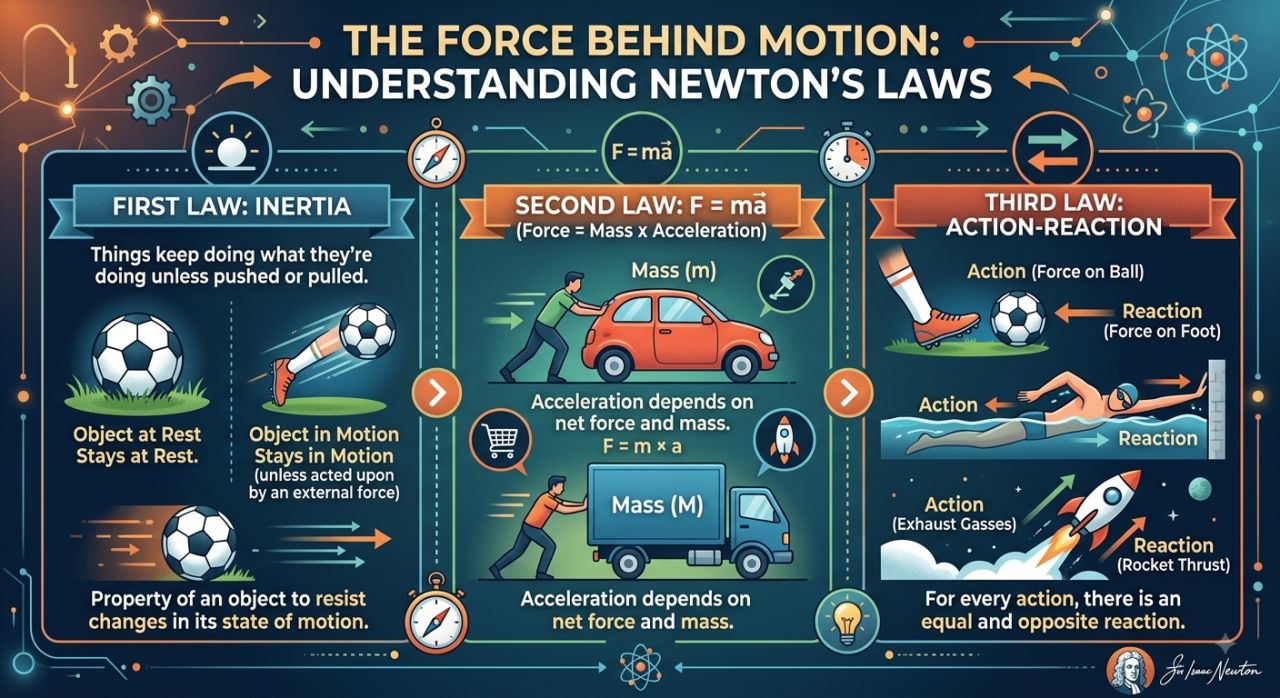
    One bright morning, Adam was playing in a park when he noticed a football resting quietly on the grass. He gently kicked the ball, and it suddenly began rolling across the field. Curious, Adam wondered why the ball had moved only after he kicked it. His teacher explained that this was connected to Newton?s First Law of Motion. An object remains at rest or keeps moving in the same way unless an external force changes its motion. Adam realized that even a simple kick could demonstrate an important scientific principle. From that moment, he became interested in discovering the forces behind everyday movement.

    Adam then decided to test how different objects responded to force. He pushed a light ball and a heavier ball with similar strength and noticed that the lighter ball moved more easily. His teacher explained Newton?s Second Law, which connects force, mass, and acceleration. Adam learned that applying more force can produce a greater change in an object?s motion. He also discovered that heavier objects usually need more force to achieve the same acceleration. Suddenly, pushing a bicycle, moving a box, or kicking a ball seemed much more interesting to him. He understood that forces were constantly influencing the world around him.

    Later, Adam threw a ball against a wall and watched it bounce back toward him. His teacher explained that this was an example of Newton?s Third Law of Motion. Whenever one object applies a force to another object, an equal and opposite force acts back. Adam realized that this principle could be seen when people walk, jump, swim, or ride a bicycle. When his feet pushed the ground backward, the ground pushed him forward. He also learned that rockets move upward by pushing gases downward at high speed. Newton?s Third Law suddenly made many everyday movements easier for Adam to understand.

    By the end of the day, Adam realized that Newton?s laws were much more than formulas in a science book. They were powerful principles that explained how objects move, stop, accelerate, and interact with one another. He could see examples of them in cars, bicycles, sports, falling objects, machines, and even rockets traveling into space. The world around him suddenly looked like a fascinating laboratory filled with invisible forces. Adam understood that physics helps us discover the rules behind ordinary events. From a simple football rolling across the grass to a spacecraft leaving Earth, Newton?s laws tell an amazing story about the force behind motion.

    #NewtonLaws #Physics #ForceAndMotion #NewtonianPhysics #ScienceEducation #PhysicsExplained #LearningScience
    Fondation Level Batch No 4 Roll RSLC #42 Task No #153 Day #153 One bright morning, Adam was playing in a park when he noticed a football resting quietly on the grass. He gently kicked the ball, and it suddenly began rolling across the field. Curious, Adam wondered why the ball had moved only after he kicked it. His teacher explained that this was connected to Newton?s First Law of Motion. An object remains at rest or keeps moving in the same way unless an external force changes its motion. Adam realized that even a simple kick could demonstrate an important scientific principle. From that moment, he became interested in discovering the forces behind everyday movement. Adam then decided to test how different objects responded to force. He pushed a light ball and a heavier ball with similar strength and noticed that the lighter ball moved more easily. His teacher explained Newton?s Second Law, which connects force, mass, and acceleration. Adam learned that applying more force can produce a greater change in an object?s motion. He also discovered that heavier objects usually need more force to achieve the same acceleration. Suddenly, pushing a bicycle, moving a box, or kicking a ball seemed much more interesting to him. He understood that forces were constantly influencing the world around him. Later, Adam threw a ball against a wall and watched it bounce back toward him. His teacher explained that this was an example of Newton?s Third Law of Motion. Whenever one object applies a force to another object, an equal and opposite force acts back. Adam realized that this principle could be seen when people walk, jump, swim, or ride a bicycle. When his feet pushed the ground backward, the ground pushed him forward. He also learned that rockets move upward by pushing gases downward at high speed. Newton?s Third Law suddenly made many everyday movements easier for Adam to understand. By the end of the day, Adam realized that Newton?s laws were much more than formulas in a science book. They were powerful principles that explained how objects move, stop, accelerate, and interact with one another. He could see examples of them in cars, bicycles, sports, falling objects, machines, and even rockets traveling into space. The world around him suddenly looked like a fascinating laboratory filled with invisible forces. Adam understood that physics helps us discover the rules behind ordinary events. From a simple football rolling across the grass to a spacecraft leaving Earth, Newton?s laws tell an amazing story about the force behind motion. #NewtonLaws #Physics #ForceAndMotion #NewtonianPhysics #ScienceEducation #PhysicsExplained #LearningScience
    0 التعليقات 0 المشاركات 77 مشاهدة
  • Fondation Level Batch No 4
    Roll RSLC #42
    Task No #146
    Day #146

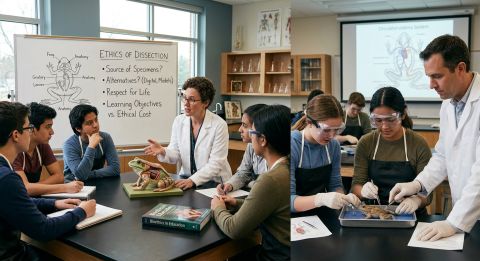
    # The Ethics and Education of Animal Dissections

    On a bright Monday morning, Sara entered her biology classroom with excitement and curiosity. Her teacher, Ms. Helen, announced that the students would be learning about animal anatomy through a dissection lesson. Sara had always wanted to understand how living bodies worked, but she also wondered whether using animals for education was the right choice. Before beginning, Ms. Helen reminded the class that science was not only about discovering facts?it was also about making responsible and ethical decisions.

    During the lesson, Sara carefully observed the specimen and began to understand how different organs worked together. However, Ms. Helen explained that animals should never be treated as ordinary objects. They were living beings and deserved respect. She told the students that every use of an animal in education should have a clear purpose and that unnecessary harm should always be avoided.

    One student asked, ?Can we learn anatomy without using real animals?? Ms. Helen explained that modern technology now offers alternatives such as virtual dissections, 3D models, computer simulations, and artificial specimens. These methods can help students understand anatomy while reducing the need for animal use. Sara realized that scientific progress was not only about learning more, but also about finding kinder and more responsible ways to learn.

    At the end of the lesson, Sara wrote in her notebook, ?True science seeks knowledge without forgetting kindness.? She understood that education should develop knowledge, compassion, responsibility, and respect. From that day forward, she looked at science differently and realized that the best discoveries are those that help us understand life while also teaching us to value it.

    ## Moral Lesson

    **True education combines knowledge with compassion. Science should seek understanding while respecting life and choosing ethical ways to learn whenever possible.**

    #AnimalDissection #EthicsInScience #BiologyEducation #AnimalWelfare #ScienceEducation #EthicalLearning
    Fondation Level Batch No 4 Roll RSLC #42 Task No #146 Day #146 # The Ethics and Education of Animal Dissections On a bright Monday morning, Sara entered her biology classroom with excitement and curiosity. Her teacher, Ms. Helen, announced that the students would be learning about animal anatomy through a dissection lesson. Sara had always wanted to understand how living bodies worked, but she also wondered whether using animals for education was the right choice. Before beginning, Ms. Helen reminded the class that science was not only about discovering facts?it was also about making responsible and ethical decisions. During the lesson, Sara carefully observed the specimen and began to understand how different organs worked together. However, Ms. Helen explained that animals should never be treated as ordinary objects. They were living beings and deserved respect. She told the students that every use of an animal in education should have a clear purpose and that unnecessary harm should always be avoided. One student asked, ?Can we learn anatomy without using real animals?? Ms. Helen explained that modern technology now offers alternatives such as virtual dissections, 3D models, computer simulations, and artificial specimens. These methods can help students understand anatomy while reducing the need for animal use. Sara realized that scientific progress was not only about learning more, but also about finding kinder and more responsible ways to learn. At the end of the lesson, Sara wrote in her notebook, ?True science seeks knowledge without forgetting kindness.? She understood that education should develop knowledge, compassion, responsibility, and respect. From that day forward, she looked at science differently and realized that the best discoveries are those that help us understand life while also teaching us to value it. ## Moral Lesson **True education combines knowledge with compassion. Science should seek understanding while respecting life and choosing ethical ways to learn whenever possible.** #AnimalDissection #EthicsInScience #BiologyEducation #AnimalWelfare #ScienceEducation #EthicalLearning
    0 التعليقات 0 المشاركات 66 مشاهدة
  • Fondation Level Batch No 4
    Roll RSLC #42
    Task No #139
    Day #139

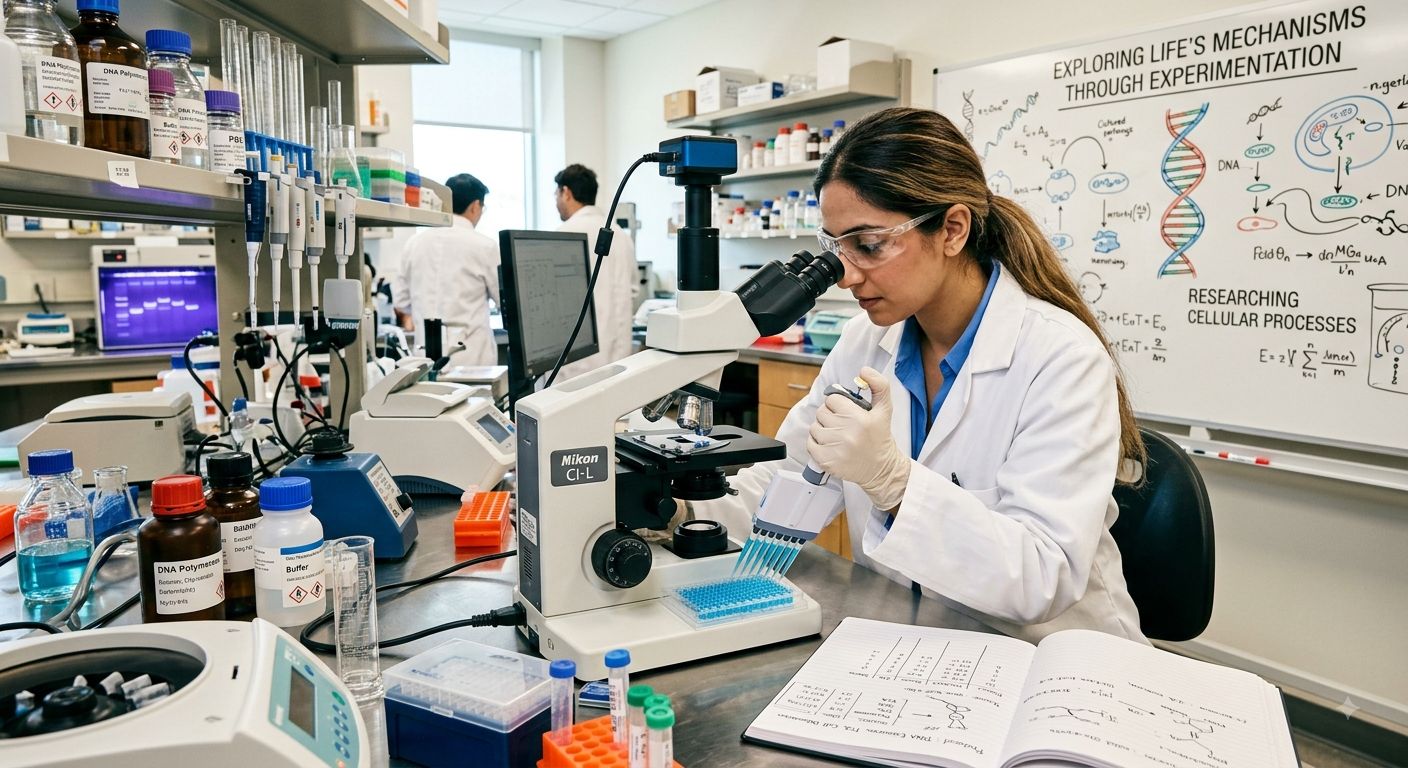
    # Exploring Life?s Mechanisms Through Experimentation

    Sara was a curious young student who loved discovering how life worked. One day, while studying in her school laboratory, she looked through a microscope and became fascinated by the tiny cells she saw moving beneath the lens. She wondered how something so small could perform such important tasks and keep living organisms alive. Instead of simply memorizing facts from her textbook, Sara decided to investigate through experiments. She carefully planned her work, recorded her observations, and began searching for answers to the mysteries hidden inside living cells.

    At first, Sara?s experiments did not go as planned. Some results were confusing, while others were completely different from what she expected. She became disappointed and thought about giving up, but her teacher encouraged her to look at every mistake as an opportunity to learn. Sara repeated her experiments, checked her measurements, and carefully studied her observations. Gradually, she discovered that cells respond to changes in their environment and that many different processes work together to keep life functioning. Each experiment, even the unsuccessful ones, taught her something valuable.

    As Sara continued her research, she realized that life is a complex system filled with countless interactions. Cells communicate, produce energy, transport materials, grow, repair damage, and respond to their surroundings. She understood that scientific discovery requires more than intelligence; it requires patience, curiosity, careful observation, and the courage to learn from failure. The more she experimented, the more questions she developed, and each question encouraged her to explore even deeper into the fascinating mechanisms of life.

    When Sara finally completed her project, she presented her findings to her classmates. She explained that her greatest discovery was not a single scientific fact, but the understanding that every experiment has something to teach us. Success can give us answers, while failure can show us a better path toward them. Sara left the laboratory with a new appreciation for science and a stronger belief in herself.

    **Moral: Never be afraid of failure, because every mistake can become a lesson, and every lesson can bring you one step closer to discovery.**

    #LifeScience #ScientificResearch #Experimentation #Biology #ScienceExploration #LifeMechanisms #ScientificDiscovery
    Fondation Level Batch No 4 Roll RSLC #42 Task No #139 Day #139 # Exploring Life?s Mechanisms Through Experimentation Sara was a curious young student who loved discovering how life worked. One day, while studying in her school laboratory, she looked through a microscope and became fascinated by the tiny cells she saw moving beneath the lens. She wondered how something so small could perform such important tasks and keep living organisms alive. Instead of simply memorizing facts from her textbook, Sara decided to investigate through experiments. She carefully planned her work, recorded her observations, and began searching for answers to the mysteries hidden inside living cells. At first, Sara?s experiments did not go as planned. Some results were confusing, while others were completely different from what she expected. She became disappointed and thought about giving up, but her teacher encouraged her to look at every mistake as an opportunity to learn. Sara repeated her experiments, checked her measurements, and carefully studied her observations. Gradually, she discovered that cells respond to changes in their environment and that many different processes work together to keep life functioning. Each experiment, even the unsuccessful ones, taught her something valuable. As Sara continued her research, she realized that life is a complex system filled with countless interactions. Cells communicate, produce energy, transport materials, grow, repair damage, and respond to their surroundings. She understood that scientific discovery requires more than intelligence; it requires patience, curiosity, careful observation, and the courage to learn from failure. The more she experimented, the more questions she developed, and each question encouraged her to explore even deeper into the fascinating mechanisms of life. When Sara finally completed her project, she presented her findings to her classmates. She explained that her greatest discovery was not a single scientific fact, but the understanding that every experiment has something to teach us. Success can give us answers, while failure can show us a better path toward them. Sara left the laboratory with a new appreciation for science and a stronger belief in herself. **Moral: Never be afraid of failure, because every mistake can become a lesson, and every lesson can bring you one step closer to discovery.** #LifeScience #ScientificResearch #Experimentation #Biology #ScienceExploration #LifeMechanisms #ScientificDiscovery
    0 التعليقات 0 المشاركات 68 مشاهدة
  • Fondation Level Batch No 4
    Roll RSLC #42
    Task No #132
    Day #132

    Peering Inside: The Role of Dissections in Understanding Life

    Ali was a curious student who loved learning about biology. One day, his teacher introduced the class to dissection and explained how carefully studying internal structures can help us understand how living organisms function. Ali had always relied on textbook pictures, so he was surprised to see how complex and organized the structures were in reality. As he observed carefully, he began connecting the practical experience with everything he had previously learned in class.

    During the lesson, Ali noticed that every organ had a particular shape and purpose. He realized that the body works like a carefully organized system, where different parts depend on one another. Instead of simply memorizing names, he started asking questions and searching for explanations. His teacher encouraged him to observe patiently and reminded him that good science requires curiosity, responsibility, and respect for life.

    After the lesson, Ali understood that true learning does not always come from reading a book. Sometimes, we learn more deeply when we observe, investigate, and experience things carefully. The dissection lesson had changed the way he looked at biology because he could now understand the connection between theory and real structures. He became more interested in discovering how life works and wanted to continue exploring the mysteries of science.

    As Ali walked home, he thought about what his teacher had said: ?Never stop asking questions.? He realized that the world contains many hidden details, and understanding them requires patience and an open mind. The experience taught him that knowledge grows when curiosity leads us to explore responsibly. From that day forward, Ali promised himself that he would not just memorize information but would always try to understand the reason behind it.

    Moral Lesson: True knowledge comes from curiosity, careful observation, and the courage to look beyond the surface. When we ask questions and explore responsibly, even the smallest discovery can teach us something valuable about life.

    #HumanBody #Dissection #Anatomy #Biology #MedicalScience #ScienceEdu
    Fondation Level Batch No 4 Roll RSLC #42 Task No #132 Day #132 Peering Inside: The Role of Dissections in Understanding Life Ali was a curious student who loved learning about biology. One day, his teacher introduced the class to dissection and explained how carefully studying internal structures can help us understand how living organisms function. Ali had always relied on textbook pictures, so he was surprised to see how complex and organized the structures were in reality. As he observed carefully, he began connecting the practical experience with everything he had previously learned in class. During the lesson, Ali noticed that every organ had a particular shape and purpose. He realized that the body works like a carefully organized system, where different parts depend on one another. Instead of simply memorizing names, he started asking questions and searching for explanations. His teacher encouraged him to observe patiently and reminded him that good science requires curiosity, responsibility, and respect for life. After the lesson, Ali understood that true learning does not always come from reading a book. Sometimes, we learn more deeply when we observe, investigate, and experience things carefully. The dissection lesson had changed the way he looked at biology because he could now understand the connection between theory and real structures. He became more interested in discovering how life works and wanted to continue exploring the mysteries of science. As Ali walked home, he thought about what his teacher had said: ?Never stop asking questions.? He realized that the world contains many hidden details, and understanding them requires patience and an open mind. The experience taught him that knowledge grows when curiosity leads us to explore responsibly. From that day forward, Ali promised himself that he would not just memorize information but would always try to understand the reason behind it. Moral Lesson: True knowledge comes from curiosity, careful observation, and the courage to look beyond the surface. When we ask questions and explore responsibly, even the smallest discovery can teach us something valuable about life. #HumanBody #Dissection #Anatomy #Biology #MedicalScience #ScienceEdu
    0 التعليقات 0 المشاركات 90 مشاهدة