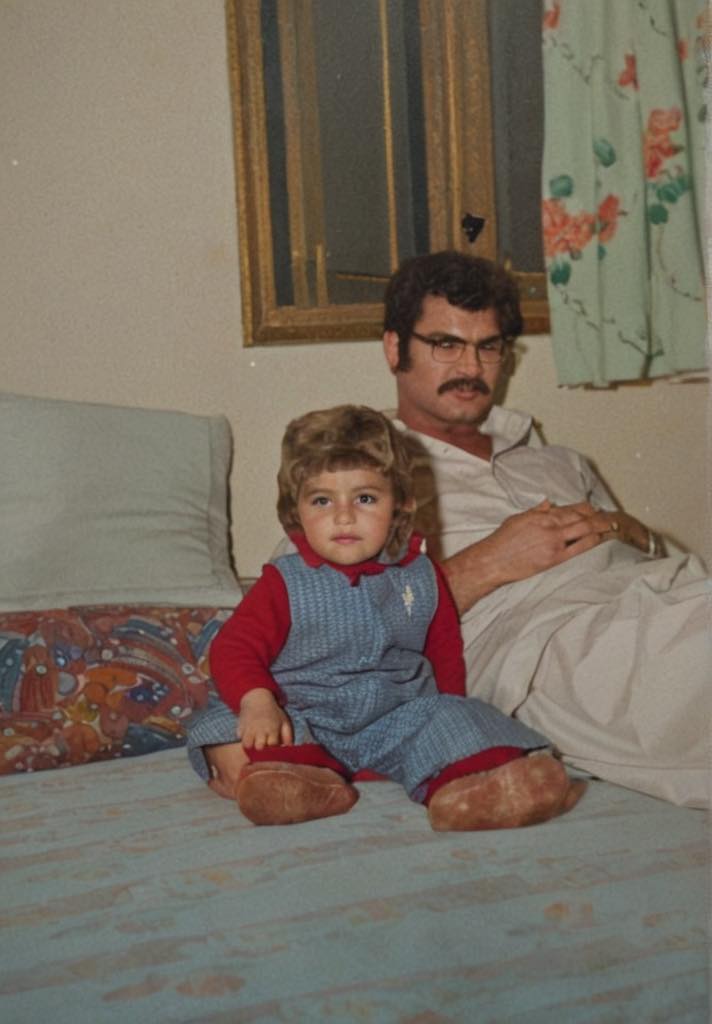
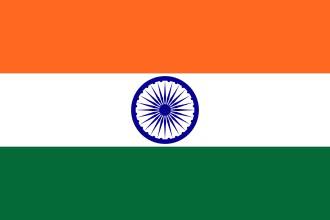
• لفظ “انڈیا” کی اصل

    لفظ انڈیا دنیا کے قدیم ترین جغرافیائی ناموں میں سے ایک ہے جو آج بھی استعمال میں ہے۔ دریائے سندھ کی وادی سے لے کر ایک جدید ملک کے عالمی نام تک اس لفظ کا سفر زبان، ثقافت اور تاریخ کا ایک دلچسپ قصہ ہے۔ یہ لفظ سنسکرت، فارسی، یونانی اور لاطینی زبانوں سے گزرتے ہوئے صدیوں کی تہذیبی میل جول کی عکاسی کرتا ہے۔

    ⸻

    ١۔ سنسکرت کی جڑ: سندھو

    اس لفظ کی ابتدا سنسکرت زبان میں ہوئی، جو ویدوں کی قدیم زبان تھی۔ رگ وید (تقریباً 1500 قبل مسیح) میں لفظ سندھو دریائے سندھ اور اس کے ارد گرد کی زمین کے لیے استعمال ہوا۔ سندھو کا مطلب صرف “دریا” تھا لیکن وقت کے ساتھ یہ لفظ خاص طور پر دریائے سندھ کے لیے استعمال ہونے لگا، جو دنیا کی قدیم تہذیبوں میں سے ایک کا مرکز تھا۔

    ⸻

    ٢۔ فارسی میں تبدیلی: ہند

    چھٹی صدی قبل مسیح میں جب ہخامنشی فارسی سلطنت مشرق کی طرف بڑھی تو انہوں نے سندھو علاقے کو دیکھا۔ پرانی فارسی میں لفظ کے آغاز میں “س” کی آواز موجود نہیں تھی، اس لیے سندھو کو ہندو یا ہندوش کہہ کر لکھا گیا۔ یوں فارسی میں ہند دریائے سندھ کے پار کی سرزمین کے لیے استعمال ہونے لگا۔ یہی لفظ بعد میں فارسی ادب اور انتظامیہ میں عام ہو گیا۔

    ⸻

    ٣۔ یونانی میں ترمیم: اندوس اور انڈیا

    چوتھی صدی قبل مسیح میں سکندر اعظم کی مہمات کے بعد یونانیوں نے اس لفظ کو اختیار کیا۔ انہوں نے فارسی سے لیا ہوا لفظ اپنی زبان کے مطابق ڈھال لیا۔ دریائے سندھ کو اندوس اور اس کے گرد کی زمین کو انڈیا کہا۔ یونانی لٹریچر اور نقشوں کے ذریعے یہ نام مغرب میں رائج ہو گیا۔

    ⸻

    ٤۔ رومی اور یورپی استعمال

    رومیوں نے یونانیوں سے یہ نام لیا اور لاطینی میں انڈیا ہی رکھا۔ لاطینی زبان کے ذریعے یہ نام یورپ کی زبانوں میں تقریباً بغیر تبدیلی کے داخل ہوا۔ انگریزی، فرانسیسی، ہسپانوی اور جرمن میں آج بھی اس کے مختلف روپ مثلاً انڈیا یا انڈین استعمال ہوتے ہیں۔ قرون وسطیٰ اور بعد کے ادوار میں جب یورپی تاجر اور مہم جو مشرق کی دولت تک پہنچنے کی کوشش کرتے تھے تو لفظ انڈیا پوری طرح عالمی سطح پر مستحکم ہو گیا۔

    ⸻

    ٥۔ مقامی نام: بھارت اور ہندوستان

    اگرچہ دنیا بھر میں انڈیا کا نام رائج ہوا، برصغیر کے لوگ اپنی سرزمین کے لیے مختلف نام استعمال کرتے رہے۔ قدیم متون میں بھارت (भारत) کا ذکر ملتا ہے جو ایک قدیم بادشاہ “بھارت” سے منسوب ہے۔ یہ نام تہذیبی اور ثقافتی شناخت کی علامت تھا۔ بعد میں فارسی اور اسلامی اثرات کے دوران لفظ ہندوستان رائج ہوا، جو ہند اور فارسی لاحقہ -ستان (یعنی “زمین”) کو ملا کر بنایا گیا۔ اس طرح مقامی طور پر زمین کو بھارت اور خارجی طور پر انڈیا کہا جانے لگا۔

    ⸻

    ٦۔ نتیجہ

    لفظ انڈیا کی ارتقا ایک حیرت انگیز کہانی ہے جو مختلف تہذیبوں کے میل ملاپ کی عکاسی کرتی ہے۔ سندھو سے ہند، پھر اندوس اور آخرکار انڈیا تک کا یہ سفر زبانوں کی تبدیلی اور تاریخی روابط کا پتہ دیتا ہے۔ آج جمہوریہ ہند کے آئین میں بھارت اور انڈیا دونوں نام تسلیم کیے گئے ہیں، لیکن عالمی سطح پر انڈیا کا استعمال قدیم زبانوں کی اسی روایت کو زندہ رکھتا ہے۔

    یہ قصہ صرف ایک لفظ کی تاریخ نہیں بلکہ جغرافیہ، سلطنت اور انسانی تہذیب کی باہمی وابستگی کی کہانی بھی ہے — یاد دہانی کہ نام اپنے اندر دریاؤں، قوموں اور قدیم تہذیبوں کی گونج لیے ہوئے ہوتے ہیں۔
    لفظ “انڈیا” کی اصل لفظ انڈیا دنیا کے قدیم ترین جغرافیائی ناموں میں سے ایک ہے جو آج بھی استعمال میں ہے۔ دریائے سندھ کی وادی سے لے کر ایک جدید ملک کے عالمی نام تک اس لفظ کا سفر زبان، ثقافت اور تاریخ کا ایک دلچسپ قصہ ہے۔ یہ لفظ سنسکرت، فارسی، یونانی اور لاطینی زبانوں سے گزرتے ہوئے صدیوں کی تہذیبی میل جول کی عکاسی کرتا ہے۔ ⸻ ١۔ سنسکرت کی جڑ: سندھو اس لفظ کی ابتدا سنسکرت زبان میں ہوئی، جو ویدوں کی قدیم زبان تھی۔ رگ وید (تقریباً 1500 قبل مسیح) میں لفظ سندھو دریائے سندھ اور اس کے ارد گرد کی زمین کے لیے استعمال ہوا۔ سندھو کا مطلب صرف “دریا” تھا لیکن وقت کے ساتھ یہ لفظ خاص طور پر دریائے سندھ کے لیے استعمال ہونے لگا، جو دنیا کی قدیم تہذیبوں میں سے ایک کا مرکز تھا۔ ⸻ ٢۔ فارسی میں تبدیلی: ہند چھٹی صدی قبل مسیح میں جب ہخامنشی فارسی سلطنت مشرق کی طرف بڑھی تو انہوں نے سندھو علاقے کو دیکھا۔ پرانی فارسی میں لفظ کے آغاز میں “س” کی آواز موجود نہیں تھی، اس لیے سندھو کو ہندو یا ہندوش کہہ کر لکھا گیا۔ یوں فارسی میں ہند دریائے سندھ کے پار کی سرزمین کے لیے استعمال ہونے لگا۔ یہی لفظ بعد میں فارسی ادب اور انتظامیہ میں عام ہو گیا۔ ⸻ ٣۔ یونانی میں ترمیم: اندوس اور انڈیا چوتھی صدی قبل مسیح میں سکندر اعظم کی مہمات کے بعد یونانیوں نے اس لفظ کو اختیار کیا۔ انہوں نے فارسی سے لیا ہوا لفظ اپنی زبان کے مطابق ڈھال لیا۔ دریائے سندھ کو اندوس اور اس کے گرد کی زمین کو انڈیا کہا۔ یونانی لٹریچر اور نقشوں کے ذریعے یہ نام مغرب میں رائج ہو گیا۔ ⸻ ٤۔ رومی اور یورپی استعمال رومیوں نے یونانیوں سے یہ نام لیا اور لاطینی میں انڈیا ہی رکھا۔ لاطینی زبان کے ذریعے یہ نام یورپ کی زبانوں میں تقریباً بغیر تبدیلی کے داخل ہوا۔ انگریزی، فرانسیسی، ہسپانوی اور جرمن میں آج بھی اس کے مختلف روپ مثلاً انڈیا یا انڈین استعمال ہوتے ہیں۔ قرون وسطیٰ اور بعد کے ادوار میں جب یورپی تاجر اور مہم جو مشرق کی دولت تک پہنچنے کی کوشش کرتے تھے تو لفظ انڈیا پوری طرح عالمی سطح پر مستحکم ہو گیا۔ ⸻ ٥۔ مقامی نام: بھارت اور ہندوستان اگرچہ دنیا بھر میں انڈیا کا نام رائج ہوا، برصغیر کے لوگ اپنی سرزمین کے لیے مختلف نام استعمال کرتے رہے۔ قدیم متون میں بھارت (भारत) کا ذکر ملتا ہے جو ایک قدیم بادشاہ “بھارت” سے منسوب ہے۔ یہ نام تہذیبی اور ثقافتی شناخت کی علامت تھا۔ بعد میں فارسی اور اسلامی اثرات کے دوران لفظ ہندوستان رائج ہوا، جو ہند اور فارسی لاحقہ -ستان (یعنی “زمین”) کو ملا کر بنایا گیا۔ اس طرح مقامی طور پر زمین کو بھارت اور خارجی طور پر انڈیا کہا جانے لگا۔ ⸻ ٦۔ نتیجہ لفظ انڈیا کی ارتقا ایک حیرت انگیز کہانی ہے جو مختلف تہذیبوں کے میل ملاپ کی عکاسی کرتی ہے۔ سندھو سے ہند، پھر اندوس اور آخرکار انڈیا تک کا یہ سفر زبانوں کی تبدیلی اور تاریخی روابط کا پتہ دیتا ہے۔ آج جمہوریہ ہند کے آئین میں بھارت اور انڈیا دونوں نام تسلیم کیے گئے ہیں، لیکن عالمی سطح پر انڈیا کا استعمال قدیم زبانوں کی اسی روایت کو زندہ رکھتا ہے۔ یہ قصہ صرف ایک لفظ کی تاریخ نہیں بلکہ جغرافیہ، سلطنت اور انسانی تہذیب کی باہمی وابستگی کی کہانی بھی ہے — یاد دہانی کہ نام اپنے اندر دریاؤں، قوموں اور قدیم تہذیبوں کی گونج لیے ہوئے ہوتے ہیں۔
    0 Comentários 0 Compartilhamentos 116 Visualizações
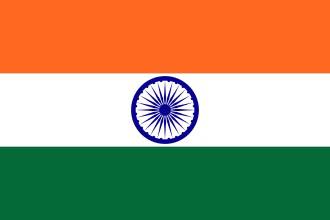
  • The Origin of the Word India

    The name India is one of the most ancient geographical terms still in use today. Its journey from the valleys of the Indus River to global recognition as the title of a nation is a fascinating story of language, culture, and history. The word traces its roots through Sanskrit, Persian, Greek, and Latin, reflecting thousands of years of intercultural contact.

    ⸻

    1. The Sanskrit Root: Sindhu

    The earliest origin of the term lies in Sanskrit, the language of the ancient Vedas. In the Rigveda (c. 1500 BCE), the word Sindhu referred both to the Indus River and, by extension, to the land surrounding it. The word simply meant “river,” but it became closely tied to the mighty Indus, which formed the heart of one of the world’s earliest civilizations. For ancient Indians, Sindhu described their homeland in both a geographic and cultural sense.

    ⸻

    2. The Persian Adaptation: Hind

    When the Achaemenid Persians expanded eastward in the 6th century BCE, they encountered the Sindhu region. However, Old Persian did not use the “s” sound at the beginning of words. As a result, Sindhu was pronounced and written as Hindu or Hindush. For the Persians, Hind signified the territory beyond the Indus River. This version of the word became deeply rooted in Persian literature and administration, influencing how the outside world understood the Indian subcontinent.

    ⸻

    3. The Greek Transformation: Indos and India

    The next linguistic shift occurred with the Greeks, particularly after Alexander the Great’s campaign in the 4th century BCE. The Greeks borrowed the Persian name but adapted it to their own phonetics. They used the term Indos for the river and India for the surrounding land. From the Greek world, the name spread into classical literature and cartography, establishing India as a recognized geographical entity in the Western imagination.

    ⸻

    4. The Roman and European Adoption

    The Romans, inheriting much of Greek scholarship, retained the term India. Through Latin, the word entered European languages largely unchanged. In English, French, Spanish, and German, variations of India or Indien became standard. By the medieval and early modern periods, “India” was firmly established in the vocabulary of trade, exploration, and diplomacy, especially as Europeans sought routes to the riches of the East.

    ⸻

    5. Indigenous Names: Bhārat and Hindustan

    While the term India became dominant abroad, the people of the subcontinent often used other names for their homeland. Ancient texts spoke of Bhārat (भारत), derived from the legendary King Bharata, symbolizing a cultural and civilizational identity. Later, during centuries of Persian and Islamic influence, the name Hindustan emerged, combining Hind (from Sindhu) with the Persian suffix -stan, meaning “land.” Thus, the region came to be known both as Bhārat internally and as India externally.

    ⸻

    6. Conclusion

    The evolution of the word India reflects a remarkable history of contact between civilizations. From Sindhu in Sanskrit, to Hind in Persian, to India in Greek and Latin, the name carries within it layers of cultural exchange. Today, while the constitution of the Republic of India recognizes both India and Bhārat, the global usage of India is a testament to the enduring legacy of linguistic adaptation across time and space.

    The story of the word India is not just about language. It is about geography, empire, and the interconnectedness of human history — a reminder that names often carry within them the memory of ancient rivers, peoples, and civilizations.
    The Origin of the Word India The name India is one of the most ancient geographical terms still in use today. Its journey from the valleys of the Indus River to global recognition as the title of a nation is a fascinating story of language, culture, and history. The word traces its roots through Sanskrit, Persian, Greek, and Latin, reflecting thousands of years of intercultural contact. ⸻ 1. The Sanskrit Root: Sindhu The earliest origin of the term lies in Sanskrit, the language of the ancient Vedas. In the Rigveda (c. 1500 BCE), the word Sindhu referred both to the Indus River and, by extension, to the land surrounding it. The word simply meant “river,” but it became closely tied to the mighty Indus, which formed the heart of one of the world’s earliest civilizations. For ancient Indians, Sindhu described their homeland in both a geographic and cultural sense. ⸻ 2. The Persian Adaptation: Hind When the Achaemenid Persians expanded eastward in the 6th century BCE, they encountered the Sindhu region. However, Old Persian did not use the “s” sound at the beginning of words. As a result, Sindhu was pronounced and written as Hindu or Hindush. For the Persians, Hind signified the territory beyond the Indus River. This version of the word became deeply rooted in Persian literature and administration, influencing how the outside world understood the Indian subcontinent. ⸻ 3. The Greek Transformation: Indos and India The next linguistic shift occurred with the Greeks, particularly after Alexander the Great’s campaign in the 4th century BCE. The Greeks borrowed the Persian name but adapted it to their own phonetics. They used the term Indos for the river and India for the surrounding land. From the Greek world, the name spread into classical literature and cartography, establishing India as a recognized geographical entity in the Western imagination. ⸻ 4. The Roman and European Adoption The Romans, inheriting much of Greek scholarship, retained the term India. Through Latin, the word entered European languages largely unchanged. In English, French, Spanish, and German, variations of India or Indien became standard. By the medieval and early modern periods, “India” was firmly established in the vocabulary of trade, exploration, and diplomacy, especially as Europeans sought routes to the riches of the East. ⸻ 5. Indigenous Names: Bhārat and Hindustan While the term India became dominant abroad, the people of the subcontinent often used other names for their homeland. Ancient texts spoke of Bhārat (भारत), derived from the legendary King Bharata, symbolizing a cultural and civilizational identity. Later, during centuries of Persian and Islamic influence, the name Hindustan emerged, combining Hind (from Sindhu) with the Persian suffix -stan, meaning “land.” Thus, the region came to be known both as Bhārat internally and as India externally. ⸻ 6. Conclusion The evolution of the word India reflects a remarkable history of contact between civilizations. From Sindhu in Sanskrit, to Hind in Persian, to India in Greek and Latin, the name carries within it layers of cultural exchange. Today, while the constitution of the Republic of India recognizes both India and Bhārat, the global usage of India is a testament to the enduring legacy of linguistic adaptation across time and space. The story of the word India is not just about language. It is about geography, empire, and the interconnectedness of human history — a reminder that names often carry within them the memory of ancient rivers, peoples, and civilizations.
    0 Comentários 0 Compartilhamentos 229 Visualizações
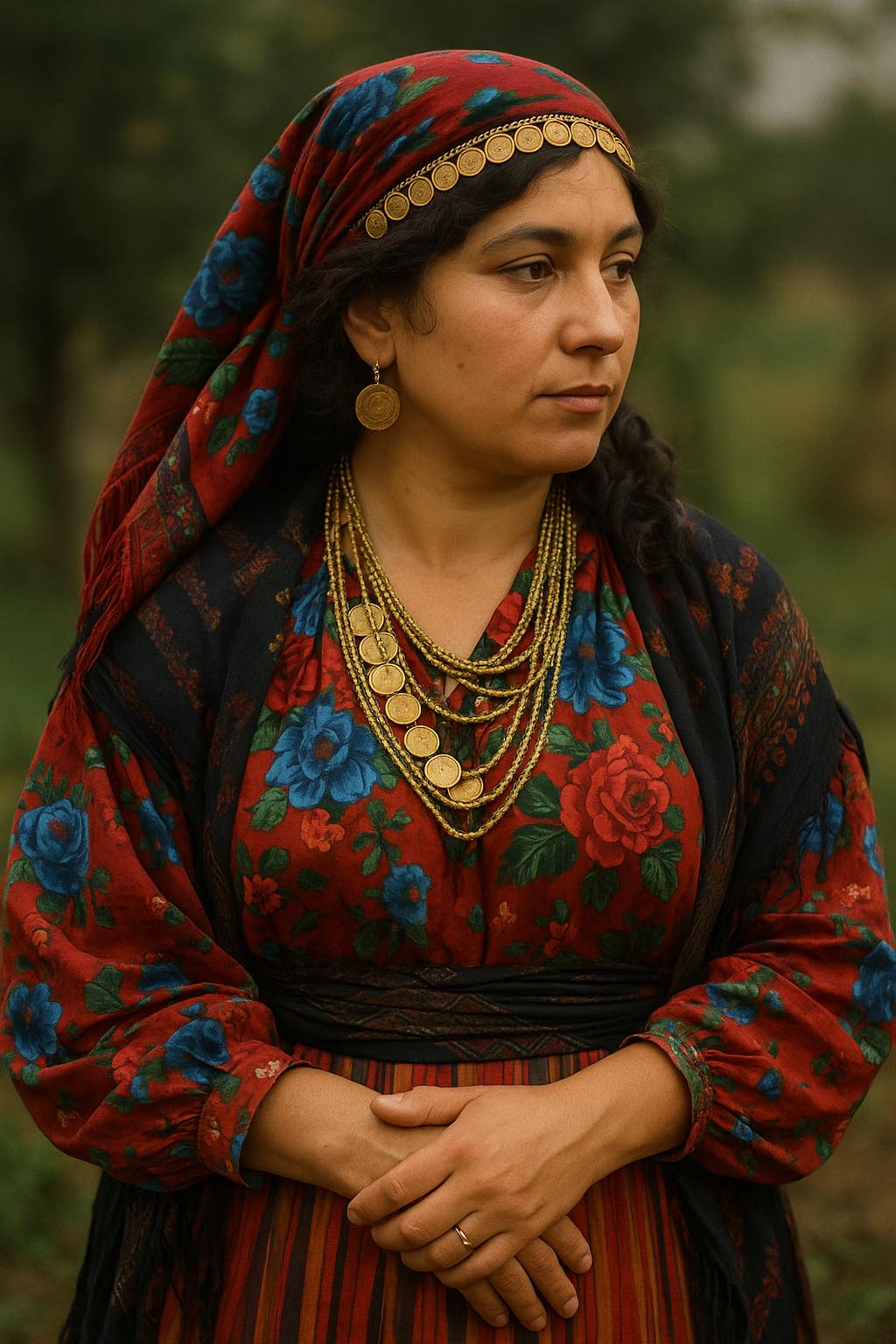
  • The Forgotten Story of the Roma: From Sindh to Europe

    Did you know that the Roma people of Europe — often wrongly called “Gypsies” — actually came from India about 1,000 years ago? Their journey is one of the most fascinating and tragic untold stories in history.

    The word Roma refers to a people who left northwestern India, possibly from Sindh, Punjab, and Rajasthan, during the 10th–12th centuries. Linguists discovered that their language, Romani, is closely related to Hindi, Punjabi, and Sanskrit. For example:
    • “Brother” = phral in Romani, bhai in Hindi.
    • “Village” = gav in Romani, gaon in Hindi.
    • Numbers are nearly identical: ekh, dui, trin (Romani) vs ek, do, teen (Hindi).

    Even some Roma subgroup names preserve their Indian roots:
    • Sinti → linked to Sindh.
    • Domari → from the Dom caste of musicians and metalworkers in India.
    • Kalderash → connected to Lohar (blacksmiths).
    • Lovari → horse traders, like Banjaras and Gujjars.
    • Kale → from kala (black/dark in Hindi and Punjabi).

    When the Roma arrived in Europe, people mistakenly thought they came from Egypt, and so they were called “Gypsies.” Sadly, instead of being welcomed, they were enslaved in Eastern Europe, persecuted across the continent, and later targeted in the Holocaust, where hundreds of thousands were killed by the Nazis.

    And yet, despite this suffering, the Roma carried their Indian heritage across centuries. Their music inspired flamenco in Spain and gypsy jazz in France. Their traditions of storytelling, craft-making, and resilience kept their culture alive against all odds.

    Today, there are around 10–12 million Roma worldwide, most living in Europe. Few people realize that they are children of India — a living bridge between South Asia and Europe.

    Their history teaches us something powerful: even when a people are scattered, misunderstood, and oppressed, they can keep their identity alive through language, music, and memory.

    ⸻

    Next time you hear the word “Roma” or “Gypsy,” remember — their roots are in Sindh and India. Their story is our story too.
    The Forgotten Story of the Roma: From Sindh to Europe Did you know that the Roma people of Europe — often wrongly called “Gypsies” — actually came from India about 1,000 years ago? Their journey is one of the most fascinating and tragic untold stories in history. The word Roma refers to a people who left northwestern India, possibly from Sindh, Punjab, and Rajasthan, during the 10th–12th centuries. Linguists discovered that their language, Romani, is closely related to Hindi, Punjabi, and Sanskrit. For example: • “Brother” = phral in Romani, bhai in Hindi. • “Village” = gav in Romani, gaon in Hindi. • Numbers are nearly identical: ekh, dui, trin (Romani) vs ek, do, teen (Hindi). Even some Roma subgroup names preserve their Indian roots: • Sinti → linked to Sindh. • Domari → from the Dom caste of musicians and metalworkers in India. • Kalderash → connected to Lohar (blacksmiths). • Lovari → horse traders, like Banjaras and Gujjars. • Kale → from kala (black/dark in Hindi and Punjabi). When the Roma arrived in Europe, people mistakenly thought they came from Egypt, and so they were called “Gypsies.” Sadly, instead of being welcomed, they were enslaved in Eastern Europe, persecuted across the continent, and later targeted in the Holocaust, where hundreds of thousands were killed by the Nazis. And yet, despite this suffering, the Roma carried their Indian heritage across centuries. Their music inspired flamenco in Spain and gypsy jazz in France. Their traditions of storytelling, craft-making, and resilience kept their culture alive against all odds. Today, there are around 10–12 million Roma worldwide, most living in Europe. Few people realize that they are children of India — a living bridge between South Asia and Europe. Their history teaches us something powerful: even when a people are scattered, misunderstood, and oppressed, they can keep their identity alive through language, music, and memory. ⸻ ✨ Next time you hear the word “Roma” or “Gypsy,” remember — their roots are in Sindh and India. Their story is our story too.
    0 Comentários 0 Compartilhamentos 144 Visualizações
  • ریحان کالج کی فیس = 0 روپے ماہانہ!

    ریحان کالج ایک ریذیڈنشل کالج ہے، جہاں آپ کو:
    کھانا
    رہائش
    تعلیم
    جدید ہنر
    لیپ ٹاپ (استعمال کے لیے)
    سب کچھ ایک ہی جگہ پر ملتا ہے۔

    آپ کو صرف اپنا اسمارٹ فون اور شناختی کارڈ لانا ہے۔
    اور سب سے بڑی بات: آپ کو ماہانہ فیس کچھ بھی ادا نہیں کرنی پڑے گی۔

    اسٹوڈنٹ لون سسٹم کے ذریعے آپ تعلیم مکمل کریں گے، ہنر سیکھیں گے، کمانا شروع کریں گے، اور پھر آسان اقساط میں واپس ادا کریں گے تاکہ آپ کے بعد آنے والا طالب علم بھی یہی سہولت حاصل کر سکے۔

    ⸻

    اہم شرائط:
    عمر کی حد: 18 سے 22 سال
    اگر آپ کی عمر 22 سال سے زیادہ ہے تو آپ ایک ماہ کے ٹیچر ٹریننگ پروگرام میں شامل ہو سکتے ہیں۔ اس دوران آپ کا جائزہ لیا جائے گا۔
    داخلے کے لیے شناختی کارڈ ضروری ہے۔

    ⸻

    اب تک کی صورتحال:
    25 طلبہ داخلہ لے چکے ہیں
    ابھی صرف 75 سیٹیں باقی ہیں — اس کے بعد اگلا بیچ بند ہو جائے گا۔

    ⸻

    4 سال بعد آپ کو کیا ملے گا؟
    کم از کم $500 ڈالر ماہانہ (Rs. 1,40,000) آمدنی
    اپنی فیس خود ادا کرنے کی صلاحیت
    AI، Coding اور School Management میں مہارت
    ایک روشن مستقبل اور دوسروں کو غربت سے نکالنے کا موقع

    یہ صرف ایک ڈگری نہیں، بلکہ ایک مکمل تبدیلی ہے۔
    1000 طلبہ تیار ہوں گے
    200 نئے ریحان اسکول قائم ہوں گے
    اور غربت کے خاتمے کا سفر شروع ہوگا۔

    ⸻

    یہ وہ موقع ہے جو آپ کی زندگی، آپ کے شہر اور آپ کے ملک کو ہمیشہ کے لیے بدل سکتا ہے۔

    ابھی کلک کریں اور ہمارے واٹس ایپ گروپ میں شامل ہوں:

    https://chat.whatsapp.com/F6102k2IEIV3b1yLZi4mta

    کیا آپ کے جاننے والے 18-22 سال کے ہیں؟ انہیں یہ پوسٹ لازمی بھیجیں یا ٹیگ کریں!
    شاید یہی وہ موقع ہو جس سے ان کی زندگی بدل جائے۔

    بڑے خواب، بڑے فیصلوں سے شروع ہوتے ہیں۔

    کیا آپ فیصلہ آج کریں گے؟

    Www.Rehancollege.com
    💥 ریحان کالج کی فیس = 0 روپے ماہانہ! 💥 🌍 ریحان کالج ایک ریذیڈنشل کالج ہے، جہاں آپ کو: 🍽️ کھانا 🏠 رہائش 📚 تعلیم 🛠️ جدید ہنر 💻 لیپ ٹاپ (استعمال کے لیے) سب کچھ ایک ہی جگہ پر ملتا ہے۔ 👉 آپ کو صرف اپنا اسمارٹ فون اور شناختی کارڈ لانا ہے۔ 🚫 اور سب سے بڑی بات: آپ کو ماہانہ فیس کچھ بھی ادا نہیں کرنی پڑے گی۔ 🤝 اسٹوڈنٹ لون سسٹم کے ذریعے آپ تعلیم مکمل کریں گے، ہنر سیکھیں گے، کمانا شروع کریں گے، اور پھر آسان اقساط میں واپس ادا کریں گے تاکہ آپ کے بعد آنے والا طالب علم بھی یہی سہولت حاصل کر سکے۔ ⸻ ✨ اہم شرائط: ✅ عمر کی حد: 18 سے 22 سال ✅ اگر آپ کی عمر 22 سال سے زیادہ ہے تو آپ ایک ماہ کے ٹیچر ٹریننگ پروگرام میں شامل ہو سکتے ہیں۔ اس دوران آپ کا جائزہ لیا جائے گا۔ ✅ داخلے کے لیے شناختی کارڈ ضروری ہے۔ ⸻ ✨ اب تک کی صورتحال: ✅ 25 طلبہ داخلہ لے چکے ہیں 🎓 ✅ ابھی صرف 75 سیٹیں باقی ہیں — اس کے بعد اگلا بیچ بند ہو جائے گا۔ ⸻ ✨ 4 سال بعد آپ کو کیا ملے گا؟ ✅ کم از کم $500 ڈالر ماہانہ (Rs. 1,40,000) آمدنی ✅ اپنی فیس خود ادا کرنے کی صلاحیت ✅ AI، Coding اور School Management میں مہارت ✅ ایک روشن مستقبل اور دوسروں کو غربت سے نکالنے کا موقع 🎓 یہ صرف ایک ڈگری نہیں، بلکہ ایک مکمل تبدیلی ہے۔ 👉 1000 طلبہ تیار ہوں گے 👉 200 نئے ریحان اسکول قائم ہوں گے 👉 اور غربت کے خاتمے کا سفر شروع ہوگا۔ ⸻ 🔥 یہ وہ موقع ہے جو آپ کی زندگی، آپ کے شہر اور آپ کے ملک کو ہمیشہ کے لیے بدل سکتا ہے۔ 👇 ابھی کلک کریں اور ہمارے واٹس ایپ گروپ میں شامل ہوں: https://chat.whatsapp.com/F6102k2IEIV3b1yLZi4mta ⚡ کیا آپ کے جاننے والے 18-22 سال کے ہیں؟ انہیں یہ پوسٹ لازمی بھیجیں یا ٹیگ کریں! 👉 شاید یہی وہ موقع ہو جس سے ان کی زندگی بدل جائے۔ ✨ بڑے خواب، بڑے فیصلوں سے شروع ہوتے ہیں۔ کیا آپ فیصلہ آج کریں گے؟ Www.Rehancollege.com
    0 Comentários 0 Compartilhamentos 800 Visualizações
  • ترقی بے مثال ہونے سے بہتر ہے

    میں ایک ایسے ماحول میں بڑا ہوا جہاں ہر کام کو بے مثال بنانے پر زور دیا جاتا تھا۔ میرے والد صاحب آج بھی، 77 سال کی عمر میں، ہر کام کو بہترین اور بے مثال بنانے کی کوشش کرتے ہیں۔ میرے کئی دوست، خاص طور پر جرمنی اور سلوواکیہ سے، بھی یہی سوچ رکھتے ہیں کہ جب تک کوئی چیز بے مثال نہ ہو، اسے دنیا کے سامنے نہ لایا جائے۔ اور مجھے بھی یہی سکھایا گیا تھا۔

    لیکن پچھلے 25 سالوں میں میں نے ایک بات سیکھی:
    بے مثالی کا انتظار اکثر ہمیں روک دیتا ہے، لیکن ترقی ہمیں آگے بڑھاتی ہے۔

    ایک جملے نے میری سوچ بدل دی:
    “ترقی بے مثالی سے بہتر ہے۔”

    بے مثالی کا مسئلہ

    بے مثالی سننے میں اچھی لگتی ہے، لیکن یہ اکثر ہمارے خوابوں کو مار دیتی ہے۔ جب ہم ہر چیز کو بے مثال بنانے پر لگ جاتے ہیں، تو کام بوجھل ہو جاتا ہے۔ بار بار سوچتے ہیں کہ یہ بھی ٹھیک ہو، وہ بھی درست ہو، اور نتیجہ یہ نکلتا ہے کہ اصل مقصد کبھی پورا نہیں ہوتا۔

    کئی بار ہم اپنے ہی منصوبے کو ختم کر دیتے ہیں کیونکہ وہ کبھی بے مثال نظر ہی نہیں آتا۔ کبھی دوسروں کی دلچسپی ختم ہو جاتی ہے، کیونکہ سختی اور باریک بینی ان کو تھکا دیتی ہے۔

    جب آپ کوئی کام ہلکے پھلکے انداز میں شروع کرتے ہیں، تو لوگ جڑتے ہیں، خوشی سے حصہ لیتے ہیں، اور کام آگے بڑھتا ہے۔ لیکن جب ہم اسے “بے مثال” بنانے پر زور دیتے ہیں، تو اکثر وہی کام ختم ہو جاتا ہے۔

    ترقی ہی سے بے مثالی پیدا ہوتی ہے

    دنیا کی تاریخ بھی یہی سکھاتی ہے:
    • ایڈیسن نے ہزاروں ناکامیاں دیکھیں، تب جا کر بلب ایجاد کیا۔ بے مثالی ایک دن میں نہیں آئی، یہ ترقی کا نتیجہ تھی۔
    • رائٹ برادرز نے پہلا جہاز بے مثال نہیں بنایا۔ وہ گرتے رہے، سیکھتے رہے، اور ترقی کرتے کرتے ہوا بازی کے بانی بنے۔
    • ایپل اور فیس بک شروع میں بہت سادہ اور خام تھے۔ لیکن کیونکہ انہوں نے آغاز کیا، وقت کے ساتھ ساتھ بے مثال بن گئے۔

    اصل حقیقت یہ ہے: بے مثالی آغاز نہیں ہے، بے مثالی ترقی کا نتیجہ ہے۔

    میرا اپنا سبق

    حال ہی میں میں نے ایک ایسا کام شروع کیا جسے برسوں سے روکے رکھا تھا۔ میرا دل کہتا تھا: “جب تک یہ بے مثال نہ ہو، مت کرو۔” مگر میں نے خود سے کہا: “جیسے ہے ویسا ہی کر دو۔”

    اور جب کیا، دل ہلکا ہو گیا۔ وہ بے مثال نہیں تھا، مگر حقیقت میں موجود تھا۔ اور حقیقت ہمیشہ خوابوں سے بہتر ہے جو صرف دماغ میں قید ہوں۔

    بے مثالی کے شوقین لوگوں کے لیے نصیحت
    • کام آسانی اور خوشی سے شروع کریں۔
    • اسے بوجھ نہ بنائیں۔
    • دباؤ میں نہ آئیں۔
    • اور سب سے بڑھ کر، اسے مزے کے لیے کریں۔

    ایسے شروع کیے گئے منصوبے آگے بڑھتے ہیں، لوگ جڑتے ہیں، اور وقت کے ساتھ ساتھ وہی منصوبے بے مثال بن جاتے ہیں۔

    آخری پیغام

    یاد رکھیں:
    بے مثالی ترقی کی دشمن نہیں ہے، یہ ترقی کا انعام ہے۔

    لہٰذا آج ہی قدم اٹھائیں، چاہے ادھورا ہو۔ دنیا کے ساتھ بانٹیں، چاہے مکمل نہ ہو۔ شروع کریں، چاہے ابتدا کمزور لگے۔ کیونکہ آخر میں، آج کا ایک چھوٹا سا نامکمل قدم اس بے مثال قدم سے بہتر ہے جو کبھی اٹھایا ہی نہ جائے۔

    ترقی ہمیشہ بے مثالی سے بہتر ہے۔
    ترقی بے مثال ہونے سے بہتر ہے میں ایک ایسے ماحول میں بڑا ہوا جہاں ہر کام کو بے مثال بنانے پر زور دیا جاتا تھا۔ میرے والد صاحب آج بھی، 77 سال کی عمر میں، ہر کام کو بہترین اور بے مثال بنانے کی کوشش کرتے ہیں۔ میرے کئی دوست، خاص طور پر جرمنی اور سلوواکیہ سے، بھی یہی سوچ رکھتے ہیں کہ جب تک کوئی چیز بے مثال نہ ہو، اسے دنیا کے سامنے نہ لایا جائے۔ اور مجھے بھی یہی سکھایا گیا تھا۔ لیکن پچھلے 25 سالوں میں میں نے ایک بات سیکھی: بے مثالی کا انتظار اکثر ہمیں روک دیتا ہے، لیکن ترقی ہمیں آگے بڑھاتی ہے۔ ایک جملے نے میری سوچ بدل دی: “ترقی بے مثالی سے بہتر ہے۔” بے مثالی کا مسئلہ بے مثالی سننے میں اچھی لگتی ہے، لیکن یہ اکثر ہمارے خوابوں کو مار دیتی ہے۔ جب ہم ہر چیز کو بے مثال بنانے پر لگ جاتے ہیں، تو کام بوجھل ہو جاتا ہے۔ بار بار سوچتے ہیں کہ یہ بھی ٹھیک ہو، وہ بھی درست ہو، اور نتیجہ یہ نکلتا ہے کہ اصل مقصد کبھی پورا نہیں ہوتا۔ کئی بار ہم اپنے ہی منصوبے کو ختم کر دیتے ہیں کیونکہ وہ کبھی بے مثال نظر ہی نہیں آتا۔ کبھی دوسروں کی دلچسپی ختم ہو جاتی ہے، کیونکہ سختی اور باریک بینی ان کو تھکا دیتی ہے۔ جب آپ کوئی کام ہلکے پھلکے انداز میں شروع کرتے ہیں، تو لوگ جڑتے ہیں، خوشی سے حصہ لیتے ہیں، اور کام آگے بڑھتا ہے۔ لیکن جب ہم اسے “بے مثال” بنانے پر زور دیتے ہیں، تو اکثر وہی کام ختم ہو جاتا ہے۔ ترقی ہی سے بے مثالی پیدا ہوتی ہے دنیا کی تاریخ بھی یہی سکھاتی ہے: • ایڈیسن نے ہزاروں ناکامیاں دیکھیں، تب جا کر بلب ایجاد کیا۔ بے مثالی ایک دن میں نہیں آئی، یہ ترقی کا نتیجہ تھی۔ • رائٹ برادرز نے پہلا جہاز بے مثال نہیں بنایا۔ وہ گرتے رہے، سیکھتے رہے، اور ترقی کرتے کرتے ہوا بازی کے بانی بنے۔ • ایپل اور فیس بک شروع میں بہت سادہ اور خام تھے۔ لیکن کیونکہ انہوں نے آغاز کیا، وقت کے ساتھ ساتھ بے مثال بن گئے۔ اصل حقیقت یہ ہے: بے مثالی آغاز نہیں ہے، بے مثالی ترقی کا نتیجہ ہے۔ میرا اپنا سبق حال ہی میں میں نے ایک ایسا کام شروع کیا جسے برسوں سے روکے رکھا تھا۔ میرا دل کہتا تھا: “جب تک یہ بے مثال نہ ہو، مت کرو۔” مگر میں نے خود سے کہا: “جیسے ہے ویسا ہی کر دو۔” اور جب کیا، دل ہلکا ہو گیا۔ وہ بے مثال نہیں تھا، مگر حقیقت میں موجود تھا۔ اور حقیقت ہمیشہ خوابوں سے بہتر ہے جو صرف دماغ میں قید ہوں۔ بے مثالی کے شوقین لوگوں کے لیے نصیحت • کام آسانی اور خوشی سے شروع کریں۔ • اسے بوجھ نہ بنائیں۔ • دباؤ میں نہ آئیں۔ • اور سب سے بڑھ کر، اسے مزے کے لیے کریں۔ ایسے شروع کیے گئے منصوبے آگے بڑھتے ہیں، لوگ جڑتے ہیں، اور وقت کے ساتھ ساتھ وہی منصوبے بے مثال بن جاتے ہیں۔ آخری پیغام یاد رکھیں: بے مثالی ترقی کی دشمن نہیں ہے، یہ ترقی کا انعام ہے۔ لہٰذا آج ہی قدم اٹھائیں، چاہے ادھورا ہو۔ دنیا کے ساتھ بانٹیں، چاہے مکمل نہ ہو۔ شروع کریں، چاہے ابتدا کمزور لگے۔ کیونکہ آخر میں، آج کا ایک چھوٹا سا نامکمل قدم اس بے مثال قدم سے بہتر ہے جو کبھی اٹھایا ہی نہ جائے۔ ترقی ہمیشہ بے مثالی سے بہتر ہے۔
    0 Comentários 0 Compartilhamentos 74 Visualizações
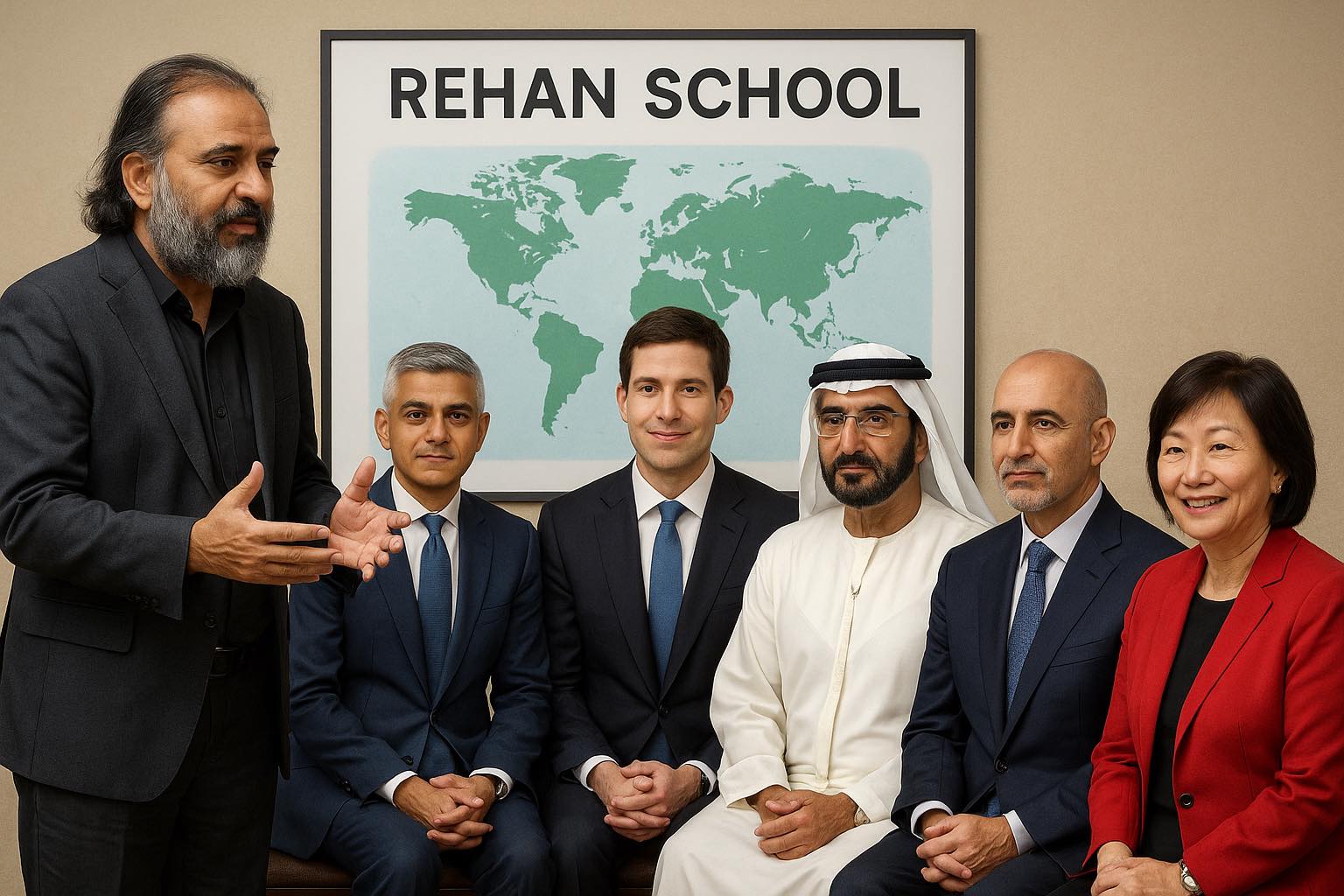
  • Once Upon a Time: A Story for the World’s Mayors

    Once upon a time, in cities both grand and modest, mayors faced the same question:
    How can we prepare our young people for the future, solve our local problems, and build stronger economies?

    In London, Mayor Sadiq Khan looked at his city’s challenges—youth unemployment, digital readiness, and social inequality—and wondered how to prepare every child for the AI-driven world.

    Across the ocean in New York, Mayor Eric Adams thought about how his city could stay at the cutting edge of technology while making sure no community was left behind.

    On the West Coast, in San Francisco, Mayor London Breed saw both opportunity and risk: her city was the global home of AI, but how could she ensure the next generation of leaders came from every neighborhood, not just Silicon Valley?

    Meanwhile, in the Middle East, Dubai’s leadership dreamed of being the world’s most innovative city. Yet even there, leaders asked: how can education become faster, smarter, and more practical for real-life challenges?

    And in Singapore, a nation built on education and foresight, the Prime Minister and local mayors wanted to make sure every student learned not just for exams, but to solve problems, launch businesses, and keep Singapore globally competitive.

    ⸻

    The Arrival of Rehan Allahwala

    Into this conversation came Rehan Allahwala, founder of Rehan School—the world’s first AI-first school. He spoke with the mayors:

    “Imagine if education stopped being about memorizing for exams. Instead, imagine if every student worked on a mission—a project that solved a real problem in your city.

    In London, that might be about reducing inequality.
    In New York, it could be about climate and sustainability.
    In San Francisco, it could be about using AI responsibly.
    In Dubai, it could be about smart cities.
    And in Singapore, it could be about strengthening entrepreneurship.”

    He continued:
    “At Rehan School, we assign every child and adult a mission from the start. We train them in AI, coding, entrepreneurship, and leadership. They don’t just study—they build solutions for their communities.”

    ⸻

    What Happened Next

    The mayors leaned in.

    They realized that if their young people could learn this way, their cities would not only educate better—they would innovate faster, retain talent, and create new startups and jobs.
    • In London, students worked on social inclusion projects.
    • In New York, new community-driven startups emerged.
    • In San Francisco, young people built AI apps for social good.
    • In Dubai, missions helped the city become greener and smarter.
    • In Singapore, students turned into entrepreneurs even before graduating.

    ⸻

    The Invitation

    And so, dear Mayors of London, New York, San Francisco, Dubai, and Singapore—this story is an invitation.

    By partnering with Rehan School, you can turn your city’s challenges into student missions. You can give your youth a reason to stay, to innovate, and to lead. You can build a future where education drives prosperity and leadership—not just diplomas.

    The question is simple:
    Are you ready to let your students solve your city’s problems—and in the process, prepare them to lead the world?

    #rehanschool
    Once Upon a Time: A Story for the World’s Mayors Once upon a time, in cities both grand and modest, mayors faced the same question: How can we prepare our young people for the future, solve our local problems, and build stronger economies? In London, Mayor Sadiq Khan looked at his city’s challenges—youth unemployment, digital readiness, and social inequality—and wondered how to prepare every child for the AI-driven world. Across the ocean in New York, Mayor Eric Adams thought about how his city could stay at the cutting edge of technology while making sure no community was left behind. On the West Coast, in San Francisco, Mayor London Breed saw both opportunity and risk: her city was the global home of AI, but how could she ensure the next generation of leaders came from every neighborhood, not just Silicon Valley? Meanwhile, in the Middle East, Dubai’s leadership dreamed of being the world’s most innovative city. Yet even there, leaders asked: how can education become faster, smarter, and more practical for real-life challenges? And in Singapore, a nation built on education and foresight, the Prime Minister and local mayors wanted to make sure every student learned not just for exams, but to solve problems, launch businesses, and keep Singapore globally competitive. ⸻ The Arrival of Rehan Allahwala Into this conversation came Rehan Allahwala, founder of Rehan School—the world’s first AI-first school. He spoke with the mayors: “Imagine if education stopped being about memorizing for exams. Instead, imagine if every student worked on a mission—a project that solved a real problem in your city. In London, that might be about reducing inequality. In New York, it could be about climate and sustainability. In San Francisco, it could be about using AI responsibly. In Dubai, it could be about smart cities. And in Singapore, it could be about strengthening entrepreneurship.” He continued: “At Rehan School, we assign every child and adult a mission from the start. We train them in AI, coding, entrepreneurship, and leadership. They don’t just study—they build solutions for their communities.” ⸻ What Happened Next The mayors leaned in. They realized that if their young people could learn this way, their cities would not only educate better—they would innovate faster, retain talent, and create new startups and jobs. • In London, students worked on social inclusion projects. • In New York, new community-driven startups emerged. • In San Francisco, young people built AI apps for social good. • In Dubai, missions helped the city become greener and smarter. • In Singapore, students turned into entrepreneurs even before graduating. ⸻ The Invitation And so, dear Mayors of London, New York, San Francisco, Dubai, and Singapore—this story is an invitation. By partnering with Rehan School, you can turn your city’s challenges into student missions. You can give your youth a reason to stay, to innovate, and to lead. You can build a future where education drives prosperity and leadership—not just diplomas. The question is simple: Are you ready to let your students solve your city’s problems—and in the process, prepare them to lead the world? #rehanschool
    0 Comentários 0 Compartilhamentos 99 Visualizações
  • At #ChaiCon Conference Today!

    The Future Belongs to AI – Is Your Child Ready?

    Meet Yasmeen Khan, Franchise Manager of Rehan School, visiting from Karachi.
    This is your chance to bring the world’s first AI-first school to your city, village, or town.

    We are offering ONLY 10 franchises at this time. First come, first served!

    Live at #ChaiCon
    Call Yasmin: +92 310 2886044
    Join the WhatsApp group:

    https://chat.whatsapp.com/BoHrZJwqWaV65McngHhUMs?mode=ems_copy_t

    Don’t let your children waste time on outdated education.
    Take a franchise and give them the skills to thrive in the age of Artificial Intelligence!

    #RehanSchool #AI #FutureOfEducation #ChaiCon
    ☕✨ At #ChaiCon Conference Today! ✨☕ 🚀 The Future Belongs to AI – Is Your Child Ready? Meet Yasmeen Khan, Franchise Manager of Rehan School, visiting from Karachi. This is your chance to bring the world’s first AI-first school to your city, village, or town. ⚡ We are offering ONLY 10 franchises at this time. First come, first served! 📍 Live at #ChaiCon 📞 Call Yasmin: +92 310 2886044 💬 Join the WhatsApp group: https://chat.whatsapp.com/BoHrZJwqWaV65McngHhUMs?mode=ems_copy_t Don’t let your children waste time on outdated education. 👉 Take a franchise and give them the skills to thrive in the age of Artificial Intelligence! #RehanSchool #AI #FutureOfEducation #ChaiCon
    0 Comentários 0 Compartilhamentos 285 Visualizações
  • Become an American in 1 Million Dollars !!!

    https://trumpcard.gov/
    Become an American in 1 Million Dollars !!! https://trumpcard.gov/
    0 Comentários 0 Compartilhamentos 113 Visualizações
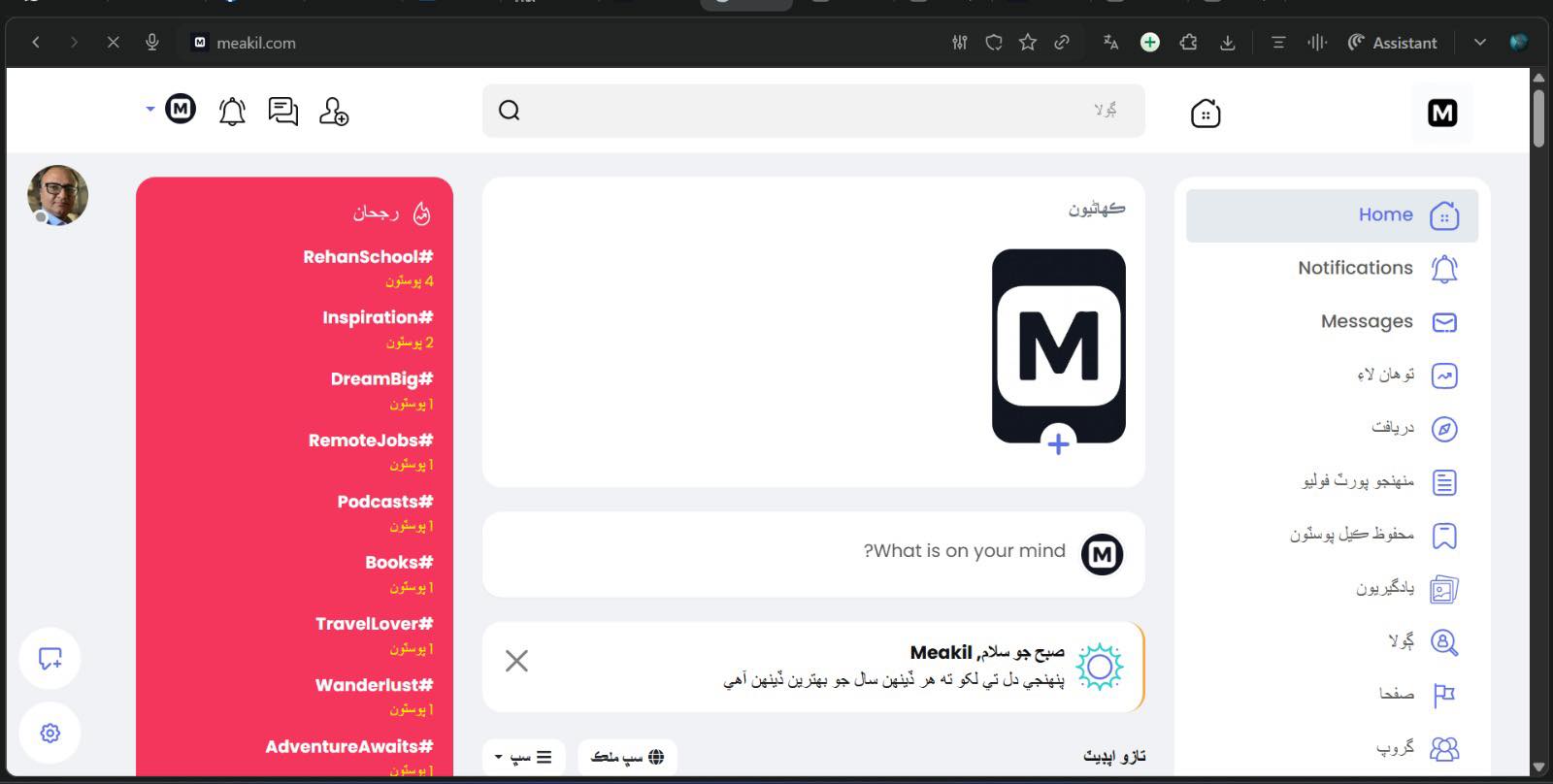
  • Big News for the Sindhi Community!

    We are excited to announce that Meakil – Pakistan’s own homegrown social media platform (www.meakil.com) – now supports the Sindhi language!

    Now our Sindhi brothers and sisters can connect, share, and express themselves in their own beautiful language on Meakil.

    Meakil is built to bring Pakistanis together by providing a safe, local, and inclusive space to:
    Share ideas
    Inspire others
    Build communities
    Support local voices

    Update your settings today and start using Meakil in Sindhi.

    Let’s celebrate this milestone together by making our digital spaces more inclusive and diverse!

    #Meakil #SindhiLanguage #Pakistan #SocialMedia #RehanAllahwala

    ⸻

    سنڌي ڀائرن ۽ ڀينرن لاءِ خوشخبري!

    هاڻ Meakil (www.meakil.com) – پاڪستان جو پنهنجو مقامي سوشل ميڊيا پليٽفارم – سنڌي ٻولي ۾ به موجود آهي!

    هاڻي سنڌي يوزر پنهنجي زبان ۾:
    خيال شيئر ڪري سگهن ٿا
    ٻين کي متاثر ڪري سگهن ٿا
    ڪميونٽيز ٺاهي سگهن ٿا
    ۽ پنهنجو آواز وڌيڪ بلند ڪري سگهن ٿا

    سيٽنگز ۾ وڃي Meakil سنڌي ٻولي ۾ استعمال ڪريو.

    اچو ته گڏجي هن سنگ ميل کي ملهائيون ۽ پنهنجي ڊجيٽل دنيا کي وڌيڪ رنگين ۽ شامل بڻايون!

    #Meakil #SindhiLanguage #Pakistan #SocialMedia #RehanAllahwala
    🎉 Big News for the Sindhi Community! 🎉 We are excited to announce that Meakil – Pakistan’s own homegrown social media platform (www.meakil.com) – now supports the Sindhi language! 🖋️✨ Now our Sindhi brothers and sisters can connect, share, and express themselves in their own beautiful language on Meakil. 💚 Meakil is built to bring Pakistanis together by providing a safe, local, and inclusive space to: 🌍 Share ideas 💡 Inspire others 📢 Build communities 🚀 Support local voices 👉 Update your settings today and start using Meakil in Sindhi. Let’s celebrate this milestone together by making our digital spaces more inclusive and diverse! 🌟 #Meakil #SindhiLanguage #Pakistan #SocialMedia #RehanAllahwala ⸻ 🎉 سنڌي ڀائرن ۽ ڀينرن لاءِ خوشخبري! 🎉 هاڻ Meakil (www.meakil.com) – پاڪستان جو پنهنجو مقامي سوشل ميڊيا پليٽفارم – سنڌي ٻولي ۾ به موجود آهي! 🖋️✨ هاڻي سنڌي يوزر پنهنجي زبان ۾: 🌍 خيال شيئر ڪري سگهن ٿا 💡 ٻين کي متاثر ڪري سگهن ٿا 📢 ڪميونٽيز ٺاهي سگهن ٿا 🚀 ۽ پنهنجو آواز وڌيڪ بلند ڪري سگهن ٿا 👉 سيٽنگز ۾ وڃي Meakil سنڌي ٻولي ۾ استعمال ڪريو. اچو ته گڏجي هن سنگ ميل کي ملهائيون ۽ پنهنجي ڊجيٽل دنيا کي وڌيڪ رنگين ۽ شامل بڻايون! 🌟 #Meakil #SindhiLanguage #Pakistan #SocialMedia #RehanAllahwala
    0 Comentários 0 Compartilhamentos 598 Visualizações
  • Me and my father Ikhlas Allahwala !

    Please make prayer that he is happier in his life
    Me and my father Ikhlas Allahwala ! Please make prayer that he is happier in his life
    0 Comentários 0 Compartilhamentos 90 Visualizações