• “Do You Know What Dakyanusi Actually Means?”

    Most of us have heard (or said) the word “Dakyanusi” to describe something old-fashioned, boring, or stuck in the past.

    Like:
    “Yeh to bilkul dakyanusi soch hai.”
    Translation: “This is such an ancient mindset.”

    But… have you ever wondered who this mysterious “Daqyanus” was?

    Let me take you on a time-travel trip:

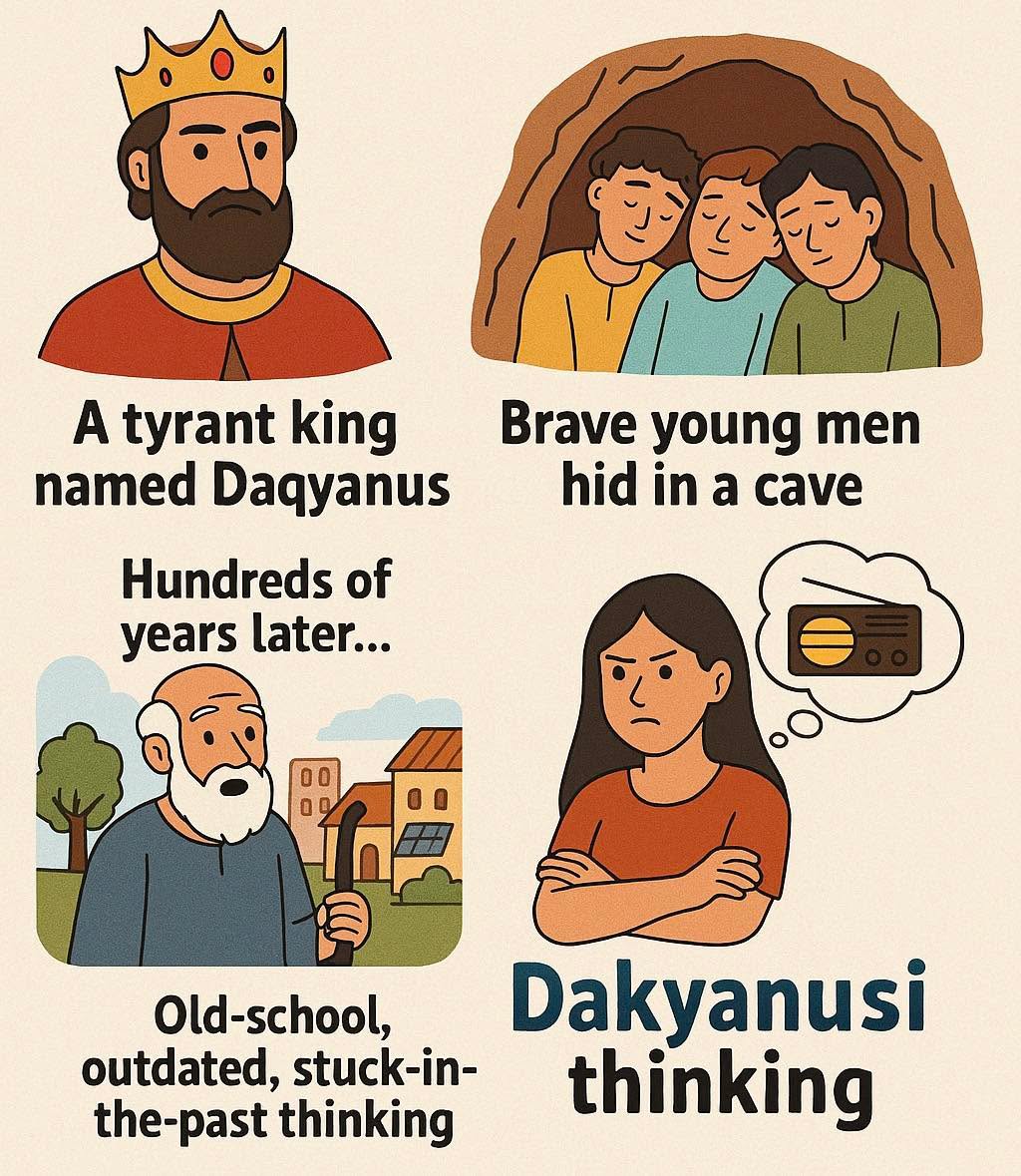
    Once upon a time — okay, a loooong time ago — there was a tyrant king named Daqyanus (دقیانوس). He ruled with an iron fist and didn’t let people practice their religion freely. During his time, a group of brave young men ran away to hide in a cave to escape persecution.

    They slept there… and when they woke up, it was hundreds of years later!
    The world had completely changed — new king, new society, new TikTok trends (okay, maybe not that part).

    This miraculous story is mentioned in the Qur’an (Surah Al-Kahf) and is also found in Christian and Jewish traditions as the tale of the “Seven Sleepers of the Cave.”

    So over time, the name Daqyanus became associated with someone who belonged to an ancient era, and “Dakyanusi” turned into a powerful adjective to describe:

    Old-school, outdated, stuck-in-the-past thinking.

    Next time someone says girls shouldn’t use the internet, or books are better than Google, feel free to say:

    “Aap to poore Dakyanusi hain!”

    Let’s upgrade our thoughts.
    Let’s move from Dakyanusi to Fikr-e-Naw (فکر نو) — fresh thinking.
    “Do You Know What Dakyanusi Actually Means?” Most of us have heard (or said) the word “Dakyanusi” to describe something old-fashioned, boring, or stuck in the past. Like: “Yeh to bilkul dakyanusi soch hai.” Translation: “This is such an ancient mindset.” But… have you ever wondered who this mysterious “Daqyanus” was? Let me take you on a time-travel trip: Once upon a time — okay, a loooong time ago — there was a tyrant king named Daqyanus (دقیانوس). He ruled with an iron fist and didn’t let people practice their religion freely. During his time, a group of brave young men ran away to hide in a cave to escape persecution. They slept there… and when they woke up, it was hundreds of years later! The world had completely changed — new king, new society, new TikTok trends (okay, maybe not that part). This miraculous story is mentioned in the Qur’an (Surah Al-Kahf) and is also found in Christian and Jewish traditions as the tale of the “Seven Sleepers of the Cave.” So over time, the name Daqyanus became associated with someone who belonged to an ancient era, and “Dakyanusi” turned into a powerful adjective to describe: Old-school, outdated, stuck-in-the-past thinking. Next time someone says girls shouldn’t use the internet, or books are better than Google, feel free to say: “Aap to poore Dakyanusi hain!” Let’s upgrade our thoughts. Let’s move from Dakyanusi to Fikr-e-Naw (فکر نو) — fresh thinking.
    0 Comments 0 Shares 84 Views
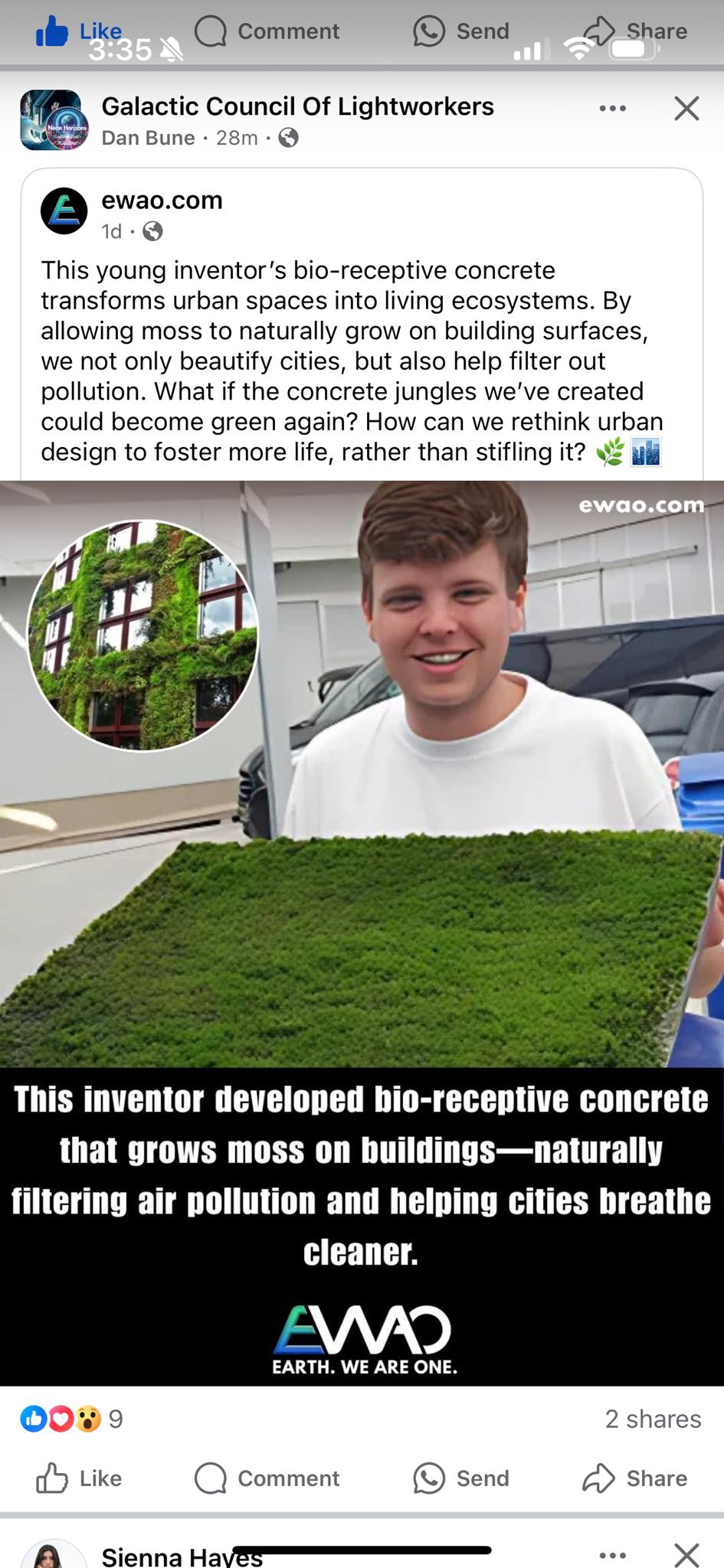
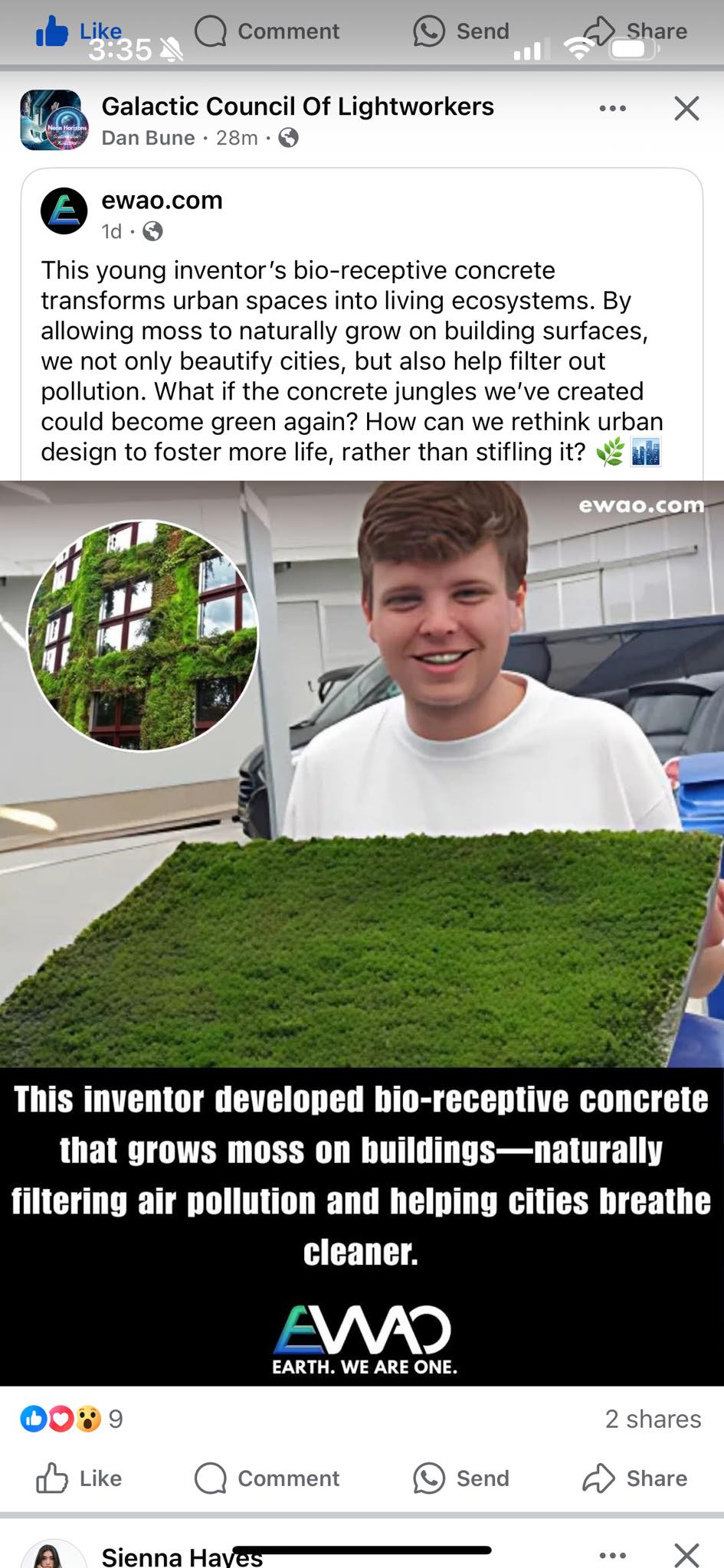
  • عنوان: “موس سلری” — قدرتی اے سی جو آپ خود گھر پر لگا سکتے ہیں!

    کیا آپ جانتے ہیں کہ پاکستان کی دیواریں اب گرمی کو ہرا بھی کر سکتی ہیں؟
    جی ہاں، ایک نیا اور آسان طریقہ “موس سلری” گھر کی دیواروں پر لگانے سے گرمی کم ہو سکتی ہے، اور اے سی کا خرچہ بھی!

    موس سلری کیا ہے؟
    یہ ایک قدرتی مکسچر ہے جو پرانے موس (سبز کائی)، دہی، پانی اور تھوڑی چینی سے بنتا ہے۔ اسے دیوار پر برش کی مدد سے لگایا جاتا ہے، اور چند ہفتوں میں وہ دیوار سبز، جاندار اور ٹھنڈی ہو جاتی ہے۔

    یہ کیسے فائدہ دیتا ہے؟
    • سورج کی روشنی کو جذب کر کے درجہ حرارت کم کرتا ہے
    • دیواروں کو ٹھنڈا رکھتا ہے، اس طرح اے سی کم چلتا ہے
    • ہوا کو فلٹر کرتا ہے، آلودگی کم کرتا ہے
    • گرمیوں میں بجلی کے بل میں واضح کمی

    اگر پورے پاکستان میں گھروں، اسکولوں اور عمارتوں پر یہ لگا دیا جائے تو؟
    • شہروں کی گرمی 1 سے 2 ڈگری کم ہو سکتی ہے
    • لوڈشیڈنگ پر دباؤ کم
    • بجلی کا کم استعمال = ماحول دوست ملک

    کیا اس کے نقصانات ہیں؟
    • صرف سایہ دار یا جزوی دھوپ والی دیواروں پر کام کرتا ہے
    • زیادہ نمی کی ضرورت ہوتی ہے (روزانہ پانی کا چھڑکاؤ)
    • پینٹ شدہ دیواروں پر کام نہیں کرتا، وہاں پینٹ ہٹانا پڑتا ہے

    ہم سب مل کر اپنے گھروں، اسکولوں اور شہروں کو “گرین کولنگ زون” میں بدل سکتے ہیں!

    اگر آپ کو یہ آئیڈیا پسند آیا ہو، تو اس پوسٹ کو ضرور شیئر کریں — اور کسی ایک دیوار پر آزما کر ہمیں “موس ہیرو” بن کر دکھائیں۔

    #MossSlurry #GreenPakistan #NaturalAC #HeatSolution #LowCostCooling #ریحان_اسکول
    عنوان: “موس سلری” — قدرتی اے سی جو آپ خود گھر پر لگا سکتے ہیں! کیا آپ جانتے ہیں کہ پاکستان کی دیواریں اب گرمی کو ہرا بھی کر سکتی ہیں؟ جی ہاں، ایک نیا اور آسان طریقہ “موس سلری” گھر کی دیواروں پر لگانے سے گرمی کم ہو سکتی ہے، اور اے سی کا خرچہ بھی! موس سلری کیا ہے؟ یہ ایک قدرتی مکسچر ہے جو پرانے موس (سبز کائی)، دہی، پانی اور تھوڑی چینی سے بنتا ہے۔ اسے دیوار پر برش کی مدد سے لگایا جاتا ہے، اور چند ہفتوں میں وہ دیوار سبز، جاندار اور ٹھنڈی ہو جاتی ہے۔ یہ کیسے فائدہ دیتا ہے؟ • سورج کی روشنی کو جذب کر کے درجہ حرارت کم کرتا ہے • دیواروں کو ٹھنڈا رکھتا ہے، اس طرح اے سی کم چلتا ہے • ہوا کو فلٹر کرتا ہے، آلودگی کم کرتا ہے • گرمیوں میں بجلی کے بل میں واضح کمی اگر پورے پاکستان میں گھروں، اسکولوں اور عمارتوں پر یہ لگا دیا جائے تو؟ • شہروں کی گرمی 1 سے 2 ڈگری کم ہو سکتی ہے • لوڈشیڈنگ پر دباؤ کم • بجلی کا کم استعمال = ماحول دوست ملک کیا اس کے نقصانات ہیں؟ • صرف سایہ دار یا جزوی دھوپ والی دیواروں پر کام کرتا ہے • زیادہ نمی کی ضرورت ہوتی ہے (روزانہ پانی کا چھڑکاؤ) • پینٹ شدہ دیواروں پر کام نہیں کرتا، وہاں پینٹ ہٹانا پڑتا ہے ہم سب مل کر اپنے گھروں، اسکولوں اور شہروں کو “گرین کولنگ زون” میں بدل سکتے ہیں! اگر آپ کو یہ آئیڈیا پسند آیا ہو، تو اس پوسٹ کو ضرور شیئر کریں — اور کسی ایک دیوار پر آزما کر ہمیں “موس ہیرو” بن کر دکھائیں۔ #MossSlurry #GreenPakistan #NaturalAC #HeatSolution #LowCostCooling #ریحان_اسکول
    0 Comments 0 Shares 3184 Views
  • جی ہاں! آپ یہ موس سلری (moss slurry) اپنے اسکول کی موجودہ دیواروں پر پینٹ کی طرح لگا سکتے ہیں—مگر کچھ چیزوں کا خیال رکھنا بہت ضروری ہے تاکہ موس صحیح طریقے سے اگے:

    ⸻

    پہلے دیوار کو چیک کریں:
    1. دیوار پینٹ شدہ ہے؟
    • اگر دیوار پر آئل پینٹ یا واٹر پروف پینٹ ہے، تو موس نہیں چمٹے گا۔
    • اس لیے پینٹ کو ہلکا رگڑ کر کھردرا بنائیں یا پرانا پینٹ اتار لیں۔
    2. دیوار کی سطح ہموار ہے؟
    • موس کھردری، نمی والی سطح کو پسند کرتا ہے۔
    • اگر بہت ہموار ہے تو تھوڑی سینڈ پیپر یا تار برش سے rough کریں۔

    ⸻

    پھر یہ کریں:

    1. موس سلری بنائیں (پہلے بتایا گیا طریقہ):
    • موس + دہی یا چھاچھ + پانی + چینی + تھوڑی کھاد یا مٹی = سب کو بلینڈر میں ڈال کر سلری بنائیں۔

    2. دیوار پر پینٹ کریں:
    • برش یا ہاتھ سے موس سلری کو دیوار پر لگائیں جیسے پینٹ لگا رہے ہوں۔

    3. نمی رکھیں:
    • روزانہ صبح اور شام اسپرے بوتل سے پانی چھڑکیں، لیکن زیادہ بھیگنے نہ دیں۔

    ⸻

    کہاں لگائیں؟
    • شمالی طرف کی دیوار یا سایہ دار جگہ۔
    • جہاں بارش کا پانی بہتا ہو وہاں نہ لگائیں۔
    • اسکول کے اندر کی دیوار پر بھی آزما سکتے ہیں، جیسے کوریڈور یا انٹری۔

    ⸻

    چھوٹا تجربہ کریں:

    پہلے ایک چھوٹے حصے پر آزمائیں۔ اگر کام کرے، تو پورے علاقے پر لگائیں۔ طلبا کو شامل کریں، “موس کلب” بنا دیں!

    ⸻

    • ویڈیو سکرپٹ یا اسٹوڈنٹ ایکٹیویٹی گائیڈ بھیج دوں؟

    ریحان اسکول کو کراچی کا پہلا “موس اسکول” بنا دیتے ہیں؟
    جی ہاں! آپ یہ موس سلری (moss slurry) اپنے اسکول کی موجودہ دیواروں پر پینٹ کی طرح لگا سکتے ہیں—مگر کچھ چیزوں کا خیال رکھنا بہت ضروری ہے تاکہ موس صحیح طریقے سے اگے: ⸻ پہلے دیوار کو چیک کریں: 1. دیوار پینٹ شدہ ہے؟ • اگر دیوار پر آئل پینٹ یا واٹر پروف پینٹ ہے، تو موس نہیں چمٹے گا۔ • اس لیے پینٹ کو ہلکا رگڑ کر کھردرا بنائیں یا پرانا پینٹ اتار لیں۔ 2. دیوار کی سطح ہموار ہے؟ • موس کھردری، نمی والی سطح کو پسند کرتا ہے۔ • اگر بہت ہموار ہے تو تھوڑی سینڈ پیپر یا تار برش سے rough کریں۔ ⸻ پھر یہ کریں: 1. موس سلری بنائیں (پہلے بتایا گیا طریقہ): • موس + دہی یا چھاچھ + پانی + چینی + تھوڑی کھاد یا مٹی = سب کو بلینڈر میں ڈال کر سلری بنائیں۔ 2. دیوار پر پینٹ کریں: • برش یا ہاتھ سے موس سلری کو دیوار پر لگائیں جیسے پینٹ لگا رہے ہوں۔ 3. نمی رکھیں: • روزانہ صبح اور شام اسپرے بوتل سے پانی چھڑکیں، لیکن زیادہ بھیگنے نہ دیں۔ ⸻ کہاں لگائیں؟ • شمالی طرف کی دیوار یا سایہ دار جگہ۔ • جہاں بارش کا پانی بہتا ہو وہاں نہ لگائیں۔ • اسکول کے اندر کی دیوار پر بھی آزما سکتے ہیں، جیسے کوریڈور یا انٹری۔ ⸻ چھوٹا تجربہ کریں: پہلے ایک چھوٹے حصے پر آزمائیں۔ اگر کام کرے، تو پورے علاقے پر لگائیں۔ طلبا کو شامل کریں، “موس کلب” بنا دیں! ⸻ • ویڈیو سکرپٹ یا اسٹوڈنٹ ایکٹیویٹی گائیڈ بھیج دوں؟ ریحان اسکول کو کراچی کا پہلا “موس اسکول” بنا دیتے ہیں؟
    0 Comments 0 Shares 59 Views
  • Love this vision! Making bio-receptive concrete at Rehan School for your future city is not only doable, it’s brilliant for reducing AC costs and greening up the urban jungle. Here’s a simple and scalable DIY guide for your team to start experimenting locally:

    ⸻

    STEP 1: Understand the Science

    Bio-receptive concrete is just regular concrete modified so moss can grow on it easily. Moss doesn’t have roots—it absorbs water and nutrients from the air. So, the surface has to be:
    • Porous (to hold moisture)
    • Nutrient-friendly (but not acidic)
    • Slightly rough (so moss can latch on)

    ⸻

    STEP 2: Materials You Need

    For the Concrete Mix:
    • Portland cement – the base binder
    • Sand – fine texture helps moss grow
    • Perlite or pumice – makes it porous and light
    • Fly ash or crushed brick dust – adds nutrients (optional but helpful)
    • Water – to mix
    • Old moss or yogurt moss blend – to grow moss after

    ⸻

    STEP 3: Mix the Concrete

    Basic Recipe:
    • 2 parts Portland cement
    • 1.5 parts fine sand
    • 1 part perlite or pumice
    • 0.5 part fly ash (if available)
    • Enough water to create a thick, moldable mix (not runny)

    Mix until consistent. You can pour it into molds for tiles, wall panels, or even bricks.

    ⸻

    STEP 4: Prepare Surface for Moss

    Once dried and cured (at least 3-5 days):
    • Roughen the surface slightly with sandpaper or wire brush.
    • Keep the surface moist for a day before moss application.

    ⸻

    STEP 5: Apply the Moss Slurry

    Make Moss Slurry:
    • A handful of moss
    • 1 cup plain yogurt (or buttermilk)
    • 1 cup water
    • 1 tsp sugar
    • Optional: a spoon of mud or compost

    Blend it all. It should be a green smoothie (but not for drinking!).

    Apply:
    • Brush or paint it onto the concrete surface.
    • Keep in a shaded, moist area for 2–3 weeks.
    • Mist daily to keep it moist, not wet.

    ⸻

    STEP 6: Maintain & Grow
    • Moss prefers shade or indirect sunlight.
    • It grows best in humid areas—great for Karachi mornings!
    • Keep misting regularly for a few weeks until it settles.

    ⸻

    STEP 7: Use It Smartly

    Apply these green panels to:
    • Outer school walls that get hot from the sun
    • Rooftops
    • School boundary walls
    • Walkways and garden spaces

    They’ll naturally cool down your buildings, reduce pollution, and look amazing.

    ⸻

    Want to Involve Students?

    Turn this into a “Green Wall Makers Club”:
    • Teach them construction basics
    • Let them mix and mold concrete
    • Help them paint on moss
    • Let them track growth like a science experiment

    ⸻

    Would you like me to make:
    • A step-by-step visual guide for students?
    • A poster for your school wall?
    • Or a short YouTube video script to teach it to others?

    Let’s turn your school into a living, breathing forest!
    Love this vision! Making bio-receptive concrete at Rehan School for your future city is not only doable, it’s brilliant for reducing AC costs and greening up the urban jungle. Here’s a simple and scalable DIY guide for your team to start experimenting locally: ⸻ STEP 1: Understand the Science Bio-receptive concrete is just regular concrete modified so moss can grow on it easily. Moss doesn’t have roots—it absorbs water and nutrients from the air. So, the surface has to be: • Porous (to hold moisture) • Nutrient-friendly (but not acidic) • Slightly rough (so moss can latch on) ⸻ STEP 2: Materials You Need For the Concrete Mix: • Portland cement – the base binder • Sand – fine texture helps moss grow • Perlite or pumice – makes it porous and light • Fly ash or crushed brick dust – adds nutrients (optional but helpful) • Water – to mix • Old moss or yogurt moss blend – to grow moss after ⸻ STEP 3: Mix the Concrete Basic Recipe: • 2 parts Portland cement • 1.5 parts fine sand • 1 part perlite or pumice • 0.5 part fly ash (if available) • Enough water to create a thick, moldable mix (not runny) Mix until consistent. You can pour it into molds for tiles, wall panels, or even bricks. ⸻ STEP 4: Prepare Surface for Moss Once dried and cured (at least 3-5 days): • Roughen the surface slightly with sandpaper or wire brush. • Keep the surface moist for a day before moss application. ⸻ STEP 5: Apply the Moss Slurry Make Moss Slurry: • A handful of moss • 1 cup plain yogurt (or buttermilk) • 1 cup water • 1 tsp sugar • Optional: a spoon of mud or compost Blend it all. It should be a green smoothie (but not for drinking!). Apply: • Brush or paint it onto the concrete surface. • Keep in a shaded, moist area for 2–3 weeks. • Mist daily to keep it moist, not wet. ⸻ STEP 6: Maintain & Grow • Moss prefers shade or indirect sunlight. • It grows best in humid areas—great for Karachi mornings! • Keep misting regularly for a few weeks until it settles. ⸻ STEP 7: Use It Smartly Apply these green panels to: • Outer school walls that get hot from the sun • Rooftops • School boundary walls • Walkways and garden spaces They’ll naturally cool down your buildings, reduce pollution, and look amazing. ⸻ Want to Involve Students? Turn this into a “Green Wall Makers Club”: • Teach them construction basics • Let them mix and mold concrete • Help them paint on moss • Let them track growth like a science experiment ⸻ Would you like me to make: • A step-by-step visual guide for students? • A poster for your school wall? • Or a short YouTube video script to teach it to others? Let’s turn your school into a living, breathing forest!
    0 Comments 0 Shares 60 Views
  • Meet Dr. Yusuf Zhumkhawala – A Mind of Silicon Valley, A Heart for Humanity

    I recently had the pleasure of meeting a living legend in the world of technology – Dr. Yusuf Zhumkhawala. If there was ever someone who embodies decades of innovation, education, and purpose, it’s him.

    With a PhD in Systems Engineering from UCLA (with distinction!), a Master’s in Aerospace from UC Berkeley, and a foundation in Mechanical & Electrical Engineering from Aligarh Muslim University, Dr. Yusuf’s academic journey alone could fill volumes.

    But that’s just the beginning.

    Over the years, he’s held powerful positions and launched high-impact startups including:
    • Founder & CTO at CoEntity International Corporation – where he’s architecting secure, AI Neural Network-based systems.
    • CEO & Founder at Innovations in Information, Communication, and Connection Technology – specializing in breakthrough AI and comms tech.
    • CEO & Founder at ZASFY Technologies – guiding innovation in hardware, software, and AI systems.
    • Former Visiting Professor at Aligarh Muslim University, where he returned to share his knowledge with the next generation of engineers.

    With his home now in Sugar Land, Texas, and decades of experience from Silicon Valley to academia, Yusuf Zhumkhawala is a rare combination of wisdom, kindness, and technical brilliance.

    If you’re in tech, AI, education, or just love learning from inspiring minds — this is someone you should absolutely connect with.

    Tag your friends who dream big — you never know which conversation might change your future.

    #Innovation #AI #SiliconValley #Mentorship #Leadership #RehanRecommends #TechLegends
    Meet Dr. Yusuf Zhumkhawala – A Mind of Silicon Valley, A Heart for Humanity I recently had the pleasure of meeting a living legend in the world of technology – Dr. Yusuf Zhumkhawala. If there was ever someone who embodies decades of innovation, education, and purpose, it’s him. With a PhD in Systems Engineering from UCLA (with distinction!), a Master’s in Aerospace from UC Berkeley, and a foundation in Mechanical & Electrical Engineering from Aligarh Muslim University, Dr. Yusuf’s academic journey alone could fill volumes. But that’s just the beginning. Over the years, he’s held powerful positions and launched high-impact startups including: • Founder & CTO at CoEntity International Corporation – where he’s architecting secure, AI Neural Network-based systems. • CEO & Founder at Innovations in Information, Communication, and Connection Technology – specializing in breakthrough AI and comms tech. • CEO & Founder at ZASFY Technologies – guiding innovation in hardware, software, and AI systems. • Former Visiting Professor at Aligarh Muslim University, where he returned to share his knowledge with the next generation of engineers. With his home now in Sugar Land, Texas, and decades of experience from Silicon Valley to academia, Yusuf Zhumkhawala is a rare combination of wisdom, kindness, and technical brilliance. If you’re in tech, AI, education, or just love learning from inspiring minds — this is someone you should absolutely connect with. Tag your friends who dream big — you never know which conversation might change your future. #Innovation #AI #SiliconValley #Mentorship #Leadership #RehanRecommends #TechLegends
    0 Comments 0 Shares 2965 Views
  • 0 Comments 0 Shares 59 Views
  • 0 Comments 0 Shares 59 Views
  • 0 Comments 0 Shares 59 Views
  • 0 Comments 0 Shares 59 Views
  • 0 Comments 0 Shares 59 Views