• The Million-Book Revolution

    How One Book Taught a Nation to Dream Again
    By Rehan Allahwala


    It was December 2026.
    Winter sunlight spread across Pakistan like a quiet blessing.
    From Karachi’s crowded classrooms to the shadowed courtyards of Thar,
    a million young voices hummed the same word — “AI.”

    It had begun not with a government plan,
    not with billions in funding,
    but with a book — soft in color, small in price, vast in purpose.

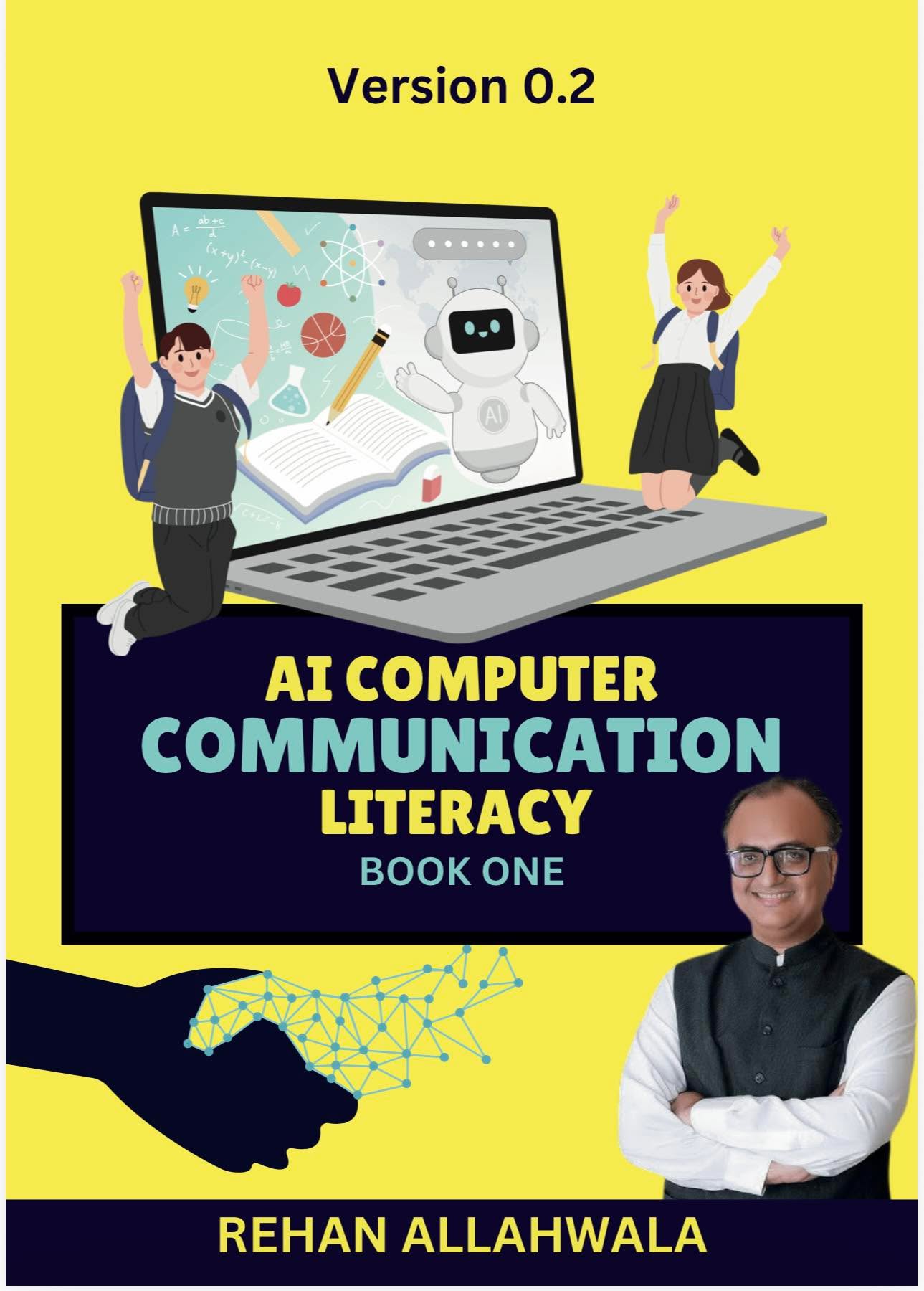
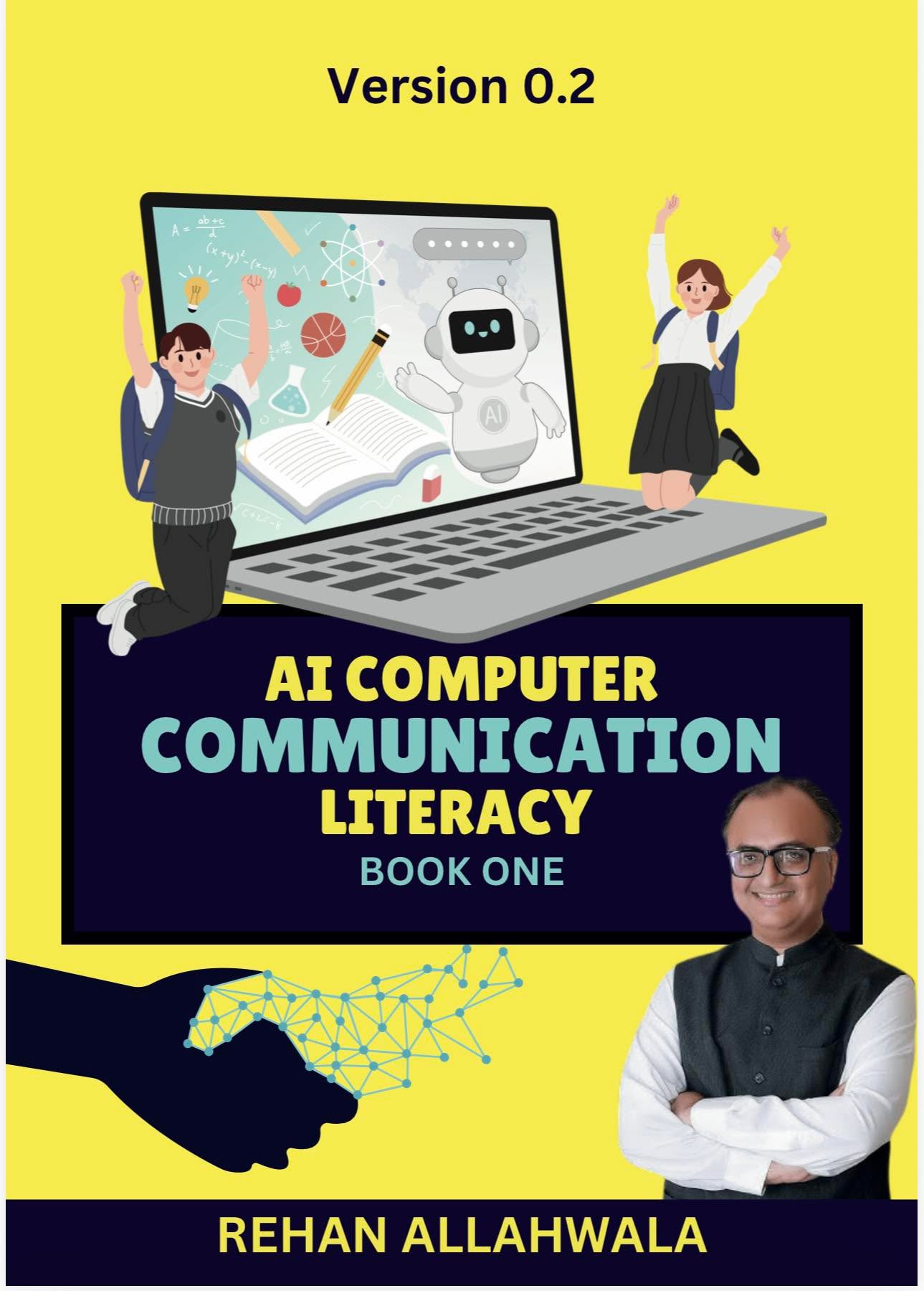
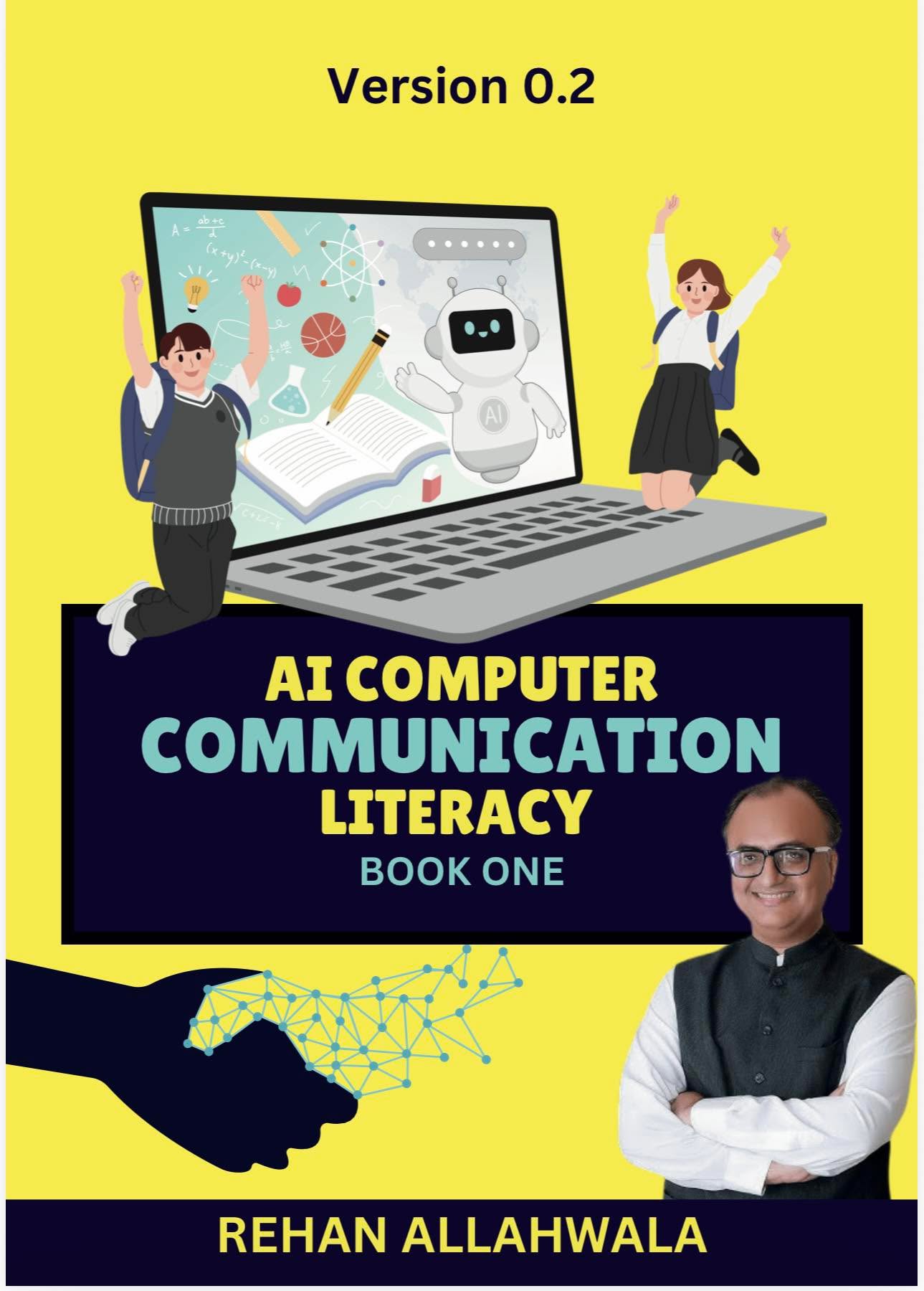
    Its name: ACCL — AI Computer Communication Literacy.
    Its creator: Rehan Allahwala.
    Its power: to awaken the sleeping intelligence of a nation.


    The World Before

    Only a few years earlier, the computer classes of Pakistan were frozen in time.
    Children memorized what a “floppy disk” was,
    as if history were more sacred than possibility.

    Screens blinked, but minds did not.
    The mouse was their master; the world, their stranger.

    The curriculum — a relic of a vanished century —
    taught hands to click, not hearts to think.
    It produced typists, not dreamers.
    Followers, not leaders.

    And somewhere in the noise of repetition,
    the light of curiosity dimmed.


    The Spark

    Then came a whisper that became a wind.
    A man asked, gently but firmly:

    “Why are our children learning to use a mouse,
    when the world has learned to talk to machines?”

    And that question became a revolution.

    In his humble office in Karachi, surrounded by laptops and laughter,
    Rehan Allahwala wrote a book.
    Not a manual — a manifesto.
    Not a syllabus — a seed.

    A book that replaced the old question “What is a computer?”
    with the eternal one —
    “What can you become?”


    The 180 Steps to Awakening

    The ACCL Book was not meant to be read.
    It was meant to be lived.

    One hundred and eighty small daily tasks —
    simple, human, profound.

    Ask an AI to write your first poem.
    Record your voice telling a story.
    Make a poster about kindness.
    Search the internet not for entertainment, but for understanding.

    In each task, a child discovered a mirror.
    And in that reflection, found a teacher more powerful than any textbook —
    themselves.


    The Unfolding Miracle

    By the end of the first year,
    thousands of schools had quietly replaced their old “MS Word and Excel” lessons
    with this strange new book that spoke of the future in the language of the present.

    Students no longer feared English — they played with it.
    They no longer repeated; they created.
    They no longer waited; they led.

    Videos of ten-year-olds conversing with AI went viral.
    Parents who had once silenced their children
    now listened —
    for the first time —
    in awe.

    And thus began The Million-Book Revolution.


    A School Without Walls

    By 2026, the book had reached one million students.
    And through them, another ten million out-of-school children.

    For Pakistan has 26 million children who never sit in classrooms —
    but they had something more powerful than a desk:
    a smartphone.

    The ACCL students became their teachers.
    In villages, they gathered children under trees and said,
    “Let’s learn together. Listen. Speak. Ask.”

    AI tools became storytellers,
    reading lessons aloud in soft, human voices.
    Children who could not write began to think.
    Those who could not read began to dream.

    Education had escaped the classroom —
    it had become an atmosphere.


    The Transformation

    In a town near Multan, a rickshaw driver’s daughter built a YouTube channel
    where she taught AI in Urdu.
    In Gwadar, fishermen’s sons began learning English through voice chat with AI.
    In Gilgit, children mapped their valleys on Google Earth and called them “our digital Himalayas.”

    They were no longer waiting for opportunity —
    they were creating it.

    And the most beautiful part?
    They didn’t even realize they were making history.


    The National Awakening

    By December 2026, Pakistan had changed.
    The Ministry of Education could not ignore the storm.
    Colleges began teaching “AI Communication Literacy.”
    Governors quoted ten-year-olds in their speeches.
    Even television anchors started asking,
    “Have you read the ACCL book?”

    The nation had found something it had lost long ago —
    its confidence.


    Rehan’s Reflection

    When journalists asked Rehan Allahwala how it all happened,
    he smiled — that calm, patient smile of a man who had already seen the future.

    “It was never about a book,” he said softly.
    “It was about giving our children permission to think.
    We taught them that intelligence is not memorized — it is awakened.”

    And in that awakening,
    a nation began to heal.


    Epilogue: The Dawn of Pakistan 2.0

    As 2026 ended, the headlines read:

    “One Million Students Now Learning AI Literacy.”

    But the truth was far larger.
    These were not just students.
    They were storytellers of a new civilization.

    A generation that spoke in code and compassion.
    That used technology not to escape the world —
    but to improve it.

    And at the center of it all, a single book —
    thin as a whisper, vast as a horizon.


    Final Words

    No war was fought.
    No law was passed.
    And yet, a nation changed.

    Because one man dared to believe
    that if you give a child a question and a tool,
    they will give you a universe.

    And that belief — printed on 180 pages —
    became Pakistan’s first true revolution of the mind.


    “The ACCL Book — a bridge between ignorance and infinity.”
    A million books. A million voices. One new Pakistan.

    🌍 The Million-Book Revolution How One Book Taught a Nation to Dream Again By Rehan Allahwala ⸻ It was December 2026. Winter sunlight spread across Pakistan like a quiet blessing. From Karachi’s crowded classrooms to the shadowed courtyards of Thar, a million young voices hummed the same word — “AI.” It had begun not with a government plan, not with billions in funding, but with a book — soft in color, small in price, vast in purpose. Its name: ACCL — AI Computer Communication Literacy. Its creator: Rehan Allahwala. Its power: to awaken the sleeping intelligence of a nation. ⸻ 🕊️ The World Before Only a few years earlier, the computer classes of Pakistan were frozen in time. Children memorized what a “floppy disk” was, as if history were more sacred than possibility. Screens blinked, but minds did not. The mouse was their master; the world, their stranger. The curriculum — a relic of a vanished century — taught hands to click, not hearts to think. It produced typists, not dreamers. Followers, not leaders. And somewhere in the noise of repetition, the light of curiosity dimmed. ⸻ 🌱 The Spark Then came a whisper that became a wind. A man asked, gently but firmly: “Why are our children learning to use a mouse, when the world has learned to talk to machines?” And that question became a revolution. In his humble office in Karachi, surrounded by laptops and laughter, Rehan Allahwala wrote a book. Not a manual — a manifesto. Not a syllabus — a seed. A book that replaced the old question “What is a computer?” with the eternal one — “What can you become?” ⸻ 💡 The 180 Steps to Awakening The ACCL Book was not meant to be read. It was meant to be lived. One hundred and eighty small daily tasks — simple, human, profound. Ask an AI to write your first poem. Record your voice telling a story. Make a poster about kindness. Search the internet not for entertainment, but for understanding. In each task, a child discovered a mirror. And in that reflection, found a teacher more powerful than any textbook — themselves. ⸻ 🌾 The Unfolding Miracle By the end of the first year, thousands of schools had quietly replaced their old “MS Word and Excel” lessons with this strange new book that spoke of the future in the language of the present. Students no longer feared English — they played with it. They no longer repeated; they created. They no longer waited; they led. Videos of ten-year-olds conversing with AI went viral. Parents who had once silenced their children now listened — for the first time — in awe. And thus began The Million-Book Revolution. ⸻ 🌐 A School Without Walls By 2026, the book had reached one million students. And through them, another ten million out-of-school children. For Pakistan has 26 million children who never sit in classrooms — but they had something more powerful than a desk: a smartphone. The ACCL students became their teachers. In villages, they gathered children under trees and said, “Let’s learn together. Listen. Speak. Ask.” AI tools became storytellers, reading lessons aloud in soft, human voices. Children who could not write began to think. Those who could not read began to dream. Education had escaped the classroom — it had become an atmosphere. ⸻ 🔥 The Transformation In a town near Multan, a rickshaw driver’s daughter built a YouTube channel where she taught AI in Urdu. In Gwadar, fishermen’s sons began learning English through voice chat with AI. In Gilgit, children mapped their valleys on Google Earth and called them “our digital Himalayas.” They were no longer waiting for opportunity — they were creating it. And the most beautiful part? They didn’t even realize they were making history. ⸻ 🧭 The National Awakening By December 2026, Pakistan had changed. The Ministry of Education could not ignore the storm. Colleges began teaching “AI Communication Literacy.” Governors quoted ten-year-olds in their speeches. Even television anchors started asking, “Have you read the ACCL book?” The nation had found something it had lost long ago — its confidence. ⸻ 🕊️ Rehan’s Reflection When journalists asked Rehan Allahwala how it all happened, he smiled — that calm, patient smile of a man who had already seen the future. “It was never about a book,” he said softly. “It was about giving our children permission to think. We taught them that intelligence is not memorized — it is awakened.” And in that awakening, a nation began to heal. ⸻ 🌟 Epilogue: The Dawn of Pakistan 2.0 As 2026 ended, the headlines read: “One Million Students Now Learning AI Literacy.” But the truth was far larger. These were not just students. They were storytellers of a new civilization. A generation that spoke in code and compassion. That used technology not to escape the world — but to improve it. And at the center of it all, a single book — thin as a whisper, vast as a horizon. ⸻ ✨ Final Words No war was fought. No law was passed. And yet, a nation changed. Because one man dared to believe that if you give a child a question and a tool, they will give you a universe. And that belief — printed on 180 pages — became Pakistan’s first true revolution of the mind. ⸻ “The ACCL Book — a bridge between ignorance and infinity.” A million books. A million voices. One new Pakistan. ⸻
    0 Yorumlar 0 hisse senetleri 61 Views
  • ایک کتاب جس نے پاکستان کی تعلیم بدل دی

    ریحان اللہ والا کی ACCL کتاب کی کہانی

    ایک وقت تھا جب پاکستان کے اسکولوں میں بچے کمپیوٹر کی کلاس میں بیٹھ کر یہ سیکھتے تھے کہ ماؤس کیا ہوتا ہے، فلوپی ڈسک کہاں لگتی ہے، اور MS Word میں فائل کیسے سیو کرتے ہیں۔
    دنیا آسمان کی بلندیوں پر پہنچ چکی تھی —
    لوگ ChatGPT سے بات کر رہے تھے، مصنوعی ذہانت (AI) سے کاروبار چلا رہے تھے،
    اور ہمارے بچے اب بھی ’’انسرٹ‘‘ اور ’’ڈیلیٹ‘‘ کے معنی یاد کر رہے تھے۔

    یہ تعلیم نہیں، وقت کا زیاں تھا۔
    یہ نصاب نہیں، ایک پرانا خواب تھا جو اب بوسیدہ ہو چکا تھا۔


    ایک سوال جس نے انقلاب پیدا کیا

    پھر ایک دن، ریحان اللہ والا نے ایک سوال کیا —

    “ہماری نئی نسل اب بھی ماؤس اور فلوپی ڈسک کیوں پڑھ رہی ہے،
    جب دنیا Artificial Intelligence اور Internet پر جا چکی ہے؟”

    یہ سوال معمولی نہیں تھا،
    یہ وہ چنگاری تھی جس نے پاکستان کی تعلیم میں ایک انقلاب کی شروعات کر دی۔


    پیدائش ہوئی ایک نئی کتاب کی — ACCL

    ریحان اللہ والا نے ایک ایسی کتاب لکھی جس نے کمپیوٹر کی تعلیم کا مطلب ہی بدل دیا۔
    اس کا نام رکھا:
    AI Computer Communication Literacy — ACCL Book One

    یہ کتاب کسی عام نصاب کی طرح نہیں تھی۔
    یہ صرف کمپیوٹر نہیں، سوچنے کا نیا انداز سکھاتی تھی۔


    MS Word سے AI World تک

    جہاں پرانی کتابیں یہ سکھاتی تھیں کہ
    “فائل کیسے کھولیں”
    وہیں یہ نئی کتاب یہ سکھاتی ہے کہ
    “AI سے نیا مستقبل کیسے بنائیں!”

    پہلے بچے ماؤس کلک کرنا سیکھتے تھے،
    اب وہ ChatGPT سے اپنی کہانیاں، مضامین اور کاروباری آئیڈیاز بناتے ہیں۔

    پہلے بچے CPU کے پارٹس یاد کرتے تھے،
    اب وہ Canva پر پوسٹر بناتے ہیں،
    YouTube پر ویڈیوز اپلوڈ کرتے ہیں،
    اور دنیا کے دوسرے ملکوں کے بچوں سے بات کرتے ہیں۔


    ۱۸۰ مشقیں، ۱۸۰ دروازے دنیا کی طرف

    ACCL کتاب میں ۱۸۰ روزانہ کے دلچسپ ٹاسکس ہیں۔
    ہر ٹاسک ایک نیا دروازہ کھولتا ہے —
    سوچ کا، اظہار کا، اعتماد کا۔

    بچے سیکھتے ہیں:
    • اپنی پہلی ای میل لکھنا
    • ChatGPT سے نیا مضمون بنوانا
    • انٹرنیٹ پر محفوظ رہنے کے اصول
    • خود اپنا ویڈیو پیغام بنانا
    • اور سب سے بڑھ کر: دنیا سے جڑنا

    جب وہ آخری ٹاسک پر پہنچتے ہیں،
    تو وہ اب صرف ’’پاکستان کے بچے‘‘ نہیں رہتے —
    بلکہ دنیا کے شہری (Global Citizens) بن چکے ہوتے ہیں۔


    تعلیم سے تربیت کی طرف

    ریحان اللہ والا کا فلسفہ سادہ مگر گہرا ہے:

    “لیڈرشپ اتفاق سے نہیں، ڈیزائن سے پیدا کی جاتی ہے۔”

    یہ کتاب بچوں کو لیڈر بننے کا ہنر سکھاتی ہے۔
    یہ ان کے اندر چھپی ہوئی جرات، تخلیق، اور خود اعتمادی کو جگاتی ہے۔

    اب استاد صرف سبق نہیں پڑھاتے،
    وہ رہنما بنتے ہیں جو بچوں کو AI کے ذریعے خود سیکھنا سکھاتے ہیں۔


    نتائج حیران کن ہیں

    جہاں بھی یہ کتاب اسکولوں میں متعارف ہوئی:
    • بچوں کی حاضری بڑھی،
    • انگریزی بولنے کا اعتماد بڑھا،
    • والدین حیران رہ گئے کہ ان کے بچے اب انہیں ChatGPT سکھا رہے ہیں،
    • اور اسکول کا ماحول زندہ اور تخلیقی بن گیا۔

    یہ ایک کتاب نہیں —
    یہ ایک نیا تعلیمی نظام ہے جو پاکستان کو بدل رہا ہے۔


    کیوں ہر اسکول میں یہ کتاب ضروری ہے

    کیونکہ یہ صرف کمپیوٹر کی کتاب نہیں —
    یہ زندگی کی کتاب ہے۔

    یہ بچوں کو دیتی ہے چار طاقتیں:
    1. انٹرنیٹ کی طاقت – دنیا سے جڑنے اور سیکھنے کی۔
    2. AI کی طاقت – مصنوعی ذہانت کو سمجھنے اور استعمال کرنے کی۔
    3. کمیونیکیشن کی طاقت – واضح، خوبصورت اور پراعتماد اظہار کی۔
    4. اعتماد کی طاقت – خود پر یقین رکھنے کی۔

    جب بچے یہ چار طاقتیں حاصل کر لیتے ہیں،
    تو وہ صرف ملازم نہیں، موجد بن جاتے ہیں۔


    ریحان اللہ والا کا پیغام

    “یہ کتاب بچوں کو دنیا کے شہری بناتی ہے۔
    اگر ہم چاہتے ہیں کہ پاکستان ترقی کرے،
    تو ہمیں ہر اسکول میں پرانی کمپیوٹر کی کتاب ہٹا کر
    ACCL کتاب پڑھانی ہوگی۔”


    ایک کتاب، ایک خواب

    یہ کتاب صرف ایک نصاب نہیں —
    یہ ایک خواب ہے جو حقیقت بننے جا رہا ہے۔
    ایک ایسا پاکستان جہاں ہر بچہ
    AI سمجھتا ہے، خود سوچتا ہے، اور دنیا بدلتا ہے۔

    “AI سیکھو، دنیا بدلو — یہی ہے ACCL کا پیغام!”

    📘 ایک کتاب جس نے پاکستان کی تعلیم بدل دی ریحان اللہ والا کی ACCL کتاب کی کہانی ایک وقت تھا جب پاکستان کے اسکولوں میں بچے کمپیوٹر کی کلاس میں بیٹھ کر یہ سیکھتے تھے کہ ماؤس کیا ہوتا ہے، فلوپی ڈسک کہاں لگتی ہے، اور MS Word میں فائل کیسے سیو کرتے ہیں۔ دنیا آسمان کی بلندیوں پر پہنچ چکی تھی — لوگ ChatGPT سے بات کر رہے تھے، مصنوعی ذہانت (AI) سے کاروبار چلا رہے تھے، اور ہمارے بچے اب بھی ’’انسرٹ‘‘ اور ’’ڈیلیٹ‘‘ کے معنی یاد کر رہے تھے۔ یہ تعلیم نہیں، وقت کا زیاں تھا۔ یہ نصاب نہیں، ایک پرانا خواب تھا جو اب بوسیدہ ہو چکا تھا۔ ⸻ 🌱 ایک سوال جس نے انقلاب پیدا کیا پھر ایک دن، ریحان اللہ والا نے ایک سوال کیا — “ہماری نئی نسل اب بھی ماؤس اور فلوپی ڈسک کیوں پڑھ رہی ہے، جب دنیا Artificial Intelligence اور Internet پر جا چکی ہے؟” یہ سوال معمولی نہیں تھا، یہ وہ چنگاری تھی جس نے پاکستان کی تعلیم میں ایک انقلاب کی شروعات کر دی۔ ⸻ 🤖 پیدائش ہوئی ایک نئی کتاب کی — ACCL ریحان اللہ والا نے ایک ایسی کتاب لکھی جس نے کمپیوٹر کی تعلیم کا مطلب ہی بدل دیا۔ اس کا نام رکھا: AI Computer Communication Literacy — ACCL Book One یہ کتاب کسی عام نصاب کی طرح نہیں تھی۔ یہ صرف کمپیوٹر نہیں، سوچنے کا نیا انداز سکھاتی تھی۔ ⸻ 💡 MS Word سے AI World تک جہاں پرانی کتابیں یہ سکھاتی تھیں کہ “فائل کیسے کھولیں” وہیں یہ نئی کتاب یہ سکھاتی ہے کہ “AI سے نیا مستقبل کیسے بنائیں!” پہلے بچے ماؤس کلک کرنا سیکھتے تھے، اب وہ ChatGPT سے اپنی کہانیاں، مضامین اور کاروباری آئیڈیاز بناتے ہیں۔ پہلے بچے CPU کے پارٹس یاد کرتے تھے، اب وہ Canva پر پوسٹر بناتے ہیں، YouTube پر ویڈیوز اپلوڈ کرتے ہیں، اور دنیا کے دوسرے ملکوں کے بچوں سے بات کرتے ہیں۔ ⸻ 🧠 ۱۸۰ مشقیں، ۱۸۰ دروازے دنیا کی طرف ACCL کتاب میں ۱۸۰ روزانہ کے دلچسپ ٹاسکس ہیں۔ ہر ٹاسک ایک نیا دروازہ کھولتا ہے — سوچ کا، اظہار کا، اعتماد کا۔ بچے سیکھتے ہیں: • اپنی پہلی ای میل لکھنا • ChatGPT سے نیا مضمون بنوانا • انٹرنیٹ پر محفوظ رہنے کے اصول • خود اپنا ویڈیو پیغام بنانا • اور سب سے بڑھ کر: دنیا سے جڑنا جب وہ آخری ٹاسک پر پہنچتے ہیں، تو وہ اب صرف ’’پاکستان کے بچے‘‘ نہیں رہتے — بلکہ دنیا کے شہری (Global Citizens) بن چکے ہوتے ہیں۔ ⸻ 🧭 تعلیم سے تربیت کی طرف ریحان اللہ والا کا فلسفہ سادہ مگر گہرا ہے: “لیڈرشپ اتفاق سے نہیں، ڈیزائن سے پیدا کی جاتی ہے۔” یہ کتاب بچوں کو لیڈر بننے کا ہنر سکھاتی ہے۔ یہ ان کے اندر چھپی ہوئی جرات، تخلیق، اور خود اعتمادی کو جگاتی ہے۔ اب استاد صرف سبق نہیں پڑھاتے، وہ رہنما بنتے ہیں جو بچوں کو AI کے ذریعے خود سیکھنا سکھاتے ہیں۔ ⸻ 🌍 نتائج حیران کن ہیں جہاں بھی یہ کتاب اسکولوں میں متعارف ہوئی: • بچوں کی حاضری بڑھی، • انگریزی بولنے کا اعتماد بڑھا، • والدین حیران رہ گئے کہ ان کے بچے اب انہیں ChatGPT سکھا رہے ہیں، • اور اسکول کا ماحول زندہ اور تخلیقی بن گیا۔ یہ ایک کتاب نہیں — یہ ایک نیا تعلیمی نظام ہے جو پاکستان کو بدل رہا ہے۔ ⸻ 🚀 کیوں ہر اسکول میں یہ کتاب ضروری ہے کیونکہ یہ صرف کمپیوٹر کی کتاب نہیں — یہ زندگی کی کتاب ہے۔ یہ بچوں کو دیتی ہے چار طاقتیں: 1. انٹرنیٹ کی طاقت – دنیا سے جڑنے اور سیکھنے کی۔ 2. AI کی طاقت – مصنوعی ذہانت کو سمجھنے اور استعمال کرنے کی۔ 3. کمیونیکیشن کی طاقت – واضح، خوبصورت اور پراعتماد اظہار کی۔ 4. اعتماد کی طاقت – خود پر یقین رکھنے کی۔ جب بچے یہ چار طاقتیں حاصل کر لیتے ہیں، تو وہ صرف ملازم نہیں، موجد بن جاتے ہیں۔ ⸻ 💬 ریحان اللہ والا کا پیغام “یہ کتاب بچوں کو دنیا کے شہری بناتی ہے۔ اگر ہم چاہتے ہیں کہ پاکستان ترقی کرے، تو ہمیں ہر اسکول میں پرانی کمپیوٹر کی کتاب ہٹا کر ACCL کتاب پڑھانی ہوگی۔” ⸻ 🌟 ایک کتاب، ایک خواب یہ کتاب صرف ایک نصاب نہیں — یہ ایک خواب ہے جو حقیقت بننے جا رہا ہے۔ ایک ایسا پاکستان جہاں ہر بچہ AI سمجھتا ہے، خود سوچتا ہے، اور دنیا بدلتا ہے۔ “AI سیکھو، دنیا بدلو — یہی ہے ACCL کا پیغام!” ⸻
    0 Yorumlar 0 hisse senetleri 5 Views
  • The Book That Changed Pakistan’s Schools

    A story of how Rehan Allahwala’s ACCL book is transforming the way Pakistan learns.

    Once upon a time, in classrooms across Pakistan, students sat in front of dusty computers learning how to “open MS Word,” “save a file,” or “insert a floppy disk.”
    The world had already moved on to Artificial Intelligence, ChatGPT, global collaboration, and remote work — but our children were still memorizing what a “mouse” is.

    For decades, the computer science syllabus in Pakistan stayed frozen in time. Students were being trained for a world that no longer existed. They learned how to type, not how to think; how to copy, not how to create.
    And every year, millions of young minds graduated with the same outdated knowledge — disconnected from the internet-driven, AI-powered future that awaited them.


    The Birth of a New Era

    Then came one man with a dream — Rehan Allahwala, the founder of Rehan School, who asked a simple but powerful question:

    “Why are our children learning about floppy disks in the age of ChatGPT?”

    That question sparked a revolution.

    Rehan developed a book unlike anything ever seen in Pakistani education —
    AI Computer Communication Literacy (ACCL) – Book One,
    a 180-task journey designed to reshape not just what students learn, but how they think.


    From MS Word to AI World

    This wasn’t another computing book filled with menus and shortcuts.
    It was a gateway to the modern world.

    Instead of teaching:
    • how to click a mouse,
    it teaches how to think critically and use AI tools like ChatGPT.
    Instead of memorizing:
    • parts of a CPU,
    students now learn how to build confidence, speak fluently, and use the internet safely.

    Through 35 minutes a day of guided exercises, students perform real-world tasks — creating posts, researching ideas, using Canva, recording videos, and connecting globally.
    They learn to express themselves, explore knowledge online, and use technology for creativity, not just consumption.


    The 180 Tasks That Build a Global Mindset

    Each page of the ACCL book is a small spark.
    Each task is designed to open a window in a child’s mind.

    Students learn to:
    • Write their first email to a student abroad.
    • Use AI to summarize a YouTube video.
    • Create a digital poster about kindness.
    • Record a voice message introducing themselves to the world.
    • Search for real-world problems and design AI-based solutions.

    By the time they reach task 180, something magical happens —
    the student no longer sees themselves as a passive learner in Pakistan.
    They see themselves as a global citizen, capable of learning anything, anywhere, anytime.


    A Shift from Teaching to Empowering

    Rehan Allahwala often says:

    “Leadership cannot be left to chance.”

    This book is not about technology; it’s about transformation.
    It replaces memorization with imagination, obedience with curiosity, and fear with confidence.

    For the first time, a computing book in Pakistan:
    • Integrates AI literacy with communication skills.
    • Teaches responsible social media use and digital citizenship.
    • Encourages students to think like entrepreneurs, creators, and problem-solvers.

    It empowers teachers too — turning them into AI-ready mentors who guide exploration instead of reciting definitions.


    The Ripple Effect

    In every school that adopted the ACCL book, something extraordinary began to happen.
    Attendance increased.
    Students started speaking in English with confidence.
    Parents noticed their children teaching them how to use AI tools.
    Communities saw children creating videos, writing online, and even earning small incomes from digital work.

    It was as if a curtain had lifted —
    for the first time, education felt connected to real life.


    Why Every School Needs It

    The ACCL book is not just another subject. It is the foundation of modern learning.

    It prepares students for the future by giving them four essential powers:
    1. Internet Power – knowing how to search, learn, and verify information.
    2. AI Power – understanding and using artificial intelligence in daily life.
    3. Communication Power – expressing ideas clearly and confidently in English.
    4. Confidence Power – believing they can learn, earn, and lead.

    Replacing the old “MS Word” textbooks with ACCL means upgrading an entire generation’s mindset from employee to innovator.


    A Message to Pakistan’s Educators

    Rehan Allahwala’s ACCL book is not a dream — it’s a blueprint for Pakistan’s educational rebirth.

    Every child who learns through this book becomes a seed of change —
    a future freelancer, leader, entrepreneur, or teacher who can stand tall in the digital world.

    If Pakistan truly wants to compete globally, this transformation must begin now —
    by replacing the old computing syllabus in every school with the ACCL book.


    In Rehan Allahwala’s Words

    “This book is designed to turn every student into a confident global citizen.
    Give them 180 tasks — and they’ll give you a new Pakistan.”


    download free from rehanschool.com/accl or

    Call Misbah Altaf Talentwali for ordering physal books

    +92 301 3445761
    🌍 The Book That Changed Pakistan’s Schools A story of how Rehan Allahwala’s ACCL book is transforming the way Pakistan learns. Once upon a time, in classrooms across Pakistan, students sat in front of dusty computers learning how to “open MS Word,” “save a file,” or “insert a floppy disk.” The world had already moved on to Artificial Intelligence, ChatGPT, global collaboration, and remote work — but our children were still memorizing what a “mouse” is. For decades, the computer science syllabus in Pakistan stayed frozen in time. Students were being trained for a world that no longer existed. They learned how to type, not how to think; how to copy, not how to create. And every year, millions of young minds graduated with the same outdated knowledge — disconnected from the internet-driven, AI-powered future that awaited them. ⸻ 🌱 The Birth of a New Era Then came one man with a dream — Rehan Allahwala, the founder of Rehan School, who asked a simple but powerful question: “Why are our children learning about floppy disks in the age of ChatGPT?” That question sparked a revolution. Rehan developed a book unlike anything ever seen in Pakistani education — AI Computer Communication Literacy (ACCL) – Book One, a 180-task journey designed to reshape not just what students learn, but how they think. ⸻ 🤖 From MS Word to AI World This wasn’t another computing book filled with menus and shortcuts. It was a gateway to the modern world. Instead of teaching: • how to click a mouse, it teaches how to think critically and use AI tools like ChatGPT. Instead of memorizing: • parts of a CPU, students now learn how to build confidence, speak fluently, and use the internet safely. Through 35 minutes a day of guided exercises, students perform real-world tasks — creating posts, researching ideas, using Canva, recording videos, and connecting globally. They learn to express themselves, explore knowledge online, and use technology for creativity, not just consumption. ⸻ 💡 The 180 Tasks That Build a Global Mindset Each page of the ACCL book is a small spark. Each task is designed to open a window in a child’s mind. Students learn to: • Write their first email to a student abroad. • Use AI to summarize a YouTube video. • Create a digital poster about kindness. • Record a voice message introducing themselves to the world. • Search for real-world problems and design AI-based solutions. By the time they reach task 180, something magical happens — the student no longer sees themselves as a passive learner in Pakistan. They see themselves as a global citizen, capable of learning anything, anywhere, anytime. ⸻ 🧭 A Shift from Teaching to Empowering Rehan Allahwala often says: “Leadership cannot be left to chance.” This book is not about technology; it’s about transformation. It replaces memorization with imagination, obedience with curiosity, and fear with confidence. For the first time, a computing book in Pakistan: • Integrates AI literacy with communication skills. • Teaches responsible social media use and digital citizenship. • Encourages students to think like entrepreneurs, creators, and problem-solvers. It empowers teachers too — turning them into AI-ready mentors who guide exploration instead of reciting definitions. ⸻ 🌐 The Ripple Effect In every school that adopted the ACCL book, something extraordinary began to happen. Attendance increased. Students started speaking in English with confidence. Parents noticed their children teaching them how to use AI tools. Communities saw children creating videos, writing online, and even earning small incomes from digital work. It was as if a curtain had lifted — for the first time, education felt connected to real life. ⸻ 🚀 Why Every School Needs It The ACCL book is not just another subject. It is the foundation of modern learning. It prepares students for the future by giving them four essential powers: 1. Internet Power – knowing how to search, learn, and verify information. 2. AI Power – understanding and using artificial intelligence in daily life. 3. Communication Power – expressing ideas clearly and confidently in English. 4. Confidence Power – believing they can learn, earn, and lead. Replacing the old “MS Word” textbooks with ACCL means upgrading an entire generation’s mindset from employee to innovator. ⸻ 🌟 A Message to Pakistan’s Educators Rehan Allahwala’s ACCL book is not a dream — it’s a blueprint for Pakistan’s educational rebirth. Every child who learns through this book becomes a seed of change — a future freelancer, leader, entrepreneur, or teacher who can stand tall in the digital world. If Pakistan truly wants to compete globally, this transformation must begin now — by replacing the old computing syllabus in every school with the ACCL book. ⸻ 💬 In Rehan Allahwala’s Words “This book is designed to turn every student into a confident global citizen. Give them 180 tasks — and they’ll give you a new Pakistan.” ⸻ download free from rehanschool.com/accl or Call Misbah Altaf Talentwali for ordering physal books +92 301 3445761
    0 Yorumlar 0 hisse senetleri 5 Views
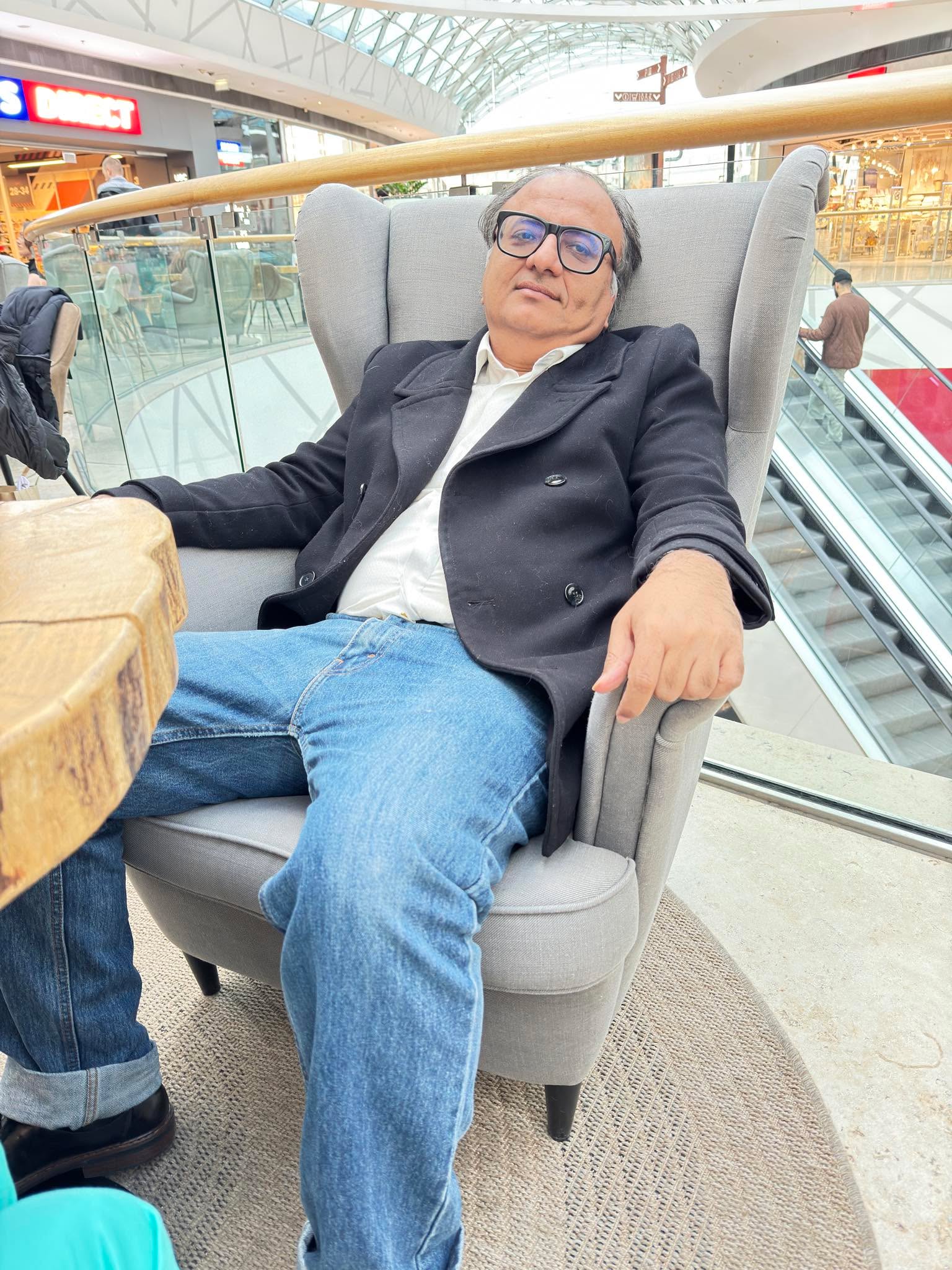
  • #coffee time !
    #coffee time !
    0 Yorumlar 0 hisse senetleri 5 Views
  • آئیے جگنوؤں کو دوبارہ زندہ کریں — قدم بہ قدم

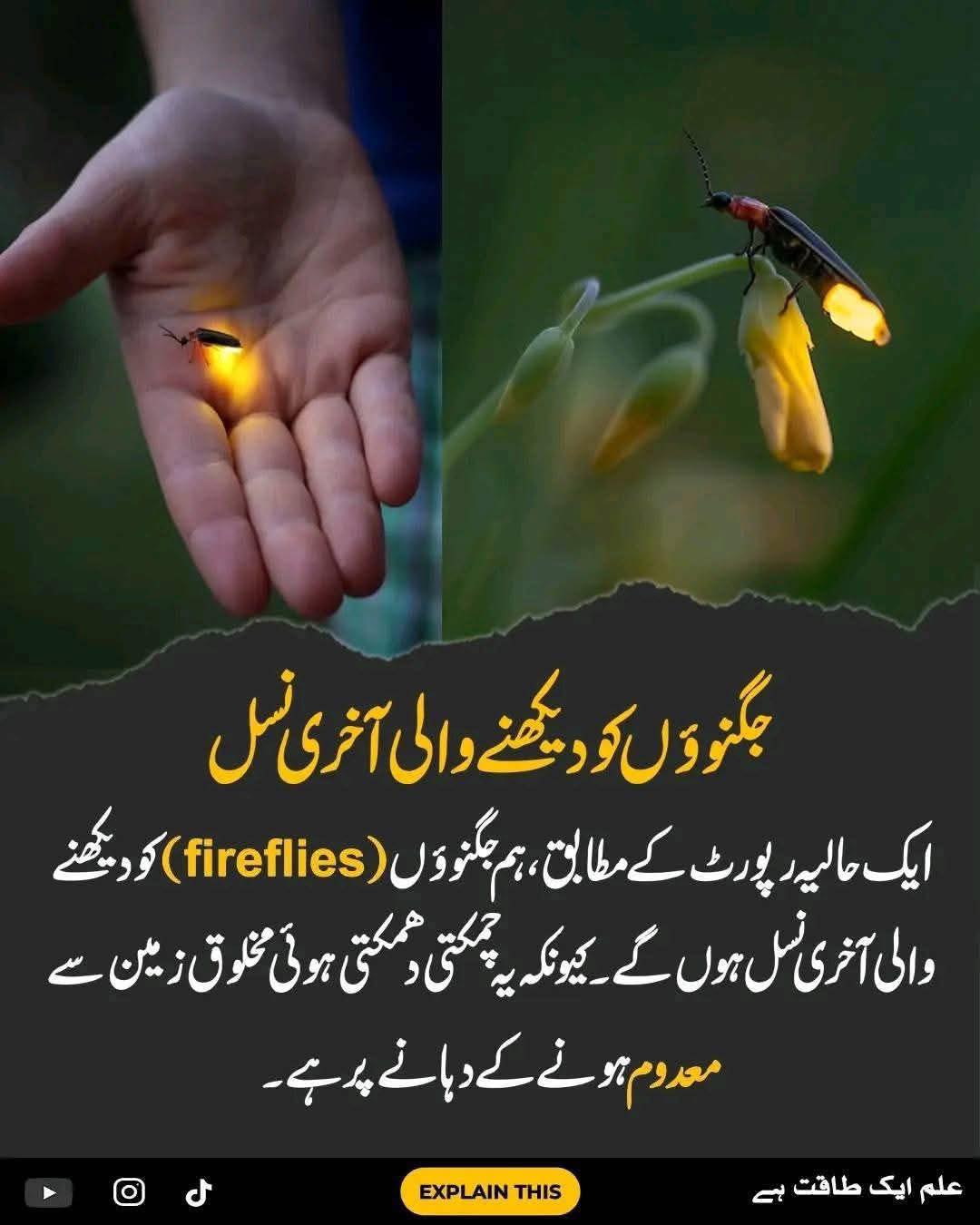
    کیا آپ کو یاد ہے جب گرمیوں کی راتوں میں کھیتوں میں چھوٹی چھوٹی روشنیاں جھلملایا کرتی تھیں؟
    یوں لگتا تھا جیسے آسمان کے تارے زمین پر اتر آئے ہوں۔
    وہ روشنی دینے والی مخلوق جگنو تھی — جو اپنی چمک سے راتوں کو خوبصورت بنا دیتی تھی۔

    آج وہ منظر نایاب ہو گیا ہے۔
    ماہرین کہتے ہیں کہ جگنو زمین سے تیزی سے غائب ہو رہے ہیں — زہریلی دواؤں، روشنیوں، آلودگی، اور قدرتی ماحول کے ختم ہونے کی وجہ سے۔
    اگر ہم نے کچھ نہ کیا تو شاید ہم آخری نسل ہوں گے جنہوں نے انہیں دیکھا۔

    لیکن اگر ہم انتظار نہ کریں؟
    اگر ہم خود انہیں واپس لے آئیں — پاکستان میں، اپنی زمین پر؟

    ریحان اسکول فارم پر ہم نے ایک نیا تجربہ شروع کیا ہے —
    جسے ہم کہتے ہیں “جگنو سنکچوری” (Firefly Sanctuary)
    یہ جگہ چھوٹی ہے، مگر امید سے بھری ہوئی ہے۔
    یہاں ہم جگنوؤں کے رہنے، انڈے دینے، اور چمکنے کے لیے ایک نیا گھر بنا رہے ہیں۔
    آپ بھی چاہیں تو اپنے گھر، اسکول یا فارم پر یہ کرسکتے ہیں۔


    پہلا قدم: ایک پُرسکون اور اندھیرا گوشہ منتخب کریں
    • جگنو روشنی سے دور، خاموش اور نم جگہوں پر رہنا پسند کرتے ہیں۔
    • ایک 10 × 10 فٹ کا کونا منتخب کریں جہاں بجلی کی روشنی یا شور نہ ہو۔
    • درختوں کے نیچے یا دیوار کے سائے میں بہترین جگہ بنتی ہے۔
    • یاد رکھیں: جتنا اندھیرا، اتنا زیادہ امکان جگنو آنے کا۔


    دوسرا قدم: مٹی تیار کریں

    جگنو اپنی زندگی کا زیادہ حصہ مٹی میں لاروا کی شکل میں گزارتے ہیں۔
    لہٰذا زمین ایسی بنائیں جہاں وہ آرام سے رہ سکیں۔
    • مٹی کو نم رکھیں مگر دلدلی نہیں۔
    • پتوں کا کچرا، نامیاتی کھاد یا سڑی ہوئی گھاس ڈالیں تاکہ کیڑے، کیچوے اور گھونگھے آئیں — جنہیں جگنو کے بچے کھاتے ہیں۔
    • کیمیائی کھاد یا اسپرے بالکل نہ کریں۔


    تیسرا قدم: مناسب پودے لگائیں

    پودے نمی اور سایہ پیدا کرتے ہیں — یہی جگنوؤں کا گھر ہوتا ہے۔
    • لیمن گراس، پودینہ، تلسی، میری گولڈ (گیندے کے پھول) اور مقامی جھاڑیاں لگائیں۔
    • کیلے یا پپیتے کے درخت لگانے سے سایہ اور نمی برقرار رہتی ہے۔
    • اس جگہ کی گھاس مت کاٹیں — قدرتی رہنے دیں۔

    یاد رکھیں: جگنو ترتیب نہیں چاہتے، قدرتی بے ترتیبی ہی ان کی پسندیدہ دنیا ہے۔


    چوتھا قدم: چھوٹا سا پانی کا ذریعہ بنائیں
    • ایک چھوٹا حوض یا طشت رکھیں جس میں تھوڑا سا پانی اور پتھر ہوں۔
    • پانی صاف ہو لیکن قدرتی لگے، کلورین یا مچھلی نہ ڈالیں۔
    • اگر فضا خشک ہو تو رات کو ہلکا پانی چھڑک دیں تاکہ نمی بنے۔


    پانچواں قدم: راتوں کو اندھیرا رہنے دیں
    • جگنو روشنی کے ذریعے ایک دوسرے سے بات کرتے ہیں۔
    • مصنوعی لائٹس انہیں الجھا دیتی ہیں، اس لیے لائٹس بند رکھیں۔
    • اگر روشنی ضروری ہو تو لال یا نارنجی ایل ای ڈی بلب استعمال کریں جو جگنو کو پریشان نہیں کرتے۔
    • ہفتے میں ایک دن “خاموش رات” منائیں — جب اسکول یا فیملی کے بچے بیٹھ کر قدرت کا شو دیکھیں۔


    چھٹا قدم: قدرتی خوراک کا انتظام کریں

    جگنو کے بچے چھوٹے کیڑے، گھونگھے اور کیچوے کھاتے ہیں۔
    • پتے، کچرا اور نامیاتی مادہ رہنے دیں تاکہ یہ کیڑے خود آ جائیں۔
    • چاہیں تو قریبی باغ سے چند گھونگھے یا کیچوے لاکر چھوڑ دیں۔
    • قدرت خود توازن بنا لے گی۔


    ساتواں قدم: سیکھنے کی جگہ بنائیں

    یہ جگہ صرف ایک باغ نہیں بلکہ ایک قدرتی کلاس روم ہے۔
    • بچے یہاں روز مشاہدہ کریں اور اپنی “جگنو ڈائری” لکھیں۔
    • موبائل ایپ جیسے iNaturalist کے ذریعے تصویری پہچان کریں۔
    • صبر، خاموشی اور فطرت کے احترام کا سبق سیکھیں۔


    یہ غلطیاں نہ کریں
    • اسپرے یا مچھر مار دھواں مت کریں۔
    • آرائشی روشنیاں یا شور پیدا کرنے والی چیزیں مت لگائیں۔
    • بہت زیادہ پانی نہ ڈالیں، توازن رکھیں۔


    بڑی تصویر

    اگر پاکستان کا ہر اسکول، ہر فارم، ہر پارک صرف ایک چھوٹا سا جگنو گوشہ بنا لے
    تو ہماری راتیں دوبارہ روشن ہو جائیں گی —
    نہ صرف جگنوؤں سے، بلکہ انسانیت کے احساس سے بھی۔

    جگنو ہمیں یاد دلاتے ہیں کہ:

    “جب دنیا اندھیرے میں ڈوب جائے، تو ایک چھوٹی سی روشنی بھی انقلاب بن جاتی ہے۔”

    آئیے، ہم خود وہ روشنی بنیں۔
    قدرت کو واپس سانس لینے دیں۔
    اور اپنے بچوں کو سکھائیں کہ زندگی تب خوبصورت بنتی ہے جب ہم صرف جیتے نہیں، بلکہ زمین کے ساتھ جیتے ہیں۔

    — ریحان اللہ والا
    بانی: ریحان اسکول
    جو بچوں کو انٹرنیٹ، سوشل میڈیا، اعتماد اور مصنوعی ذہانت سے دنیا بدلنا سکھاتا ہے۔

    🌟 آئیے جگنوؤں کو دوبارہ زندہ کریں — قدم بہ قدم کیا آپ کو یاد ہے جب گرمیوں کی راتوں میں کھیتوں میں چھوٹی چھوٹی روشنیاں جھلملایا کرتی تھیں؟ یوں لگتا تھا جیسے آسمان کے تارے زمین پر اتر آئے ہوں۔ وہ روشنی دینے والی مخلوق جگنو تھی — جو اپنی چمک سے راتوں کو خوبصورت بنا دیتی تھی۔ آج وہ منظر نایاب ہو گیا ہے۔ ماہرین کہتے ہیں کہ جگنو زمین سے تیزی سے غائب ہو رہے ہیں — زہریلی دواؤں، روشنیوں، آلودگی، اور قدرتی ماحول کے ختم ہونے کی وجہ سے۔ اگر ہم نے کچھ نہ کیا تو شاید ہم آخری نسل ہوں گے جنہوں نے انہیں دیکھا۔ لیکن اگر ہم انتظار نہ کریں؟ اگر ہم خود انہیں واپس لے آئیں — پاکستان میں، اپنی زمین پر؟ ریحان اسکول فارم پر ہم نے ایک نیا تجربہ شروع کیا ہے — جسے ہم کہتے ہیں “جگنو سنکچوری” (Firefly Sanctuary) یہ جگہ چھوٹی ہے، مگر امید سے بھری ہوئی ہے۔ یہاں ہم جگنوؤں کے رہنے، انڈے دینے، اور چمکنے کے لیے ایک نیا گھر بنا رہے ہیں۔ آپ بھی چاہیں تو اپنے گھر، اسکول یا فارم پر یہ کرسکتے ہیں۔ ⸻ 🌳 پہلا قدم: ایک پُرسکون اور اندھیرا گوشہ منتخب کریں • جگنو روشنی سے دور، خاموش اور نم جگہوں پر رہنا پسند کرتے ہیں۔ • ایک 10 × 10 فٹ کا کونا منتخب کریں جہاں بجلی کی روشنی یا شور نہ ہو۔ • درختوں کے نیچے یا دیوار کے سائے میں بہترین جگہ بنتی ہے۔ • یاد رکھیں: جتنا اندھیرا، اتنا زیادہ امکان جگنو آنے کا۔ ⸻ 🌾 دوسرا قدم: مٹی تیار کریں جگنو اپنی زندگی کا زیادہ حصہ مٹی میں لاروا کی شکل میں گزارتے ہیں۔ لہٰذا زمین ایسی بنائیں جہاں وہ آرام سے رہ سکیں۔ • مٹی کو نم رکھیں مگر دلدلی نہیں۔ • پتوں کا کچرا، نامیاتی کھاد یا سڑی ہوئی گھاس ڈالیں تاکہ کیڑے، کیچوے اور گھونگھے آئیں — جنہیں جگنو کے بچے کھاتے ہیں۔ • کیمیائی کھاد یا اسپرے بالکل نہ کریں۔ ⸻ 🌿 تیسرا قدم: مناسب پودے لگائیں پودے نمی اور سایہ پیدا کرتے ہیں — یہی جگنوؤں کا گھر ہوتا ہے۔ • لیمن گراس، پودینہ، تلسی، میری گولڈ (گیندے کے پھول) اور مقامی جھاڑیاں لگائیں۔ • کیلے یا پپیتے کے درخت لگانے سے سایہ اور نمی برقرار رہتی ہے۔ • اس جگہ کی گھاس مت کاٹیں — قدرتی رہنے دیں۔ 💡 یاد رکھیں: جگنو ترتیب نہیں چاہتے، قدرتی بے ترتیبی ہی ان کی پسندیدہ دنیا ہے۔ ⸻ 💧 چوتھا قدم: چھوٹا سا پانی کا ذریعہ بنائیں • ایک چھوٹا حوض یا طشت رکھیں جس میں تھوڑا سا پانی اور پتھر ہوں۔ • پانی صاف ہو لیکن قدرتی لگے، کلورین یا مچھلی نہ ڈالیں۔ • اگر فضا خشک ہو تو رات کو ہلکا پانی چھڑک دیں تاکہ نمی بنے۔ ⸻ 🌌 پانچواں قدم: راتوں کو اندھیرا رہنے دیں • جگنو روشنی کے ذریعے ایک دوسرے سے بات کرتے ہیں۔ • مصنوعی لائٹس انہیں الجھا دیتی ہیں، اس لیے لائٹس بند رکھیں۔ • اگر روشنی ضروری ہو تو لال یا نارنجی ایل ای ڈی بلب استعمال کریں جو جگنو کو پریشان نہیں کرتے۔ • ہفتے میں ایک دن “خاموش رات” منائیں — جب اسکول یا فیملی کے بچے بیٹھ کر قدرت کا شو دیکھیں۔ ⸻ 🪱 چھٹا قدم: قدرتی خوراک کا انتظام کریں جگنو کے بچے چھوٹے کیڑے، گھونگھے اور کیچوے کھاتے ہیں۔ • پتے، کچرا اور نامیاتی مادہ رہنے دیں تاکہ یہ کیڑے خود آ جائیں۔ • چاہیں تو قریبی باغ سے چند گھونگھے یا کیچوے لاکر چھوڑ دیں۔ • قدرت خود توازن بنا لے گی۔ ⸻ 🎓 ساتواں قدم: سیکھنے کی جگہ بنائیں یہ جگہ صرف ایک باغ نہیں بلکہ ایک قدرتی کلاس روم ہے۔ • بچے یہاں روز مشاہدہ کریں اور اپنی “جگنو ڈائری” لکھیں۔ • موبائل ایپ جیسے iNaturalist کے ذریعے تصویری پہچان کریں۔ • صبر، خاموشی اور فطرت کے احترام کا سبق سیکھیں۔ ⸻ ⚠️ یہ غلطیاں نہ کریں • اسپرے یا مچھر مار دھواں مت کریں۔ • آرائشی روشنیاں یا شور پیدا کرنے والی چیزیں مت لگائیں۔ • بہت زیادہ پانی نہ ڈالیں، توازن رکھیں۔ ⸻ 🌍 بڑی تصویر اگر پاکستان کا ہر اسکول، ہر فارم، ہر پارک صرف ایک چھوٹا سا جگنو گوشہ بنا لے تو ہماری راتیں دوبارہ روشن ہو جائیں گی — نہ صرف جگنوؤں سے، بلکہ انسانیت کے احساس سے بھی۔ جگنو ہمیں یاد دلاتے ہیں کہ: “جب دنیا اندھیرے میں ڈوب جائے، تو ایک چھوٹی سی روشنی بھی انقلاب بن جاتی ہے۔” آئیے، ہم خود وہ روشنی بنیں۔ قدرت کو واپس سانس لینے دیں۔ اور اپنے بچوں کو سکھائیں کہ زندگی تب خوبصورت بنتی ہے جب ہم صرف جیتے نہیں، بلکہ زمین کے ساتھ جیتے ہیں۔ 🌍💚 — ریحان اللہ والا بانی: ریحان اسکول جو بچوں کو انٹرنیٹ، سوشل میڈیا، اعتماد اور مصنوعی ذہانت سے دنیا بدلنا سکھاتا ہے۔ ⸻
    0 Yorumlar 0 hisse senetleri 99 Views
  • Let’s Bring the Fireflies Back to Life — Step by Step

    Do you remember the nights when the fields used to twinkle with tiny lights — as if the stars had come down to earth? Those magical creatures were fireflies — the glowing beetles that once filled our childhood summers with wonder.

    Today, they are vanishing from our world. Scientists say fireflies are disappearing fast because of pesticides, pollution, artificial lights, and the destruction of natural habitats. If we do nothing, we might become the last generation to see them.

    But what if we refused to let them disappear?
    What if we brought them back — right here in Pakistan?

    At Rehan School Farm, we are launching a small but powerful project — the Firefly Sanctuary — to restore nature’s glow and teach our students the science of conservation through direct action.
    Here’s how anyone can do it at their home, school, or farm:


    Step 1: Choose a Calm, Dark Spot

    Fireflies love quiet, shaded, and humid areas — far from bright lights and noise.
    • Select a 10 × 10 meter corner of your land, preferably under trees or near a wall that gives shade.
    • Make sure no streetlights or building lights directly shine on it.
    • The quieter and darker the spot, the better their chances to live and breed.


    Step 2: Prepare the Soil

    Firefly larvae live in the soil for months before becoming glowing adults.
    To make it suitable for them:
    • Keep the soil moist but not flooded.
    • Add fallen leaves, compost, or old vegetable waste — this attracts snails, worms, and slugs (which the larvae eat).
    • Never use chemical fertilizers or insecticides. They kill both the food and the fireflies.


    Step 3: Grow the Right Plants

    Plants provide shelter, humidity, and food for the insects they feed on.
    • Plant native grasses, ferns, lemongrass, mint, and marigold.
    • Add small shrubs or banana plants to keep the area shaded.
    • Avoid lawn cutting in this zone; tall grass helps fireflies hide during the day.

    Pro Tip: Fireflies love places where nature is a little “untidy.” Don’t clean too much!


    Step 4: Create a Mini Water Source

    They love moisture and dew.
    • Dig a small pond or place a shallow water tub with a few stones.
    • Keep it clean but natural — no chlorine or fish at first.
    • Spray light water mist at night to mimic dew if the air is dry.


    Step 5: Keep the Nights Dark

    Fireflies communicate with flashes of light.
    Artificial lighting confuses them and stops them from mating.
    • Turn off all lights in that area after sunset.
    • If you need visibility, use dim red or amber LEDs, as they don’t disturb insects.
    • You can even host a “Dark Night” event once a week — invite students and families to observe nature’s own light show.


    Step 6: Feed Nature Naturally

    Firefly larvae eat snails, worms, and slugs.
    • Keep compost piles or leaf litter to attract them.
    • Collect a few snails or worms from nearby gardens to release there.
    • Keep the balance — nature will take care of the rest.


    Step 7: Make It an Education Zone

    Turn it into a living science classroom.
    • Ask students to keep a Firefly Journal — noting weather, light, and sightings.
    • Use AI tools like iNaturalist or Seek to identify insects.
    • Discuss what each student learned about patience, silence, and harmony with nature.


    Avoid These Mistakes
    • Don’t use chemical sprays or mosquito fogging near the sanctuary.
    • Don’t introduce too many animals or bright decorative lights.
    • Don’t over-water or let it dry completely. Balance is key.


    The Bigger Picture

    If every school, farmhouse, and park in Pakistan dedicates just one small corner like this, we can light up our country again — not just with fireflies, but with awareness, care, and life.

    Fireflies remind us of a beautiful truth:

    When the world grows darker, even a small light becomes powerful.

    So let’s create spaces where light is born naturally again.
    Let’s show our children how to care, not just how to consume.
    Let’s bring back the fireflies — and with them, the forgotten glow in our hearts.

    — Rehan Allahwala
    Founder, Rehan School
    Teaching leadership through love, AI, and action.
    🌟 Let’s Bring the Fireflies Back to Life — Step by Step Do you remember the nights when the fields used to twinkle with tiny lights — as if the stars had come down to earth? Those magical creatures were fireflies — the glowing beetles that once filled our childhood summers with wonder. Today, they are vanishing from our world. Scientists say fireflies are disappearing fast because of pesticides, pollution, artificial lights, and the destruction of natural habitats. If we do nothing, we might become the last generation to see them. But what if we refused to let them disappear? What if we brought them back — right here in Pakistan? At Rehan School Farm, we are launching a small but powerful project — the Firefly Sanctuary — to restore nature’s glow and teach our students the science of conservation through direct action. Here’s how anyone can do it at their home, school, or farm: ⸻ 🪴 Step 1: Choose a Calm, Dark Spot Fireflies love quiet, shaded, and humid areas — far from bright lights and noise. • Select a 10 × 10 meter corner of your land, preferably under trees or near a wall that gives shade. • Make sure no streetlights or building lights directly shine on it. • The quieter and darker the spot, the better their chances to live and breed. ⸻ 🌾 Step 2: Prepare the Soil Firefly larvae live in the soil for months before becoming glowing adults. To make it suitable for them: • Keep the soil moist but not flooded. • Add fallen leaves, compost, or old vegetable waste — this attracts snails, worms, and slugs (which the larvae eat). • Never use chemical fertilizers or insecticides. They kill both the food and the fireflies. ⸻ 🌿 Step 3: Grow the Right Plants Plants provide shelter, humidity, and food for the insects they feed on. • Plant native grasses, ferns, lemongrass, mint, and marigold. • Add small shrubs or banana plants to keep the area shaded. • Avoid lawn cutting in this zone; tall grass helps fireflies hide during the day. 💡 Pro Tip: Fireflies love places where nature is a little “untidy.” Don’t clean too much! ⸻ 💧 Step 4: Create a Mini Water Source They love moisture and dew. • Dig a small pond or place a shallow water tub with a few stones. • Keep it clean but natural — no chlorine or fish at first. • Spray light water mist at night to mimic dew if the air is dry. ⸻ 🌌 Step 5: Keep the Nights Dark Fireflies communicate with flashes of light. Artificial lighting confuses them and stops them from mating. • Turn off all lights in that area after sunset. • If you need visibility, use dim red or amber LEDs, as they don’t disturb insects. • You can even host a “Dark Night” event once a week — invite students and families to observe nature’s own light show. ⸻ 🪱 Step 6: Feed Nature Naturally Firefly larvae eat snails, worms, and slugs. • Keep compost piles or leaf litter to attract them. • Collect a few snails or worms from nearby gardens to release there. • Keep the balance — nature will take care of the rest. ⸻ 🎓 Step 7: Make It an Education Zone Turn it into a living science classroom. • Ask students to keep a Firefly Journal — noting weather, light, and sightings. • Use AI tools like iNaturalist or Seek to identify insects. • Discuss what each student learned about patience, silence, and harmony with nature. ⸻ ⚠️ Avoid These Mistakes • Don’t use chemical sprays or mosquito fogging near the sanctuary. • Don’t introduce too many animals or bright decorative lights. • Don’t over-water or let it dry completely. Balance is key. ⸻ 🌍 The Bigger Picture If every school, farmhouse, and park in Pakistan dedicates just one small corner like this, we can light up our country again — not just with fireflies, but with awareness, care, and life. Fireflies remind us of a beautiful truth: When the world grows darker, even a small light becomes powerful. So let’s create spaces where light is born naturally again. Let’s show our children how to care, not just how to consume. Let’s bring back the fireflies — and with them, the forgotten glow in our hearts. ✨ — Rehan Allahwala Founder, Rehan School Teaching leadership through love, AI, and action.
    0 Yorumlar 0 hisse senetleri 69 Views
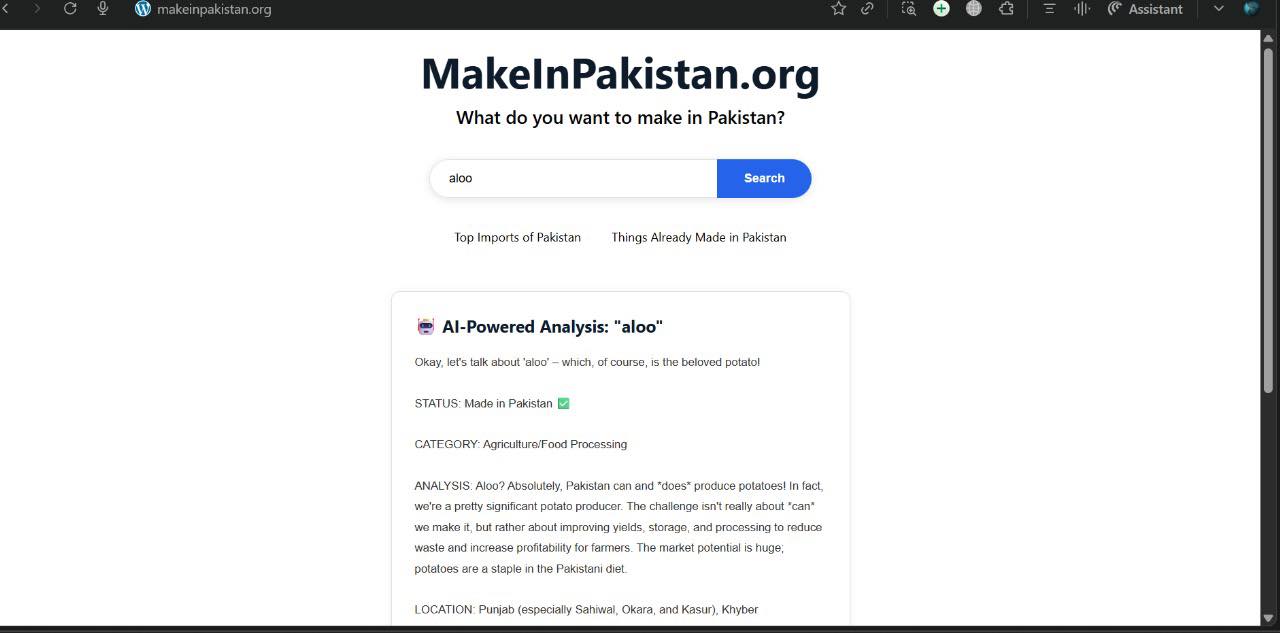
  • What Would You Like to Make in Pakistan?

    We’re building MakeInPakistan.org — a platform that will help you turn ideas into industries, powered by Artificial Intelligence.

    Whatever you want to make — from mobile phones to solar panels to chocolates —
    our AI system will:
    Acquire real data from verified national and global sources,
    Gather and organize it into meaningful insights,
    Sort it for you — showing what’s made here, what’s imported, and how you can start making it locally.

    Comment below what you’d like to make, or message us directly!
    We’ll add new features and data on our site to help you easily start making things in Pakistan — with real information, local guidance, and AI-driven support.

    Let’s stop importing.
    Let’s start creating.
    Let’s start making!

    www.MakeInPakistan.org
    #MakeInPakistan #MadeInPakistan #AIForPakistan #RehanSchool #BuildInPakistan #Innovation #Pakistan2030
    🇵🇰 What Would You Like to Make in Pakistan? We’re building MakeInPakistan.org — a platform that will help you turn ideas into industries, powered by Artificial Intelligence. Whatever you want to make — from mobile phones to solar panels to chocolates — our AI system will: 🤖 Acquire real data from verified national and global sources, 📊 Gather and organize it into meaningful insights, 🧠 Sort it for you — showing what’s made here, what’s imported, and how you can start making it locally. 💬 Comment below what you’d like to make, or message us directly! We’ll add new features and data on our site to help you easily start making things in Pakistan — with real information, local guidance, and AI-driven support. Let’s stop importing. Let’s start creating. Let’s start making! 🇵🇰 🌐 www.MakeInPakistan.org #MakeInPakistan #MadeInPakistan #AIForPakistan #RehanSchool #BuildInPakistan #Innovation #Pakistan2030
    0 Yorumlar 0 hisse senetleri 2733 Views


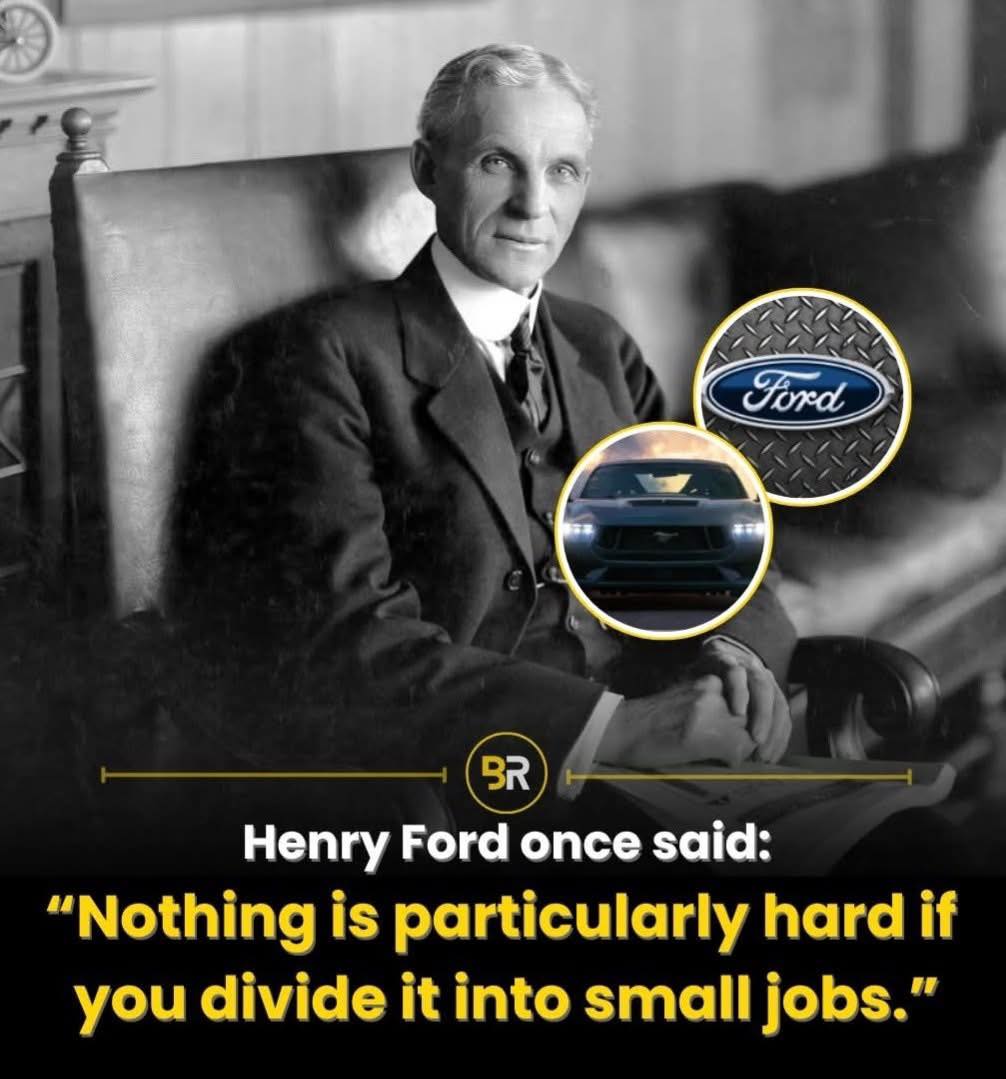
  • Henry Ford’s Secret to Doing the Impossible

    Henry Ford, the man who built one of the biggest car companies in the world, once said:

    “Nothing is particularly hard if you divide it into small jobs.”

    When people first heard it, they thought it was just about building cars.
    But in truth, it’s about building life.

    He meant that nothing in this world is really hard — not education, not business, not success — if you learn to break it down into smaller, clear, daily actions.


    What Does It Mean?

    When we see a big dream — like opening a school, building a company, or learning a new skill — it looks like a mountain.
    But when we divide that mountain into small, easy parts, suddenly, it becomes a series of small hills we can walk over one by one.

    So Ford’s wisdom teaches us:

    “Don’t try to climb the mountain in one jump — just take one step at a time.”


    What Are Hard Jobs and Easy Jobs?

    A hard job is something that feels too big to finish.
    • Starting a school from zero.
    • Opening 100 franchises.
    • Becoming fluent in English.
    • Teaching 1000 students.
    These are hard because they are not divided yet.

    An easy job is a small piece of that big dream.
    • Teaching one student today.
    • Training one teacher this week.
    • Opening one branch this month.
    • Talking to one new investor every day.

    When you do hundreds of small jobs with patience, they become one big achievement.


    Henry Ford’s Own Story

    In Ford’s time, people built one car at a time. Each car took weeks.
    Ford asked, “Why don’t we divide the job?”
    So he created the assembly line — one man fits tires, one paints, one checks the engine.

    Result?
    Cars became faster to make, cheaper to buy, and millions of people got jobs.

    That was his genius:
    He turned a hard job into hundreds of small, easy ones — and changed the world.


    Example 1: Learning — Step by Step

    Imagine a student named Sara who dreams of becoming a great teacher.
    At first, English grammar, AI tools, and presentation skills all feel too difficult.
    But her mentor says, “Sara, don’t try to learn everything today. Just learn one small thing every day.”

    So Sara makes a plan:
    • Monday: Learn 5 English words.
    • Tuesday: Practice 5 minutes on ChatGPT.
    • Wednesday: Watch one short teaching video.
    • Thursday: Record one minute of herself teaching.
    • Friday: Review and improve.

    After six months, Sara becomes confident and fluent.
    Her big dream came true because she divided it into tiny daily jobs.


    Example 2: Running a School or Academy

    Now think of a teacher like Miss Ayesha who wants to run a school but feels scared.
    “How can I manage teachers, students, marketing, and parents all at once?” she thinks.

    Then she remembers Henry Ford’s wisdom.
    She writes down her school’s dream and breaks it into small weekly goals:
    1. Week 1: Find a small building and paint it.
    2. Week 2: Recruit 3 teachers.
    3. Week 3: Enroll 20 students.
    4. Week 4: Make social media pages.

    Soon, her one small school is full. Then she trains her teachers to open new branches — one after another.
    After a few years, she has 10 campuses.
    Later, she dreams bigger — 100 Rehan Schools across Pakistan.
    And she knows it’s possible because she has learned the Ford way: divide, act, repeat.


    Example 3: Building 100 or 1000 Franchises

    Bilal runs a small food business — one restaurant that earns a little money.
    He dreams of 100 branches one day but laughs, “How can I ever do that?”

    His mentor says, “Bilal, don’t open 100 restaurants.
    First, open one perfect restaurant.
    Then make a system — how to cook, how to train, how to manage.
    Write it down.
    Now teach someone else to copy that system.”

    That’s exactly how McDonald’s and KFC grew — not by magic, but by systems.

    Soon Bilal has:
    • 1 restaurant → 3 → 10 → 100 → maybe even 1000.
    Each one built step-by-step, just like Ford’s cars.

    That’s the secret of big business — divide and duplicate.


    Example 4: Growing a Mission Like Rehan School

    Rehan School started as one classroom in Karachi.
    But the dream was never one school — it was to make 1000 leaders and 1 million jobs.

    So instead of trying to do it all at once, the school divided the mission:
    • Each campus trains 100 students.
    • Each student interviews 100 people.
    • Each team opens one new campus in six months.

    This system keeps repeating — and that’s how a small dream becomes a nation-changing movement.


    The Lesson

    Henry Ford taught us that big dreams are never hard — they are just unorganized.
    If we take the time to divide, plan, and act daily, nothing is impossible.

    Every big business started as a small shop.
    Every great teacher began as a student.
    Every large tree was once a small seed.

    So if you want to build a school, create a business, or open 1000 branches —
    don’t worry about the number.
    Just start today.
    Do one small job.
    Then another.
    And never stop.

    Because in the end, as Henry Ford said —

    “Nothing is particularly hard if you divide it into small jobs.”

    ⸻ 🚗 Henry Ford’s Secret to Doing the Impossible Henry Ford, the man who built one of the biggest car companies in the world, once said: “Nothing is particularly hard if you divide it into small jobs.” When people first heard it, they thought it was just about building cars. But in truth, it’s about building life. He meant that nothing in this world is really hard — not education, not business, not success — if you learn to break it down into smaller, clear, daily actions. ⸻ 🧠 What Does It Mean? When we see a big dream — like opening a school, building a company, or learning a new skill — it looks like a mountain. But when we divide that mountain into small, easy parts, suddenly, it becomes a series of small hills we can walk over one by one. So Ford’s wisdom teaches us: “Don’t try to climb the mountain in one jump — just take one step at a time.” ⸻ ⚙️ What Are Hard Jobs and Easy Jobs? A hard job is something that feels too big to finish. • Starting a school from zero. • Opening 100 franchises. • Becoming fluent in English. • Teaching 1000 students. These are hard because they are not divided yet. An easy job is a small piece of that big dream. • Teaching one student today. • Training one teacher this week. • Opening one branch this month. • Talking to one new investor every day. When you do hundreds of small jobs with patience, they become one big achievement. ⸻ 🔧 Henry Ford’s Own Story In Ford’s time, people built one car at a time. Each car took weeks. Ford asked, “Why don’t we divide the job?” So he created the assembly line — one man fits tires, one paints, one checks the engine. Result? Cars became faster to make, cheaper to buy, and millions of people got jobs. That was his genius: He turned a hard job into hundreds of small, easy ones — and changed the world. ⸻ 🏫 Example 1: Learning — Step by Step Imagine a student named Sara who dreams of becoming a great teacher. At first, English grammar, AI tools, and presentation skills all feel too difficult. But her mentor says, “Sara, don’t try to learn everything today. Just learn one small thing every day.” So Sara makes a plan: • Monday: Learn 5 English words. • Tuesday: Practice 5 minutes on ChatGPT. • Wednesday: Watch one short teaching video. • Thursday: Record one minute of herself teaching. • Friday: Review and improve. After six months, Sara becomes confident and fluent. Her big dream came true because she divided it into tiny daily jobs. ⸻ 🏫 Example 2: Running a School or Academy Now think of a teacher like Miss Ayesha who wants to run a school but feels scared. “How can I manage teachers, students, marketing, and parents all at once?” she thinks. Then she remembers Henry Ford’s wisdom. She writes down her school’s dream and breaks it into small weekly goals: 1. Week 1: Find a small building and paint it. 2. Week 2: Recruit 3 teachers. 3. Week 3: Enroll 20 students. 4. Week 4: Make social media pages. Soon, her one small school is full. Then she trains her teachers to open new branches — one after another. After a few years, she has 10 campuses. Later, she dreams bigger — 100 Rehan Schools across Pakistan. And she knows it’s possible because she has learned the Ford way: divide, act, repeat. ⸻ 💼 Example 3: Building 100 or 1000 Franchises Bilal runs a small food business — one restaurant that earns a little money. He dreams of 100 branches one day but laughs, “How can I ever do that?” His mentor says, “Bilal, don’t open 100 restaurants. First, open one perfect restaurant. Then make a system — how to cook, how to train, how to manage. Write it down. Now teach someone else to copy that system.” That’s exactly how McDonald’s and KFC grew — not by magic, but by systems. Soon Bilal has: • 1 restaurant → 3 → 10 → 100 → maybe even 1000. Each one built step-by-step, just like Ford’s cars. That’s the secret of big business — divide and duplicate. ⸻ 🌍 Example 4: Growing a Mission Like Rehan School Rehan School started as one classroom in Karachi. But the dream was never one school — it was to make 1000 leaders and 1 million jobs. So instead of trying to do it all at once, the school divided the mission: • Each campus trains 100 students. • Each student interviews 100 people. • Each team opens one new campus in six months. This system keeps repeating — and that’s how a small dream becomes a nation-changing movement. ⸻ 🌱 The Lesson Henry Ford taught us that big dreams are never hard — they are just unorganized. If we take the time to divide, plan, and act daily, nothing is impossible. Every big business started as a small shop. Every great teacher began as a student. Every large tree was once a small seed. So if you want to build a school, create a business, or open 1000 branches — don’t worry about the number. Just start today. Do one small job. Then another. And never stop. Because in the end, as Henry Ford said — “Nothing is particularly hard if you divide it into small jobs.” ⸻
    0 Yorumlar 0 hisse senetleri 56 Views
  • Excellent Business idea for Pakistan
    Excellent Business idea for Pakistan 🇵🇰
    0 Yorumlar 0 hisse senetleri 5 Views
  • Via Marc J. Lane
    Via Marc J. Lane
    0 Yorumlar 0 hisse senetleri 5 Views