• 0 Reacties 0 aandelen 13 Views
  • جن کو غصہ زیادہ آتا ہے انہیں یہ حکایت یاد رکھنی چاہیے۔

    خالی کشتی
    (بدھ مت کی قدیم اخلاقی کہانی )

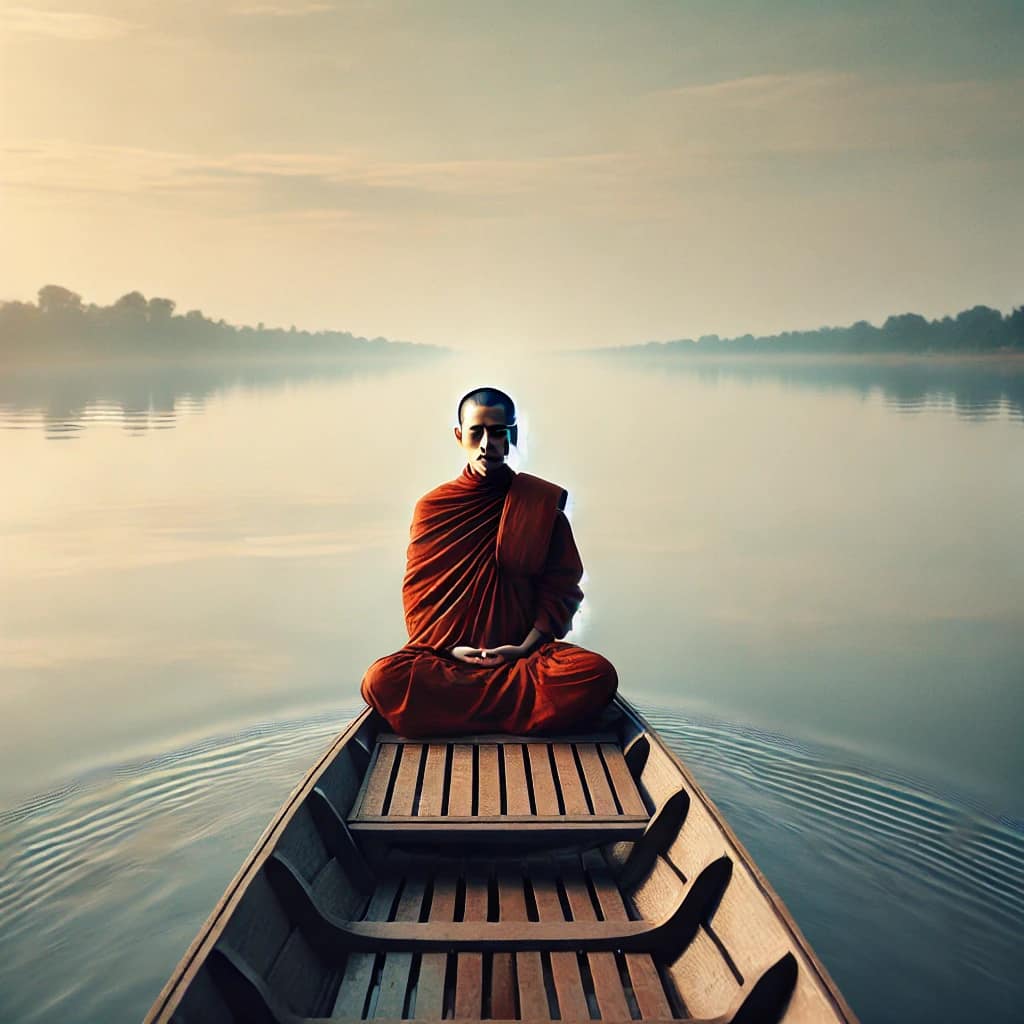
    ایک بھکشو نے ارادہ کیا کہ وہ اپنی خانقاہ سے نکل کر کہیں دور اکیلا مراقبہ کرے گا۔ اس نے ایک کشتی بنائی اور جھیل کے وسط میں جا کر ٹھہر گیا۔

    اس نے پوری توجہ سے اپنے نفس کے احوال پر نظر کی اور آنکھیں بند کر کے مراقبہ و گیان میں مشغول ہو گیا۔ چند گھنٹے وہ اسی کیفیت میں گم رہا مگر پھر اسے اچانک ایک اور کشتی کی آواز سنائی دی جو تیرتے ہوئے اس کی کشتی سے ٹکڑا رہی تھی۔

    بند آنکھوں کے ساتھ اس نے محسوس کیا کہ اس کے اندر غصے کا احساس پیدا ہو رہا ہے ، وہ آنکھیں کھول کر اپنا سکون غارت کرنے والی کشتی کے ملاح پر چلاّنے ہی لگا تھا کہ اس نے دیکھا کہ کشتی تو بالکل خالی ہے اور پاس کہیں کوئی ناخدا بھی نہیں ہے۔

    لنگر ٹوٹنے کے بعد وہ کہیں کنارے سے بہہ نکلی تھی۔ یہ ماجرا دیکھ کر اسے ادراک ہوا کہ غصہ تو اس کے اپنے نفس کے اندر ہے بس کسی خارجی وجود کے ٹکڑاؤ کی دیر ہے اور اس کا سارا اشتعال باہر نکل آتا ہے۔ چناچہ اس نکتے کو دماغ میں بٹھا کر وہ واپس خانقاہ چلا گیا۔

    اور اس کے بعد اپنی پوری زندگی اگر کبھی بھی وہ کسی ایسے انسان سے ملا جس کی بات یا حرکت پر اسے غصہ محسوس ہوا تو وہ اطمینان سے اپنے نفس میں یہ مذاکرہ کرتے ہوئے خاموش رہا کہ دوسرا شخص محض ایک خالی کشتی ہے ، غصہ خود میری اپنی ذات میں ہے۔۔۔۔۔۔۔

    ~حنظلہ خلیق

    Via Rubina Yasmeen
    جن کو غصہ زیادہ آتا ہے انہیں یہ حکایت یاد رکھنی چاہیے۔ خالی کشتی 🛶 (بدھ مت کی قدیم اخلاقی کہانی ) ایک بھکشو نے ارادہ کیا کہ وہ اپنی خانقاہ سے نکل کر کہیں دور اکیلا مراقبہ کرے گا۔ اس نے ایک کشتی بنائی اور جھیل کے وسط میں جا کر ٹھہر گیا۔ اس نے پوری توجہ سے اپنے نفس کے احوال پر نظر کی اور آنکھیں بند کر کے مراقبہ و گیان میں مشغول ہو گیا۔ چند گھنٹے وہ اسی کیفیت میں گم رہا مگر پھر اسے اچانک ایک اور کشتی کی آواز سنائی دی جو تیرتے ہوئے اس کی کشتی سے ٹکڑا رہی تھی۔ بند آنکھوں کے ساتھ اس نے محسوس کیا کہ اس کے اندر غصے کا احساس پیدا ہو رہا ہے ، وہ آنکھیں کھول کر اپنا سکون غارت کرنے والی کشتی کے ملاح پر چلاّنے ہی لگا تھا کہ اس نے دیکھا کہ کشتی تو بالکل خالی ہے اور پاس کہیں کوئی ناخدا بھی نہیں ہے۔ لنگر ٹوٹنے کے بعد وہ کہیں کنارے سے بہہ نکلی تھی۔ یہ ماجرا دیکھ کر اسے ادراک ہوا کہ غصہ تو اس کے اپنے نفس کے اندر ہے بس کسی خارجی وجود کے ٹکڑاؤ کی دیر ہے اور اس کا سارا اشتعال باہر نکل آتا ہے۔ چناچہ اس نکتے کو دماغ میں بٹھا کر وہ واپس خانقاہ چلا گیا۔ اور اس کے بعد اپنی پوری زندگی اگر کبھی بھی وہ کسی ایسے انسان سے ملا جس کی بات یا حرکت پر اسے غصہ محسوس ہوا تو وہ اطمینان سے اپنے نفس میں یہ مذاکرہ کرتے ہوئے خاموش رہا کہ دوسرا شخص محض ایک خالی کشتی ہے ، غصہ خود میری اپنی ذات میں ہے۔۔۔۔۔۔۔ ~حنظلہ خلیق Via Rubina Yasmeen
    0 Reacties 0 aandelen 384 Views
  • I will be joining ! Hope you join !
    I will be joining ! Hope you join !
    0 Reacties 0 aandelen 13 Views
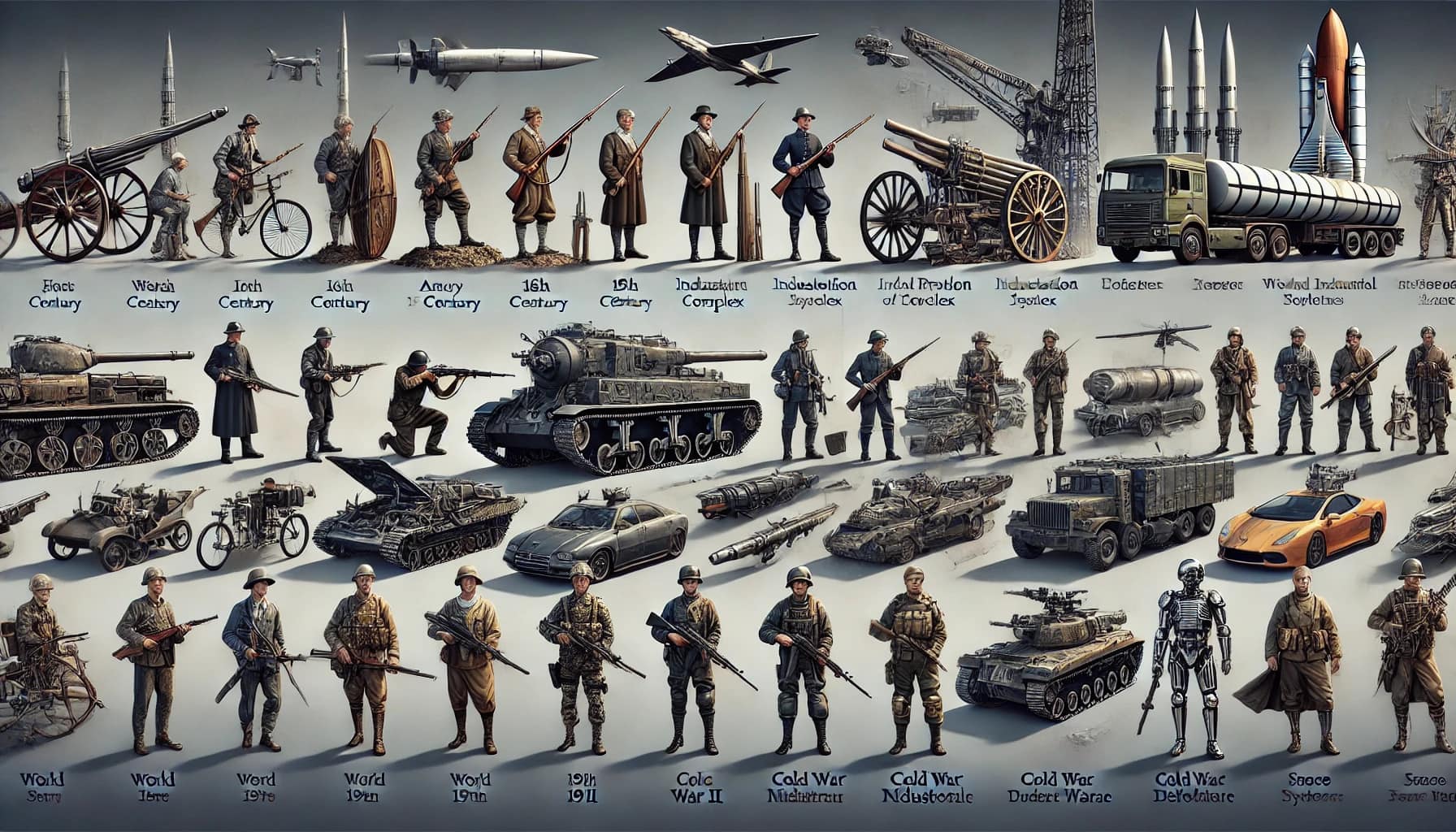
  • The term military-industrial complex (MIC) refers to the intricate relationship between a nation’s military, its government, and the defense industry that supplies arms and military technologies. This concept gained prominence when U.S. President Dwight D. Eisenhower warned of its potential influence in his 1961 farewell address. 

    Over the past 500 years, the evolution of the MIC and global military expenditures have been influenced by technological advancements, geopolitical shifts, and economic developments. Here’s an overview:

    16th to 18th Centuries: Early Modern Period
    • Military-Industrial Relations: During this era, European powers began establishing state-controlled armories and naval shipyards to support expanding empires. The relationship between governments and private arms manufacturers was nascent, with monarchies often commissioning weapons production directly.
    • Global Military Spending: Comprehensive data is scarce, but military expenditures were significant, especially for colonial powers like Spain, France, and England, which invested heavily in navies and armies to protect and expand their territories.

    19th Century: Industrial Revolution and Militarization
    • Military-Industrial Relations: The Industrial Revolution introduced mass production techniques, leading to the rise of private arms manufacturers. Governments increasingly relied on these private entities for weapons, marking the early stages of the MIC.
    • Global Military Spending: Military expenditures grew as nations built large standing armies and navies. For instance, by the late 19th century, major powers were spending substantial portions of their national budgets on defense to support imperial ambitions.

    Early to Mid-20th Century: World Wars and the Formalization of the MIC
    • Military-Industrial Relations: World Wars I and II necessitated unprecedented collaboration between governments and private industry to produce vast quantities of arms. In the U.S., this collaboration was formalized during World War II, with civilian industries shifting to wartime production. 
    • Global Military Spending: Military spending surged during the World Wars. For example, U.S. military expenditure during World War II peaked at approximately 40% of GDP. 

    Cold War Era (1947–1991): Expansion of the MIC
    • Military-Industrial Relations: The Cold War era saw the MIC become deeply entrenched, especially in the U.S. The persistent arms race between NATO and the Warsaw Pact led to sustained high levels of defense spending and the proliferation of defense contractors.
    • Global Military Spending: Global military expenditure remained high throughout the Cold War. In the 1980s, during the Reagan administration, U.S. military spending reached about 6% of GDP, contributing to global military expenditures exceeding $1 trillion annually.

    Post-Cold War to Early 21st Century: Transformation and Modernization
    • Military-Industrial Relations: The end of the Cold War led to a temporary reduction in military spending, known as the “peace dividend.” However, conflicts in the Middle East and the War on Terror reignited defense expenditures. The MIC adapted by focusing on advanced technologies, cybersecurity, and unmanned systems.
    • Global Military Spending: After a decline in the 1990s, global military spending began to rise again in the 2000s. By 2010, it reached approximately $1.7 trillion. 

    Recent Trends: 2020s and Beyond
    • Military-Industrial Relations: The MIC continues to evolve with a focus on emerging technologies such as artificial intelligence, space capabilities, and advanced missile systems. Geopolitical tensions, such as those involving Ukraine, have prompted increased defense budgets and a reevaluation of military-industrial capabilities.
    • Global Military Spending: In 2023, global military expenditure reached a record high of $2.44 trillion, reflecting ongoing geopolitical tensions and the modernization of armed forces worldwide. 

    Conclusion

    Over the past five centuries, the relationship between governments, militaries, and the defense industry has transformed significantly, culminating in the modern military-industrial complex. Global military spending has mirrored this evolution, influenced by technological advancements, geopolitical dynamics, and economic capacities. The MIC remains a pivotal component of national security strategies, with global military expenditures continuing to rise in response to emerging threats and strategic competitions.
    The term military-industrial complex (MIC) refers to the intricate relationship between a nation’s military, its government, and the defense industry that supplies arms and military technologies. This concept gained prominence when U.S. President Dwight D. Eisenhower warned of its potential influence in his 1961 farewell address.  Over the past 500 years, the evolution of the MIC and global military expenditures have been influenced by technological advancements, geopolitical shifts, and economic developments. Here’s an overview: 16th to 18th Centuries: Early Modern Period • Military-Industrial Relations: During this era, European powers began establishing state-controlled armories and naval shipyards to support expanding empires. The relationship between governments and private arms manufacturers was nascent, with monarchies often commissioning weapons production directly. • Global Military Spending: Comprehensive data is scarce, but military expenditures were significant, especially for colonial powers like Spain, France, and England, which invested heavily in navies and armies to protect and expand their territories. 19th Century: Industrial Revolution and Militarization • Military-Industrial Relations: The Industrial Revolution introduced mass production techniques, leading to the rise of private arms manufacturers. Governments increasingly relied on these private entities for weapons, marking the early stages of the MIC. • Global Military Spending: Military expenditures grew as nations built large standing armies and navies. For instance, by the late 19th century, major powers were spending substantial portions of their national budgets on defense to support imperial ambitions. Early to Mid-20th Century: World Wars and the Formalization of the MIC • Military-Industrial Relations: World Wars I and II necessitated unprecedented collaboration between governments and private industry to produce vast quantities of arms. In the U.S., this collaboration was formalized during World War II, with civilian industries shifting to wartime production.  • Global Military Spending: Military spending surged during the World Wars. For example, U.S. military expenditure during World War II peaked at approximately 40% of GDP.  Cold War Era (1947–1991): Expansion of the MIC • Military-Industrial Relations: The Cold War era saw the MIC become deeply entrenched, especially in the U.S. The persistent arms race between NATO and the Warsaw Pact led to sustained high levels of defense spending and the proliferation of defense contractors. • Global Military Spending: Global military expenditure remained high throughout the Cold War. In the 1980s, during the Reagan administration, U.S. military spending reached about 6% of GDP, contributing to global military expenditures exceeding $1 trillion annually. Post-Cold War to Early 21st Century: Transformation and Modernization • Military-Industrial Relations: The end of the Cold War led to a temporary reduction in military spending, known as the “peace dividend.” However, conflicts in the Middle East and the War on Terror reignited defense expenditures. The MIC adapted by focusing on advanced technologies, cybersecurity, and unmanned systems. • Global Military Spending: After a decline in the 1990s, global military spending began to rise again in the 2000s. By 2010, it reached approximately $1.7 trillion.  Recent Trends: 2020s and Beyond • Military-Industrial Relations: The MIC continues to evolve with a focus on emerging technologies such as artificial intelligence, space capabilities, and advanced missile systems. Geopolitical tensions, such as those involving Ukraine, have prompted increased defense budgets and a reevaluation of military-industrial capabilities. • Global Military Spending: In 2023, global military expenditure reached a record high of $2.44 trillion, reflecting ongoing geopolitical tensions and the modernization of armed forces worldwide.  Conclusion Over the past five centuries, the relationship between governments, militaries, and the defense industry has transformed significantly, culminating in the modern military-industrial complex. Global military spending has mirrored this evolution, influenced by technological advancements, geopolitical dynamics, and economic capacities. The MIC remains a pivotal component of national security strategies, with global military expenditures continuing to rise in response to emerging threats and strategic competitions.
    0 Reacties 0 aandelen 442 Views
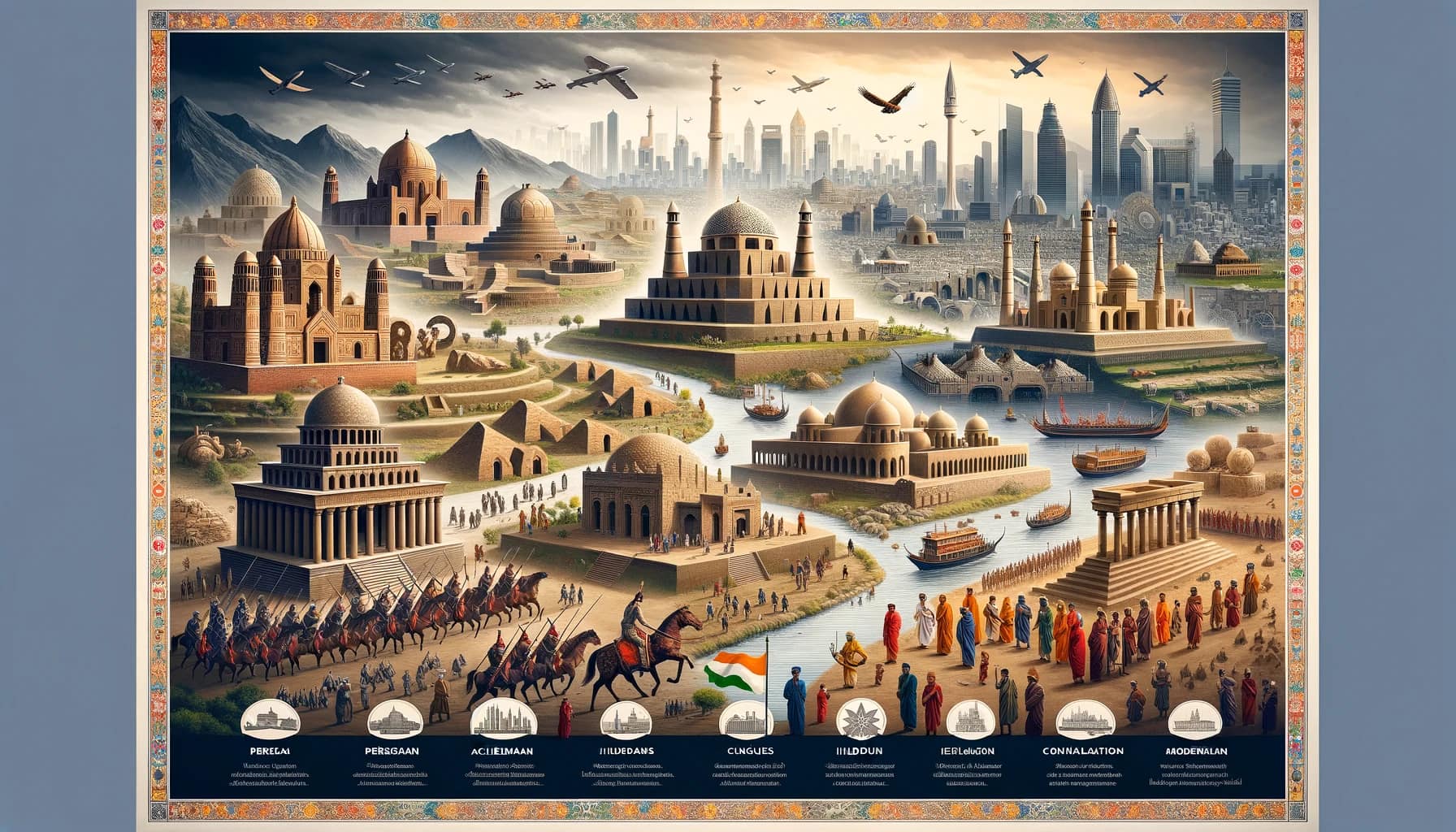
  • Here is a 5000-year timeline of the land now known as #Sindh, encompassing its history, religions, and ruling powers.

    Timeline of Sindh (5000 BCE – Present)

    Prehistoric Period (5000–2600 BCE)
    • Civilization: Early farming communities, part of the Neolithic period.
    • Religion: Animism and nature worship; early evidence of fertility cults.
    • Key Rulers: Tribal leaders and clan-based societies.
    • Key Events:
    • Early settlements formed along the Indus River.
    • Mehrgarh (in modern-day Balochistan, closely connected to Sindh) was a center of early agricultural development.

    Indus Valley Civilization (2600–1900 BCE)
    • Civilization: Harappa and Mohenjo-Daro, one of the world’s first urban civilizations.
    • Religion: Proto-Hinduism (worship of fertility symbols, sacred animals, and possibly the proto-Shiva figure).
    • Key Rulers: Likely governed by local elites or councils, no evidence of centralized kings.
    • Key Events:
    • Mohenjo-Daro, located in Sindh, became a major city of the Indus Valley Civilization.
    • Advanced drainage systems, trade networks, and urban planning emerged.

    Post-Harappan Period (1900–1500 BCE)
    • Civilization: Decline of the Indus Valley Civilization due to climatic and environmental changes.
    • Religion: Continuation of local fertility cults; early Vedic practices may have begun.
    • Key Rulers: Fragmented tribal groups.
    • Key Events:
    • Urban centers became depopulated.
    • Migration of Indo-Aryan tribes into the region began.

    Vedic Period (1500–600 BCE)
    • Civilization: Integration into the Vedic civilization.
    • Religion: Early Hinduism (Vedic rituals, deities like Agni, Indra).
    • Key Rulers: Aryan tribes, likely governed by rajas (chieftains).
    • Key Events:
    • Sindh was referred to as Sindhu in the Rigveda, representing the Indus River.

    Achaemenid Empire (519–326 BCE)
    • Civilization: Part of the Achaemenid Persian Empire under Darius I.
    • Religion: Zoroastrianism influenced the region, coexisting with local Hindu practices.
    • Key Rulers: Achaemenid satraps (governors).
    • Key Events:
    • Sindh became a province (satrapy) called Hindush under Persian control.
    • Trade with Persia flourished.

    Greek Conquest (326–305 BCE)
    • Civilization: Part of Alexander the Great’s empire.
    • Religion: Greek polytheism influenced elite culture, alongside Hindu and Zoroastrian practices.
    • Key Rulers: Alexander the Great and his successors.
    • Key Events:
    • Alexander’s forces passed through Sindh after the Battle of the Hydaspes (modern Jhelum).
    • Greek administrators ruled the area briefly.

    Mauryan Empire (305–185 BCE)
    • Civilization: Integrated into the Mauryan Empire.
    • Religion: Buddhism (promoted by Ashoka), alongside Hinduism and local beliefs.
    • Key Rulers: Chandragupta Maurya and Ashoka.
    • Key Events:
    • Sindh became a center for Buddhist learning.
    • Buddhist stupas and monasteries were constructed.

    Indo-Greek and Scythian Rule (185 BCE–75 CE)
    • Civilization: Successor states to the Mauryan Empire.
    • Religion: Buddhism, Hinduism, and Greek polytheism.
    • Key Rulers:
    • Indo-Greek kings (e.g., Menander I).
    • Scythians (Sakas) replaced Greeks later.
    • Key Events:
    • Continued fusion of Greek and Indian cultures.

    Kushan Empire (75–375 CE)
    • Civilization: Part of the Kushan Empire.
    • Religion: Buddhism flourished; Hinduism remained significant.
    • Key Rulers: Kanishka the Great.
    • Key Events:
    • Sindh became a vital hub for Buddhist missionary activities.

    Hindu-Buddhist Dynasties (375–711 CE)
    • Civilization: Ruled by local Hindu-Buddhist dynasties (e.g., Rai Dynasty).
    • Religion: Hinduism and Buddhism coexisted.
    • Key Rulers: Rai rulers followed by the Brahman dynasty.
    • Key Events:
    • Flourishing trade and culture under stable local rule.

    Islamic Conquest (711–1258 CE)
    • Civilization: Conquered by Muhammad bin Qasim (Umayyad Caliphate).
    • Religion: Islam introduced; coexisted with Hinduism and Buddhism initially.
    • Key Rulers: Umayyad governors, later independent Muslim rulers.
    • Key Events:
    • Sindh became the first region in South Asia to come under Islamic rule.
    • Conversion to Islam began, especially among the lower castes.

    Delhi Sultanate and Mughal Empire (1258–1707 CE)
    • Civilization: Incorporated into larger Islamic empires.
    • Religion: Dominantly Islam, with significant Hindu minorities.
    • Key Rulers: Sultans of Delhi and later Mughal emperors.
    • Key Events:
    • Sindh became a strategic province in the Mughal Empire.
    • Flourishing Sufi culture and Islamization of rural Sindh.

    Kalhora and Talpur Dynasties (1707–1843 CE)
    • Civilization: Ruled by local Muslim dynasties.
    • Religion: Islam dominated, with Hindu communities.
    • Key Rulers:
    • Kalhora rulers (Shia influence).
    • Talpur rulers (Sunni influence).
    • Key Events:
    • Internal conflicts between local rulers.
    • Decline due to British intervention.

    British Rule (1843–1947 CE)
    • Civilization: Part of British India.
    • Religion: Islam, Hinduism, Sikhism, and others.
    • Key Rulers: British colonial administrators.
    • Key Events:
    • Sindh was annexed by the British in 1843 after the Battle of Miani.
    • Introduction of modern infrastructure and irrigation systems.

    Post-Independence (1947–Present)
    • Civilization: Part of Pakistan.
    • Religion: Dominantly Islam, with small Hindu and Christian minorities.
    • Key Rulers: Pakistani government and local political leaders.
    • Key Events:
    • Sindh became a key province in Pakistan.
    • Karachi emerged as an economic hub.

    This timeline reflects the dynamic history of Sindh as a land influenced by multiple civilizations, religions, and rulers over 5000 years. It showcases its role as a melting pot of cultures and its transformation under diverse political and religious influences.

    Here is a 5000-year timeline of the land now known as #Sindh, encompassing its history, religions, and ruling powers. Timeline of Sindh (5000 BCE – Present) Prehistoric Period (5000–2600 BCE) • Civilization: Early farming communities, part of the Neolithic period. • Religion: Animism and nature worship; early evidence of fertility cults. • Key Rulers: Tribal leaders and clan-based societies. • Key Events: • Early settlements formed along the Indus River. • Mehrgarh (in modern-day Balochistan, closely connected to Sindh) was a center of early agricultural development. Indus Valley Civilization (2600–1900 BCE) • Civilization: Harappa and Mohenjo-Daro, one of the world’s first urban civilizations. • Religion: Proto-Hinduism (worship of fertility symbols, sacred animals, and possibly the proto-Shiva figure). • Key Rulers: Likely governed by local elites or councils, no evidence of centralized kings. • Key Events: • Mohenjo-Daro, located in Sindh, became a major city of the Indus Valley Civilization. • Advanced drainage systems, trade networks, and urban planning emerged. Post-Harappan Period (1900–1500 BCE) • Civilization: Decline of the Indus Valley Civilization due to climatic and environmental changes. • Religion: Continuation of local fertility cults; early Vedic practices may have begun. • Key Rulers: Fragmented tribal groups. • Key Events: • Urban centers became depopulated. • Migration of Indo-Aryan tribes into the region began. Vedic Period (1500–600 BCE) • Civilization: Integration into the Vedic civilization. • Religion: Early Hinduism (Vedic rituals, deities like Agni, Indra). • Key Rulers: Aryan tribes, likely governed by rajas (chieftains). • Key Events: • Sindh was referred to as Sindhu in the Rigveda, representing the Indus River. Achaemenid Empire (519–326 BCE) • Civilization: Part of the Achaemenid Persian Empire under Darius I. • Religion: Zoroastrianism influenced the region, coexisting with local Hindu practices. • Key Rulers: Achaemenid satraps (governors). • Key Events: • Sindh became a province (satrapy) called Hindush under Persian control. • Trade with Persia flourished. Greek Conquest (326–305 BCE) • Civilization: Part of Alexander the Great’s empire. • Religion: Greek polytheism influenced elite culture, alongside Hindu and Zoroastrian practices. • Key Rulers: Alexander the Great and his successors. • Key Events: • Alexander’s forces passed through Sindh after the Battle of the Hydaspes (modern Jhelum). • Greek administrators ruled the area briefly. Mauryan Empire (305–185 BCE) • Civilization: Integrated into the Mauryan Empire. • Religion: Buddhism (promoted by Ashoka), alongside Hinduism and local beliefs. • Key Rulers: Chandragupta Maurya and Ashoka. • Key Events: • Sindh became a center for Buddhist learning. • Buddhist stupas and monasteries were constructed. Indo-Greek and Scythian Rule (185 BCE–75 CE) • Civilization: Successor states to the Mauryan Empire. • Religion: Buddhism, Hinduism, and Greek polytheism. • Key Rulers: • Indo-Greek kings (e.g., Menander I). • Scythians (Sakas) replaced Greeks later. • Key Events: • Continued fusion of Greek and Indian cultures. Kushan Empire (75–375 CE) • Civilization: Part of the Kushan Empire. • Religion: Buddhism flourished; Hinduism remained significant. • Key Rulers: Kanishka the Great. • Key Events: • Sindh became a vital hub for Buddhist missionary activities. Hindu-Buddhist Dynasties (375–711 CE) • Civilization: Ruled by local Hindu-Buddhist dynasties (e.g., Rai Dynasty). • Religion: Hinduism and Buddhism coexisted. • Key Rulers: Rai rulers followed by the Brahman dynasty. • Key Events: • Flourishing trade and culture under stable local rule. Islamic Conquest (711–1258 CE) • Civilization: Conquered by Muhammad bin Qasim (Umayyad Caliphate). • Religion: Islam introduced; coexisted with Hinduism and Buddhism initially. • Key Rulers: Umayyad governors, later independent Muslim rulers. • Key Events: • Sindh became the first region in South Asia to come under Islamic rule. • Conversion to Islam began, especially among the lower castes. Delhi Sultanate and Mughal Empire (1258–1707 CE) • Civilization: Incorporated into larger Islamic empires. • Religion: Dominantly Islam, with significant Hindu minorities. • Key Rulers: Sultans of Delhi and later Mughal emperors. • Key Events: • Sindh became a strategic province in the Mughal Empire. • Flourishing Sufi culture and Islamization of rural Sindh. Kalhora and Talpur Dynasties (1707–1843 CE) • Civilization: Ruled by local Muslim dynasties. • Religion: Islam dominated, with Hindu communities. • Key Rulers: • Kalhora rulers (Shia influence). • Talpur rulers (Sunni influence). • Key Events: • Internal conflicts between local rulers. • Decline due to British intervention. British Rule (1843–1947 CE) • Civilization: Part of British India. • Religion: Islam, Hinduism, Sikhism, and others. • Key Rulers: British colonial administrators. • Key Events: • Sindh was annexed by the British in 1843 after the Battle of Miani. • Introduction of modern infrastructure and irrigation systems. Post-Independence (1947–Present) • Civilization: Part of Pakistan. • Religion: Dominantly Islam, with small Hindu and Christian minorities. • Key Rulers: Pakistani government and local political leaders. • Key Events: • Sindh became a key province in Pakistan. • Karachi emerged as an economic hub. This timeline reflects the dynamic history of Sindh as a land influenced by multiple civilizations, religions, and rulers over 5000 years. It showcases its role as a melting pot of cultures and its transformation under diverse political and religious influences.

    0 Reacties 0 aandelen 1424 Views
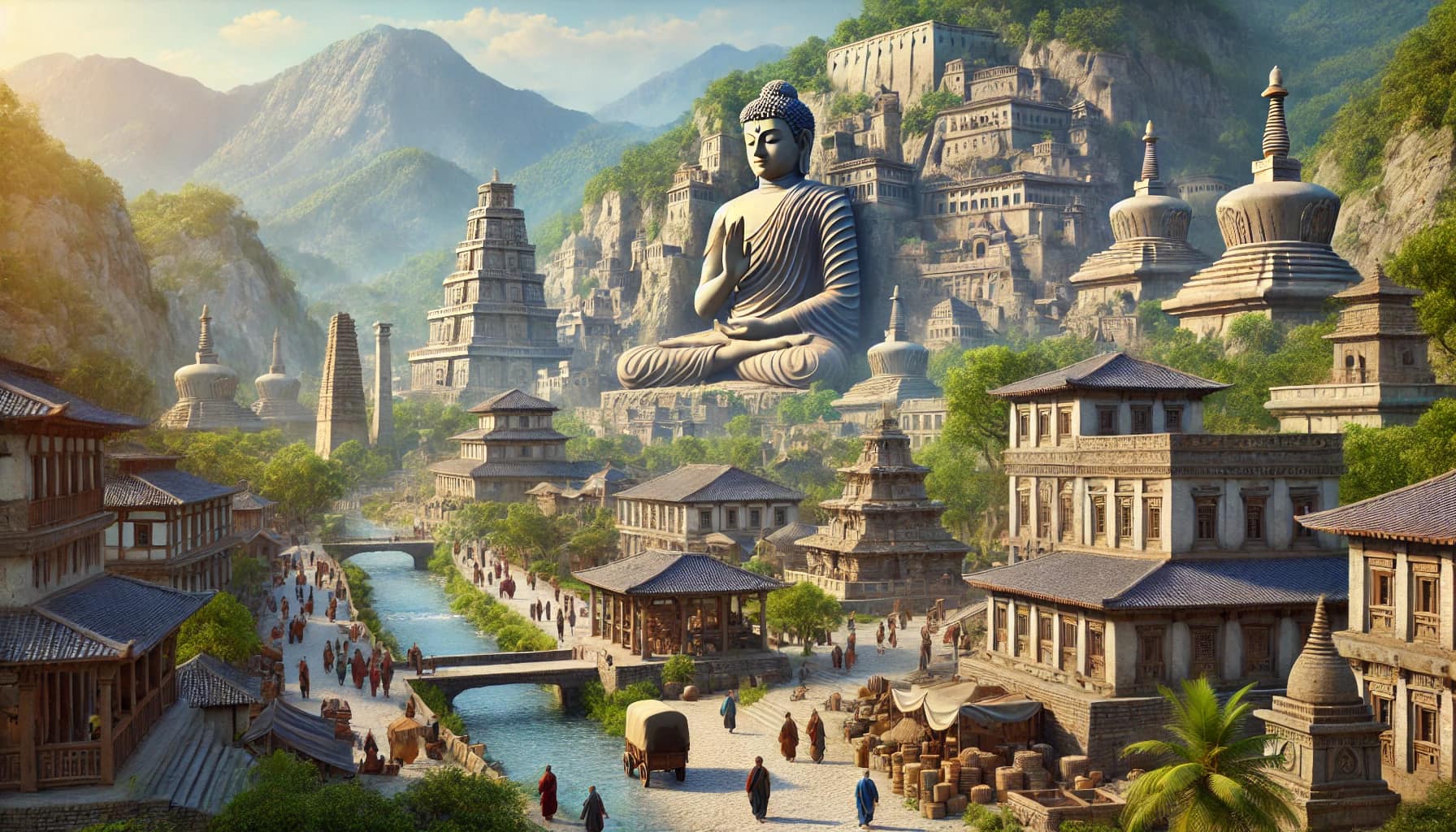
  • The history of Gandhara, an ancient region located in present-day northern Pakistan and parts of eastern Afghanistan, is rich and spans thousands of years. It was a crossroads of civilizations and cultures, playing a pivotal role in the development of art, religion, and trade in South Asia and beyond.

    Geography of Gandhara
    • Gandhara was centered around the valleys of the Peshawar, Swat, and Kabul rivers.
    • Key cities included Taxila, Pushkalavati (modern Charsadda), and later Peshawar.
    • Its location at the crossroads of Central Asia, South Asia, and the Middle East made it a significant hub for trade and cultural exchange.

    Key Historical Periods
    1. Prehistoric Period (3000–1500 BCE):
    • Gandhara was part of the Indus Valley Civilization, evident from archaeological findings.
    • Early settlements in this region were influenced by the Neolithic culture of the nearby Swat Valley and Mehrgarh.
    2. Vedic and Epic Period (1500–600 BCE):
    • Gandhara is mentioned in ancient Indian texts such as the Rigveda and the Mahabharata.
    • The region was home to the Gandhara Kingdom, which played a role in the Vedic and epic narratives. For instance, King Gandhara is mentioned as a prominent figure in the Mahabharata.
    3. Achaemenid Empire (6th–4th Century BCE):
    • Gandhara became a province of the Achaemenid Empire under Darius I (circa 518 BCE).
    • Persian rule brought administrative systems, infrastructure, and Zoroastrian influences to the region.
    • It also connected Gandhara to the wider Persian Empire, making it a conduit for cultural and economic exchanges.
    4. Alexander the Great and Hellenistic Influence (4th Century BCE):
    • Alexander the Great conquered Gandhara in 327 BCE, integrating it into his empire.
    • After his death, the region became part of the Greco-Bactrian Kingdom, which introduced Hellenistic art, architecture, and cultural elements.
    5. Mauryan Empire and the Spread of Buddhism (3rd Century BCE):
    • Under Emperor Ashoka (circa 268–232 BCE), Gandhara became a key center for the spread of Buddhism.
    • Ashoka is credited with building stupas and monasteries in the region, promoting Buddhist philosophy.
    6. Indo-Greek Kingdoms (2nd–1st Century BCE):
    • After the decline of the Mauryan Empire, Gandhara came under the rule of Indo-Greek kings, such as Menander I (Milinda), who converted to Buddhism.
    • This period saw a fusion of Greek and Indian art and culture, known as the Gandhara School of Art.
    7. Kushan Empire (1st–3rd Century CE):
    • Gandhara reached its cultural and artistic zenith under the Kushan Empire, especially during the reign of Kanishka the Great.
    • Kanishka embraced and promoted Buddhism, making Gandhara a global center for Buddhist learning and art.
    • The Gandhara School of Art, characterized by its Greco-Roman and Indian influences, flourished during this time. It produced iconic Buddha statues and narrative reliefs.
    8. Huna Invasions and Decline (5th–6th Century CE):
    • The Hunas (Hephthalites or White Huns) invaded and disrupted the region, leading to a decline in Buddhist institutions.
    • Hinduism regained prominence, and Buddhism began to wane in Gandhara.
    9. Islamic Conquest (7th–8th Century CE):
    • With the advent of Islam, Gandhara’s Buddhist and Hindu cultural heritage declined further.
    • The region became part of the Islamic world, and many of its ancient Buddhist sites fell into disuse or were destroyed.

    Cultural Contributions of Gandhara
    1. Buddhism:
    • Gandhara played a pivotal role in the spread of Buddhism to Central Asia, China, and beyond.
    • The region produced early depictions of the Buddha in human form, inspired by Greek artistic traditions.
    2. Gandhara Art:
    • Known for its unique blend of Greek, Roman, Persian, and Indian influences.
    • Characterized by realistic human figures, intricate drapery, and detailed narrative reliefs depicting the life of the Buddha.
    • Iconic examples include the Buddha statues and the reliefs from Taxila and Swat Valley.
    3. Education and Trade:
    • Taxila, one of the major cities of Gandhara, was a renowned center of learning and attracted students from across the ancient world.
    • The region was a vital link on the Silk Road, facilitating trade and cultural exchange between the East and West.

    Legacy of Gandhara
    • Gandhara’s cultural and artistic achievements have had a lasting impact on South and Central Asia.
    • Archaeological sites such as Taxila, Takht-i-Bahi, and Swat Valley are UNESCO World Heritage Sites and testify to the region’s historical importance.
    • The Gandhara School of Art influenced Buddhist art in China, Korea, and Japan, spreading its legacy far beyond its original borders.

    Gandhara remains a symbol of cultural fusion, representing how diverse civilizations can influence and enrich each other over centuries.
    The history of Gandhara, an ancient region located in present-day northern Pakistan and parts of eastern Afghanistan, is rich and spans thousands of years. It was a crossroads of civilizations and cultures, playing a pivotal role in the development of art, religion, and trade in South Asia and beyond. Geography of Gandhara • Gandhara was centered around the valleys of the Peshawar, Swat, and Kabul rivers. • Key cities included Taxila, Pushkalavati (modern Charsadda), and later Peshawar. • Its location at the crossroads of Central Asia, South Asia, and the Middle East made it a significant hub for trade and cultural exchange. Key Historical Periods 1. Prehistoric Period (3000–1500 BCE): • Gandhara was part of the Indus Valley Civilization, evident from archaeological findings. • Early settlements in this region were influenced by the Neolithic culture of the nearby Swat Valley and Mehrgarh. 2. Vedic and Epic Period (1500–600 BCE): • Gandhara is mentioned in ancient Indian texts such as the Rigveda and the Mahabharata. • The region was home to the Gandhara Kingdom, which played a role in the Vedic and epic narratives. For instance, King Gandhara is mentioned as a prominent figure in the Mahabharata. 3. Achaemenid Empire (6th–4th Century BCE): • Gandhara became a province of the Achaemenid Empire under Darius I (circa 518 BCE). • Persian rule brought administrative systems, infrastructure, and Zoroastrian influences to the region. • It also connected Gandhara to the wider Persian Empire, making it a conduit for cultural and economic exchanges. 4. Alexander the Great and Hellenistic Influence (4th Century BCE): • Alexander the Great conquered Gandhara in 327 BCE, integrating it into his empire. • After his death, the region became part of the Greco-Bactrian Kingdom, which introduced Hellenistic art, architecture, and cultural elements. 5. Mauryan Empire and the Spread of Buddhism (3rd Century BCE): • Under Emperor Ashoka (circa 268–232 BCE), Gandhara became a key center for the spread of Buddhism. • Ashoka is credited with building stupas and monasteries in the region, promoting Buddhist philosophy. 6. Indo-Greek Kingdoms (2nd–1st Century BCE): • After the decline of the Mauryan Empire, Gandhara came under the rule of Indo-Greek kings, such as Menander I (Milinda), who converted to Buddhism. • This period saw a fusion of Greek and Indian art and culture, known as the Gandhara School of Art. 7. Kushan Empire (1st–3rd Century CE): • Gandhara reached its cultural and artistic zenith under the Kushan Empire, especially during the reign of Kanishka the Great. • Kanishka embraced and promoted Buddhism, making Gandhara a global center for Buddhist learning and art. • The Gandhara School of Art, characterized by its Greco-Roman and Indian influences, flourished during this time. It produced iconic Buddha statues and narrative reliefs. 8. Huna Invasions and Decline (5th–6th Century CE): • The Hunas (Hephthalites or White Huns) invaded and disrupted the region, leading to a decline in Buddhist institutions. • Hinduism regained prominence, and Buddhism began to wane in Gandhara. 9. Islamic Conquest (7th–8th Century CE): • With the advent of Islam, Gandhara’s Buddhist and Hindu cultural heritage declined further. • The region became part of the Islamic world, and many of its ancient Buddhist sites fell into disuse or were destroyed. Cultural Contributions of Gandhara 1. Buddhism: • Gandhara played a pivotal role in the spread of Buddhism to Central Asia, China, and beyond. • The region produced early depictions of the Buddha in human form, inspired by Greek artistic traditions. 2. Gandhara Art: • Known for its unique blend of Greek, Roman, Persian, and Indian influences. • Characterized by realistic human figures, intricate drapery, and detailed narrative reliefs depicting the life of the Buddha. • Iconic examples include the Buddha statues and the reliefs from Taxila and Swat Valley. 3. Education and Trade: • Taxila, one of the major cities of Gandhara, was a renowned center of learning and attracted students from across the ancient world. • The region was a vital link on the Silk Road, facilitating trade and cultural exchange between the East and West. Legacy of Gandhara • Gandhara’s cultural and artistic achievements have had a lasting impact on South and Central Asia. • Archaeological sites such as Taxila, Takht-i-Bahi, and Swat Valley are UNESCO World Heritage Sites and testify to the region’s historical importance. • The Gandhara School of Art influenced Buddhist art in China, Korea, and Japan, spreading its legacy far beyond its original borders. Gandhara remains a symbol of cultural fusion, representing how diverse civilizations can influence and enrich each other over centuries.
    0 Reacties 0 aandelen 1427 Views
  • Introducing Rehan AI Coding Academy !

    Make 2025 the year you launch your app, software or software company !

    Learn only in 20 days to get basics and 2 months to make amazing apps with help of Ai !
    Introducing Rehan AI Coding Academy ! Make 2025 the year you launch your app, software or software company ! Learn only in 20 days to get basics and 2 months to make amazing apps with help of Ai !
    0 Reacties 0 aandelen 13 Views
  • Feels like landed on Qatar airport but it’s Salim Habib University ! Really magnificent
    Feels like landed on Qatar airport but it’s Salim Habib University ! Really magnificent
    0 Reacties 0 aandelen 13 Views
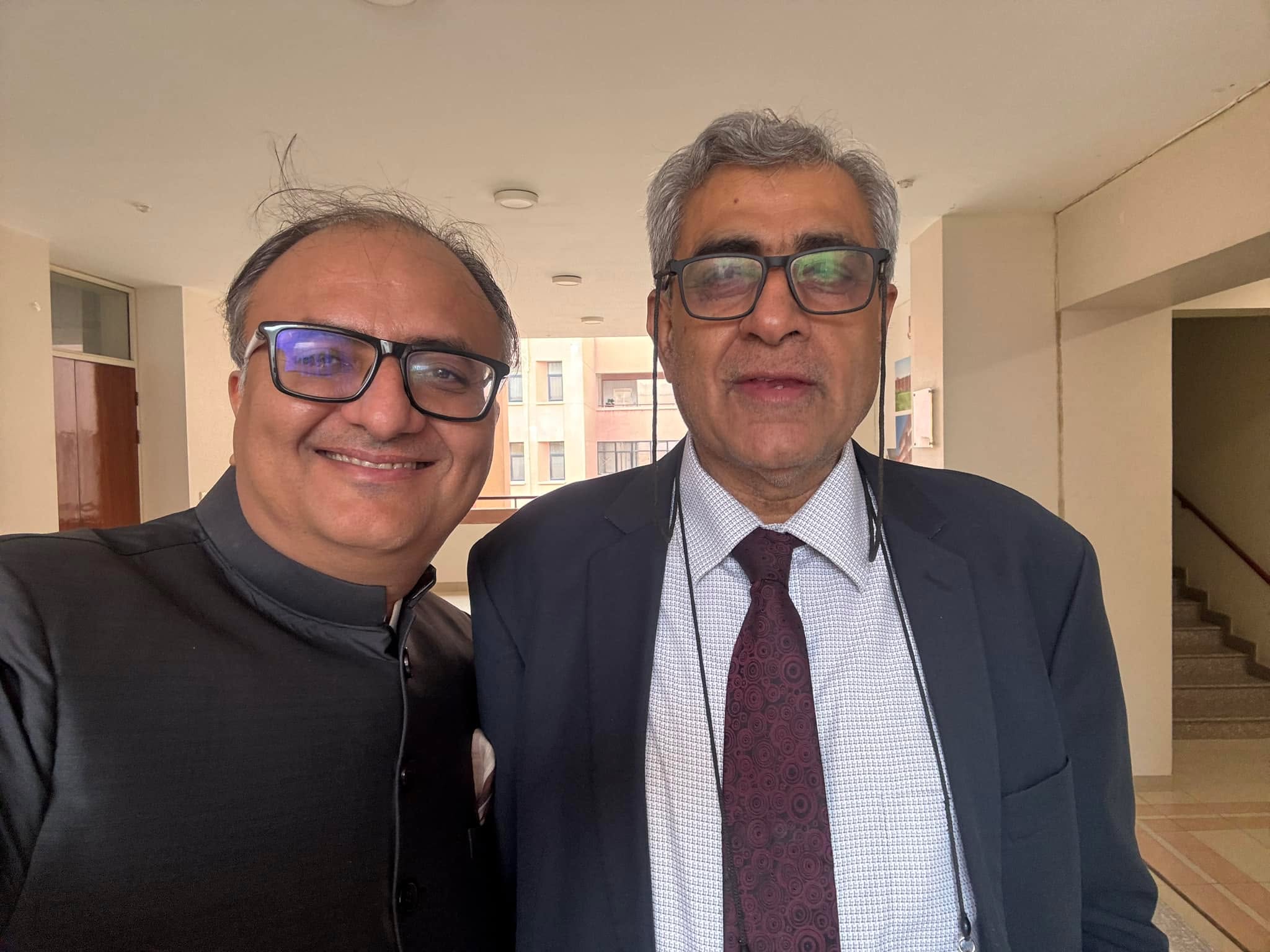
  • Congratulations to Dr Irfan Hyder on becoming the vc of Salim Habib University ! A magnificent university in Karachi !
    Congratulations to Dr Irfan Hyder on becoming the vc of Salim Habib University ! A magnificent university in Karachi !
    0 Reacties 0 aandelen 13 Views
  • Can someone introduce me to this village and villagers ?

    We should pay a visit and make a YouTube studio there !
    Can someone introduce me to this village and villagers ? We should pay a visit and make a YouTube studio there !
    0 Reacties 0 aandelen 13 Views