• ACCL foundation level
    roll no11
    rehan school urdu bazar
    1. Learning Through Science

    Animal dissecti
    1. Learning Through Science

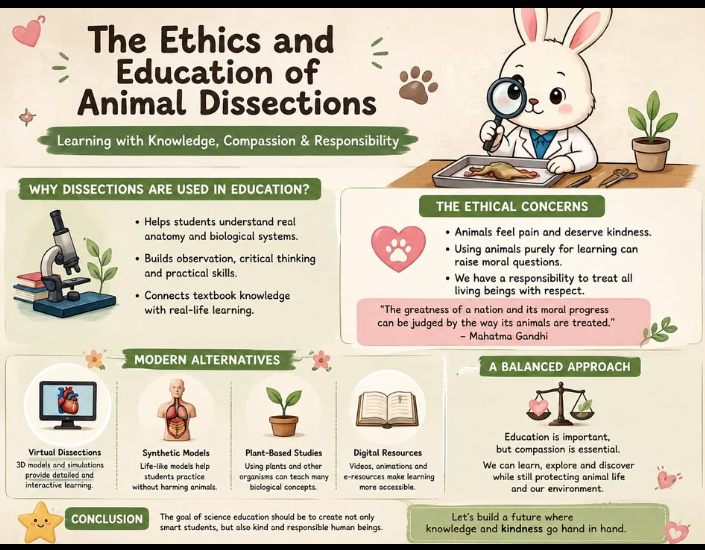
    Animal dissection is a learning method used in biology education. It helps students understand the structure of living organisms and learn how different body systems work.

    2. Respect for Animal Life

    Learning science is important, but respecting animal life is equally important. Students and teachers should think carefully about animal welfare and avoid unnecessary harm.

    3. Safety and Responsibility

    Safety is essential in science laboratories. Students must follow their teachers' instructions, use proper protective equipment, and handle educational materials responsibly.

    4. Better Ways to Learn

    Today, students can also learn through virtual dissections, 3D models, videos, and computer simulations. These alternatives make biology interesting while helping us respect animal life.

    اردو کہانی (4 پیراگراف)
    1. سائنس کے ذریعے سیکھنا

    جانوروں کی تشریح حیاتیات کی تعلیم میں استعمال ہونے والا ایک طریقہ ہے۔ اس سے طلبہ جانداروں کے جسمانی ڈھانچے اور مختلف نظاموں کے کام کرنے کے طریقے سمجھتے ہیں۔

    2. جانوروں کی زندگی کا احترام

    سائنس سیکھنا بہت ضروری ہے، لیکن جانوروں کی زندگی کا احترام کرنا بھی اتنا ہی اہم ہے۔ ہمیں جانوروں کو غیر ضروری نقصان سے بچانا چاہیے۔

    3. حفاظت اور ذمہ داری

    سائنس کی تجربہ گاہ میں حفاظت بہت ضروری ہے۔ طلبہ کو اپنے اساتذہ کی ہدایات پر عمل کرنا اور حفاظتی اصولوں کا خیال رکھنا چاہیے۔

    4. سیکھنے کے بہتر طریقے

    آج طلبہ ورچوئل تشریح، تھری ڈی ماڈلز، ویڈیوز اور کمپیوٹر کی مدد سے بھی حیاتیات سیکھ سکتے ہیں۔ ان طریقوں سے علم حاصل کرنے کے ساتھ جانوروں کی زندگی کا احترام بھی کیا جا سکتا ہے۔
    Description
    The Ethics and Education of Animal Dissections

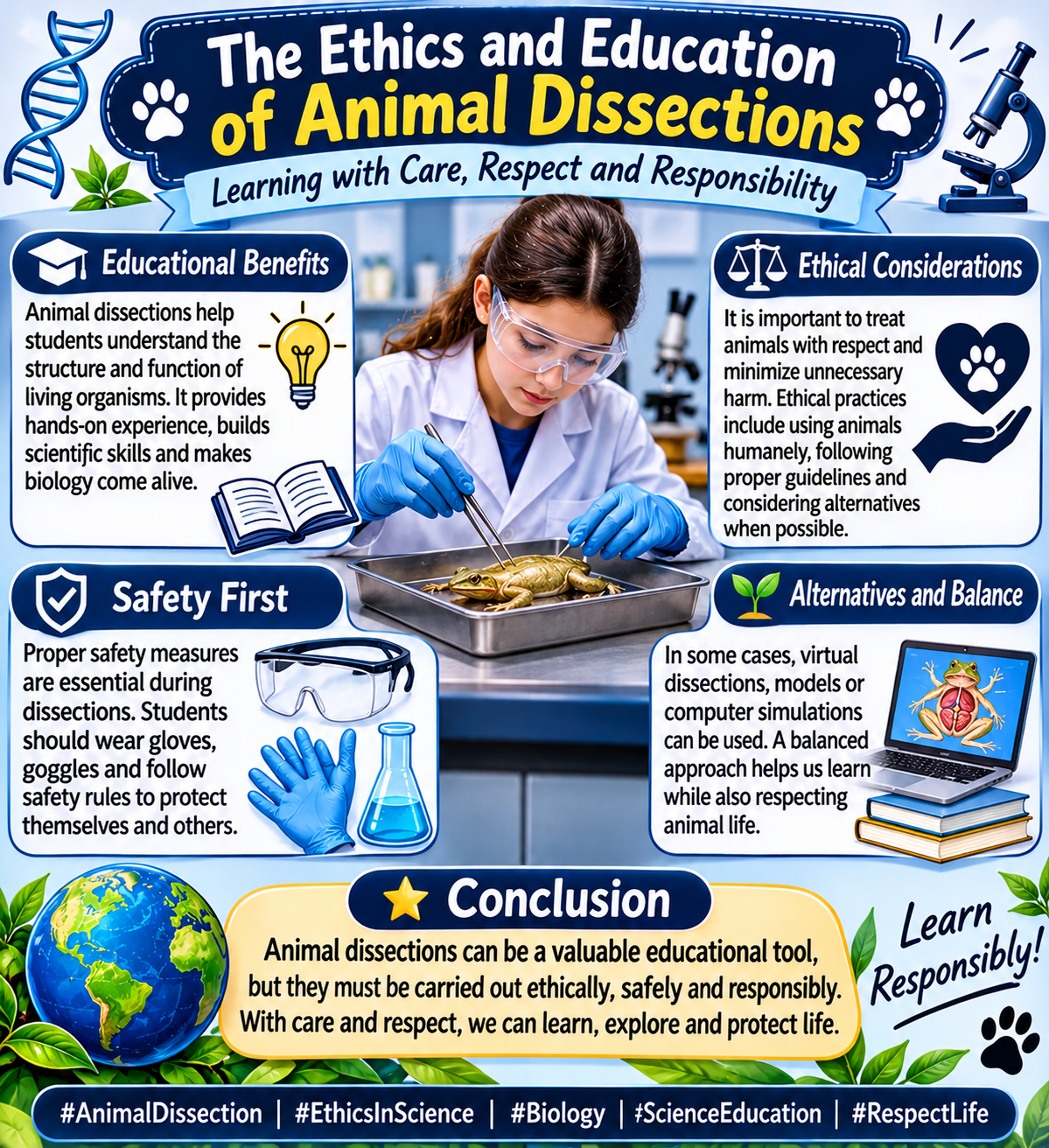
    Science teaches us to explore, discover, and understand life. Animal dissections can help students learn biology, but education should always include kindness, responsibility, safety, and respect for animal life.

    Let's make learning meaningful through knowledge, curiosity, and compassion!

    #AnimalDissection #EthicsInScience #Biology #ScienceEducation #RespectLife

    Learn with Knowledge, Teach with Kindness, and Respect Every Life!
    27s
    ACCL foundation level roll no11 rehan school urdu bazar 1. Learning Through Science 🔬 Animal dissecti 1. Learning Through Science 🔬 Animal dissection is a learning method used in biology education. It helps students understand the structure of living organisms and learn how different body systems work. 2. Respect for Animal Life 🐾 Learning science is important, but respecting animal life is equally important. Students and teachers should think carefully about animal welfare and avoid unnecessary harm. 3. Safety and Responsibility 🧤 Safety is essential in science laboratories. Students must follow their teachers' instructions, use proper protective equipment, and handle educational materials responsibly. 4. Better Ways to Learn 🌱 Today, students can also learn through virtual dissections, 3D models, videos, and computer simulations. These alternatives make biology interesting while helping us respect animal life. اردو کہانی (4 پیراگراف) 1. سائنس کے ذریعے سیکھنا 🔬 جانوروں کی تشریح حیاتیات کی تعلیم میں استعمال ہونے والا ایک طریقہ ہے۔ اس سے طلبہ جانداروں کے جسمانی ڈھانچے اور مختلف نظاموں کے کام کرنے کے طریقے سمجھتے ہیں۔ 2. جانوروں کی زندگی کا احترام 🐾 سائنس سیکھنا بہت ضروری ہے، لیکن جانوروں کی زندگی کا احترام کرنا بھی اتنا ہی اہم ہے۔ ہمیں جانوروں کو غیر ضروری نقصان سے بچانا چاہیے۔ 3. حفاظت اور ذمہ داری 🧤 سائنس کی تجربہ گاہ میں حفاظت بہت ضروری ہے۔ طلبہ کو اپنے اساتذہ کی ہدایات پر عمل کرنا اور حفاظتی اصولوں کا خیال رکھنا چاہیے۔ 4. سیکھنے کے بہتر طریقے 🌱 آج طلبہ ورچوئل تشریح، تھری ڈی ماڈلز، ویڈیوز اور کمپیوٹر کی مدد سے بھی حیاتیات سیکھ سکتے ہیں۔ ان طریقوں سے علم حاصل کرنے کے ساتھ جانوروں کی زندگی کا احترام بھی کیا جا سکتا ہے۔ 📝 Description 🔬🐾 The Ethics and Education of Animal Dissections 🌍📚 Science teaches us to explore, discover, and understand life. Animal dissections can help students learn biology, but education should always include kindness, responsibility, safety, and respect for animal life. 🐾💙 Let's make learning meaningful through knowledge, curiosity, and compassion! 🌱✨ #AnimalDissection #EthicsInScience #Biology #ScienceEducation #RespectLife ✨ Learn with Knowledge, Teach with Kindness, and Respect Every Life! 🐾💙 27s
    0 التعليقات 0 المشاركات 625 مشاهدة
  • ACCL TASK:146
    Day :146
    foundation level
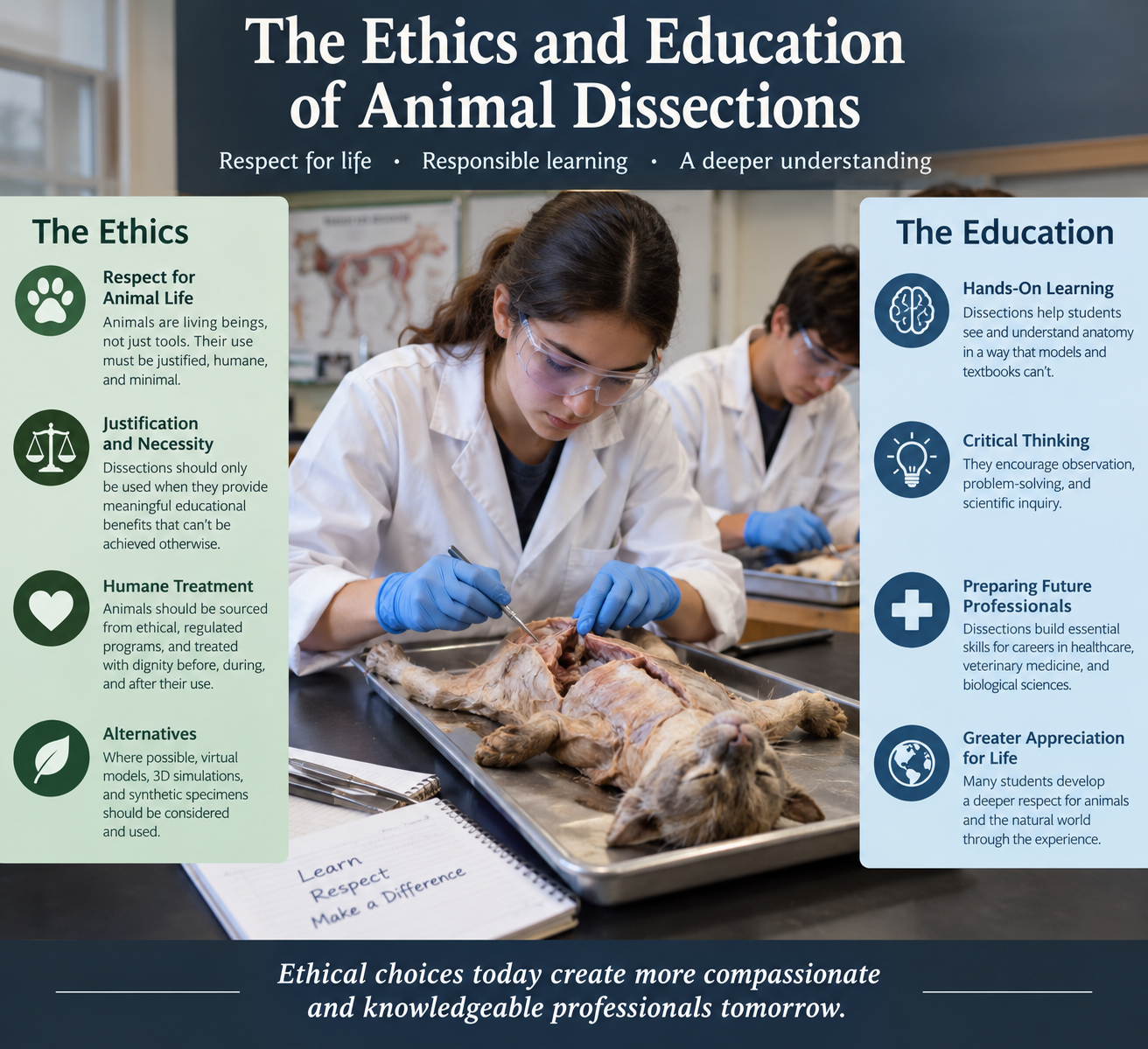
    **The Ethics and Education of Animal Dissections**
    Animal dissections can provide valuable hands-on learning and a deeper understanding of anatomy and biology. At the same time, education should emphasize respect for animal life, humane treatment, ethical responsibility, and the use of alternatives such as virtual models and simulations whenever appropriate.
    Learning science is not only about gaining knowledge—it is also about developing responsibility, compassion, and respect for life.
    #AnimalDissections #ScienceEducation #EthicsInScience #Biology #AnimalWelfare #LearningThroughScience #RehanSchool
    ACCL TASK:146 Day :146 foundation level **The Ethics and Education of Animal Dissections** 🧬🔬 Animal dissections can provide valuable hands-on learning and a deeper understanding of anatomy and biology. At the same time, education should emphasize respect for animal life, humane treatment, ethical responsibility, and the use of alternatives such as virtual models and simulations whenever appropriate. Learning science is not only about gaining knowledge—it is also about developing responsibility, compassion, and respect for life. 🌱📚 #AnimalDissections #ScienceEducation #EthicsInScience #Biology #AnimalWelfare #LearningThroughScience #RehanSchool
    0 التعليقات 0 المشاركات 1802 مشاهدة
  • RSIF8
    Roll no 94
    Story post no 21
    Story post topic
    Story Title: The Ethics and Education of Animal Dissections
    Animal dissections have long been a part of science education, helping students understand anatomy and biological systems. However, they also raise important ethical questions about animal welfare and the responsibility of scientists and educators. This story explores the balance between learning, scientific discovery, and compassion for living creatures. It encourages thoughtful discussion about modern alternatives and the future of biology education.
    Learning science is not only about gaining knowledge—it's also about developing respect, responsibility, and ethical awareness.
    #AnimalDissection #ScienceEducation #EthicsInScience #BiologyLearning #STEMEducation #AnimalWelfare #ScientificDiscovery #LearningJourney #EducationMatters
    RSIF8 Roll no 94 Story post no 21 Story post topic 📚🐾 Story Title: The Ethics and Education of Animal Dissections 🐾📚 Animal dissections have long been a part of science education, helping students understand anatomy and biological systems. However, they also raise important ethical questions about animal welfare and the responsibility of scientists and educators. This story explores the balance between learning, scientific discovery, and compassion for living creatures. It encourages thoughtful discussion about modern alternatives and the future of biology education. 🌱🔬 Learning science is not only about gaining knowledge—it's also about developing respect, responsibility, and ethical awareness. #AnimalDissection #ScienceEducation #EthicsInScience #BiologyLearning #STEMEducation #AnimalWelfare #ScientificDiscovery #LearningJourney #EducationMatters 🐾📖🔬🌱✨
    0 التعليقات 0 المشاركات 3367 مشاهدة
  • Fondation Level Batch No 4
    Roll RSLC #42
    Task No #146
    Day #146

    # The Ethics and Education of Animal Dissections

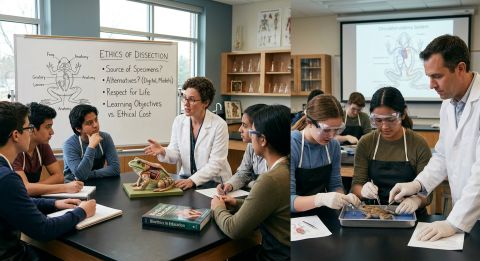
    On a bright Monday morning, Sara entered her biology classroom with excitement and curiosity. Her teacher, Ms. Helen, announced that the students would be learning about animal anatomy through a dissection lesson. Sara had always wanted to understand how living bodies worked, but she also wondered whether using animals for education was the right choice. Before beginning, Ms. Helen reminded the class that science was not only about discovering facts?it was also about making responsible and ethical decisions.

    During the lesson, Sara carefully observed the specimen and began to understand how different organs worked together. However, Ms. Helen explained that animals should never be treated as ordinary objects. They were living beings and deserved respect. She told the students that every use of an animal in education should have a clear purpose and that unnecessary harm should always be avoided.

    One student asked, ?Can we learn anatomy without using real animals?? Ms. Helen explained that modern technology now offers alternatives such as virtual dissections, 3D models, computer simulations, and artificial specimens. These methods can help students understand anatomy while reducing the need for animal use. Sara realized that scientific progress was not only about learning more, but also about finding kinder and more responsible ways to learn.

    At the end of the lesson, Sara wrote in her notebook, ?True science seeks knowledge without forgetting kindness.? She understood that education should develop knowledge, compassion, responsibility, and respect. From that day forward, she looked at science differently and realized that the best discoveries are those that help us understand life while also teaching us to value it.

    ## Moral Lesson

    **True education combines knowledge with compassion. Science should seek understanding while respecting life and choosing ethical ways to learn whenever possible.**

    #AnimalDissection #EthicsInScience #BiologyEducation #AnimalWelfare #ScienceEducation #EthicalLearning
    Fondation Level Batch No 4 Roll RSLC #42 Task No #146 Day #146 # The Ethics and Education of Animal Dissections On a bright Monday morning, Sara entered her biology classroom with excitement and curiosity. Her teacher, Ms. Helen, announced that the students would be learning about animal anatomy through a dissection lesson. Sara had always wanted to understand how living bodies worked, but she also wondered whether using animals for education was the right choice. Before beginning, Ms. Helen reminded the class that science was not only about discovering facts?it was also about making responsible and ethical decisions. During the lesson, Sara carefully observed the specimen and began to understand how different organs worked together. However, Ms. Helen explained that animals should never be treated as ordinary objects. They were living beings and deserved respect. She told the students that every use of an animal in education should have a clear purpose and that unnecessary harm should always be avoided. One student asked, ?Can we learn anatomy without using real animals?? Ms. Helen explained that modern technology now offers alternatives such as virtual dissections, 3D models, computer simulations, and artificial specimens. These methods can help students understand anatomy while reducing the need for animal use. Sara realized that scientific progress was not only about learning more, but also about finding kinder and more responsible ways to learn. At the end of the lesson, Sara wrote in her notebook, ?True science seeks knowledge without forgetting kindness.? She understood that education should develop knowledge, compassion, responsibility, and respect. From that day forward, she looked at science differently and realized that the best discoveries are those that help us understand life while also teaching us to value it. ## Moral Lesson **True education combines knowledge with compassion. Science should seek understanding while respecting life and choosing ethical ways to learn whenever possible.** #AnimalDissection #EthicsInScience #BiologyEducation #AnimalWelfare #ScienceEducation #EthicalLearning
    0 التعليقات 0 المشاركات 4188 مشاهدة
  • #rsisb
    roll no.247
    Coding task no.7
    Foundation Level
    # The Ethics and Education of Animal Dissections
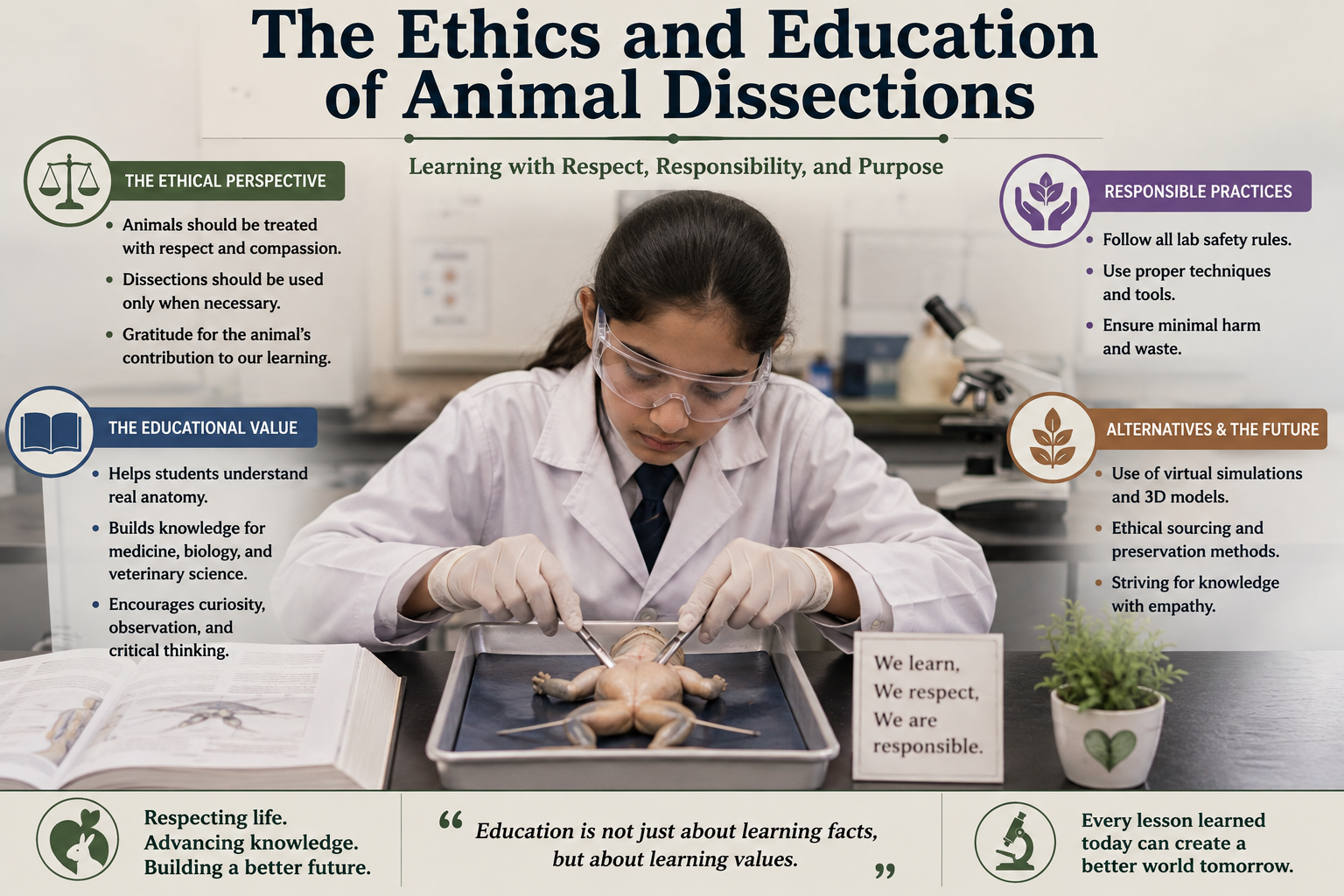
    Animal dissection has been an important part of science education for many years, especially in biology and anatomy classes. It allows students to observe the structure of organisms directly and understand how different body parts work together. However, the practice also raises important ethical questions about animal welfare, respect for living beings, and whether there are better educational alternatives.
    From an educational perspective, dissections can provide students with a hands-on learning experience that textbooks and diagrams cannot always provide. Students may develop a clearer understanding of anatomy, biological organization, and scientific observation. Practical activities can also encourage curiosity, careful observation, teamwork, and responsible scientific thinking.
    At the same time, ethical considerations should be taken seriously. Animals should not be treated simply as objects for classroom activities. Their use should follow appropriate welfare standards, and students should be encouraged to think about why an animal is being used and whether the educational objective could be achieved through another method.
    Modern education offers several alternatives, including high-quality anatomical models, computer simulations, virtual dissection programs, videos, and interactive digital resources. These approaches can sometimes provide detailed visual information while reducing or eliminating the need to use animals. For some students, alternatives may also make learning more comfortable and accessible.
    The most responsible approach is to balance educational value with ethical responsibility. Schools and teachers can carefully evaluate whether dissection is necessary, explain the ethical issues to students, follow proper guidelines, and provide suitable alternatives when appropriate.
    Ultimately, science education should not only teach students about biology—it should also teach them values such as compassion, responsibility, critical thinking, and respect for life. By combining scientific knowledge with ethical awareness, students can become better scientists, thoughtful citizens, and responsible stewards of the natural world.
    ### Key Message
    Animal dissection can offer valuable educational experiences, but it should always be considered alongside animal welfare, ethical responsibility, and modern alternatives. The goal of education should be to develop both **scientific understanding and compassion**.
    ### Hashtags
    #AnimalDissection #EthicsInScience #ScienceEducation #AnimalWelfare #BiologyEducation #EthicalScience #HandsOnLearning #VirtualLearning #ScienceAndEthics #StudentLearning #Biology #Anatomy #ScientificThinking #ResponsibleScience #EducationMatters #CompassionAndScience #STEMEducation #LearningThroughScience #RespectForLife #FutureScientists
    #rsisb roll no.247 Coding task no.7 Foundation Level # The Ethics and Education of Animal Dissections 🧪🐾📚 Animal dissection has been an important part of science education for many years, especially in biology and anatomy classes. It allows students to observe the structure of organisms directly and understand how different body parts work together. However, the practice also raises important ethical questions about animal welfare, respect for living beings, and whether there are better educational alternatives. ⚖️🐾 From an educational perspective, dissections can provide students with a hands-on learning experience that textbooks and diagrams cannot always provide. Students may develop a clearer understanding of anatomy, biological organization, and scientific observation. 🔬📖✨ Practical activities can also encourage curiosity, careful observation, teamwork, and responsible scientific thinking. At the same time, ethical considerations should be taken seriously. Animals should not be treated simply as objects for classroom activities. Their use should follow appropriate welfare standards, and students should be encouraged to think about why an animal is being used and whether the educational objective could be achieved through another method. ❤️🐾🌱 Modern education offers several alternatives, including high-quality anatomical models, computer simulations, virtual dissection programs, videos, and interactive digital resources. 💻🧬 These approaches can sometimes provide detailed visual information while reducing or eliminating the need to use animals. For some students, alternatives may also make learning more comfortable and accessible. The most responsible approach is to balance educational value with ethical responsibility. Schools and teachers can carefully evaluate whether dissection is necessary, explain the ethical issues to students, follow proper guidelines, and provide suitable alternatives when appropriate. 🌍⚖️ Ultimately, science education should not only teach students about biology—it should also teach them values such as compassion, responsibility, critical thinking, and respect for life. 🧠💚🐾 By combining scientific knowledge with ethical awareness, students can become better scientists, thoughtful citizens, and responsible stewards of the natural world. 🌱🔬✨ ### 🌟 Key Message Animal dissection can offer valuable educational experiences, but it should always be considered alongside animal welfare, ethical responsibility, and modern alternatives. The goal of education should be to develop both **scientific understanding and compassion**. 🐾❤️📚 ### 🏷️ Hashtags #AnimalDissection #EthicsInScience #ScienceEducation #AnimalWelfare #BiologyEducation #EthicalScience #HandsOnLearning #VirtualLearning #ScienceAndEthics #StudentLearning #Biology #Anatomy #ScientificThinking #ResponsibleScience #EducationMatters #CompassionAndScience #STEMEducation #LearningThroughScience #RespectForLife #FutureScientists
    0 التعليقات 0 المشاركات 12341 مشاهدة