• #rsisb
    Roll No.240
    Story No.23
    Foundation Level

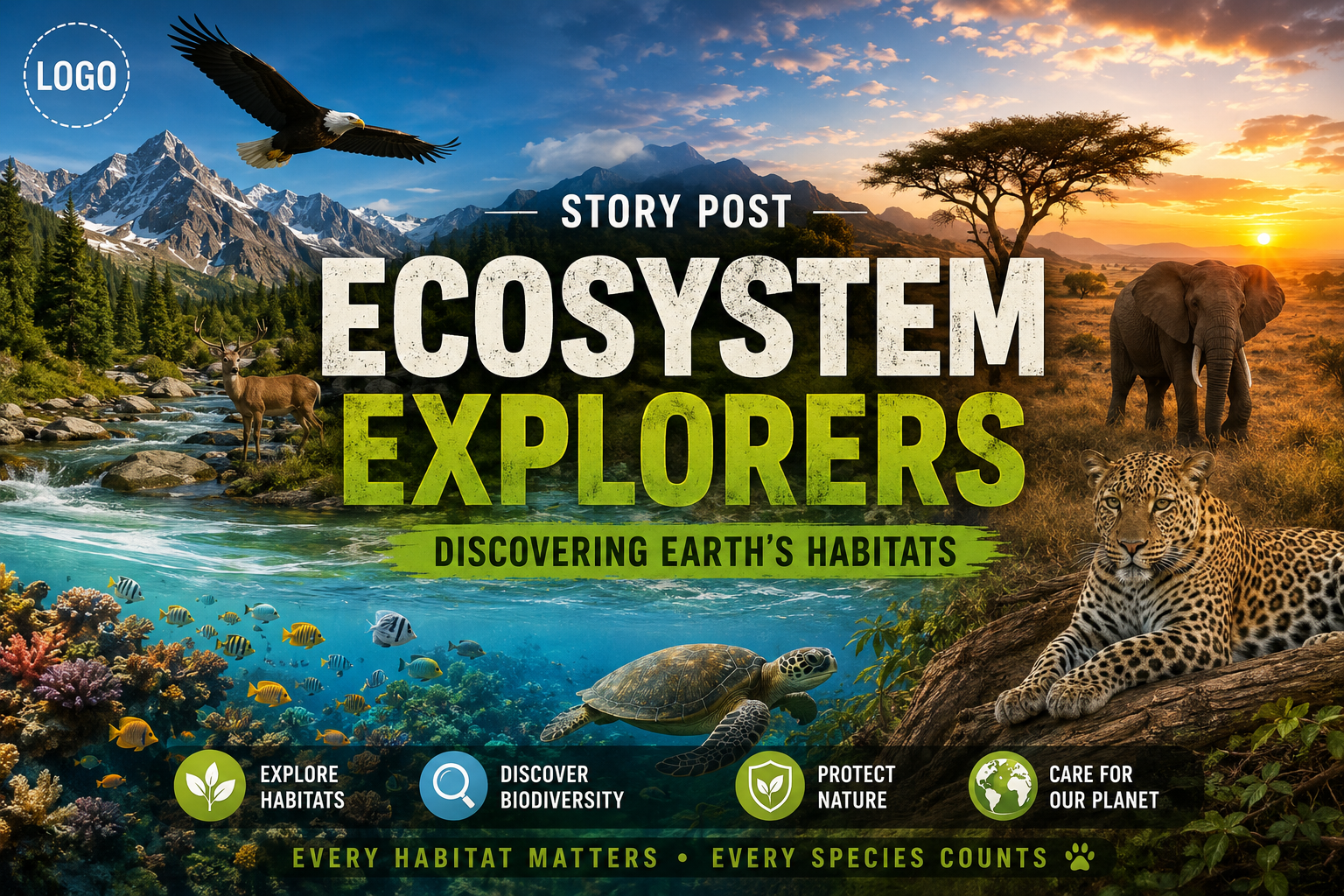
    Every corner of our planet is home to an amazing variety of life, from the highest mountains and deepest oceans to vast forests, peaceful rivers, colorful wetlands, and dry deserts. Each habitat has its own unique environment, plants, animals, and natural systems that work together to support life.

    In **“Ecosystem Explorers: Discovering Earth’s Habitats,”** we take an exciting journey across different ecosystems to discover how living organisms interact with their surroundings. We explore the beauty of forests, the mystery of oceans, the strength of mountain ecosystems, the unique life of deserts, and the importance of freshwater habitats.

    Every ecosystem tells a different story. A forest provides shelter and food for countless species, oceans support incredible marine life, deserts show how animals and plants can adapt to challenging conditions, and wetlands play an important role in maintaining healthy environments.

    This journey helps us understand the importance of **biodiversity** and why every species matters. Even the smallest organisms can have an important role in maintaining the balance of an ecosystem. When one part of an ecosystem changes, it can affect many other living things.

    Learning about habitats is not just about discovering animals and plants. It is also about understanding our responsibility toward nature. By protecting forests, keeping rivers and oceans clean, reducing pollution, conserving wildlife, and respecting natural habitats, we can help create a healthier planet for future generations.

    Our Earth is full of incredible places waiting to be explored. The more we learn about these ecosystems, the more we understand how connected all life truly is. Every habitat has value, every species has a role, and every person can make a positive difference.

    Let’s become true **Ecosystem Explorers**—curious about nature, passionate about learning, and committed to protecting the amazing world around us.

    **Explore Habitats**
    **Discover Biodiversity**
    **Protect Nature**
    **Care for Our Planet**

    **Every Habitat Matters • Every Species Counts**

    #EcosystemExplorers #DiscoveringEarthsHabitats #Ecosystem #Habitats #Biodiversity #Nature #Wildlife #Environment #Earth #PlanetEarth #ExploreNature #NatureExploration #AnimalLife #PlantLife #Forests #Oceans #Deserts #Mountains #Wetlands #Freshwater #MarineLife #WildlifeConservation #ProtectNature #SaveOurPlanet #EnvironmentalEducation #ScienceEducation #Biology #Ecology #LearningJourney #NatureLovers #EarthExplorers #Conservation #ClimateAwareness #SustainableFuture #GreenPlanet #NatureIsAmazing #EverySpeciesCounts #EveryHabitatMatters


    Rehan School Islamabad Campus
    Asma Shaheen EducationWali
    Irum Asim
    Saima Happinesswali


    #rsisb Roll No.240 Story No.23 Foundation Level Every corner of our planet is home to an amazing variety of life, from the highest mountains and deepest oceans to vast forests, peaceful rivers, colorful wetlands, and dry deserts. 🌎✨ Each habitat has its own unique environment, plants, animals, and natural systems that work together to support life. 🦋🌱🐟🦁 In **“Ecosystem Explorers: Discovering Earth’s Habitats,”** we take an exciting journey across different ecosystems to discover how living organisms interact with their surroundings. 🔍🌿 We explore the beauty of forests, the mystery of oceans, the strength of mountain ecosystems, the unique life of deserts, and the importance of freshwater habitats. 🌊🏜️🏞️🌲 Every ecosystem tells a different story. 🌟 A forest provides shelter and food for countless species, oceans support incredible marine life, deserts show how animals and plants can adapt to challenging conditions, and wetlands play an important role in maintaining healthy environments. 🐢🐠🦅🌵 This journey helps us understand the importance of **biodiversity** and why every species matters. 🐆🦋🐢🌺 Even the smallest organisms can have an important role in maintaining the balance of an ecosystem. When one part of an ecosystem changes, it can affect many other living things. 🌱🔗🌍 Learning about habitats is not just about discovering animals and plants. It is also about understanding our responsibility toward nature. 💚🌎 By protecting forests, keeping rivers and oceans clean, reducing pollution, conserving wildlife, and respecting natural habitats, we can help create a healthier planet for future generations. 🌿♻️🌊 Our Earth is full of incredible places waiting to be explored. 🔭🌍 The more we learn about these ecosystems, the more we understand how connected all life truly is. Every habitat has value, every species has a role, and every person can make a positive difference. 🌎❤️ Let’s become true **Ecosystem Explorers**—curious about nature, passionate about learning, and committed to protecting the amazing world around us. 🔍🌿🦜 🌱 **Explore Habitats** 🔎 **Discover Biodiversity** 🛡️ **Protect Nature** 🌍 **Care for Our Planet** ✨ **Every Habitat Matters • Every Species Counts** ✨ #EcosystemExplorers #DiscoveringEarthsHabitats #Ecosystem #Habitats #Biodiversity #Nature #Wildlife #Environment #Earth #PlanetEarth #ExploreNature #NatureExploration #AnimalLife #PlantLife #Forests #Oceans #Deserts #Mountains #Wetlands #Freshwater #MarineLife #WildlifeConservation #ProtectNature #SaveOurPlanet #EnvironmentalEducation #ScienceEducation #Biology #Ecology #LearningJourney #NatureLovers #EarthExplorers #Conservation #ClimateAwareness #SustainableFuture #GreenPlanet #NatureIsAmazing #EverySpeciesCounts #EveryHabitatMatters 🌍🌿🐘🦅🐢🐠 🏔️🌊🌳✨💚 Rehan School Islamabad Campus Asma Shaheen EducationWali Irum Asim Saima Happinesswali
    0 Commentarii 0 Distribuiri 731 Views
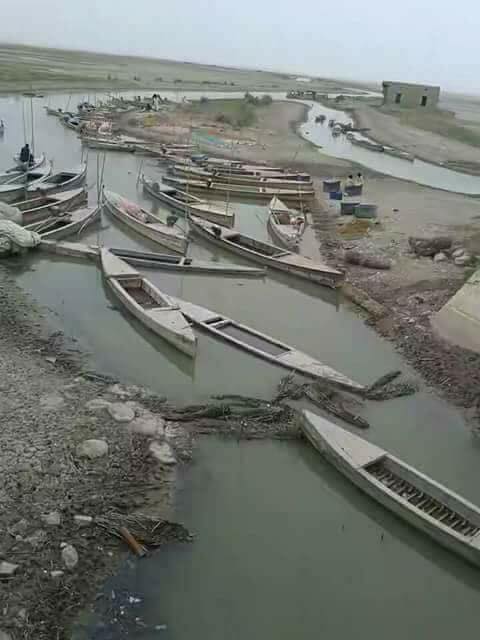
  • This is Manchar lake village

    Lake Manchar is the largest freshwater lake in Pakistan and one of Asias largest. It is located west of the Indus River, in Jamshoro District, Sindh. The area of the lake fluctuates with the seasons from as little as 350 km² to as much as 520 km². Wikipedia
    Area: 350 km²

    Have you visited it ? Beautiful drive from Karachi for 4 hrs next to Sehwan Sharif

    Do visit and work with the locals like Saleem Lakewala to empower them with knowledge on how to make this lake great again !
    This is Manchar lake village Lake Manchar is the largest freshwater lake in Pakistan and one of Asia's largest. It is located west of the Indus River, in Jamshoro District, Sindh. The area of the lake fluctuates with the seasons from as little as 350 km² to as much as 520 km². Wikipedia Area: 350 km² Have you visited it ? Beautiful drive from Karachi for 4 hrs next to Sehwan Sharif Do visit and work with the locals like Saleem Lakewala to empower them with knowledge on how to make this lake great again !
    0 Commentarii 0 Distribuiri 102 Views
  • The MIT and Shanghai Jiao Tong University scientists developed a highly efficient, portable desalination device based on a passive solar-powered system with several advanced materials and design principles. Their system uses innovative approaches to maximize water production and energy efficiency. Here’s a simplified breakdown of how it likely works, based on the principles they used:

    Key Components and Principles

    1. Solar Evaporation Layering:
    • The device includes a multi-layered structure that absorbs sunlight and evaporates water quickly.
    • Each layer is designed to trap and use solar energy more effectively, allowing more water to evaporate per unit of energy compared to traditional methods.
    • Advanced photothermal materials (materials that convert sunlight into heat efficiently) are likely used to increase the rate of evaporation.
    2. Capillary Action for Water Flow:
    • The system uses capillary action to pull seawater from the main reservoir into the evaporative layers.
    • This process doesn’t require pumps or external energy sources, making the system energy-efficient and passive.
    • As water moves through the layers, it evaporates, leaving salts and impurities behind.
    3. Heat Reclamation:
    • One of the key breakthroughs is recycling the heat from previous evaporation stages. After one layer absorbs and uses the heat for evaporation, it’s transferred to the next layer, where it can be reused.
    • This “stacking” or “layered” evaporation design improves efficiency by reusing the same solar energy multiple times, which speeds up the desalination process.
    4. Condensation Surface:
    • The vaporized water rises to a condensation surface where it cools and condenses into liquid fresh water.
    • This surface is designed to allow the water to flow down into a collection area while preventing any re-absorption of salt.
    5. Passive Solar-Powered System:
    • The device is fully powered by solar energy, making it sustainable and suitable for remote areas.
    • Unlike traditional desalination systems that require electricity or large-scale machinery, this design relies on natural sunlight and innovative material science, meaning it can function in a self-sustained way.
    6. Compact Design:
    • The entire system is compact, approximately the size of a suitcase, allowing it to be easily transported and deployed in remote locations. This is possible due to the modular and efficient design that combines all processes into a single, small unit.

    Materials and Technology

    The scientists used advanced materials to achieve this efficiency. Some examples of materials likely used include:
    • Photothermal Nanomaterials: These are materials that efficiently absorb solar energy and convert it into heat.
    • Hydrophilic Materials: Certain materials might be used to attract water molecules, assisting with evaporation.
    • Heat-Conductive Layers: For transferring heat between layers to maximize reuse of solar energy.

    Benefits of the MIT and SJTU Design

    • Higher Efficiency: By using layered evaporation and heat recycling, the device produces water more efficiently than standard solar stills.
    • Low Cost and Energy-Free Operation: It doesn’t need a power source other than sunlight, so operational costs are minimal.
    • Portability: Designed to be as compact as a suitcase, it’s easy to transport and deploy.
    • Sustainable Solution: Solar-powered desalination is environmentally friendly and ideal for places with limited freshwater access.

    Can This Be Made at Home?

    The MIT setup relies on advanced materials and precise engineering, which are not easily accessible to the average person. However, certain aspects, like layered evaporation and heat recycling, are principles that could inspire more efficient DIY setups. Still, achieving the same efficiency without access to specialized materials like photothermal nanomaterials and precise manufacturing would be challenging.

    In essence, while a basic solar still can be created at home to desalinate water, replicating the MIT and SJTU level of efficiency, compactness, and productivity would require industrial-level material science and engineering expertise.
    The MIT and Shanghai Jiao Tong University scientists developed a highly efficient, portable desalination device based on a passive solar-powered system with several advanced materials and design principles. Their system uses innovative approaches to maximize water production and energy efficiency. Here’s a simplified breakdown of how it likely works, based on the principles they used: Key Components and Principles 1. Solar Evaporation Layering: • The device includes a multi-layered structure that absorbs sunlight and evaporates water quickly. • Each layer is designed to trap and use solar energy more effectively, allowing more water to evaporate per unit of energy compared to traditional methods. • Advanced photothermal materials (materials that convert sunlight into heat efficiently) are likely used to increase the rate of evaporation. 2. Capillary Action for Water Flow: • The system uses capillary action to pull seawater from the main reservoir into the evaporative layers. • This process doesn’t require pumps or external energy sources, making the system energy-efficient and passive. • As water moves through the layers, it evaporates, leaving salts and impurities behind. 3. Heat Reclamation: • One of the key breakthroughs is recycling the heat from previous evaporation stages. After one layer absorbs and uses the heat for evaporation, it’s transferred to the next layer, where it can be reused. • This “stacking” or “layered” evaporation design improves efficiency by reusing the same solar energy multiple times, which speeds up the desalination process. 4. Condensation Surface: • The vaporized water rises to a condensation surface where it cools and condenses into liquid fresh water. • This surface is designed to allow the water to flow down into a collection area while preventing any re-absorption of salt. 5. Passive Solar-Powered System: • The device is fully powered by solar energy, making it sustainable and suitable for remote areas. • Unlike traditional desalination systems that require electricity or large-scale machinery, this design relies on natural sunlight and innovative material science, meaning it can function in a self-sustained way. 6. Compact Design: • The entire system is compact, approximately the size of a suitcase, allowing it to be easily transported and deployed in remote locations. This is possible due to the modular and efficient design that combines all processes into a single, small unit. Materials and Technology The scientists used advanced materials to achieve this efficiency. Some examples of materials likely used include: • Photothermal Nanomaterials: These are materials that efficiently absorb solar energy and convert it into heat. • Hydrophilic Materials: Certain materials might be used to attract water molecules, assisting with evaporation. • Heat-Conductive Layers: For transferring heat between layers to maximize reuse of solar energy. Benefits of the MIT and SJTU Design • Higher Efficiency: By using layered evaporation and heat recycling, the device produces water more efficiently than standard solar stills. • Low Cost and Energy-Free Operation: It doesn’t need a power source other than sunlight, so operational costs are minimal. • Portability: Designed to be as compact as a suitcase, it’s easy to transport and deploy. • Sustainable Solution: Solar-powered desalination is environmentally friendly and ideal for places with limited freshwater access. Can This Be Made at Home? The MIT setup relies on advanced materials and precise engineering, which are not easily accessible to the average person. However, certain aspects, like layered evaporation and heat recycling, are principles that could inspire more efficient DIY setups. Still, achieving the same efficiency without access to specialized materials like photothermal nanomaterials and precise manufacturing would be challenging. In essence, while a basic solar still can be created at home to desalinate water, replicating the MIT and SJTU level of efficiency, compactness, and productivity would require industrial-level material science and engineering expertise.
    0 Commentarii 0 Distribuiri 429 Views
  • The Life and Legacy of the 24-Hour Insect: The Mayfly

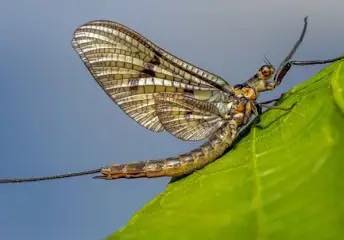
    In a world where life can span decades or even centuries, the mayfly stands out as nature’s ultimate reminder of how fleeting life can be. Often referred to as the “24-hour insect,” the mayfly (from the order Ephemeroptera) has become a symbol of ephemerality — beauty that lasts for a moment, then disappears.

    Despite their brief appearance as adults, mayflies lead surprisingly complex lives. Their journey begins in freshwater habitats, where they live as nymphs (or larvae) for several months to up to two years, breathing underwater and feeding on algae and organic matter. These nymphs are not only vital to the aquatic food chain, but they also serve as environmental indicators, helping scientists assess the health of water ecosystems.

    Then, in a sudden and dramatic transformation, the mayfly emerges from the water in its adult form — delicate, winged, and ready for one final mission: reproduction. But here’s the twist — most adult mayflies don’t have mouths. They can’t eat, they can’t drink, and they don’t live to see another sunset. Their only goal is to mate, lay eggs, and die, often within 24 hours or even just a few minutes.

    This ultra-short adult life has fascinated poets, scientists, and philosophers for centuries. In Japanese and Chinese cultures, the mayfly is sometimes used as a metaphor for the brevity of youth and the impermanence of beauty. Its Latin name, Ephemeroptera, literally means “short-lived wing,” and indeed, these creatures are nature’s one-day wonders.

    But don’t mistake short life for insignificance. In their brief adult phase, mayflies emerge in such massive numbers that they can be seen on radar. Roads are sometimes covered with their tiny bodies, and streetlights attract them in shimmering clouds. These moments — brief as they are — help entire ecosystems thrive.

    In the end, the mayfly reminds us that the value of life is not measured in days or years, but in purpose. In just one day, it completes its destiny, dances in the air, continues its species, and contributes to the balance of nature.


    Moral of the mayfly’s story?
    Live with purpose — even if your wings only last for a day.
    🪰 The Life and Legacy of the 24-Hour Insect: The Mayfly In a world where life can span decades or even centuries, the mayfly stands out as nature’s ultimate reminder of how fleeting life can be. Often referred to as the “24-hour insect,” the mayfly (from the order Ephemeroptera) has become a symbol of ephemerality — beauty that lasts for a moment, then disappears. Despite their brief appearance as adults, mayflies lead surprisingly complex lives. Their journey begins in freshwater habitats, where they live as nymphs (or larvae) for several months to up to two years, breathing underwater and feeding on algae and organic matter. These nymphs are not only vital to the aquatic food chain, but they also serve as environmental indicators, helping scientists assess the health of water ecosystems. Then, in a sudden and dramatic transformation, the mayfly emerges from the water in its adult form — delicate, winged, and ready for one final mission: reproduction. But here’s the twist — most adult mayflies don’t have mouths. They can’t eat, they can’t drink, and they don’t live to see another sunset. Their only goal is to mate, lay eggs, and die, often within 24 hours or even just a few minutes. This ultra-short adult life has fascinated poets, scientists, and philosophers for centuries. In Japanese and Chinese cultures, the mayfly is sometimes used as a metaphor for the brevity of youth and the impermanence of beauty. Its Latin name, Ephemeroptera, literally means “short-lived wing,” and indeed, these creatures are nature’s one-day wonders. But don’t mistake short life for insignificance. In their brief adult phase, mayflies emerge in such massive numbers that they can be seen on radar. Roads are sometimes covered with their tiny bodies, and streetlights attract them in shimmering clouds. These moments — brief as they are — help entire ecosystems thrive. In the end, the mayfly reminds us that the value of life is not measured in days or years, but in purpose. In just one day, it completes its destiny, dances in the air, continues its species, and contributes to the balance of nature. ⸻ Moral of the mayfly’s story? Live with purpose — even if your wings only last for a day. ✨
    0 Commentarii 0 Distribuiri 98 Views
  • Dreaming of enjoying fresh water fish with your feet dipped in the beautiful River Indus?

    Discover the magic of Manjhand, Sindh, where Rafique Mallah Manjhandaie is ready to organize the perfect family trip for you!

    Savor the taste of the freshest fish while experiencing the serenity of the Indus River!

    Dont miss out on this unique and unforgettable experience!

    Contact Rafique Mallah Manjhandaie today and let the adventure begin!

    +92 300 2718325

    Like, share, and tag your friends and family whod love this amazing getaway!

    #ManjhandSindh #RiverIndus #FreshWaterFish #RafiqueMallahManjhandaie #FamilyTrip #IndusAdventure
    🐟🌊 Dreaming of enjoying fresh water fish with your feet dipped in the beautiful River Indus? 🌊🐟 📍 Discover the magic of Manjhand, Sindh, where Rafique Mallah Manjhandaie is ready to organize the perfect family trip for you! 👨‍👩‍👧‍👦 🍽️ Savor the taste of the freshest fish while experiencing the serenity of the Indus River! 🏞️ 📣 Don't miss out on this unique and unforgettable experience! 📣 👉 Contact Rafique Mallah Manjhandaie today and let the adventure begin! 🚣‍♀️🌅 +92 300 2718325 👍 Like, share, and tag your friends and family who'd love this amazing getaway! 🎣 #ManjhandSindh #RiverIndus #FreshWaterFish #RafiqueMallahManjhandaie #FamilyTrip #IndusAdventure
    0 Commentarii 0 Distribuiri 2674 Views 0