• RSIf8
    Roll no.49
    Tedx Talk no.31
    TEDx Talk Review:Can I Have Your Brain? The Quest for Truth on Concussions and CTE – Chris Nowinski

    In this thought-provoking TEDx Talk, Chris Nowinski explores the serious effects of repeated head injuries, particularly in sports, and explains why protecting our brain health is essential. Drawing on his own experience with a concussion, he highlights the importance of understanding brain injuries and raising awareness about Chronic Traumatic Encephalopathy (CTE).

    Through his research and advocacy, Chris Nowinski encourages athletes, families, and sports organizations to take head injuries seriously. He also explains how brain donation after death can help researchers study CTE and improve our understanding of the long-term effects of repeated head impacts.

    This talk taught me that health and safety should always come before winning or achieving temporary success. It also inspired me to appreciate the importance of scientific research, courage, and spreading awareness to protect future generations.

    Our brain is precious, and protecting it is more important than any game or victory!

    #TEDxTalk #ChrisNowinski #BrainHealth #Concussions #CTE #SportsSafety #BrainInjuryAwareness #ScientificResearch #HealthAwareness #Education #ClassFoundation #RSf8
    RSIf8 Roll no.49 Tedx Talk no.31 TEDx Talk Review:Can I Have Your Brain? The Quest for Truth on Concussions and CTE – Chris Nowinski 🏈🔬 In this thought-provoking TEDx Talk, Chris Nowinski explores the serious effects of repeated head injuries, particularly in sports, and explains why protecting our brain health is essential. Drawing on his own experience with a concussion, he highlights the importance of understanding brain injuries and raising awareness about Chronic Traumatic Encephalopathy (CTE). 💡🏥 Through his research and advocacy, Chris Nowinski encourages athletes, families, and sports organizations to take head injuries seriously. He also explains how brain donation after death can help researchers study CTE and improve our understanding of the long-term effects of repeated head impacts. 🧪📚 This talk taught me that health and safety should always come before winning or achieving temporary success. It also inspired me to appreciate the importance of scientific research, courage, and spreading awareness to protect future generations. 🌟💪 Our brain is precious, and protecting it is more important than any game or victory! 🧠❤️ #TEDxTalk #ChrisNowinski #BrainHealth #Concussions #CTE #SportsSafety #BrainInjuryAwareness #ScientificResearch #HealthAwareness #Education #ClassFoundation #RSf8
    0 Yorumlar 0 hisse senetleri 435 Views 4
  • RSIF8
    Roll no:14
    canva post no:62
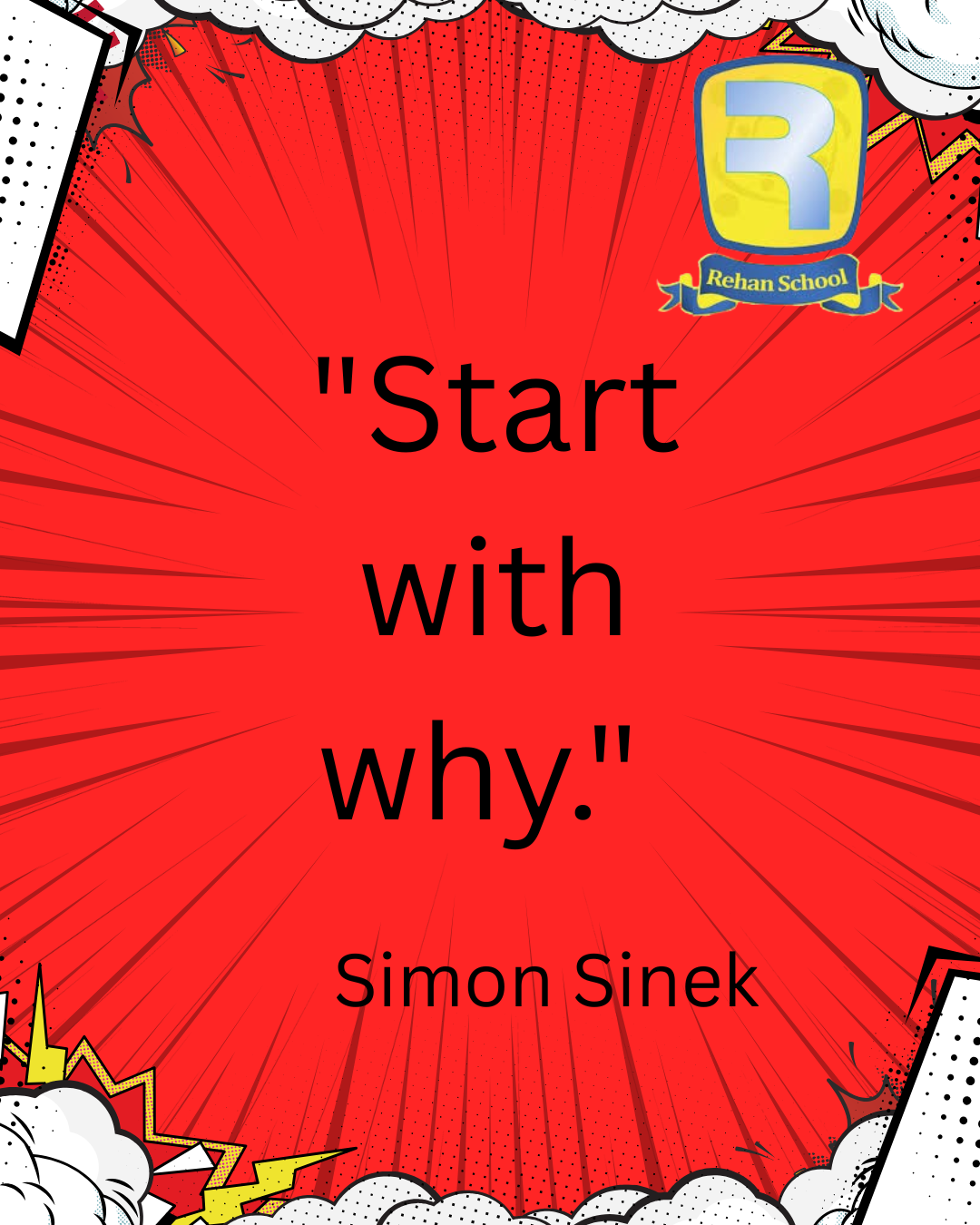
    canva topic:"Start with why." — Simon Sinek
    **"Start with Why." — Simon Sinek**

    Every great achievement begins with a purpose. Before taking action, setting goals, or starting a new journey, it is important to understand why you want to do something in the first place. Simon Sinek’s powerful message, **"Start with Why,"** reminds us that having a clear purpose can inspire us to take meaningful action, overcome challenges, and remain committed to our dreams. When you understand the reason behind your actions, you gain a stronger sense of direction and motivation to keep moving forward.

    **Discover Your Purpose!**

    Have you ever wondered why some people remain motivated even when life becomes difficult? One important reason is that they understand what they are working toward and why it matters to them. Your purpose gives meaning to your efforts and helps you make better decisions. Whether you want to succeed in education, build a career, develop a business, or improve yourself, knowing your "why" can help you stay focused on what truly matters.

    **Why Is Purpose So Important?**

    A clear purpose helps you look beyond temporary difficulties and concentrate on your long-term goals. When you face obstacles, your reasons for beginning can remind you why your efforts are worthwhile. Instead of simply following what everyone else is doing, take time to identify your own values, interests, and ambitions. Understanding what motivates you can help you choose a direction that feels meaningful and allows you to grow.

    **The Power of Starting with Why**

    Simon Sinek popularized the idea of the *Golden Circle*, which explains three important questions: Why, How, and What.

    **WHY:** What is your purpose? Why do you care about what you are doing?

    **HOW:** What principles, strategies, or methods will help you achieve your purpose?

    **WHAT:** What actions, services, products, or results will bring your ideas to life?

    According to this approach, inspiring leaders and organizations communicate their purpose before explaining their methods and products. When people understand the reason behind an idea, they can connect with its message more meaningfully.

    **Turn Your Purpose into Action!**

    Knowing your purpose is only the beginning. Real progress happens when you turn your ideas into practical steps. Set clear goals, create a realistic plan, develop positive habits, and take consistent action. You do not need to have every detail figured out immediately. Start with a reason that matters to you, learn along the way, and adjust your approach as you gain experience.

    Remember that your purpose may change as you discover new interests, develop new skills, and gain a deeper understanding of yourself. Be willing to learn, remain curious, and give yourself the opportunity to grow. Every step you take with intention can bring you closer to a more meaningful and fulfilling future.

    **Lead with Purpose, Inspire with Action!**

    Whether you are a student, teacher, entrepreneur, creator, or someone working toward personal goals, the principle of starting with why can help you communicate your ideas more clearly and make thoughtful decisions. Purpose gives direction to your efforts, while consistent action transforms your intentions into progress.

    Simon Sinek’s message encourages us to look beyond what we do and discover the deeper reasons behind our actions. When your goals are connected to a meaningful purpose, your journey becomes more focused, intentional, and inspiring.

    **Know Your Why. Believe in Your Purpose. Take Action with Confidence!**

    If this message inspires you, share it with someone who is searching for direction, motivation, or a meaningful reason to pursue their dreams.

    #SimonSinek #StartWithWhy #PurposeDriven #Motivation #Leadership #SuccessMindset #PersonalGrowth #Inspiration #GoalSetting #PositiveThinking #SelfImprovement #LeadershipSkills #FindYourPurpose #DailyMotivation #InspiringQuotes
    RSIF8 Roll no:14 canva post no:62 canva topic:"Start with why." — Simon Sinek 🌟 **"Start with Why." — Simon Sinek** 🚀💡 Every great achievement begins with a purpose. Before taking action, setting goals, or starting a new journey, it is important to understand why you want to do something in the first place. Simon Sinek’s powerful message, **"Start with Why,"** reminds us that having a clear purpose can inspire us to take meaningful action, overcome challenges, and remain committed to our dreams. When you understand the reason behind your actions, you gain a stronger sense of direction and motivation to keep moving forward. 🎯✨ 💡 **Discover Your Purpose!** Have you ever wondered why some people remain motivated even when life becomes difficult? One important reason is that they understand what they are working toward and why it matters to them. Your purpose gives meaning to your efforts and helps you make better decisions. Whether you want to succeed in education, build a career, develop a business, or improve yourself, knowing your "why" can help you stay focused on what truly matters. 🔥 **Why Is Purpose So Important?** A clear purpose helps you look beyond temporary difficulties and concentrate on your long-term goals. When you face obstacles, your reasons for beginning can remind you why your efforts are worthwhile. Instead of simply following what everyone else is doing, take time to identify your own values, interests, and ambitions. Understanding what motivates you can help you choose a direction that feels meaningful and allows you to grow. 🎯 **The Power of Starting with Why** Simon Sinek popularized the idea of the *Golden Circle*, which explains three important questions: Why, How, and What. 🔹 **WHY:** What is your purpose? Why do you care about what you are doing? 🔹 **HOW:** What principles, strategies, or methods will help you achieve your purpose? 🔹 **WHAT:** What actions, services, products, or results will bring your ideas to life? According to this approach, inspiring leaders and organizations communicate their purpose before explaining their methods and products. When people understand the reason behind an idea, they can connect with its message more meaningfully. 🌱 **Turn Your Purpose into Action!** Knowing your purpose is only the beginning. Real progress happens when you turn your ideas into practical steps. Set clear goals, create a realistic plan, develop positive habits, and take consistent action. You do not need to have every detail figured out immediately. Start with a reason that matters to you, learn along the way, and adjust your approach as you gain experience. Remember that your purpose may change as you discover new interests, develop new skills, and gain a deeper understanding of yourself. Be willing to learn, remain curious, and give yourself the opportunity to grow. Every step you take with intention can bring you closer to a more meaningful and fulfilling future. 🌈 🌍 **Lead with Purpose, Inspire with Action!** Whether you are a student, teacher, entrepreneur, creator, or someone working toward personal goals, the principle of starting with why can help you communicate your ideas more clearly and make thoughtful decisions. Purpose gives direction to your efforts, while consistent action transforms your intentions into progress. Simon Sinek’s message encourages us to look beyond what we do and discover the deeper reasons behind our actions. When your goals are connected to a meaningful purpose, your journey becomes more focused, intentional, and inspiring. ✨ **Know Your Why. Believe in Your Purpose. Take Action with Confidence!** 👍 If this message inspires you, share it with someone who is searching for direction, motivation, or a meaningful reason to pursue their dreams. #SimonSinek #StartWithWhy #PurposeDriven #Motivation #Leadership #SuccessMindset #PersonalGrowth #Inspiration #GoalSetting #PositiveThinking #SelfImprovement #LeadershipSkills #FindYourPurpose #DailyMotivation #InspiringQuotes 🌟🚀
    0 Yorumlar 0 hisse senetleri 1313 Views
  • #rsisb Roll No.240 Call Annie No.39 Level One Welcome to our live discussion about Taking Care of the Environment! 🌳💚 In this session, we will talk about the importance of protecting our planet, keeping our surroundings clean, planting trees, saving water, reducing pollution, and protecting animals and wildlife. 🐦🌿🌎 Our environment gives us the air we breathe, the water we drink, the food we eat, and the natural resources we need to live. That is why everyone has a responsibility to take care of it. 🌳💧 Even small actions, such as throwing rubbish in the proper place, using reusable bags, avoiding unnecessary plastic, saving electricity, and planting trees, can help make our world cleaner and healthier. ♻️🌱 Through this live discussion, we will share ideas, ask meaningful questions, learn from one another, and encourage people to adopt environmentally friendly habits in their daily lives. We will also discuss how students, families, schools, and communities can work together to reduce waste, protect natural resources, and create a better future for the next generation. 🌍🤝 Remember, protecting the environment is not only the responsibility of governments or organizations; it is the responsibility of every one of us. Every positive action matters, and together we can make a difference! 💚🌿 Let’s spread awareness, share knowledge, and inspire others to keep our planet clean, green, and beautiful. 🌎✨ 💬 Join the conversation! Share your thoughts in the comments: What is one simple thing you do to protect the environment? 👍 Like, 💬 comment, 🔄 share, and follow for more educational live discussions! #TakingCareOfTheEnvironment #SaveOurPlanet #EnvironmentalAwareness #GoGreen #PlantTrees #ReduceReuseRecycle #StopPollution #SaveWater #ProtectWildlife #ClimateAwareness #CleanEnvironment #Sustainability #GreenFuture #LiveDiscussion #SocialMediaLive #Education #MakeADifference 🌍🌱💚 Rehan School Islamabad Campus Asma Shaheen Eduction Wali Irum Asim Leadership Wali Saima Emporvement Wali https://www.facebook.com/share/v/1EYiPqt2dA/
    WWW.FACEBOOK.COM
    Made with Restream Studio. Livestream on 30+ platforms at once with Restream #rsisb Roll No.240 Call Annie No.39 Level One Welcome to our live discussion about Taking Care of the Environment! 🌳💚 In this session, we will talk about the importance of protecting our planet, keeping our surroundings clean, planting trees, saving water, reducing pollution, and protecting animals and wildlife. 🐦🌿🌎 Our environment gives us the air we breathe, the water we drink, the food we eat, and the natural resources we need to live. That is why everyone has a responsibility to take care of it. 🌳💧 Even small actions, such as throwing rubbish in the proper place, using reusable bags, avoiding unnecessary plastic, saving electricity, and planting trees, can help make our world cleaner and healthier. ♻️🌱 Through this live discussion, we will share ideas, ask meaningful questions, learn from one another, and encourage people to adopt environmentally friendly habits in their daily lives. We will also discuss how students, families, schools, and communities can work together to reduce waste, protect natural resources, and create a better future for the next generation. 🌍🤝 Remember, protecting the environment is not only the responsibility of governments or organizations; it is the responsibility of every one of us. Every positive action matters, and together we can make a difference! 💚🌿 Let’s spread awareness, share knowledge, and inspire others to keep our planet clean, green, and beautiful. 🌎✨ 💬 Join the conversation! Share your thoughts in the comments: What is one simple thing you do to protect the environment? 👍 Like, 💬 comment, 🔄 share, and follow for more educational live discussions! #TakingCareOfTheEnvironment #SaveOurPlanet #EnvironmentalAwareness #GoGreen #PlantTrees #ReduceReuseRecycle #StopPollution #SaveWater #ProtectWildlife #ClimateAwareness #CleanEnvironment #Sustainability #GreenFuture #LiveDiscussion #SocialMediaLive #Education #MakeADifference 🌍🌱💚 Rehan School Islamabad Campus Asma Shaheen Eduction Wali Irum Asim Leadership Wali Saima Emporvement Wali | Ahmad Ali Constriction Wala
    Made with Restream Studio. Livestream on 30+ platforms at once with Restream #rsisb Roll No.240 Call Annie No.39 Level One Welcome to our live discussion about Taking Care of the Environment! 🌳💚...
    0 Yorumlar 0 hisse senetleri 887 Views
  • RSIF8
    Roll no:14
    story no:21
    story topic:Peering Inside: The Role of Dissections in Understanding Life
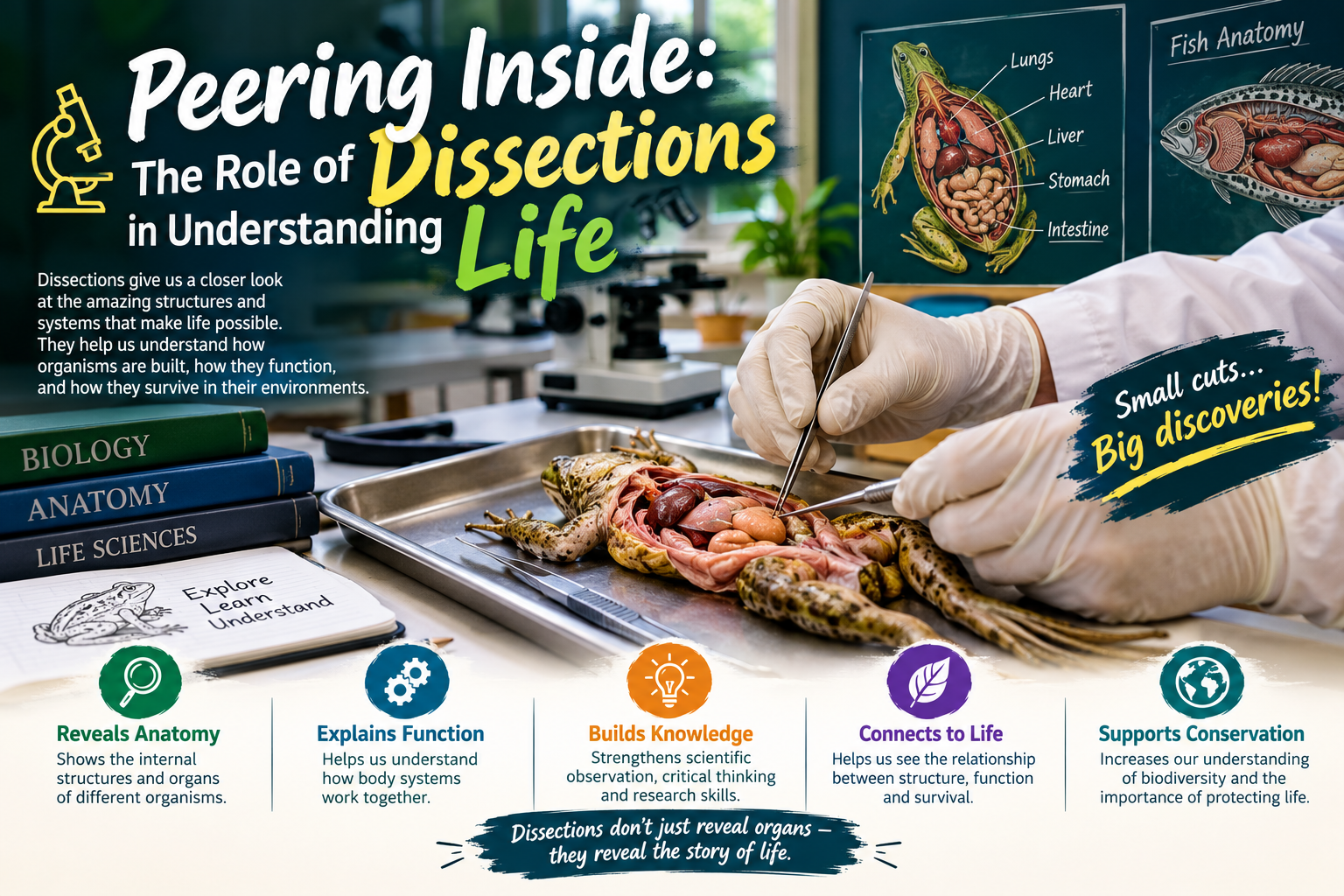
    # Peering Inside: The Role of Dissections in Understanding Life

    Discover the fascinating world of biology through **“Peering Inside: The Role of Dissections in Understanding Life.”** This educational topic explores how dissection helps scientists and students understand the internal structures of living organisms and uncover the amazing systems that make life possible.

    Dissection is an important scientific method that allows researchers to examine organs, tissues, and body structures to learn how different parts of an organism work together. By studying anatomy, we can better understand the relationship between structure and function, how body systems support survival, and how different species are adapted to their environments.

    **What Will You Learn?**

    - **Understanding Anatomy:** Discover the internal structures and organs of living organisms.
    - **Structure and Function:** Learn how different organs work together to support life.
    - **Exploring Organisms:** Understand the similarities and differences between various species.
    - **Scientific Investigation:** Develop observation, analytical thinking, and research skills.
    - **Biodiversity and Conservation:** Explore how anatomical knowledge contributes to understanding and protecting living things.
    - **Educational Importance:** Discover how dissection supports biology, medicine, and scientific learning.

    Dissection has contributed greatly to our understanding of the human body and other organisms. Today, scientists and educators can also use anatomical models, digital simulations, and virtual dissection tools to explore biological structures. Responsible scientific study emphasizes ethical practices, safety, and respect for living things.

    **Conclusion:** Dissection is more than the study of internal organs; it is a window into the complexity, organization, and wonder of life. By exploring anatomy, we gain valuable knowledge about how organisms function, survive, and interact with the world around them.

    **“Dissections don't just reveal organs — they reveal the story of life!”**

    #PeeringInside #Dissection #Anatomy #Biology #LifeSciences #ScienceEducation #ScientificDiscovery #HumanAnatomy #AnimalBiology #Biodiversity #LearningThroughScience #EducationalContent #ExploreLife
    RSIF8 Roll no:14 story no:21 story topic:Peering Inside: The Role of Dissections in Understanding Life # 🔬 Peering Inside: The Role of Dissections in Understanding Life 🧬 Discover the fascinating world of biology through **“Peering Inside: The Role of Dissections in Understanding Life.”** This educational topic explores how dissection helps scientists and students understand the internal structures of living organisms and uncover the amazing systems that make life possible. 🌿✨ Dissection is an important scientific method that allows researchers to examine organs, tissues, and body structures to learn how different parts of an organism work together. By studying anatomy, we can better understand the relationship between structure and function, how body systems support survival, and how different species are adapted to their environments. 🔍 **What Will You Learn?** - 🫀 **Understanding Anatomy:** Discover the internal structures and organs of living organisms. - 🧠 **Structure and Function:** Learn how different organs work together to support life. - 🐸 **Exploring Organisms:** Understand the similarities and differences between various species. - 🔬 **Scientific Investigation:** Develop observation, analytical thinking, and research skills. - 🌍 **Biodiversity and Conservation:** Explore how anatomical knowledge contributes to understanding and protecting living things. - 📚 **Educational Importance:** Discover how dissection supports biology, medicine, and scientific learning. Dissection has contributed greatly to our understanding of the human body and other organisms. Today, scientists and educators can also use anatomical models, digital simulations, and virtual dissection tools to explore biological structures. Responsible scientific study emphasizes ethical practices, safety, and respect for living things. 💚 ✨ **Conclusion:** Dissection is more than the study of internal organs; it is a window into the complexity, organization, and wonder of life. By exploring anatomy, we gain valuable knowledge about how organisms function, survive, and interact with the world around them. **“Dissections don't just reveal organs — they reveal the story of life!”** 🌱🔬 #PeeringInside #Dissection #Anatomy #Biology #LifeSciences #ScienceEducation #ScientificDiscovery #HumanAnatomy #AnimalBiology #Biodiversity #LearningThroughScience #EducationalContent #ExploreLife
    0 Yorumlar 0 hisse senetleri 1598 Views
  • #rsisb Roll No.240 Call Annie No.37 Level One Welcome everyone to my live social media discussion! 🎙️✨ Today, we are going to talk about a very important topic: “The Right Way to Treat Animals.” 🐕🐈🕊️ Animals are an important part of our world, and they deserve kindness, care, love, and respect. They are living creatures that need food, clean water, shelter, safety, and proper care. ❤️🌿 In this live session, we will discuss why we should treat animals kindly, how we can help hungry and thirsty street animals, why we should protect wildlife, and how we can become responsible pet owners. We will also talk about the importance of teaching children to respect animals, preventing animal cruelty, protecting animals during emergencies, and helping injured animals safely. 🐾💚 Animals play an important role in our lives and in nature. They provide companionship, support farmers, help maintain the balance of ecosystems, and make our world more beautiful. 🌎🐄🦋 We should never hurt animals for fun, frighten them unnecessarily, or ignore their basic needs. Instead, we should learn to understand their behavior, respect their natural habitats, and support organizations that protect them. 🤝🌳 Social media can also be a powerful platform for spreading awareness about animal welfare. 📱🎥 Through educational discussions, positive messages, and responsible actions, we can inspire more people to protect animals and create a kinder society. Every small act of kindness matters, whether it is providing clean water, helping an animal in need, or teaching someone to treat animals with respect. 🥰🐾 Join me in this meaningful discussion and share your thoughts, experiences, and ideas. Let us learn from one another and encourage our friends, families, and communities to become more compassionate toward all living creatures. Together, we can help build a world where animals are treated with dignity, kindness, and care. ❤️🌍 Remember: “Be kind to animals, because kindness is a beautiful language that every living creature deserves.” 🐾💖 Thank you for watching, supporting, and participating in this live session! Don't forget to like, share, comment, and follow for more educational discussions. 👍🔔❤️ #TheRightWayToTreatAnimals #AnimalCare #AnimalWelfare #BeKindToAnimals #LoveAnimals #AnimalProtection #StopAnimalCruelty #AnimalRights #SaveAnimals #ProtectWildlife #KindnessMatters #AnimalLovers #PetCare #StrayAnimals #RespectAllLivingCreatures #SocialMediaLive #EducationalDiscussion #SpreadKindness #ProtectNature #CompassionForAnimals 🐾❤️🐶🐱🌍💚 Rehan School Islamabad Campus Asma Shaheen Eduction Wali Irum Asim Leadership Wali Saima Emporvement Wali https://www.facebook.com/share/v/18kwGEwuyy/
    WWW.FACEBOOK.COM
    Made with Restream Studio. Livestream on 30+ platforms at once with Restream #rsisb Roll No.240 Call Annie No.37 Level One Welcome everyone to my live social media discussion! 🎙️✨ Today, we are going to talk about a very important topic: “The Right Way to Treat Animals.” 🐕🐈🕊️ Animals are an important part of our world, and they deserve kindness, care, love, and respect. They are living creatures that need food, clean water, shelter, safety, and proper care. ❤️🌿 In this live session, we will discuss why we should treat animals kindly, how we can help hungry and thirsty street animals, why we should protect wildlife, and how we can become responsible pet owners. We will also talk about the importance of teaching children to respect animals, preventing animal cruelty, protecting animals during emergencies, and helping injured animals safely. 🐾💚 Animals play an important role in our lives and in nature. They provide companionship, support farmers, help maintain the balance of ecosystems, and make our world more beautiful. 🌎🐄🦋 We should never hurt animals for fun, frighten them unnecessarily, or ignore their basic needs. Instead, we should learn to understand their behavior, respect their natural habitats, and support organizations that protect them. 🤝🌳 Social media can also be a powerful platform for spreading awareness about animal welfare. 📱🎥 Through educational discussions, positive messages, and responsible actions, we can inspire more people to protect animals and create a kinder society. Every small act of kindness matters, whether it is providing clean water, helping an animal in need, or teaching someone to treat animals with respect. 🥰🐾 Join me in this meaningful discussion and share your thoughts, experiences, and ideas. Let us learn from one another and encourage our friends, families, and communities to become more compassionate toward all living creatures. Together, we can help build a world where animals are treated with dignity, kindness, and care. ❤️🌍 Remember: “Be kind to animals, because kindness is a beautiful language that every living creature deserves.” 🐾💖 Thank you for watching, supporting, and participating in this live session! Don't forget to like, share, comment, and follow for more educational discussions. 👍🔔❤️ #TheRightWayToTreatAnimals #AnimalCare #AnimalWelfare #BeKindToAnimals #LoveAnimals #AnimalProtection #StopAnimalCruelty #AnimalRights #SaveAnimals #ProtectWildlife #KindnessMatters #AnimalLovers #PetCare #StrayAnimals #RespectAllLivingCreatures #SocialMediaLive #EducationalDiscussion #SpreadKindness #ProtectNature #CompassionForAnimals 🐾❤️🐶🐱🌍💚 Rehan School Islamabad Campus Asma Shaheen Eduction Wali Irum Asim Leadership Wali Saima Emporvement Wali | Ahmad Ali Constriction Wala
    Made with Restream Studio. Livestream on 30+ platforms at once with Restream #rsisb Roll No.240 Call Annie No.37 Level One Welcome everyone to my live social media discussion! 🎙️✨ Today, we are...
    0 Yorumlar 0 hisse senetleri 2078 Views

  • **Roll No: 2**

    **Batch: 14**

    **Book: ACCL**

    **Task No: 149**

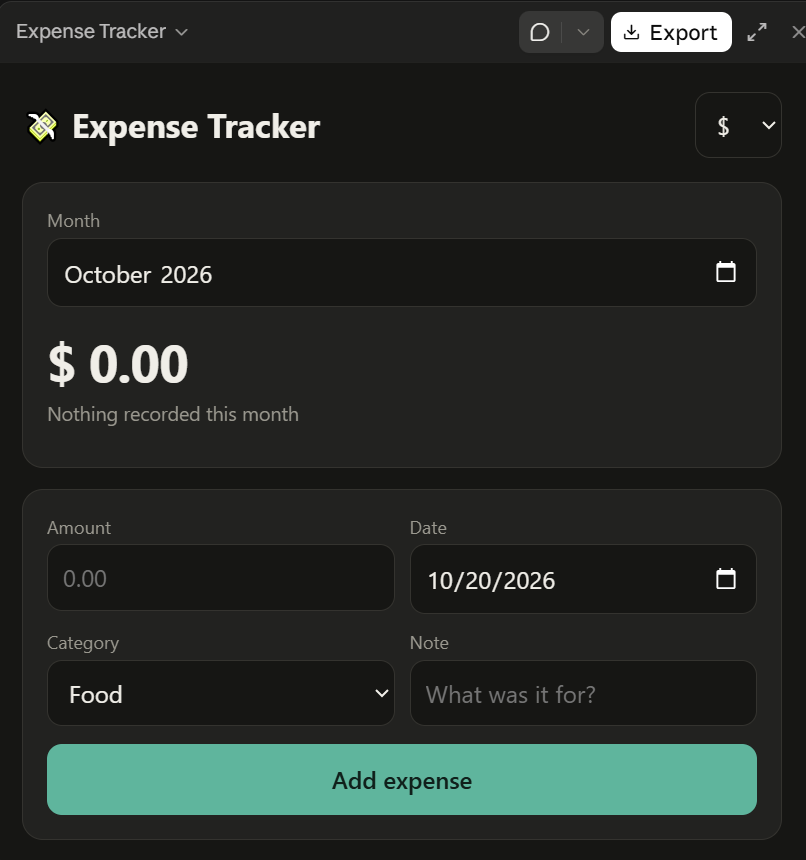
    # Expense Tracker — Record and Categorize Personal Expenses

    Today’s task is to develop an **Expense Tracker application** that helps users record, organize, and monitor their personal expenses in a simple and efficient way. The application will allow users to enter expense details, including the amount, date, description, and category, such as food, transportation, education, shopping, or entertainment. Users will be able to view their recorded transactions, categorize spending, and calculate their total expenses over a selected period. The project can also include features such as editing or deleting entries, filtering expenses by category, and displaying summaries to make spending patterns easier to understand. Through this coding task, I will practice programming concepts such as user input, data storage, functions, calculations, and data organization. This project will demonstrate how technology can support financial awareness, responsible spending, and better everyday money management while strengthening my coding and problem-solving skills.

    #Batch14 #Task149 #ACCL #ExpenseTracker #CodingTask #Programming #AppDevelopment #PersonalFinance #Budgeting #MoneyManagement #DataOrganization #ProblemSolving #DigitalSkills #DailyTask
    👤 **Roll No: 2** 📚 **Batch: 14** 📖 **Book: ACCL** 🎯 **Task No: 149** # 💰 Expense Tracker — Record and Categorize Personal Expenses 📊💻 Today’s task is to develop an **Expense Tracker application** that helps users record, organize, and monitor their personal expenses in a simple and efficient way. 💡 The application will allow users to enter expense details, including the amount, date, description, and category, such as food, transportation, education, shopping, or entertainment. 🛍️ Users will be able to view their recorded transactions, categorize spending, and calculate their total expenses over a selected period. 📈 The project can also include features such as editing or deleting entries, filtering expenses by category, and displaying summaries to make spending patterns easier to understand. Through this coding task, I will practice programming concepts such as user input, data storage, functions, calculations, and data organization. 🚀 This project will demonstrate how technology can support financial awareness, responsible spending, and better everyday money management while strengthening my coding and problem-solving skills. #Batch14 #Task149 #ACCL #ExpenseTracker #CodingTask #Programming #AppDevelopment #PersonalFinance #Budgeting #MoneyManagement #DataOrganization #ProblemSolving #DigitalSkills #DailyTask
    0 Yorumlar 0 hisse senetleri 1712 Views
  • Rsif8
    Roll No 30
    Post NO 226
    # CNN Clone – Functional Web-Based News Website
    **Project Duration:** 3 Days
    **Project Description:**
    The CNN Clone is a functional, web-based news website inspired by CNN. The purpose of this project is to create a news platform where users can explore the latest headlines, browse different news categories, and read full news articles through a clean and user-friendly interface.
    The homepage will feature breaking news, featured stories, headlines, and different news categories such as World, Politics, Business, Technology, Sports, and Entertainment. Users will be able to navigate dynamically between pages and open individual articles to read detailed news content.
    The website will include responsive navigation, interactive links, organized news sections, and a professional layout that works on both desktop and mobile screens.
    After completing the project, the source code will be uploaded to GitHub along with a README file explaining the project, its features, technologies used, and instructions for running the website.
    **Key Features:**
    - Homepage with featured news and headlines.
    - Multiple news categories.
    - Individual article pages with detailed content.
    - Dynamic navigation between pages.
    - Responsive design for desktop and mobile devices.
    - Interactive buttons and links.
    - GitHub repository with a README file.
    **Project Goal:**
    To develop a functional news website that demonstrates web development skills, including page navigation, content organization, responsive design, and GitHub project management.
    **Deliverables:**
    1. A functional, web-based CNN-style news website.
    2. Homepage, category pages, and individual article pages.
    3. Responsive and user-friendly interface.
    4. GitHub repository containing the complete source code.
    5. A README file with project details and setup instructions.
    Rsif8 Roll No 30 Post NO 226 # CNN Clone – Functional Web-Based News Website **Project Duration:** 3 Days **Project Description:** The CNN Clone is a functional, web-based news website inspired by CNN. The purpose of this project is to create a news platform where users can explore the latest headlines, browse different news categories, and read full news articles through a clean and user-friendly interface. The homepage will feature breaking news, featured stories, headlines, and different news categories such as World, Politics, Business, Technology, Sports, and Entertainment. Users will be able to navigate dynamically between pages and open individual articles to read detailed news content. The website will include responsive navigation, interactive links, organized news sections, and a professional layout that works on both desktop and mobile screens. After completing the project, the source code will be uploaded to GitHub along with a README file explaining the project, its features, technologies used, and instructions for running the website. **Key Features:** - Homepage with featured news and headlines. - Multiple news categories. - Individual article pages with detailed content. - Dynamic navigation between pages. - Responsive design for desktop and mobile devices. - Interactive buttons and links. - GitHub repository with a README file. **Project Goal:** To develop a functional news website that demonstrates web development skills, including page navigation, content organization, responsive design, and GitHub project management. **Deliverables:** 1. A functional, web-based CNN-style news website. 2. Homepage, category pages, and individual article pages. 3. Responsive and user-friendly interface. 4. GitHub repository containing the complete source code. 5. A README file with project details and setup instructions.
    0 Yorumlar 0 hisse senetleri 871 Views
  • Story Post

    # Cybersecurity Chronicles: Protecting Information in the Digital Age

    The air in the control room was thick with tension, punctuated only by the hum of cooling fans and the quiet, rhythmic clacking of mechanical keyboards. For Maya, a senior cybersecurity analyst at Apex Sentinel, late-night shifts were usually spent monitoring routine network pings and automated firewall logs.

    Tonight was different.

    At 2:17 AM, a single red alert flashed across her secondary monitor: **`UNAUTHORIZED ACCESS ATTEMPT – SECTOR 4 DATABASE`**.

    ---

    ## Chapter 1: The Invisible Intruder

    Sector 4 housed the core sensitive data for millions of users—encrypted identifiers, access keys, and proprietary algorithms. Maya leaned in, her eyes scanning the incoming data packets. This was no low-level script kiddie trying a basic brute-force attack. The intruder was moving with surgical precision, exploiting an unpatched zero-day vulnerability in a legacy microservice.

    > *"They're not just trying to break in,"* Maya whispered to her teammate, Leo, sitting at the adjacent console. *"They already have internal credentials. It’s a spear-phishing compromise."*

    The threat actor—known in threat intelligence circles as **ShadowByte**—had spent weeks laying the groundwork. A spoofed executive email, a single clicked link on a rogue landing page, and a compromised credential was all it took to bypass traditional perimeter defenses.

    ---

    ## Chapter 2: The Digital Countermeasure

    Every second mattered. A full breach could result in millions of compromised records, massive regulatory fines, and shattered public trust.

    Maya executed Apex Sentinel’s incident response protocol:

    1. **Isolation:** She immediately severed Sector 4's outward-facing network connections, routing traffic into a isolated honeypot to monitor the attacker's movements.
    2. **Credential Revocation:** Leo forced a company-wide token refresh, revoking all active sessions associated with the compromised user account.
    3. **Patch Deployment:** Working rapidly, the engineering team deployed an emergency hotfix to patch the exploited vulnerability across all microservices.

    ```text
    [SYSTEM ACTION] Isolating Sector 4... SUCCESS
    [SYSTEM ACTION] Revoking Active Tokens... SUCCESS
    [SYSTEM ACTION] Hotfix v4.12.9 Deployed. Threat Contained.

    ```

    By 3:45 AM, the malicious traffic ceased. The breach was neutralized before a single byte of customer data left the server.

    ---

    ## Chapter 3: Lessons from the Frontlines

    The attack was a stark reminder that in the digital age, **security is not a static destination—it is a continuous practice.**

    Technology alone is never enough; humans remain both the most vulnerable link and the strongest line of defense in cybersecurity.

    | Threat Vectors | Modern Safeguards |
    | --- | --- |
    | **Spear-Phishing & Social Engineering** | Security awareness training & Phishing simulations |
    | **Stolen Credentials** | Multi-Factor Authentication (MFA) & Zero Trust Access |
    | **Zero-Day Vulnerabilities** | Automated patch management & Intrusion Detection Systems (IDS) |
    | **Data Exfiltration** | End-to-end encryption & Data Loss Prevention (DLP) tools |

    ---

    ## The Takeaway: Building a Culture of Security

    As the sun began to rise over the city, Maya stepped out of the building into the cool morning air. The digital battleground is silent, invisible to the millions of people going about their day, trusting that their information is safe.

    Protecting data in the modern world requires vigilance at every level:

    * **For Individuals:** Use strong, unique passwords combined with dynamic MFA, and remain skeptical of unexpected emails or requests for information.
    * **For Organizations:** Adopt a **Zero Trust architecture** ("Never trust, always verify"), keep infrastructure patched, and empower employees with security education.

    In the digital age, our information is our currency. Safeguarding it isn't just the job of analysts like Maya—it’s a collective responsibility we all share.

    ---

    *How does your team or organization stay ahead of evolving cyber threats? What security practices do you rely on daily?*
    Story Post # Cybersecurity Chronicles: Protecting Information in the Digital Age The air in the control room was thick with tension, punctuated only by the hum of cooling fans and the quiet, rhythmic clacking of mechanical keyboards. For Maya, a senior cybersecurity analyst at Apex Sentinel, late-night shifts were usually spent monitoring routine network pings and automated firewall logs. Tonight was different. At 2:17 AM, a single red alert flashed across her secondary monitor: **`UNAUTHORIZED ACCESS ATTEMPT – SECTOR 4 DATABASE`**. --- ## Chapter 1: The Invisible Intruder Sector 4 housed the core sensitive data for millions of users—encrypted identifiers, access keys, and proprietary algorithms. Maya leaned in, her eyes scanning the incoming data packets. This was no low-level script kiddie trying a basic brute-force attack. The intruder was moving with surgical precision, exploiting an unpatched zero-day vulnerability in a legacy microservice. > *"They're not just trying to break in,"* Maya whispered to her teammate, Leo, sitting at the adjacent console. *"They already have internal credentials. It’s a spear-phishing compromise."* The threat actor—known in threat intelligence circles as **ShadowByte**—had spent weeks laying the groundwork. A spoofed executive email, a single clicked link on a rogue landing page, and a compromised credential was all it took to bypass traditional perimeter defenses. --- ## Chapter 2: The Digital Countermeasure Every second mattered. A full breach could result in millions of compromised records, massive regulatory fines, and shattered public trust. Maya executed Apex Sentinel’s incident response protocol: 1. **Isolation:** She immediately severed Sector 4's outward-facing network connections, routing traffic into a isolated honeypot to monitor the attacker's movements. 2. **Credential Revocation:** Leo forced a company-wide token refresh, revoking all active sessions associated with the compromised user account. 3. **Patch Deployment:** Working rapidly, the engineering team deployed an emergency hotfix to patch the exploited vulnerability across all microservices. ```text [SYSTEM ACTION] Isolating Sector 4... SUCCESS [SYSTEM ACTION] Revoking Active Tokens... SUCCESS [SYSTEM ACTION] Hotfix v4.12.9 Deployed. Threat Contained. ``` By 3:45 AM, the malicious traffic ceased. The breach was neutralized before a single byte of customer data left the server. --- ## Chapter 3: Lessons from the Frontlines The attack was a stark reminder that in the digital age, **security is not a static destination—it is a continuous practice.** Technology alone is never enough; humans remain both the most vulnerable link and the strongest line of defense in cybersecurity. | Threat Vectors | Modern Safeguards | | --- | --- | | **Spear-Phishing & Social Engineering** | Security awareness training & Phishing simulations | | **Stolen Credentials** | Multi-Factor Authentication (MFA) & Zero Trust Access | | **Zero-Day Vulnerabilities** | Automated patch management & Intrusion Detection Systems (IDS) | | **Data Exfiltration** | End-to-end encryption & Data Loss Prevention (DLP) tools | --- ## The Takeaway: Building a Culture of Security As the sun began to rise over the city, Maya stepped out of the building into the cool morning air. The digital battleground is silent, invisible to the millions of people going about their day, trusting that their information is safe. Protecting data in the modern world requires vigilance at every level: * **For Individuals:** Use strong, unique passwords combined with dynamic MFA, and remain skeptical of unexpected emails or requests for information. * **For Organizations:** Adopt a **Zero Trust architecture** ("Never trust, always verify"), keep infrastructure patched, and empower employees with security education. In the digital age, our information is our currency. Safeguarding it isn't just the job of analysts like Maya—it’s a collective responsibility we all share. --- *How does your team or organization stay ahead of evolving cyber threats? What security practices do you rely on daily?*
    0 Yorumlar 0 hisse senetleri 2058 Views
  • RSIF8
    Task NO:41

    The Mystery of Life: Exploring the World of Cells

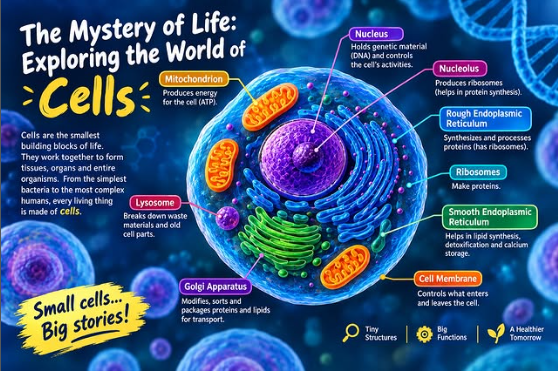
    Cells are the fundamental building blocks of life, and understanding them helps us understand how living organisms grow, function, develop, and survive. From tiny microorganisms to plants, animals, and humans, every living organism is made up of cells. Although cells are incredibly small, they contain many fascinating structures that work together like a well-organized system.

    In this learning task, I explored the amazing world of cells and learned about different cell organelles and their important functions. The nucleus contains genetic material and helps control the activities of the cell, while the nucleolus plays an important role in producing ribosomes. The mitochondria are responsible for producing energy that the cell needs to perform its activities. I also learned about the rough and smooth endoplasmic reticulum, which are involved in processes such as protein production, lipid synthesis, and other cellular functions.

    Another interesting part of the cell is the Golgi apparatus, which modifies, sorts, and packages proteins and other materials for transport. Ribosomes help make proteins, while lysosomes help break down waste materials and unwanted cell components. The cell membrane surrounds the cell and controls what enters and leaves it. Learning about these structures made me realize that even the smallest parts of life have specific jobs and work together to keep the cell functioning properly.

    This topic also helped me understand how complex life can exist at a microscopic level. A cell may look tiny and simple from the outside, but inside it is a busy world filled with structures, chemical reactions, energy production, information, and continuous activity. Studying cells gives us a foundation for learning more advanced topics such as genetics, DNA, human biology, diseases, medicine, and biotechnology.

    Through this task, I improved my knowledge of biology and developed a greater appreciation for the incredible organization found in living things. It also reminded me that science is all about asking questions, exploring mysteries, observing carefully, and discovering
    RSIF8 Task NO:41 🔬🧬 The Mystery of Life: Exploring the World of Cells 🧬🔬 Cells are the fundamental building blocks of life, and understanding them helps us understand how living organisms grow, function, develop, and survive. From tiny microorganisms to plants, animals, and humans, every living organism is made up of cells. Although cells are incredibly small, they contain many fascinating structures that work together like a well-organized system. In this learning task, I explored the amazing world of cells and learned about different cell organelles and their important functions. The nucleus contains genetic material and helps control the activities of the cell, while the nucleolus plays an important role in producing ribosomes. The mitochondria are responsible for producing energy that the cell needs to perform its activities. I also learned about the rough and smooth endoplasmic reticulum, which are involved in processes such as protein production, lipid synthesis, and other cellular functions. Another interesting part of the cell is the Golgi apparatus, which modifies, sorts, and packages proteins and other materials for transport. Ribosomes help make proteins, while lysosomes help break down waste materials and unwanted cell components. The cell membrane surrounds the cell and controls what enters and leaves it. Learning about these structures made me realize that even the smallest parts of life have specific jobs and work together to keep the cell functioning properly. This topic also helped me understand how complex life can exist at a microscopic level. A cell may look tiny and simple from the outside, but inside it is a busy world filled with structures, chemical reactions, energy production, information, and continuous activity. Studying cells gives us a foundation for learning more advanced topics such as genetics, DNA, human biology, diseases, medicine, and biotechnology. Through this task, I improved my knowledge of biology and developed a greater appreciation for the incredible organization found in living things. It also reminded me that science is all about asking questions, exploring mysteries, observing carefully, and discovering
    0 Yorumlar 0 hisse senetleri 1637 Views
  • **Roll No: 2**
    **Batch: 14**
    **Book: ACCL**
    **Task No: 130**

    # Peering Inside: The Role of Dissections in Understanding Life

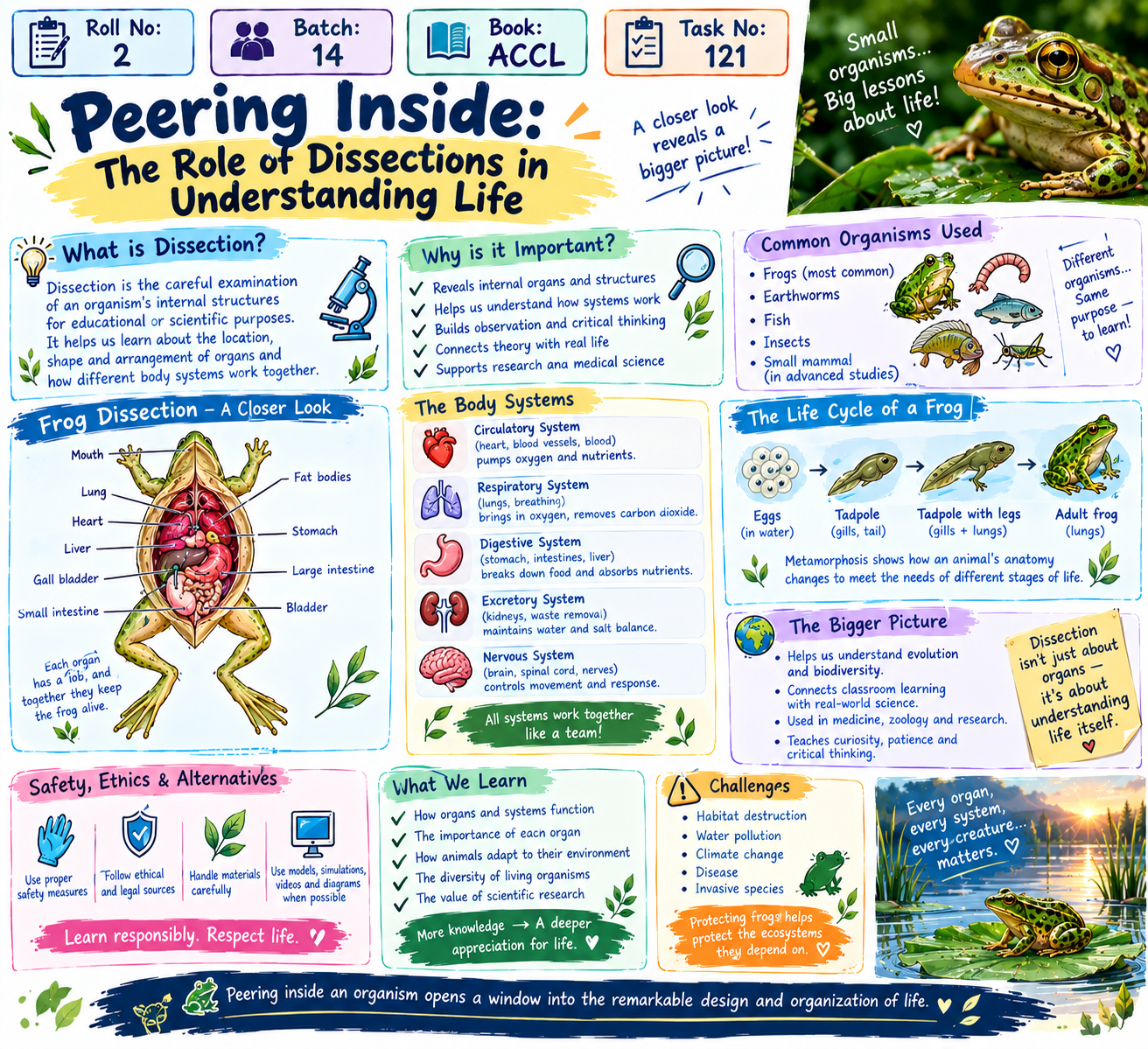
    Have you ever wondered how scientists discover what lies inside a living organism and how its different organs work together? The human body and the bodies of other animals contain many complex structures that cannot be fully understood by looking only at their outer appearance. Dissection is one scientific method that helps students and researchers explore internal anatomy and understand the remarkable organization of life.

    **Dissection is the careful examination of an organism's internal structures for educational or scientific purposes.** It helps us learn about the location, shape, and arrangement of organs and how different body systems work together. By studying anatomy, we can better understand how living organisms obtain energy, breathe, circulate blood, digest food, and respond to their surroundings.

    One commonly discussed example in biology education is frog dissection. Frogs are interesting study organisms because they have many organ systems that can be compared with those of other vertebrates. Their bodies are adapted for movement on land and in water, and their anatomy provides useful opportunities to study how organs perform different functions. Observing frog anatomy can help students understand the relationship between body structure and survival.

    The circulatory system is an important area of anatomical study. The heart pumps blood through blood vessels, helping transport oxygen, nutrients, and other substances around the body. The respiratory system supports gas exchange, while the digestive system breaks down food so that the body can absorb useful nutrients. These systems work together to supply cells with the materials and energy they need.

    The nervous system is equally fascinating. It includes the brain, spinal cord, and nerves, which coordinate movement, process information, and help organisms respond to changes in their environments. The excretory system also plays an essential role by removing waste products and maintaining the balance of water and salts. Studying these systems reveals that every organ has a specific role, yet no organ works entirely alone.

    Dissection can also connect classroom learning with real-world science. Medical professionals study anatomy to understand the human body, while zoologists investigate the structures of different animal species. Researchers use many methods, including imaging, microscopy, computer models, and carefully conducted anatomical studies, to investigate how organisms function. These approaches have helped expand our knowledge of health, development, and biodiversity.

    Although dissection can be a valuable learning method, science education must also emphasize responsibility and respect for life. Schools and laboratories should follow appropriate safety procedures, use legally and ethically sourced specimens, and handle materials carefully. Whenever possible, students may also learn through digital simulations, anatomical models, videos, and diagrams. These alternatives can explain many internal structures without requiring the use of preserved specimens.

    The study of anatomy helps us appreciate the diversity of living organisms. Different species have different body structures because they have adapted to different environments and ways of life. Comparing these structures allows scientists to investigate evolution, understand biological similarities, and discover how organisms meet the challenges of survival.

    Dissection teaches more than the names of organs. It encourages observation, patience, careful reasoning, and the ability to connect scientific evidence with biological explanations. It also reminds us that scientific knowledge grows through asking questions, examining evidence, and learning from reliable methods rather than making assumptions.

    **Peering inside an organism opens a window into the remarkable design and organization of life. By studying anatomy responsibly, we deepen our understanding of biology, appreciate the connections between body systems, and learn why every discovery should be guided by curiosity, care, and respect for the natural world. **

    \#Dissection #Anatomy #Biology #ScienceEducation #AnimalScience #LearningThroughScience #ACCL #Batch14 #Task121
    **Roll No: 2** **Batch: 14** **Book: ACCL** **Task No: 130** # 🔬🧬 Peering Inside: The Role of Dissections in Understanding Life 🐸🌿 Have you ever wondered how scientists discover what lies inside a living organism and how its different organs work together? 🔍🫀 The human body and the bodies of other animals contain many complex structures that cannot be fully understood by looking only at their outer appearance. Dissection is one scientific method that helps students and researchers explore internal anatomy and understand the remarkable organization of life. 🌍✨ **Dissection is the careful examination of an organism's internal structures for educational or scientific purposes.** 🔬 It helps us learn about the location, shape, and arrangement of organs and how different body systems work together. By studying anatomy, we can better understand how living organisms obtain energy, breathe, circulate blood, digest food, and respond to their surroundings. 📚🧠 One commonly discussed example in biology education is frog dissection. 🐸 Frogs are interesting study organisms because they have many organ systems that can be compared with those of other vertebrates. Their bodies are adapted for movement on land and in water, and their anatomy provides useful opportunities to study how organs perform different functions. Observing frog anatomy can help students understand the relationship between body structure and survival. The circulatory system is an important area of anatomical study. ❤️ The heart pumps blood through blood vessels, helping transport oxygen, nutrients, and other substances around the body. The respiratory system supports gas exchange, while the digestive system breaks down food so that the body can absorb useful nutrients. These systems work together to supply cells with the materials and energy they need. ⚡🫁 The nervous system is equally fascinating. 🧠 It includes the brain, spinal cord, and nerves, which coordinate movement, process information, and help organisms respond to changes in their environments. The excretory system also plays an essential role by removing waste products and maintaining the balance of water and salts. Studying these systems reveals that every organ has a specific role, yet no organ works entirely alone. Dissection can also connect classroom learning with real-world science. 🏥 Medical professionals study anatomy to understand the human body, while zoologists investigate the structures of different animal species. Researchers use many methods, including imaging, microscopy, computer models, and carefully conducted anatomical studies, to investigate how organisms function. These approaches have helped expand our knowledge of health, development, and biodiversity. 🔬📖 Although dissection can be a valuable learning method, science education must also emphasize responsibility and respect for life. 💚 Schools and laboratories should follow appropriate safety procedures, use legally and ethically sourced specimens, and handle materials carefully. Whenever possible, students may also learn through digital simulations, anatomical models, videos, and diagrams. These alternatives can explain many internal structures without requiring the use of preserved specimens. The study of anatomy helps us appreciate the diversity of living organisms. 🐸🐟🐦 Different species have different body structures because they have adapted to different environments and ways of life. Comparing these structures allows scientists to investigate evolution, understand biological similarities, and discover how organisms meet the challenges of survival. Dissection teaches more than the names of organs. It encourages observation, patience, careful reasoning, and the ability to connect scientific evidence with biological explanations. 🧪💡 It also reminds us that scientific knowledge grows through asking questions, examining evidence, and learning from reliable methods rather than making assumptions. **Peering inside an organism opens a window into the remarkable design and organization of life. By studying anatomy responsibly, we deepen our understanding of biology, appreciate the connections between body systems, and learn why every discovery should be guided by curiosity, care, and respect for the natural world. 🔬🌿🌎** \#Dissection #Anatomy #Biology #ScienceEducation #AnimalScience #LearningThroughScience #ACCL #Batch14 #Task121 🧬🔬💚

    0 Yorumlar 0 hisse senetleri 2128 Views
Arama Sonuçları