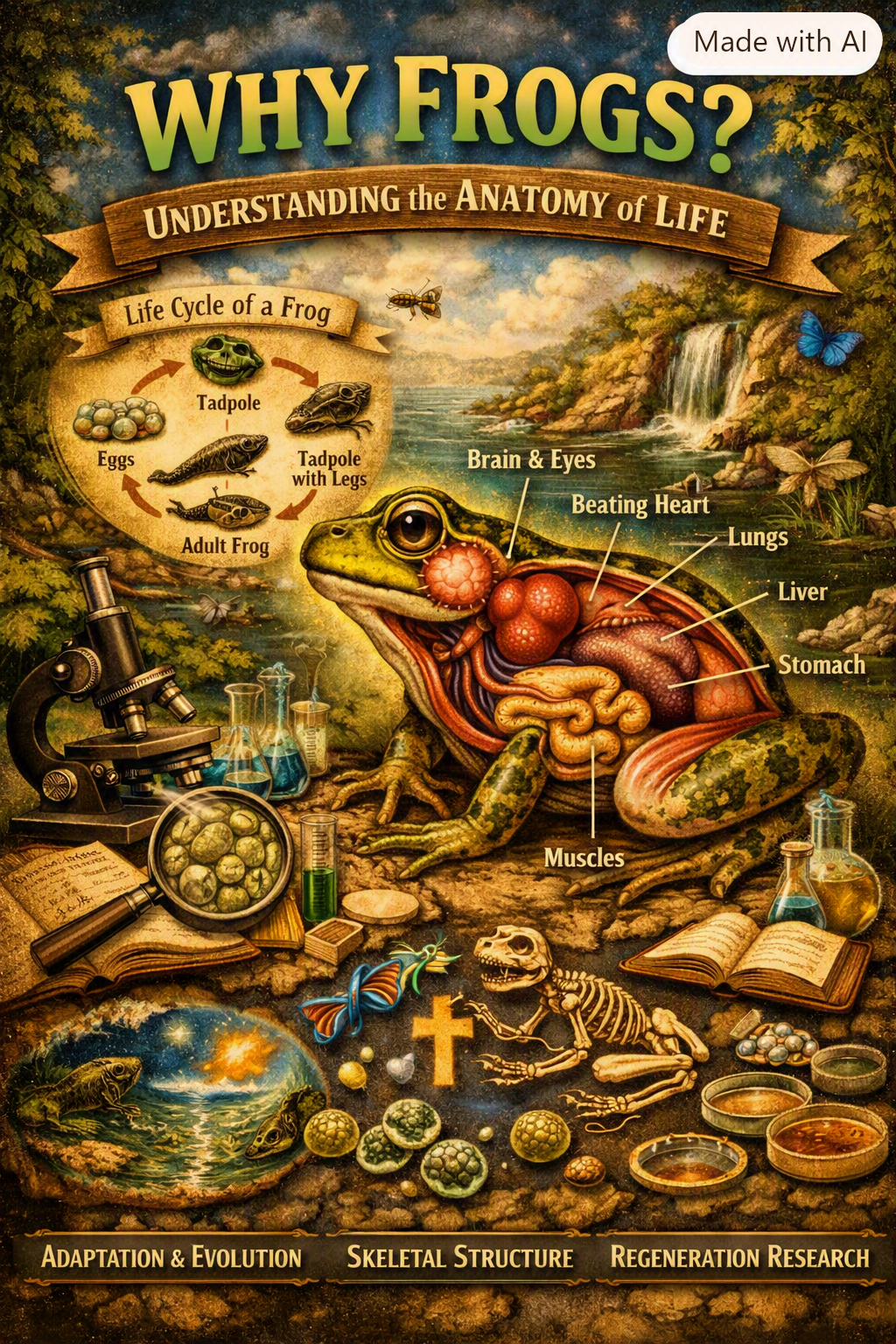
• #rsisb
    Roll no 248
    Foundation level
    song no 9
    **Chemical Reactions: The Engine of Life**

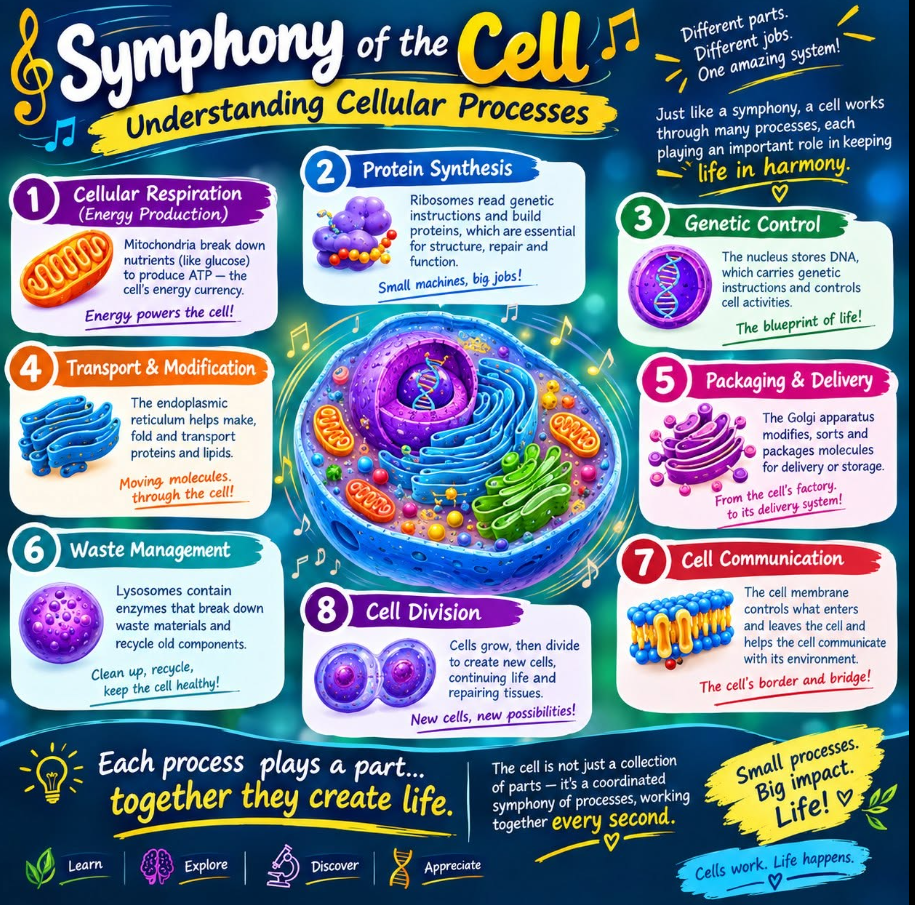
    Chemical reactions are happening around us every moment! From the food we eat to the energy our bodies use , reactions help make life possible. Photosynthesis , respiration , digestion , and many other processes depend on chemical changes.

    In this topic, we explore how atoms rearrange to create new substances and how these reactions support life on Earth . Understanding chemical reactions helps us discover the amazing science working inside our bodies and throughout nature!

    #ChemicalReactions #EngineOfLife #Science #Chemistry #Biology #Photosynthesis #Respiration #Learning #ScienceEducation #StudentLife
    #rsisb Roll no 248 Foundation level song no 9 🧪⚡ **Chemical Reactions: The Engine of Life** 🌱🔬 Chemical reactions are happening around us every moment! From the food we eat 🍎 to the energy our bodies use ⚡, reactions help make life possible. Photosynthesis 🌿☀️, respiration 🫁, digestion 🍽️, and many other processes depend on chemical changes. In this topic, we explore how atoms rearrange to create new substances and how these reactions support life on Earth 🌍✨. Understanding chemical reactions helps us discover the amazing science working inside our bodies and throughout nature! 🧬🔬 #ChemicalReactions 🧪 #EngineOfLife ⚡ #Science 🔬 #Chemistry 🧬 #Biology 🌱 #Photosynthesis ☀️ #Respiration 🫁 #Learning 📚 #ScienceEducation 🎓 #StudentLife 🌟
    0 Comentários 0 Compartilhamentos 477 Visualizações 3
  • #rsisb
    Roll No.240
    Story No.13
    Foundation Level

    # The Earth's Chemistry: Connecting Biology and Chemistry

    The Earth is a remarkable system where biology and chemistry work together to sustain life. Every living organism depends on chemical elements and reactions to grow, reproduce, and survive. From the oxygen we breathe and the water we drink to the nutrients in the soil, Earth's natural cycles are driven by the close relationship between biological processes and chemical transformations. Photosynthesis, respiration, decomposition, and nutrient cycling all demonstrate how life and chemistry are deeply interconnected.

    Chemistry explains the composition of air, water, rocks, and living cells, while biology reveals how organisms use these substances to carry out life's essential functions. Carbon, hydrogen, oxygen, nitrogen, phosphorus, and sulfur are the building blocks of life, constantly moving through Earth's atmosphere, oceans, soil, and ecosystems. Understanding this connection helps us appreciate the delicate balance that supports biodiversity, regulates climate, and maintains healthy environments.

    Exploring Earth's chemistry allows us to understand environmental challenges such as pollution, climate change, soil degradation, and water quality. By combining the principles of biology and chemistry, scientists develop innovative solutions for conserving ecosystems, improving agriculture, protecting natural resources, and creating a more sustainable future. Discover how these two fascinating sciences unite to explain the incredible processes that make our planet a thriving home for life.

    Rehan School Islamabad Campus
    Asma Shaheen EducationWali
    Irum Asim
    Saima Happinesswali
    #rsisb Roll No.240 Story No.13 Foundation Level # The Earth's Chemistry: Connecting Biology and Chemistry The Earth is a remarkable system where biology and chemistry work together to sustain life. Every living organism depends on chemical elements and reactions to grow, reproduce, and survive. From the oxygen we breathe and the water we drink to the nutrients in the soil, Earth's natural cycles are driven by the close relationship between biological processes and chemical transformations. Photosynthesis, respiration, decomposition, and nutrient cycling all demonstrate how life and chemistry are deeply interconnected. Chemistry explains the composition of air, water, rocks, and living cells, while biology reveals how organisms use these substances to carry out life's essential functions. Carbon, hydrogen, oxygen, nitrogen, phosphorus, and sulfur are the building blocks of life, constantly moving through Earth's atmosphere, oceans, soil, and ecosystems. Understanding this connection helps us appreciate the delicate balance that supports biodiversity, regulates climate, and maintains healthy environments. Exploring Earth's chemistry allows us to understand environmental challenges such as pollution, climate change, soil degradation, and water quality. By combining the principles of biology and chemistry, scientists develop innovative solutions for conserving ecosystems, improving agriculture, protecting natural resources, and creating a more sustainable future. Discover how these two fascinating sciences unite to explain the incredible processes that make our planet a thriving home for life. Rehan School Islamabad Campus Asma Shaheen EducationWali Irum Asim Saima Happinesswali
    0 Comentários 0 Compartilhamentos 1742 Visualizações
  • #rsisb
    Roll no.239
    Foundation Level

    Earth is a remarkable system where **chemistry and biology work together** to support life. From the air we breathe and the water we drink to the food we eat, chemical substances and reactions are constantly shaping the living world.

    genui{"chemistry_atoms_molecules_matter":{"type_id":"ATOMIC_COMPOSITION"}}

    Chemistry helps us understand the elements and molecules that make up living organisms, while biology explains how these substances interact within cells and ecosystems. **Carbon, oxygen, hydrogen, nitrogen, phosphorus, and sulfur** are especially important because they form many of the molecules essential for life.

    Processes such as **photosynthesis, respiration, decomposition, and nutrient cycling** demonstrate the close relationship between chemistry and biology. Understanding this connection helps us explore Earth's ecosystems, environmental changes, and the chemistry that makes life possible.

    **Chemistry explains the substances; biology shows how life uses them. Together, they reveal the amazing science of our planet.**
    #rsisb Roll no.239 Foundation Level Earth is a remarkable system where **chemistry and biology work together** to support life. From the air we breathe and the water we drink to the food we eat, chemical substances and reactions are constantly shaping the living world. genui{"chemistry_atoms_molecules_matter":{"type_id":"ATOMIC_COMPOSITION"}} Chemistry helps us understand the elements and molecules that make up living organisms, while biology explains how these substances interact within cells and ecosystems. **Carbon, oxygen, hydrogen, nitrogen, phosphorus, and sulfur** are especially important because they form many of the molecules essential for life. Processes such as **photosynthesis, respiration, decomposition, and nutrient cycling** demonstrate the close relationship between chemistry and biology. Understanding this connection helps us explore Earth's ecosystems, environmental changes, and the chemistry that makes life possible. **Chemistry explains the substances; biology shows how life uses them. Together, they reveal the amazing science of our planet.** 🌍🧪🌱
    0 Comentários 0 Compartilhamentos 1139 Visualizações
  • #rsisb
    Roll No. 183
    Image With Chatgpt No. 22
    Foundation Level

    **Did You Know?**

    The **Amazon Rainforest** is often called the **"Lungs of the Earth"** because it plays a vital role in our planet's ecosystem. While a popular claim says it produces **20% of the Earth's oxygen**, the reality is more nuanced—although the Amazon generates a great deal of oxygen through photosynthesis, it also uses much of that oxygen through the respiration of plants and other living organisms. Even so, it remains one of the world's most important ecosystems, helping regulate climate, store vast amounts of carbon, and provide a home for millions of plant and animal species.

    Protecting the Amazon means protecting biodiversity, supporting Indigenous communities, and helping maintain a healthier planet for future generations. Every small action we take to care for nature makes a difference. Let's spread awareness and inspire others to value and protect our forests!

    **Nature is our greatest treasure—let's protect it together!**

    #AmazonRainforest #DidYouKnow #NatureFacts #SaveTheAmazon #ProtectNature #ClimateAction #GoGreen #Earth #Environment #Rainforest #Wildlife #Biodiversity #Sustainability #EcoFriendly #NatureLovers #PlanetEarth #GreenFuture #Forest #Conservation #LearnSomethingNew

    Malik Lehrasib Awan
    Irum Asim

    #rsisb Roll No. 183 Image With Chatgpt No. 22 Foundation Level 🌿🌎 **Did You Know?** 🌎🌿 The **Amazon Rainforest** is often called the **"Lungs of the Earth"** because it plays a vital role in our planet's ecosystem. 🌳💚 While a popular claim says it produces **20% of the Earth's oxygen**, the reality is more nuanced—although the Amazon generates a great deal of oxygen through photosynthesis, it also uses much of that oxygen through the respiration of plants and other living organisms. 🌱🍃 Even so, it remains one of the world's most important ecosystems, helping regulate climate, store vast amounts of carbon, and provide a home for millions of plant and animal species. 🦜🐒🌺 Protecting the Amazon means protecting biodiversity, supporting Indigenous communities, and helping maintain a healthier planet for future generations. Every small action we take to care for nature makes a difference. 🌍💙 Let's spread awareness and inspire others to value and protect our forests! 🌿✨ 💚 **Nature is our greatest treasure—let's protect it together!** 🌎🌱 #AmazonRainforest #DidYouKnow #NatureFacts #SaveTheAmazon #ProtectNature #ClimateAction #GoGreen #Earth #Environment #Rainforest #Wildlife #Biodiversity #Sustainability #EcoFriendly #NatureLovers #PlanetEarth #GreenFuture #Forest #Conservation #LearnSomethingNew 🌿🌎🍃💚✨ Malik Lehrasib Awan Irum Asim
    0 Comentários 0 Compartilhamentos 7063 Visualizações
  • An average human releases carbon dioxide (CO₂) through breathing, food consumption, transportation, and other daily activities. Here’s a breakdown:

    1. Carbon from Breathing
    • Humans exhale about 1 kg (2.3 lbs) of CO₂ per day just from respiration.

    2. Carbon from Food Consumption
    • The carbon footprint of an average diet varies by food type:
    • Meat-heavy diet: ~5–7 kg CO₂ per day
    • Vegetarian diet: ~3–4 kg CO₂ per day
    • Vegan diet: ~2–3 kg CO₂ per day

    3. Carbon from Transportation
    • A car ride (petrol/diesel) emits ~200 g CO₂ per km.
    • A flight emits ~100–250 g CO₂ per km per passenger.

    4. Carbon from Energy Usage
    • The average global carbon footprint is ~15 kg CO₂ per day per person.
    • This includes electricity, heating, manufacturing, and goods consumption.

    Total Estimated Carbon Emissions per Day

    Activity Estimated CO₂ (kg/day)
    Breathing 1
    Food 2–7
    Transport 2–10+ (varies)
    Energy & Goods 5–20+
    Total 10–40+ kg

    Key Takeaways
    • A person’s daily carbon footprint ranges from 10 kg (low impact) to over 40 kg (high impact).
    • People in developed countries tend to have higher carbon footprints due to energy use, transportation, and diet.
    • Lifestyle changes like reducing meat consumption, using public transport, and switching to renewable energy can significantly lower emissions.

    Would you like recommendations on reducing your carbon footprint?
    An average human releases carbon dioxide (CO₂) through breathing, food consumption, transportation, and other daily activities. Here’s a breakdown: 1. Carbon from Breathing • Humans exhale about 1 kg (2.3 lbs) of CO₂ per day just from respiration. 2. Carbon from Food Consumption • The carbon footprint of an average diet varies by food type: • Meat-heavy diet: ~5–7 kg CO₂ per day • Vegetarian diet: ~3–4 kg CO₂ per day • Vegan diet: ~2–3 kg CO₂ per day 3. Carbon from Transportation • A car ride (petrol/diesel) emits ~200 g CO₂ per km. • A flight emits ~100–250 g CO₂ per km per passenger. 4. Carbon from Energy Usage • The average global carbon footprint is ~15 kg CO₂ per day per person. • This includes electricity, heating, manufacturing, and goods consumption. Total Estimated Carbon Emissions per Day Activity Estimated CO₂ (kg/day) Breathing 1 Food 2–7 Transport 2–10+ (varies) Energy & Goods 5–20+ Total 10–40+ kg Key Takeaways • A person’s daily carbon footprint ranges from 10 kg (low impact) to over 40 kg (high impact). • People in developed countries tend to have higher carbon footprints due to energy use, transportation, and diet. • Lifestyle changes like reducing meat consumption, using public transport, and switching to renewable energy can significantly lower emissions. Would you like recommendations on reducing your carbon footprint?
    0 Comentários 0 Compartilhamentos 202 Visualizações
  • Breathing with Skin

    Cutaneous Respiration in Frogs

    Introduction

    Frogs are remarkable amphibians that can live both in water and on land. To survive in these two environments, they have developed more than one way to breathe. They can use their lungs, mouth lining, and skin for respiration. Among these, cutaneous respiration, or skin breathing, is one of the most fascinating and vital processes that allow frogs to survive even when their lungs are inactive.


    Meaning of Cutaneous Respiration

    The word cutaneous comes from the Latin cutis, meaning skin. Thus, cutaneous respiration means the exchange of respiratory gases (oxygen and carbon dioxide) through the skin. This process allows frogs to take in oxygen directly from the surrounding environment and release carbon dioxide without using their lungs.


    Structure of Frog’s Skin

    The frog’s skin is perfectly designed for this type of respiration. It has three key features:
    1. Thin and permeable: The skin is very thin, which allows gases to diffuse easily.
    2. Moist surface: Mucus glands keep the skin moist at all times. Moisture helps dissolve oxygen, making it easier to pass through the skin.
    3. Rich blood supply: Beneath the skin lies a dense network of blood capillaries that carry oxygen to all parts of the body and remove carbon dioxide.

    If the frog’s skin becomes dry, this process stops. That is why frogs always stay close to moist areas such as ponds, lakes, or under wet leaves.


    The Process of Cutaneous Breathing

    The process of cutaneous respiration depends on diffusion, a natural movement of gases from higher concentration to lower concentration areas.
    1. Oxygen Intake:
    • In the surrounding air or water, oxygen is present in higher concentration than in the frog’s blood.
    • Oxygen dissolves in the moisture on the frog’s skin and diffuses through it into the tiny blood capillaries.
    • From there, it is carried by blood to all the cells of the body.
    2. Carbon Dioxide Release:
    • Inside the body, cells constantly produce carbon dioxide during energy release (cellular respiration).
    • The concentration of carbon dioxide in the blood becomes higher than in the environment.
    • This gas then diffuses out through the skin and escapes into the air or water.

    This exchange of gases continues silently and efficiently as long as the frog’s skin remains moist.


    When Frogs Use Cutaneous Respiration

    Frogs use different respiratory systems at different times:
    • On land (active): They mainly use lungs.
    • Underwater (resting or hibernating): They rely almost entirely on skin respiration.
    For example, during winter hibernation, frogs stay buried under mud or water, where they cannot use their lungs. Cutaneous breathing keeps them alive by providing oxygen and removing waste gases slowly and continuously.


    Relation to Energy Production

    Cutaneous respiration does not produce energy by itself. Instead, it provides oxygen, which is essential for cellular respiration — the process by which cells release energy from food.

    The basic equation for cellular respiration is:
    \text{Glucose (from food)} + \text{Oxygen (from breathing)} \rightarrow \text{Carbon dioxide} + \text{Water} + \text{Energy (ATP)}
    Thus, the oxygen absorbed through the skin helps the frog’s cells “burn” the food molecules (like glucose) and release energy needed for survival, movement, and growth.


    Importance of Cutaneous Respiration
    1. Survival under water: Enables frogs to live underwater for long periods.
    2. Backup system: Works when lungs cannot, such as during hibernation.
    3. Adaptation for dual life: Helps frogs thrive both in aquatic and terrestrial environments.


    Conclusion

    Cutaneous respiration in frogs is a wonderful example of biological adaptation. By developing the ability to breathe through their skin, frogs have mastered life both on land and in water. Although this method does not directly produce energy, it supplies the oxygen necessary for the internal energy-producing process — cellular respiration. Without it, frogs could not survive long underwater or during hibernation. Nature’s design of moist, thin, and richly vascular skin makes this process possible and highlights the delicate harmony between structure and function in living organisms.
    Breathing with Skin Cutaneous Respiration in Frogs Introduction Frogs are remarkable amphibians that can live both in water and on land. To survive in these two environments, they have developed more than one way to breathe. They can use their lungs, mouth lining, and skin for respiration. Among these, cutaneous respiration, or skin breathing, is one of the most fascinating and vital processes that allow frogs to survive even when their lungs are inactive. ⸻ Meaning of Cutaneous Respiration The word cutaneous comes from the Latin cutis, meaning skin. Thus, cutaneous respiration means the exchange of respiratory gases (oxygen and carbon dioxide) through the skin. This process allows frogs to take in oxygen directly from the surrounding environment and release carbon dioxide without using their lungs. ⸻ Structure of Frog’s Skin The frog’s skin is perfectly designed for this type of respiration. It has three key features: 1. Thin and permeable: The skin is very thin, which allows gases to diffuse easily. 2. Moist surface: Mucus glands keep the skin moist at all times. Moisture helps dissolve oxygen, making it easier to pass through the skin. 3. Rich blood supply: Beneath the skin lies a dense network of blood capillaries that carry oxygen to all parts of the body and remove carbon dioxide. If the frog’s skin becomes dry, this process stops. That is why frogs always stay close to moist areas such as ponds, lakes, or under wet leaves. ⸻ The Process of Cutaneous Breathing The process of cutaneous respiration depends on diffusion, a natural movement of gases from higher concentration to lower concentration areas. 1. Oxygen Intake: • In the surrounding air or water, oxygen is present in higher concentration than in the frog’s blood. • Oxygen dissolves in the moisture on the frog’s skin and diffuses through it into the tiny blood capillaries. • From there, it is carried by blood to all the cells of the body. 2. Carbon Dioxide Release: • Inside the body, cells constantly produce carbon dioxide during energy release (cellular respiration). • The concentration of carbon dioxide in the blood becomes higher than in the environment. • This gas then diffuses out through the skin and escapes into the air or water. This exchange of gases continues silently and efficiently as long as the frog’s skin remains moist. ⸻ When Frogs Use Cutaneous Respiration Frogs use different respiratory systems at different times: • On land (active): They mainly use lungs. • Underwater (resting or hibernating): They rely almost entirely on skin respiration. For example, during winter hibernation, frogs stay buried under mud or water, where they cannot use their lungs. Cutaneous breathing keeps them alive by providing oxygen and removing waste gases slowly and continuously. ⸻ Relation to Energy Production Cutaneous respiration does not produce energy by itself. Instead, it provides oxygen, which is essential for cellular respiration — the process by which cells release energy from food. The basic equation for cellular respiration is: \text{Glucose (from food)} + \text{Oxygen (from breathing)} \rightarrow \text{Carbon dioxide} + \text{Water} + \text{Energy (ATP)} Thus, the oxygen absorbed through the skin helps the frog’s cells “burn” the food molecules (like glucose) and release energy needed for survival, movement, and growth. ⸻ Importance of Cutaneous Respiration 1. Survival under water: Enables frogs to live underwater for long periods. 2. Backup system: Works when lungs cannot, such as during hibernation. 3. Adaptation for dual life: Helps frogs thrive both in aquatic and terrestrial environments. ⸻ Conclusion Cutaneous respiration in frogs is a wonderful example of biological adaptation. By developing the ability to breathe through their skin, frogs have mastered life both on land and in water. Although this method does not directly produce energy, it supplies the oxygen necessary for the internal energy-producing process — cellular respiration. Without it, frogs could not survive long underwater or during hibernation. Nature’s design of moist, thin, and richly vascular skin makes this process possible and highlights the delicate harmony between structure and function in living organisms.
    0 Comentários 0 Compartilhamentos 736 Visualizações