• rsisb
    Roll no 248
    Foundation level
    Call Annie no 22
    ### **“Conscious” – Tracing the Evolution of Awareness**
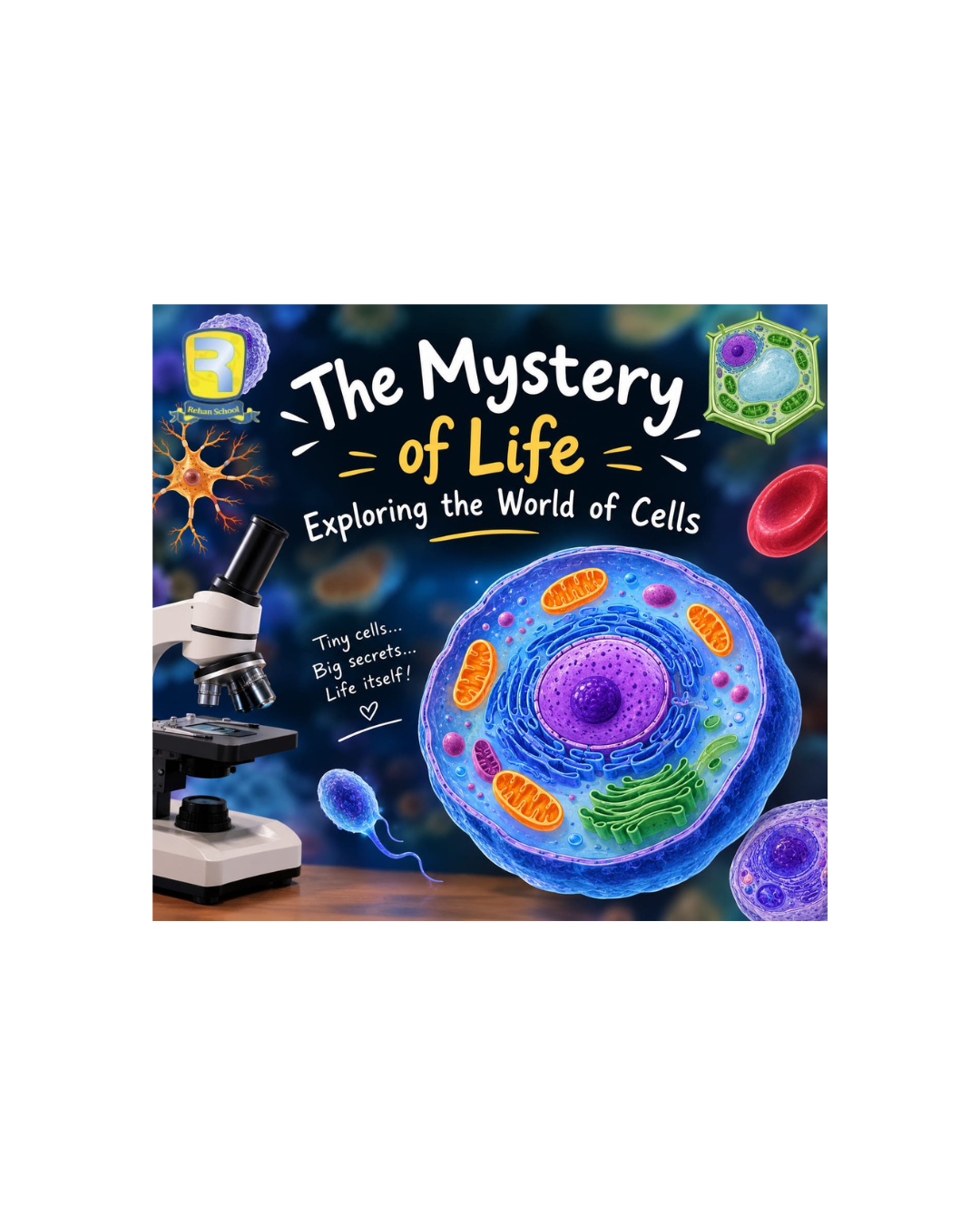
    Explore the fascinating journey of **consciousness and awareness**—from simple forms of life responding to their surroundings to the complex thoughts, emotions, memories, and self-awareness found in humans. This 25-minute session encourages us to think deeply about **what it means to be conscious**, how awareness may have evolved, and how our minds shape the way we experience the world.
    Join this engaging discussion to discover the connection between **biology, the brain,
    , and human experience**.
    #Conscious #Consciousness #Awareness #Mind #Brain #Evolution #HumanMind #Science #Biology #Learning #Curiosity #CriticalThinking #SelfAwareness #Knowledge #Education #25MinuteLearning
    rsisb Roll no 248 Foundation level Call Annie no 22 ### 🧠 **“Conscious” – Tracing the Evolution of Awareness** ✨ Explore the fascinating journey of **consciousness and awareness**—from simple forms of life responding to their surroundings to the complex thoughts, emotions, memories, and self-awareness found in humans. 🌍🧠 This 25-minute session encourages us to think deeply about **what it means to be conscious**, how awareness may have evolved, and how our minds shape the way we experience the world. 💭🔍 Join this engaging discussion to discover the connection between **biology, the brain, , and human experience**. 🚀📚 #Conscious #Consciousness #Awareness #Mind #Brain #Evolution #HumanMind #Science #Biology #Learning #Curiosity #CriticalThinking #SelfAwareness #Knowledge #Education #25MinuteLearning 🧠🌱🔬✨📖💡
    0 Kommentare 0 Anteile 250 Ansichten 13
  • Fondation Level Batch No 4
    Roll RSLC #42
    Task No #125
    Day #125

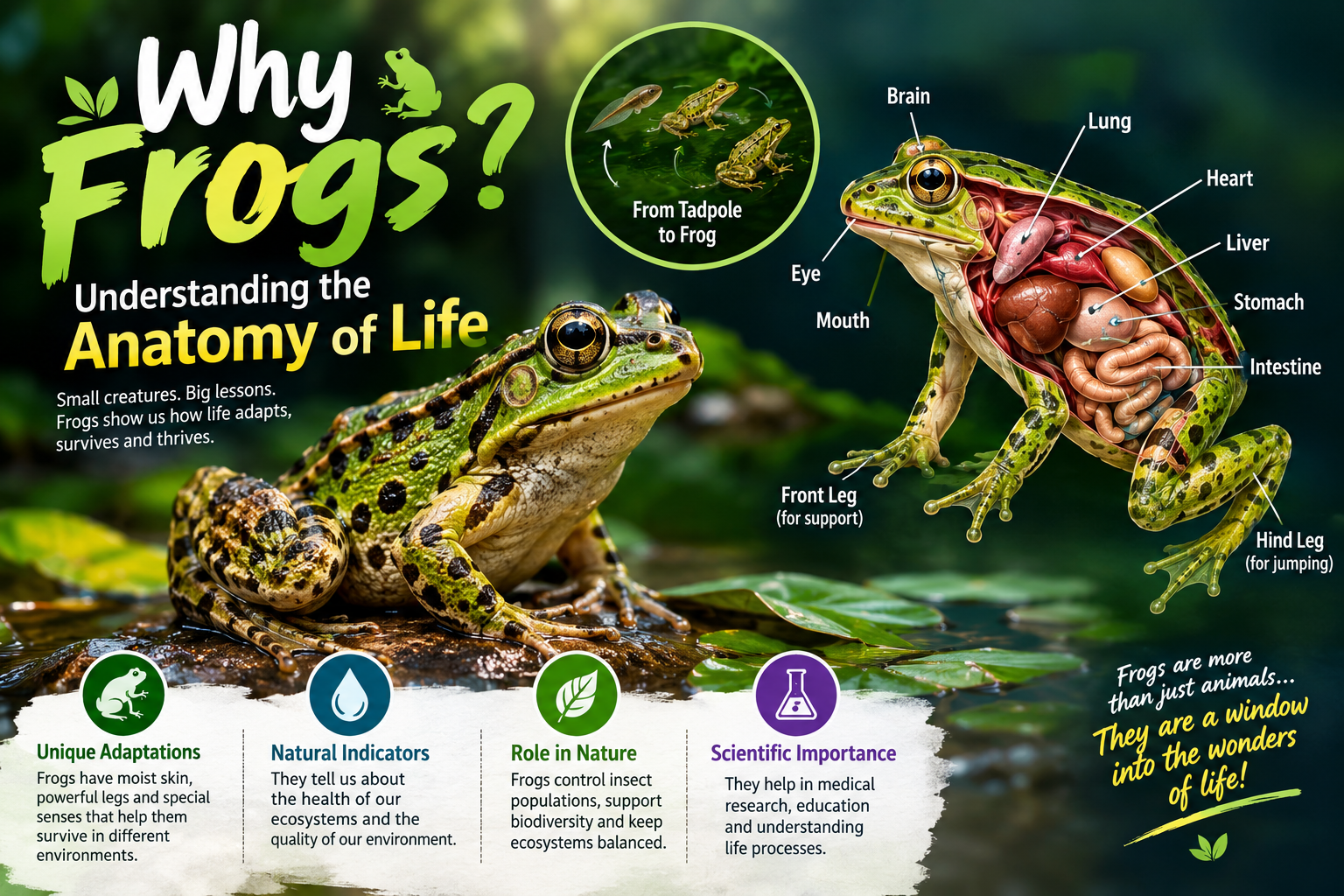
    Beside a peaceful pond, a tiny frog sat quietly,
    It looked like an ordinary creature, but its body held fascinating secrets.
    Scientists study frogs to understand how life is structured and how living bodies function.

    A frog?s heart, lungs, brain, and muscles each have an important role,
    Its powerful legs help it jump, swim, and escape from danger.
    Every part of its body is designed to support its survival.

    A frog?s life begins in water as tiny eggs and then develops into a tadpole,
    With time, legs appear and the tadpole gradually transforms into an adult frog.
    This amazing journey shows us the power of adaptation and natural development.

    That is why a frog is more than just a small animal; it is a living lesson in science,
    Studying its anatomy helps us understand the structure and functions of other living organisms.
    Inside even a tiny frog, we can discover the complexity and beauty of life. ??

    ??? ?????? ????? ?? ????? ??? ???? ?? ????? ????? ????
    ????? ?? ??? ??? ?? ?????? ???? ??? ?? ?? ??? ???? ????? ??? ?????? ???? ????
    ????? ??? ?? ?? ????? ????? ?? ???? ??? ??? ???? ?? ????? ?????? ????

    ????? ?? ??? ????????? ???? ??? ????? ?? ???? ??? ????? ???
    ?? ?? ????? ?????? ??? ?????? ????? ??? ???? ?? ???? ??? ??? ???? ????
    ?? ?? ??? ?? ?? ??? ??? ?? ??? ??? ??? ??? ???? ?????? ???

    ????? ?? ????? ???? ??? ????? ?? ???? ???? ?? ??? ??? ?????? ???? ???
    ??? ?? ???? ?? ??? ?????? ?????? ???? ??? ??? ?? ??? ???? ????? ?? ???? ???
    ?? ?????? ???? ????? ?? ???? ????? ??? ??? ????? ?????? ?? ??? ???? ???

    ??? ??? ????? ??? ??? ????? ?? ????? ???? ???? ??? ?? ??? ???? ???? ???
    ?? ?? ???? ?? ?????? ???? ????? ???????? ?? ??? ?? ?????? ??? ??? ???? ???
    ??? ???? ????? ?? ???? ??? ????? ?? ??????? ??? ???? ?? ???????? ???? ??? ??

    #Frogs #AnatomyOfLife #Biology #Science #Nature #AnimalScience #Evolution #LifeScience
    Fondation Level Batch No 4 Roll RSLC #42 Task No #125 Day #125 Beside a peaceful pond, a tiny frog sat quietly, It looked like an ordinary creature, but its body held fascinating secrets. Scientists study frogs to understand how life is structured and how living bodies function. A frog?s heart, lungs, brain, and muscles each have an important role, Its powerful legs help it jump, swim, and escape from danger. Every part of its body is designed to support its survival. A frog?s life begins in water as tiny eggs and then develops into a tadpole, With time, legs appear and the tadpole gradually transforms into an adult frog. This amazing journey shows us the power of adaptation and natural development. That is why a frog is more than just a small animal; it is a living lesson in science, Studying its anatomy helps us understand the structure and functions of other living organisms. Inside even a tiny frog, we can discover the complexity and beauty of life. ?? ??? ?????? ????? ?? ????? ??? ???? ?? ????? ????? ???? ????? ?? ??? ??? ?? ?????? ???? ??? ?? ?? ??? ???? ????? ??? ?????? ???? ???? ????? ??? ?? ?? ????? ????? ?? ???? ??? ??? ???? ?? ????? ?????? ???? ????? ?? ??? ????????? ???? ??? ????? ?? ???? ??? ????? ??? ?? ?? ????? ?????? ??? ?????? ????? ??? ???? ?? ???? ??? ??? ???? ???? ?? ?? ??? ?? ?? ??? ??? ?? ??? ??? ??? ??? ???? ?????? ??? ????? ?? ????? ???? ??? ????? ?? ???? ???? ?? ??? ??? ?????? ???? ??? ??? ?? ???? ?? ??? ?????? ?????? ???? ??? ??? ?? ??? ???? ????? ?? ???? ??? ?? ?????? ???? ????? ?? ???? ????? ??? ??? ????? ?????? ?? ??? ???? ??? ??? ??? ????? ??? ??? ????? ?? ????? ???? ???? ??? ?? ??? ???? ???? ??? ?? ?? ???? ?? ?????? ???? ????? ???????? ?? ??? ?? ?????? ??? ??? ???? ??? ??? ???? ????? ?? ???? ??? ????? ?? ??????? ??? ???? ?? ???????? ???? ??? ?? #Frogs #AnatomyOfLife #Biology #Science #Nature #AnimalScience #Evolution #LifeScience
    0 Kommentare 0 Anteile 298 Ansichten
  • Fondation Level Batch No 4
    Roll RSLC #42
    Task No #174
    Day #174

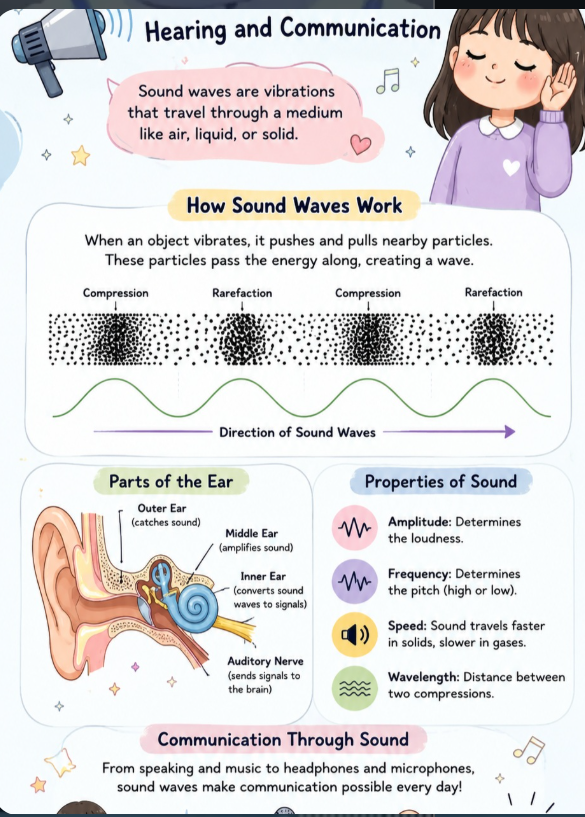
    Sound is an important part of our daily lives, traveling from one place to another in the form of waves.
    When an object vibrates, it causes surrounding particles to move and produces sound.
    These waves eventually reach our ears and allow us to hear different sounds.

    Our ears convert sound waves into electrical signals that the brain can understand.
    The frequency of a sound determines its pitch, while its intensity affects how loud it seems.
    This makes hearing a fascinating combination of physics and the human body.

    Sound is not only important for hearing but also for communication.
    We use our voices, music, phones, and many technologies to send information through sound.
    Sound waves allow messages to travel through different materials and reach their destination.

    The world of sound shows us how closely science is connected to everyday life.
    Behind every word, melody, and noise is a fascinating system of vibrations and waves.
    Understanding sound waves brings us closer to understanding hearing, communication, and the wonders of physics.

    ???? ????? ?????? ????? ?? ??? ??? ??? ??? ?? ????? ?? ???? ??? ??? ???? ???
    ?? ???? ??? ?????? ???? ???? ?? ?? ?????? ?? ???? ???? ???? ??? ??? ???? ???? ???
    ??? ????? ????? ????? ?? ???? ?? ???? ????? ?????? ???? ??? ??? ???? ????

    ??? ???? ?? ????? ?? ???? ????? ??? ????? ???? ??? ????? ???? ?????? ???
    ???? ?? ????????? ???? ??? ???? ?? ?? ??? ???? ?? ????? ????? ????? ???
    ??? ????? ????? ??????? ??? ?????? ??? ?? ??? ???? ????? ?????? ???

    ???? ??? ???? ?? ??? ???? ???? ????? ?? ?????? ????? ??? ???
    ?? ?????? ??????? ??? ???? ??? ????? ???? ?? ????? ???? ?? ????? ??????? ?? ??? ??????? ???? ????
    ???? ?? ????? ????? ??? ????? ????? ?? ??? ?? ??????? ????? ???? ????

    ???? ?? ???? ???? ?????? ?? ?? ????? ????? ?????? ????? ?? ???? ???? ??? ???? ???
    ?? ???? ?? ??? ??? ?? ???? ?? ????? ?????? ??? ????? ?? ??? ????? ???? ????? ???
    ????? ???? ?? ?????? ???? ?????? ????? ??? ?????? ?? ??? ????? ?? ???? ?? ???? ???

    #SoundWaves #PhysicsOfSound #HearingScience #ScienceExplained #WavePhysics #Communication #Physics
    Fondation Level Batch No 4 Roll RSLC #42 Task No #174 Day #174 Sound is an important part of our daily lives, traveling from one place to another in the form of waves. When an object vibrates, it causes surrounding particles to move and produces sound. These waves eventually reach our ears and allow us to hear different sounds. Our ears convert sound waves into electrical signals that the brain can understand. The frequency of a sound determines its pitch, while its intensity affects how loud it seems. This makes hearing a fascinating combination of physics and the human body. Sound is not only important for hearing but also for communication. We use our voices, music, phones, and many technologies to send information through sound. Sound waves allow messages to travel through different materials and reach their destination. The world of sound shows us how closely science is connected to everyday life. Behind every word, melody, and noise is a fascinating system of vibrations and waves. Understanding sound waves brings us closer to understanding hearing, communication, and the wonders of physics. ???? ????? ?????? ????? ?? ??? ??? ??? ??? ?? ????? ?? ???? ??? ??? ???? ??? ?? ???? ??? ?????? ???? ???? ?? ?? ?????? ?? ???? ???? ???? ??? ??? ???? ???? ??? ??? ????? ????? ????? ?? ???? ?? ???? ????? ?????? ???? ??? ??? ???? ???? ??? ???? ?? ????? ?? ???? ????? ??? ????? ???? ??? ????? ???? ?????? ??? ???? ?? ????????? ???? ??? ???? ?? ?? ??? ???? ?? ????? ????? ????? ??? ??? ????? ????? ??????? ??? ?????? ??? ?? ??? ???? ????? ?????? ??? ???? ??? ???? ?? ??? ???? ???? ????? ?? ?????? ????? ??? ??? ?? ?????? ??????? ??? ???? ??? ????? ???? ?? ????? ???? ?? ????? ??????? ?? ??? ??????? ???? ???? ???? ?? ????? ????? ??? ????? ????? ?? ??? ?? ??????? ????? ???? ???? ???? ?? ???? ???? ?????? ?? ?? ????? ????? ?????? ????? ?? ???? ???? ??? ???? ??? ?? ???? ?? ??? ??? ?? ???? ?? ????? ?????? ??? ????? ?? ??? ????? ???? ????? ??? ????? ???? ?? ?????? ???? ?????? ????? ??? ?????? ?? ??? ????? ?? ???? ?? ???? ??? #SoundWaves #PhysicsOfSound #HearingScience #ScienceExplained #WavePhysics #Communication #Physics
    0 Kommentare 0 Anteile 399 Ansichten

  • #rsisb
    Roll no.239
    Maya no.19
    Foundation Level

    **“Conscious – Tracing the Evolution of Awareness”** explores one of the greatest mysteries of science and philosophy: **how awareness and conscious experience developed in living beings**. Consciousness allows us to experience the world, think, remember, feel emotions, make decisions, and recognize ourselves.

    The topic takes us back to the earliest forms of life and asks how simple organisms developed increasingly complex ways of sensing and responding to their surroundings. As nervous systems and brains became more sophisticated, organisms gained greater abilities to process information, learn from experiences, remember events, and respond flexibly to their environments.

    One of the most fascinating questions is whether consciousness appeared suddenly or **evolved gradually over millions of years**. Scientists study the brains and behaviors of humans and other animals to understand possible forms of awareness. However, consciousness remains difficult to explain because subjective experiences—such as seeing colors, feeling pain, or experiencing emotions—are personal and cannot be directly observed by others.

    The discussion also introduces **self-awareness**, which is the ability to recognize oneself and reflect on one's own thoughts and experiences. Human consciousness is closely connected with language, memory, attention, imagination, creativity, and decision-making.

    Another important part of the topic is the relationship between **conscious and unconscious processes**. Many things our brains do happen automatically, without our full awareness. This shows that the human mind is far more complex than conscious thought alone.

    Overall, this 25-minute exploration encourages us to think deeply about **who we are, how awareness developed, and what it means to be conscious**. It connects biology, neuroscience, psychology, evolution, and philosophy while reminding us that many questions about consciousness are still unanswered.

    **Key Message:** Understanding consciousness may help us better understand not only the human brain, but also the evolution of life, intelligence, identity, and our place in the universe.
    ### **Hashtags**

    #Consciousness #Awareness #Evolution #HumanMind #BrainScience #Neuroscience #SelfAwareness #Psychology #Science #Philosophy #HumanEvolution #Learning #Curiosity #Knowledge #MindAndBrain
    #rsisb Roll no.239 Maya no.19 Foundation Level **“Conscious – Tracing the Evolution of Awareness”** explores one of the greatest mysteries of science and philosophy: **how awareness and conscious experience developed in living beings**. Consciousness allows us to experience the world, think, remember, feel emotions, make decisions, and recognize ourselves. The topic takes us back to the earliest forms of life and asks how simple organisms developed increasingly complex ways of sensing and responding to their surroundings. As nervous systems and brains became more sophisticated, organisms gained greater abilities to process information, learn from experiences, remember events, and respond flexibly to their environments. One of the most fascinating questions is whether consciousness appeared suddenly or **evolved gradually over millions of years**. Scientists study the brains and behaviors of humans and other animals to understand possible forms of awareness. However, consciousness remains difficult to explain because subjective experiences—such as seeing colors, feeling pain, or experiencing emotions—are personal and cannot be directly observed by others. The discussion also introduces **self-awareness**, which is the ability to recognize oneself and reflect on one's own thoughts and experiences. Human consciousness is closely connected with language, memory, attention, imagination, creativity, and decision-making. Another important part of the topic is the relationship between **conscious and unconscious processes**. Many things our brains do happen automatically, without our full awareness. This shows that the human mind is far more complex than conscious thought alone. Overall, this 25-minute exploration encourages us to think deeply about **who we are, how awareness developed, and what it means to be conscious**. It connects biology, neuroscience, psychology, evolution, and philosophy while reminding us that many questions about consciousness are still unanswered. 🌟 **Key Message:** Understanding consciousness may help us better understand not only the human brain, but also the evolution of life, intelligence, identity, and our place in the universe. ### **Hashtags** #Consciousness #Awareness #Evolution #HumanMind #BrainScience #Neuroscience #SelfAwareness #Psychology #Science #Philosophy #HumanEvolution #Learning #Curiosity #Knowledge #MindAndBrain 🧠🔬✨
    0 Kommentare 0 Anteile 1517 Ansichten 3

  • #rsisb
    Roll no.239
    Maya no.19
    Foundation Level

    **“Conscious – Tracing the Evolution of Awareness”** explores one of the greatest mysteries of science and philosophy: **how awareness and conscious experience developed in living beings**. Consciousness allows us to experience the world, think, remember, feel emotions, make decisions, and recognize ourselves.

    The topic takes us back to the earliest forms of life and asks how simple organisms developed increasingly complex ways of sensing and responding to their surroundings. As nervous systems and brains became more sophisticated, organisms gained greater abilities to process information, learn from experiences, remember events, and respond flexibly to their environments.

    One of the most fascinating questions is whether consciousness appeared suddenly or **evolved gradually over millions of years**. Scientists study the brains and behaviors of humans and other animals to understand possible forms of awareness. However, consciousness remains difficult to explain because subjective experiences—such as seeing colors, feeling pain, or experiencing emotions—are personal and cannot be directly observed by others.

    The discussion also introduces **self-awareness**, which is the ability to recognize oneself and reflect on one's own thoughts and experiences. Human consciousness is closely connected with language, memory, attention, imagination, creativity, and decision-making.

    Another important part of the topic is the relationship between **conscious and unconscious processes**. Many things our brains do happen automatically, without our full awareness. This shows that the human mind is far more complex than conscious thought alone.

    Overall, this 25-minute exploration encourages us to think deeply about **who we are, how awareness developed, and what it means to be conscious**. It connects biology, neuroscience, psychology, evolution, and philosophy while reminding us that many questions about consciousness are still unanswered.

    **Key Message:** Understanding consciousness may help us better understand not only the human brain, but also the evolution of life, intelligence, identity, and our place in the universe.

    ### **Hashtags**

    #Consciousness #Awareness #Evolution #HumanMind #BrainScience #Neuroscience #SelfAwareness #Psychology #Science #Philosophy #HumanEvolution #Learning #Curiosity #Knowledge #MindAndBrain


    **“Conscious – Tracing the Evolution of Awareness”** explores one of the greatest mysteries of science and philosophy: **how awareness and conscious experience developed in living beings**. Consciousness allows us to experience the world, think, remember, feel emotions, make decisions, and recognize ourselves.

    The topic takes us back to the earliest forms of life and asks how simple organisms developed increasingly complex ways of sensing and responding to their surroundings. As nervous systems and brains became more sophisticated, organisms gained greater abilities to process information, learn from experiences, remember events, and respond flexibly to their environments.

    One of the most fascinating questions is whether consciousness appeared suddenly or **evolved gradually over millions of years**. Scientists study the brains and behaviors of humans and other animals to understand possible forms of awareness. However, consciousness remains difficult to explain because subjective experiences—such as seeing colors, feeling pain, or experiencing emotions—are personal and cannot be directly observed by others.

    The discussion also introduces **self-awareness**, which is the ability to recognize oneself and reflect on one's own thoughts and experiences. Human consciousness is closely connected with language, memory, attention, imagination, creativity, and decision-making.

    Another important part of the topic is the relationship between **conscious and unconscious processes**. Many things our brains do happen automatically, without our full awareness. This shows that the human mind is far more complex than conscious thought alone.

    Overall, this 25-minute exploration encourages us to think deeply about **who we are, how awareness developed, and what it means to be conscious**. It connects biology, neuroscience, psychology, evolution, and philosophy while reminding us that many questions about consciousness are still unanswered.

    **Key Message:** Understanding consciousness may help us better understand not only the human brain, but also the evolution of life, intelligence, identity, and our place in the universe.

    ### **Hashtags**

    #Consciousness #Awareness #Evolution #HumanMind #BrainScience #Neuroscience #SelfAwareness #Psychology #Science #Philosophy #HumanEvolution #Learning #Curiosity #Knowledge #MindAndBrain
    #rsisb Roll no.239 Maya no.19 Foundation Level **“Conscious – Tracing the Evolution of Awareness”** explores one of the greatest mysteries of science and philosophy: **how awareness and conscious experience developed in living beings**. Consciousness allows us to experience the world, think, remember, feel emotions, make decisions, and recognize ourselves. The topic takes us back to the earliest forms of life and asks how simple organisms developed increasingly complex ways of sensing and responding to their surroundings. As nervous systems and brains became more sophisticated, organisms gained greater abilities to process information, learn from experiences, remember events, and respond flexibly to their environments. One of the most fascinating questions is whether consciousness appeared suddenly or **evolved gradually over millions of years**. Scientists study the brains and behaviors of humans and other animals to understand possible forms of awareness. However, consciousness remains difficult to explain because subjective experiences—such as seeing colors, feeling pain, or experiencing emotions—are personal and cannot be directly observed by others. The discussion also introduces **self-awareness**, which is the ability to recognize oneself and reflect on one's own thoughts and experiences. Human consciousness is closely connected with language, memory, attention, imagination, creativity, and decision-making. Another important part of the topic is the relationship between **conscious and unconscious processes**. Many things our brains do happen automatically, without our full awareness. This shows that the human mind is far more complex than conscious thought alone. Overall, this 25-minute exploration encourages us to think deeply about **who we are, how awareness developed, and what it means to be conscious**. It connects biology, neuroscience, psychology, evolution, and philosophy while reminding us that many questions about consciousness are still unanswered. 🌟 **Key Message:** Understanding consciousness may help us better understand not only the human brain, but also the evolution of life, intelligence, identity, and our place in the universe. ### **Hashtags** #Consciousness #Awareness #Evolution #HumanMind #BrainScience #Neuroscience #SelfAwareness #Psychology #Science #Philosophy #HumanEvolution #Learning #Curiosity #Knowledge #MindAndBrain 🧠🔬✨ **“Conscious – Tracing the Evolution of Awareness”** explores one of the greatest mysteries of science and philosophy: **how awareness and conscious experience developed in living beings**. Consciousness allows us to experience the world, think, remember, feel emotions, make decisions, and recognize ourselves. The topic takes us back to the earliest forms of life and asks how simple organisms developed increasingly complex ways of sensing and responding to their surroundings. As nervous systems and brains became more sophisticated, organisms gained greater abilities to process information, learn from experiences, remember events, and respond flexibly to their environments. One of the most fascinating questions is whether consciousness appeared suddenly or **evolved gradually over millions of years**. Scientists study the brains and behaviors of humans and other animals to understand possible forms of awareness. However, consciousness remains difficult to explain because subjective experiences—such as seeing colors, feeling pain, or experiencing emotions—are personal and cannot be directly observed by others. The discussion also introduces **self-awareness**, which is the ability to recognize oneself and reflect on one's own thoughts and experiences. Human consciousness is closely connected with language, memory, attention, imagination, creativity, and decision-making. Another important part of the topic is the relationship between **conscious and unconscious processes**. Many things our brains do happen automatically, without our full awareness. This shows that the human mind is far more complex than conscious thought alone. Overall, this 25-minute exploration encourages us to think deeply about **who we are, how awareness developed, and what it means to be conscious**. It connects biology, neuroscience, psychology, evolution, and philosophy while reminding us that many questions about consciousness are still unanswered. 🌟 **Key Message:** Understanding consciousness may help us better understand not only the human brain, but also the evolution of life, intelligence, identity, and our place in the universe. ### **Hashtags** #Consciousness #Awareness #Evolution #HumanMind #BrainScience #Neuroscience #SelfAwareness #Psychology #Science #Philosophy #HumanEvolution #Learning #Curiosity #Knowledge #MindAndBrain 🧠🔬✨
    0 Kommentare 0 Anteile 1460 Ansichten 2

  • #rsisb
    Roll no.239
    Maya no.19
    Foundation Level

    **“Conscious – Tracing the Evolution of Awareness”** explores one of the greatest mysteries of science and philosophy: **how awareness and conscious experience developed in living beings**. Consciousness allows us to experience the world, think, remember, feel emotions, make decisions, and recognize ourselves.

    The topic takes us back to the earliest forms of life and asks how simple organisms developed increasingly complex ways of sensing and responding to their surroundings. As nervous systems and brains became more sophisticated, organisms gained greater abilities to process information, learn from experiences, remember events, and respond flexibly to their environments.

    One of the most fascinating questions is whether consciousness appeared suddenly or **evolved gradually over millions of years**. Scientists study the brains and behaviors of humans and other animals to understand possible forms of awareness. However, consciousness remains difficult to explain because subjective experiences—such as seeing colors, feeling pain, or experiencing emotions—are personal and cannot be directly observed by others.

    The discussion also introduces **self-awareness**, which is the ability to recognize oneself and reflect on one's own thoughts and experiences. Human consciousness is closely connected with language, memory, attention, imagination, creativity, and decision-making.

    Another important part of the topic is the relationship between **conscious and unconscious processes**. Many things our brains do happen automatically, without our full awareness. This shows that the human mind is far more complex than conscious thought alone.

    Overall, this 25-minute exploration encourages us to think deeply about **who we are, how awareness developed, and what it means to be conscious**. It connects biology, neuroscience, psychology, evolution, and philosophy while reminding us that many questions about consciousness are still unanswered.

    **Key Message:** Understanding consciousness may help us better understand not only the human brain, but also the evolution of life, intelligence, identity, and our place in the universe.


    #Consciousness #Awareness #Evolution #HumanMind #BrainScience #Neuroscience #SelfAwareness #Psychology #Science #Philosophy #HumanEvolution #Learning #Curiosity #Knowledge #MindAndBrain


    **“Conscious – Tracing the Evolution of Awareness”** explores one of the greatest mysteries of science and philosophy: **how awareness and conscious experience developed in living beings**. Consciousness allows us to experience the world, think, remember, feel emotions, make decisions, and recognize ourselves.

    The topic takes us back to the earliest forms of life and asks how simple organisms developed increasingly complex ways of sensing and responding to their surroundings. As nervous systems and brains became more sophisticated, organisms gained greater abilities to process information, learn from experiences, remember events, and respond flexibly to their environments.
    One of the most fascinating questions is whether consciousness appeared suddenly or **evolved gradually over millions of years**. Scientists study the brains and behaviors of humans and other animals to understand possible forms of awareness. However, consciousness remains difficult to explain because subjective experiences—such as seeing colors, feeling pain, or experiencing emotions—are personal and cannot be directly observed by others.


    #Consciousness #Awareness #Evolution #HumanMind #BrainScience #Neuroscience #SelfAwareness #Psychology #Science #Philosophy #HumanEvolution #Learning #Curiosity #Knowledge #MindAndBrain
    #rsisb Roll no.239 Maya no.19 Foundation Level **“Conscious – Tracing the Evolution of Awareness”** explores one of the greatest mysteries of science and philosophy: **how awareness and conscious experience developed in living beings**. Consciousness allows us to experience the world, think, remember, feel emotions, make decisions, and recognize ourselves. The topic takes us back to the earliest forms of life and asks how simple organisms developed increasingly complex ways of sensing and responding to their surroundings. As nervous systems and brains became more sophisticated, organisms gained greater abilities to process information, learn from experiences, remember events, and respond flexibly to their environments. One of the most fascinating questions is whether consciousness appeared suddenly or **evolved gradually over millions of years**. Scientists study the brains and behaviors of humans and other animals to understand possible forms of awareness. However, consciousness remains difficult to explain because subjective experiences—such as seeing colors, feeling pain, or experiencing emotions—are personal and cannot be directly observed by others. The discussion also introduces **self-awareness**, which is the ability to recognize oneself and reflect on one's own thoughts and experiences. Human consciousness is closely connected with language, memory, attention, imagination, creativity, and decision-making. Another important part of the topic is the relationship between **conscious and unconscious processes**. Many things our brains do happen automatically, without our full awareness. This shows that the human mind is far more complex than conscious thought alone. Overall, this 25-minute exploration encourages us to think deeply about **who we are, how awareness developed, and what it means to be conscious**. It connects biology, neuroscience, psychology, evolution, and philosophy while reminding us that many questions about consciousness are still unanswered. 🌟 **Key Message:** Understanding consciousness may help us better understand not only the human brain, but also the evolution of life, intelligence, identity, and our place in the universe. #Consciousness #Awareness #Evolution #HumanMind #BrainScience #Neuroscience #SelfAwareness #Psychology #Science #Philosophy #HumanEvolution #Learning #Curiosity #Knowledge #MindAndBrain 🧠🔬✨ **“Conscious – Tracing the Evolution of Awareness”** explores one of the greatest mysteries of science and philosophy: **how awareness and conscious experience developed in living beings**. Consciousness allows us to experience the world, think, remember, feel emotions, make decisions, and recognize ourselves. The topic takes us back to the earliest forms of life and asks how simple organisms developed increasingly complex ways of sensing and responding to their surroundings. As nervous systems and brains became more sophisticated, organisms gained greater abilities to process information, learn from experiences, remember events, and respond flexibly to their environments. One of the most fascinating questions is whether consciousness appeared suddenly or **evolved gradually over millions of years**. Scientists study the brains and behaviors of humans and other animals to understand possible forms of awareness. However, consciousness remains difficult to explain because subjective experiences—such as seeing colors, feeling pain, or experiencing emotions—are personal and cannot be directly observed by others. #Consciousness #Awareness #Evolution #HumanMind #BrainScience #Neuroscience #SelfAwareness #Psychology #Science #Philosophy #HumanEvolution #Learning #Curiosity #Knowledge #MindAndBrain 🧠🔬✨
    0 Kommentare 0 Anteile 1432 Ansichten 1

  • #rsisb
    Roll no.239
    Maya no.19
    Foundation Level

    **“Conscious – Tracing the Evolution of Awareness”** explores one of the greatest mysteries of science and philosophy: **how awareness and conscious experience developed in living beings**. Consciousness allows us to experience the world, think, remember, feel emotions, make decisions, and recognize ourselves.

    The topic takes us back to the earliest forms of life and asks how simple organisms developed increasingly complex ways of sensing and responding to their surroundings. As nervous systems and brains became more sophisticated, organisms gained greater abilities to process information, learn from experiences, remember events, and respond flexibly to their environments.

    One of the most fascinating questions is whether consciousness appeared suddenly or **evolved gradually over millions of years**. Scientists study the brains and behaviors of humans and other animals to understand possible forms of awareness. However, consciousness remains difficult to explain because subjective experiences—such as seeing colors, feeling pain, or experiencing emotions—are personal and cannot be directly observed by others.

    The discussion also introduces **self-awareness**, which is the ability to recognize oneself and reflect on one's own thoughts and experiences. Human consciousness is closely connected with language, memory, attention, imagination, creativity, and decision-making.

    Another important part of the topic is the relationship between **conscious and unconscious processes**. Many things our brains do happen automatically, without our full awareness. This shows that the human mind is far more complex than conscious thought alone.

    Overall, this 25-minute exploration encourages us to think deeply about **who we are, how awareness developed, and what it means to be conscious**. It connects biology, neuroscience, psychology, evolution, and philosophy while reminding us that many questions about consciousness are still unanswered.

    **Key Message:** Understanding consciousness may help us better understand not only the human brain, but also the evolution of life, intelligence, identity, and our place in the universe.

    ### **Hashtags**

    #Consciousness #Awareness #Evolution #HumanMind #BrainScience #Neuroscience #SelfAwareness #Psychology #Science #Philosophy #HumanEvolution #Learning #Curiosity #Knowledge #MindAndBrain


    **“Conscious – Tracing the Evolution of Awareness”** explores one of the greatest mysteries of science and philosophy: **how awareness and conscious experience developed in living beings**. Consciousness allows us to experience the world, think, remember, feel emotions, make decisions, and recognize ourselves.

    The topic takes us back to the earliest forms of life and asks how simple organisms developed increasingly complex ways of sensing and responding to their surroundings. As nervous systems and brains became more sophisticated, organisms gained greater abilities to process information, learn from experiences, remember events, and respond flexibly to their environments.

    One of the most fascinating questions is whether consciousness appeared suddenly or **evolved gradually over millions of years**. Scientists study the brains and behaviors of humans and other animals to understand possible forms of awareness. However, consciousness remains difficult to explain because subjective experiences—such as seeing colors, feeling pain, or experiencing emotions—are personal and cannot be directly observed by others.
    ### **Hashtags**

    #Consciousness #Awareness #Evolution #HumanMind #BrainScience #Neuroscience #SelfAwareness #Psychology #Science #Philosophy #HumanEvolution #Learning #Curiosity #Knowledge #MindAndBrain
    #rsisb Roll no.239 Maya no.19 Foundation Level **“Conscious – Tracing the Evolution of Awareness”** explores one of the greatest mysteries of science and philosophy: **how awareness and conscious experience developed in living beings**. Consciousness allows us to experience the world, think, remember, feel emotions, make decisions, and recognize ourselves. The topic takes us back to the earliest forms of life and asks how simple organisms developed increasingly complex ways of sensing and responding to their surroundings. As nervous systems and brains became more sophisticated, organisms gained greater abilities to process information, learn from experiences, remember events, and respond flexibly to their environments. One of the most fascinating questions is whether consciousness appeared suddenly or **evolved gradually over millions of years**. Scientists study the brains and behaviors of humans and other animals to understand possible forms of awareness. However, consciousness remains difficult to explain because subjective experiences—such as seeing colors, feeling pain, or experiencing emotions—are personal and cannot be directly observed by others. The discussion also introduces **self-awareness**, which is the ability to recognize oneself and reflect on one's own thoughts and experiences. Human consciousness is closely connected with language, memory, attention, imagination, creativity, and decision-making. Another important part of the topic is the relationship between **conscious and unconscious processes**. Many things our brains do happen automatically, without our full awareness. This shows that the human mind is far more complex than conscious thought alone. Overall, this 25-minute exploration encourages us to think deeply about **who we are, how awareness developed, and what it means to be conscious**. It connects biology, neuroscience, psychology, evolution, and philosophy while reminding us that many questions about consciousness are still unanswered. 🌟 **Key Message:** Understanding consciousness may help us better understand not only the human brain, but also the evolution of life, intelligence, identity, and our place in the universe. ### **Hashtags** #Consciousness #Awareness #Evolution #HumanMind #BrainScience #Neuroscience #SelfAwareness #Psychology #Science #Philosophy #HumanEvolution #Learning #Curiosity #Knowledge #MindAndBrain 🧠🔬✨ **“Conscious – Tracing the Evolution of Awareness”** explores one of the greatest mysteries of science and philosophy: **how awareness and conscious experience developed in living beings**. Consciousness allows us to experience the world, think, remember, feel emotions, make decisions, and recognize ourselves. The topic takes us back to the earliest forms of life and asks how simple organisms developed increasingly complex ways of sensing and responding to their surroundings. As nervous systems and brains became more sophisticated, organisms gained greater abilities to process information, learn from experiences, remember events, and respond flexibly to their environments. One of the most fascinating questions is whether consciousness appeared suddenly or **evolved gradually over millions of years**. Scientists study the brains and behaviors of humans and other animals to understand possible forms of awareness. However, consciousness remains difficult to explain because subjective experiences—such as seeing colors, feeling pain, or experiencing emotions—are personal and cannot be directly observed by others. ### **Hashtags** #Consciousness #Awareness #Evolution #HumanMind #BrainScience #Neuroscience #SelfAwareness #Psychology #Science #Philosophy #HumanEvolution #Learning #Curiosity #Knowledge #MindAndBrain 🧠🔬✨
    0 Kommentare 0 Anteile 1419 Ansichten 2

  • #rsisb
    Roll no.239
    Maya no.19
    Foundation Level

    **“Conscious – Tracing the Evolution of Awareness”** explores one of the greatest mysteries of science and philosophy: **how awareness and conscious experience developed in living beings**. Consciousness allows us to experience the world, think, remember, feel emotions, make decisions, and recognize ourselves.

    The topic takes us back to the earliest forms of life and asks how simple organisms developed increasingly complex ways of sensing and responding to their surroundings. As nervous systems and brains became more sophisticated, organisms gained greater abilities to process information, learn from experiences, remember events, and respond flexibly to their environments.

    One of the most fascinating questions is whether consciousness appeared suddenly or **evolved gradually over millions of years**. Scientists study the brains and behaviors of humans and other animals to understand possible forms of awareness. However, consciousness remains difficult to explain because subjective experiences—such as seeing colors, feeling pain, or experiencing emotions—are personal and cannot be directly observed by others.

    The discussion also introduces **self-awareness**, which is the ability to recognize oneself and reflect on one's own thoughts and experiences. Human consciousness is closely connected with language, memory, attention, imagination, creativity, and decision-making.

    Another important part of the topic is the relationship between **conscious and unconscious processes**. Many things our brains do happen automatically, without our full awareness. This shows that the human mind is far more complex than conscious thought alone.

    Overall, this 25-minute exploration encourages us to think deeply about **who we are, how awareness developed, and what it means to be conscious**. It connects biology, neuroscience, psychology, evolution, and philosophy while reminding us that many questions about consciousness are still unanswered.

    **Key Message:** Understanding consciousness may help us better understand not only the human brain, but also the evolution of life, intelligence, identity, and our place in the universe.

    ### **Hashtags**

    #Consciousness #Awareness #Evolution #HumanMind #BrainScience #Neuroscience #SelfAwareness #Psychology #Science #Philosophy #HumanEvolution #Learning #Curiosity #Knowledge #MindAndBrain


    **“Conscious – Tracing the Evolution of Awareness”** explores one of the greatest mysteries of science and philosophy: **how awareness and conscious experience developed in living beings**. Consciousness allows us to experience the world, think, remember, feel emotions, make decisions, and recognize ourselves.

    The topic takes us back to the earliest forms of life and asks how simple organisms developed increasingly complex ways of sensing and responding to their surroundings. As nervous systems and brains became more sophisticated, organisms gained greater abilities to process information, learn from experiences, remember events, and respond flexibly to their environments.

    One of the most fascinating questions is whether consciousness appeared suddenly or **evolved gradually over millions of years**. Scientists study the brains and behaviors of humans and other animals to understand possible forms of awareness. However, consciousness remains difficult to explain because subjective experiences—such as seeing colors, feeling pain, or experiencing emotions—are personal and cannot be directly observed by others.

    The discussion also introduces **self-awareness**, which is the ability to recognize oneself and reflect on one's own thoughts and experiences. Human consciousness is closely connected with language, memory, attention, imagination, creativity, and decision-making.

    Another important part of the topic is the relationship between **conscious and unconscious processes**. Many things our brains do happen automatically, without our full awareness. This shows that the human mind is far more complex than conscious thought alone.

    Overall, this 25-minute exploration encourages us to think deeply about **who we are, how awareness developed, and what it means to be conscious**. It connects biology, neuroscience, psychology, evolution, and philosophy while reminding us that many questions about consciousness are still unanswered.

    **Key Message:** Understanding consciousness may help us better understand not only the human brain, but also the evolution of life, intelligence, identity, and our place in the universe.

    ### **Hashtags**

    #Consciousness #Awareness #Evolution #HumanMind #BrainScience #Neuroscience #SelfAwareness #Psychology #Science #Philosophy #HumanEvolution #Learning #Curiosity #Knowledge #MindAndBrain
    #rsisb Roll no.239 Maya no.19 Foundation Level **“Conscious – Tracing the Evolution of Awareness”** explores one of the greatest mysteries of science and philosophy: **how awareness and conscious experience developed in living beings**. Consciousness allows us to experience the world, think, remember, feel emotions, make decisions, and recognize ourselves. The topic takes us back to the earliest forms of life and asks how simple organisms developed increasingly complex ways of sensing and responding to their surroundings. As nervous systems and brains became more sophisticated, organisms gained greater abilities to process information, learn from experiences, remember events, and respond flexibly to their environments. One of the most fascinating questions is whether consciousness appeared suddenly or **evolved gradually over millions of years**. Scientists study the brains and behaviors of humans and other animals to understand possible forms of awareness. However, consciousness remains difficult to explain because subjective experiences—such as seeing colors, feeling pain, or experiencing emotions—are personal and cannot be directly observed by others. The discussion also introduces **self-awareness**, which is the ability to recognize oneself and reflect on one's own thoughts and experiences. Human consciousness is closely connected with language, memory, attention, imagination, creativity, and decision-making. Another important part of the topic is the relationship between **conscious and unconscious processes**. Many things our brains do happen automatically, without our full awareness. This shows that the human mind is far more complex than conscious thought alone. Overall, this 25-minute exploration encourages us to think deeply about **who we are, how awareness developed, and what it means to be conscious**. It connects biology, neuroscience, psychology, evolution, and philosophy while reminding us that many questions about consciousness are still unanswered. 🌟 **Key Message:** Understanding consciousness may help us better understand not only the human brain, but also the evolution of life, intelligence, identity, and our place in the universe. ### **Hashtags** #Consciousness #Awareness #Evolution #HumanMind #BrainScience #Neuroscience #SelfAwareness #Psychology #Science #Philosophy #HumanEvolution #Learning #Curiosity #Knowledge #MindAndBrain 🧠🔬✨ **“Conscious – Tracing the Evolution of Awareness”** explores one of the greatest mysteries of science and philosophy: **how awareness and conscious experience developed in living beings**. Consciousness allows us to experience the world, think, remember, feel emotions, make decisions, and recognize ourselves. The topic takes us back to the earliest forms of life and asks how simple organisms developed increasingly complex ways of sensing and responding to their surroundings. As nervous systems and brains became more sophisticated, organisms gained greater abilities to process information, learn from experiences, remember events, and respond flexibly to their environments. One of the most fascinating questions is whether consciousness appeared suddenly or **evolved gradually over millions of years**. Scientists study the brains and behaviors of humans and other animals to understand possible forms of awareness. However, consciousness remains difficult to explain because subjective experiences—such as seeing colors, feeling pain, or experiencing emotions—are personal and cannot be directly observed by others. The discussion also introduces **self-awareness**, which is the ability to recognize oneself and reflect on one's own thoughts and experiences. Human consciousness is closely connected with language, memory, attention, imagination, creativity, and decision-making. Another important part of the topic is the relationship between **conscious and unconscious processes**. Many things our brains do happen automatically, without our full awareness. This shows that the human mind is far more complex than conscious thought alone. Overall, this 25-minute exploration encourages us to think deeply about **who we are, how awareness developed, and what it means to be conscious**. It connects biology, neuroscience, psychology, evolution, and philosophy while reminding us that many questions about consciousness are still unanswered. 🌟 **Key Message:** Understanding consciousness may help us better understand not only the human brain, but also the evolution of life, intelligence, identity, and our place in the universe. ### **Hashtags** #Consciousness #Awareness #Evolution #HumanMind #BrainScience #Neuroscience #SelfAwareness #Psychology #Science #Philosophy #HumanEvolution #Learning #Curiosity #Knowledge #MindAndBrain 🧠🔬✨
    0 Kommentare 0 Anteile 1401 Ansichten 3

  • #rsisb
    Roll no.239
    Maya no.19
    Foundation Level

    **“Conscious – Tracing the Evolution of Awareness”** explores one of the greatest mysteries of science and philosophy: **how awareness and conscious experience developed in living beings**. Consciousness allows us to experience the world, think, remember, feel emotions, make decisions, and recognize ourselves.

    The topic takes us back to the earliest forms of life and asks how simple organisms developed increasingly complex ways of sensing and responding to their surroundings. As nervous systems and brains became more sophisticated, organisms gained greater abilities to process information, learn from experiences, remember events, and respond flexibly to their environments.

    One of the most fascinating questions is whether consciousness appeared suddenly or **evolved gradually over millions of years**. Scientists study the brains and behaviors of humans and other animals to understand possible forms of awareness. However, consciousness remains difficult to explain because subjective experiences—such as seeing colors, feeling pain, or experiencing emotions—are personal and cannot be directly observed by others.

    The discussion also introduces **self-awareness**, which is the ability to recognize oneself and reflect on one's own thoughts and experiences. Human consciousness is closely connected with language, memory, attention, imagination, creativity, and decision-making.

    Another important part of the topic is the relationship between **conscious and unconscious processes**. Many things our brains do happen automatically, without our full awareness. This shows that the human mind is far more complex than conscious thought alone.

    Overall, this 25-minute exploration encourages us to think deeply about **who we are, how awareness developed, and what it means to be conscious**. It connects biology, neuroscience, psychology, evolution, and philosophy while reminding us that many questions about consciousness are still unanswered.

    **Key Message:** Understanding consciousness may help us better understand not only the human brain, but also the evolution of life, intelligence, identity, and our place in the universe.

    ### **Hashtags**

    #Consciousness #Awareness #Evolution #HumanMind #BrainScience #Neuroscience #SelfAwareness #Psychology #Science #Philosophy #HumanEvolution #Learning #Curiosity #Knowledge #MindAndBrain


    **“Conscious – Tracing the Evolution of Awareness”** explores one of the greatest mysteries of science and philosophy: **how awareness and conscious experience developed in living beings**. Consciousness allows us to experience the world, think, remember, feel emotions, make decisions, and recognize ourselves.

    The topic takes us back to the earliest forms of life and asks how simple organisms developed increasingly complex ways of sensing and responding to their surroundings. As nervous systems and brains became more sophisticated, organisms gained greater abilities to process information, learn from experiences, remember events, and respond flexibly to their environments.

    One of the most fascinating questions is whether consciousness appeared suddenly or **evolved gradually over millions of years**. Scientists study the brains and behaviors of humans and other animals to understand possible forms of awareness. However, consciousness remains difficult to explain because subjective experiences—such as seeing colors, feeling pain, or experiencing emotions—are personal and cannot be directly observed by others.

    The discussion also introduces **self-awareness**, which is the ability to recognize oneself and reflect on one's own thoughts and experiences. Human consciousness is closely connected with language, memory, attention, imagination, creativity, and decision-making.

    Another important part of the topic is the relationship between **conscious and unconscious processes**. Many things our brains do happen automatically, without our full awareness. This shows that the human mind is far more complex than conscious thought alone.

    Overall, this 25-minute exploration encourages us to think deeply about **who we are, how awareness developed, and what it means to be conscious**. It connects biology, neuroscience, psychology, evolution, and philosophy while reminding us that many questions about consciousness are still unanswered.

    **Key Message:** Understanding consciousness may help us better understand not only the human brain, but also the evolution of life, intelligence, identity, and our place in the universe.

    ### **Hashtags**

    #Consciousness #Awareness #Evolution #HumanMind #BrainScience #Neuroscience #SelfAwareness #Psychology #Science #Philosophy #HumanEvolution #Learning #Curiosity #Knowledge #MindAndBrain
    #rsisb Roll no.239 Maya no.19 Foundation Level **“Conscious – Tracing the Evolution of Awareness”** explores one of the greatest mysteries of science and philosophy: **how awareness and conscious experience developed in living beings**. Consciousness allows us to experience the world, think, remember, feel emotions, make decisions, and recognize ourselves. The topic takes us back to the earliest forms of life and asks how simple organisms developed increasingly complex ways of sensing and responding to their surroundings. As nervous systems and brains became more sophisticated, organisms gained greater abilities to process information, learn from experiences, remember events, and respond flexibly to their environments. One of the most fascinating questions is whether consciousness appeared suddenly or **evolved gradually over millions of years**. Scientists study the brains and behaviors of humans and other animals to understand possible forms of awareness. However, consciousness remains difficult to explain because subjective experiences—such as seeing colors, feeling pain, or experiencing emotions—are personal and cannot be directly observed by others. The discussion also introduces **self-awareness**, which is the ability to recognize oneself and reflect on one's own thoughts and experiences. Human consciousness is closely connected with language, memory, attention, imagination, creativity, and decision-making. Another important part of the topic is the relationship between **conscious and unconscious processes**. Many things our brains do happen automatically, without our full awareness. This shows that the human mind is far more complex than conscious thought alone. Overall, this 25-minute exploration encourages us to think deeply about **who we are, how awareness developed, and what it means to be conscious**. It connects biology, neuroscience, psychology, evolution, and philosophy while reminding us that many questions about consciousness are still unanswered. 🌟 **Key Message:** Understanding consciousness may help us better understand not only the human brain, but also the evolution of life, intelligence, identity, and our place in the universe. ### **Hashtags** #Consciousness #Awareness #Evolution #HumanMind #BrainScience #Neuroscience #SelfAwareness #Psychology #Science #Philosophy #HumanEvolution #Learning #Curiosity #Knowledge #MindAndBrain 🧠🔬✨ **“Conscious – Tracing the Evolution of Awareness”** explores one of the greatest mysteries of science and philosophy: **how awareness and conscious experience developed in living beings**. Consciousness allows us to experience the world, think, remember, feel emotions, make decisions, and recognize ourselves. The topic takes us back to the earliest forms of life and asks how simple organisms developed increasingly complex ways of sensing and responding to their surroundings. As nervous systems and brains became more sophisticated, organisms gained greater abilities to process information, learn from experiences, remember events, and respond flexibly to their environments. One of the most fascinating questions is whether consciousness appeared suddenly or **evolved gradually over millions of years**. Scientists study the brains and behaviors of humans and other animals to understand possible forms of awareness. However, consciousness remains difficult to explain because subjective experiences—such as seeing colors, feeling pain, or experiencing emotions—are personal and cannot be directly observed by others. The discussion also introduces **self-awareness**, which is the ability to recognize oneself and reflect on one's own thoughts and experiences. Human consciousness is closely connected with language, memory, attention, imagination, creativity, and decision-making. Another important part of the topic is the relationship between **conscious and unconscious processes**. Many things our brains do happen automatically, without our full awareness. This shows that the human mind is far more complex than conscious thought alone. Overall, this 25-minute exploration encourages us to think deeply about **who we are, how awareness developed, and what it means to be conscious**. It connects biology, neuroscience, psychology, evolution, and philosophy while reminding us that many questions about consciousness are still unanswered. 🌟 **Key Message:** Understanding consciousness may help us better understand not only the human brain, but also the evolution of life, intelligence, identity, and our place in the universe. ### **Hashtags** #Consciousness #Awareness #Evolution #HumanMind #BrainScience #Neuroscience #SelfAwareness #Psychology #Science #Philosophy #HumanEvolution #Learning #Curiosity #Knowledge #MindAndBrain 🧠🔬✨
    0 Kommentare 0 Anteile 1371 Ansichten 2
  • rsisb
    roll no 46
    song 6
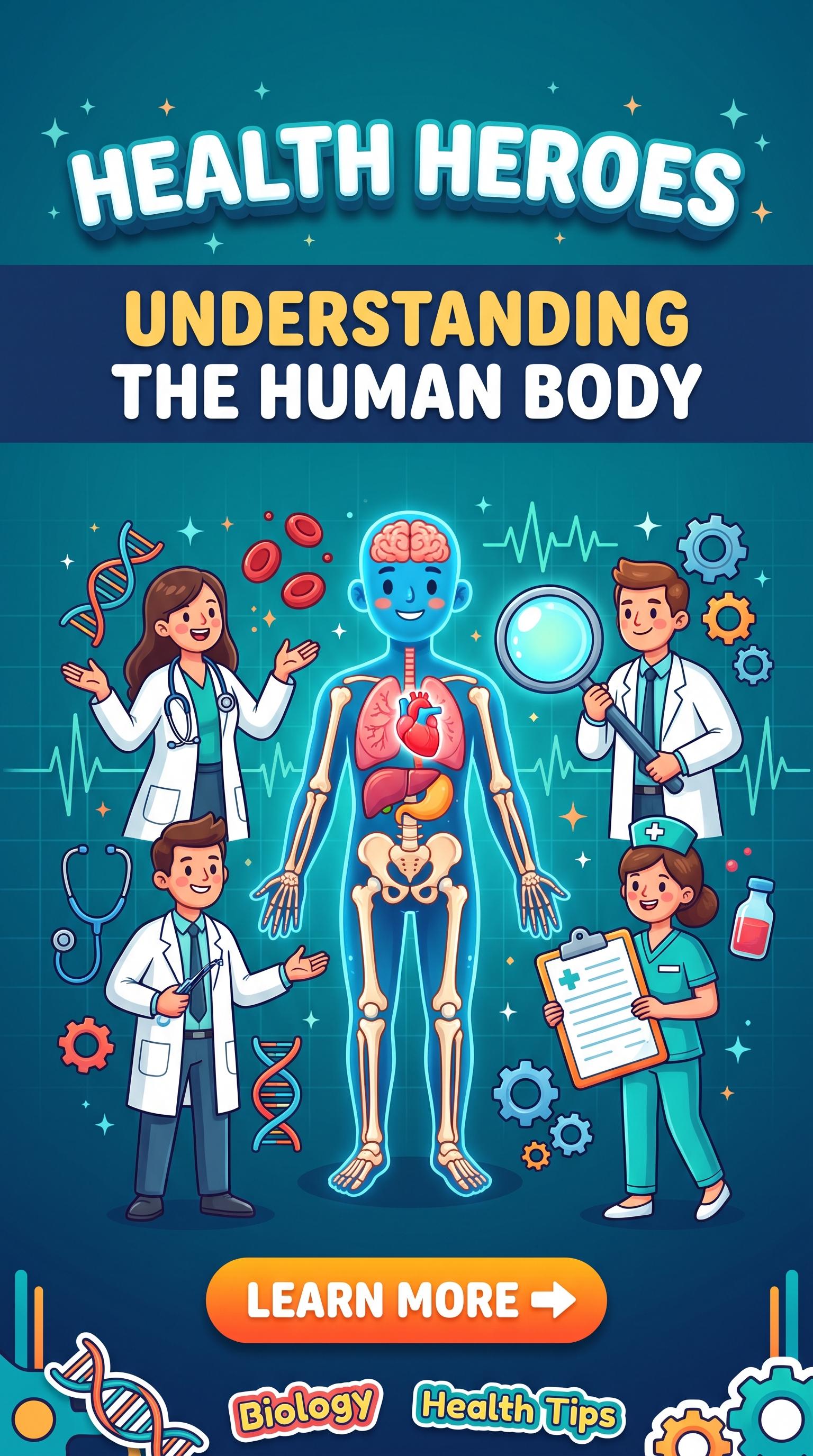
    The human body is an amazing and complex system made up of trillions of cells, tissues, organs, and organ systems. Every part has a special job, and all these parts work together to keep us alive, active, and healthy.

    From the brain that helps us think and learn , to the heart that continuously pumps blood , and the lungs that help us breathe , the human body is full of incredible systems and processes. Our bones provide support , our muscles help us move , and our immune system helps protect us from many harmful germs .

    Exploring the human body helps us understand how life works and inspires us to appreciate the incredible complexity of living things. It truly is a marvel of creation—a fascinating example of nature, biology, and science working together!

    Hashtags

    #HumanBody
    #MarvelOfCreation
    #HumanAnatomy
    #Biology
    #Science
    #HumanBodyScience
    #AmazingHumanBody
    #BodySystems
    #LearnBiology
    #ScienceEducation
    #ExploreScience
    #HumanHealth
    #BiologyIsFun
    #STEM
    #ScienceLovers
    #AmazingScience
    #KnowledgeIsPower
    #LearningIsFun
    #DiscoverScience
    #NatureAndScience

    Emojis

    rsisb roll no 46 song 6 The human body is an amazing and complex system made up of trillions of cells, tissues, organs, and organ systems. 🧬🔬❤️ Every part has a special job, and all these parts work together to keep us alive, active, and healthy. 💪🫀🫁🧠 From the brain that helps us think and learn 🧠📚, to the heart that continuously pumps blood ❤️🩸, and the lungs that help us breathe 🫁💨, the human body is full of incredible systems and processes. Our bones provide support 🦴, our muscles help us move 💪, and our immune system helps protect us from many harmful germs 🛡️🦠. Exploring the human body helps us understand how life works and inspires us to appreciate the incredible complexity of living things. 🌱🔬🌎 It truly is a marvel of creation—a fascinating example of nature, biology, and science working together! ✨🌟 🔖 Hashtags #HumanBody 🧬 #MarvelOfCreation ✨ #HumanAnatomy 🔬 #Biology 🧪 #Science 🌍 #HumanBodyScience 🧠 #AmazingHumanBody ❤️ #BodySystems 🫀 #LearnBiology 📚 #ScienceEducation 🎓 #ExploreScience 🔍 #HumanHealth 💪 #BiologyIsFun 🤩 #STEM 🚀 #ScienceLovers ❤️ #AmazingScience 🌟 #KnowledgeIsPower 💡 #LearningIsFun 📖 #DiscoverScience 🔬 #NatureAndScience 🌱 😍 Emojis 🧬🧠❤️🫀🫁🦴💪🩸🔬🧪🌍🌱✨🌟📚🎓🔍💡🚀🛡️🦠😊👏🙌❤️‍🔥
    0 Kommentare 0 Anteile 1413 Ansichten 5
Suchergebnis