• RSIF8
    Roll no:14
    story no:24
    story topic:The Nature of Light: Exploring Waves and Particles

    **The Nature of Light: Exploring Waves and Particles**

    Have you ever wondered what light really is? How does sunlight travel across millions of kilometers through space, how do rainbows form, and how can light behave like both a wave and a particle? The nature of light is one of the most fascinating topics in physics, revealing the extraordinary connection between the visible world and the mysterious laws of quantum mechanics. From the light that illuminates our homes to the distant stars shining in the universe, light plays an essential role in understanding the world around us.

    **1. The Wave Nature of Light **

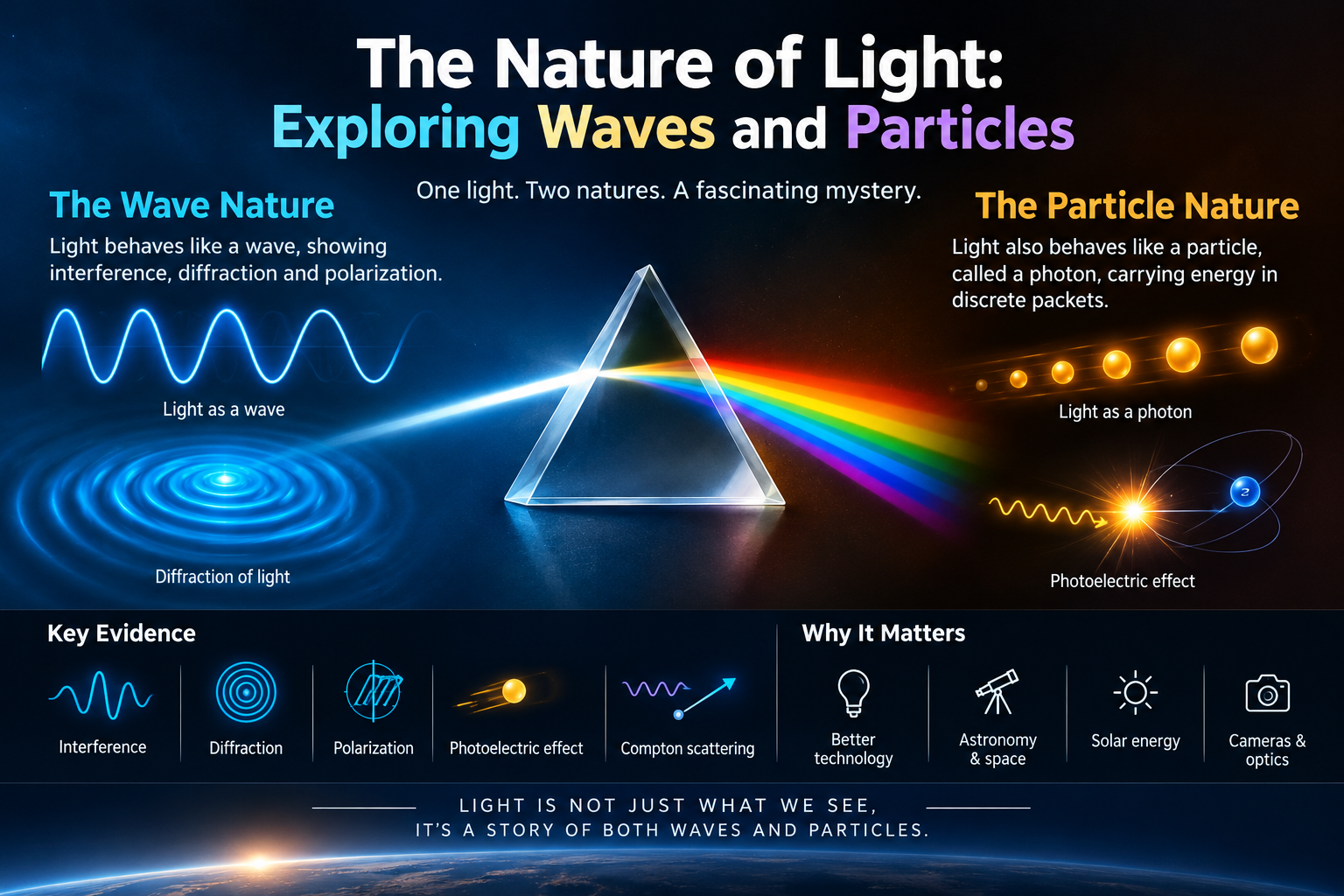
    For many years, scientists have studied light as a wave because it demonstrates important wave-like properties. Light can undergo interference, diffraction, and polarization. Interference occurs when light waves overlap and combine, producing patterns of brightness and darkness. Diffraction happens when light spreads around an obstacle or passes through a narrow opening. Polarization describes the orientation of light's oscillations and helps us understand how light interacts with different materials.

    These properties demonstrate that the wave model is essential for explaining many optical phenomena. From colorful patterns created by thin films to the operation of polarized sunglasses, the wave nature of light has many applications in everyday life and modern technology.

    **2. The Particle Nature of Light **

    Light also behaves in ways that reveal its particle nature. In quantum physics, light energy is exchanged in discrete packets called **photons**. Each photon carries energy determined by its frequency, described by the equation **E = hf**, where E represents energy, h is Planck's constant, and f is frequency.

    The photoelectric effect provides important evidence for this particle nature. When light of a suitable frequency strikes certain materials, it can release electrons from their surfaces. This phenomenon helped scientists understand that light energy is transferred in individual quanta rather than always behaving like a continuous wave.

    Another important example is Compton scattering, in which photons exchange energy and momentum with electrons. These discoveries transformed our understanding of light and helped establish the foundations of quantum physics.

    **3. Wave-Particle Duality: Two Sides of Light**

    One of the most remarkable discoveries in science is that light cannot be fully explained by treating it only as a classical wave or only as a classical particle. Its behavior depends on the physical process being investigated and how it is measured. This concept is known as **wave-particle duality**.

    Experiments involving interference reveal wave-like patterns, while experiments involving photon detection show that light energy is detected in discrete units. Quantum mechanics brings these observations together into a more complete description of nature. Rather than being an ordinary wave or a tiny classical object, light is a quantum phenomenon with properties that challenge our everyday intuition.

    **4. How Do We Discover the Secrets of Light?**

    Scientists use carefully designed experiments to explore the behavior of light. Prisms separate white light into different colors, optical instruments measure its properties, and advanced detectors record individual photons. Interference experiments reveal patterns that cannot be explained by simple particle models, while photoelectric experiments demonstrate the importance of quantized energy.

    The work of scientists such as Isaac Newton, Thomas Young, Max Planck, Albert Einstein, and Arthur Compton helped build our modern understanding of light. Their discoveries show how scientific knowledge develops through observation, experimentation, mathematical reasoning, and new ideas.

    **5. Why Is the Nature of Light Important?**

    Understanding light is essential to many technologies that shape modern life. Lasers are used in medicine, manufacturing, and scientific research. Fiber-optic cables transmit information across the world using pulses of light. Solar panels convert light energy into electrical energy, while cameras and telescopes help us capture images and explore distant objects in space.

    The principles of light are also important in astronomy, microscopy, optical communication, quantum technologies, and the study of the universe. By investigating how light behaves, scientists can examine distant galaxies, study the structure of matter, and develop new tools that improve our understanding of nature.

    **6. Light: Connecting Science and the Universe**

    Light is much more than what allows us to see. It carries information about distant stars, reveals the composition of celestial objects, and provides clues about the physical processes occurring throughout the cosmos. By analyzing the light received from distant galaxies, astronomers can learn about their temperatures, chemical compositions, and motion.

    At the smallest scales, the study of photons helps scientists investigate the quantum world and understand how energy interacts with matter. From the smallest laboratory experiments to the largest astronomical observations, light connects different areas of science in extraordinary ways.

    **Conclusion: The Extraordinary Mystery of Light**

    The study of light demonstrates how nature can be far more complex than it first appears. Its wave-like properties explain interference, diffraction, and polarization, while its particle-like properties help explain the photoelectric effect and Compton scattering. Together, these discoveries form an important part of our modern understanding of physics.

    Learning about wave-particle duality encourages us to question assumptions, explore scientific evidence, and appreciate the discoveries that continue to expand human knowledge. Every beam of sunlight, every shining star, and every photon detected by a scientific instrument reminds us that there is still much to discover about the universe.

    **Light Is More Than What We See—It Is a Window into the Fundamental Nature of Reality!**

    If you enjoyed this science topic, share it with others and continue exploring the fascinating world of physics. Stay curious, keep asking questions, and never stop learning!

    #NatureOfLight #WaveParticleDuality #Physics #QuantumPhysics #ScienceEducation #Photons #LightWaves #PhotoelectricEffect #ComptonScattering #Optics #Astronomy #ScientificDiscoveries #STEMEducation #LearnPhysics #ScienceExplained #EducationalContent #WavesAndParticles
    RSIF8 Roll no:14 story no:24 story topic:The Nature of Light: Exploring Waves and Particles ๐ŸŒŸ **The Nature of Light: Exploring Waves and Particles** ๐ŸŒˆ๐Ÿ”ฌ Have you ever wondered what light really is? How does sunlight travel across millions of kilometers through space, how do rainbows form, and how can light behave like both a wave and a particle? The nature of light is one of the most fascinating topics in physics, revealing the extraordinary connection between the visible world and the mysterious laws of quantum mechanics. From the light that illuminates our homes to the distant stars shining in the universe, light plays an essential role in understanding the world around us. ๐ŸŒโœจ ๐Ÿ’ก **1. The Wave Nature of Light ๐ŸŒŠ** For many years, scientists have studied light as a wave because it demonstrates important wave-like properties. Light can undergo interference, diffraction, and polarization. Interference occurs when light waves overlap and combine, producing patterns of brightness and darkness. Diffraction happens when light spreads around an obstacle or passes through a narrow opening. Polarization describes the orientation of light's oscillations and helps us understand how light interacts with different materials. These properties demonstrate that the wave model is essential for explaining many optical phenomena. From colorful patterns created by thin films to the operation of polarized sunglasses, the wave nature of light has many applications in everyday life and modern technology. โš›๏ธ **2. The Particle Nature of Light โœจ** Light also behaves in ways that reveal its particle nature. In quantum physics, light energy is exchanged in discrete packets called **photons**. Each photon carries energy determined by its frequency, described by the equation **E = hf**, where E represents energy, h is Planck's constant, and f is frequency. The photoelectric effect provides important evidence for this particle nature. When light of a suitable frequency strikes certain materials, it can release electrons from their surfaces. This phenomenon helped scientists understand that light energy is transferred in individual quanta rather than always behaving like a continuous wave. Another important example is Compton scattering, in which photons exchange energy and momentum with electrons. These discoveries transformed our understanding of light and helped establish the foundations of quantum physics. ๐Ÿ”ฌ **3. Wave-Particle Duality: Two Sides of Light** One of the most remarkable discoveries in science is that light cannot be fully explained by treating it only as a classical wave or only as a classical particle. Its behavior depends on the physical process being investigated and how it is measured. This concept is known as **wave-particle duality**. Experiments involving interference reveal wave-like patterns, while experiments involving photon detection show that light energy is detected in discrete units. Quantum mechanics brings these observations together into a more complete description of nature. Rather than being an ordinary wave or a tiny classical object, light is a quantum phenomenon with properties that challenge our everyday intuition. ๐ŸŒˆ **4. How Do We Discover the Secrets of Light?** Scientists use carefully designed experiments to explore the behavior of light. Prisms separate white light into different colors, optical instruments measure its properties, and advanced detectors record individual photons. Interference experiments reveal patterns that cannot be explained by simple particle models, while photoelectric experiments demonstrate the importance of quantized energy. The work of scientists such as Isaac Newton, Thomas Young, Max Planck, Albert Einstein, and Arthur Compton helped build our modern understanding of light. Their discoveries show how scientific knowledge develops through observation, experimentation, mathematical reasoning, and new ideas. ๐Ÿš€ **5. Why Is the Nature of Light Important?** Understanding light is essential to many technologies that shape modern life. Lasers are used in medicine, manufacturing, and scientific research. Fiber-optic cables transmit information across the world using pulses of light. Solar panels convert light energy into electrical energy, while cameras and telescopes help us capture images and explore distant objects in space. The principles of light are also important in astronomy, microscopy, optical communication, quantum technologies, and the study of the universe. By investigating how light behaves, scientists can examine distant galaxies, study the structure of matter, and develop new tools that improve our understanding of nature. ๐ŸŒ **6. Light: Connecting Science and the Universe** Light is much more than what allows us to see. It carries information about distant stars, reveals the composition of celestial objects, and provides clues about the physical processes occurring throughout the cosmos. By analyzing the light received from distant galaxies, astronomers can learn about their temperatures, chemical compositions, and motion. At the smallest scales, the study of photons helps scientists investigate the quantum world and understand how energy interacts with matter. From the smallest laboratory experiments to the largest astronomical observations, light connects different areas of science in extraordinary ways. ๐Ÿ’ซ **Conclusion: The Extraordinary Mystery of Light** The study of light demonstrates how nature can be far more complex than it first appears. Its wave-like properties explain interference, diffraction, and polarization, while its particle-like properties help explain the photoelectric effect and Compton scattering. Together, these discoveries form an important part of our modern understanding of physics. Learning about wave-particle duality encourages us to question assumptions, explore scientific evidence, and appreciate the discoveries that continue to expand human knowledge. Every beam of sunlight, every shining star, and every photon detected by a scientific instrument reminds us that there is still much to discover about the universe. โœจ **Light Is More Than What We See—It Is a Window into the Fundamental Nature of Reality!** ๐Ÿ”ญ๐ŸŒŒ ๐Ÿ‘ If you enjoyed this science topic, share it with others and continue exploring the fascinating world of physics. Stay curious, keep asking questions, and never stop learning! #NatureOfLight #WaveParticleDuality #Physics #QuantumPhysics #ScienceEducation #Photons #LightWaves #PhotoelectricEffect #ComptonScattering #Optics #Astronomy #ScientificDiscoveries #STEMEducation #LearnPhysics #ScienceExplained #EducationalContent #WavesAndParticles ๐ŸŒˆ๐Ÿ”ฌ๐Ÿš€
    0 Comments 0 Shares 694 Views
  • RSIF8
    Roll no:14
    coding no:23
    coding topic:Simple Chat Application

    **Simple Chat Application – Connecting People Through Technology**

    A Simple Chat Application is a user-friendly software project designed to make communication between users easy, convenient, and efficient. In today's digital world, messaging applications have become an essential part of everyday life, allowing people to exchange information, share ideas, and stay connected regardless of distance. This project demonstrates the basic concepts of chat application development and provides an excellent opportunity to understand how digital communication systems work.

    **Project Overview**

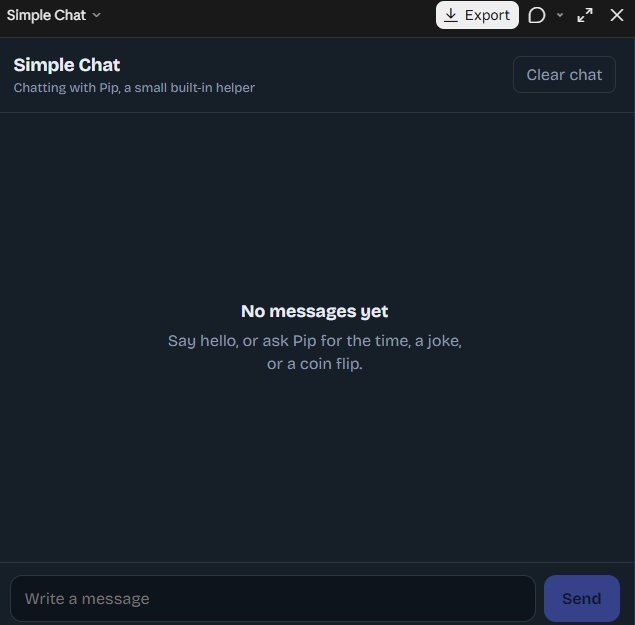
    The Simple Chat Application focuses on creating a clean and straightforward messaging interface where users can type messages, send them, and view conversations in an organized format. The application can include essential features such as a message input field, a send button, a chat display area, timestamps, and a simple user interface. These features help make communication smooth and allow users to interact with the application without unnecessary complexity.

    **Key Features of the Application**

    **User-Friendly Interface:** A clean and organized design that makes the application easy to understand and use.

    **Message Sending:** Users can type messages and send them through the chat interface.

    **Conversation Display:** Messages appear in a structured chat window, making conversations easier to follow.

    **Simple Navigation:** Easy-to-use controls help users interact with the application efficiently.

    **Responsive Design:** With suitable implementation, the interface can adapt to different screen sizes and devices.

    **Future Improvements:** Additional features such as usernames, timestamps, message history, notifications, and real-time messaging can be added as the project develops.

    **Learning and Development**

    Developing a Simple Chat Application is a valuable learning experience for beginners in programming and software development. It helps students understand user interface design, event handling, input processing, data management, and the basic principles of communication between software components. Depending on the programming language and technologies used, the project can also introduce concepts such as client-server architecture, databases, networking, and real-time communication.

    For example, a basic version may display messages locally within one application, while an advanced version can use a backend server and communication protocols to exchange messages between multiple users. This makes the project suitable for gradual improvement, from a simple beginner-level exercise to a more advanced messaging system.

    **Why Is This Project Important?**

    A Simple Chat Application demonstrates how small software projects can solve practical communication problems. It encourages logical thinking, improves programming skills, and provides hands-on experience in building interactive applications. It can also serve as a foundation for more advanced projects, including group chats, online messaging platforms, customer support systems, and collaborative communication tools.

    **Conclusion**

    The Simple Chat Application is an excellent project for anyone interested in learning programming, application development, and digital communication. Its simple design and essential messaging features make it a useful starting point for exploring software engineering. With creativity, practice, and continuous improvement, this basic application can evolve into a more powerful communication platform.

    **Code. Connect. Communicate. Create Something Amazing!**

    #SimpleChatApplication #ChatApp #SoftwareDevelopment #Programming #CodingProject #AppDevelopment #ComputerScience #WebDevelopment #PythonProgramming #UserInterface #Technology #BeginnerProject #LearnToCode #StudentProject #TaskCompleted
    RSIF8 Roll no:14 coding no:23 coding topic:Simple Chat Application ๐Ÿ’ฌ **Simple Chat Application – Connecting People Through Technology** ๐ŸŒโœจ A Simple Chat Application is a user-friendly software project designed to make communication between users easy, convenient, and efficient. In today's digital world, messaging applications have become an essential part of everyday life, allowing people to exchange information, share ideas, and stay connected regardless of distance. This project demonstrates the basic concepts of chat application development and provides an excellent opportunity to understand how digital communication systems work. ๐Ÿ’ป๐Ÿ“ฑ ๐Ÿš€ **Project Overview** The Simple Chat Application focuses on creating a clean and straightforward messaging interface where users can type messages, send them, and view conversations in an organized format. The application can include essential features such as a message input field, a send button, a chat display area, timestamps, and a simple user interface. These features help make communication smooth and allow users to interact with the application without unnecessary complexity. ๐Ÿ’ก **Key Features of the Application** ๐Ÿ”น **User-Friendly Interface:** A clean and organized design that makes the application easy to understand and use. ๐Ÿ”น **Message Sending:** Users can type messages and send them through the chat interface. ๐Ÿ”น **Conversation Display:** Messages appear in a structured chat window, making conversations easier to follow. ๐Ÿ”น **Simple Navigation:** Easy-to-use controls help users interact with the application efficiently. ๐Ÿ”น **Responsive Design:** With suitable implementation, the interface can adapt to different screen sizes and devices. ๐Ÿ”น **Future Improvements:** Additional features such as usernames, timestamps, message history, notifications, and real-time messaging can be added as the project develops. ๐Ÿ› ๏ธ **Learning and Development** Developing a Simple Chat Application is a valuable learning experience for beginners in programming and software development. It helps students understand user interface design, event handling, input processing, data management, and the basic principles of communication between software components. Depending on the programming language and technologies used, the project can also introduce concepts such as client-server architecture, databases, networking, and real-time communication. For example, a basic version may display messages locally within one application, while an advanced version can use a backend server and communication protocols to exchange messages between multiple users. This makes the project suitable for gradual improvement, from a simple beginner-level exercise to a more advanced messaging system. ๐ŸŽฏ **Why Is This Project Important?** A Simple Chat Application demonstrates how small software projects can solve practical communication problems. It encourages logical thinking, improves programming skills, and provides hands-on experience in building interactive applications. It can also serve as a foundation for more advanced projects, including group chats, online messaging platforms, customer support systems, and collaborative communication tools. ๐ŸŒŸ **Conclusion** The Simple Chat Application is an excellent project for anyone interested in learning programming, application development, and digital communication. Its simple design and essential messaging features make it a useful starting point for exploring software engineering. With creativity, practice, and continuous improvement, this basic application can evolve into a more powerful communication platform. ๐Ÿ’ป **Code. Connect. Communicate. Create Something Amazing!** ๐Ÿ’ฌ๐Ÿš€ #SimpleChatApplication #ChatApp #SoftwareDevelopment #Programming #CodingProject #AppDevelopment #ComputerScience #WebDevelopment #PythonProgramming #UserInterface #Technology #BeginnerProject #LearnToCode #StudentProject #TaskCompleted โœ…
    0 Comments 0 Shares 552 Views
  • RSIF8
    Roll no 03
    Call anie no 31
    Call anie topic Being Honest About Mistakes live on social media
    The Right Way to Treat Animals – Live on Social Media

    Today, I went LIVE on social media to talk about an important topic: “The Right Way to Treat Animals.” We discussed why animals deserve love, kindness, care, and respect. Every animal is a living creature that can feel pain, fear, and comfort, so we should always treat them with compassion.

    Animals cannot speak our language, but they need our love and protection. ๐Ÿฅน We should provide them with food, clean water, safe shelter, and proper care. We must never hurt, frighten, or mistreat them. Even a small act of kindness can make a big difference in an animal's life.

    Let's become the voice of those who cannot speak for themselves and create a world where every animal feels safe, loved, and protected. Remember, kindness to animals shows the goodness of our hearts!

    #TreatAnimalsWithKindness #AnimalCare #AnimalLove #BeKindToAnimals #AnimalWelfare #LoveAndCompassion #ProtectAnimals #KindnessMatters #RespectAllLivingThings #AnimalRights #SpreadLove #LiveOnSocialMedia #MeaningfulConversation
    RSIF8 Roll no 03 Call anie no 31 Call anie topic Being Honest About Mistakes live on social media ๐Ÿพโค๏ธ The Right Way to Treat Animals – Live on Social Media ๐Ÿถ๐Ÿฑโœจ Today, I went LIVE on social media to talk about an important topic: “The Right Way to Treat Animals.” ๐Ÿพ๐Ÿ’– We discussed why animals deserve love, kindness, care, and respect. Every animal is a living creature that can feel pain, fear, and comfort, so we should always treat them with compassion. ๐Ÿ•๐Ÿˆ๐ŸŒธ Animals cannot speak our language, but they need our love and protection. ๐Ÿฅนโค๏ธ We should provide them with food, clean water, safe shelter, and proper care. We must never hurt, frighten, or mistreat them. Even a small act of kindness can make a big difference in an animal's life. ๐Ÿฆœ๐Ÿ‡๐Ÿ’š Let's become the voice of those who cannot speak for themselves and create a world where every animal feels safe, loved, and protected. ๐ŸŒ๐Ÿพ Remember, kindness to animals shows the goodness of our hearts! ๐Ÿ’•๐ŸŒŸ #TreatAnimalsWithKindness #AnimalCare #AnimalLove #BeKindToAnimals #AnimalWelfare #LoveAndCompassion #ProtectAnimals #KindnessMatters #RespectAllLivingThings #AnimalRights #SpreadLove #LiveOnSocialMedia #MeaningfulConversation ๐Ÿพโค๏ธ๐Ÿถ๐Ÿฑ๐ŸŒ
    0 Comments 0 Shares 379 Views 1
  • RSIF8
    ROL NO 60
    TASK 22
    CALL ANNIE 2
    # "Okay" – The Story Behind the World’s Favorite Word (5 min)
    Have you ever wondered where the word **“Okay”** came from and why people around the world use it every day?
    In this video, we explore the fascinating history of one of the most popular words in the English language. Discover how “Okay” became a universal expression used to show agreement, understanding, acceptance, and much more.
    From everyday conversations to text messages, phone calls, movies, and classrooms, the word “Okay” has become an essential part of modern communication. Learn interesting facts about its origins, meanings, pronunciation, and usage through simple English explanations.
    Whether you are a student, an English learner, or simply curious about the history of words, this five-minute video will help you improve your vocabulary and understand English in a fun and easy way.
    **In this video, you will learn:**
    - The origin and history of the word “Okay”
    - What “Okay” really means
    - How to use “Okay” in everyday conversations
    - The difference between “OK” and “Okay”
    - Interesting facts about this famous word
    If you enjoy learning English, please **LIKE, SHARE, and SUBSCRIBE** for more interesting English
    RSIF8 ROL NO 60 TASK 22 CALL ANNIE 2 # "Okay" – The Story Behind the World’s Favorite Word (5 min) Have you ever wondered where the word **“Okay”** came from and why people around the world use it every day? ๐ŸŒ In this video, we explore the fascinating history of one of the most popular words in the English language. Discover how “Okay” became a universal expression used to show agreement, understanding, acceptance, and much more. From everyday conversations to text messages, phone calls, movies, and classrooms, the word “Okay” has become an essential part of modern communication. Learn interesting facts about its origins, meanings, pronunciation, and usage through simple English explanations. Whether you are a student, an English learner, or simply curious about the history of words, this five-minute video will help you improve your vocabulary and understand English in a fun and easy way. **In this video, you will learn:** - The origin and history of the word “Okay” - What “Okay” really means - How to use “Okay” in everyday conversations - The difference between “OK” and “Okay” - Interesting facts about this famous word ๐Ÿ‘ If you enjoy learning English, please **LIKE, SHARE, and SUBSCRIBE** for more interesting English
    0 Comments 0 Shares 199 Views 3
  • #rsisb Roll No.240 Call Annie No.39 Level One Welcome to our live discussion about Taking Care of the Environment! ๐ŸŒณ๐Ÿ’š In this session, we will talk about the importance of protecting our planet, keeping our surroundings clean, planting trees, saving water, reducing pollution, and protecting animals and wildlife. ๐Ÿฆ๐ŸŒฟ๐ŸŒŽ Our environment gives us the air we breathe, the water we drink, the food we eat, and the natural resources we need to live. That is why everyone has a responsibility to take care of it. ๐ŸŒณ๐Ÿ’ง Even small actions, such as throwing rubbish in the proper place, using reusable bags, avoiding unnecessary plastic, saving electricity, and planting trees, can help make our world cleaner and healthier. โ™ป๏ธ๐ŸŒฑ Through this live discussion, we will share ideas, ask meaningful questions, learn from one another, and encourage people to adopt environmentally friendly habits in their daily lives. We will also discuss how students, families, schools, and communities can work together to reduce waste, protect natural resources, and create a better future for the next generation. ๐ŸŒ๐Ÿค Remember, protecting the environment is not only the responsibility of governments or organizations; it is the responsibility of every one of us. Every positive action matters, and together we can make a difference! ๐Ÿ’š๐ŸŒฟ Let’s spread awareness, share knowledge, and inspire others to keep our planet clean, green, and beautiful. ๐ŸŒŽโœจ ๐Ÿ’ฌ Join the conversation! Share your thoughts in the comments: What is one simple thing you do to protect the environment? ๐Ÿ‘ Like, ๐Ÿ’ฌ comment, ๐Ÿ”„ share, and follow for more educational live discussions! #TakingCareOfTheEnvironment #SaveOurPlanet #EnvironmentalAwareness #GoGreen #PlantTrees #ReduceReuseRecycle #StopPollution #SaveWater #ProtectWildlife #ClimateAwareness #CleanEnvironment #Sustainability #GreenFuture #LiveDiscussion #SocialMediaLive #Education #MakeADifference ๐ŸŒ๐ŸŒฑ๐Ÿ’š Rehan School Islamabad Campus Asma Shaheen Eduction Wali Irum Asim Leadership Wali Saima Emporvement Wali https://www.facebook.com/share/v/1EYiPqt2dA/
    WWW.FACEBOOK.COM
    Made with Restream Studio. Livestream on 30+ platforms at once with Restream #rsisb Roll No.240 Call Annie No.39 Level One Welcome to our live discussion about Taking Care of the Environment! ๐ŸŒณ๐Ÿ’š In this session, we will talk about the importance of protecting our planet, keeping our surroundings clean, planting trees, saving water, reducing pollution, and protecting animals and wildlife. ๐Ÿฆ๐ŸŒฟ๐ŸŒŽ Our environment gives us the air we breathe, the water we drink, the food we eat, and the natural resources we need to live. That is why everyone has a responsibility to take care of it. ๐ŸŒณ๐Ÿ’ง Even small actions, such as throwing rubbish in the proper place, using reusable bags, avoiding unnecessary plastic, saving electricity, and planting trees, can help make our world cleaner and healthier. โ™ป๏ธ๐ŸŒฑ Through this live discussion, we will share ideas, ask meaningful questions, learn from one another, and encourage people to adopt environmentally friendly habits in their daily lives. We will also discuss how students, families, schools, and communities can work together to reduce waste, protect natural resources, and create a better future for the next generation. ๐ŸŒ๐Ÿค Remember, protecting the environment is not only the responsibility of governments or organizations; it is the responsibility of every one of us. Every positive action matters, and together we can make a difference! ๐Ÿ’š๐ŸŒฟ Let’s spread awareness, share knowledge, and inspire others to keep our planet clean, green, and beautiful. ๐ŸŒŽโœจ ๐Ÿ’ฌ Join the conversation! Share your thoughts in the comments: What is one simple thing you do to protect the environment? ๐Ÿ‘ Like, ๐Ÿ’ฌ comment, ๐Ÿ”„ share, and follow for more educational live discussions! #TakingCareOfTheEnvironment #SaveOurPlanet #EnvironmentalAwareness #GoGreen #PlantTrees #ReduceReuseRecycle #StopPollution #SaveWater #ProtectWildlife #ClimateAwareness #CleanEnvironment #Sustainability #GreenFuture #LiveDiscussion #SocialMediaLive #Education #MakeADifference ๐ŸŒ๐ŸŒฑ๐Ÿ’š Rehan School Islamabad Campus Asma Shaheen Eduction Wali Irum Asim Leadership Wali Saima Emporvement Wali | Ahmad Ali Constriction Wala
    Made with Restream Studio. Livestream on 30+ platforms at once with Restream #rsisb Roll No.240 Call Annie No.39 Level One Welcome to our live discussion about Taking Care of the Environment! ๐ŸŒณ๐Ÿ’š...
    0 Comments 0 Shares 494 Views
  • #RSFI8
    Roll No: 64
    Class: Foundation Level
    Muhammad ibrahim Acctounting wala
    Documentary task no 12
    Documentary task topic "The Birth of 'Scientist': From Philosophy to Modern Terminology". Share on all platforms.
    Post on the platforms you have and paste those links (at least one required):
    The Birth of “Scientist”: From Philosophy to Modern Terminology**
    Have you ever wondered where the word *scientist* came from? Science has a fascinating history that connects ancient philosophy, human curiosity, and modern discoveries!

    In the past, people who explored nature and knowledge were often called philosophers or natural philosophers. The word **“scientist”** was proposed by William Whewell in 1833 and became more widely used during the 19th century.

    **What I Learned:**
    - Philosophy helped shape early scientific thinking.
    - Scientific knowledge developed through observation, experiments, and reasoning.
    - The word “scientist” gave a shared name to people working in different scientific fields.
    - Modern science continues to help us understand the universe and improve our lives.

    **My Key Takeaway:** Every great discovery begins with curiosity, questions, and a desire to learn! Never stop asking questions or exploring the world around you.

    **Share, Learn & Inspire!**
    I’m sharing this educational post on my social media platforms to spread knowledge and encourage everyone to explore the amazing history of science.

    Like | Comment | Share | Keep Learning!
    #HistoryOfScience #Scientist #ScienceHistory #Philosophy #ScientificDiscovery #Education #Knowledge #Curiosity #ScienceAndTechnology #LearningEveryDay #STEM #RehanSchool #Facebook #Instagram #YouTube #TikTok #LinkedIn
    #RSFI8 Roll No: 64๐Ÿ“ Class: Foundation Level Muhammad ibrahim Acctounting wala Documentary task no 12 Documentary task topic "The Birth of 'Scientist': From Philosophy to Modern Terminology". Share on all platforms. Post on the platforms you have and paste those links (at least one required): The Birth of “Scientist”: From Philosophy to Modern Terminology** Have you ever wondered where the word *scientist* came from? ๐Ÿค”๐Ÿ“š Science has a fascinating history that connects ancient philosophy, human curiosity, and modern discoveries! ๐Ÿš€๐Ÿ’ก In the past, people who explored nature and knowledge were often called philosophers or natural philosophers. The word **“scientist”** was proposed by William Whewell in 1833 and became more widely used during the 19th century. ๐Ÿ“–๐Ÿ” ๐ŸŒŸ **What I Learned:** - ๐Ÿง  Philosophy helped shape early scientific thinking. - ๐Ÿ”ฌ Scientific knowledge developed through observation, experiments, and reasoning. - ๐Ÿ’ก The word “scientist” gave a shared name to people working in different scientific fields. - ๐ŸŒ Modern science continues to help us understand the universe and improve our lives. ๐ŸŽฏ **My Key Takeaway:** Every great discovery begins with curiosity, questions, and a desire to learn! Never stop asking questions or exploring the world around you. ๐ŸŒˆ๐Ÿ”ญ ๐Ÿ“ฑ **Share, Learn & Inspire!** โค๏ธโœจ I’m sharing this educational post on my social media platforms to spread knowledge and encourage everyone to explore the amazing history of science. ๐ŸŒ๐Ÿ“š ๐Ÿ‘ Like | ๐Ÿ’ฌ Comment | ๐Ÿ”„ Share | โญ Keep Learning! #HistoryOfScience #Scientist #ScienceHistory #Philosophy #ScientificDiscovery #Education #Knowledge #Curiosity #ScienceAndTechnology #LearningEveryDay #STEM #RehanSchool #Facebook #Instagram #YouTube #TikTok #LinkedIn ๐Ÿ”ฌ๐Ÿงชโœจ
    0 Comments 0 Shares 467 Views 6
  • RSIF8
    Roll no:14
    story no:23
    story topic:The Ethics and Education of Animal Dissections

    # The Ethics and Education of Animal Dissections

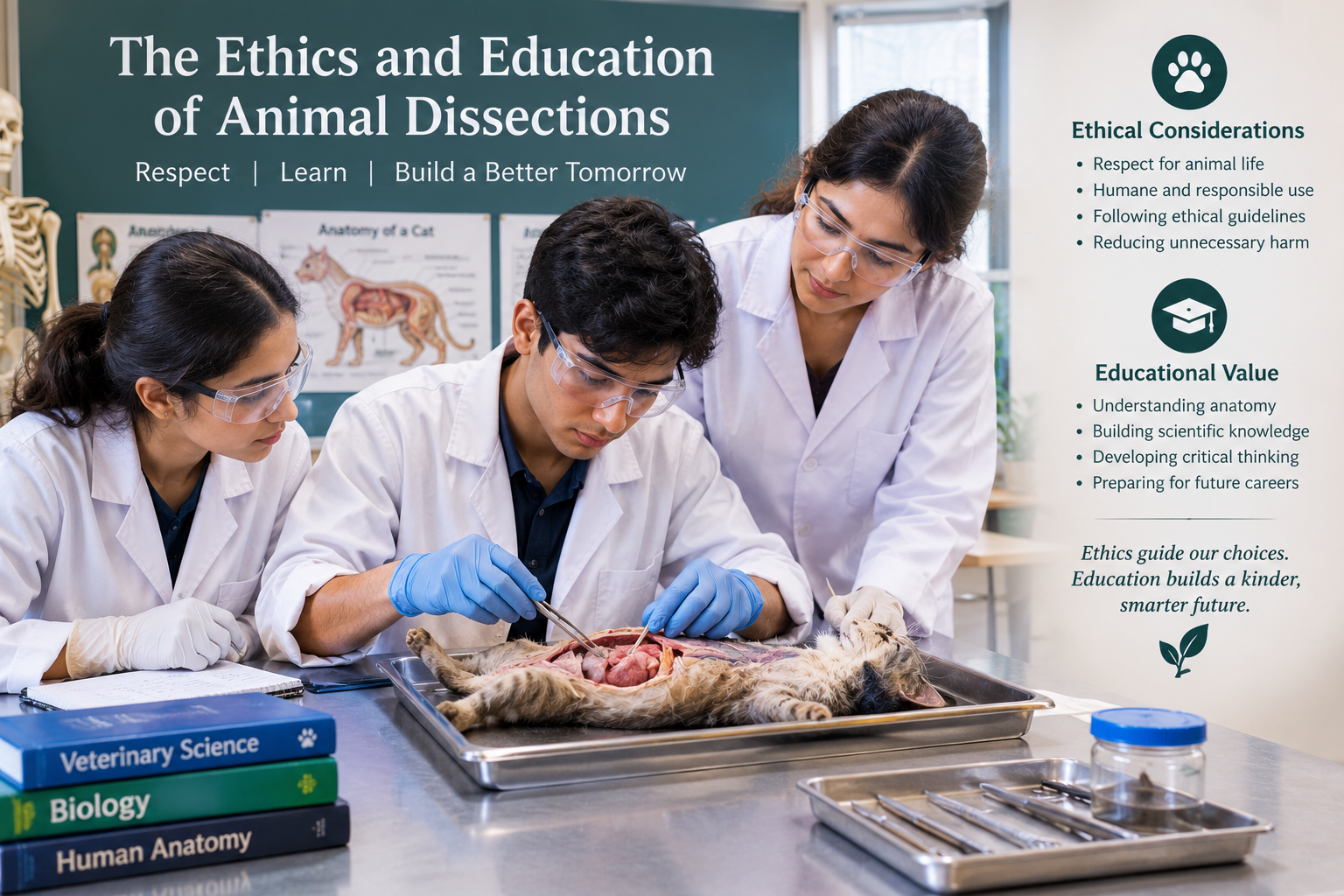
    Welcome to an exploration of science, learning, and ethical responsibility! **“The Ethics and Education of Animal Dissections”** examines the role of animal dissection in biological education and highlights the importance of balancing scientific knowledge with respect for animal life.

    Animal dissection has traditionally been used to help students understand the structure and function of organs, tissues, and body systems. Through guided observation and practical learning, students can develop a deeper understanding of anatomy, improve their scientific thinking, and explore how different biological systems work together.

    However, scientific education also involves important ethical questions. Students and educators must consider animal welfare, responsible specimen use, and ways to reduce unnecessary harm. Modern educational approaches increasingly include virtual dissections, 3D anatomical models, videos, and interactive simulations as valuable alternatives that can support effective learning.

    ## Key Topics Covered

    - Understanding animal anatomy and biological systems
    - Exploring the educational purpose of animal dissections
    - Respecting animal welfare and ethical responsibilities
    - Developing scientific knowledge and critical-thinking skills
    - Discovering virtual dissections and alternative learning methods
    - Encouraging responsible and compassionate scientific research

    ## Why Is This Topic Important?

    Understanding the ethics of animal dissection encourages students to think critically about how scientific knowledge is gained. It teaches the importance of balancing educational benefits with compassion, responsibility, and respect for living organisms.

    **Science is not only about discovering how life works; it is also about making thoughtful, ethical choices in the pursuit of knowledge.**

    Join us in exploring how education, scientific discovery, and animal welfare can work together to create a more responsible future!

    #AnimalDissection #AnimalAnatomy #ScienceEducation #Bioethics #AnimalWelfare #Biology #EthicalScience #VirtualDissection #ScientificLearning #VeterinaryScience #EducationAndEthics
    RSIF8 Roll no:14 story no:23 story topic:The Ethics and Education of Animal Dissections # ๐Ÿ”ฌ The Ethics and Education of Animal Dissections ๐Ÿพ Welcome to an exploration of science, learning, and ethical responsibility! **“The Ethics and Education of Animal Dissections”** examines the role of animal dissection in biological education and highlights the importance of balancing scientific knowledge with respect for animal life. ๐Ÿงฌ๐Ÿ“š Animal dissection has traditionally been used to help students understand the structure and function of organs, tissues, and body systems. Through guided observation and practical learning, students can develop a deeper understanding of anatomy, improve their scientific thinking, and explore how different biological systems work together. However, scientific education also involves important ethical questions. Students and educators must consider animal welfare, responsible specimen use, and ways to reduce unnecessary harm. Modern educational approaches increasingly include virtual dissections, 3D anatomical models, videos, and interactive simulations as valuable alternatives that can support effective learning. ๐ŸŒฑ๐Ÿ’ป ## ๐ŸŒŸ Key Topics Covered - ๐Ÿ”ฌ Understanding animal anatomy and biological systems - ๐Ÿพ Exploring the educational purpose of animal dissections - โค๏ธ Respecting animal welfare and ethical responsibilities - ๐Ÿ“š Developing scientific knowledge and critical-thinking skills - ๐Ÿ’ป Discovering virtual dissections and alternative learning methods - ๐ŸŒ Encouraging responsible and compassionate scientific research ## ๐ŸŽฏ Why Is This Topic Important? Understanding the ethics of animal dissection encourages students to think critically about how scientific knowledge is gained. It teaches the importance of balancing educational benefits with compassion, responsibility, and respect for living organisms. โœจ **Science is not only about discovering how life works; it is also about making thoughtful, ethical choices in the pursuit of knowledge.** Join us in exploring how education, scientific discovery, and animal welfare can work together to create a more responsible future! #AnimalDissection #AnimalAnatomy #ScienceEducation #Bioethics #AnimalWelfare #Biology #EthicalScience #VirtualDissection #ScientificLearning #VeterinaryScience #EducationAndEthics
    0 Comments 0 Shares 1266 Views
  • RSIF8
    Roll no:14
    coding atsk no:23
    coding topic:Flashcard App

    # Flashcard App – A Smart Learning and Revision Tool

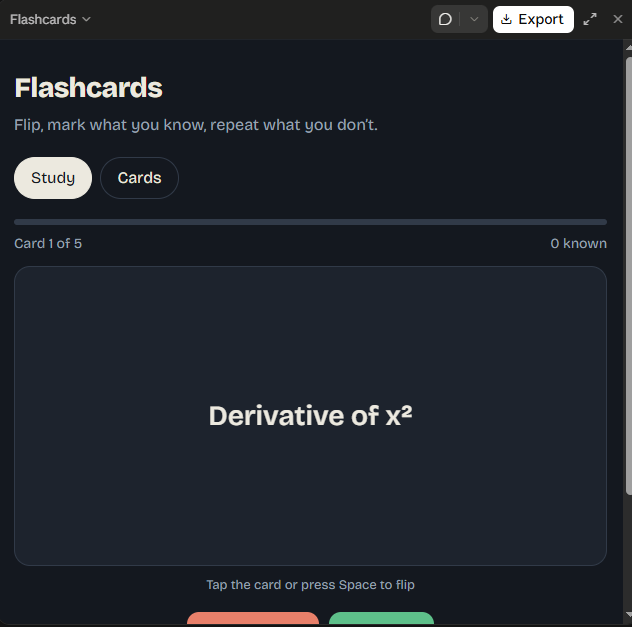
    The **Flashcard App** is a simple and interactive application designed to make learning, memorization, and revision easier and more effective. It allows users to create digital flashcards containing questions on one side and answers on the other, helping them practice important concepts and remember information more efficiently.

    Whether you are a student preparing for exams, learning a new language, or trying to memorize important facts, the Flashcard App provides a convenient way to organize your study material and improve your learning experience.

    ## Key Features

    - **Create Flashcards:** Add questions, terms, and their corresponding answers.
    - **Flip Cards:** Reveal answers whenever you are ready to check your knowledge.
    - **Easy Revision:** Review important information anytime.
    - **Organize Topics:** Group flashcards by subjects or categories.
    - **Improve Memory:** Practice recalling information to strengthen learning.
    - **User-Friendly Interface:** Enjoy a simple design that makes studying convenient.
    - **Self-Assessment:** Test your understanding and identify topics that need more practice.

    ## Project Purpose

    The main purpose of this project is to demonstrate how technology can support education through an interactive learning tool. It also helps beginners understand programming concepts such as user input, data management, interface design, and interactive controls.

    ## Conclusion

    The Flashcard App is a useful educational project that combines technology and effective study techniques in one convenient application. By encouraging active recall and regular revision, it can help learners develop better study habits and build confidence in their knowledge.

    **Learn smarter, revise regularly, and turn small study sessions into meaningful progress!**

    #FlashcardApp #EducationalApp #StudyTools #LearningMadeEasy #ProgrammingProject #StudentProject #ActiveRecall #StudySmarter #MemoryTechniques #CodingForBeginners #EducationTechnology
    RSIF8 Roll no:14 coding atsk no:23 coding topic:Flashcard App # ๐Ÿ“š Flashcard App – A Smart Learning and Revision Tool The **Flashcard App** is a simple and interactive application designed to make learning, memorization, and revision easier and more effective. It allows users to create digital flashcards containing questions on one side and answers on the other, helping them practice important concepts and remember information more efficiently. ๐Ÿง โœจ Whether you are a student preparing for exams, learning a new language, or trying to memorize important facts, the Flashcard App provides a convenient way to organize your study material and improve your learning experience. ## ๐ŸŒŸ Key Features - ๐Ÿ“ **Create Flashcards:** Add questions, terms, and their corresponding answers. - ๐Ÿ”„ **Flip Cards:** Reveal answers whenever you are ready to check your knowledge. - ๐Ÿ“– **Easy Revision:** Review important information anytime. - ๐Ÿ—‚๏ธ **Organize Topics:** Group flashcards by subjects or categories. - ๐Ÿง  **Improve Memory:** Practice recalling information to strengthen learning. - ๐Ÿ’ป **User-Friendly Interface:** Enjoy a simple design that makes studying convenient. - ๐ŸŽฏ **Self-Assessment:** Test your understanding and identify topics that need more practice. ## ๐ŸŽฏ Project Purpose The main purpose of this project is to demonstrate how technology can support education through an interactive learning tool. It also helps beginners understand programming concepts such as user input, data management, interface design, and interactive controls. ## ๐Ÿš€ Conclusion The Flashcard App is a useful educational project that combines technology and effective study techniques in one convenient application. By encouraging active recall and regular revision, it can help learners develop better study habits and build confidence in their knowledge. **Learn smarter, revise regularly, and turn small study sessions into meaningful progress!** ๐ŸŒŸ๐Ÿ“š #FlashcardApp #EducationalApp #StudyTools #LearningMadeEasy #ProgrammingProject #StudentProject #ActiveRecall #StudySmarter #MemoryTechniques #CodingForBeginners #EducationTechnology
    0 Comments 0 Shares 923 Views
  • **Ethics in Education | Michelle Craske **

    Education is not only about gaining knowledge, passing examinations, or achieving academic success. It is also about learning honesty, fairness, respect, responsibility, and compassion. The topic *“Ethics in Education”* invites us to think about the values that make learning meaningful and help create a positive educational environment for students, teachers, and the entire school community.

    Ethical education means treating every student fairly, respecting different perspectives, encouraging honesty, and creating equal opportunities for learning. Teachers have an important responsibility to guide students with fairness and integrity, while students should demonstrate respect, complete their work honestly, and take responsibility for their actions.

    In today's world, where technology and artificial intelligence are becoming important parts of education, ethical behavior is more important than ever. Students should use digital tools responsibly, protect other people's privacy, respect intellectual property, and understand the difference between using technology to learn and presenting someone else's work as their own.

    An ethical learning environment also encourages students to ask questions, express their opinions respectfully, learn from mistakes, and support one another. When honesty and mutual respect become part of everyday school life, students develop not only academic skills but also the character needed to become responsible members of society.

    **The key message:** True education develops both the mind and the character. Knowledge helps us understand the world, while ethics helps us decide how to use that knowledge responsibly.

    Let's build a future where education is guided by integrity, equal opportunity, kindness, and respect. By practicing ethical values every day, we can make our schools better places to learn and our communities better places to live!

    #EthicsInEducation #MichelleCraske #Education #AcademicIntegrity #Honesty #Respect #Fairness #ResponsibleLearning #StudentSuccess #TeachersMatter #CharacterBuilding #DigitalEthics #ResponsibleAI #CriticalThinking #EqualOpportunities #LifelongLearning #PositiveEducation #EthicalLeadership #FutureOfEducation #LearningWithPurpose
    ๐Ÿ“š๐ŸŒŸ **Ethics in Education | Michelle Craske ๐ŸŽ“โœจ** Education is not only about gaining knowledge, passing examinations, or achieving academic success. It is also about learning honesty, fairness, respect, responsibility, and compassion. ๐Ÿ’–๐ŸŒ The topic *“Ethics in Education”* invites us to think about the values that make learning meaningful and help create a positive educational environment for students, teachers, and the entire school community. ๐Ÿซ Ethical education means treating every student fairly, respecting different perspectives, encouraging honesty, and creating equal opportunities for learning. Teachers have an important responsibility to guide students with fairness and integrity, while students should demonstrate respect, complete their work honestly, and take responsibility for their actions. ๐Ÿค๐Ÿ“– ๐Ÿ’ก In today's world, where technology and artificial intelligence are becoming important parts of education, ethical behavior is more important than ever. Students should use digital tools responsibly, protect other people's privacy, respect intellectual property, and understand the difference between using technology to learn and presenting someone else's work as their own. ๐Ÿค–๐Ÿ’ป ๐ŸŒฑ An ethical learning environment also encourages students to ask questions, express their opinions respectfully, learn from mistakes, and support one another. When honesty and mutual respect become part of everyday school life, students develop not only academic skills but also the character needed to become responsible members of society. ๐ŸŽฏ **The key message:** True education develops both the mind and the character. Knowledge helps us understand the world, while ethics helps us decide how to use that knowledge responsibly. ๐ŸŒˆโœจ Let's build a future where education is guided by integrity, equal opportunity, kindness, and respect. By practicing ethical values every day, we can make our schools better places to learn and our communities better places to live! โค๏ธ๐Ÿ“š #EthicsInEducation #MichelleCraske #Education #AcademicIntegrity #Honesty #Respect #Fairness #ResponsibleLearning #StudentSuccess #TeachersMatter #CharacterBuilding #DigitalEthics #ResponsibleAI #CriticalThinking #EqualOpportunities #LifelongLearning #PositiveEducation #EthicalLeadership #FutureOfEducation #LearningWithPurpose ๐ŸŽ“๐Ÿ“š๐Ÿ’ก๐ŸŒ๐Ÿ’š
    0 Comments 0 Shares 1596 Views 6
  • **Building a Better School | Seema Yasmin **

    What makes a school truly great? Is it only about classrooms, books, exams, and grades, or is it about creating an environment where every student feels supported, respected, and inspired to learn? The idea of *“Building a Better School”* encourages us to think about how education can be improved to help students grow academically, socially, and emotionally.

    A better school is a place where curiosity is encouraged, creativity is celebrated, and students feel confident asking questions. Teachers play an important role by guiding learners, recognizing their potential, and helping them develop the knowledge and skills they need for the future. ‍

    Education is not just about memorizing information. It is also about developing critical thinking, teamwork, communication, empathy, and problem-solving skills. When schools create inclusive and welcoming environments, students have more opportunities to discover their strengths, learn from mistakes, and support one another.

    Building better schools also means embracing new ideas, using technology responsibly, supporting teachers, and making learning meaningful for every student. Parents, teachers, school leaders, and communities can work together to create educational experiences that prepare young people for real-world challenges.

    **The key message:** Every child deserves the opportunity to learn, grow, and achieve their potential. A better school begins with caring educators, supportive communities, equal opportunities, and a shared commitment to lifelong learning.

    Let's work together to make schools places where students don't just prepare for exams but also discover their abilities, develop their character, and become thoughtful, responsible, and confident individuals. Because investing in education means investing in a brighter future for everyone!

    #SeemaYasmin #BuildingABetterSchool #Education #BetterSchools #QualityEducation #StudentSuccess #LearningForLife #TeachersMatter #EducationForAll #CreativeLearning #FutureOfEducation #CriticalThinking #StudentDevelopment #InclusiveEducation #SchoolImprovement #InnovationInEducation #LifelongLearning #EmpowerStudents #InspiringEducation #BrightFuture
    ๐Ÿซ๐ŸŒŸ **Building a Better School | Seema Yasmin ๐ŸŽค๐Ÿ“š** What makes a school truly great? Is it only about classrooms, books, exams, and grades, or is it about creating an environment where every student feels supported, respected, and inspired to learn? ๐Ÿค”โœจ The idea of *“Building a Better School”* encourages us to think about how education can be improved to help students grow academically, socially, and emotionally. ๐Ÿ“š A better school is a place where curiosity is encouraged, creativity is celebrated, and students feel confident asking questions. Teachers play an important role by guiding learners, recognizing their potential, and helping them develop the knowledge and skills they need for the future. ๐Ÿ’ก๐Ÿ‘ฉ‍๐Ÿซ ๐Ÿค Education is not just about memorizing information. It is also about developing critical thinking, teamwork, communication, empathy, and problem-solving skills. When schools create inclusive and welcoming environments, students have more opportunities to discover their strengths, learn from mistakes, and support one another. ๐ŸŒˆ๐ŸŒฑ ๐Ÿš€ Building better schools also means embracing new ideas, using technology responsibly, supporting teachers, and making learning meaningful for every student. Parents, teachers, school leaders, and communities can work together to create educational experiences that prepare young people for real-world challenges. ๐Ÿ’– **The key message:** Every child deserves the opportunity to learn, grow, and achieve their potential. A better school begins with caring educators, supportive communities, equal opportunities, and a shared commitment to lifelong learning. ๐ŸŒโœจ Let's work together to make schools places where students don't just prepare for exams but also discover their abilities, develop their character, and become thoughtful, responsible, and confident individuals. Because investing in education means investing in a brighter future for everyone! ๐ŸŽ“๐Ÿ’ซ #SeemaYasmin #BuildingABetterSchool #Education #BetterSchools #QualityEducation #StudentSuccess #LearningForLife #TeachersMatter #EducationForAll #CreativeLearning #FutureOfEducation #CriticalThinking #StudentDevelopment #InclusiveEducation #SchoolImprovement #InnovationInEducation #LifelongLearning #EmpowerStudents #InspiringEducation #BrightFuture ๐Ÿซ๐Ÿ“š๐ŸŒฑ๐ŸŽ“โœจ
    0 Comments 0 Shares 1609 Views 4
More Results