• #rsisb
    Roll No.190
    Story Post No.39
    Foundation Level

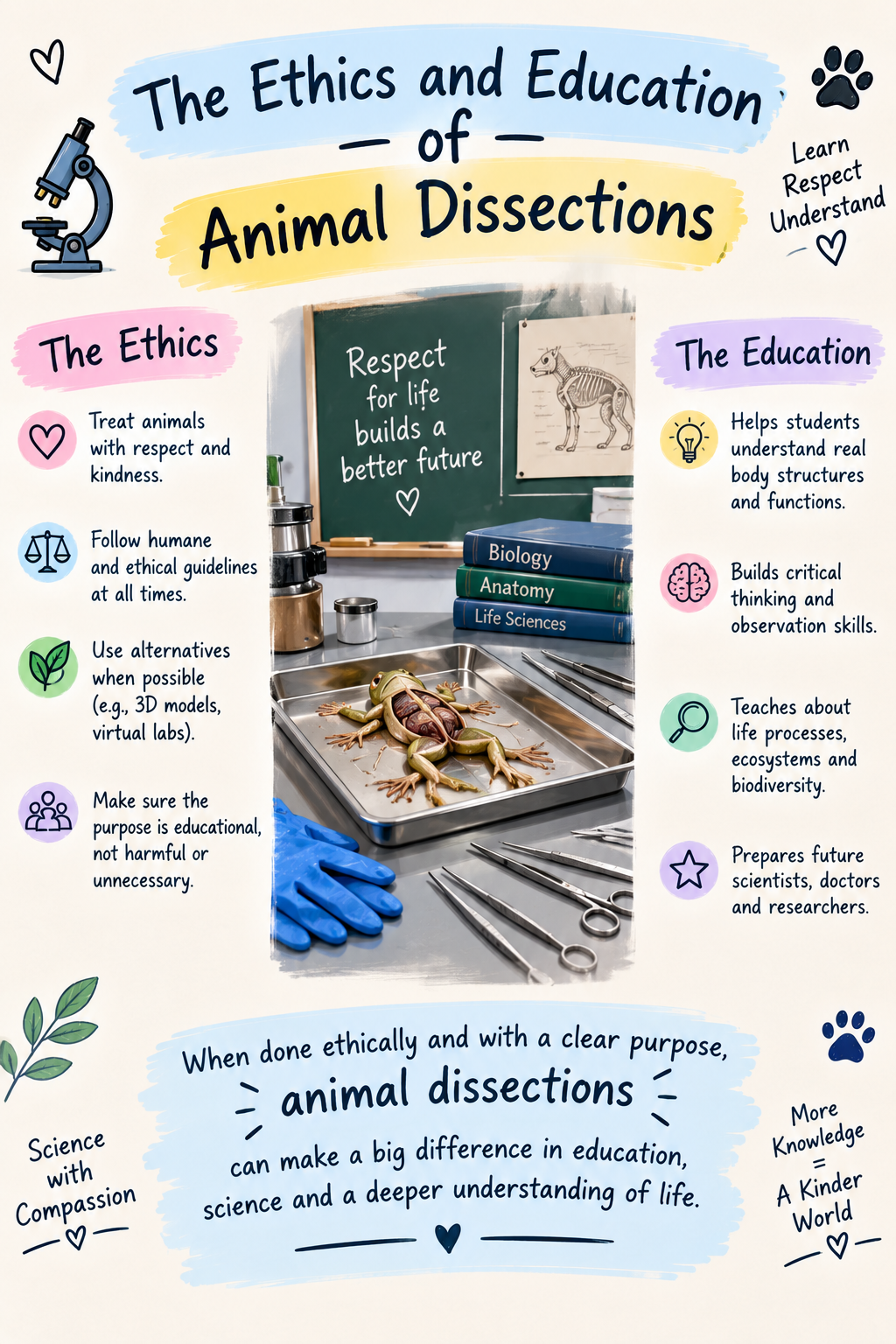
    What Animal Dissection Involves
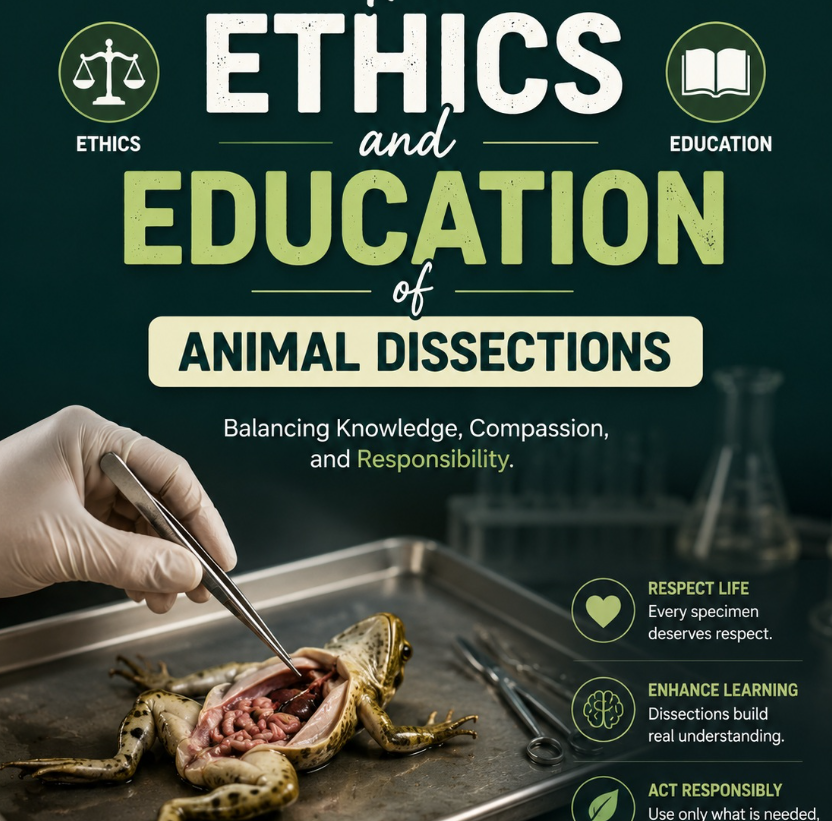
    Educational purpose: Students dissect frogs, fetal pigs, or rats to learn anatomy and physiology.

    Skill development: Builds fine motor skills, hand-eye coordination, and scientific observation.

    Historical roots: Practice dates back to ancient Greece and became common in schools by the 1920s.

    Ethical Concerns
    Animal welfare: Millions of animals are used annually, raising questions about humane treatment.

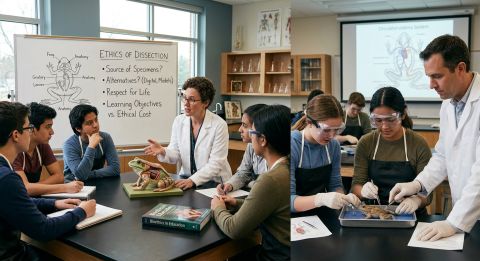
    Alternatives: Virtual dissections and 3D models offer cruelty-free learning options.

    Student choice: In many regions, students can opt out and request alternative assignments.

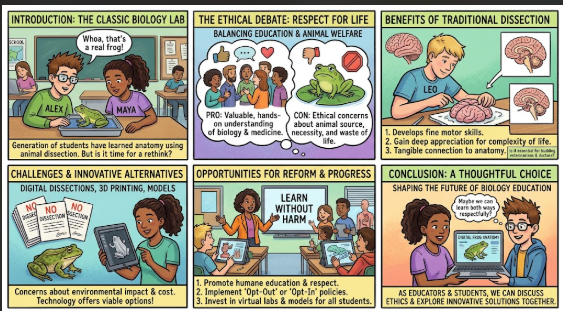
    Pros vs Cons
    Pros Cons
    Real specimens provide deeper learning Animal sourcing often considered inhumane
    Encourages careers in science & medicine Not required by most curricula
    Develops motor skills & lab confidence Effective digital alternatives exist
    Tangible connection to biology concepts Environmental impact of specimen use


    Modern Alternatives
    Virtual dissection software: Interactive 3D models of frogs, pigs, and human anatomy.

    Synthetic models: Plastic or silicone replicas allow repeated practice.

    Augmented reality: AR apps overlay anatomical structures on real-world objects.


    Would you like me to dive deeper into the ethical arguments or explore the latest alternatives being adopted in schools worldwide?

    The Ethics and Education of Animal Dissections give me deas\
    Here are some thoughtful ideas for exploring The Ethics and Education of Animal Dissections — perfect for essays, presentations, or classroom debates.

    Core Discussion Themes
    Moral responsibility: Should schools prioritize compassion over tradition when teaching biology?

    Educational value: Does hands-on dissection truly deepen understanding compared to digital alternatives?

    Student consent: Should participation be voluntary, respecting personal beliefs?

    Alternatives in education: Explore virtual labs, 3D models, and augmented reality dissections.

    Project or Essay Ideas
    Idea Focus Area Goal
    Ethical Debate Compare utilitarian vs. animal rights perspectives Encourage critical thinking
    Curriculum Reform Assess how schools can modernize biology teaching Promote humane education
    Student Survey Gather opinions on dissection experiences Measure ethical awareness
    Tech Integration Evaluate virtual dissection tools Highlight innovation in learning


    Broader Reflections
    Environmental impact: Consider how specimen sourcing affects ecosystems.

    Cultural perspectives: Different societies view animal use in education differently.

    Future of biology education: Imagine classrooms where empathy and technology coexist.

    Would you like me to help you outline a short essay or design a classroom debate plan around this topic?
    #rsisb Roll No.190 Story Post No.39 Foundation Level 🧪 What Animal Dissection Involves Educational purpose: Students dissect frogs, fetal pigs, or rats to learn anatomy and physiology. Skill development: Builds fine motor skills, hand-eye coordination, and scientific observation. Historical roots: Practice dates back to ancient Greece and became common in schools by the 1920s. ⚖️ Ethical Concerns Animal welfare: Millions of animals are used annually, raising questions about humane treatment. Alternatives: Virtual dissections and 3D models offer cruelty-free learning options. Student choice: In many regions, students can opt out and request alternative assignments. ✅ Pros vs ❌ Cons Pros Cons Real specimens provide deeper learning Animal sourcing often considered inhumane Encourages careers in science & medicine Not required by most curricula Develops motor skills & lab confidence Effective digital alternatives exist Tangible connection to biology concepts Environmental impact of specimen use 🌍 Modern Alternatives Virtual dissection software: Interactive 3D models of frogs, pigs, and human anatomy. Synthetic models: Plastic or silicone replicas allow repeated practice. Augmented reality: AR apps overlay anatomical structures on real-world objects. Would you like me to dive deeper into the ethical arguments or explore the latest alternatives being adopted in schools worldwide? The Ethics and Education of Animal Dissections give me deas\ Here are some thoughtful ideas for exploring The Ethics and Education of Animal Dissections — perfect for essays, presentations, or classroom debates. 🧠 Core Discussion Themes Moral responsibility: Should schools prioritize compassion over tradition when teaching biology? Educational value: Does hands-on dissection truly deepen understanding compared to digital alternatives? Student consent: Should participation be voluntary, respecting personal beliefs? Alternatives in education: Explore virtual labs, 3D models, and augmented reality dissections. 🧪 Project or Essay Ideas Idea Focus Area Goal Ethical Debate Compare utilitarian vs. animal rights perspectives Encourage critical thinking Curriculum Reform Assess how schools can modernize biology teaching Promote humane education Student Survey Gather opinions on dissection experiences Measure ethical awareness Tech Integration Evaluate virtual dissection tools Highlight innovation in learning 🌍 Broader Reflections Environmental impact: Consider how specimen sourcing affects ecosystems. Cultural perspectives: Different societies view animal use in education differently. Future of biology education: Imagine classrooms where empathy and technology coexist. Would you like me to help you outline a short essay or design a classroom debate plan around this topic?
    0 تبصرے 0 شیئرز 5352 ویوز
  • #rsisb
    Roll No.190
    Story Post No.38
    Foundation Level

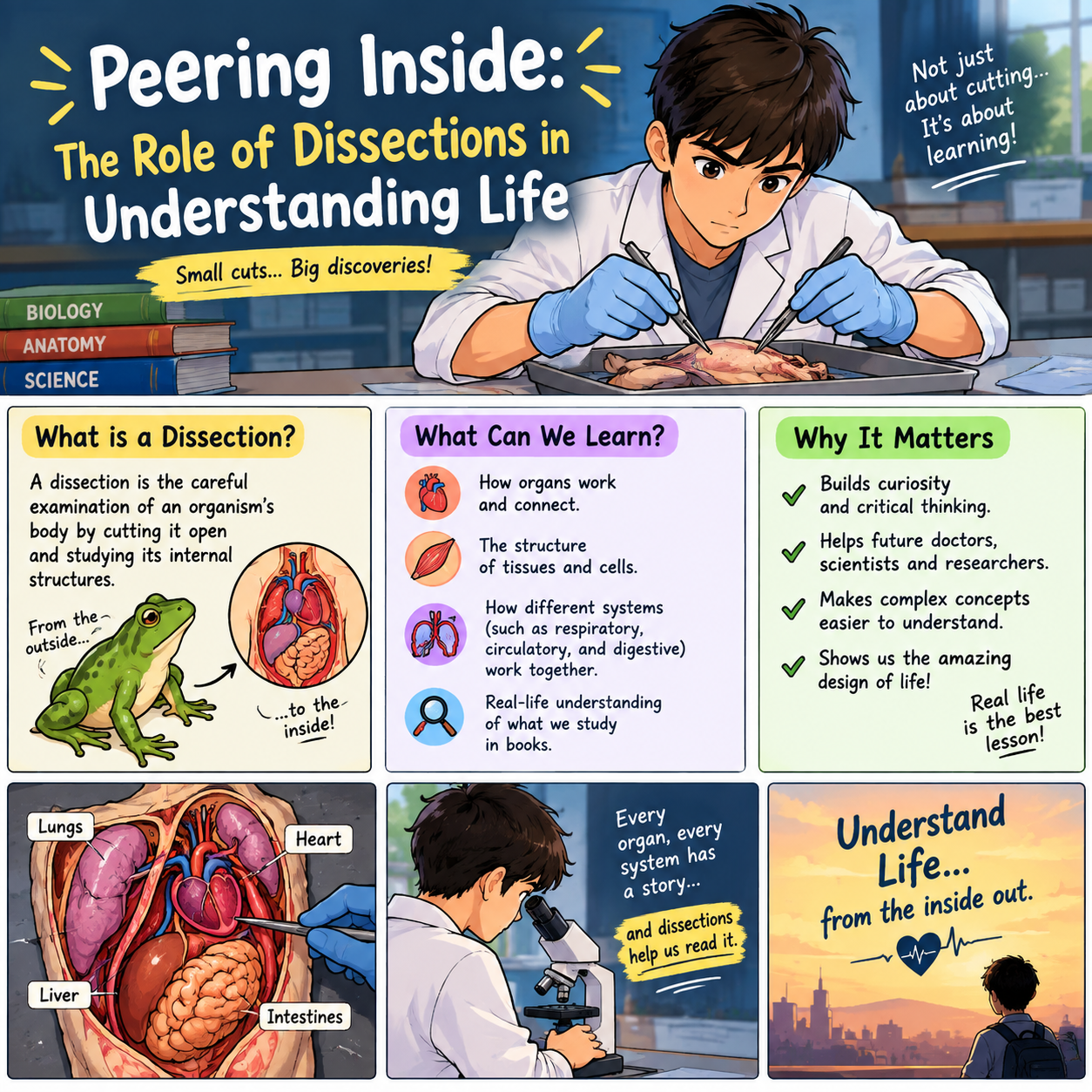
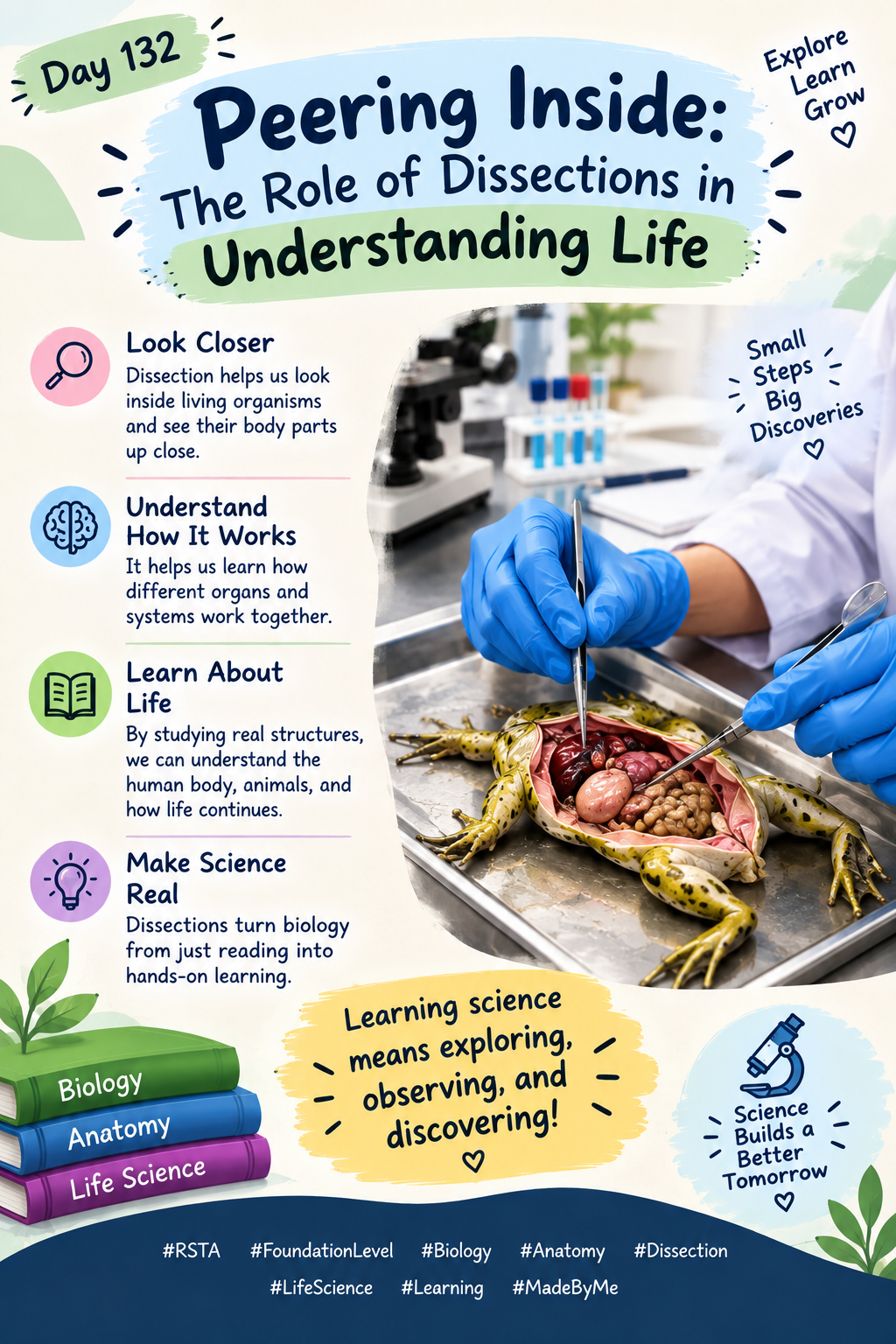
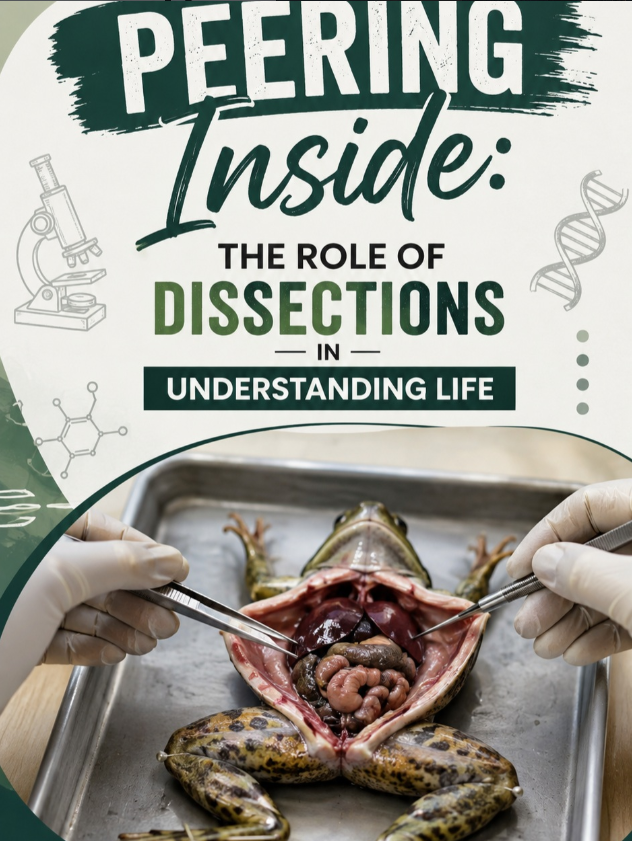
    Peering Inside: The Role of Dissections in Understanding Life

    Dissection has played a vital role in helping scientists, students, and researchers understand how living organisms function. By carefully examining the internal structures of animals and plants, we gain a deeper appreciation for the complexity and beauty of life.

    Through dissections, learners can observe organs, tissues, and body systems firsthand, turning textbook diagrams into real-world understanding. This hands-on experience helps reveal how different parts of an organism work together to support survival, growth, and reproduction. From studying the circulatory system to exploring the digestive tract, dissections provide valuable insights into biology and anatomy.

    Dissections have also contributed to major scientific discoveries and advances in medicine. Understanding anatomy has helped doctors develop treatments, perform surgeries, and improve healthcare for people around the world.

    At the same time, modern science encourages ethical practices and respect for living organisms. Many educational programs now combine traditional dissections with digital simulations and 3D models, giving students multiple ways to learn about anatomy while promoting responsible scientific study.

    The study of life is a journey of curiosity and discovery. By looking beneath the surface, we can better understand the intricate systems that make life possible and develop a greater respect for the natural world around us.

    Explore. Learn. Discover.
    Science begins with curiosity.
    Understanding life starts from within.

    #Biology #Science #Dissection #Anatomy #LifeScience #Education #STEM #Learning #ScientificDiscovery #Research #MedicalScience #Curiosity #Nature #Students #BiologyClass #AnatomyStudy #ScienceEducation #Knowledge #LearningJourney #ExploreScience
    #rsisb Roll No.190 Story Post No.38 Foundation Level 🧬 Peering Inside: The Role of Dissections in Understanding Life 🐸🔬 Dissection has played a vital role in helping scientists, students, and researchers understand how living organisms function. By carefully examining the internal structures of animals and plants, we gain a deeper appreciation for the complexity and beauty of life. 🌿✨ Through dissections, learners can observe organs, tissues, and body systems firsthand, turning textbook diagrams into real-world understanding. 📚🔍 This hands-on experience helps reveal how different parts of an organism work together to support survival, growth, and reproduction. From studying the circulatory system to exploring the digestive tract, dissections provide valuable insights into biology and anatomy. ❤️🫁🧠 Dissections have also contributed to major scientific discoveries and advances in medicine. Understanding anatomy has helped doctors develop treatments, perform surgeries, and improve healthcare for people around the world. 🏥⚕️ At the same time, modern science encourages ethical practices and respect for living organisms. Many educational programs now combine traditional dissections with digital simulations and 3D models, giving students multiple ways to learn about anatomy while promoting responsible scientific study. 💻🌎 The study of life is a journey of curiosity and discovery. By looking beneath the surface, we can better understand the intricate systems that make life possible and develop a greater respect for the natural world around us. 🌍🔬🌱 ✨ Explore. Learn. Discover. ✨ Science begins with curiosity. ✨ Understanding life starts from within. #Biology #Science #Dissection #Anatomy #LifeScience #Education #STEM #Learning #ScientificDiscovery #Research #MedicalScience #Curiosity #Nature #Students #BiologyClass #AnatomyStudy #ScienceEducation #Knowledge #LearningJourney #ExploreScience 🧬🔬📚🌿🐸🧠❤️🌍✨
    0 تبصرے 0 شیئرز 4426 ویوز