• #rsisb
    Roll No.240
    Duolingo English Test
    Foundation Level

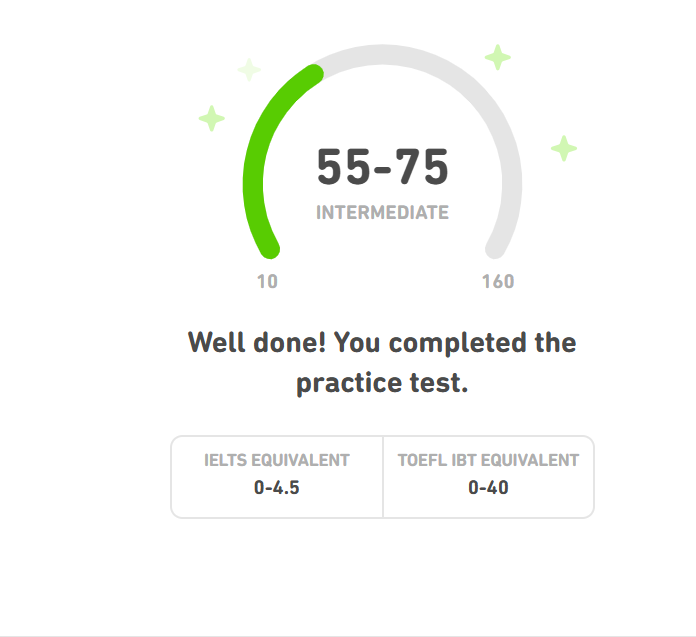
    Today was a very special and valuable learning day for me! I took the Duolingo English Test (DET), and I really enjoyed the whole experience. During the test, I learned many new things and got the chance to practice different English skills.

    I answered many interesting questions and tried my best to give clear, confident, and thoughtful answers. Some questions were challenging, but they helped me think in English and improve my understanding. I also learned new vocabulary, practiced my grammar, and became more confident in speaking and writing English.

    The most exciting part was seeing my progress while answering the questions. I felt happy because I was able to understand the questions better and express my ideas more confidently. This experience showed me that regular practice, confidence, and hard work can make our English skills better every day.

    Today, I did not just take a test—I also gained a new learning experience. I learned from my mistakes, discovered my strengths, and motivated myself to continue improving.

    I am thankful for this experience and excited to keep learning English. My goal is to become more fluent, confident, and successful in the future.

    Learn more. Practice more. Believe in yourself. Keep growing!

    #DuolingoEnglishTest #DET #Duolingo #EnglishLearning #LearnEnglish #EnglishPractice #EnglishSkills #EnglishSpeaking #EnglishWriting #EnglishListening #EnglishReading #EnglishTest #EnglishProficiency #StudentLife #StudyGoals #Education #LearningJourney #SelfImprovement #EnglishVocabulary #EnglishGrammar #SpeakEnglish #PracticeEnglish #Confidence #Motivation #Success #StudyMotivation #NeverStopLearning #KeepLearning #FutureGoals #AcademicSuccess

    Rehan School Islamabad Campus
    Asma Shaheen EducationWali
    Irum Asim
    Saima Happinesswali

    #rsisb Roll No.240 Duolingo English Test Foundation Level Today was a very special and valuable learning day for me! ๐ŸŽ“๐Ÿ˜Š I took the Duolingo English Test (DET), and I really enjoyed the whole experience. ๐Ÿ’ป๐Ÿ“ During the test, I learned many new things and got the chance to practice different English skills. ๐Ÿ—ฃ๏ธ๐ŸŽง๐Ÿ“–โœ๏ธ I answered many interesting questions and tried my best to give clear, confident, and thoughtful answers. ๐Ÿ’ช๐ŸŒŸ Some questions were challenging, but they helped me think in English and improve my understanding. ๐Ÿง ๐Ÿ“š I also learned new vocabulary, practiced my grammar, and became more confident in speaking and writing English. ๐Ÿ‡ฌ๐Ÿ‡งโœจ The most exciting part was seeing my progress while answering the questions. ๐Ÿ˜โœ… I felt happy because I was able to understand the questions better and express my ideas more confidently. ๐Ÿ—ฃ๏ธ๐Ÿ’ฏ This experience showed me that regular practice, confidence, and hard work can make our English skills better every day. ๐Ÿš€๐Ÿ“ˆ Today, I did not just take a test—I also gained a new learning experience. ๐ŸŒฑ๐Ÿ“– I learned from my mistakes, discovered my strengths, and motivated myself to continue improving. ๐Ÿ’ช๐Ÿ”ฅ I am thankful for this experience and excited to keep learning English. โค๏ธ๐Ÿ“š My goal is to become more fluent, confident, and successful in the future. ๐ŸŒŸ๐ŸŽฏ โœจ Learn more. Practice more. Believe in yourself. Keep growing! ๐Ÿš€๐Ÿ’™ #DuolingoEnglishTest #DET #Duolingo #EnglishLearning #LearnEnglish #EnglishPractice #EnglishSkills #EnglishSpeaking #EnglishWriting #EnglishListening #EnglishReading #EnglishTest #EnglishProficiency #StudentLife #StudyGoals #Education #LearningJourney #SelfImprovement #EnglishVocabulary #EnglishGrammar #SpeakEnglish #PracticeEnglish #Confidence #Motivation #Success #StudyMotivation #NeverStopLearning #KeepLearning #FutureGoals #AcademicSuccess ๐ŸŽ“๐Ÿ“š๐Ÿ‡ฌ๐Ÿ‡งโœจ๐Ÿ’ช๐Ÿš€ Rehan School Islamabad Campus Asma Shaheen EducationWali Irum Asim Saima Happinesswali
    0 Comments 0 Shares 3186 Views
  • #rsisb
    Roll no.239
    maya no.10
    Foundation Level

    Explore how the simple word **“Please”** has evolved into one of the most important expressions of politeness and respect. In this 5-minute presentation, discover its meaning, history, everyday use, and how a small word can make communication more kind, respectful, and positive.

    #Please #EvolutionOfPoliteness #Politeness #GoodManners #Respect #CommunicationSkills #EnglishLanguage #LanguageEvolution #HistoryOfLanguage #Kindness #PositiveCommunication #Etiquette #SocialSkills #LearnEnglish #EnglishVocabulary #EffectiveCommunication #RespectfulCommunication #5MinutePresentation #EducationalContent #Learning
    #rsisb Roll no.239 maya no.10 Foundation Level Explore how the simple word **“Please”** has evolved into one of the most important expressions of politeness and respect. In this 5-minute presentation, discover its meaning, history, everyday use, and how a small word can make communication more kind, respectful, and positive. ๐ŸŒŸ #Please #EvolutionOfPoliteness #Politeness #GoodManners #Respect #CommunicationSkills #EnglishLanguage #LanguageEvolution #HistoryOfLanguage #Kindness #PositiveCommunication #Etiquette #SocialSkills #LearnEnglish #EnglishVocabulary #EffectiveCommunication #RespectfulCommunication #5MinutePresentation #EducationalContent #Learning
    0 Comments 0 Shares 3557 Views 17
  • #rsisb
    Roll no.239
    Coding task no.15
    Foundation Level

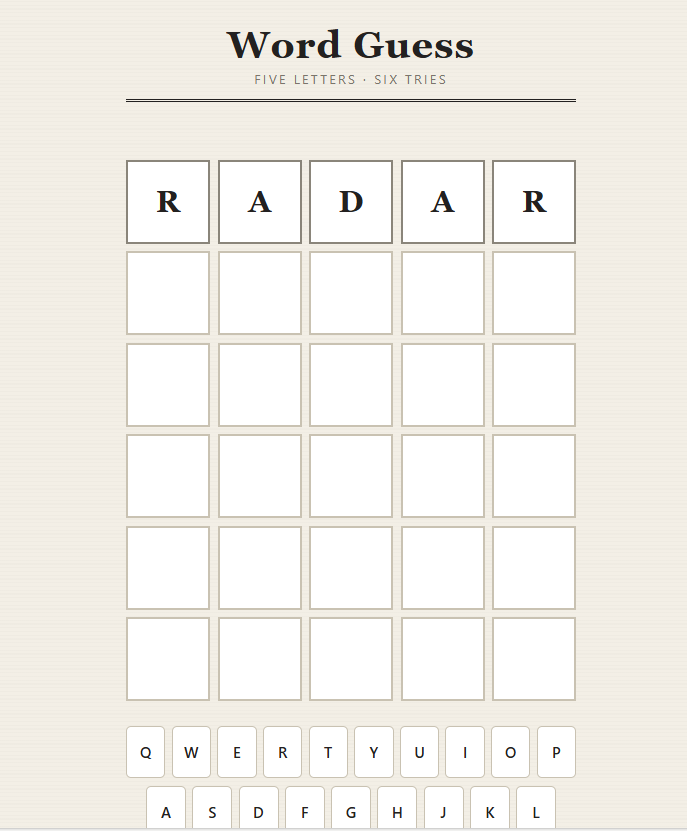
    Challenge your mind and test your vocabulary with an exciting **Word Guessing Game!** Guess the hidden word by using clues, thinking carefully, and making smart choices.

    This fun and interactive game is a great way to improve **vocabulary, spelling, memory, concentration, and problem-solving skills**. Every guess brings you one step closer to discovering the secret word!

    Whether you're playing with friends , practicing English , or building your coding skills through a simple game project , word guessing is an entertaining way to learn while having fun.

    **Think smart. Guess carefully. Discover the word!**

    #WordGuessingGame #WordGame #GuessTheWord #Vocabulary #EnglishVocabulary #LearningEnglish #EnglishGame #BrainGame #MindGame #PuzzleGame #FunLearning #EducationalGame #GameDevelopment #Coding #Programming #Python #JavaScript #HTML #CSS #CodingProject #BeginnerCoding #ComputerScience #Students #StudentProject #LearnToCode #ProgrammingForBeginners #ProblemSolving #CriticalThinking #BrainTraining #MemoryGame #Spelling #LanguageLearning #InteractiveGame #FunGame #GameChallenge #TechEducation #STEM #Education #Learning #Knowledge #CreativeCoding #CodingForStudents #BuildGames #GameProject #DigitalLearning #SmartLearning #LearnAndPlay #ChallengeYourMind
    #rsisb Roll no.239 Coding task no.15 Foundation Level Challenge your mind and test your vocabulary with an exciting **Word Guessing Game!** ๐ŸŽฏ๐Ÿ“š Guess the hidden word by using clues, thinking carefully, and making smart choices. ๐Ÿ’ก๐Ÿ” This fun and interactive game is a great way to improve **vocabulary, spelling, memory, concentration, and problem-solving skills**. ๐Ÿง โœ๏ธ๐Ÿ“– Every guess brings you one step closer to discovering the secret word! ๐Ÿ”๐Ÿ”ค Whether you're playing with friends ๐Ÿ‘ฅ, practicing English ๐Ÿ‡ฌ๐Ÿ‡ง, or building your coding skills through a simple game project ๐Ÿ’ป, word guessing is an entertaining way to learn while having fun. ๐Ÿš€๐ŸŽฎ ๐Ÿ”ฅ **Think smart. Guess carefully. Discover the word!** ๐Ÿ†โœจ #WordGuessingG๐Ÿ™ƒame #WordGame #GuessTheWord #Vocabulary #EnglishVocabulary #LearningEnglish #EnglishGame #BrainGame #MindGame #PuzzleGame #FunLearning #EducationalGame #GameDevelopment #Coding #Programming #Python #JavaScript #HTML #CSS #CodingProject #BeginnerCoding #ComputerScience #Students #StudentProject #LearnToCode #ProgrammingForBeginners #ProblemSolving #CriticalThinking #BrainTraining #MemoryGame #Spelling #LanguageLearning #InteractiveGame #FunGame #GameChallenge #TechEducation #STEM #Education #Learning #Knowledge #CreativeCoding #CodingForStudents #BuildGames #GameProject #DigitalLearning #SmartLearning #LearnAndPlay #ChallengeYourMind ๐ŸŽฎ๐Ÿง ๐Ÿ”ค๐Ÿ’ป๐Ÿš€๐Ÿ†โœจ
    0 Comments 0 Shares 5565 Views
  • #rsisb
    Roll no 248
    Foundation level
    Call Annie no 10
    **"Wow" – The Origin of an Expression of Surprise! **

    Have you ever wondered where the word **“Wow!”** came from? This short and exciting 10-minute journey explores the history, meaning, and evolution of one of the world’s most popular expressions of surprise! From its early use to the way we say it today, discover how a simple word can express **amazement, excitement, wonder, and joy**.

    Get ready to say **WOW!** as we explore the fascinating story behind this everyday expression!

    #Wow #WordOrigin #EnglishLanguage #LearnEnglish #HistoryOfWords #EnglishVocabulary #LanguageLearning #FunFacts #DidYouKnow #Surprise #AmazingWords #Education #LearnSomethingNew #Curiosity #EnglishLearner
    #rsisb Roll no 248 Foundation level Call Annie no 10 ๐ŸŒŸ **"Wow" – The Origin of an Expression of Surprise! ๐Ÿ˜ฒโœจ** Have you ever wondered where the word **“Wow!”** came from? ๐Ÿค”๐ŸŒ This short and exciting 10-minute journey explores the history, meaning, and evolution of one of the world’s most popular expressions of surprise! ๐ŸŽ‰ From its early use to the way we say it today, discover how a simple word can express **amazement, excitement, wonder, and joy**. ๐Ÿ˜ฎ๐Ÿ‘ Get ready to say **WOW!** as we explore the fascinating story behind this everyday expression! ๐Ÿš€๐Ÿ“šโœจ #Wow #WordOrigin #EnglishLanguage #LearnEnglish #HistoryOfWords #EnglishVocabulary #LanguageLearning #FunFacts #DidYouKnow #Surprise #AmazingWords #Education #LearnSomethingNew #Curiosity #EnglishLearner ๐Ÿ“š๐ŸŒŸ๐Ÿ˜ฒ
    0 Comments 0 Shares 1933 Views 9
  • #rsisb
    Roll no.239
    Maya no.7
    Foundation Level

    **“Hurry Up!”** is one of the most familiar and widely used expressions in everyday English. We hear it at home, at school, at work, while traveling, and even during emergencies. Although it consists of only two simple words, the phrase carries a strong message: **act faster, move quickly, or do not waste time.**

    In this fascinating topic, **“Hurry Up!” – The Tale of a Time-Sensitive Phrase**, we explore the story behind this common expression and discover how the idea of urgency has become an important part of human communication. Why do people say “Hurry Up”? Where did the word **“hurry”** come from? Why is the word **“up”** used with it? And how did this short phrase become such a natural part of everyday English?

    The phrase can express different emotions depending on the situation and the speaker’s tone. It can show **urgency, excitement, impatience, encouragement, frustration, or even concern**. A parent may say “Hurry Up!” when a child is late for school, while a friend might say it playfully when someone is taking too long to get ready. In an emergency, however, the same phrase can become a serious warning that immediate action is needed.

    This topic also explores the relationship between **language and our perception of time**. Modern life moves quickly, and people often have appointments, deadlines, schedules, meetings, exams, and responsibilities that require them to act promptly. As a result, expressions such as “Hurry Up!”, “Be quick!”, “Come on!”, and “We’re running out of time!” have become essential parts of everyday communication.

    But is rushing always a good thing? Sometimes, moving quickly can help us meet a deadline or avoid missing an important opportunity. At other times, rushing can lead to **mistakes, stress, poor decisions, and unnecessary pressure**. Understanding when to hurry and when to slow down is an important part of managing time wisely.

    Through the story of **“Hurry Up!”**, we can learn not only about the history and meaning of an English phrase, but also about **human behavior, communication, culture, urgency, productivity, and the value of time**.

    Join us as we take a closer look at this simple expression and discover how **two ordinary words can tell a much bigger story about the way people live, communicate, and respond to time.**

    ### Hashtags

    #HurryUp #TimeSensitivePhrase #PhraseHistory #HistoryOfLanguage #EnglishLanguage #EnglishExpressions #LearnEnglish #EnglishVocabulary #LanguageLearning #InterestingEnglish #WordsAndMeaning #TimeManagement #TimeMatters #Urgency #CommunicationSkills #DailyEnglish #EnglishLearning #Vocabulary #LanguageHistory #DidYouKnow #EducationalContent #Knowledge #LearningIsFun #EnglishWords #ExploreLanguage #SpeakEnglish #ImproveEnglish #Education #FunFacts #LifeLessons
    #rsisb Roll no.239 Maya no.7 Foundation Level **“Hurry Up!”** is one of the most familiar and widely used expressions in everyday English. We hear it at home, at school, at work, while traveling, and even during emergencies. Although it consists of only two simple words, the phrase carries a strong message: **act faster, move quickly, or do not waste time.** In this fascinating topic, **“Hurry Up!” – The Tale of a Time-Sensitive Phrase**, we explore the story behind this common expression and discover how the idea of urgency has become an important part of human communication. Why do people say “Hurry Up”? Where did the word **“hurry”** come from? Why is the word **“up”** used with it? And how did this short phrase become such a natural part of everyday English? ๐Ÿค”๐Ÿ“– The phrase can express different emotions depending on the situation and the speaker’s tone. It can show **urgency, excitement, impatience, encouragement, frustration, or even concern**. A parent may say “Hurry Up!” when a child is late for school, while a friend might say it playfully when someone is taking too long to get ready. In an emergency, however, the same phrase can become a serious warning that immediate action is needed. ๐Ÿšจ This topic also explores the relationship between **language and our perception of time**. Modern life moves quickly, and people often have appointments, deadlines, schedules, meetings, exams, and responsibilities that require them to act promptly. As a result, expressions such as “Hurry Up!”, “Be quick!”, “Come on!”, and “We’re running out of time!” have become essential parts of everyday communication. โณ But is rushing always a good thing? Sometimes, moving quickly can help us meet a deadline or avoid missing an important opportunity. At other times, rushing can lead to **mistakes, stress, poor decisions, and unnecessary pressure**. Understanding when to hurry and when to slow down is an important part of managing time wisely. Through the story of **“Hurry Up!”**, we can learn not only about the history and meaning of an English phrase, but also about **human behavior, communication, culture, urgency, productivity, and the value of time**. ๐ŸŒ๐Ÿ• Join us as we take a closer look at this simple expression and discover how **two ordinary words can tell a much bigger story about the way people live, communicate, and respond to time.** ๐Ÿ“šโœจ ### ๐Ÿ”– Hashtags #HurryUp #TimeSensitivePhrase #PhraseHistory #HistoryOfLanguage #EnglishLanguage #EnglishExpressions #LearnEnglish #EnglishVocabulary #LanguageLearning #InterestingEnglish #WordsAndMeaning #TimeManagement #TimeMatters #Urgency #CommunicationSkills #DailyEnglish #EnglishLearning #Vocabulary #LanguageHistory #DidYouKnow #EducationalContent #Knowledge #LearningIsFun #EnglishWords #ExploreLanguage #SpeakEnglish #ImproveEnglish #Education #FunFacts #LifeLessons โฐ๐Ÿ“–๐ŸŒโœจ
    0 Comments 0 Shares 4533 Views 10
  • #rsisb Roll No.240 Maya No.5 Foundation Level ๐Ÿ‘‹ "Bye-Bye" – Where Did Our Goodbye Come From? ๐ŸŒโœจ Have you ever wondered where the phrase "Bye-Bye" comes from? ๐Ÿค” In this episode, we'll explore the fascinating history behind one of the world's most common farewell expressions. From its roots in the word "goodbye" to how it became the short, friendly phrase we use every day, you'll discover the surprising story behind this simple expression. Whether you're an English learner, a language lover, or just curious about the origins of everyday words, this episode is full of fun facts and easy-to-understand explanations. ๐Ÿ“š๐Ÿ’ก Learn how "goodbye" evolved over time, why people started saying "bye-bye," and how this cheerful farewell became popular across the globe. Don't forget to like ๐Ÿ‘, share ๐Ÿ“ค, and subscribe ๐Ÿ”” for more interesting stories about English words, phrases, and their amazing histories! #ByeBye ๐Ÿ‘‹ #Goodbye ๐Ÿ‘‹ #WordOrigins ๐Ÿ“– #EnglishHistory ๐ŸŒ #LearnEnglish ๐Ÿ‡ฌ๐Ÿ‡ง #EnglishVocabulary ๐Ÿ“ #LanguageLearning ๐Ÿ’ฌ #DidYouKnow ๐Ÿค” #FunFacts โœจ #HistoryOfWords ๐Ÿ“š #EnglishPhrases ๐Ÿ’ก #SpeakEnglish ๐Ÿ—ฃ๏ธ #Education ๐ŸŽ“ #Knowledge ๐Ÿš€ #CuriousMinds ๐ŸŒŸ Rehan School Islamabad Campus Asma Shaheen EducationWali Irum Asim Saima Happinesswali https://www.facebook.com/share/v/1DqYPQujKz/
    WWW.FACEBOOK.COM
    Facebook
    #rsisb Roll No.240 Maya No.5 Foundation Level ๐Ÿ‘‹ "Bye-Bye" – Where Did Our Goodbye Come From? ๐ŸŒโœจ Have you ever wondered where the phrase "Bye-Bye" comes from? ๐Ÿค” In this episode, we'll explore the...
    0 Comments 0 Shares 1877 Views
  • #rsisb Roll No.240 Maya No.4 Foundation Level โณ **"Hurry Up!" – The Tale of a Time-Sensitive Phrase** ๐Ÿš€ Have you ever wondered why people say **"Hurry up!"** and where this common phrase comes from? ๐Ÿค” In this video, we explore the fascinating story behind one of the world's most frequently used expressions. From everyday conversations to emergency situations, "Hurry up!" has become a universal way to encourage speed and urgency. You'll discover the meaning of the phrase, its historical background, how it became popular in English, and the many situations where native speakers use it naturally. Whether you're learning English, improving your vocabulary, or simply curious about the stories behind everyday words, this video will give you interesting insights in a simple and enjoyable way. ๐ŸŒ Language is full of expressions with surprising histories, and "Hurry up!" is no exception. Join us as we uncover the origin, evolution, and modern usage of this time-sensitive phrase. ๐Ÿ“š In this video, you'll learn: โœ… What "Hurry up!" really means โœ… The history of the phrase โœ… Why it became so popular โœ… Everyday examples of its use โœ… Tips to use it naturally in English conversations ๐Ÿ’ฌ If you enjoyed this video, don't forget to **Like ๐Ÿ‘, Share ๐Ÿ“ค, and Subscribe ๐Ÿ””** for more videos about English phrases, word origins, language history, and interesting facts. โœจ Keep learning, keep growing, and keep exploring the amazing world of language! #HurryUp #EnglishPhrases #WordOrigins #LanguageHistory #LearnEnglish #EnglishVocabulary #SpeakEnglish #EverydayEnglish #EnglishLearning #InterestingFacts #HistoryOfWords #Communication #VocabularyBuilding #EnglishTips #Education #LanguageLovers #DailyEnglish #EnglishExpressions #StudyEnglish #Knowledge ๐ŸŒŸ๐Ÿ“š โฐ๐Ÿš€ Rehan School Islamabad Campus Asma Shaheen EducationWali Irum Asim Saima Happinesswali https://www.facebook.com/share/v/1BhHGZfRi5/
    WWW.FACEBOOK.COM
    Facebook
    #rsisb Roll No.240 Maya No.4 Foundation Level โณ **"Hurry Up!" – The Tale of a Time-Sensitive Phrase** ๐Ÿš€ Have you ever wondered why people say **"Hurry up!"** and where this common phrase comes...
    0 Comments 0 Shares 3171 Views
  • #rsisb
    RollNo.247
    Maya No.5
    Foundation Level

    # **"Wow" – The Origin of an Expression of Surprise (10 Min)**

    Have you ever wondered where the word **"Wow!"** comes from? It is one of the most popular expressions in the English language, used by millions of people every day to show **surprise, excitement, amazement, admiration, or disbelief**. Whether you see something beautiful, hear exciting news, or experience an unexpected moment, "Wow!" is often the first word that comes to mind.

    The origin of **"Wow"** dates back to the early **16th century**, although it became much more common during the **19th and 20th centuries**. Linguists believe it started as a natural human exclamation—a spontaneous sound people made when they were shocked or impressed. Unlike many English words that come from Latin, Greek, or French, "Wow" developed naturally from human emotion.

    Today, "Wow" is recognized around the world and is used in conversations, movies, books, television shows, social media, and everyday life. It is a simple word, yet it carries powerful emotions. Depending on your tone of voice, "Wow" can express happiness, surprise, admiration, excitement, or even disappointment.

    For example:
    "Wow! That's an amazing idea!"
    "Wow! You won the competition!"
    "Wow! This place is beautiful!"
    "Wow! I didn't know that!"

    Learning expressions like **"Wow"** helps improve your English speaking skills because native speakers use them naturally in daily conversations. These small expressions make your communication sound more fluent, expressive, and engaging.

    The next time something surprises you, don't hesitate to say **"Wow!"** It is a tiny word with a big impact that instantly shares your feelings with others.

    **Fun Fact:** Although every language has its own expressions of surprise, "Wow" has become so popular that people in many countries use it even when English is not their first language!

    Keep learning new English expressions and discover the fascinating stories behind the words we use every day. Every word has a history, and every expression tells a story!

    #EnglishLearning #WordOrigin #Wow #ExpressionOfSurprise #Vocabulary #LearnEnglish #EnglishSpeaking #CommunicationSkills #LanguageLearning #DailyEnglish #EnglishVocabulary #Education #Knowledge #FunFacts #SpeakEnglish #ImproveEnglish #LearningJourney #StudyEnglish #Curiosity #Language #EnglishExpressions #WordsMatter #Inspiration
    #rsisb RollNo.247 Maya No.5 Foundation Level # ๐ŸŒŸ **"Wow" – The Origin of an Expression of Surprise (10 Min)** ๐Ÿ˜ฒโœจ Have you ever wondered where the word **"Wow!"** comes from? ๐Ÿค” It is one of the most popular expressions in the English language, used by millions of people every day to show **surprise, excitement, amazement, admiration, or disbelief**. Whether you see something beautiful, hear exciting news, or experience an unexpected moment, "Wow!" is often the first word that comes to mind. The origin of **"Wow"** dates back to the early **16th century**, although it became much more common during the **19th and 20th centuries**. Linguists believe it started as a natural human exclamation—a spontaneous sound people made when they were shocked or impressed. Unlike many English words that come from Latin, Greek, or French, "Wow" developed naturally from human emotion. Today, "Wow" is recognized around the world and is used in conversations, movies, books, television shows, social media, and everyday life. It is a simple word, yet it carries powerful emotions. Depending on your tone of voice, "Wow" can express happiness, surprise, admiration, excitement, or even disappointment. For example: โœจ "Wow! That's an amazing idea!" ๐ŸŽ‰ "Wow! You won the competition!" ๐ŸŒ "Wow! This place is beautiful!" ๐Ÿ“š "Wow! I didn't know that!" Learning expressions like **"Wow"** helps improve your English speaking skills because native speakers use them naturally in daily conversations. These small expressions make your communication sound more fluent, expressive, and engaging. The next time something surprises you, don't hesitate to say **"Wow!"** It is a tiny word with a big impact that instantly shares your feelings with others. ๐Ÿ’ก **Fun Fact:** Although every language has its own expressions of surprise, "Wow" has become so popular that people in many countries use it even when English is not their first language! ๐ŸŒŸ Keep learning new English expressions and discover the fascinating stories behind the words we use every day. Every word has a history, and every expression tells a story! #EnglishLearning #WordOrigin #Wow #ExpressionOfSurprise #Vocabulary #LearnEnglish #EnglishSpeaking #CommunicationSkills #LanguageLearning #DailyEnglish #EnglishVocabulary #Education #Knowledge #FunFacts #SpeakEnglish #ImproveEnglish #LearningJourney #StudyEnglish #Curiosity #Language #EnglishExpressions #WordsMatter #Inspiration
    0 Comments 0 Shares 4438 Views 12
  • #rsisb
    Roll no 248
    Call Annie 3
    Foundation level
    **"Hurry Up!" – The Tale of a Time-Sensitive Phrase**

    Have you ever wondered where the phrase **"Hurry Up!"** comes from? In this exciting lesson, we'll explore the history, meaning, and everyday use of this common English expression. Learn when to say **"Hurry up!"**, how to use it naturally in conversations, and improve your English vocabulary with real-life examples. Whether you're a beginner or an English learner, this lesson will help you speak more confidently and understand this popular phrase better. Don't forget to practice and use it in your daily conversations!

    **Learn English one phrase at a time and make your communication faster, clearer, and more natural!**

    #LearnEnglish #EnglishVocabulary #HurryUp #EnglishPhrases #SpeakEnglish #EnglishLessons #DailyEnglish #EnglishPractice #VocabularyBuilding #LearnWithFun #BeginnerEnglish #FluentEnglish #LanguageLearning #EnglishTips #ImproveEnglish
    #rsisb Roll no 248 Call Annie 3 Foundation level ๐Ÿš€ **"Hurry Up!" – The Tale of a Time-Sensitive Phrase** โฐ Have you ever wondered where the phrase **"Hurry Up!"** comes from? ๐Ÿค” In this exciting lesson, we'll explore the history, meaning, and everyday use of this common English expression. Learn when to say **"Hurry up!"**, how to use it naturally in conversations, and improve your English vocabulary with real-life examples. ๐ŸŒ๐Ÿ“š Whether you're a beginner or an English learner, this lesson will help you speak more confidently and understand this popular phrase better. Don't forget to practice and use it in your daily conversations! ๐Ÿ’ฌโœจ ๐Ÿ“– **Learn English one phrase at a time and make your communication faster, clearer, and more natural!** ๐Ÿš€ #LearnEnglish #EnglishVocabulary #HurryUp #EnglishPhrases #SpeakEnglish #EnglishLessons #DailyEnglish #EnglishPractice #VocabularyBuilding #LearnWithFun #BeginnerEnglish #FluentEnglish #LanguageLearning #EnglishTips #ImproveEnglish ๐Ÿ“šโœจโฐ๐Ÿš€
    1
    0 Comments 0 Shares 4009 Views
  • #rsisb
    Roll No.247
    Call Aine No.4
    Foundation Level

    **"Bye-Bye" – Where Did Our Goodbye Come From?**

    Have you ever wondered why we say **"bye-bye"** when leaving? Although it feels like a simple and friendly word, it has a fascinating history that stretches back hundreds of years.

    The word **"goodbye"** is believed to have come from the old English farewell **"God be with ye."** Over time, people shortened the phrase to **"good-bye,"** and eventually it became the familiar **"goodbye"** we use today. The playful expression **"bye-bye"** developed later as a warm, affectionate, and easy way to say farewell, especially among families and children.

    Today, **"bye-bye"** is understood almost everywhere in the world. Whether you're ending a phone call, leaving school, finishing a meeting, or saying farewell to friends, these simple words help us part with kindness and hope to meet again.

    Language is always evolving, and even the smallest words carry stories from the past. Learning where everyday expressions come from helps us appreciate the richness of history, culture, and communication. Every goodbye reminds us that endings are often just the beginning of another hello.

    The next time you wave and say **"bye-bye,"** remember that you're using a word with centuries of history—a tiny phrase that connects people across generations and around the world.

    #ByeBye #Goodbye #WordHistory #LanguageLearning #EnglishVocabulary #EnglishLanguage #HistoryOfWords #LearnEnglish #FunFacts #DidYouKnow #Communication #EverydayEnglish #LanguageLovers #Education #Knowledge #LearningJourney #SpeakEnglish #Vocabulary #Culture #StayCurious
    #rsisb Roll No.247 Call Aine No.4 Foundation Level ๐Ÿ‘‹ **"Bye-Bye" – Where Did Our Goodbye Come From?** ๐ŸŒโœจ Have you ever wondered why we say **"bye-bye"** when leaving? ๐Ÿค” Although it feels like a simple and friendly word, it has a fascinating history that stretches back hundreds of years. The word **"goodbye"** is believed to have come from the old English farewell **"God be with ye."** ๐Ÿ™ Over time, people shortened the phrase to **"good-bye,"** and eventually it became the familiar **"goodbye"** we use today. The playful expression **"bye-bye"** developed later as a warm, affectionate, and easy way to say farewell, especially among families and children. ๐Ÿ’– Today, **"bye-bye"** is understood almost everywhere in the world. ๐ŸŒŽ Whether you're ending a phone call, leaving school, finishing a meeting, or saying farewell to friends, these simple words help us part with kindness and hope to meet again. ๐Ÿค Language is always evolving, and even the smallest words carry stories from the past. ๐Ÿ“š Learning where everyday expressions come from helps us appreciate the richness of history, culture, and communication. Every goodbye reminds us that endings are often just the beginning of another hello. ๐ŸŒ… The next time you wave and say **"bye-bye,"** remember that you're using a word with centuries of history—a tiny phrase that connects people across generations and around the world. ๐Ÿ‘‹๐Ÿ’™ #ByeBye #Goodbye #WordHistory #LanguageLearning #EnglishVocabulary #EnglishLanguage #HistoryOfWords #LearnEnglish #FunFacts #DidYouKnow #Communication #EverydayEnglish #LanguageLovers #Education #Knowledge #LearningJourney #SpeakEnglish #Vocabulary #Culture #StayCurious
    0 Comments 0 Shares 4411 Views
More Results