• rsisb
    Roll no 248
    Foundation level
    Call Annie no 22
    ### **“Conscious” – Tracing the Evolution of Awareness**
    Explore the fascinating journey of **consciousness and awareness**—from simple forms of life responding to their surroundings to the complex thoughts, emotions, memories, and self-awareness found in humans. This 25-minute session encourages us to think deeply about **what it means to be conscious**, how awareness may have evolved, and how our minds shape the way we experience the world.
    Join this engaging discussion to discover the connection between **biology, the brain,
    , and human experience**.
    #Conscious #Consciousness #Awareness #Mind #Brain #Evolution #HumanMind #Science #Biology #Learning #Curiosity #CriticalThinking #SelfAwareness #Knowledge #Education #25MinuteLearning
    rsisb Roll no 248 Foundation level Call Annie no 22 ### 🧠 **“Conscious” – Tracing the Evolution of Awareness** ✨ Explore the fascinating journey of **consciousness and awareness**—from simple forms of life responding to their surroundings to the complex thoughts, emotions, memories, and self-awareness found in humans. 🌍🧠 This 25-minute session encourages us to think deeply about **what it means to be conscious**, how awareness may have evolved, and how our minds shape the way we experience the world. 💭🔍 Join this engaging discussion to discover the connection between **biology, the brain, , and human experience**. 🚀📚 #Conscious #Consciousness #Awareness #Mind #Brain #Evolution #HumanMind #Science #Biology #Learning #Curiosity #CriticalThinking #SelfAwareness #Knowledge #Education #25MinuteLearning 🧠🌱🔬✨📖💡
    0 Yorumlar 0 hisse senetleri 801 Views 20
  • Day 104
    Task No:104
    Roll No:42
    RSLC
    Foundation Level, Batch#04

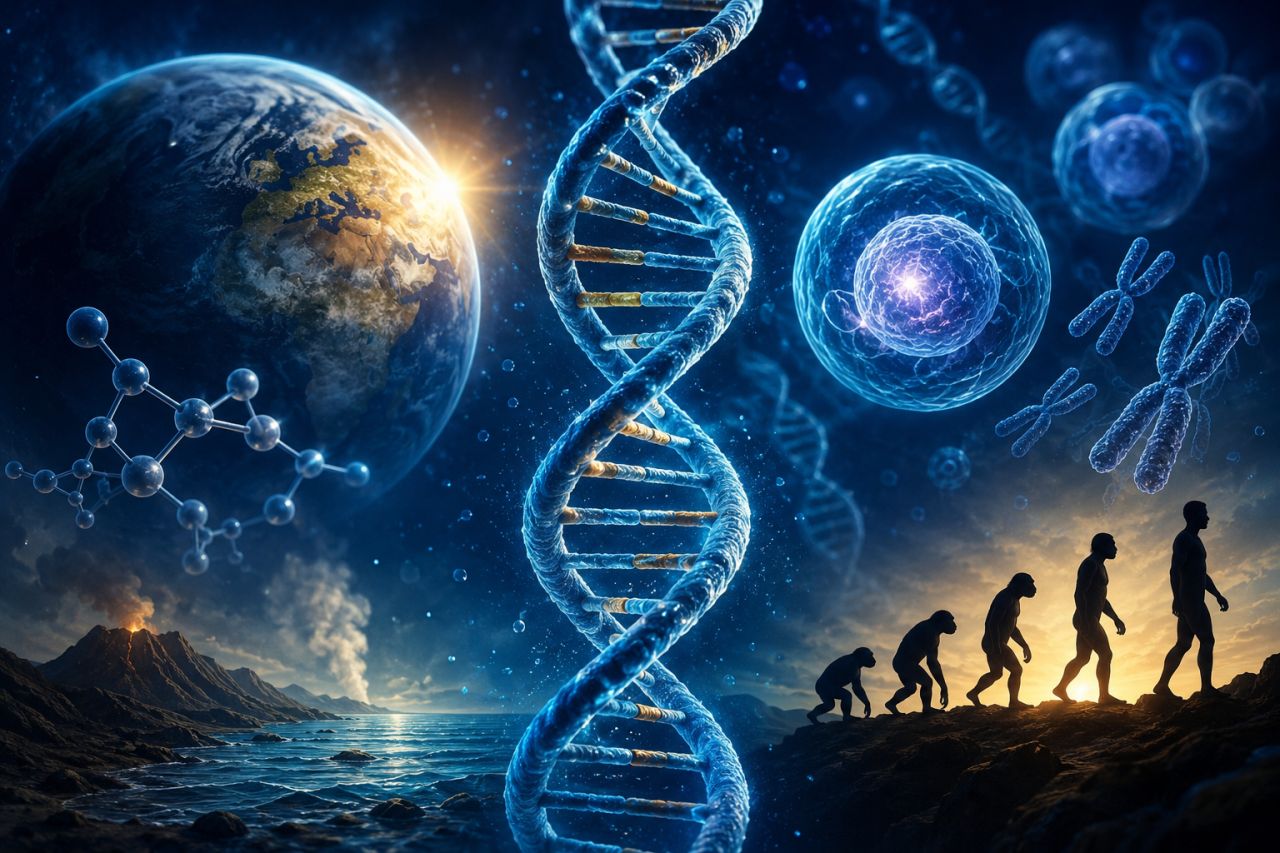
    Life on Earth is built upon an extraordinary blueprint known as DNA. Hidden inside every living cell, DNA carries the genetic instructions that determine how organisms grow, develop, and survive. From the smallest bacteria to the largest whales, every living being shares this remarkable biological code. Scientists often describe DNA as the language of life because it stores the information that connects all generations across time.

    The mystery of lifes origins has fascinated humanity for centuries. While researchers continue to explore how the first living cells emerged on the early Earth, DNA remains one of the greatest clues to understanding our beginnings. By studying genes and genetic evolution, scientists can trace the relationships between species and uncover how life has adapted over billions of years. Every discovery in genetics brings us one step closer to answering one of humanitys greatest questions: Where did life come from?

    DNA is more than just a scientific molecule?it is a symbol of connection, diversity, and the incredible complexity of nature. As technology advances, our understanding of genetics opens new possibilities in medicine, agriculture, and environmental conservation. The blueprint of existence reminds us that every living organism is part of a shared story written over billions of years, inspiring us to protect and appreciate the remarkable web of life that surrounds us.

    #DNA #Genetics #OriginOfLife #Science #Biology #MolecularBiology #LifeScience #Genome #Evolution #ScientificDiscovery #STEM #Education #DNAResearch #CellBiology #Nature #Knowledge #Innovation #FutureOfScience #LearnScience #ScienceFacts
    Day 104 Task No:104 Roll No:42 RSLC Foundation Level, Batch#04 Life on Earth is built upon an extraordinary blueprint known as DNA. Hidden inside every living cell, DNA carries the genetic instructions that determine how organisms grow, develop, and survive. From the smallest bacteria to the largest whales, every living being shares this remarkable biological code. Scientists often describe DNA as the language of life because it stores the information that connects all generations across time. The mystery of life's origins has fascinated humanity for centuries. While researchers continue to explore how the first living cells emerged on the early Earth, DNA remains one of the greatest clues to understanding our beginnings. By studying genes and genetic evolution, scientists can trace the relationships between species and uncover how life has adapted over billions of years. Every discovery in genetics brings us one step closer to answering one of humanity's greatest questions: Where did life come from? DNA is more than just a scientific molecule?it is a symbol of connection, diversity, and the incredible complexity of nature. As technology advances, our understanding of genetics opens new possibilities in medicine, agriculture, and environmental conservation. The blueprint of existence reminds us that every living organism is part of a shared story written over billions of years, inspiring us to protect and appreciate the remarkable web of life that surrounds us. #DNA #Genetics #OriginOfLife #Science #Biology #MolecularBiology #LifeScience #Genome #Evolution #ScientificDiscovery #STEM #Education #DNAResearch #CellBiology #Nature #Knowledge #Innovation #FutureOfScience #LearnScience #ScienceFacts
    0 Yorumlar 0 hisse senetleri 772 Views
  • Fondation Level Batch No 4
    Roll RSLC #42
    Task No #111
    Day #111

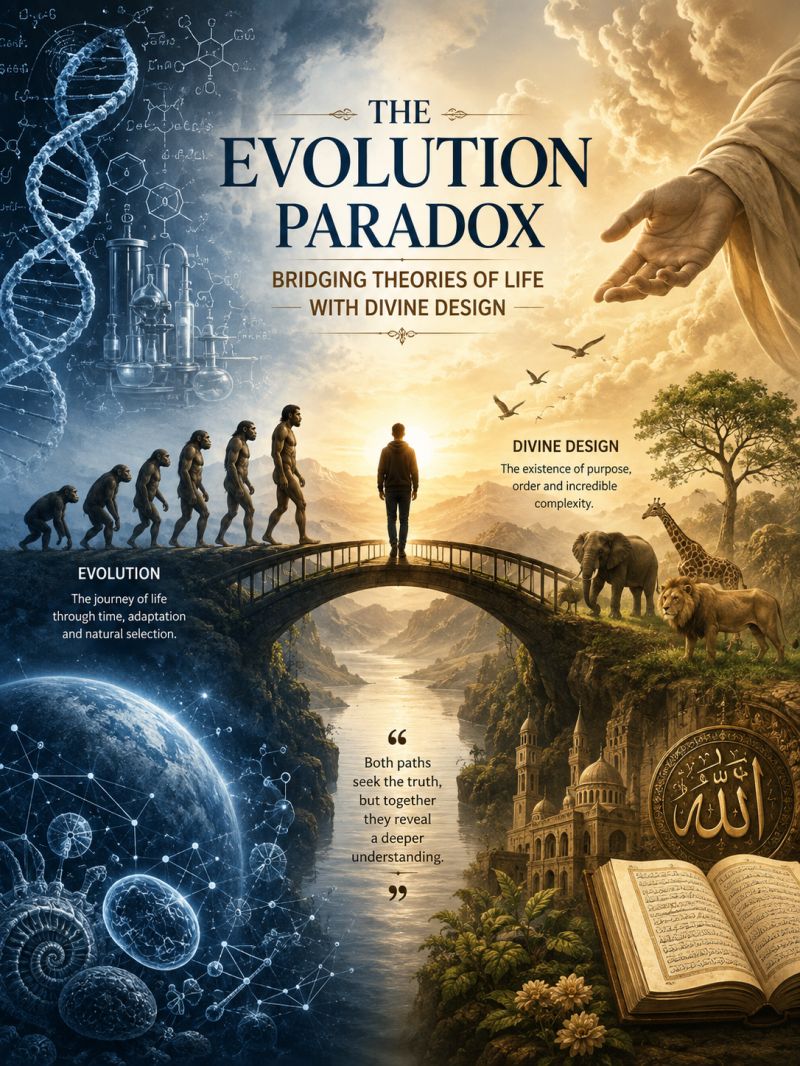
    The Evolution Paradox: A Story with a Moral Lesson

    Once, a curious young student named Ayan often wondered about the origin of life. He spent his evenings reading about evolution, observing nature, and asking questions about how living creatures change over time. The more he learned, the more amazed he became by the complexity and diversity of life.

    One day, Ayan discussed his questions with his teacher. His teacher told him that science helps us explore how life changes through evidence and observation, while faith encourages people to think about the meaning and purpose of creation. Ayan realized that asking questions did not weaken his curiosity; instead, it helped him understand the world with greater humility.

    From that day forward, Ayan stopped thinking that every difficult question needed an immediate answer. He continued studying science while also reflecting on the deeper questions of existence. He learned that knowledge is not only about proving what we already believe, but also about being willing to learn, think, and discover.

    Moral Lesson: True wisdom begins with curiosity and humility. We should seek knowledge, respect evidence, and remain open to deeper questions about life and existence. The more we learn, the more we realize how much there is still to understand.

    #Evolution #DivineDesign #ScienceAndFaith #OriginOfLife #EvolutionTheory #PhilosophyOfLife #ScienceAndSpirituality
    Fondation Level Batch No 4 Roll RSLC #42 Task No #111 Day #111 The Evolution Paradox: A Story with a Moral Lesson Once, a curious young student named Ayan often wondered about the origin of life. He spent his evenings reading about evolution, observing nature, and asking questions about how living creatures change over time. The more he learned, the more amazed he became by the complexity and diversity of life. One day, Ayan discussed his questions with his teacher. His teacher told him that science helps us explore how life changes through evidence and observation, while faith encourages people to think about the meaning and purpose of creation. Ayan realized that asking questions did not weaken his curiosity; instead, it helped him understand the world with greater humility. From that day forward, Ayan stopped thinking that every difficult question needed an immediate answer. He continued studying science while also reflecting on the deeper questions of existence. He learned that knowledge is not only about proving what we already believe, but also about being willing to learn, think, and discover. Moral Lesson: True wisdom begins with curiosity and humility. We should seek knowledge, respect evidence, and remain open to deeper questions about life and existence. The more we learn, the more we realize how much there is still to understand. #Evolution #DivineDesign #ScienceAndFaith #OriginOfLife #EvolutionTheory #PhilosophyOfLife #ScienceAndSpirituality
    0 Yorumlar 0 hisse senetleri 763 Views
  • Fondation Level Batch No 4
    Roll RSLC #42
    Task No #125
    Day #125

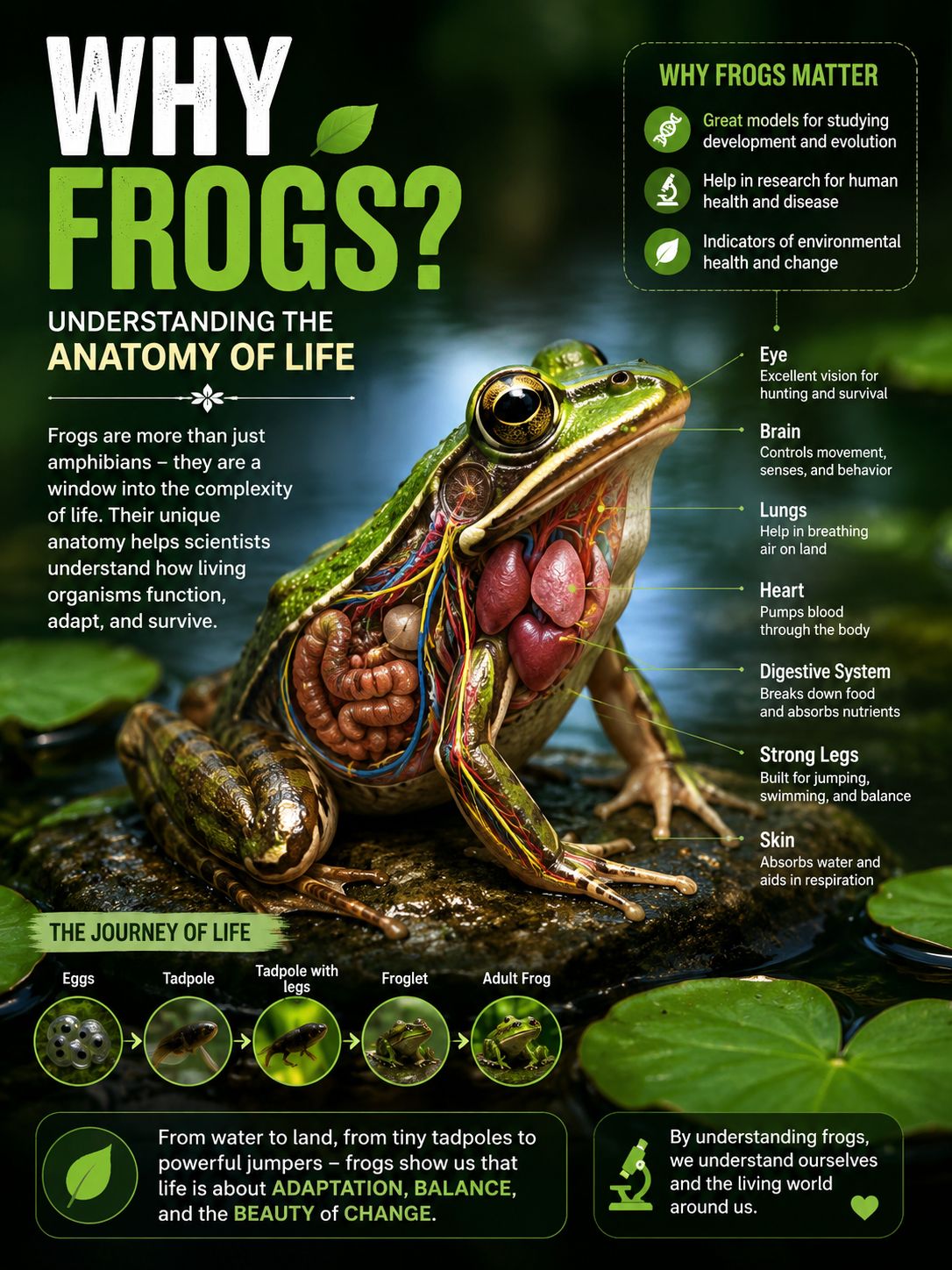
    Beside a peaceful pond, a tiny frog sat quietly,
    It looked like an ordinary creature, but its body held fascinating secrets.
    Scientists study frogs to understand how life is structured and how living bodies function.

    A frog?s heart, lungs, brain, and muscles each have an important role,
    Its powerful legs help it jump, swim, and escape from danger.
    Every part of its body is designed to support its survival.

    A frog?s life begins in water as tiny eggs and then develops into a tadpole,
    With time, legs appear and the tadpole gradually transforms into an adult frog.
    This amazing journey shows us the power of adaptation and natural development.

    That is why a frog is more than just a small animal; it is a living lesson in science,
    Studying its anatomy helps us understand the structure and functions of other living organisms.
    Inside even a tiny frog, we can discover the complexity and beauty of life. ??

    ??? ?????? ????? ?? ????? ??? ???? ?? ????? ????? ????
    ????? ?? ??? ??? ?? ?????? ???? ??? ?? ?? ??? ???? ????? ??? ?????? ???? ????
    ????? ??? ?? ?? ????? ????? ?? ???? ??? ??? ???? ?? ????? ?????? ????

    ????? ?? ??? ????????? ???? ??? ????? ?? ???? ??? ????? ???
    ?? ?? ????? ?????? ??? ?????? ????? ??? ???? ?? ???? ??? ??? ???? ????
    ?? ?? ??? ?? ?? ??? ??? ?? ??? ??? ??? ??? ???? ?????? ???

    ????? ?? ????? ???? ??? ????? ?? ???? ???? ?? ??? ??? ?????? ???? ???
    ??? ?? ???? ?? ??? ?????? ?????? ???? ??? ??? ?? ??? ???? ????? ?? ???? ???
    ?? ?????? ???? ????? ?? ???? ????? ??? ??? ????? ?????? ?? ??? ???? ???

    ??? ??? ????? ??? ??? ????? ?? ????? ???? ???? ??? ?? ??? ???? ???? ???
    ?? ?? ???? ?? ?????? ???? ????? ???????? ?? ??? ?? ?????? ??? ??? ???? ???
    ??? ???? ????? ?? ???? ??? ????? ?? ??????? ??? ???? ?? ???????? ???? ??? ??

    #Frogs #AnatomyOfLife #Biology #Science #Nature #AnimalScience #Evolution #LifeScience
    Fondation Level Batch No 4 Roll RSLC #42 Task No #125 Day #125 Beside a peaceful pond, a tiny frog sat quietly, It looked like an ordinary creature, but its body held fascinating secrets. Scientists study frogs to understand how life is structured and how living bodies function. A frog?s heart, lungs, brain, and muscles each have an important role, Its powerful legs help it jump, swim, and escape from danger. Every part of its body is designed to support its survival. A frog?s life begins in water as tiny eggs and then develops into a tadpole, With time, legs appear and the tadpole gradually transforms into an adult frog. This amazing journey shows us the power of adaptation and natural development. That is why a frog is more than just a small animal; it is a living lesson in science, Studying its anatomy helps us understand the structure and functions of other living organisms. Inside even a tiny frog, we can discover the complexity and beauty of life. ?? ??? ?????? ????? ?? ????? ??? ???? ?? ????? ????? ???? ????? ?? ??? ??? ?? ?????? ???? ??? ?? ?? ??? ???? ????? ??? ?????? ???? ???? ????? ??? ?? ?? ????? ????? ?? ???? ??? ??? ???? ?? ????? ?????? ???? ????? ?? ??? ????????? ???? ??? ????? ?? ???? ??? ????? ??? ?? ?? ????? ?????? ??? ?????? ????? ??? ???? ?? ???? ??? ??? ???? ???? ?? ?? ??? ?? ?? ??? ??? ?? ??? ??? ??? ??? ???? ?????? ??? ????? ?? ????? ???? ??? ????? ?? ???? ???? ?? ??? ??? ?????? ???? ??? ??? ?? ???? ?? ??? ?????? ?????? ???? ??? ??? ?? ??? ???? ????? ?? ???? ??? ?? ?????? ???? ????? ?? ???? ????? ??? ??? ????? ?????? ?? ??? ???? ??? ??? ??? ????? ??? ??? ????? ?? ????? ???? ???? ??? ?? ??? ???? ???? ??? ?? ?? ???? ?? ?????? ???? ????? ???????? ?? ??? ?? ?????? ??? ??? ???? ??? ??? ???? ????? ?? ???? ??? ????? ?? ??????? ??? ???? ?? ???????? ???? ??? ?? #Frogs #AnatomyOfLife #Biology #Science #Nature #AnimalScience #Evolution #LifeScience
    0 Yorumlar 0 hisse senetleri 611 Views
  • #RSTA
    #Task : Talk with Maye
    #Class: Foundation Level
    #Day No: 100
    #Made By Me

    Total Post:14


    Today, I had a 10-minute conversation with Annie on the topic **“Shhh – The Evolution of a Quiet Command.”**

    In this conversation, we talked about the simple sound **“Shhh”** and what it means. We discussed when people use it, why they use it, and how it helps us ask someone to be quiet.

    We also talked about how “Shhh” is used with friends, family, in movies, and on social media. I learned that even a simple sound can have different meanings depending on the situation.

    It was a fun and interesting conversation with Annie. I learned something new about everyday communication and enjoyed sharing my thoughts.
    #RSTA #Task : Talk with Maye #Class: Foundation Level #Day No: 100 #Made By Me Total Post:14 Today, I had a 10-minute conversation with Annie on the topic **“Shhh – The Evolution of a Quiet Command.”** 🎙️ In this conversation, we talked about the simple sound **“Shhh”** and what it means. We discussed when people use it, why they use it, and how it helps us ask someone to be quiet. We also talked about how “Shhh” is used with friends, family, in movies, and on social media. I learned that even a simple sound can have different meanings depending on the situation. It was a fun and interesting conversation with Annie. I learned something new about everyday communication and enjoyed sharing my thoughts. 💬✨
    0 Yorumlar 0 hisse senetleri 401 Views 8
  • #RSTA
    #Task : Talk with Maye
    #Class: Foundation Level
    #Day No: 93
    #Made By Me

    Total Post:13


    Today, I had a 10-minute conversation with Annie about **“Internet Slang Evolution.”**

    In this conversation, we talked about how internet slang has changed over time. We discussed common short words, abbreviations, and expressions that people use while chatting and on social media.

    I learned that internet slang makes communication faster, easier, and sometimes more fun. We also talked about how new slang words are created and how they become popular among young people.

    This conversation helped me understand modern online communication and how language continues to change with technology.

    It was a fun and informative conversation with Annie, and I enjoyed learning something new!
    #RSTA #Task : Talk with Maye #Class: Foundation Level #Day No: 93 #Made By Me Total Post:13 Today, I had a 10-minute conversation with Annie about **“Internet Slang Evolution.”** 🎙️💻 In this conversation, we talked about how internet slang has changed over time. We discussed common short words, abbreviations, and expressions that people use while chatting and on social media. I learned that internet slang makes communication faster, easier, and sometimes more fun. We also talked about how new slang words are created and how they become popular among young people. This conversation helped me understand modern online communication and how language continues to change with technology. It was a fun and informative conversation with Annie, and I enjoyed learning something new! ✨
    0 Yorumlar 0 hisse senetleri 396 Views 6
  • #rsisb
    Roll No.240
    Story No.25
    Foundation Level

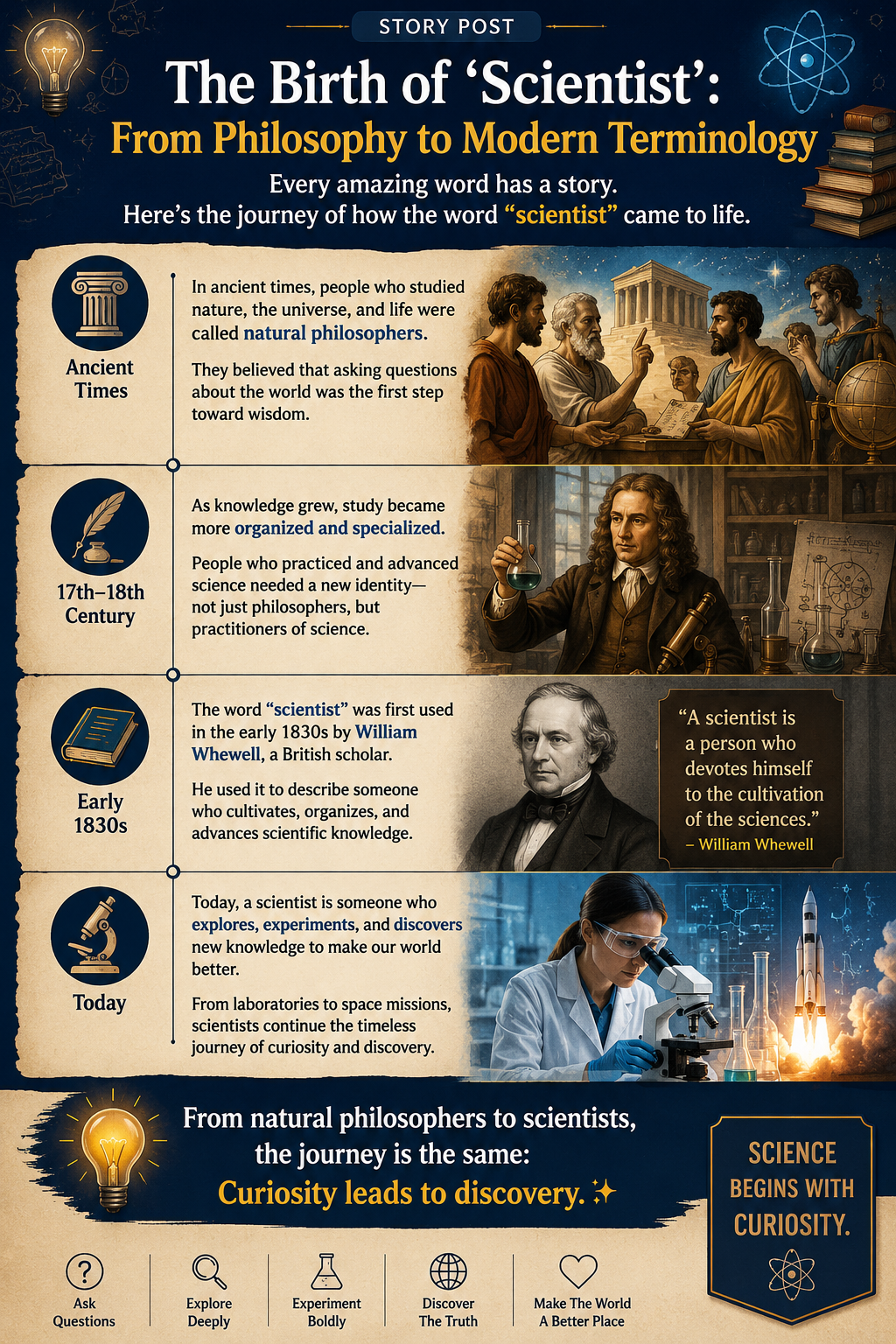
    “Scientist” is a word that represents curiosity, discovery, and the human desire to understand the world.

    Long before the modern term existed, people who studied nature were often called natural philosophers. Over time, scientific thinking became more specialized, and a new word was needed to describe those who practiced science professionally.

    This story explores how the word “scientist” was born, how its meaning evolved, and how it became a familiar part of modern language.

    From asking questions to discovering answers — the journey of science begins with curiosity.

    #Scientist #ScienceHistory #WordOrigins #HistoryOfScience #Philosophy #LanguageEvolution #Curiosity #Discovery #Knowledge #Learning #StoryPost

    Rehan School Islamabad Campus
    Asma Shaheen Eduction Wali
    Irum Asim
    Saima Happines Wali

    #rsisb Roll No.240 Story No.25 Foundation Level 🔬 “Scientist” is a word that represents curiosity, discovery, and the human desire to understand the world. 🌍✨ Long before the modern term existed, people who studied nature were often called natural philosophers. Over time, scientific thinking became more specialized, and a new word was needed to describe those who practiced science professionally. 📖 This story explores how the word “scientist” was born, how its meaning evolved, and how it became a familiar part of modern language. 💡 From asking questions to discovering answers — the journey of science begins with curiosity. #Scientist #ScienceHistory #WordOrigins #HistoryOfScience #Philosophy #LanguageEvolution #Curiosity #Discovery #Knowledge #Learning #StoryPost 🔬🌍📚✨ Rehan School Islamabad Campus Asma Shaheen Eduction Wali Irum Asim Saima Happines Wali
    0 Yorumlar 0 hisse senetleri 1024 Views
  • #rsisb
    Roll No.240
    Image With Chatgpt No.6
    Foundation Level

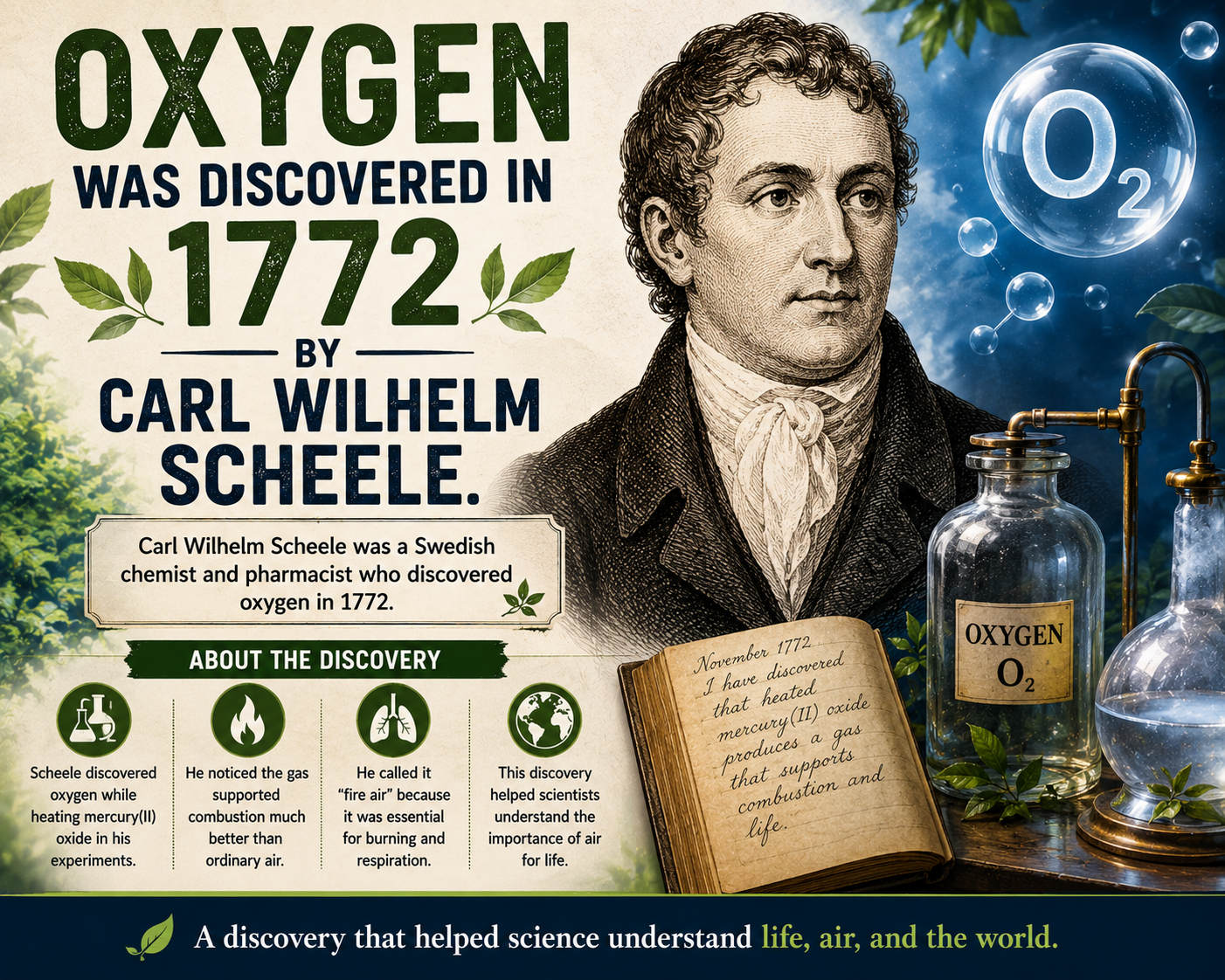
    Oxygen is one of the most important elements for life on Earth, but its discovery was the result of careful experiments, curiosity, and scientific investigation.

    In 1772, Swedish chemist and pharmacist Carl Wilhelm Scheele identified a gas that behaved differently from ordinary air. He found that this gas strongly supported combustion and played an important role in the processes we now understand as respiration and burning.

    Scheele referred to the gas as “fire air” because of its ability to support combustion. His experiments helped reveal that air was not simply one single substance, but a mixture containing different gases.

    The story of oxygen’s discovery is a fascinating example of how science develops through observation and experimentation. Scientists investigate materials, record their observations, test ideas, and gradually build a better understanding of the natural world.

    Although Scheele discovered oxygen independently, the recognition and naming of oxygen as an element also involved other scientists, including Joseph Priestley and Antoine Lavoisier. Their work helped establish oxygen’s role in combustion and contributed to the development of modern chemistry.

    Oxygen is represented by the chemical symbol O and has the atomic number 8. It is essential for aerobic respiration in humans and many other organisms. Without oxygen, most familiar forms of complex life could not survive.

    The discovery of oxygen changed the way scientists understood air, combustion, chemistry, and life. It became an important part of the scientific revolution in chemistry and helped researchers develop a much clearer understanding of chemical reactions.

    This story also reminds us that major scientific discoveries often happen through patience, careful observation, and a willingness to ask questions. Every experiment can reveal something new, and every discovery can open the door to further knowledge.

    From “fire air” to oxygen, the journey of discovery changed chemistry forever.

    Science teaches us that the world around us is full of mysteries waiting to be explored. Whether studying gases, atoms, cells, planets, or living organisms, curiosity is often the first step toward discovery.

    Question. Observe. Experiment. Discover. Learn.

    #Oxygen #DiscoveryOfOxygen #CarlWilhelmScheele #ScienceHistory #HistoryOfScience #Chemistry #ChemicalElements #OxygenDiscovery #1772 #ScientificDiscovery #ScienceEducation #ChemistryFacts #ScienceFacts #LearnScience #ScientificRevolution #Combustion #Air #Respiration #ChemistryHistory #STEM #Education #LearningJourney #ScienceExperiment #ScientificThinking #Research #Discovery #Knowledge #Innovation #Curiosity #ExploreScience #ScienceLovers #EducationalContent #Scientists #ChemicalScience #ModernChemistry #ScienceJourney #HistoryOfChemistry

    Rehan School Islamabad Campus
    Asma Shaheen EducationWali
    Irum Asim
    Saima Happinesswali

    #rsisb Roll No.240 Image With Chatgpt No.6 Foundation Level Oxygen is one of the most important elements for life on Earth, but its discovery was the result of careful experiments, curiosity, and scientific investigation. 🌱🫁🔥 In 1772, Swedish chemist and pharmacist Carl Wilhelm Scheele identified a gas that behaved differently from ordinary air. He found that this gas strongly supported combustion and played an important role in the processes we now understand as respiration and burning. 🔥🧪 Scheele referred to the gas as “fire air” because of its ability to support combustion. His experiments helped reveal that air was not simply one single substance, but a mixture containing different gases. 🌬️🔬 The story of oxygen’s discovery is a fascinating example of how science develops through observation and experimentation. Scientists investigate materials, record their observations, test ideas, and gradually build a better understanding of the natural world. 📚🔎💡 Although Scheele discovered oxygen independently, the recognition and naming of oxygen as an element also involved other scientists, including Joseph Priestley and Antoine Lavoisier. Their work helped establish oxygen’s role in combustion and contributed to the development of modern chemistry. ⚗️🧠🌍 Oxygen is represented by the chemical symbol O and has the atomic number 8. It is essential for aerobic respiration in humans and many other organisms. 🫁🌿🐾 Without oxygen, most familiar forms of complex life could not survive. The discovery of oxygen changed the way scientists understood air, combustion, chemistry, and life. 🌎🔥🔬 It became an important part of the scientific revolution in chemistry and helped researchers develop a much clearer understanding of chemical reactions. This story also reminds us that major scientific discoveries often happen through patience, careful observation, and a willingness to ask questions. 💭➡️🔬➡️💡 Every experiment can reveal something new, and every discovery can open the door to further knowledge. ✨ From “fire air” to oxygen, the journey of discovery changed chemistry forever. ✨ Science teaches us that the world around us is full of mysteries waiting to be explored. 🌍🔎 Whether studying gases, atoms, cells, planets, or living organisms, curiosity is often the first step toward discovery. 🚀📚 🌟 Question. Observe. Experiment. Discover. Learn. 🌟 #Oxygen #DiscoveryOfOxygen #CarlWilhelmScheele #ScienceHistory #HistoryOfScience #Chemistry #ChemicalElements #OxygenDiscovery #1772 #ScientificDiscovery #ScienceEducation #ChemistryFacts #ScienceFacts #LearnScience #ScientificRevolution #Combustion #Air #Respiration #ChemistryHistory #STEM #Education #LearningJourney #ScienceExperiment #ScientificThinking #Research #Discovery #Knowledge #Innovation #Curiosity #ExploreScience #ScienceLovers #EducationalContent #Scientists #ChemicalScience #ModernChemistry #ScienceJourney #HistoryOfChemistry 🔬🧪🌍🔥🫁📚💡✨🚀🌱 Rehan School Islamabad Campus Asma Shaheen EducationWali Irum Asim Saima Happinesswali
    0 Yorumlar 0 hisse senetleri 2689 Views
  • #rsisb
    Roll No.240
    Story Post No.24
    Foundation Level

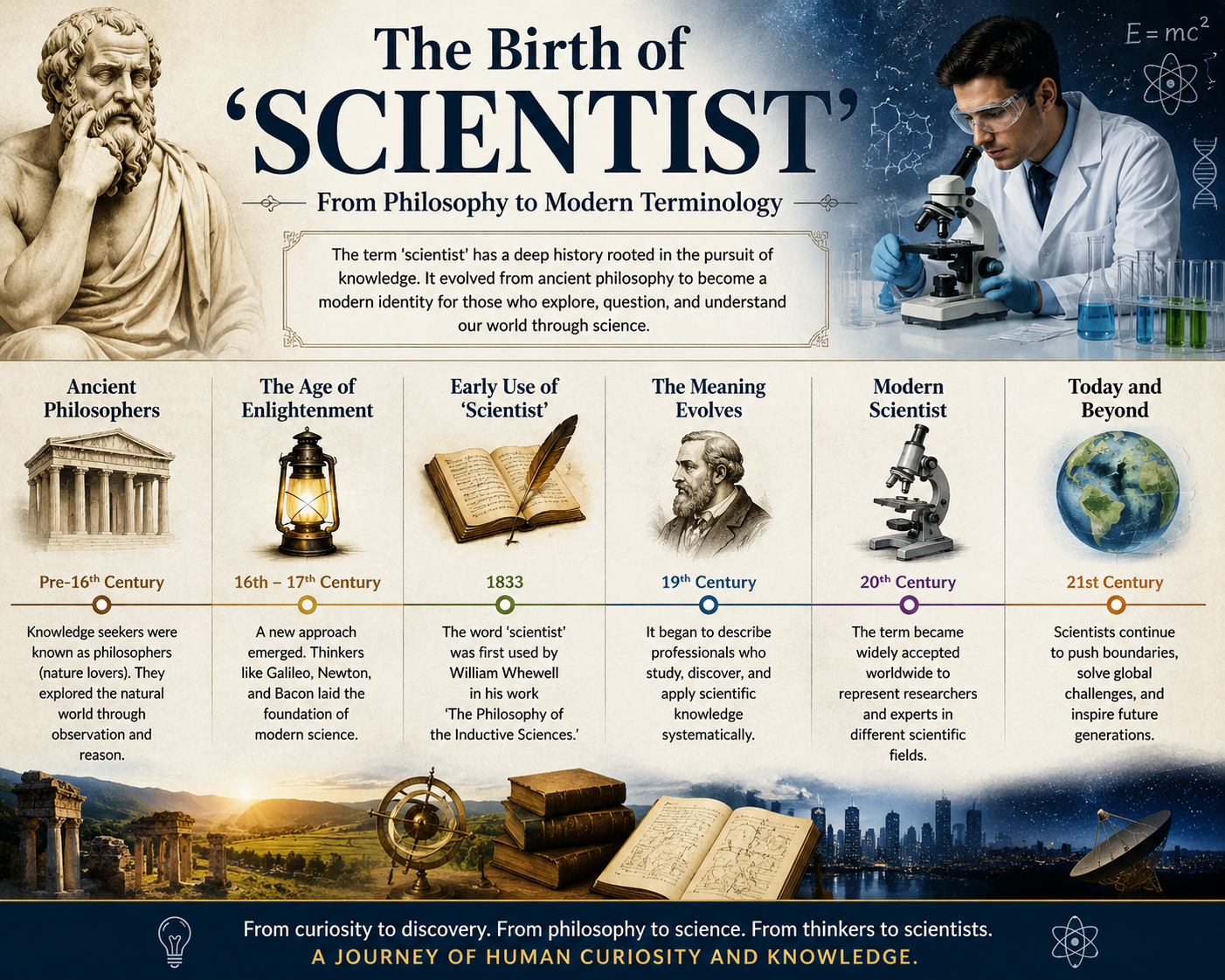
    The word “scientist” may sound like a modern term, but the journey behind it is connected to centuries of human curiosity, philosophy, observation, experimentation, and the search for knowledge.

    Long before the word “scientist” became common, people who studied the natural world were often known as philosophers, scholars, natural philosophers, mathematicians, and thinkers. They asked important questions about nature, the universe, life, matter, motion, and the world around them.

    From the thinkers of the ancient world to the scholars of the Renaissance and the Scientific Revolution, humans continued developing new ways to understand nature. Observation became more important, experiments became more systematic, and evidence gradually became a central part of scientific inquiry.

    During the 18th and 19th centuries, many different branches of knowledge began becoming more specialized. Physics, chemistry, biology, astronomy, geology, and other fields developed their own methods, discoveries, and communities of researchers.

    A major moment in terminology came in the 19th century, when the word “scientist” was introduced as a useful name for people engaged in scientific study. The term is widely associated with William Whewell, who used it in 1833. This helped provide a new, unified word for researchers working across different areas of science.

    The evolution of this word reflects something bigger than language. It represents the changing way humanity organized knowledge and recognized scientific work. The transition from “natural philosopher” to “scientist” shows how science gradually became a distinct and organized field of study.

    Today, scientists work in laboratories, universities, hospitals, observatories, research centers, engineering facilities, and many other places around the world. They investigate everything from tiny cells and molecules to distant galaxies and the origins of the universe.

    Modern science continues to grow through curiosity, evidence, teamwork, technology, and a willingness to ask difficult questions. Every discovery begins with someone wondering, “Why?”, “How?”, or “What if?”

    The story of the word “scientist” reminds us that human knowledge is always evolving. What began with simple curiosity and philosophical questioning gradually developed into the powerful and diverse scientific world we know today.

    From thinkers to researchers. From philosophy to science. From questions to discoveries.

    Science is not only about finding answers—it is also about continuing to ask better questions.

    A journey from curiosity to discovery, and from philosophy to modern science.

    #TheBirthOfScientist #Scientist #HistoryOfScience #ScienceHistory #ScientificRevolution #Philosophy #NaturalPhilosophy #WilliamWhewell #1833 #ModernScience #ScienceEducation #ScientificTerminology #Science #Scientists #Research #Discovery #Curiosity #Knowledge #Learning #Education #STEM #Physics #Chemistry #Biology #Astronomy #Geology #Innovation #Experimentation #ScientificThinking #CriticalThinking #HumanKnowledge #HistoryOfKnowledge #ScienceJourney #FromPhilosophyToScience #ScienceFacts #EducationalContent #LearningJourney #ExploreScience #DiscoverScience

    Rehan School Islamabad Campus
    Asma Shaheen EducationWali
    Irum Asim
    Saima Happinesswali

    #rsisb Roll No.240 Story Post No.24 Foundation Level The word “scientist” may sound like a modern term, but the journey behind it is connected to centuries of human curiosity, philosophy, observation, experimentation, and the search for knowledge. 🧠🔎 Long before the word “scientist” became common, people who studied the natural world were often known as philosophers, scholars, natural philosophers, mathematicians, and thinkers. 🏛️📜 They asked important questions about nature, the universe, life, matter, motion, and the world around them. From the thinkers of the ancient world to the scholars of the Renaissance and the Scientific Revolution, humans continued developing new ways to understand nature. 🌌🌍📖 Observation became more important, experiments became more systematic, and evidence gradually became a central part of scientific inquiry. 🔬🧪✨ During the 18th and 19th centuries, many different branches of knowledge began becoming more specialized. Physics, chemistry, biology, astronomy, geology, and other fields developed their own methods, discoveries, and communities of researchers. 🧬⚗️🌠 A major moment in terminology came in the 19th century, when the word “scientist” was introduced as a useful name for people engaged in scientific study. The term is widely associated with William Whewell, who used it in 1833. 📜🔬 This helped provide a new, unified word for researchers working across different areas of science. The evolution of this word reflects something bigger than language. It represents the changing way humanity organized knowledge and recognized scientific work. 🌟📚 The transition from “natural philosopher” to “scientist” shows how science gradually became a distinct and organized field of study. Today, scientists work in laboratories, universities, hospitals, observatories, research centers, engineering facilities, and many other places around the world. 🌍🧪🔭 They investigate everything from tiny cells and molecules to distant galaxies and the origins of the universe. 🧬🦠🌌 Modern science continues to grow through curiosity, evidence, teamwork, technology, and a willingness to ask difficult questions. 💡🤝🚀 Every discovery begins with someone wondering, “Why?”, “How?”, or “What if?” The story of the word “scientist” reminds us that human knowledge is always evolving. What began with simple curiosity and philosophical questioning gradually developed into the powerful and diverse scientific world we know today. 🌱➡️🔬➡️🌍 ✨ From thinkers to researchers. From philosophy to science. From questions to discoveries. ✨ Science is not only about finding answers—it is also about continuing to ask better questions. 🔎💡 🌟 A journey from curiosity to discovery, and from philosophy to modern science. 🌟 #TheBirthOfScientist #Scientist #HistoryOfScience #ScienceHistory #ScientificRevolution #Philosophy #NaturalPhilosophy #WilliamWhewell #1833 #ModernScience #ScienceEducation #ScientificTerminology #Science #Scientists #Research #Discovery #Curiosity #Knowledge #Learning #Education #STEM #Physics #Chemistry #Biology #Astronomy #Geology #Innovation #Experimentation #ScientificThinking #CriticalThinking #HumanKnowledge #HistoryOfKnowledge #ScienceJourney #FromPhilosophyToScience #ScienceFacts #EducationalContent #LearningJourney #ExploreScience #DiscoverScience 🔬📚🧠🌍✨🔭🧪🚀💡🌟 Rehan School Islamabad Campus Asma Shaheen EducationWali Irum Asim Saima Happinesswali

    0 Yorumlar 0 hisse senetleri 2437 Views

  • #rsisb
    Roll no.239
    Maya no.19
    Foundation Level

    **“Conscious – Tracing the Evolution of Awareness”** explores one of the greatest mysteries of science and philosophy: **how awareness and conscious experience developed in living beings**. Consciousness allows us to experience the world, think, remember, feel emotions, make decisions, and recognize ourselves.

    The topic takes us back to the earliest forms of life and asks how simple organisms developed increasingly complex ways of sensing and responding to their surroundings. As nervous systems and brains became more sophisticated, organisms gained greater abilities to process information, learn from experiences, remember events, and respond flexibly to their environments.

    One of the most fascinating questions is whether consciousness appeared suddenly or **evolved gradually over millions of years**. Scientists study the brains and behaviors of humans and other animals to understand possible forms of awareness. However, consciousness remains difficult to explain because subjective experiences—such as seeing colors, feeling pain, or experiencing emotions—are personal and cannot be directly observed by others.

    The discussion also introduces **self-awareness**, which is the ability to recognize oneself and reflect on one's own thoughts and experiences. Human consciousness is closely connected with language, memory, attention, imagination, creativity, and decision-making.

    Another important part of the topic is the relationship between **conscious and unconscious processes**. Many things our brains do happen automatically, without our full awareness. This shows that the human mind is far more complex than conscious thought alone.

    Overall, this 25-minute exploration encourages us to think deeply about **who we are, how awareness developed, and what it means to be conscious**. It connects biology, neuroscience, psychology, evolution, and philosophy while reminding us that many questions about consciousness are still unanswered.

    **Key Message:** Understanding consciousness may help us better understand not only the human brain, but also the evolution of life, intelligence, identity, and our place in the universe.
    ### **Hashtags**

    #Consciousness #Awareness #Evolution #HumanMind #BrainScience #Neuroscience #SelfAwareness #Psychology #Science #Philosophy #HumanEvolution #Learning #Curiosity #Knowledge #MindAndBrain
    #rsisb Roll no.239 Maya no.19 Foundation Level **“Conscious – Tracing the Evolution of Awareness”** explores one of the greatest mysteries of science and philosophy: **how awareness and conscious experience developed in living beings**. Consciousness allows us to experience the world, think, remember, feel emotions, make decisions, and recognize ourselves. The topic takes us back to the earliest forms of life and asks how simple organisms developed increasingly complex ways of sensing and responding to their surroundings. As nervous systems and brains became more sophisticated, organisms gained greater abilities to process information, learn from experiences, remember events, and respond flexibly to their environments. One of the most fascinating questions is whether consciousness appeared suddenly or **evolved gradually over millions of years**. Scientists study the brains and behaviors of humans and other animals to understand possible forms of awareness. However, consciousness remains difficult to explain because subjective experiences—such as seeing colors, feeling pain, or experiencing emotions—are personal and cannot be directly observed by others. The discussion also introduces **self-awareness**, which is the ability to recognize oneself and reflect on one's own thoughts and experiences. Human consciousness is closely connected with language, memory, attention, imagination, creativity, and decision-making. Another important part of the topic is the relationship between **conscious and unconscious processes**. Many things our brains do happen automatically, without our full awareness. This shows that the human mind is far more complex than conscious thought alone. Overall, this 25-minute exploration encourages us to think deeply about **who we are, how awareness developed, and what it means to be conscious**. It connects biology, neuroscience, psychology, evolution, and philosophy while reminding us that many questions about consciousness are still unanswered. 🌟 **Key Message:** Understanding consciousness may help us better understand not only the human brain, but also the evolution of life, intelligence, identity, and our place in the universe. ### **Hashtags** #Consciousness #Awareness #Evolution #HumanMind #BrainScience #Neuroscience #SelfAwareness #Psychology #Science #Philosophy #HumanEvolution #Learning #Curiosity #Knowledge #MindAndBrain 🧠🔬✨
    0 Yorumlar 0 hisse senetleri 2008 Views 3
Arama Sonuçları