• The Story of Plastic-Eating Bacteria
    (And How AI Can Help Nature Heal Our Planet)

    Plastic is one of the greatest inventions — and one of our biggest mistakes.
    It made life easy, but it’s now choking our planet.

    Every year, the world produces more than 400 million tons of plastic.
    That’s 50 kilograms for every person alive.
    We make around 480 billion plastic bottles and 500 billion shopping bags every year.
    Most are used only once, sometimes for just a few minutes, and then thrown away.

    Only a small part is ever recycled.
    The rest ends up in rivers, landfills, and oceans.
    Every minute, a full garbage truck of plastic is dumped into the sea —
    that’s 8 million tons of plastic every single year.
    It’s killing fish, turtles, birds, and entering our own food and water as microplastics.


    Nature Fights Back

    In 2016, scientists in Japan found a miracle:
    a tiny bacterium living in a recycling factory that could actually eat plastic bottles.
    They called it Ideonella sakaiensis.

    This little creature makes two special enzymes — PETase and MHETase — that break down plastic into small molecules.
    The bacteria then use these molecules as food and energy.

    A plastic bottle that normally lasts 450 to 1,000 years in nature can start to disappear within a few months to a few years when these bacteria are at work.

    Since then, more bacteria have been found — in soil, seawater, and even inside insects — that can eat plastic bags, cups, and wrappers.
    They work slowly, but they’re doing what humans couldn’t do for decades.

    Nature has begun to heal itself.


    How It Works

    The bacteria release enzymes that act like tiny scissors, cutting the strong bonds inside the plastic.
    Once the chains are broken into small pieces, the bacteria absorb them, use them for energy, and release harmless products like carbon dioxide, water, and natural biomass.

    In warm, moist conditions, bacteria can start breaking a thin plastic bottle within six weeks, while in colder places it might take a few years.
    A shopping bag that would last 1,000 years might begin to weaken within a decade.

    That may sound slow, but it’s still a million times faster than nature alone.


    How AI Can Help

    Artificial Intelligence can speed up everything.
    Here’s how AI can help this global clean-up:
    1. Discovering new bacteria faster:
    AI can scan DNA data from soil, oceans, and waste sites to find new microbes or enzymes that can eat different kinds of plastic. What used to take scientists years can now take days.
    2. Designing stronger enzymes:
    AI can simulate millions of enzyme variations and test which ones could break plastic faster.
    In 2022, researchers used AI to create an enzyme called FAST-PETase, which breaks down plastics in hours instead of months.
    3. Tracking ocean plastic:
    AI satellites and drones can identify where plastic pollution is worst — on beaches, in rivers, and across oceans — helping governments and NGOs clean smarter, not harder.
    4. Creating smart recycling plants:
    AI systems can sort and process plastic waste automatically, reducing contamination and improving recycling rates.
    5. Predicting plastic flow:
    AI models can show where plastic will travel in rivers and seas, allowing early collection before it reaches the ocean.

    AI gives us the superpower to understand nature faster — and to help bacteria work smarter.


    What We Can Do as Normal Citizens

    You don’t have to be a scientist to be part of the solution.
    Here’s how ordinary people like us can help right now:
    1. Use less plastic.
    Carry your own bottle, bag, and cup. Small choices multiplied by millions change the world.
    2. Recycle properly.
    Wash and separate your plastic waste before throwing it away. Dirty plastic can’t be recycled.
    3. Support innovation.
    Encourage local schools, startups, and governments to invest in AI-based recycling and bio-research.
    4. Educate others.
    Share posts, videos, and stories that raise awareness — like this one.
    Change begins when people start talking about it.
    5. Join cleanup drives.
    Be part of beach and park cleanups. It’s simple, powerful, and inspiring.
    6. Plant hope.
    Support eco-friendly products, businesses, and technologies that protect nature.


    A Message of Hope

    Nature is not helpless.
    In just one human lifetime, it has already evolved tiny bacteria that eat our waste.
    And now, with Artificial Intelligence, we can help those bacteria become our allies — turning mountains of trash into clean, living Earth again.

    The future is not just about humans versus nature — it’s about humans and nature working together, powered by AI.

    If we all play our part — one bottle, one bag, one click at a time — the world will change faster than we think.

    Let’s join forces:
    Nature + Science + AI + People = A cleaner, safer planet.

    — Rehan Allahwala
    #RehanAllahwala #RehanSchool #AIForGood #PlasticFreePakistan #ClimateAction #Innovation #Hope

    🌍 The Story of Plastic-Eating Bacteria (And How AI Can Help Nature Heal Our Planet) Plastic is one of the greatest inventions — and one of our biggest mistakes. It made life easy, but it’s now choking our planet. Every year, the world produces more than 400 million tons of plastic. That’s 50 kilograms for every person alive. We make around 480 billion plastic bottles and 500 billion shopping bags every year. Most are used only once, sometimes for just a few minutes, and then thrown away. Only a small part is ever recycled. The rest ends up in rivers, landfills, and oceans. Every minute, a full garbage truck of plastic is dumped into the sea — that’s 8 million tons of plastic every single year. It’s killing fish, turtles, birds, and entering our own food and water as microplastics. ⸻ 🧫 Nature Fights Back In 2016, scientists in Japan found a miracle: a tiny bacterium living in a recycling factory that could actually eat plastic bottles. They called it Ideonella sakaiensis. This little creature makes two special enzymes — PETase and MHETase — that break down plastic into small molecules. The bacteria then use these molecules as food and energy. A plastic bottle that normally lasts 450 to 1,000 years in nature can start to disappear within a few months to a few years when these bacteria are at work. Since then, more bacteria have been found — in soil, seawater, and even inside insects — that can eat plastic bags, cups, and wrappers. They work slowly, but they’re doing what humans couldn’t do for decades. Nature has begun to heal itself. ⸻ ⚙️ How It Works The bacteria release enzymes that act like tiny scissors, cutting the strong bonds inside the plastic. Once the chains are broken into small pieces, the bacteria absorb them, use them for energy, and release harmless products like carbon dioxide, water, and natural biomass. In warm, moist conditions, bacteria can start breaking a thin plastic bottle within six weeks, while in colder places it might take a few years. A shopping bag that would last 1,000 years might begin to weaken within a decade. That may sound slow, but it’s still a million times faster than nature alone. ⸻ 💡 How AI Can Help Artificial Intelligence can speed up everything. Here’s how AI can help this global clean-up: 1. Discovering new bacteria faster: AI can scan DNA data from soil, oceans, and waste sites to find new microbes or enzymes that can eat different kinds of plastic. What used to take scientists years can now take days. 2. Designing stronger enzymes: AI can simulate millions of enzyme variations and test which ones could break plastic faster. In 2022, researchers used AI to create an enzyme called FAST-PETase, which breaks down plastics in hours instead of months. 3. Tracking ocean plastic: AI satellites and drones can identify where plastic pollution is worst — on beaches, in rivers, and across oceans — helping governments and NGOs clean smarter, not harder. 4. Creating smart recycling plants: AI systems can sort and process plastic waste automatically, reducing contamination and improving recycling rates. 5. Predicting plastic flow: AI models can show where plastic will travel in rivers and seas, allowing early collection before it reaches the ocean. AI gives us the superpower to understand nature faster — and to help bacteria work smarter. ⸻ 🧍‍♀️ What We Can Do as Normal Citizens You don’t have to be a scientist to be part of the solution. Here’s how ordinary people like us can help right now: 1. Use less plastic. Carry your own bottle, bag, and cup. Small choices multiplied by millions change the world. 2. Recycle properly. Wash and separate your plastic waste before throwing it away. Dirty plastic can’t be recycled. 3. Support innovation. Encourage local schools, startups, and governments to invest in AI-based recycling and bio-research. 4. Educate others. Share posts, videos, and stories that raise awareness — like this one. Change begins when people start talking about it. 5. Join cleanup drives. Be part of beach and park cleanups. It’s simple, powerful, and inspiring. 6. Plant hope. Support eco-friendly products, businesses, and technologies that protect nature. ⸻ 🌿 A Message of Hope Nature is not helpless. In just one human lifetime, it has already evolved tiny bacteria that eat our waste. And now, with Artificial Intelligence, we can help those bacteria become our allies — turning mountains of trash into clean, living Earth again. The future is not just about humans versus nature — it’s about humans and nature working together, powered by AI. If we all play our part — one bottle, one bag, one click at a time — the world will change faster than we think. 💚 Let’s join forces: Nature + Science + AI + People = A cleaner, safer planet. — Rehan Allahwala #RehanAllahwala #RehanSchool #AIForGood #PlasticFreePakistan #ClimateAction #Innovation #Hope

    0 Commentarii 0 Distribuiri 1444 Views
  • The Story of Plastic-Eating Mushrooms

    Plastic pollution has become one of the most serious environmental challenges of our time. Every year, more than 400 million tons of plastic are produced, and only about 9% of it ever gets recycled. The rest ends up in landfills, rivers, and oceans, where it remains for hundreds of years, harming animals, entering our food chain, and choking our planet.

    But nature, as always, has a secret weapon — fungi. In the last decade, scientists have discovered that some species of mushrooms have the extraordinary ability to “eat” plastic, turning it into harmless materials. These organisms may hold one of the keys to cleaning up our plastic-filled world.


    What Are Plastic-Eating Mushrooms?

    Plastic-eating mushrooms are not a single species but a group of fungi capable of breaking down synthetic polymers — the long chemical chains that make up plastics. Instead of relying on sunlight or heat, these fungi use enzymes, powerful biological molecules, to digest plastic just as they would digest wood or dead leaves.

    The first major discovery came in 2011 when students from Yale University explored the Amazon rainforest and found a species called Pestalotiopsis microspora. This fungus could survive by feeding on polyurethane, a common type of plastic used in foams, shoes, and furniture — even in places without oxygen, such as deep landfills. This was revolutionary because it meant that fungi could potentially degrade plastic where most other life forms could not survive.

    A few years later, another breakthrough came from Pakistan. Scientists studying a waste dump near Islamabad discovered Aspergillus tubingensis, a fungus that could break down polyurethane in just a few weeks. This discovery gained international attention because it showed that plastic-eating fungi exist even in polluted urban environments, not only in exotic rainforests.

    Since then, researchers around the world — from China to Hawaii — have identified more than 200 species of fungi capable of degrading various plastics, including polyethylene (used in shopping bags), polystyrene (used in packaging), and PET (used in bottles).


    How Do They Eat Plastic?

    The process through which mushrooms “eat” plastic is both simple and amazing.

    When a piece of plastic comes in contact with fungal spores, the spores germinate and form a thin network called mycelium — a web of thread-like roots that cover the plastic’s surface. Once attached, the fungus secretes special enzymes that start attacking the strong chemical bonds inside the plastic.

    These enzymes act like molecular scissors, cutting the long plastic molecules into smaller pieces called monomers. The fungus then absorbs these small molecules as food, using them as a source of carbon and energy. Over time, the plastic begins to lose its shape, crack, and disappear. What remains is mostly water, carbon dioxide, and fungal biomass — all naturally occurring and harmless.

    Some fungi even do this in anaerobic conditions, where there is no oxygen. This is important because most landfill environments are oxygen-poor. That means fungi could, in theory, help reduce the billions of tons of plastic buried underground.


    Where Are They Found?

    Plastic-degrading fungi have been found in some of the most unexpected places.
    • Tropical rainforests like the Amazon, where humidity and biodiversity create perfect conditions for unique microbes to evolve.
    • Urban dumps and landfills, where human waste gives fungi new materials to adapt to.
    • Oceans and coastal areas, where marine fungi cling to floating plastic debris and slowly begin digesting it.

    In 2023, a team from the University of Hawaii discovered that over 60% of marine fungi isolated from ocean plastic waste could degrade plastic to some extent. This shows that nature is already evolving to respond to our pollution problem — we just need to understand and support it.


    What Are the Challenges?

    Although the idea of mushrooms eating plastic sounds like a miracle, it is not yet a large-scale solution. Scientists face several challenges.

    First, speed. Fungi work slowly. In laboratory experiments, small pieces of plastic may take weeks or months to break down, while the world produces millions of tons of plastic every month.

    Second, plastic variety. Not all plastics are the same. Some, like polyurethane, are easier to digest; others, like polyethylene, are extremely resistant. We still don’t have fungi that can handle every type.

    Third, environmental conditions. Fungi need the right temperature, humidity, and nutrients to survive. In dry or cold environments, they may not function effectively.

    Fourth, safety and by-products. When plastic is broken down, tiny microplastics or chemical residues might still remain. Scientists must ensure that these by-products do not cause new environmental or health problems.

    Lastly, scalability. What works in a small petri dish is not easy to repeat in a landfill or ocean. To make this technology useful, we need bioreactors — machines where fungi can grow under controlled conditions and process large quantities of waste.


    Why It Matters

    Even with its challenges, the discovery of plastic-eating mushrooms is a symbol of hope. It reminds us that nature is not our enemy but our greatest teacher. Fungi have been decomposing dead trees, leaves, and animals for millions of years. Now, they are adapting to a new material that humans have introduced: plastic.

    For countries like Pakistan, where waste management systems are weak, this presents a massive opportunity for innovation. Imagine young students or entrepreneurs developing small-scale units that use fungi to turn plastic waste into compost or clean soil. This could become a new form of green entrepreneurship, creating jobs while protecting the environment.

    Schools, like Rehan School, could include this topic in science and leadership curriculums — encouraging students to see waste not as a problem but as a business opportunity. Students could collect plastic waste, experiment with local fungi, measure results, and even develop small startup ideas based on bioremediation.


    The Future of Fungal Biodegradation

    Scientists are now exploring how to make fungi work faster using genetic engineering and biotechnology. By studying the enzymes that break down plastic, researchers hope to produce synthetic versions that are much more efficient.

    Some labs are also combining fungi with bacteria to create microbial teams — ecosystems that can digest different plastics together. Others are designing bioreactors that feed on plastic waste and produce valuable by-products like organic fertilizer or even edible mycelium (mushroom protein).

    In the long term, this technology could be integrated with recycling systems. For example, factories might send certain types of waste to “fungal recycling plants,” where mushrooms turn plastic into harmless matter instead of burning or burying it.


    Lessons from Nature

    The discovery of plastic-eating mushrooms teaches a deep lesson about life on Earth. Whenever humans create a problem, nature begins working on a solution. These fungi are proof that evolution never sleeps. They are small, silent recyclers, turning pollution into potential.

    It also challenges us to rethink how we live. Instead of fighting nature with chemicals and machines, we can partner with it — using living systems to heal what we have damaged.


    Conclusion

    Plastic-eating mushrooms are still in the early stages of research, but they represent one of the most exciting frontiers in environmental science. They show that solutions to global problems may come not from high technology, but from the humble soil beneath our feet.

    If supported by researchers, entrepreneurs, and educators, these fungi could one day help humanity close the loop on plastic waste. For visionary institutions like Rehan School, this is more than a science topic — it is an opportunity to inspire the next generation of green innovators who can turn today’s waste into tomorrow’s wealth.

    Nature has already shown us the way. Now it’s our turn to follow.
    🌱 The Story of Plastic-Eating Mushrooms Plastic pollution has become one of the most serious environmental challenges of our time. Every year, more than 400 million tons of plastic are produced, and only about 9% of it ever gets recycled. The rest ends up in landfills, rivers, and oceans, where it remains for hundreds of years, harming animals, entering our food chain, and choking our planet. But nature, as always, has a secret weapon — fungi. In the last decade, scientists have discovered that some species of mushrooms have the extraordinary ability to “eat” plastic, turning it into harmless materials. These organisms may hold one of the keys to cleaning up our plastic-filled world. ⸻ 🍄 What Are Plastic-Eating Mushrooms? Plastic-eating mushrooms are not a single species but a group of fungi capable of breaking down synthetic polymers — the long chemical chains that make up plastics. Instead of relying on sunlight or heat, these fungi use enzymes, powerful biological molecules, to digest plastic just as they would digest wood or dead leaves. The first major discovery came in 2011 when students from Yale University explored the Amazon rainforest and found a species called Pestalotiopsis microspora. This fungus could survive by feeding on polyurethane, a common type of plastic used in foams, shoes, and furniture — even in places without oxygen, such as deep landfills. This was revolutionary because it meant that fungi could potentially degrade plastic where most other life forms could not survive. A few years later, another breakthrough came from Pakistan. Scientists studying a waste dump near Islamabad discovered Aspergillus tubingensis, a fungus that could break down polyurethane in just a few weeks. This discovery gained international attention because it showed that plastic-eating fungi exist even in polluted urban environments, not only in exotic rainforests. Since then, researchers around the world — from China to Hawaii — have identified more than 200 species of fungi capable of degrading various plastics, including polyethylene (used in shopping bags), polystyrene (used in packaging), and PET (used in bottles). ⸻ 🔬 How Do They Eat Plastic? The process through which mushrooms “eat” plastic is both simple and amazing. When a piece of plastic comes in contact with fungal spores, the spores germinate and form a thin network called mycelium — a web of thread-like roots that cover the plastic’s surface. Once attached, the fungus secretes special enzymes that start attacking the strong chemical bonds inside the plastic. These enzymes act like molecular scissors, cutting the long plastic molecules into smaller pieces called monomers. The fungus then absorbs these small molecules as food, using them as a source of carbon and energy. Over time, the plastic begins to lose its shape, crack, and disappear. What remains is mostly water, carbon dioxide, and fungal biomass — all naturally occurring and harmless. Some fungi even do this in anaerobic conditions, where there is no oxygen. This is important because most landfill environments are oxygen-poor. That means fungi could, in theory, help reduce the billions of tons of plastic buried underground. ⸻ 🌍 Where Are They Found? Plastic-degrading fungi have been found in some of the most unexpected places. • Tropical rainforests like the Amazon, where humidity and biodiversity create perfect conditions for unique microbes to evolve. • Urban dumps and landfills, where human waste gives fungi new materials to adapt to. • Oceans and coastal areas, where marine fungi cling to floating plastic debris and slowly begin digesting it. In 2023, a team from the University of Hawaii discovered that over 60% of marine fungi isolated from ocean plastic waste could degrade plastic to some extent. This shows that nature is already evolving to respond to our pollution problem — we just need to understand and support it. ⸻ ⚙️ What Are the Challenges? Although the idea of mushrooms eating plastic sounds like a miracle, it is not yet a large-scale solution. Scientists face several challenges. First, speed. Fungi work slowly. In laboratory experiments, small pieces of plastic may take weeks or months to break down, while the world produces millions of tons of plastic every month. Second, plastic variety. Not all plastics are the same. Some, like polyurethane, are easier to digest; others, like polyethylene, are extremely resistant. We still don’t have fungi that can handle every type. Third, environmental conditions. Fungi need the right temperature, humidity, and nutrients to survive. In dry or cold environments, they may not function effectively. Fourth, safety and by-products. When plastic is broken down, tiny microplastics or chemical residues might still remain. Scientists must ensure that these by-products do not cause new environmental or health problems. Lastly, scalability. What works in a small petri dish is not easy to repeat in a landfill or ocean. To make this technology useful, we need bioreactors — machines where fungi can grow under controlled conditions and process large quantities of waste. ⸻ 🌿 Why It Matters Even with its challenges, the discovery of plastic-eating mushrooms is a symbol of hope. It reminds us that nature is not our enemy but our greatest teacher. Fungi have been decomposing dead trees, leaves, and animals for millions of years. Now, they are adapting to a new material that humans have introduced: plastic. For countries like Pakistan, where waste management systems are weak, this presents a massive opportunity for innovation. Imagine young students or entrepreneurs developing small-scale units that use fungi to turn plastic waste into compost or clean soil. This could become a new form of green entrepreneurship, creating jobs while protecting the environment. Schools, like Rehan School, could include this topic in science and leadership curriculums — encouraging students to see waste not as a problem but as a business opportunity. Students could collect plastic waste, experiment with local fungi, measure results, and even develop small startup ideas based on bioremediation. ⸻ 🚀 The Future of Fungal Biodegradation Scientists are now exploring how to make fungi work faster using genetic engineering and biotechnology. By studying the enzymes that break down plastic, researchers hope to produce synthetic versions that are much more efficient. Some labs are also combining fungi with bacteria to create microbial teams — ecosystems that can digest different plastics together. Others are designing bioreactors that feed on plastic waste and produce valuable by-products like organic fertilizer or even edible mycelium (mushroom protein). In the long term, this technology could be integrated with recycling systems. For example, factories might send certain types of waste to “fungal recycling plants,” where mushrooms turn plastic into harmless matter instead of burning or burying it. ⸻ 💡 Lessons from Nature The discovery of plastic-eating mushrooms teaches a deep lesson about life on Earth. Whenever humans create a problem, nature begins working on a solution. These fungi are proof that evolution never sleeps. They are small, silent recyclers, turning pollution into potential. It also challenges us to rethink how we live. Instead of fighting nature with chemicals and machines, we can partner with it — using living systems to heal what we have damaged. ⸻ 🧭 Conclusion Plastic-eating mushrooms are still in the early stages of research, but they represent one of the most exciting frontiers in environmental science. They show that solutions to global problems may come not from high technology, but from the humble soil beneath our feet. If supported by researchers, entrepreneurs, and educators, these fungi could one day help humanity close the loop on plastic waste. For visionary institutions like Rehan School, this is more than a science topic — it is an opportunity to inspire the next generation of green innovators who can turn today’s waste into tomorrow’s wealth. Nature has already shown us the way. Now it’s our turn to follow.
    0 Commentarii 0 Distribuiri 1145 Views
  • مٹی کی زرخیزی میں مائیکروبز کا کردار :

    مٹی مندرجہ ذیل اجزا پر مشتمل ہوتی ہے

    1- غیر نامیاتی مواد
    2- نامیاتی مواد
    3- ہوا
    4- پانی
    5- مائیکرو آرگانزم (مائیکروبز)

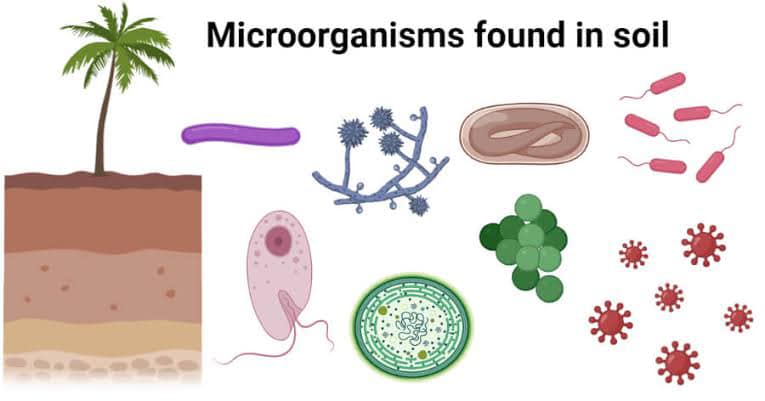
    مٹی میں مندرجہ ذیل مائیکروبز موجود ہوتے ہیں:
    1- بیکٹیریا
    2- فنجائی
    3- الجی
    4- پروٹوزوا
    5- نیماٹوڈ
    6- وائرس

    کچھ مائیکروبز اچھے ہیں اور کچھ برے ہیں ، ان میں سے کچھ پودوں کے لیے مفید ہیں اور کچھ پودوں کو نقصان دیتے ہیں

    مٹی کی اوپر والی سطح (5 سے 15 سینٹی میٹر ) میں سب سے زیادہ مائیکروبز موجود ہوتے ہیں

    مٹی کے ایک گرام میں بلین مائیکروبز ہوتے ہیں جس میں سب سے زیادہ تعداد بیکٹیریا کی ہوتی ہے

    مائیکروبز کی تعداد کا انحصار مختلف چیزوں پر ہوتا ہے جن میں
    مٹی کی طبعی اور کیمیائی ساخت ، نامیاتی مواد کی موجودگی ، مٹی کا پی ایچ لیول ، نیوٹرینٹس کی مقدار اور قسم ، نمی کی موجودگی ، ہوا ، مٹی کا ٹمپریچر ، مٹی کی پی ایچ ، سیلابی پانی کی موجودگی ، گوبر والی کھاد کی موجودگی اور پودے کا روٹ سسٹم شامل ہیں

    پودے کی جڑیں بہت سے مادے خارج کرتی ہیں جو مائیکروبز کی خوراک ہوتے ہیں لہذا وہ جڑوں کے ارد گرد جمع ہو جاتے ہیں

    مائیکروبز کیا کرتے ہیں؟
    1- مائیکروبز آرگینک میٹر کو ڈی کمپوز کرتے ہیں
    2- پودوں کو نیوٹرینٹ مہیا کرتے ہیں
    3- مٹی کی زرخیزی بڑھاتے ہیں
    4- وٹامنز اور ہارمون بناتے ہیں جو پودے کی بڑھوتری میں معاون ہوتے ہیں
    5- مفید مائیکروبز پلانٹ ڈیفینس سٹیمولیٹ کر کے پودے کو پیتھوجنز سے تحفظ فراہم کرتے ہیں

    6- پیسٹی سائیڈز اور کیمیکلز کو توڑتے ہیں
    7- مٹی میں نمی اور ہوا ذخیرہ کرنے کی صلاحیت بڑھاتے ہیں

    Ref:
    Role of microbes in soil fertility
    https://www.youtube.com/watch?v=gM9wVAYsOwY
    مٹی کی زرخیزی میں مائیکروبز کا کردار : مٹی مندرجہ ذیل اجزا پر مشتمل ہوتی ہے 1- غیر نامیاتی مواد 2- نامیاتی مواد 3- ہوا 4- پانی 5- مائیکرو آرگانزم (مائیکروبز) مٹی میں مندرجہ ذیل مائیکروبز موجود ہوتے ہیں: 1- بیکٹیریا 2- فنجائی 3- الجی 4- پروٹوزوا 5- نیماٹوڈ 6- وائرس کچھ مائیکروبز اچھے ہیں اور کچھ برے ہیں ، ان میں سے کچھ پودوں کے لیے مفید ہیں اور کچھ پودوں کو نقصان دیتے ہیں مٹی کی اوپر والی سطح (5 سے 15 سینٹی میٹر ) میں سب سے زیادہ مائیکروبز موجود ہوتے ہیں مٹی کے ایک گرام میں بلین مائیکروبز ہوتے ہیں جس میں سب سے زیادہ تعداد بیکٹیریا کی ہوتی ہے مائیکروبز کی تعداد کا انحصار مختلف چیزوں پر ہوتا ہے جن میں مٹی کی طبعی اور کیمیائی ساخت ، نامیاتی مواد کی موجودگی ، مٹی کا پی ایچ لیول ، نیوٹرینٹس کی مقدار اور قسم ، نمی کی موجودگی ، ہوا ، مٹی کا ٹمپریچر ، مٹی کی پی ایچ ، سیلابی پانی کی موجودگی ، گوبر والی کھاد کی موجودگی اور پودے کا روٹ سسٹم شامل ہیں پودے کی جڑیں بہت سے مادے خارج کرتی ہیں جو مائیکروبز کی خوراک ہوتے ہیں لہذا وہ جڑوں کے ارد گرد جمع ہو جاتے ہیں مائیکروبز کیا کرتے ہیں؟ 1- مائیکروبز آرگینک میٹر کو ڈی کمپوز کرتے ہیں 2- پودوں کو نیوٹرینٹ مہیا کرتے ہیں 3- مٹی کی زرخیزی بڑھاتے ہیں 4- وٹامنز اور ہارمون بناتے ہیں جو پودے کی بڑھوتری میں معاون ہوتے ہیں 5- مفید مائیکروبز پلانٹ ڈیفینس سٹیمولیٹ کر کے پودے کو پیتھوجنز سے تحفظ فراہم کرتے ہیں 6- پیسٹی سائیڈز اور کیمیکلز کو توڑتے ہیں 7- مٹی میں نمی اور ہوا ذخیرہ کرنے کی صلاحیت بڑھاتے ہیں Ref: Role of microbes in soil fertility https://www.youtube.com/watch?v=gM9wVAYsOwY
    0 Commentarii 0 Distribuiri 199 Views
  • Did you know?

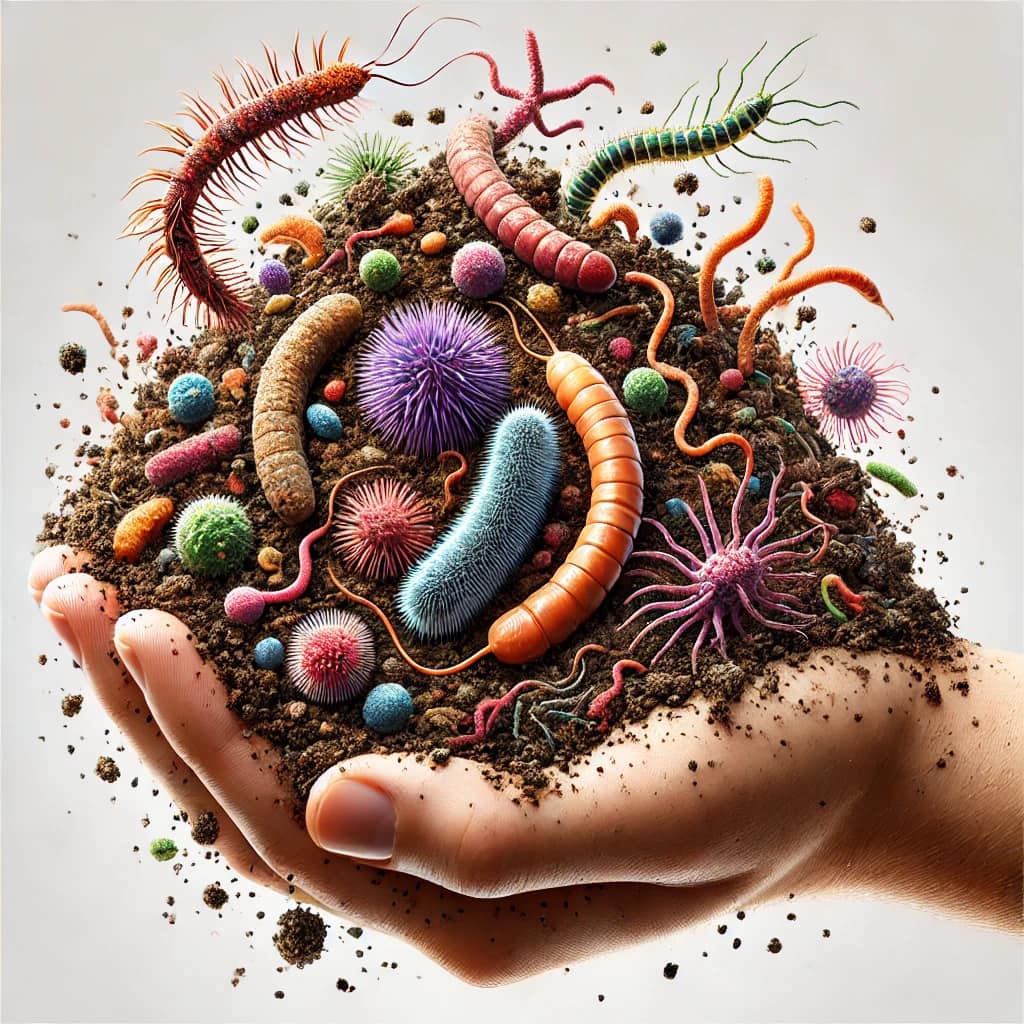
    A handful of soil contains an astonishing number of microbes! In just one gram of soil, there can be over a billion bacteria, fungi, protozoa, nematodes, and other microorganisms. These tiny creatures play crucial roles in nutrient cycling, soil structure maintenance, and the decomposition of organic matter, making soil a vital and dynamic ecosystem.

    Next time you eat a fruit or see a tree, remember that billions and trillions of bacteria helped make this happen.

    Imagine holding tens of billions of these microscopic life forms in your hand, each contributing to the health of our planet.

    Check out this colorful visualization of a handful of soil teeming with life!

    #SoilHealth #Microbes #Nature #Ecosystem
    🌱 Did you know? 🌱 A handful of soil contains an astonishing number of microbes! In just one gram of soil, there can be over a billion bacteria, fungi, protozoa, nematodes, and other microorganisms. These tiny creatures play crucial roles in nutrient cycling, soil structure maintenance, and the decomposition of organic matter, making soil a vital and dynamic ecosystem. Next time you eat a fruit or see a tree, remember that billions and trillions of bacteria helped make this happen. 🌳🍎 Imagine holding tens of billions of these microscopic life forms in your hand, each contributing to the health of our planet. 🌍 Check out this colorful visualization of a handful of soil teeming with life! #SoilHealth #Microbes #Nature #Ecosystem
    0 Commentarii 0 Distribuiri 804 Views
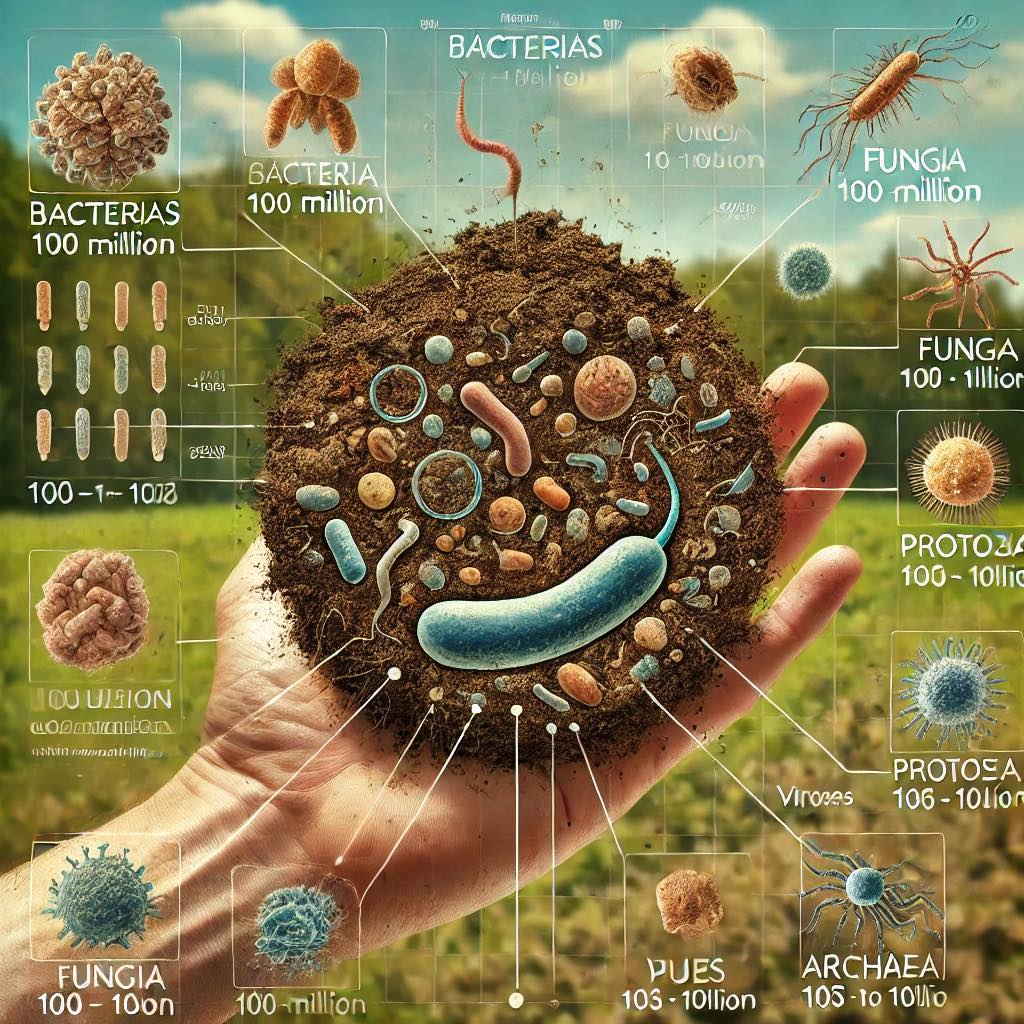
  • A handful of soil contains an astonishing number of microorganisms. On average, one gram of soil can contain:
    • Bacteria: 100 million to 1 billion (10⁸ - 10⁹)
    • Fungi: 100,000 to 1 million (10⁵ - 10⁶)
    • Protozoa: 1,000 to 100,000 (10³ - 10⁵)
    • Viruses: 100 million to 1 trillion (10⁸ - 10¹²)
    • Archaea: Similar to bacteria in number

    Since a handful of soil weighs about 50-100 grams, it could contain trillions of microorganisms in total. These microbes play a crucial role in nutrient cycling, organic matter decomposition, and soil health.
    A handful of soil contains an astonishing number of microorganisms. On average, one gram of soil can contain: • Bacteria: 100 million to 1 billion (10⁸ - 10⁹) • Fungi: 100,000 to 1 million (10⁵ - 10⁶) • Protozoa: 1,000 to 100,000 (10³ - 10⁵) • Viruses: 100 million to 1 trillion (10⁸ - 10¹²) • Archaea: Similar to bacteria in number Since a handful of soil weighs about 50-100 grams, it could contain trillions of microorganisms in total. These microbes play a crucial role in nutrient cycling, organic matter decomposition, and soil health.
    0 Commentarii 0 Distribuiri 191 Views
  • The Magical Factory Beneath Our Feet

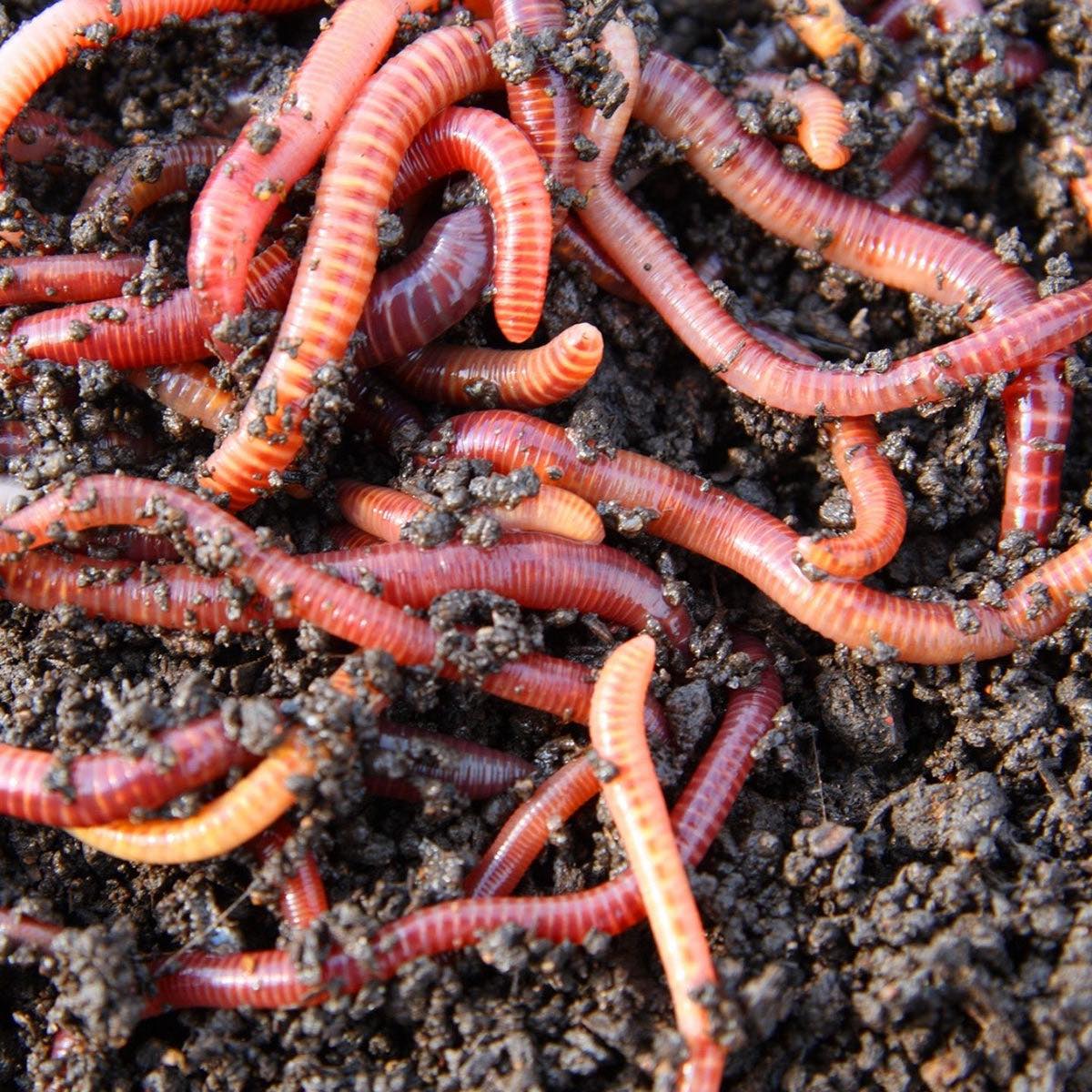
    Deep beneath the quiet soil, where sunlight only dreams of reaching, lives a humble little worker — the earthworm.
    To most people, it’s just a wriggly creature, slimy and small.
    But in truth, it’s one of the most powerful alchemists on Earth.


    The Secret Life of Wormy

    Meet Wormy.
    Every night, when the world above sleeps, Wormy starts his shift in the underground factory.
    He doesn’t wear a helmet or gloves, but he works harder than any human engineer.
    His mission?
    To take the world’s waste — fallen leaves, spoiled fruits, animal dung, and bits of old plants — and turn it into something miraculous: vermicompost, a treasure chest of life-giving minerals.


    The Magic Begins

    Wormy munches on what we call “dirt.”
    But inside his tiny body lives a whole universe of microorganisms — billions of friendly bacteria that work like invisible chefs.
    As Wormy eats, these chefs break down the waste into simpler forms.
    Inside his gut, chemical reactions quietly happen:
    Nitrogen becomes available for new leaves ,
    Phosphorus prepares itself to strengthen roots ,
    and Potassium sharpens a plant’s immune system .

    When Wormy finally lets go of what he doesn’t need — his poo, or worm castings — it’s no longer waste.
    It’s pure black gold.


    From Poo to Power

    Each grain of this black gold glows under a microscope.
    It is rich in:
    • Nitrogen, Phosphorus, and Potassium,
    • Calcium, Magnesium, and Sulphur,
    • and trace minerals like Iron, Zinc, Copper, and Boron.

    In a single teaspoon of Wormy’s compost live millions of microbes, quietly feeding the Earth and keeping plants alive.
    When farmers sprinkle it on their fields, vegetables grow greener, fruits taste sweeter, and the soil becomes softer and more fertile.

    Wormy’s droppings even help the planet breathe — they lock carbon in the soil, reducing pollution from the air.


    Nature’s Recycling Engineer

    Without asking for salary or sleep, Wormy and his family work day and night.
    They don’t just recycle; they regenerate.
    They take what humans call “poo-poo” or garbage and transform it into minerals, enzymes, and life itself.
    Through them, nothing in nature is wasted.
    Every fallen leaf becomes a promise — that life will rise again.


    The Lesson of Wormy

    Next time you see a worm on the ground, don’t step over it.
    Bend down, smile, and say thank you.
    That little worm is helping feed the world.
    It is silently reminding us that real magic is not in the sky, but in the soil beneath our feet.

    From decay comes nourishment.
    From waste comes life.
    From Wormy comes the future.


    Written by Rehan Allahwala — with ChatGPT
    🌍 The Magical Factory Beneath Our Feet Deep beneath the quiet soil, where sunlight only dreams of reaching, lives a humble little worker — the earthworm. To most people, it’s just a wriggly creature, slimy and small. But in truth, it’s one of the most powerful alchemists on Earth. ⸻ 🪱 The Secret Life of Wormy Meet Wormy. Every night, when the world above sleeps, Wormy starts his shift in the underground factory. He doesn’t wear a helmet or gloves, but he works harder than any human engineer. His mission? To take the world’s waste — fallen leaves, spoiled fruits, animal dung, and bits of old plants — and turn it into something miraculous: vermicompost, a treasure chest of life-giving minerals. ⸻ ⚗️ The Magic Begins Wormy munches on what we call “dirt.” But inside his tiny body lives a whole universe of microorganisms — billions of friendly bacteria that work like invisible chefs. As Wormy eats, these chefs break down the waste into simpler forms. Inside his gut, chemical reactions quietly happen: Nitrogen becomes available for new leaves 🌿, Phosphorus prepares itself to strengthen roots 🌱, and Potassium sharpens a plant’s immune system 💪. When Wormy finally lets go of what he doesn’t need — his poo, or worm castings — it’s no longer waste. It’s pure black gold. ⸻ 💎 From Poo to Power Each grain of this black gold glows under a microscope. It is rich in: • Nitrogen, Phosphorus, and Potassium, • Calcium, Magnesium, and Sulphur, • and trace minerals like Iron, Zinc, Copper, and Boron. In a single teaspoon of Wormy’s compost live millions of microbes, quietly feeding the Earth and keeping plants alive. When farmers sprinkle it on their fields, vegetables grow greener, fruits taste sweeter, and the soil becomes softer and more fertile. Wormy’s droppings even help the planet breathe — they lock carbon in the soil, reducing pollution from the air. 🌎 ⸻ 🌈 Nature’s Recycling Engineer Without asking for salary or sleep, Wormy and his family work day and night. They don’t just recycle; they regenerate. They take what humans call “poo-poo” or garbage and transform it into minerals, enzymes, and life itself. Through them, nothing in nature is wasted. Every fallen leaf becomes a promise — that life will rise again. ⸻ 💚 The Lesson of Wormy Next time you see a worm on the ground, don’t step over it. Bend down, smile, and say thank you. That little worm is helping feed the world. It is silently reminding us that real magic is not in the sky, but in the soil beneath our feet. From decay comes nourishment. From waste comes life. From Wormy comes the future. ⸻ 🖋️ Written by Rehan Allahwala — with ChatGPT
    0 Commentarii 0 Distribuiri 473 Views