
• souls of india and Pakistan

    Souls of India and Pakistan is a peace project aimed at bringing unity and harmony between the two countries.
    We aim at building lasting pairs of friendships by organizing events, discussions and fests both online and offline. We have a wing for creating social awareness through online media and one wing for organizing competition and events for ice breakers. We are making a video library of personal anecdotes from people of both the sides.
    We need volunteers to help us with graphic designing, content writing, video making and shooting, fundraising, marketing, research and analysis and public relation managing.

    Okay, so basically how we are different is that we are not just creating awareness and writing poems.
    We are doing competitions, events, discussions
    Our website will have a news feed, a suggest friend option, community groups, weekly competitions like photography, Instagram contests,
    All of which will have a team , with equal number from India and Pakistan.
    We will be making the class 12 students participate in case study competitions, in teams, with good prize money, so that they break the ice, and work together.
    Our aim is 2000 pairs of friendships across the borders

    There is also a humans of new york type concept where we shoot a videi of an Indian and Pakistani and merge them, as in they speak sentences alternatively, and theres a strong caption with it.
    New ideas are welcome,
    And very soon we can divide the work into departments.

    Contact Kanishk Saraogi if you are interested
    souls of india and Pakistan Souls of India and Pakistan is a peace project aimed at bringing unity and harmony between the two countries. We aim at building lasting pairs of friendships by organizing events, discussions and fests both online and offline. We have a wing for creating social awareness through online media and one wing for organizing competition and events for ice breakers. We are making a video library of personal anecdotes from people of both the sides. We need volunteers to help us with graphic designing, content writing, video making and shooting, fundraising, marketing, research and analysis and public relation managing. Okay, so basically how we are different is that we are not just creating awareness and writing poems. We are doing competitions, events, discussions Our website will have a news feed, a suggest friend option, community groups, weekly competitions like photography, Instagram contests, All of which will have a team , with equal number from India and Pakistan. We will be making the class 12 students participate in case study competitions, in teams, with good prize money, so that they break the ice, and work together. Our aim is 2000 pairs of friendships across the borders There is also a humans of new york type concept where we shoot a videi of an Indian and Pakistani and merge them, as in they speak sentences alternatively, and theres a strong caption with it. New ideas are welcome, And very soon we can divide the work into departments. Contact Kanishk Saraogi if you are interested
    0 Commentarii 0 Distribuiri 1387 Views
  • Two years ago in July I cried on an airplane on my way back to Europe. I seriously didn’t want to be on that plane. I was excited to see my friends and parts of the Family, but I was scared of getting stuck again. Stuck in security that made me feel safe with but never made me happy (even if appreciate some security, there’s a difference in enjoying this and abusing it to keep you protected). I wanted to be on the other side of the world. The idea was to stay for some months. Half a burnout and half a pandamic later I was still there. And then I left. I felt like ****, I laughed a lot, I walked a lot, was told to relax and let go a lot.

    One of my biggest dreams is to at one time gather all people who I love and have met all over the world all together at the same time. Thank you for keeping up with me last year. Thank you for stumbling into my life this year. Thank you for checking in on me, thank you for calls, and reunions, for dances, for hosting me, tons of coffee and croissants, for talks and meditations, for soft words and honest words, for „it’s okay“s, for seeing sparkles, for gardening on my birthday, sending me a hoodie from Australia when I mentioned I’m freezing in Portugal, for picking wild flowers, sharing music, for curfew walks and midnight talks, for getting food for me during quarantine, starring at the ocean with me and reading poems to me. For all moments to remember and all moments come.

    This time taking a flight to Germany makes me nervous as well, but I manifested some individual security net for myself by quitting my apartment. Sounds radical? Took me 8 years. I am overwhelmed by little „wtf have you done“ moments. It’s both exciting and scary to explore places to test live. But I can’t wait to „settle“ just to rent out this wodden floor apartment for solid six months per year and go travel, inhaling life deeply.

    Also: cant wait to live a whole summer within four weeks. So if you want to risk a dance, hit me up.

    If you see yourself within this text, it’s about you.
    And in this case I have a lot of love for you in my heart.

    Forwarded from a wall !
    Two years ago in July I cried on an airplane on my way back to Europe. I seriously didn’t want to be on that plane. I was excited to see my friends and parts of the Family, but I was scared of getting stuck again. Stuck in security that made me feel safe with but never made me happy (even if appreciate some security, there’s a difference in enjoying this and abusing it to keep you protected). I wanted to be on the other side of the world. The idea was to stay for some months. Half a burnout and half a pandamic later I was still there. And then I left. I felt like shit, I laughed a lot, I walked a lot, was told to relax and let go a lot. One of my biggest dreams is to at one time gather all people who I love and have met all over the world all together at the same time. Thank you for keeping up with me last year. Thank you for stumbling into my life this year. Thank you for checking in on me, thank you for calls, and reunions, for dances, for hosting me, tons of coffee and croissants, for talks and meditations, for soft words and honest words, for „it’s okay“s, for seeing sparkles, for gardening on my birthday, sending me a hoodie from Australia when I mentioned I’m freezing in Portugal, for picking wild flowers, sharing music, for curfew walks and midnight talks, for getting food for me during quarantine, starring at the ocean with me and reading poems to me. For all moments to remember and all moments come. This time taking a flight to Germany makes me nervous as well, but I manifested some individual security net for myself by quitting my apartment. Sounds radical? Took me 8 years. I am overwhelmed by little „wtf have you done“ moments. It’s both exciting and scary to explore places to test live. But I can’t wait to „settle“ just to rent out this wodden floor apartment for solid six months per year and go travel, inhaling life deeply. Also: cant wait to live a whole summer within four weeks. So if you want to risk a dance, hit me up. If you see yourself within this text, it’s about you. And in this case I have a lot of love for you in my heart. Forwarded from a wall !
    0 Commentarii 0 Distribuiri 914 Views
  • What does Allama Iqbal mean by Khudi ?

    Allama Iqbal is a famous poet and philosopher from South Asia who is known for his philosophical poems that explore themes of self-discovery and individual identity. In his poetry, he often uses the term "khudi" to refer to the concept of self-awareness and self-assertion.

    According to Iqbal, khudi represents the inner, spiritual aspect of the individual self, and it is through the cultivation and development of khudi that one can truly discover their own identity and potential. He believed that khudi was essential for achieving personal growth and fulfillment, and that it was the key to attaining a sense of purpose and meaning in life.

    Iqbals concept of khudi has been widely influential in South Asian literature and thought, and his poetry has inspired many people to seek self-discovery and personal growth. In his poems, Iqbal encourages readers to embrace their khudi and to use it as a force for positive change in the world. So, khudi is a way of discovering and expressing ones own identity, purpose, and potential.

    Via #ChatGPT
    What does Allama Iqbal mean by Khudi ? Allama Iqbal is a famous poet and philosopher from South Asia who is known for his philosophical poems that explore themes of self-discovery and individual identity. In his poetry, he often uses the term "khudi" to refer to the concept of self-awareness and self-assertion. According to Iqbal, khudi represents the inner, spiritual aspect of the individual self, and it is through the cultivation and development of khudi that one can truly discover their own identity and potential. He believed that khudi was essential for achieving personal growth and fulfillment, and that it was the key to attaining a sense of purpose and meaning in life. Iqbal's concept of khudi has been widely influential in South Asian literature and thought, and his poetry has inspired many people to seek self-discovery and personal growth. In his poems, Iqbal encourages readers to embrace their khudi and to use it as a force for positive change in the world. So, khudi is a way of discovering and expressing one's own identity, purpose, and potential. Via #ChatGPT
    0 Commentarii 0 Distribuiri 1401 Views
  • The ten oldest books in the world are a fascinating glimpse into ancient civilizations and their literary traditions. These works often contain religious texts, epic poetry, or philosophical discourses that were highly influential in shaping human thought and culture. Heres a list of some of the oldest known texts:

    ### 1. **The Epic of Gilgamesh** (circa 2100 BCE)
    - **Origin**: Mesopotamia (modern-day Iraq)
    - **Language**: Sumerian and later Akkadian
    - **Content**: The Epic of Gilgamesh is one of the oldest known works of literature. It tells the story of King Gilgamesh of Uruk and his adventures with his friend Enkidu. Themes of friendship, mortality, and the quest for immortality are central to the epic.

    ### 2. **The Pyramid Texts** (circa 2400–2300 BCE)
    - **Origin**: Ancient Egypt
    - **Language**: Old Egyptian
    - **Content**: These are a collection of ancient Egyptian religious texts carved into the walls and sarcophagi of pyramids. They are the earliest known religious writings in Egypt, focused on ensuring the safe passage of the pharaohs soul into the afterlife.

    ### 3. **The Rigveda** (circa 1500–1200 BCE)
    - **Origin**: Ancient India
    - **Language**: Sanskrit
    - **Content**: The Rigveda is the oldest of the four Vedas, which are sacred texts of Hinduism. It is a collection of hymns praising various deities and discussing cosmology, ritual practices, and philosophy.

    ### 4. **The Book of the Dead** (circa 1550 BCE)
    - **Origin**: Ancient Egypt
    - **Language**: Middle Egyptian
    - **Content**: This ancient funerary text is composed of spells and prayers meant to guide the deceased through the afterlife. It evolved from older texts like the Pyramid Texts and the Coffin Texts, with a focus on ensuring safe passage in the underworld.

    ### 5. **The Enuma Elish** (circa 1800 BCE)
    - **Origin**: Babylon (modern-day Iraq)
    - **Language**: Akkadian
    - **Content**: The Enuma Elish is the Babylonian creation myth. It tells the story of the god Marduks rise to supremacy and the creation of the world, as well as the gods and humanity.

    ### 6. **The Code of Hammurabi** (circa 1754 BCE)
    - **Origin**: Babylon
    - **Language**: Akkadian
    - **Content**: One of the oldest written legal codes, the Code of Hammurabi was enacted by King Hammurabi of Babylon. It outlines laws, punishments, and justice systems in Babylonian society.

    ### 7. **The Instructions of Shuruppak** (circa 2600–2500 BCE)
    - **Origin**: Sumer (ancient Mesopotamia)
    - **Language**: Sumerian
    - **Content**: This ancient text, also known as the "Instructions of Shuruppak," is a collection of Sumerian wisdom literature attributed to the Sumerian king Shuruppak. It offers advice on living a virtuous and wise life.

    ### 8. **The I Ching (Yi Jing)** (circa 1000 BCE)
    - **Origin**: Ancient China
    - **Language**: Classical Chinese
    - **Content**: The I Ching, also known as the "Book of Changes," is an ancient Chinese divination text and one of the Five Classics of Confucianism. It is used for understanding the dynamics of life and predicting outcomes based on the hexagrams formed by throwing yarrow sticks or coins.

    ### 9. **The Iliad and The Odyssey** (circa 8th century BCE)
    - **Origin**: Ancient Greece
    - **Language**: Ancient Greek
    - **Content**: Attributed to the poet Homer, these two epic poems are foundational works of Western literature. "The Iliad" recounts events during the Trojan War, while "The Odyssey" follows the hero Odysseus journey home after the war.

    ### 10. **The Avestan Texts (Avesta)** (circa 1200–1000 BCE)
    - **Origin**: Ancient Persia (modern-day Iran)
    - **Language**: Avestan
    - **Content**: The Avesta is the primary collection of sacred texts of Zoroastrianism, the ancient religion of Persia. It contains hymns, rituals, and doctrines attributed to the prophet Zoroaster (Zarathustra).

    ### Summary:
    These books and texts represent some of the earliest known literary works in human history, offering insights into the religions, philosophies, and worldviews of ancient civilizations. They were written on materials such as clay tablets, papyrus, and stone, and have been preserved through millennia by archaeologists and scholars.
    The ten oldest books in the world are a fascinating glimpse into ancient civilizations and their literary traditions. These works often contain religious texts, epic poetry, or philosophical discourses that were highly influential in shaping human thought and culture. Here's a list of some of the oldest known texts: ### 1. **The Epic of Gilgamesh** (circa 2100 BCE) - **Origin**: Mesopotamia (modern-day Iraq) - **Language**: Sumerian and later Akkadian - **Content**: The Epic of Gilgamesh is one of the oldest known works of literature. It tells the story of King Gilgamesh of Uruk and his adventures with his friend Enkidu. Themes of friendship, mortality, and the quest for immortality are central to the epic. ### 2. **The Pyramid Texts** (circa 2400–2300 BCE) - **Origin**: Ancient Egypt - **Language**: Old Egyptian - **Content**: These are a collection of ancient Egyptian religious texts carved into the walls and sarcophagi of pyramids. They are the earliest known religious writings in Egypt, focused on ensuring the safe passage of the pharaoh's soul into the afterlife. ### 3. **The Rigveda** (circa 1500–1200 BCE) - **Origin**: Ancient India - **Language**: Sanskrit - **Content**: The Rigveda is the oldest of the four Vedas, which are sacred texts of Hinduism. It is a collection of hymns praising various deities and discussing cosmology, ritual practices, and philosophy. ### 4. **The Book of the Dead** (circa 1550 BCE) - **Origin**: Ancient Egypt - **Language**: Middle Egyptian - **Content**: This ancient funerary text is composed of spells and prayers meant to guide the deceased through the afterlife. It evolved from older texts like the Pyramid Texts and the Coffin Texts, with a focus on ensuring safe passage in the underworld. ### 5. **The Enuma Elish** (circa 1800 BCE) - **Origin**: Babylon (modern-day Iraq) - **Language**: Akkadian - **Content**: The Enuma Elish is the Babylonian creation myth. It tells the story of the god Marduk's rise to supremacy and the creation of the world, as well as the gods and humanity. ### 6. **The Code of Hammurabi** (circa 1754 BCE) - **Origin**: Babylon - **Language**: Akkadian - **Content**: One of the oldest written legal codes, the Code of Hammurabi was enacted by King Hammurabi of Babylon. It outlines laws, punishments, and justice systems in Babylonian society. ### 7. **The Instructions of Shuruppak** (circa 2600–2500 BCE) - **Origin**: Sumer (ancient Mesopotamia) - **Language**: Sumerian - **Content**: This ancient text, also known as the "Instructions of Shuruppak," is a collection of Sumerian wisdom literature attributed to the Sumerian king Shuruppak. It offers advice on living a virtuous and wise life. ### 8. **The I Ching (Yi Jing)** (circa 1000 BCE) - **Origin**: Ancient China - **Language**: Classical Chinese - **Content**: The I Ching, also known as the "Book of Changes," is an ancient Chinese divination text and one of the Five Classics of Confucianism. It is used for understanding the dynamics of life and predicting outcomes based on the hexagrams formed by throwing yarrow sticks or coins. ### 9. **The Iliad and The Odyssey** (circa 8th century BCE) - **Origin**: Ancient Greece - **Language**: Ancient Greek - **Content**: Attributed to the poet Homer, these two epic poems are foundational works of Western literature. "The Iliad" recounts events during the Trojan War, while "The Odyssey" follows the hero Odysseus' journey home after the war. ### 10. **The Avestan Texts (Avesta)** (circa 1200–1000 BCE) - **Origin**: Ancient Persia (modern-day Iran) - **Language**: Avestan - **Content**: The Avesta is the primary collection of sacred texts of Zoroastrianism, the ancient religion of Persia. It contains hymns, rituals, and doctrines attributed to the prophet Zoroaster (Zarathustra). ### Summary: These books and texts represent some of the earliest known literary works in human history, offering insights into the religions, philosophies, and worldviews of ancient civilizations. They were written on materials such as clay tablets, papyrus, and stone, and have been preserved through millennia by archaeologists and scholars.
    0 Commentarii 0 Distribuiri 514 Views
  • Poetry holds a significant place in cultures worldwide, transcending time, geography, and language. Here’s a summary of its global significance:

    1. Expression of Human Emotions:

    • Poetry captures the full spectrum of human emotions, from love, joy, and hope to sorrow, grief, and longing. It enables people to articulate feelings that might be difficult to express in everyday language.

    2. Cultural Preservation:

    • Poetry plays a crucial role in preserving cultural identity, traditions, and values. It often carries the wisdom, folklore, and collective experiences of a society. Epic poems, like the “Iliad” in Greece or “Mahabharata” in India, are cornerstones of cultural heritage.

    3. Social and Political Commentary:

    • Throughout history, poets have used poetry to critique society, challenge authority, and inspire change. It has been a tool for political expression, activism, and movements, influencing revolutions and social change, like the works of Pablo Neruda or Langston Hughes.

    4. Literary and Artistic Value:

    • Poetry is an art form that focuses on language, rhythm, and aesthetics. It allows for creativity, metaphor, and linguistic play, creating a space for deep reflection and interpretation. The works of poets like William Shakespeare, Rumi, and Emily Dickinson have had a profound impact on literature.

    5. Healing and Therapy:

    • Poetry can serve as a therapeutic tool, providing solace and healing for individuals dealing with trauma, grief, or difficult times. It is often used in therapies to help people process emotions and find comfort.

    6. Global Influence and Connectivity:

    • Poetry connects people across cultures and languages. Translations of poets like Rumi, Rabindranath Tagore, and Hafez have reached global audiences, showing how poetry can transcend borders and bring diverse cultures closer.

    7. Celebration of Language:

    • Poetry is a celebration of language’s beauty, intricacies, and power. It often pushes the boundaries of language, exploring new expressions, forms, and styles, from traditional sonnets to modern free verse.

    In summary, poetry holds a mirror to society, acts as a vessel for cultural memory, and provides a platform for individual and collective voices. Its influence spans centuries, shaping human thought, art, and society, and continues to be a powerful medium in the modern world.
    Poetry holds a significant place in cultures worldwide, transcending time, geography, and language. Here’s a summary of its global significance: 1. Expression of Human Emotions: • Poetry captures the full spectrum of human emotions, from love, joy, and hope to sorrow, grief, and longing. It enables people to articulate feelings that might be difficult to express in everyday language. 2. Cultural Preservation: • Poetry plays a crucial role in preserving cultural identity, traditions, and values. It often carries the wisdom, folklore, and collective experiences of a society. Epic poems, like the “Iliad” in Greece or “Mahabharata” in India, are cornerstones of cultural heritage. 3. Social and Political Commentary: • Throughout history, poets have used poetry to critique society, challenge authority, and inspire change. It has been a tool for political expression, activism, and movements, influencing revolutions and social change, like the works of Pablo Neruda or Langston Hughes. 4. Literary and Artistic Value: • Poetry is an art form that focuses on language, rhythm, and aesthetics. It allows for creativity, metaphor, and linguistic play, creating a space for deep reflection and interpretation. The works of poets like William Shakespeare, Rumi, and Emily Dickinson have had a profound impact on literature. 5. Healing and Therapy: • Poetry can serve as a therapeutic tool, providing solace and healing for individuals dealing with trauma, grief, or difficult times. It is often used in therapies to help people process emotions and find comfort. 6. Global Influence and Connectivity: • Poetry connects people across cultures and languages. Translations of poets like Rumi, Rabindranath Tagore, and Hafez have reached global audiences, showing how poetry can transcend borders and bring diverse cultures closer. 7. Celebration of Language: • Poetry is a celebration of language’s beauty, intricacies, and power. It often pushes the boundaries of language, exploring new expressions, forms, and styles, from traditional sonnets to modern free verse. In summary, poetry holds a mirror to society, acts as a vessel for cultural memory, and provides a platform for individual and collective voices. Its influence spans centuries, shaping human thought, art, and society, and continues to be a powerful medium in the modern world.
    0 Commentarii 0 Distribuiri 981 Views
  • “There is only one good, knowledge; and one evil, ignorance.”
    — Socrates


    Essay: Ending Wars through Social Media and Artificial Intelligence — A New Hope for Humanity

    War is never just about soldiers or strategy — it’s about broken homes, shattered dreams, and lost futures.
    And while governments may start wars, it’s always the people who pay the price — with their lives, their families, and their hope.

    But today, we live in an era where human connection is more powerful than ever.
    Through social media and AI tools like ChatGPT and Perplexity, we now have the power to replace hatred with empathy, silence with stories, and distance with dialogue.

    Let’s explore how we can use these modern tools to bring people together from war-torn regions and help create a more peaceful world.


    The True Face of War

    Wars aren’t just fought on battlefields — they are fought in kitchens without food, in schools reduced to rubble, in hospitals without medicine.
    A child in Gaza or Ukraine doesn’t care about politics — they just want peace, food, and a safe home.

    Yet many people in peaceful countries only see war through headlines and move on.

    What if they could feel what it’s like to live in that world?


    Social Media: A Bridge Between Hearts

    Facebook, Twitter (X), Instagram, YouTube — these are not just platforms for photos and memes anymore.
    They are digital bridges connecting a child in Gaza to a girl in Texas, or a youth in Ukraine to a teacher in Karachi.

    When truth, pain, and hope go viral — hearts soften, minds open, and public pressure rises.
    That’s when even the most stubborn governments start to listen.

    How to use social media for peace:
    1. Share real human stories, not just statistics or slogans
    2. Create cross-border peace groups and invite diverse voices
    3. Host virtual meetups between citizens of different nations
    4. Start hashtag campaigns like #HumansBeforePolitics, #PeaceNow, or #NoToWar
    5. Make peace go viral — one post at a time


    ChatGPT & Perplexity: Intelligence for Empathy

    AI tools like ChatGPT and Perplexity are not just smart — they are bridges of understanding.
    They can answer, explain, compare, and most importantly — open minds.

    How they help build peace:
    • Explain historical context of conflicts with balance and clarity
    • Show both sides of the story, reducing propaganda and bias
    • Offer peaceful alternatives — diplomacy, trade, cultural exchange
    • Detect and debunk fake news, so misinformation doesn’t fuel hate
    • Craft emotional peace messages, poems, stories, and campaigns


    What Can YOU Do?
    1. Ask ChatGPT daily: “What can I do today to promote peace?”
    2. Use Perplexity to research solutions for current conflicts
    3. Post one peaceful message a day on your social media
    4. Connect with people from “enemy” countries — talk, listen, heal
    5. Teach children the language of peace, not hatred


    Conclusion

    Wars don’t end with more weapons.
    They end when people talk, understand, and forgive.

    Social media gives us a voice.
    ChatGPT gives us wisdom.
    Perplexity gives us clarity.

    Together, these tools can make “world peace” more than a dream — they can make it a strategy.

    So let’s stop fighting with bombs — and start fighting with truth, kindness, and intelligence.


    Your Peace Mission Starts Today:
    One post, one prayer, one conversation… could save someone’s home, someone’s child, someone’s world.

    Use the hashtags:
    #PeaceThroughAI | #HumansNotBorders | #EndWarsWithWisdom

    Are you ready?
    Because if we stay silent… war won’t win — humanity will lose.
    “There is only one good, knowledge; and one evil, ignorance.” — Socrates ⸻ Essay: Ending Wars through Social Media and Artificial Intelligence — A New Hope for Humanity War is never just about soldiers or strategy — it’s about broken homes, shattered dreams, and lost futures. And while governments may start wars, it’s always the people who pay the price — with their lives, their families, and their hope. But today, we live in an era where human connection is more powerful than ever. Through social media and AI tools like ChatGPT and Perplexity, we now have the power to replace hatred with empathy, silence with stories, and distance with dialogue. Let’s explore how we can use these modern tools to bring people together from war-torn regions and help create a more peaceful world. ⸻ 🔥 The True Face of War Wars aren’t just fought on battlefields — they are fought in kitchens without food, in schools reduced to rubble, in hospitals without medicine. A child in Gaza or Ukraine doesn’t care about politics — they just want peace, food, and a safe home. Yet many people in peaceful countries only see war through headlines and move on. What if they could feel what it’s like to live in that world? ⸻ 🌐 Social Media: A Bridge Between Hearts Facebook, Twitter (X), Instagram, YouTube — these are not just platforms for photos and memes anymore. They are digital bridges connecting a child in Gaza to a girl in Texas, or a youth in Ukraine to a teacher in Karachi. When truth, pain, and hope go viral — hearts soften, minds open, and public pressure rises. That’s when even the most stubborn governments start to listen. How to use social media for peace: 1. Share real human stories, not just statistics or slogans 2. Create cross-border peace groups and invite diverse voices 3. Host virtual meetups between citizens of different nations 4. Start hashtag campaigns like #HumansBeforePolitics, #PeaceNow, or #NoToWar 5. Make peace go viral — one post at a time ⸻ 🤖 ChatGPT & Perplexity: Intelligence for Empathy AI tools like ChatGPT and Perplexity are not just smart — they are bridges of understanding. They can answer, explain, compare, and most importantly — open minds. How they help build peace: • Explain historical context of conflicts with balance and clarity • Show both sides of the story, reducing propaganda and bias • Offer peaceful alternatives — diplomacy, trade, cultural exchange • Detect and debunk fake news, so misinformation doesn’t fuel hate • Craft emotional peace messages, poems, stories, and campaigns ⸻ 💡 What Can YOU Do? 1. Ask ChatGPT daily: “What can I do today to promote peace?” 2. Use Perplexity to research solutions for current conflicts 3. Post one peaceful message a day on your social media 4. Connect with people from “enemy” countries — talk, listen, heal 5. Teach children the language of peace, not hatred ⸻ 🕊️ Conclusion Wars don’t end with more weapons. They end when people talk, understand, and forgive. Social media gives us a voice. ChatGPT gives us wisdom. Perplexity gives us clarity. Together, these tools can make “world peace” more than a dream — they can make it a strategy. So let’s stop fighting with bombs — and start fighting with truth, kindness, and intelligence. ⸻ 📢 Your Peace Mission Starts Today: One post, one prayer, one conversation… could save someone’s home, someone’s child, someone’s world. Use the hashtags: #PeaceThroughAI | #HumansNotBorders | #EndWarsWithWisdom Are you ready? Because if we stay silent… war won’t win — humanity will lose.
    0 Commentarii 0 Distribuiri 3346 Views
  • The Science of Silence – How Quiet Time Gives You Answers

    Most people think silence means nothing is happening. But in reality, silence is one of the most powerful times for your brain. When you stay quiet for 40 to 60 minutes, your brain starts doing something very special — it begins to solve problems, organize memories, and bring new ideas to the surface.

    What Happens Inside the Brain

    Our brain has two main modes:
    1. Active Mode: When you are talking, watching videos, studying, or scrolling on your phone — your brain is busy reacting to outside information.
    2. Silent Mode: When you stop talking and sit quietly, your brain switches to a system called the Default Mode Network (DMN).

    This network turns on when you are not focused on the outside world. It connects your memories, imagination, and emotions together. It’s like your brain’s “background workshop” — silently fixing problems, testing new ideas, and linking pieces of information you already know.

    How Silence Creates Ideas

    When you are quiet:
    • Your stress hormones like cortisol go down.
    • Your alpha brain waves increase — these help you relax and think clearly.
    • Your memory system (hippocampus) starts replaying and rearranging thoughts, like shuffling puzzle pieces until a picture appears.

    This is why, after sitting quietly for some time, new ideas suddenly “pop up.” It feels like inspiration — but it’s actually your brain connecting the dots without interference.

    Why 40–60 Minutes?

    It takes about 10–20 minutes for your mind to stop jumping from one thought to another. After that, your brain enters a calm, deep-thinking zone. Staying in that state for 40–60 minutes gives enough time for deep reflection and insight.

    How Silence Helps You in Daily Life
    1. Problem Solving: When you stop trying to “force” answers, your brain finds them naturally.
    2. Emotional Control: Silence reduces anxiety and helps you see your emotions clearly instead of reacting.
    3. Better Focus: After quiet time, your concentration and memory improve.
    4. Creativity: Many inventions, poems, and business ideas come during silent walks, showers, or meditation.

    Even great minds like Newton, Einstein, and Rumi used silence to think deeply and receive inspiration.

    How to Practice

    You can do this anywhere:
    • Sit in a quiet room or garden.
    • Keep your phone away.
    • Close your eyes or look softly at one point.
    • Take slow breaths and let thoughts come and go.
    • Keep a notebook nearby. When silence ends, write what came to mind — often you’ll find new solutions or creative ideas there.

    In Simple Words

    Silence is not empty — it is full of answers.
    When we stop talking, the noise of the world fades, and the voice of our inner wisdom becomes clear.

    It’s like cleaning a dirty mirror — once the dust settles, you can finally see your reflection and your direction.

    The Science of Silence – How Quiet Time Gives You Answers Most people think silence means nothing is happening. But in reality, silence is one of the most powerful times for your brain. When you stay quiet for 40 to 60 minutes, your brain starts doing something very special — it begins to solve problems, organize memories, and bring new ideas to the surface. What Happens Inside the Brain Our brain has two main modes: 1. Active Mode: When you are talking, watching videos, studying, or scrolling on your phone — your brain is busy reacting to outside information. 2. Silent Mode: When you stop talking and sit quietly, your brain switches to a system called the Default Mode Network (DMN). This network turns on when you are not focused on the outside world. It connects your memories, imagination, and emotions together. It’s like your brain’s “background workshop” — silently fixing problems, testing new ideas, and linking pieces of information you already know. How Silence Creates Ideas When you are quiet: • Your stress hormones like cortisol go down. • Your alpha brain waves increase — these help you relax and think clearly. • Your memory system (hippocampus) starts replaying and rearranging thoughts, like shuffling puzzle pieces until a picture appears. This is why, after sitting quietly for some time, new ideas suddenly “pop up.” It feels like inspiration — but it’s actually your brain connecting the dots without interference. Why 40–60 Minutes? It takes about 10–20 minutes for your mind to stop jumping from one thought to another. After that, your brain enters a calm, deep-thinking zone. Staying in that state for 40–60 minutes gives enough time for deep reflection and insight. How Silence Helps You in Daily Life 1. Problem Solving: When you stop trying to “force” answers, your brain finds them naturally. 2. Emotional Control: Silence reduces anxiety and helps you see your emotions clearly instead of reacting. 3. Better Focus: After quiet time, your concentration and memory improve. 4. Creativity: Many inventions, poems, and business ideas come during silent walks, showers, or meditation. Even great minds like Newton, Einstein, and Rumi used silence to think deeply and receive inspiration. How to Practice You can do this anywhere: • Sit in a quiet room or garden. • Keep your phone away. • Close your eyes or look softly at one point. • Take slow breaths and let thoughts come and go. • Keep a notebook nearby. When silence ends, write what came to mind — often you’ll find new solutions or creative ideas there. In Simple Words Silence is not empty — it is full of answers. When we stop talking, the noise of the world fades, and the voice of our inner wisdom becomes clear. It’s like cleaning a dirty mirror — once the dust settles, you can finally see your reflection and your direction. ⸻
    0 Commentarii 0 Distribuiri 705 Views
  • Topic: Every student in High School MUST earn 50,000 rupee a month if they are to graduate from it.

    We teach poems, maths, science, English, Similarly I believe we must teach how to earn at least $300 a month though freelancing, and simple freelancing though canva and fiverr in every school, which is 7th Grade plus

    Please join us if you would like to be part of this lobbying group and petition with the government for this.

    Join Compulsory Freelancing Class for School Students
    Topic: Every student in High School MUST earn 50,000 rupee a month if they are to graduate from it. We teach poems, maths, science, English, Similarly I believe we must teach how to earn at least $300 a month though freelancing, and simple freelancing though canva and fiverr in every school, which is 7th Grade plus Please join us if you would like to be part of this lobbying group and petition with the government for this. Join Compulsory Freelancing Class for School Students
    0 Commentarii 0 Distribuiri 228 Views 0
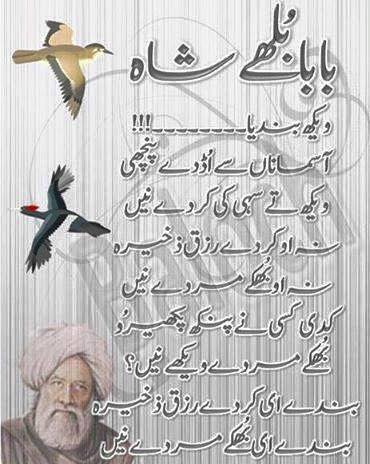
  • My favourite poem ! Thank you Bullay Shah (Kalam)

    #bullayshah
    #Poems
    #rehanpoems
    My favourite poem ! Thank you Bullay Shah (Kalam) #bullayshah #Poems #rehanpoems
    0 Commentarii 0 Distribuiri 465 Views
  • We teach poems, maths, science, English, Similarly I believe we must teach how to earn at least $300 a month though freelancing, and simple freelancing though canva and fiverr in every school, which is 7th Grade plus

    Please join us if you would like to be part of this lobbying group and petition with the government for this.

    Join Compulsory Freelancing Class for School Students
    We teach poems, maths, science, English, Similarly I believe we must teach how to earn at least $300 a month though freelancing, and simple freelancing though canva and fiverr in every school, which is 7th Grade plus Please join us if you would like to be part of this lobbying group and petition with the government for this. Join Compulsory Freelancing Class for School Students
    0 Commentarii 0 Distribuiri 187 Views
Sponsorizeaza Paginile