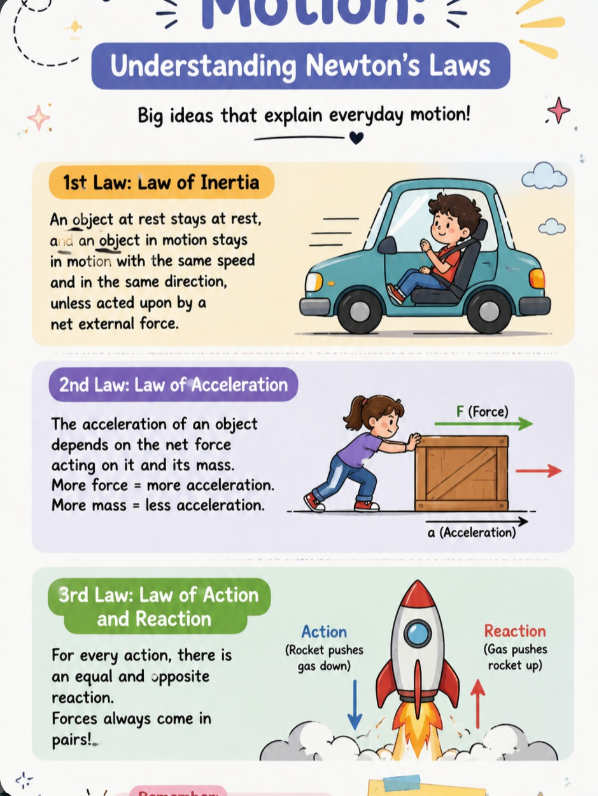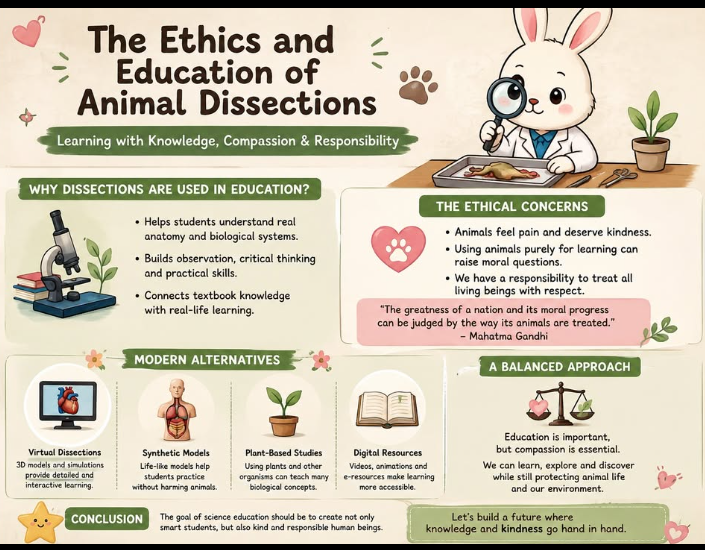
• #RSTA
    #Task Canva Post
    #Class: Foundation Level
    #Day No: 106
    #Made By Me

    Total Post:35


    **“The best way to predict the future is to create it.” — Peter Drucker**

    Our future is shaped by the choices and actions we take today. Instead of waiting for a better tomorrow, start working today to build the future you dream of.

    Believe in yourself, take action, keep learning, and create your own path to success.

    **Don’t wait for the future — create it!**
    #RSTA #Task Canva Post #Class: Foundation Level #Day No: 106 #Made By Me Total Post:35 🌟 **“The best way to predict the future is to create it.” — Peter Drucker** Our future is shaped by the choices and actions we take today. πŸ’« Instead of waiting for a better tomorrow, start working today to build the future you dream of. Believe in yourself, take action, keep learning, and create your own path to success. πŸš€πŸ’ͺ **Don’t wait for the future — create it!** ✨
    0 Reacties 0 aandelen 233 Views
  • #RSTA
    #Task Canva Post
    #Class: Foundation Level
    #Day No: 106
    #Made By Me

    Total Post:34

    **Action is the Foundational Key to All Success.** — *Pablo Picasso*

    Success begins when we stop waiting and start taking action. Every small step brings us closer to our goals.

    **Dream it. Believe it. Take action. Achieve it!**
    #RSTA #Task Canva Post #Class: Foundation Level #Day No: 106 #Made By Me Total Post:34 πŸš€ **Action is the Foundational Key to All Success.** — *Pablo Picasso* 🎨 Success begins when we stop waiting and start taking action. Every small step brings us closer to our goals. πŸ’ͺ✨ **Dream it. Believe it. Take action. Achieve it!** 🌟
    0 Reacties 0 aandelen 325 Views
  • #RSTA
    #Task Canva Post
    #Class: Foundation Level
    #Day No: 106
    #Made By Me

    Total Post:33


    ** Believe in Your Tomorrow**

    “The only limit to our realization of tomorrow is our doubts today.” — **Franklin D. Roosevelt**

    Don’t let fear and doubt stop you from achieving your dreams. Believe in yourself, take action, and make your tomorrow better.
    #RSTA #Task Canva Post #Class: Foundation Level #Day No: 106 #Made By Me Total Post:33 🌟 ** Believe in Your Tomorrow** 🌟 “The only limit to our realization of tomorrow is our doubts today.” — **Franklin D. Roosevelt** πŸ’« Don’t let fear and doubt stop you from achieving your dreams. Believe in yourself, take action, and make your tomorrow better.
    1
    0 Reacties 0 aandelen 423 Views
  • RSIF8
    Roll no: 99
    Story Post No: 1
    Story Post Topic: "Mulla Nasrudin & the Donkey’s Price"

    One day, Mulla Nasrudin went to the market with his donkey. A man wanted to buy the donkey and asked, “How much do you want for it?”
    Mulla thought for a moment and gave him a very high price.
    The man was surprised. “Why is your donkey so expensive?”
    Mulla smiled and said, “Because he is very clever. He knows when to work, when to rest, and even when to stay quiet!”
    The man laughed and said, “I don’t believe you.”
    Mulla replied, “Then don’t buy him. A clever donkey is only expensive to someone who doesn’t understand his value!”
    The people around them laughed, and Mulla walked away proudly with his donkey.

    **Moral:** Sometimes, value depends on how you look at things.
    RSIF8 Roll no: 99 Story Post No: 1 Story Post Topic: "Mulla Nasrudin & the Donkey’s Price" One day, Mulla Nasrudin went to the market with his donkey. A man wanted to buy the donkey and asked, “How much do you want for it?” Mulla thought for a moment and gave him a very high price. The man was surprised. “Why is your donkey so expensive?” Mulla smiled and said, “Because he is very clever. He knows when to work, when to rest, and even when to stay quiet!” The man laughed and said, “I don’t believe you.” Mulla replied, “Then don’t buy him. A clever donkey is only expensive to someone who doesn’t understand his value!” The people around them laughed, and Mulla walked away proudly with his donkey. **Moral:** Sometimes, value depends on how you look at things.
    0 Reacties 0 aandelen 213 Views
  • RSIF8
    Roll No: 99
    Task No: 4
    Task Topic: How to Create a YouTube Account?
    Want to create your own YouTube account?
    Getting started with YouTube is easy! In this simple step-by-step guide, you’ll learn how to create a YouTube account, set up your profile, and get ready to watch, like, comment, subscribe, and even create your own content.
    Whether you’re a beginner or helping someone get started, this guide makes the process quick and easy to understand.
    Save this post for later and share it with someone who wants to start using YouTube!
    #YouTube #YouTubeAccount #CreateYouTubeAccount #YouTubeGuide #YouTubeTips #HowTo #StepByStep #TechTips #DigitalSkills #OnlineGuide #SocialMedia #Technology #BeginnerGuide #DigitalLiteracy #LearnTechnology #InternetTips #OnlineSkills #TechTutorial #EasySteps #ContentCreator
    RSIF8 Roll No: 99 Task No: 4 Task Topic: How to Create a YouTube Account? Want to create your own YouTube account? β–ΆοΈπŸ“Ί Getting started with YouTube is easy! In this simple step-by-step guide, you’ll learn how to create a YouTube account, set up your profile, and get ready to watch, like, comment, subscribe, and even create your own content. Whether you’re a beginner or helping someone get started, this guide makes the process quick and easy to understand. πŸ’»πŸ“± πŸ“Œ Save this post for later and share it with someone who wants to start using YouTube! #YouTube #YouTubeAccount #CreateYouTubeAccount #YouTubeGuide #YouTubeTips #HowTo #StepByStep #TechTips #DigitalSkills #OnlineGuide #SocialMedia #Technology #BeginnerGuide #DigitalLiteracy #LearnTechnology #InternetTips #OnlineSkills #TechTutorial #EasySteps #ContentCreator
    0 Reacties 0 aandelen 488 Views
  • #RSTA
    #Task : Song Post
    #Class: Foundation Level
    #Day No: 105
    #Made By Me

    Total Post:15


    **Cellular Symphony: The Intricate Dance of Life’s Building Blocks**

    Every living thing is made of tiny cells, and each cell has an important role to play. From the nucleus and DNA to mitochondria and ribosomes, these amazing building blocks work together to create and sustain life.

    This topic takes us into the fascinating microscopic world of cells and shows us how every small part contributes to the beautiful symphony of life.

    **Explore. Learn. Discover the amazing world inside every cell!**
    #RSTA #Task : Song Post #Class: Foundation Level #Day No: 105 #Made By Me Total Post:15 🧬🎡 **Cellular Symphony: The Intricate Dance of Life’s Building Blocks** 🎡 Every living thing is made of tiny cells, and each cell has an important role to play. From the nucleus and DNA to mitochondria and ribosomes, these amazing building blocks work together to create and sustain life. πŸ”¬βœ¨ This topic takes us into the fascinating microscopic world of cells and shows us how every small part contributes to the beautiful symphony of life. πŸŒ±πŸ’« **Explore. Learn. Discover the amazing world inside every cell!**
    0 Reacties 0 aandelen 401 Views 4
  • #rsisb
    Roll No.240
    Story No.25
    Foundation Level

    “Scientist” is a word that represents curiosity, discovery, and the human desire to understand the world.

    Long before the modern term existed, people who studied nature were often called natural philosophers. Over time, scientific thinking became more specialized, and a new word was needed to describe those who practiced science professionally.

    This story explores how the word “scientist” was born, how its meaning evolved, and how it became a familiar part of modern language.

    From asking questions to discovering answers — the journey of science begins with curiosity.

    #Scientist #ScienceHistory #WordOrigins #HistoryOfScience #Philosophy #LanguageEvolution #Curiosity #Discovery #Knowledge #Learning #StoryPost

    Rehan School Islamabad Campus
    Asma Shaheen Eduction Wali
    Irum Asim
    Saima Happines Wali

    #rsisb Roll No.240 Story No.25 Foundation Level πŸ”¬ “Scientist” is a word that represents curiosity, discovery, and the human desire to understand the world. 🌍✨ Long before the modern term existed, people who studied nature were often called natural philosophers. Over time, scientific thinking became more specialized, and a new word was needed to describe those who practiced science professionally. πŸ“– This story explores how the word “scientist” was born, how its meaning evolved, and how it became a familiar part of modern language. πŸ’‘ From asking questions to discovering answers — the journey of science begins with curiosity. #Scientist #ScienceHistory #WordOrigins #HistoryOfScience #Philosophy #LanguageEvolution #Curiosity #Discovery #Knowledge #Learning #StoryPost πŸ”¬πŸŒπŸ“šβœ¨ Rehan School Islamabad Campus Asma Shaheen Eduction Wali Irum Asim Saima Happines Wali
    0 Reacties 0 aandelen 358 Views
  • #rsisb
    Roll No.240
    Image With Chatgpt No.6
    Foundation Level

    Oxygen is one of the most important elements for life on Earth, but its discovery was the result of careful experiments, curiosity, and scientific investigation.

    In 1772, Swedish chemist and pharmacist Carl Wilhelm Scheele identified a gas that behaved differently from ordinary air. He found that this gas strongly supported combustion and played an important role in the processes we now understand as respiration and burning.

    Scheele referred to the gas as “fire air” because of its ability to support combustion. His experiments helped reveal that air was not simply one single substance, but a mixture containing different gases.

    The story of oxygen’s discovery is a fascinating example of how science develops through observation and experimentation. Scientists investigate materials, record their observations, test ideas, and gradually build a better understanding of the natural world.

    Although Scheele discovered oxygen independently, the recognition and naming of oxygen as an element also involved other scientists, including Joseph Priestley and Antoine Lavoisier. Their work helped establish oxygen’s role in combustion and contributed to the development of modern chemistry.

    Oxygen is represented by the chemical symbol O and has the atomic number 8. It is essential for aerobic respiration in humans and many other organisms. Without oxygen, most familiar forms of complex life could not survive.

    The discovery of oxygen changed the way scientists understood air, combustion, chemistry, and life. It became an important part of the scientific revolution in chemistry and helped researchers develop a much clearer understanding of chemical reactions.

    This story also reminds us that major scientific discoveries often happen through patience, careful observation, and a willingness to ask questions. Every experiment can reveal something new, and every discovery can open the door to further knowledge.

    From “fire air” to oxygen, the journey of discovery changed chemistry forever.

    Science teaches us that the world around us is full of mysteries waiting to be explored. Whether studying gases, atoms, cells, planets, or living organisms, curiosity is often the first step toward discovery.

    Question. Observe. Experiment. Discover. Learn.

    #Oxygen #DiscoveryOfOxygen #CarlWilhelmScheele #ScienceHistory #HistoryOfScience #Chemistry #ChemicalElements #OxygenDiscovery #1772 #ScientificDiscovery #ScienceEducation #ChemistryFacts #ScienceFacts #LearnScience #ScientificRevolution #Combustion #Air #Respiration #ChemistryHistory #STEM #Education #LearningJourney #ScienceExperiment #ScientificThinking #Research #Discovery #Knowledge #Innovation #Curiosity #ExploreScience #ScienceLovers #EducationalContent #Scientists #ChemicalScience #ModernChemistry #ScienceJourney #HistoryOfChemistry

    Rehan School Islamabad Campus
    Asma Shaheen EducationWali
    Irum Asim
    Saima Happinesswali

    #rsisb Roll No.240 Image With Chatgpt No.6 Foundation Level Oxygen is one of the most important elements for life on Earth, but its discovery was the result of careful experiments, curiosity, and scientific investigation. 🌱🫁πŸ”₯ In 1772, Swedish chemist and pharmacist Carl Wilhelm Scheele identified a gas that behaved differently from ordinary air. He found that this gas strongly supported combustion and played an important role in the processes we now understand as respiration and burning. πŸ”₯πŸ§ͺ Scheele referred to the gas as “fire air” because of its ability to support combustion. His experiments helped reveal that air was not simply one single substance, but a mixture containing different gases. πŸŒ¬οΈπŸ”¬ The story of oxygen’s discovery is a fascinating example of how science develops through observation and experimentation. Scientists investigate materials, record their observations, test ideas, and gradually build a better understanding of the natural world. πŸ“šπŸ”ŽπŸ’‘ Although Scheele discovered oxygen independently, the recognition and naming of oxygen as an element also involved other scientists, including Joseph Priestley and Antoine Lavoisier. Their work helped establish oxygen’s role in combustion and contributed to the development of modern chemistry. βš—οΈπŸ§ πŸŒ Oxygen is represented by the chemical symbol O and has the atomic number 8. It is essential for aerobic respiration in humans and many other organisms. 🫁🌿🐾 Without oxygen, most familiar forms of complex life could not survive. The discovery of oxygen changed the way scientists understood air, combustion, chemistry, and life. 🌎πŸ”₯πŸ”¬ It became an important part of the scientific revolution in chemistry and helped researchers develop a much clearer understanding of chemical reactions. This story also reminds us that major scientific discoveries often happen through patience, careful observation, and a willingness to ask questions. πŸ’­βž‘οΈπŸ”¬βž‘οΈπŸ’‘ Every experiment can reveal something new, and every discovery can open the door to further knowledge. ✨ From “fire air” to oxygen, the journey of discovery changed chemistry forever. ✨ Science teaches us that the world around us is full of mysteries waiting to be explored. πŸŒπŸ”Ž Whether studying gases, atoms, cells, planets, or living organisms, curiosity is often the first step toward discovery. πŸš€πŸ“š 🌟 Question. Observe. Experiment. Discover. Learn. 🌟 #Oxygen #DiscoveryOfOxygen #CarlWilhelmScheele #ScienceHistory #HistoryOfScience #Chemistry #ChemicalElements #OxygenDiscovery #1772 #ScientificDiscovery #ScienceEducation #ChemistryFacts #ScienceFacts #LearnScience #ScientificRevolution #Combustion #Air #Respiration #ChemistryHistory #STEM #Education #LearningJourney #ScienceExperiment #ScientificThinking #Research #Discovery #Knowledge #Innovation #Curiosity #ExploreScience #ScienceLovers #EducationalContent #Scientists #ChemicalScience #ModernChemistry #ScienceJourney #HistoryOfChemistry πŸ”¬πŸ§ͺ🌍πŸ”₯πŸ«πŸ“šπŸ’‘βœ¨πŸš€πŸŒ± Rehan School Islamabad Campus Asma Shaheen EducationWali Irum Asim Saima Happinesswali
    0 Reacties 0 aandelen 891 Views
  • #rsisb
    Roll No.240
    Image With Chatgpt No.5
    Foundation Level

    The Amazon Rainforest is one of the most extraordinary natural environments on our planet. Stretching across a vast area of South America, it is home to an incredible variety of plants, animals, insects, birds, and microorganisms.

    The rainforest is often called the “lungs of the world,” because its plants produce oxygen through photosynthesis and the ecosystem plays an important role in absorbing and storing carbon dioxide. However, the commonly repeated claim that the Amazon produces 20% of the world’s oxygen is misleading. Much of the oxygen produced by plants is also consumed by plants, animals, fungi, and microorganisms within the ecosystem.

    What makes the Amazon truly remarkable is its biodiversity. From colorful macaws flying through the canopy to jaguars moving through the forest, countless species depend on this habitat for food, shelter, and survival.

    The rainforest also has an important role in the global carbon cycle and climate system. Trees and vegetation absorb large amounts of carbon dioxide, storing carbon in plants and soils. This makes protecting healthy forests important for the environment and for communities that depend on them.

    Every part of the Amazon ecosystem is connected. When forests are damaged or destroyed, the effects can spread through habitats, wildlife populations, water systems, and climate processes.

    Learning about the Amazon teaches us an important lesson: protecting nature means protecting the systems that support life. Conservation, responsible land use, reducing deforestation, and caring for biodiversity can all help preserve this extraordinary ecosystem for future generations.

    Explore the rainforest. Discover its biodiversity. Understand its importance. Protect our planet.

    The Amazon is more than just a forest—it is a living, interconnected world filled with life, discovery, and natural wonder.

    #AmazonRainforest #Amazon #Rainforest #DidYouKnow #Nature #Biodiversity #Wildlife #Environment #Earth #PlanetEarth #Forest #TropicalRainforest #Ecology #Science #Biology #ScienceEducation #EnvironmentalEducation #WildlifeConservation #ForestConservation #ProtectNature #SaveTheRainforest #Climate #CarbonCycle #Ecosystem #NaturalWorld #NatureLovers #ExploreNature #EarthScience #LearningJourney #EducationalContent #ScienceFacts #BiodiversityMatters #EverySpeciesCounts #ProtectOurPlanet

    Rehan School Islamabad Campus
    Asma Shaheen EducationWali
    Irum Asim
    Saima Happinesswali

    #rsisb Roll No.240 Image With Chatgpt No.5 Foundation Level The Amazon Rainforest is one of the most extraordinary natural environments on our planet. Stretching across a vast area of South America, it is home to an incredible variety of plants, animals, insects, birds, and microorganisms. πŸŒŽπŸŒ±πŸ’πŸ¦‹ The rainforest is often called the “lungs of the world,” because its plants produce oxygen through photosynthesis and the ecosystem plays an important role in absorbing and storing carbon dioxide. However, the commonly repeated claim that the Amazon produces 20% of the world’s oxygen is misleading. Much of the oxygen produced by plants is also consumed by plants, animals, fungi, and microorganisms within the ecosystem. What makes the Amazon truly remarkable is its biodiversity. πŸŒΏπŸ’πŸπŸ¦œπŸ† From colorful macaws flying through the canopy to jaguars moving through the forest, countless species depend on this habitat for food, shelter, and survival. The rainforest also has an important role in the global carbon cycle and climate system. Trees and vegetation absorb large amounts of carbon dioxide, storing carbon in plants and soils. 🌱🌍 This makes protecting healthy forests important for the environment and for communities that depend on them. Every part of the Amazon ecosystem is connected. πŸŒ³βž‘οΈπŸ¦‹βž‘οΈπŸ¦βž‘οΈπŸ† When forests are damaged or destroyed, the effects can spread through habitats, wildlife populations, water systems, and climate processes. Learning about the Amazon teaches us an important lesson: protecting nature means protecting the systems that support life. πŸ’šπŸŒŽ Conservation, responsible land use, reducing deforestation, and caring for biodiversity can all help preserve this extraordinary ecosystem for future generations. ✨ Explore the rainforest. Discover its biodiversity. Understand its importance. Protect our planet. πŸŒΏπŸ”¬πŸŒ The Amazon is more than just a forest—it is a living, interconnected world filled with life, discovery, and natural wonder. πŸŒ³πŸ’šπŸ¦œ #AmazonRainforest #Amazon #Rainforest #DidYouKnow #Nature #Biodiversity #Wildlife #Environment #Earth #PlanetEarth #Forest #TropicalRainforest #Ecology #Science #Biology #ScienceEducation #EnvironmentalEducation #WildlifeConservation #ForestConservation #ProtectNature #SaveTheRainforest #Climate #CarbonCycle #Ecosystem #NaturalWorld #NatureLovers #ExploreNature #EarthScience #LearningJourney #EducationalContent #ScienceFacts #BiodiversityMatters #EverySpeciesCounts #ProtectOurPlanet πŸŒŽπŸŒΏπŸŒ³πŸ¦œπŸ†πŸ’ Rehan School Islamabad Campus Asma Shaheen EducationWali Irum Asim Saima Happinesswali
    0 Reacties 0 aandelen 800 Views
  • #rsisb
    Roll No.240
    Story Post No.24
    Foundation Level

    The word “scientist” may sound like a modern term, but the journey behind it is connected to centuries of human curiosity, philosophy, observation, experimentation, and the search for knowledge.

    Long before the word “scientist” became common, people who studied the natural world were often known as philosophers, scholars, natural philosophers, mathematicians, and thinkers. They asked important questions about nature, the universe, life, matter, motion, and the world around them.

    From the thinkers of the ancient world to the scholars of the Renaissance and the Scientific Revolution, humans continued developing new ways to understand nature. Observation became more important, experiments became more systematic, and evidence gradually became a central part of scientific inquiry.

    During the 18th and 19th centuries, many different branches of knowledge began becoming more specialized. Physics, chemistry, biology, astronomy, geology, and other fields developed their own methods, discoveries, and communities of researchers.

    A major moment in terminology came in the 19th century, when the word “scientist” was introduced as a useful name for people engaged in scientific study. The term is widely associated with William Whewell, who used it in 1833. This helped provide a new, unified word for researchers working across different areas of science.

    The evolution of this word reflects something bigger than language. It represents the changing way humanity organized knowledge and recognized scientific work. The transition from “natural philosopher” to “scientist” shows how science gradually became a distinct and organized field of study.

    Today, scientists work in laboratories, universities, hospitals, observatories, research centers, engineering facilities, and many other places around the world. They investigate everything from tiny cells and molecules to distant galaxies and the origins of the universe.

    Modern science continues to grow through curiosity, evidence, teamwork, technology, and a willingness to ask difficult questions. Every discovery begins with someone wondering, “Why?”, “How?”, or “What if?”

    The story of the word “scientist” reminds us that human knowledge is always evolving. What began with simple curiosity and philosophical questioning gradually developed into the powerful and diverse scientific world we know today.

    From thinkers to researchers. From philosophy to science. From questions to discoveries.

    Science is not only about finding answers—it is also about continuing to ask better questions.

    A journey from curiosity to discovery, and from philosophy to modern science.

    #TheBirthOfScientist #Scientist #HistoryOfScience #ScienceHistory #ScientificRevolution #Philosophy #NaturalPhilosophy #WilliamWhewell #1833 #ModernScience #ScienceEducation #ScientificTerminology #Science #Scientists #Research #Discovery #Curiosity #Knowledge #Learning #Education #STEM #Physics #Chemistry #Biology #Astronomy #Geology #Innovation #Experimentation #ScientificThinking #CriticalThinking #HumanKnowledge #HistoryOfKnowledge #ScienceJourney #FromPhilosophyToScience #ScienceFacts #EducationalContent #LearningJourney #ExploreScience #DiscoverScience

    Rehan School Islamabad Campus
    Asma Shaheen EducationWali
    Irum Asim
    Saima Happinesswali

    #rsisb Roll No.240 Story Post No.24 Foundation Level The word “scientist” may sound like a modern term, but the journey behind it is connected to centuries of human curiosity, philosophy, observation, experimentation, and the search for knowledge. πŸ§ πŸ”Ž Long before the word “scientist” became common, people who studied the natural world were often known as philosophers, scholars, natural philosophers, mathematicians, and thinkers. πŸ›οΈπŸ“œ They asked important questions about nature, the universe, life, matter, motion, and the world around them. From the thinkers of the ancient world to the scholars of the Renaissance and the Scientific Revolution, humans continued developing new ways to understand nature. πŸŒŒπŸŒπŸ“– Observation became more important, experiments became more systematic, and evidence gradually became a central part of scientific inquiry. πŸ”¬πŸ§ͺ✨ During the 18th and 19th centuries, many different branches of knowledge began becoming more specialized. Physics, chemistry, biology, astronomy, geology, and other fields developed their own methods, discoveries, and communities of researchers. πŸ§¬βš—οΈπŸŒ  A major moment in terminology came in the 19th century, when the word “scientist” was introduced as a useful name for people engaged in scientific study. The term is widely associated with William Whewell, who used it in 1833. πŸ“œπŸ”¬ This helped provide a new, unified word for researchers working across different areas of science. The evolution of this word reflects something bigger than language. It represents the changing way humanity organized knowledge and recognized scientific work. πŸŒŸπŸ“š The transition from “natural philosopher” to “scientist” shows how science gradually became a distinct and organized field of study. Today, scientists work in laboratories, universities, hospitals, observatories, research centers, engineering facilities, and many other places around the world. 🌍πŸ§ͺπŸ”­ They investigate everything from tiny cells and molecules to distant galaxies and the origins of the universe. 🧬🦠🌌 Modern science continues to grow through curiosity, evidence, teamwork, technology, and a willingness to ask difficult questions. πŸ’‘πŸ€πŸš€ Every discovery begins with someone wondering, “Why?”, “How?”, or “What if?” The story of the word “scientist” reminds us that human knowledge is always evolving. What began with simple curiosity and philosophical questioning gradually developed into the powerful and diverse scientific world we know today. πŸŒ±βž‘οΈπŸ”¬βž‘οΈπŸŒ ✨ From thinkers to researchers. From philosophy to science. From questions to discoveries. ✨ Science is not only about finding answers—it is also about continuing to ask better questions. πŸ”ŽπŸ’‘ 🌟 A journey from curiosity to discovery, and from philosophy to modern science. 🌟 #TheBirthOfScientist #Scientist #HistoryOfScience #ScienceHistory #ScientificRevolution #Philosophy #NaturalPhilosophy #WilliamWhewell #1833 #ModernScience #ScienceEducation #ScientificTerminology #Science #Scientists #Research #Discovery #Curiosity #Knowledge #Learning #Education #STEM #Physics #Chemistry #Biology #Astronomy #Geology #Innovation #Experimentation #ScientificThinking #CriticalThinking #HumanKnowledge #HistoryOfKnowledge #ScienceJourney #FromPhilosophyToScience #ScienceFacts #EducationalContent #LearningJourney #ExploreScience #DiscoverScience πŸ”¬πŸ“šπŸ§ πŸŒβœ¨πŸ”­πŸ§ͺπŸš€πŸ’‘πŸŒŸ Rehan School Islamabad Campus Asma Shaheen EducationWali Irum Asim Saima Happinesswali
    0 Reacties 0 aandelen 978 Views
Zoekresultaten