• RSIF8
    Roll no 94
    Interview no 5
    Interview topic
    Today I conducted a 25-minute interview with a classmate/facilitator/family member and had an amazing conversation filled with learning, experiences, and inspiring insights!

    This activity helped me improve my communication skills, listening skills, and confidence while understanding different perspectives. Every conversation is an opportunity to learn something new and grow together.

    Thank you to my interview guest for sharing valuable thoughts and experiences!

    #InterviewSkills #CommunicationSkills #LearningJourney #PublicSpeaking #ConfidenceBuilding #LifeLessons #StudentActivity #SocialLearning #PersonalGrowth #RehanSchool #FutureLeaders #Education #LearningEveryday
    RSIF8 Roll no 94 Interview no 5 Interview topic 🎤✨ Today I conducted a 25-minute interview with a classmate/facilitator/family member and had an amazing conversation filled with learning, experiences, and inspiring insights! 🌟💬 This activity helped me improve my communication skills, listening skills, and confidence while understanding different perspectives. Every conversation is an opportunity to learn something new and grow together. 🤝📚 Thank you to my interview guest for sharing valuable thoughts and experiences! 😊🙌 #InterviewSkills #CommunicationSkills #LearningJourney #PublicSpeaking #ConfidenceBuilding #LifeLessons #StudentActivity #SocialLearning #PersonalGrowth #RehanSchool #FutureLeaders #Education #LearningEveryday 🎤📖✨🌟💡
    0 Comments 0 Shares 186 Views 1
  • RSIF8
    Roll no 94
    Story post no 9
    Story post topic
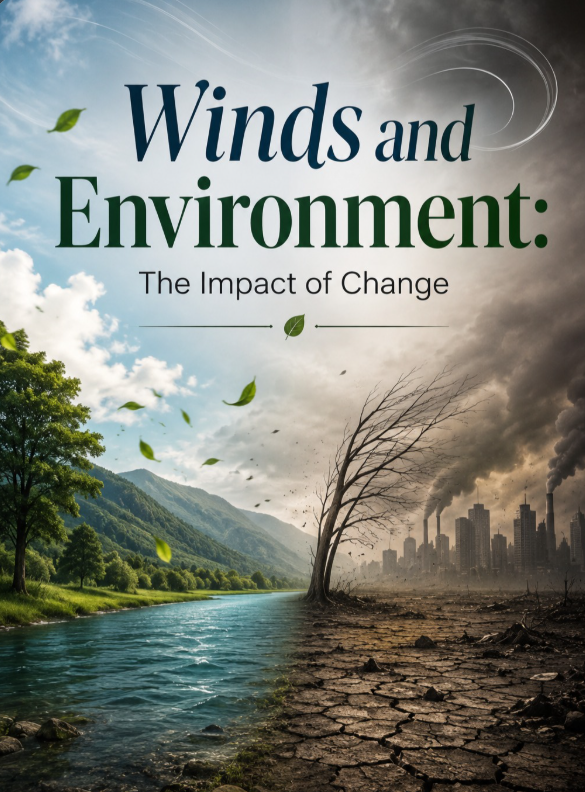
    Winds and Environment: The Impact of Change
    The wind is more than just moving air—it shapes our weather, influences our climate, and affects ecosystems around the world. As environmental changes continue to impact our planet, understanding the connection between winds and the environment becomes more important than ever.
    Join us on a journey to explore how changing wind patterns influence nature, communities, and the future of our Earth. Together, we can learn, adapt, and take action for a healthier environment.
    #WindsAndEnvironment #ClimateChange #EnvironmentalAwareness #SaveOurPlanet #NatureMatters #GreenFuture #Sustainability #EarthCare #ClimateAction #ProtectNature
    RSIF8 Roll no 94 Story post no 9 Story post topic 🌬️🌍 Winds and Environment: The Impact of Change 🌱🍃 The wind is more than just moving air—it shapes our weather, influences our climate, and affects ecosystems around the world. As environmental changes continue to impact our planet, understanding the connection between winds and the environment becomes more important than ever. 🌎💨 Join us on a journey to explore how changing wind patterns influence nature, communities, and the future of our Earth. Together, we can learn, adapt, and take action for a healthier environment. 🌿✨ #WindsAndEnvironment #ClimateChange #EnvironmentalAwareness #SaveOurPlanet #NatureMatters #GreenFuture #Sustainability #EarthCare #ClimateAction #ProtectNature 🌍🍃💨🌱✨
    0 Comments 0 Shares 107 Views
  • **Roll No: 2**
    **Batch: 14**
    **Book: ACCL**
    **Task No: 117**

    ## Coding Task: Basic Text Editor

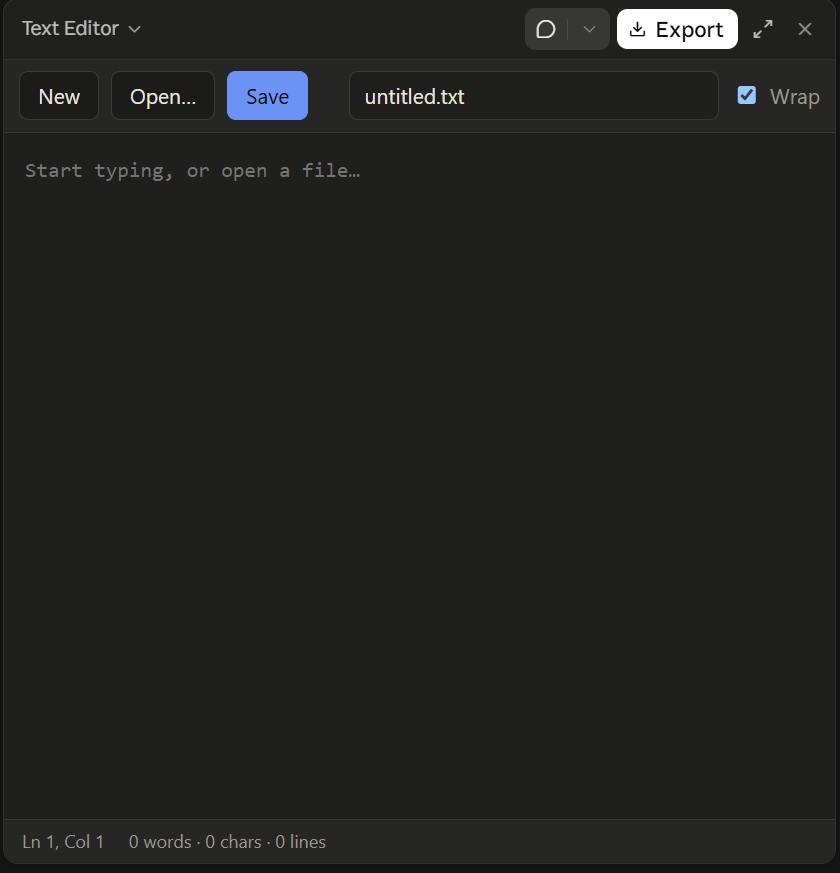
    In this coding task, I developed a basic text editor designed to make creating, editing, opening, and saving text files simple and convenient. The project focuses on essential file-handling operations and provides users with a straightforward way to write notes, store information, and modify existing documents. The **Open** functionality allows users to access previously saved text files, while the **Edit** functionality enables them to add, remove, or update text according to their needs. The **Save** feature helps preserve changes so that written content can be accessed again later. This project also introduces important programming concepts such as file input and output, text processing, user interaction, and error handling. By building this application, I strengthened my understanding of how software manages files and responds to user actions. Overall, this task provided practical experience in developing a useful desktop utility while improving my logical thinking, problem-solving abilities, and programming skills.

    ** Key Message:** Small applications can solve everyday problems while helping us develop essential coding and software development skills.

    #ACCL #Batch14 #RollNo2 #Task117 #CodingTask #TextEditor #Programming #FileHandling #OpenEditSave #SoftwareDevelopment #ComputerScience #LearnToCode #PythonProgramming #ProblemSolving #DigitalSkills
    👤 **Roll No: 2** 📚 **Batch: 14** 📖 **Book: ACCL** 💻 **Task No: 117** ## 📝 Coding Task: Basic Text Editor 💻✨ In this coding task, I developed a basic text editor designed to make creating, editing, opening, and saving text files simple and convenient. The project focuses on essential file-handling operations and provides users with a straightforward way to write notes, store information, and modify existing documents. 📄⌨️ The **Open** functionality allows users to access previously saved text files, while the **Edit** functionality enables them to add, remove, or update text according to their needs. The **Save** feature helps preserve changes so that written content can be accessed again later. 💾🔧 This project also introduces important programming concepts such as file input and output, text processing, user interaction, and error handling. By building this application, I strengthened my understanding of how software manages files and responds to user actions. 🚀📚 Overall, this task provided practical experience in developing a useful desktop utility while improving my logical thinking, problem-solving abilities, and programming skills. **🎯 Key Message:** Small applications can solve everyday problems while helping us develop essential coding and software development skills. #ACCL #Batch14 #RollNo2 #Task117 #CodingTask #TextEditor #Programming #FileHandling #OpenEditSave #SoftwareDevelopment #ComputerScience #LearnToCode #PythonProgramming #ProblemSolving #DigitalSkills
    0 Comments 0 Shares 414 Views
  • #rsisb
    Roll no. 247
    Story post 14
    Foundation level

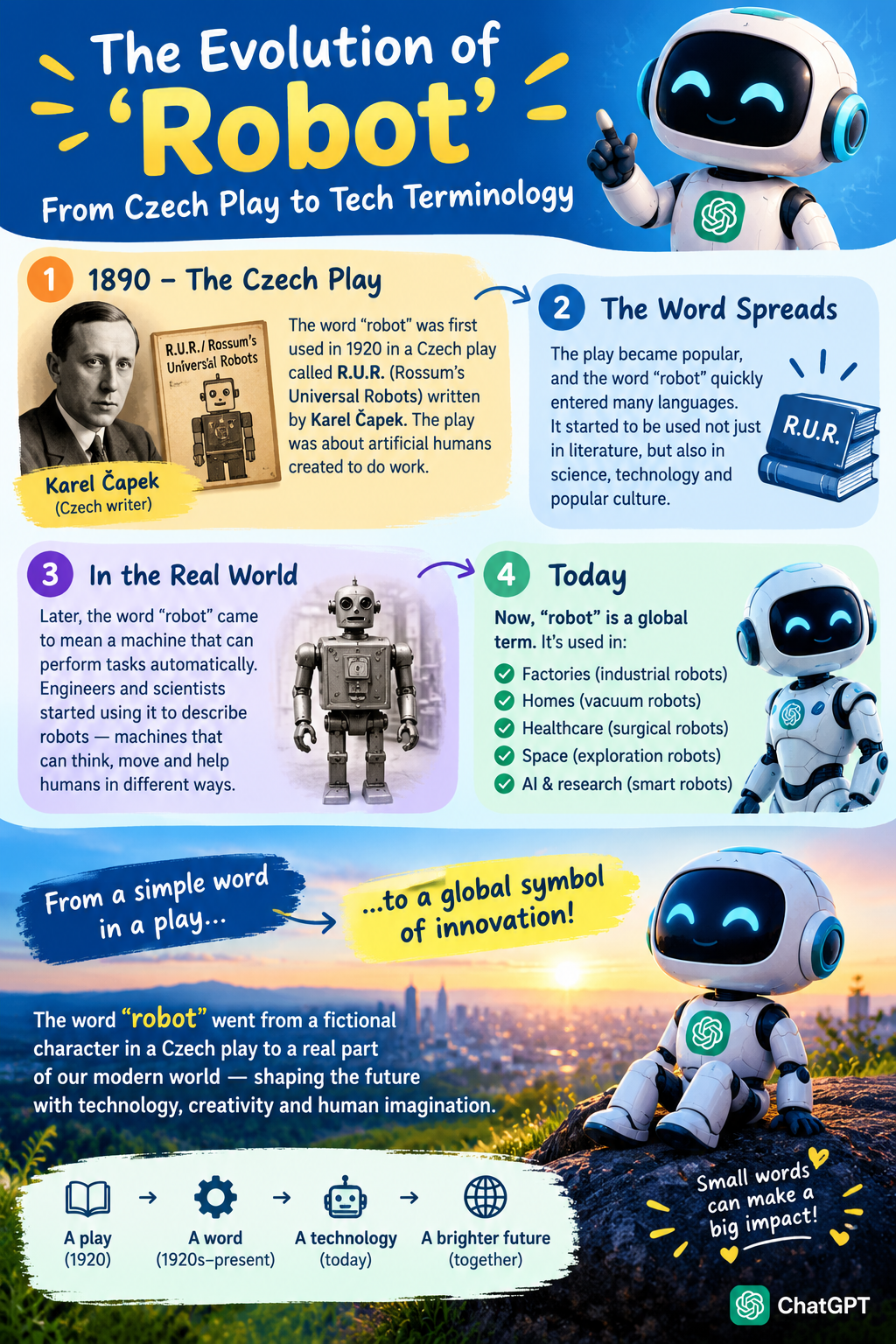
    **The Evolution of “Robot”: From Czech Play to Tech Terminology **

    Have you ever wondered where the word **“robot”** came from? Today, we use this word when talking about smart machines, artificial intelligence, factories, space exploration, and modern technology. But did you know that the word “robot” became popular through a Czech play written more than a century ago? Let's explore the fascinating journey of this little word that became a big part of our technological world!

    **1. The Beginning: A Czech Play **

    The story of the word “robot” begins with Czech writer and playwright **Karel Čapek** and his science-fiction play *R.U.R. (Rossum’s Universal Robots)*, first performed in 1921 and published in 1920. The play imagined artificial workers created to perform tasks for humans. It introduced audiences to ideas about artificial beings, technology, work, and the relationship between humans and machines.

    The word “robot” comes from the Czech word *robota*, associated with forced labor or compulsory work. Interestingly, Karel Čapek credited his brother, **Josef Čapek**, with suggesting the word for the play.

    **2. How the Word Spread Around the World **

    As the play gained attention, the word “robot” spread beyond literature and entered everyday language. People began using it to discuss machines that could perform tasks automatically. Over time, robots became a popular subject in science-fiction stories, films, books, and discussions about the future.

    Writers and scientists explored exciting questions: Could machines help humans? Could robots perform difficult tasks? How might technology change our lives? These questions helped inspire generations of inventors and researchers.

    **3. From Fiction to Real Machines **

    Robots eventually became an important part of real-world engineering and science. Modern robots can perform repetitive tasks, assist with manufacturing, explore places that are difficult for humans to reach, and help researchers carry out complex work.

    Today, we can find robots in many areas:

    **Factories:** Industrial robots help assemble products and perform precise tasks.

    **Homes:** Robotic vacuum cleaners help people with household cleaning.

    **Healthcare:** Specialised robotic systems assist medical professionals with certain procedures.

    **Space Exploration:** Robotic rovers and spacecraft help scientists explore distant worlds.

    **Agriculture:** Some robots help monitor crops and perform farming tasks.

    **Research:** Scientists use robots to test ideas, collect information, and explore new possibilities.

    **4. Robots and Artificial Intelligence **

    Modern technology has introduced new possibilities through artificial intelligence (AI). Some robots use AI to interpret information from sensors, recognise objects, plan actions, or respond to changing conditions. However, not every robot uses AI, and not every AI system is a robot.

    This difference is important! A robot is generally a physical machine that can carry out tasks, while AI refers to computer systems designed to perform tasks that may require abilities such as recognising patterns or understanding language. Together, robotics and AI are helping researchers develop new tools and technologies.

    **5. What Can We Learn from the Evolution of “Robot”?**

    The journey of the word “robot” teaches us that ideas can travel from books and plays into real life. A word introduced through a fictional story became an important term in science, engineering, and technology.

    It also reminds us that technology is created by people using imagination, creativity, teamwork, and scientific knowledge. As we learn more about robots, we should think about how to use technology responsibly and how it can benefit people and communities.

    **Conclusion: From a Czech Play to a Technological Future**

    The evolution of “robot” is a remarkable example of how language, literature, and science connect. What began as a word associated with artificial workers in a Czech play is now used around the world to describe machines that help us in factories, homes, hospitals, laboratories, and space exploration.

    The future of robotics will continue to bring new discoveries, challenges, and opportunities. By learning about the past, understanding the present, and thinking creatively about the future, we can become more informed and responsible users of technology.

    **Let's keep learning, exploring, and innovating!** Every great invention begins with an idea, and every curious mind has the potential to discover something new.

    **Question for everyone:** If you could invent a helpful robot, what would you want it to do? Share your ideas in the comments!

    Like, share, and spread the excitement of science and technology!

    ━━━━━━━━━━━━━━━━━━

    **HASHTAGS**

    #EvolutionOfRobots #RobotHistory #TheWordRobot #KarelCapek #JosefCapek #RUR #CzechLiterature #HistoryOfTechnology #Robotics #ArtificialIntelligence #AI #ScienceAndTechnology #EducationalPost #StoryPost #TechnologyEducation #FutureTechnology #Innovation #Engineering #STEMEducation #ScienceForEveryone #LearningIsFun #DigitalLearning #TechHistory #SmartMachines #SpaceExploration #IndustrialRobots #CreativeThinking #KnowledgeIsPower #ChatGPT #PostOnAllPlatforms
    #rsisb Roll no. 247 Story post 14 Foundation level 🤖🌍 **The Evolution of “Robot”: From Czech Play to Tech Terminology 📚✨** 🚀🤖 Have you ever wondered where the word **“robot”** came from? Today, we use this word when talking about smart machines, artificial intelligence, factories, space exploration, and modern technology. But did you know that the word “robot” became popular through a Czech play written more than a century ago? 📖🌟 Let's explore the fascinating journey of this little word that became a big part of our technological world! 💡🌐 📚 **1. The Beginning: A Czech Play 🇨🇿** The story of the word “robot” begins with Czech writer and playwright **Karel Čapek** and his science-fiction play *R.U.R. (Rossum’s Universal Robots)*, first performed in 1921 and published in 1920. 🎭🤖 The play imagined artificial workers created to perform tasks for humans. It introduced audiences to ideas about artificial beings, technology, work, and the relationship between humans and machines. The word “robot” comes from the Czech word *robota*, associated with forced labor or compulsory work. Interestingly, Karel Čapek credited his brother, **Josef Čapek**, with suggesting the word for the play. ✍️💭 🌎 **2. How the Word Spread Around the World 🌐** As the play gained attention, the word “robot” spread beyond literature and entered everyday language. People began using it to discuss machines that could perform tasks automatically. 📖⚙️ Over time, robots became a popular subject in science-fiction stories, films, books, and discussions about the future. Writers and scientists explored exciting questions: Could machines help humans? Could robots perform difficult tasks? How might technology change our lives? These questions helped inspire generations of inventors and researchers. 🚀🧠 ⚙️ **3. From Fiction to Real Machines 🏭** Robots eventually became an important part of real-world engineering and science. Modern robots can perform repetitive tasks, assist with manufacturing, explore places that are difficult for humans to reach, and help researchers carry out complex work. 🔧🤖 Today, we can find robots in many areas: 🏭 **Factories:** Industrial robots help assemble products and perform precise tasks. 🏠 **Homes:** Robotic vacuum cleaners help people with household cleaning. 🏥 **Healthcare:** Specialised robotic systems assist medical professionals with certain procedures. 🚀 **Space Exploration:** Robotic rovers and spacecraft help scientists explore distant worlds. 🌾 **Agriculture:** Some robots help monitor crops and perform farming tasks. 🧪 **Research:** Scientists use robots to test ideas, collect information, and explore new possibilities. 💻 **4. Robots and Artificial Intelligence 🧠** Modern technology has introduced new possibilities through artificial intelligence (AI). Some robots use AI to interpret information from sensors, recognise objects, plan actions, or respond to changing conditions. 🤖💡 However, not every robot uses AI, and not every AI system is a robot. This difference is important! A robot is generally a physical machine that can carry out tasks, while AI refers to computer systems designed to perform tasks that may require abilities such as recognising patterns or understanding language. Together, robotics and AI are helping researchers develop new tools and technologies. 🌐✨ 🌟 **5. What Can We Learn from the Evolution of “Robot”?** The journey of the word “robot” teaches us that ideas can travel from books and plays into real life. A word introduced through a fictional story became an important term in science, engineering, and technology. 📚➡️⚙️ It also reminds us that technology is created by people using imagination, creativity, teamwork, and scientific knowledge. As we learn more about robots, we should think about how to use technology responsibly and how it can benefit people and communities. ❤️🌍 🎯 **Conclusion: From a Czech Play to a Technological Future** The evolution of “robot” is a remarkable example of how language, literature, and science connect. What began as a word associated with artificial workers in a Czech play is now used around the world to describe machines that help us in factories, homes, hospitals, laboratories, and space exploration. 🤖🚀 The future of robotics will continue to bring new discoveries, challenges, and opportunities. By learning about the past, understanding the present, and thinking creatively about the future, we can become more informed and responsible users of technology. 🌟💚 📢 **Let's keep learning, exploring, and innovating!** Every great invention begins with an idea, and every curious mind has the potential to discover something new. 💡📚 💬 **Question for everyone:** If you could invent a helpful robot, what would you want it to do? Share your ideas in the comments! 👇🤖 ❤️ Like, share, and spread the excitement of science and technology! ━━━━━━━━━━━━━━━━━━ 🏷️ **HASHTAGS** #EvolutionOfRobots #RobotHistory #TheWordRobot #KarelCapek #JosefCapek #RUR #CzechLiterature #HistoryOfTechnology #Robotics #ArtificialIntelligence #AI #ScienceAndTechnology #EducationalPost #StoryPost #TechnologyEducation #FutureTechnology #Innovation #Engineering #STEMEducation #ScienceForEveryone #LearningIsFun #DigitalLearning #TechHistory #SmartMachines #SpaceExploration #IndustrialRobots #CreativeThinking #KnowledgeIsPower #ChatGPT #PostOnAllPlatforms 🤖🌍📚🚀✨

    0 Comments 0 Shares 800 Views
  • Mohsin #RSF8
    Call Annine NO:7
    Class: foundation level
    rool no:13
    Made by Me

    “Please” – The Evolution of Politeness (5 Min)

    The word “please” may be small, but it has a very important place in communication. We use it when making requests, asking for help, or speaking respectfully with other people. This simple word can make our conversations sound kinder, more respectful, and more thoughtful.

    From childhood, many of us are taught to use polite words such as “please,” “thank you,” “sorry,” and “excuse me.” These words help us communicate our feelings and requests in a positive way. Saying “please” shows that we understand that other people have their own choices, time, and responsibilities.

    The idea of politeness has changed throughout history. Different societies and cultures have developed their own ways of showing respect. The words people use, the way they make requests, and the customs they follow can be different from one place to another. However, the basic idea of treating others with consideration remains important.

    “Please” is especially useful when we want something from another person. Compare “Give me your book” with “Please give me your book.” The second sentence sounds more respectful because it turns a direct command into a polite request. Although the word itself is simple, it can influence the tone of an entire conversation.

    Politeness is also important in schools, workplaces, families, and online communication. When students speak politely with teachers and classmates, it can create a more positive learning environment. Similarly, using respectful language in messages, emails, and social media conversations can help prevent misunderstandings.

    Another interesting part of politeness is that it is not only about words. Tone of voice, facial expressions, listening, patience, and respect also influence how our communication is received. Someone can say “please” but still sound disrespectful if their overall behavior is unkind. True politeness comes from both our words and our attitude.
    Mohsin #RSF8🎓✨ Call Annine NO:7 Class: foundation level 📚 rool no:13 Made by Me 💻🚀 🌟 “Please” – The Evolution of Politeness (5 Min) The word “please” may be small, but it has a very important place in communication. We use it when making requests, asking for help, or speaking respectfully with other people. This simple word can make our conversations sound kinder, more respectful, and more thoughtful. From childhood, many of us are taught to use polite words such as “please,” “thank you,” “sorry,” and “excuse me.” These words help us communicate our feelings and requests in a positive way. Saying “please” shows that we understand that other people have their own choices, time, and responsibilities. The idea of politeness has changed throughout history. Different societies and cultures have developed their own ways of showing respect. The words people use, the way they make requests, and the customs they follow can be different from one place to another. However, the basic idea of treating others with consideration remains important. “Please” is especially useful when we want something from another person. Compare “Give me your book” with “Please give me your book.” The second sentence sounds more respectful because it turns a direct command into a polite request. Although the word itself is simple, it can influence the tone of an entire conversation. Politeness is also important in schools, workplaces, families, and online communication. When students speak politely with teachers and classmates, it can create a more positive learning environment. Similarly, using respectful language in messages, emails, and social media conversations can help prevent misunderstandings. Another interesting part of politeness is that it is not only about words. Tone of voice, facial expressions, listening, patience, and respect also influence how our communication is received. Someone can say “please” but still sound disrespectful if their overall behavior is unkind. True politeness comes from both our words and our attitude.
    0 Comments 0 Shares 143 Views 6
  • RSFI8
    Roll no 88
    Coding no 2
    Coding topicCreate a Number Guessing Game where the computer picks a random number and user guesses it. Post a screenshot with a short explanation.

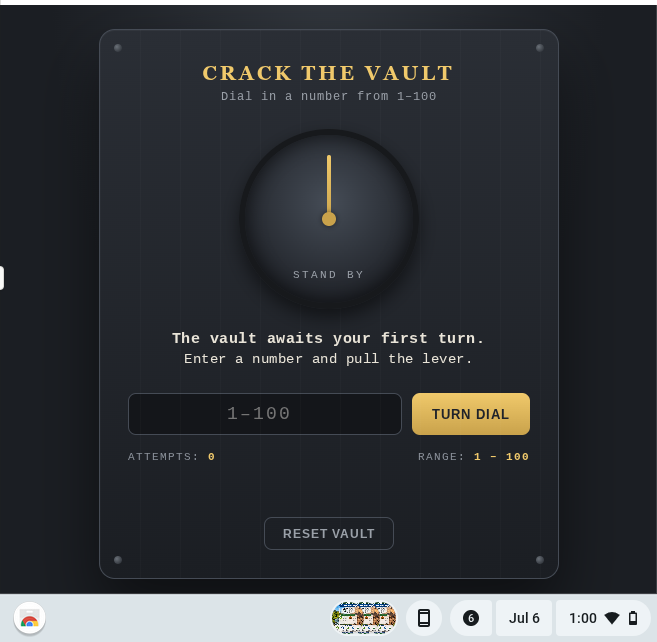
    I'm excited to share my latest coding project—a Number Guessing Game! The computer randomly picks a number, and the player has to guess it. After each guess, the game provides hints such as "Too High" or "Too Low" until the correct number is found.

    This project helped me strengthen my understanding of programming fundamentals, including random number generation, conditional statements, loops, and user input handling. Every project I build helps me become a more confident programmer!

    Swipe to see the screenshot of my project and how it works. Your feedback is always welcome!

    #NumberGuessingGame #Coding #Programming #Python #JavaScript #HTML #CSS #WebDevelopment #CodeNewbie #DeveloperLife #StudentDeveloper #CodingJourney #LearnToCode #TechSkills #SoftwareDevelopment #ProjectShowcase #ProblemSolving #Innovation #KeepLearning
    14w
    RSFI8 Roll no 88 Coding no 2 Coding topicCreate a Number Guessing Game where the computer picks a random number and user guesses it. Post a screenshot with a short explanation. I'm excited to share my latest coding project—a Number Guessing Game! 🚀 The computer randomly picks a number, and the player has to guess it. After each guess, the game provides hints such as "Too High" 📈 or "Too Low" 📉 until the correct number is found. 🎯 This project helped me strengthen my understanding of programming fundamentals, including random number generation, conditional statements, loops, and user input handling. Every project I build helps me become a more confident programmer! 🌟 📸 Swipe to see the screenshot of my project and how it works. Your feedback is always welcome! 😊🙌 #NumberGuessingGame #Coding #Programming #Python #JavaScript #HTML #CSS #WebDevelopment #CodeNewbie #DeveloperLife #StudentDeveloper #CodingJourney #LearnToCode #TechSkills #SoftwareDevelopment #ProjectShowcase #ProblemSolving #Innovation #KeepLearning 🚀💙🎮✨ 14w
    0 Comments 0 Shares 134 Views
  • RSIF8
    ROLL NO 77
    SONG TOPIC The Human Eye:

    بالکل! یہ رہی **“The Human Eye”** کے لیے ایک خوبصورت educational description، hashtags اور emojis کے ساتھ۔

    **The Human Eye: A Window to the World**

    Have you ever wondered how your eyes allow you to see the world around you? From light entering the eye to the brain processing images, the human eye is an incredible biological system.

    In this video, we explore the amazing structure and functions of the human eye and discover how different parts work together to give us the gift of vision. Understanding our eyes helps us appreciate the fascinating science behind one of our most important senses!

    #TheHumanEye #HumanEye #Biology #Science #Vision #Eyes #HumanBody #ScienceEducation #BiologyLovers #Learning #EducationalVideo #AmazingScience #HumanAnatomy #ScienceFacts
    RSIF8 ROLL NO 77 SONG TOPIC The Human Eye: بالکل! 😊 یہ رہی **“The Human Eye”** کے لیے ایک خوبصورت educational description، hashtags اور emojis کے ساتھ۔ 👁️🔬✨ 👁️✨ **The Human Eye: A Window to the World** 🌍🔬 Have you ever wondered how your eyes allow you to see the world around you? 🤔 From light entering the eye to the brain processing images, the human eye is an incredible biological system. 🧠👁️ In this video, we explore the amazing structure and functions of the human eye and discover how different parts work together to give us the gift of vision. 🌟🔬 Understanding our eyes helps us appreciate the fascinating science behind one of our most important senses! 👀💡 #TheHumanEye #HumanEye #Biology #Science #Vision #Eyes #HumanBody #ScienceEducation #BiologyLovers #Learning #EducationalVideo #AmazingScience #HumanAnatomy #ScienceFacts 👁️🔬🧠🌍✨
    0 Comments 0 Shares 324 Views 7
  • RSIF8
    Roll no 68
    Task no 182
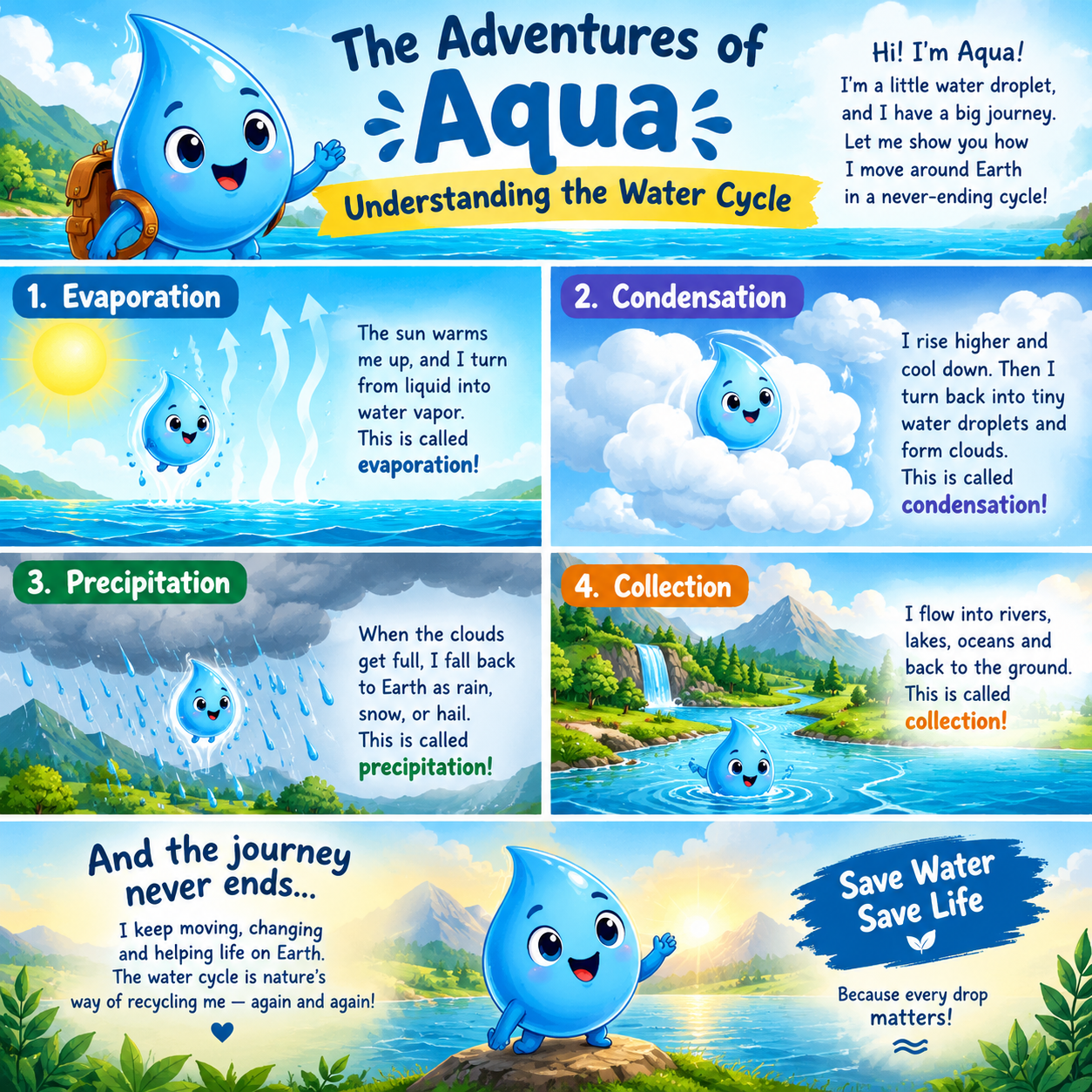
    Task topic; **The Adventures of Aqua: Understanding the Water Cycle**

    Join Aqua, a little water droplet, on an exciting adventure to discover the amazing water cycle! Learn how water moves through evaporation, condensation, precipitation, and collection to keep our planet alive and healthy.

    Every drop of water is precious. Let's learn about nature, protect our environment, and save water for future generations!

    **Save Water, Save Life!**

    \#TheAdventuresOfAqua #WaterCycle #Evaporation #Condensation #Precipitation #Collection #SaveWater #SaveLife #ScienceEducation #LearnWithFun #ProtectOurPlanet

    Make my water-cycle post more engagingAdd a clear social-media call to action
    RSIF8 Roll no 68 Task no 182 Task topic;💧🌍 **The Adventures of Aqua: Understanding the Water Cycle** 🌈☁️ Join Aqua, a little water droplet, on an exciting adventure to discover the amazing water cycle! 🌊☀️ Learn how water moves through evaporation, condensation, precipitation, and collection to keep our planet alive and healthy. 🌧️🏞️ 💡 Every drop of water is precious. Let's learn about nature, protect our environment, and save water for future generations! 💙🌱 💧 **Save Water, Save Life!** 🌍❤️ \#TheAdventuresOfAqua #WaterCycle #Evaporation #Condensation #Precipitation #Collection #SaveWater #SaveLife #ScienceEducation #LearnWithFun #ProtectOurPlanet 🌎💦 Make my water-cycle post more engagingAdd a clear social-media call to action
    0 Comments 0 Shares 155 Views
  • RSIF8
    ROLL NO 77
    Movie review no 3
    moview topic Adams

    **Adams – A Thought-Provoking Short Film**

    *Adams* is a powerful and thought-provoking story about conflict, human behavior, misunderstandings, and the way small disagreements can grow into something much bigger. Through its characters and tense situations, the film encourages us to think about anger, judgment, communication, and how we treat people who are different from us.

    Watch the story, explore its deeper message, and ask yourself: **How easily can a small conflict become a serious problem?**

    #Adams #Movie #ShortFilm #FilmReview #MovieStory #HumanBehavior #Conflict #LifeLessons #ThoughtProvoking #Drama #FilmAnalysis #Movies
    RSIF8 ROLL NO 77 Movie review no 3 moview topic Adams 🎬 **Adams – A Thought-Provoking Short Film** 🎭 *Adams* is a powerful and thought-provoking story about conflict, human behavior, misunderstandings, and the way small disagreements can grow into something much bigger. 🧠⚡ Through its characters and tense situations, the film encourages us to think about anger, judgment, communication, and how we treat people who are different from us. 🤝❤️ Watch the story, explore its deeper message, and ask yourself: **How easily can a small conflict become a serious problem?** 🎥✨ #Adams #Movie #ShortFilm #FilmReview #MovieStory #HumanBehavior #Conflict #LifeLessons #ThoughtProvoking #Drama #FilmAnalysis #Movies 🎬🍿❤️
    0 Comments 0 Shares 109 Views 9
  • #rsisb
    Roll no. 247
    Earning no.
    Foundation level

    **Finalize the Teaching Plan – Turning Learning Goals into Reality! **

    Assalam-o-Alaikum Everyone!

    Today, I am going to share my learning journey about **“Finalize the Teaching Plan.”** Finalizing a teaching plan is an important step in creating an organized, effective, and meaningful learning experience for students. It helps teachers prepare lessons, set clear learning objectives, choose suitable teaching methods, and make sure students understand what they are learning.

    A good teaching plan is more than just a timetable. It is a roadmap that guides both teachers and students toward success. Before finalizing a teaching plan, we should carefully review the learning objectives, lesson activities, teaching resources, time management, and assessment methods. We should also consider students' interests, abilities, questions, and individual learning needs. ‍‍

    **Important Steps to Finalize a Teaching Plan:**

    **1. Set Clear Learning Objectives:** Decide what students should know or be able to do by the end of the lesson.

    **2. Organize the Lesson Content:** Arrange the topics in a simple, logical, and easy-to-understand sequence.

    **3. Select Teaching Methods:** Use discussions, demonstrations, activities, storytelling, group work, and practical examples to make learning interesting.

    **4. Manage Time Effectively:** Give appropriate time to introductions, explanations, activities, questions, and revision.

    **5. Prepare Learning Resources:** Arrange books, worksheets, presentations, videos, and other materials needed for the lesson.

    **6. Encourage Student Participation:** Give students opportunities to ask questions, share ideas, solve problems, and learn from one another.

    **7. Plan Assessments:** Use quizzes, discussions, assignments, and activities to check students' understanding.

    **8. Review and Improve:** Make the final changes needed to ensure the teaching plan is clear, practical, and achievable.

    **Why Is Finalizing a Teaching Plan Important?**

    A finalized teaching plan helps teachers stay focused, use classroom time wisely, and create a positive learning environment. It also helps students understand their goals and participate confidently. When a plan is organized but flexible, teachers can make adjustments according to students' needs and make learning more enjoyable.

    **My Key Learning:**

    I have learned that successful teaching requires preparation, organization, creativity, patience, and continuous improvement. A well-prepared teaching plan can make lessons more effective and help students move toward their learning goals step by step.

    Let's remember that **great teaching begins with thoughtful planning, and meaningful learning grows through practice, curiosity, and teamwork!**

    Thank you for reading my learning journey! Keep learning, keep improving, and keep sharing knowledge with others!

    #rsisb Roll no. 247 Earning no. Foundation level 📚✨ **Finalize the Teaching Plan – Turning Learning Goals into Reality! 🎯📝** Assalam-o-Alaikum Everyone! 🌟😊 Today, I am going to share my learning journey about **“Finalize the Teaching Plan.”** 📖🎓 Finalizing a teaching plan is an important step in creating an organized, effective, and meaningful learning experience for students. It helps teachers prepare lessons, set clear learning objectives, choose suitable teaching methods, and make sure students understand what they are learning. 🧠💡 A good teaching plan is more than just a timetable. It is a roadmap that guides both teachers and students toward success. 🗺️🏆 Before finalizing a teaching plan, we should carefully review the learning objectives, lesson activities, teaching resources, time management, and assessment methods. We should also consider students' interests, abilities, questions, and individual learning needs. 👩‍🏫👨‍🎓💖 ✅ **Important Steps to Finalize a Teaching Plan:** 🎯 **1. Set Clear Learning Objectives:** Decide what students should know or be able to do by the end of the lesson. 📚 **2. Organize the Lesson Content:** Arrange the topics in a simple, logical, and easy-to-understand sequence. 🎨 **3. Select Teaching Methods:** Use discussions, demonstrations, activities, storytelling, group work, and practical examples to make learning interesting. ⏰ **4. Manage Time Effectively:** Give appropriate time to introductions, explanations, activities, questions, and revision. 🧰 **5. Prepare Learning Resources:** Arrange books, worksheets, presentations, videos, and other materials needed for the lesson. 🤝 **6. Encourage Student Participation:** Give students opportunities to ask questions, share ideas, solve problems, and learn from one another. 📝 **7. Plan Assessments:** Use quizzes, discussions, assignments, and activities to check students' understanding. 🔄 **8. Review and Improve:** Make the final changes needed to ensure the teaching plan is clear, practical, and achievable. 🌈 **Why Is Finalizing a Teaching Plan Important?** A finalized teaching plan helps teachers stay focused, use classroom time wisely, and create a positive learning environment. It also helps students understand their goals and participate confidently. When a plan is organized but flexible, teachers can make adjustments according to students' needs and make learning more enjoyable. 🌟📖 💭 **My Key Learning:** I have learned that successful teaching requires preparation, organization, creativity, patience, and continuous improvement. A well-prepared teaching plan can make lessons more effective and help students move toward their learning goals step by step. 🚀🏅 Let's remember that **great teaching begins with thoughtful planning, and meaningful learning grows through practice, curiosity, and teamwork!** 🌱💫 Thank you for reading my learning journey! ❤️🙏 Keep learning, keep improving, and keep sharing knowledge with others! 📚🌍✨
    0 Comments 0 Shares 378 Views
More Results