• The Wonders of Geometry: Shapes and Philosophy
    Day 83 — Saturday, November 14, 2026
    Created by: Abdulhadi Business Wala
    Where mathematics meets meaning.
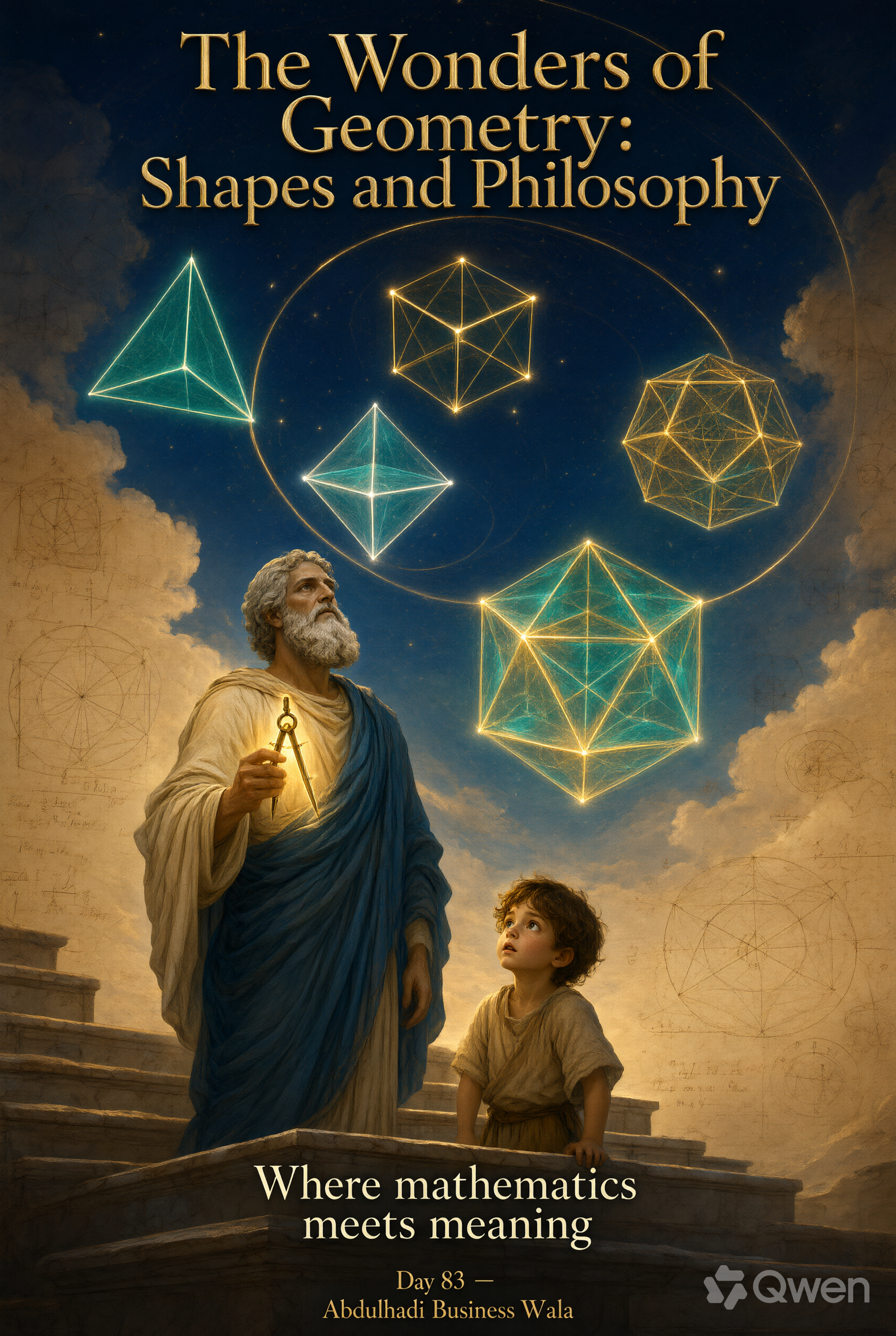
    Some shapes are not just shapes — they are ideas that have survived for over 2,000 years. In this artwork, the five Platonic solids glow like jewels of pure logic: the tetrahedron (fire), cube (earth), octahedron (air), icosahedron (water), and dodecahedron (the cosmos itself). Plato believed these perfect forms were the very building blocks of reality.
    At the heart of the design flows the golden Fibonacci spiral — the same curve found in seashells, galaxies, and sunflowers — reminding us that nature is the greatest mathematician. The marble philosopher busts stand in silent contemplation, wrapped in Da Vinci–style construction lines, as the scene fades from aged parchment into a starry universe: a visual journey from human reasoning to universal truth.
    Lesson of Day 83: Perfect structure creates perfect growth — in geometry, in nature, and in business. Build your foundations like the cube, and let your growth follow the golden spiral.
    #Day83 #AbdulhadiBusinessWala #Geometry #Philosophy #SacredGeometry #GoldenRatio #PlatonicSolids #Mathematics #ArtAndThought #WhereMathMeetsMeaning
    📐 The Wonders of Geometry: Shapes and Philosophy 🗓️ Day 83 — Saturday, November 14, 2026 ✍️ Created by: Abdulhadi Business Wala ✨ Where mathematics meets meaning. Some shapes are not just shapes — they are ideas that have survived for over 2,000 years. In this artwork, the five Platonic solids glow like jewels of pure logic: the tetrahedron (fire), cube (earth), octahedron (air), icosahedron (water), and dodecahedron (the cosmos itself). Plato believed these perfect forms were the very building blocks of reality. At the heart of the design flows the golden Fibonacci spiral — the same curve found in seashells, galaxies, and sunflowers — reminding us that nature is the greatest mathematician. The marble philosopher busts stand in silent contemplation, wrapped in Da Vinci–style construction lines, as the scene fades from aged parchment into a starry universe: a visual journey from human reasoning to universal truth. 💡 Lesson of Day 83: Perfect structure creates perfect growth — in geometry, in nature, and in business. Build your foundations like the cube, and let your growth follow the golden spiral. 📈 🔖 #Day83 #AbdulhadiBusinessWala #Geometry #Philosophy #SacredGeometry #GoldenRatio #PlatonicSolids #Mathematics #ArtAndThought #WhereMathMeetsMeaning
    0 تبصرے 0 شیئرز 2440 ویوز
  • RSIF8
    Roll no: 86
    Story Post no: 49
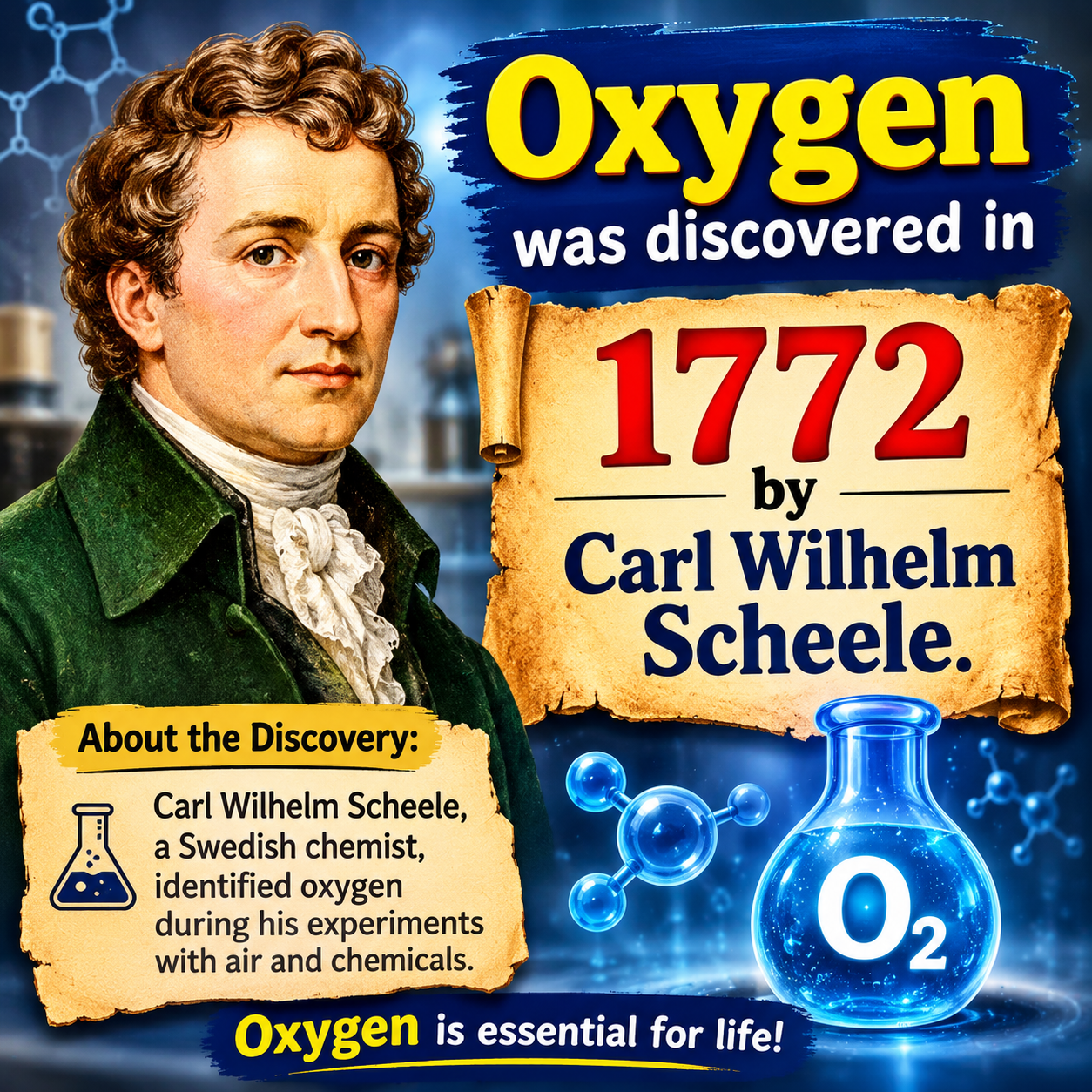
    Story Post Topic:Image with ChatGPT: Oxygen Was Discovered in 1772 by Carl Wilhelm Scheele

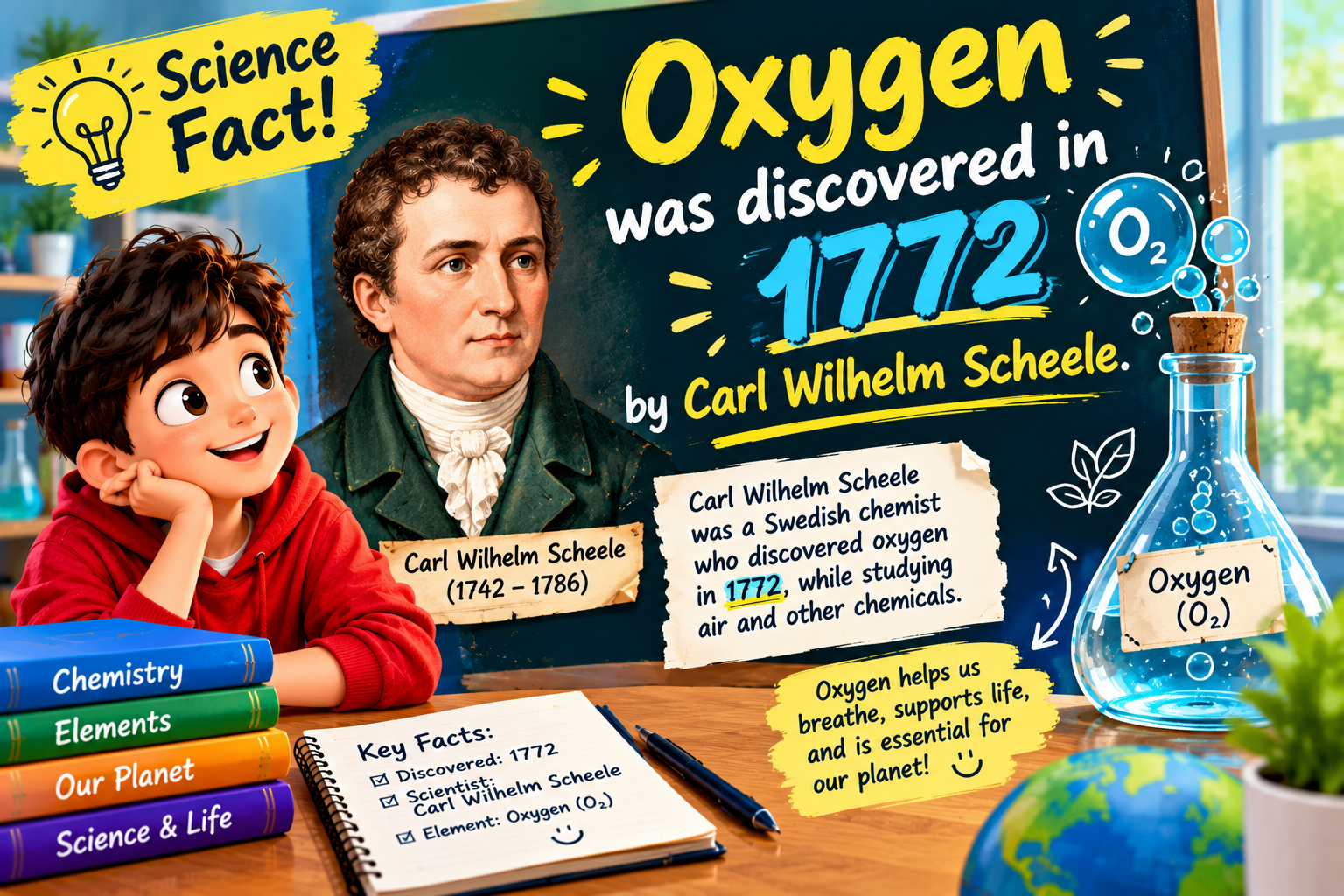
    Did you know that oxygen, one of the most important elements for life on Earth, was discovered in 1772 by Swedish chemist Carl Wilhelm Scheele? Oxygen plays a very important role in our daily lives and is essential for the survival of humans, animals, and many other living organisms.

    Carl Wilhelm Scheele was a talented scientist who performed many experiments to understand different chemical substances. During his experiments, he discovered a gas that supported burning and was later recognized as oxygen. He called it "Fire Air" because of its connection with combustion.

    Oxygen is represented by the chemical symbol O and has the atomic number 8. It is a colorless and odorless gas that makes up about 21% of Earth's atmosphere. We breathe oxygen to help our bodies release energy from food. It also supports combustion and plays an important role in many natural processes.

    Why Is Oxygen Important?

    It is essential for breathing in humans and many animals.

    It helps cells release energy through cellular respiration.

    It supports the process of combustion.

    It is important for many chemical and biological processes.

    Plants release oxygen during photosynthesis.

    An Interesting Fact: Although Carl Wilhelm Scheele discovered oxygen around 1772, Joseph Priestley independently discovered it in 1774. Antoine Lavoisier later helped explain its role in combustion and gave it the name oxygen.

    This educational activity helped me learn more about the history of chemistry, scientific discoveries, and the importance of oxygen in our world.

    Science teaches us that even the smallest discoveries can make a huge difference in our understanding of life and nature.

    Sharing this educational image on Facebook, YouTube, LinkedIn, Instagram, and TikTok to spread scientific knowledge and encourage everyone to keep learning!

    #RSIF8 #Oxygen #CarlWilhelmScheele #ScienceFacts #Chemistry #ScientificDiscoveries #LearnWithScience #Education
    RSIF8 Roll no: 86 Story Post no: 49 Story Post Topic:Image with ChatGPT: Oxygen Was Discovered in 1772 by Carl Wilhelm Scheele 🔬 Did you know that oxygen, one of the most important elements for life on Earth, was discovered in 1772 by Swedish chemist Carl Wilhelm Scheele? 🌍✨ Oxygen plays a very important role in our daily lives and is essential for the survival of humans, animals, and many other living organisms. Carl Wilhelm Scheele was a talented scientist who performed many experiments to understand different chemical substances. During his experiments, he discovered a gas that supported burning and was later recognized as oxygen. He called it "Fire Air" because of its connection with combustion. Oxygen is represented by the chemical symbol O and has the atomic number 8. It is a colorless and odorless gas that makes up about 21% of Earth's atmosphere. We breathe oxygen to help our bodies release energy from food. It also supports combustion and plays an important role in many natural processes. 🌱 Why Is Oxygen Important? It is essential for breathing in humans and many animals. It helps cells release energy through cellular respiration. It supports the process of combustion. It is important for many chemical and biological processes. Plants release oxygen during photosynthesis. 🔍 An Interesting Fact: Although Carl Wilhelm Scheele discovered oxygen around 1772, Joseph Priestley independently discovered it in 1774. Antoine Lavoisier later helped explain its role in combustion and gave it the name oxygen. 📚 This educational activity helped me learn more about the history of chemistry, scientific discoveries, and the importance of oxygen in our world. 🌟 Science teaches us that even the smallest discoveries can make a huge difference in our understanding of life and nature. 📢 Sharing this educational image on Facebook, YouTube, LinkedIn, Instagram, and TikTok to spread scientific knowledge and encourage everyone to keep learning! #RSIF8 🎓 #Oxygen 🧪 #CarlWilhelmScheele 🔬 #ScienceFacts 🌍 #Chemistry 📚 #ScientificDiscoveries 💡 #LearnWithScience 🚀 #Education ✨
    0 تبصرے 0 شیئرز 2249 ویوز
  • Accl Foundation Level (Rehan School Urdu Bazar Campus)
    Day : 83 Story post no : 11
    Roll no : 17
    Accl task
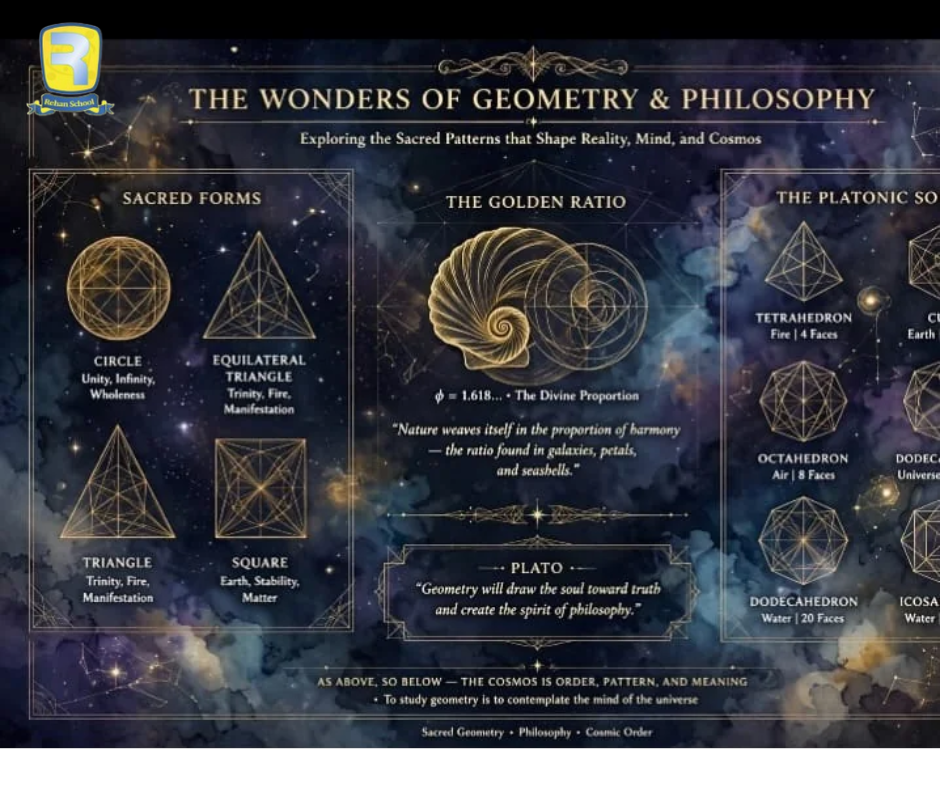
    Here is a beautiful story on The Wonders of Geometry Shapes and Philosophy
    ---
    ### The Language of the Universe
    A long time ago, a young student asked the great philosopher Plato,
    "Master, why do we study shapes? Are they not just lines and circles?"
    Plato smiled and drew a Circle in the sand.
    "This Circle," he said, "has no beginning and no end. It teaches us about Unity, Infinity, and Wholeness. Just like life and the soul, it is eternal."
    Then he drew an Equilateral Triangle.
    "This triangle has three equal sides. It represents Trinity, Fire, and Manifestation. It teaches us balance. The mind, the body, and the spirit — all three must be in balance to create something new."
    Next, he drew a Square.
    "This Square stands for Earth, Stability, and Matter. It has four strong corners. It teaches us that to build a strong life, you need a strong foundation."
    The student was amazed. Then Plato showed him the most magical thing — The Golden Ratio, φ = 1.618...
    He showed him a seashell, a flower, and the stars in the sky.
    "Look closely," Plato said. "Nature weaves itself in the proportion of harmony — the same ratio found in galaxies, petals, and seashells. This is the Divine Proportion. It proves that the universe is not random, it is art."
    Finally, he showed him the Platonic Solids — the five sacred shapes that build the entire universe: Tetrahedron (Fire ), Cube (Earth ), Octahedron (Air ), Icosahedron (Water ), and Dodecahedron (Universe ).
    Plato whispered his most famous quote:
    > “Geometry will draw the soul toward truth and create the spirit of philosophy.”
    The student understood. Geometry is not just math. It is the secret language that God used to write the universe.
    And so, the saying goes:
    "As Above, So Below — The Cosmos is Order, Pattern, and Meaning. To study geometry is to contemplate the mind of the universe."

    ### کائنات کی زبان
    بہت پرانے زمانے کی بات ہے، ایک چھوٹے سے شاگرد نے اپنے استاد افلاطون سے پوچھا،
    "استاد، ہم شکلیں کیوں پڑھتے ہیں؟ کیا یہ صرف لکیریں اور گول دائرے نہیں ہیں؟"
    افلاطون مسکرائے اور ریت پر ایک دائرہ بنایا۔
    "بولو، اس دائرے کا کوئی شروع یا ختم ہے؟"
    "نہیں استاد،" شاگرد نے جواب دیا۔
    "بالکل، یہ اکتا، بے انتہا اور مکمل ہونے کا سبق دیتا ہے۔ جیسے ہماری روح، اس کا نہ کوئی آغاز ہے نہ اختتام۔"
    پھر انہوں نے ایک مثلث بنایا۔
    "یہ تین برابر سائیڈ والا ہے۔ یہ دماغ، جسم اور روح کا توازن سکھاتا ہے۔ جب تک تینوں میں توازن نہ ہو، کچھ نیا نہیں بنتا۔"
    اس کے بعد انہوں نے ایک مربع بنایا۔
    "یہ زمین، استحکام اور مضبوطی کی علامت ہے۔ اس کے چار کونے ہیں۔ یہ سکھاتا ہے کہ مضبوط زندگی کے لیے مضبوط بنیاد ضروری ہے۔"
    پھر افلاطون نے اسے سب سے جادوئی چیز دکھائی — گولڈن ریشو، 1.618
    انہوں نے ایک سیپ، ایک پھول اور آسمان کے ستارے دکھائے۔
    "دیکھو، قدرت اسی تناسب سے بنتی ہے۔ یہی تناسب کہکشاؤں میں، پھولوں کی پنکھڑیوں میں اور سیپ میں ہے۔ اس کا مطلب ہے کہ کائنات اتفاق نہیں، بلکہ ایک بہترین فن پارہ ہے۔"
    آخر میں انہوں نے پانچ مقدس شکلیں دکھائیں جو پوری کائنات کو بناتی ہیں: آگ، مٹی، ہوا، پانی اور کائنات۔
    اور افلاطون نے اپنا مشہور قول کہا:
    > "جیومیٹری روح کو سچائی کی طرف کھینچتی ہے اور فلسفے کی روح پیدا کرتی ہے۔"
    تب شاگرد کو سمجھ آیا۔ جیومیٹری صرف ریاضی نہیں، بلکہ وہ زبان ہے جس سے خدا نے اس پوری کائنات کو لکھا ہے۔
    "جیسا اوپر، ویسا نیچے — کائنات نظم، پیٹرن اور معنی کا نام ہے۔ جیومیٹری پڑھنا دراصل کائنات بنانے والے کے ذہن کو سمجھنا ہے۔
    Accl Foundation Level (Rehan School Urdu Bazar Campus) Day : 83 Story post no : 11 Roll no : 17 Accl task Here is a beautiful story on The Wonders of Geometry Shapes and Philosophy ✨📐 --- ### The Language of the Universe A long time ago, a young student asked the great philosopher Plato, "Master, why do we study shapes? Are they not just lines and circles?" Plato smiled and drew a Circle in the sand. ⭕ "This Circle," he said, "has no beginning and no end. It teaches us about Unity, Infinity, and Wholeness. Just like life and the soul, it is eternal." Then he drew an Equilateral Triangle. 🔺 "This triangle has three equal sides. It represents Trinity, Fire, and Manifestation. It teaches us balance. The mind, the body, and the spirit — all three must be in balance to create something new." Next, he drew a Square. ◼️ "This Square stands for Earth, Stability, and Matter. It has four strong corners. It teaches us that to build a strong life, you need a strong foundation." The student was amazed. Then Plato showed him the most magical thing — The Golden Ratio, φ = 1.618... 🐚✨ He showed him a seashell, a flower, and the stars in the sky. "Look closely," Plato said. "Nature weaves itself in the proportion of harmony — the same ratio found in galaxies, petals, and seashells. This is the Divine Proportion. It proves that the universe is not random, it is art." Finally, he showed him the Platonic Solids — the five sacred shapes that build the entire universe: Tetrahedron (Fire 🔥), Cube (Earth 🌍), Octahedron (Air 🌬️), Icosahedron (Water 💧), and Dodecahedron (Universe 🌌). Plato whispered his most famous quote: > “Geometry will draw the soul toward truth and create the spirit of philosophy.” The student understood. Geometry is not just math. It is the secret language that God used to write the universe. And so, the saying goes: "As Above, So Below — The Cosmos is Order, Pattern, and Meaning. To study geometry is to contemplate the mind of the universe." 🌟 ### کائنات کی زبان بہت پرانے زمانے کی بات ہے، ایک چھوٹے سے شاگرد نے اپنے استاد افلاطون سے پوچھا، "استاد، ہم شکلیں کیوں پڑھتے ہیں؟ کیا یہ صرف لکیریں اور گول دائرے نہیں ہیں؟" افلاطون مسکرائے اور ریت پر ایک دائرہ بنایا۔ ⭕ "بولو، اس دائرے کا کوئی شروع یا ختم ہے؟" "نہیں استاد،" شاگرد نے جواب دیا۔ "بالکل، یہ اکتا، بے انتہا اور مکمل ہونے کا سبق دیتا ہے۔ جیسے ہماری روح، اس کا نہ کوئی آغاز ہے نہ اختتام۔" پھر انہوں نے ایک مثلث بنایا۔ 🔺 "یہ تین برابر سائیڈ والا ہے۔ یہ دماغ، جسم اور روح کا توازن سکھاتا ہے۔ جب تک تینوں میں توازن نہ ہو، کچھ نیا نہیں بنتا۔" اس کے بعد انہوں نے ایک مربع بنایا۔ ◼️ "یہ زمین، استحکام اور مضبوطی کی علامت ہے۔ اس کے چار کونے ہیں۔ یہ سکھاتا ہے کہ مضبوط زندگی کے لیے مضبوط بنیاد ضروری ہے۔" پھر افلاطون نے اسے سب سے جادوئی چیز دکھائی — گولڈن ریشو، 1.618 🐚 انہوں نے ایک سیپ، ایک پھول اور آسمان کے ستارے دکھائے۔ "دیکھو، قدرت اسی تناسب سے بنتی ہے۔ یہی تناسب کہکشاؤں میں، پھولوں کی پنکھڑیوں میں اور سیپ میں ہے۔ اس کا مطلب ہے کہ کائنات اتفاق نہیں، بلکہ ایک بہترین فن پارہ ہے۔" آخر میں انہوں نے پانچ مقدس شکلیں دکھائیں جو پوری کائنات کو بناتی ہیں: آگ، مٹی، ہوا، پانی اور کائنات۔ اور افلاطون نے اپنا مشہور قول کہا: > "جیومیٹری روح کو سچائی کی طرف کھینچتی ہے اور فلسفے کی روح پیدا کرتی ہے۔" تب شاگرد کو سمجھ آیا۔ جیومیٹری صرف ریاضی نہیں، بلکہ وہ زبان ہے جس سے خدا نے اس پوری کائنات کو لکھا ہے۔ "جیسا اوپر، ویسا نیچے — کائنات نظم، پیٹرن اور معنی کا نام ہے۔ جیومیٹری پڑھنا دراصل کائنات بنانے والے کے ذہن کو سمجھنا ہے۔
    0 تبصرے 0 شیئرز 3165 ویوز
  • RSIF8
    Roll no.49
    Coding task no.32
    Coding task topic:WHATSAPP FUNCTIONAL CLONE (WEB-BASED)

    In this project, I built a fully functional WhatsApp Web Clone using modern web technologies. This application replicates the core features of WhatsApp Web, providing a clean, responsive, and real-time messaging experience.

    Features:
    Real-time messaging
    Online/Offline user status
    Typing indicators
    Message delivery/read status
    Responsive WhatsApp-inspired UI
    User authentication
    Chat list with recent conversations
    Search chats functionality
    Fast and smooth user experience

    This project helped me strengthen my skills in full-stack web development, real-time communication, authentication, database management, and responsive UI design.

    If you enjoyed this project, don't forget to Like, Comment, Share, and Subscribe for more web development projects and tutorials!

    Hashtags

    #WhatsAppClone #WebDevelopment #FullStackDeveloper #JavaScript #ReactJS #NodeJS #SocketIO #MongoDB #Firebase #RealTimeChat #Frontend #Backend #ResponsiveDesign #Coding #Programming #WebApp #DeveloperPortfolio #TechProject #SoftwareDevelopment
    RSIF8 Roll no.49 Coding task no.32 Coding task topic:WHATSAPP FUNCTIONAL CLONE (WEB-BASED) In this project, I built a fully functional WhatsApp Web Clone using modern web technologies. This application replicates the core features of WhatsApp Web, providing a clean, responsive, and real-time messaging experience. ✨ Features: 💬 Real-time messaging 🟢 Online/Offline user status ⌨️ Typing indicators ✔️ Message delivery/read status 📱 Responsive WhatsApp-inspired UI 👤 User authentication 📋 Chat list with recent conversations 🔍 Search chats functionality ⚡ Fast and smooth user experience This project helped me strengthen my skills in full-stack web development, real-time communication, authentication, database management, and responsive UI design. If you enjoyed this project, don't forget to Like, Comment, Share, and Subscribe for more web development projects and tutorials! Hashtags #WhatsAppClone #WebDevelopment #FullStackDeveloper #JavaScript #ReactJS #NodeJS #SocketIO #MongoDB #Firebase #RealTimeChat #Frontend #Backend #ResponsiveDesign #Coding #Programming #WebApp #DeveloperPortfolio #TechProject #SoftwareDevelopment
    0 تبصرے 0 شیئرز 5175 ویوز
  • #rsisb
    Roll no.239
    Miss zoya 22
    Foundation Level
    Assalamu Alaikum wa Rahmatullahi wa Barakatuh!

    Welcome to our educational video. Today, we will learn 100 questions about Jahannam (Hell) in Islam. These questions are written in Roman Arabic, using English letters, with English translations to help students and beginners read, understand, and practice them easily.

    In this video, we will explore what the Quran teaches about Jahannam, its descriptions, the Day of Judgment, accountability, good deeds, repentance, Allah's mercy, and the importance of preparing for the Hereafter.

    The purpose of learning about Jahannam is not simply to feel fear. It is to reflect on our actions, improve our character, avoid wrongdoing, treat others with kindness, perform our prayers, respect our parents, help those in need, and seek forgiveness from Allah.

    Islam teaches us to balance fear of Allah's punishment with hope in His mercy. We should never lose hope in Allah's forgiveness, and we should always try to become better people through sincere repentance and righteous deeds.

    These 100 questions are useful for Islamic studies, school assignments, classroom discussions, interview practice, Islamic educational videos, and personal learning.

    Read each question aloud, understand its English meaning, and discuss the answers with your teacher or family. For accurate explanations, refer to the Holy Quran, authentic hadith, and knowledgeable Islamic teachers.

    May Allah guide us to the straight path, forgive our mistakes, accept our good deeds, grant us Jannatul Firdaus, and protect us from the punishment of the Fire. Ameen.

    Thank you for watching! Please like, share, and subscribe for more Islamic questions, Arabic learning, Quran topics, and educational videos.

    #Jahannam #HellInIslam #IslamicQuestions #ArabicQuestions #RomanArabic #IslamicEducation #Quran #Islam #DayOfJudgment #Akhirah #AllahsMercy #Tawbah #Jannah #LearnArabic #IslamicKnowledge #MuslimStudents
    #rsisb Roll no.239 Miss zoya 22 Foundation Level Assalamu Alaikum wa Rahmatullahi wa Barakatuh! Welcome to our educational video. Today, we will learn 100 questions about Jahannam (Hell) in Islam. These questions are written in Roman Arabic, using English letters, with English translations to help students and beginners read, understand, and practice them easily. In this video, we will explore what the Quran teaches about Jahannam, its descriptions, the Day of Judgment, accountability, good deeds, repentance, Allah's mercy, and the importance of preparing for the Hereafter. The purpose of learning about Jahannam is not simply to feel fear. It is to reflect on our actions, improve our character, avoid wrongdoing, treat others with kindness, perform our prayers, respect our parents, help those in need, and seek forgiveness from Allah. Islam teaches us to balance fear of Allah's punishment with hope in His mercy. We should never lose hope in Allah's forgiveness, and we should always try to become better people through sincere repentance and righteous deeds. These 100 questions are useful for Islamic studies, school assignments, classroom discussions, interview practice, Islamic educational videos, and personal learning. Read each question aloud, understand its English meaning, and discuss the answers with your teacher or family. For accurate explanations, refer to the Holy Quran, authentic hadith, and knowledgeable Islamic teachers. May Allah guide us to the straight path, forgive our mistakes, accept our good deeds, grant us Jannatul Firdaus, and protect us from the punishment of the Fire. Ameen. 🤲 Thank you for watching! Please like, share, and subscribe for more Islamic questions, Arabic learning, Quran topics, and educational videos. #Jahannam #HellInIslam #IslamicQuestions #ArabicQuestions #RomanArabic #IslamicEducation #Quran #Islam #DayOfJudgment #Akhirah #AllahsMercy #Tawbah #Jannah #LearnArabic #IslamicKnowledge #MuslimStudents 🌙📖🤲
    0 تبصرے 0 شیئرز 6491 ویوز 0
  • ACCL BOOK
    DAY 20
    Canva Post
    Zainab Siddiqui AIWali
    Foundation Level
    Roll No: 002
    @Saba Ibrahim Education Wali

    The Future Belongs to Dreamers — Eleanor Roosevelt

    Dream big, believe in your imagination, and never be afraid to chase the dreams that set your soul on fire. Every great achievement begins with a simple dream and the courage to believe that something beautiful is possible. The future is not just something we wait for; it is something we create through our hopes, creativity, determination, and faith in ourselves. Even when the path seems uncertain, keep dreaming, keep believing, and keep moving forward. Remember, the world is shaped by those who dare to imagine something beyond the ordinary. Your dreams today can become your reality tomorrow.

    \#TheFutureBelongsToDreamers #EleanorRoosevelt #DreamBig #BelieveInYourself #ChaseYourDreams #StayInspired #PositiveMindset
    ACCL BOOK DAY 20 Canva Post Zainab Siddiqui AIWali Foundation Level Roll No: 002 @Saba Ibrahim Education Wali ✨🌌 The Future Belongs to Dreamers — Eleanor Roosevelt 💫 Dream big, believe in your imagination, and never be afraid to chase the dreams that set your soul on fire. ✨💭 Every great achievement begins with a simple dream and the courage to believe that something beautiful is possible. 🌠💖 The future is not just something we wait for; it is something we create through our hopes, creativity, determination, and faith in ourselves. 🌷🦋 Even when the path seems uncertain, keep dreaming, keep believing, and keep moving forward. 🚀🌈 Remember, the world is shaped by those who dare to imagine something beyond the ordinary. 💎✨ Your dreams today can become your reality tomorrow. 🌍💫 \#TheFutureBelongsToDreamers #EleanorRoosevelt #DreamBig #BelieveInYourself #ChaseYourDreams #StayInspired #PositiveMindset 🌸💖
    1
    0 تبصرے 0 شیئرز 2975 ویوز
  • Story Post

    # Cybersecurity Chronicles: Protecting Information in the Digital Age

    The air in the control room was thick with tension, punctuated only by the hum of cooling fans and the quiet, rhythmic clacking of mechanical keyboards. For Maya, a senior cybersecurity analyst at Apex Sentinel, late-night shifts were usually spent monitoring routine network pings and automated firewall logs.

    Tonight was different.

    At 2:17 AM, a single red alert flashed across her secondary monitor: **`UNAUTHORIZED ACCESS ATTEMPT – SECTOR 4 DATABASE`**.

    ---

    ## Chapter 1: The Invisible Intruder

    Sector 4 housed the core sensitive data for millions of users—encrypted identifiers, access keys, and proprietary algorithms. Maya leaned in, her eyes scanning the incoming data packets. This was no low-level script kiddie trying a basic brute-force attack. The intruder was moving with surgical precision, exploiting an unpatched zero-day vulnerability in a legacy microservice.

    > *"They're not just trying to break in,"* Maya whispered to her teammate, Leo, sitting at the adjacent console. *"They already have internal credentials. It’s a spear-phishing compromise."*

    The threat actor—known in threat intelligence circles as **ShadowByte**—had spent weeks laying the groundwork. A spoofed executive email, a single clicked link on a rogue landing page, and a compromised credential was all it took to bypass traditional perimeter defenses.

    ---

    ## Chapter 2: The Digital Countermeasure

    Every second mattered. A full breach could result in millions of compromised records, massive regulatory fines, and shattered public trust.

    Maya executed Apex Sentinel’s incident response protocol:

    1. **Isolation:** She immediately severed Sector 4's outward-facing network connections, routing traffic into a isolated honeypot to monitor the attacker's movements.
    2. **Credential Revocation:** Leo forced a company-wide token refresh, revoking all active sessions associated with the compromised user account.
    3. **Patch Deployment:** Working rapidly, the engineering team deployed an emergency hotfix to patch the exploited vulnerability across all microservices.

    ```text
    [SYSTEM ACTION] Isolating Sector 4... SUCCESS
    [SYSTEM ACTION] Revoking Active Tokens... SUCCESS
    [SYSTEM ACTION] Hotfix v4.12.9 Deployed. Threat Contained.

    ```

    By 3:45 AM, the malicious traffic ceased. The breach was neutralized before a single byte of customer data left the server.

    ---

    ## Chapter 3: Lessons from the Frontlines

    The attack was a stark reminder that in the digital age, **security is not a static destination—it is a continuous practice.**

    Technology alone is never enough; humans remain both the most vulnerable link and the strongest line of defense in cybersecurity.

    | Threat Vectors | Modern Safeguards |
    | --- | --- |
    | **Spear-Phishing & Social Engineering** | Security awareness training & Phishing simulations |
    | **Stolen Credentials** | Multi-Factor Authentication (MFA) & Zero Trust Access |
    | **Zero-Day Vulnerabilities** | Automated patch management & Intrusion Detection Systems (IDS) |
    | **Data Exfiltration** | End-to-end encryption & Data Loss Prevention (DLP) tools |

    ---

    ## The Takeaway: Building a Culture of Security

    As the sun began to rise over the city, Maya stepped out of the building into the cool morning air. The digital battleground is silent, invisible to the millions of people going about their day, trusting that their information is safe.

    Protecting data in the modern world requires vigilance at every level:

    * **For Individuals:** Use strong, unique passwords combined with dynamic MFA, and remain skeptical of unexpected emails or requests for information.
    * **For Organizations:** Adopt a **Zero Trust architecture** ("Never trust, always verify"), keep infrastructure patched, and empower employees with security education.

    In the digital age, our information is our currency. Safeguarding it isn't just the job of analysts like Maya—it’s a collective responsibility we all share.

    ---

    *How does your team or organization stay ahead of evolving cyber threats? What security practices do you rely on daily?*
    Story Post # Cybersecurity Chronicles: Protecting Information in the Digital Age The air in the control room was thick with tension, punctuated only by the hum of cooling fans and the quiet, rhythmic clacking of mechanical keyboards. For Maya, a senior cybersecurity analyst at Apex Sentinel, late-night shifts were usually spent monitoring routine network pings and automated firewall logs. Tonight was different. At 2:17 AM, a single red alert flashed across her secondary monitor: **`UNAUTHORIZED ACCESS ATTEMPT – SECTOR 4 DATABASE`**. --- ## Chapter 1: The Invisible Intruder Sector 4 housed the core sensitive data for millions of users—encrypted identifiers, access keys, and proprietary algorithms. Maya leaned in, her eyes scanning the incoming data packets. This was no low-level script kiddie trying a basic brute-force attack. The intruder was moving with surgical precision, exploiting an unpatched zero-day vulnerability in a legacy microservice. > *"They're not just trying to break in,"* Maya whispered to her teammate, Leo, sitting at the adjacent console. *"They already have internal credentials. It’s a spear-phishing compromise."* The threat actor—known in threat intelligence circles as **ShadowByte**—had spent weeks laying the groundwork. A spoofed executive email, a single clicked link on a rogue landing page, and a compromised credential was all it took to bypass traditional perimeter defenses. --- ## Chapter 2: The Digital Countermeasure Every second mattered. A full breach could result in millions of compromised records, massive regulatory fines, and shattered public trust. Maya executed Apex Sentinel’s incident response protocol: 1. **Isolation:** She immediately severed Sector 4's outward-facing network connections, routing traffic into a isolated honeypot to monitor the attacker's movements. 2. **Credential Revocation:** Leo forced a company-wide token refresh, revoking all active sessions associated with the compromised user account. 3. **Patch Deployment:** Working rapidly, the engineering team deployed an emergency hotfix to patch the exploited vulnerability across all microservices. ```text [SYSTEM ACTION] Isolating Sector 4... SUCCESS [SYSTEM ACTION] Revoking Active Tokens... SUCCESS [SYSTEM ACTION] Hotfix v4.12.9 Deployed. Threat Contained. ``` By 3:45 AM, the malicious traffic ceased. The breach was neutralized before a single byte of customer data left the server. --- ## Chapter 3: Lessons from the Frontlines The attack was a stark reminder that in the digital age, **security is not a static destination—it is a continuous practice.** Technology alone is never enough; humans remain both the most vulnerable link and the strongest line of defense in cybersecurity. | Threat Vectors | Modern Safeguards | | --- | --- | | **Spear-Phishing & Social Engineering** | Security awareness training & Phishing simulations | | **Stolen Credentials** | Multi-Factor Authentication (MFA) & Zero Trust Access | | **Zero-Day Vulnerabilities** | Automated patch management & Intrusion Detection Systems (IDS) | | **Data Exfiltration** | End-to-end encryption & Data Loss Prevention (DLP) tools | --- ## The Takeaway: Building a Culture of Security As the sun began to rise over the city, Maya stepped out of the building into the cool morning air. The digital battleground is silent, invisible to the millions of people going about their day, trusting that their information is safe. Protecting data in the modern world requires vigilance at every level: * **For Individuals:** Use strong, unique passwords combined with dynamic MFA, and remain skeptical of unexpected emails or requests for information. * **For Organizations:** Adopt a **Zero Trust architecture** ("Never trust, always verify"), keep infrastructure patched, and empower employees with security education. In the digital age, our information is our currency. Safeguarding it isn't just the job of analysts like Maya—it’s a collective responsibility we all share. --- *How does your team or organization stay ahead of evolving cyber threats? What security practices do you rely on daily?*
    0 تبصرے 0 شیئرز 5421 ویوز
  • #rsisb
    Roll NO:232
    Foundation level student.
    Story post:52

    ### Description

    **“Oxygen Was Discovered in 1772 by Carl Wilhelm Scheele.”**

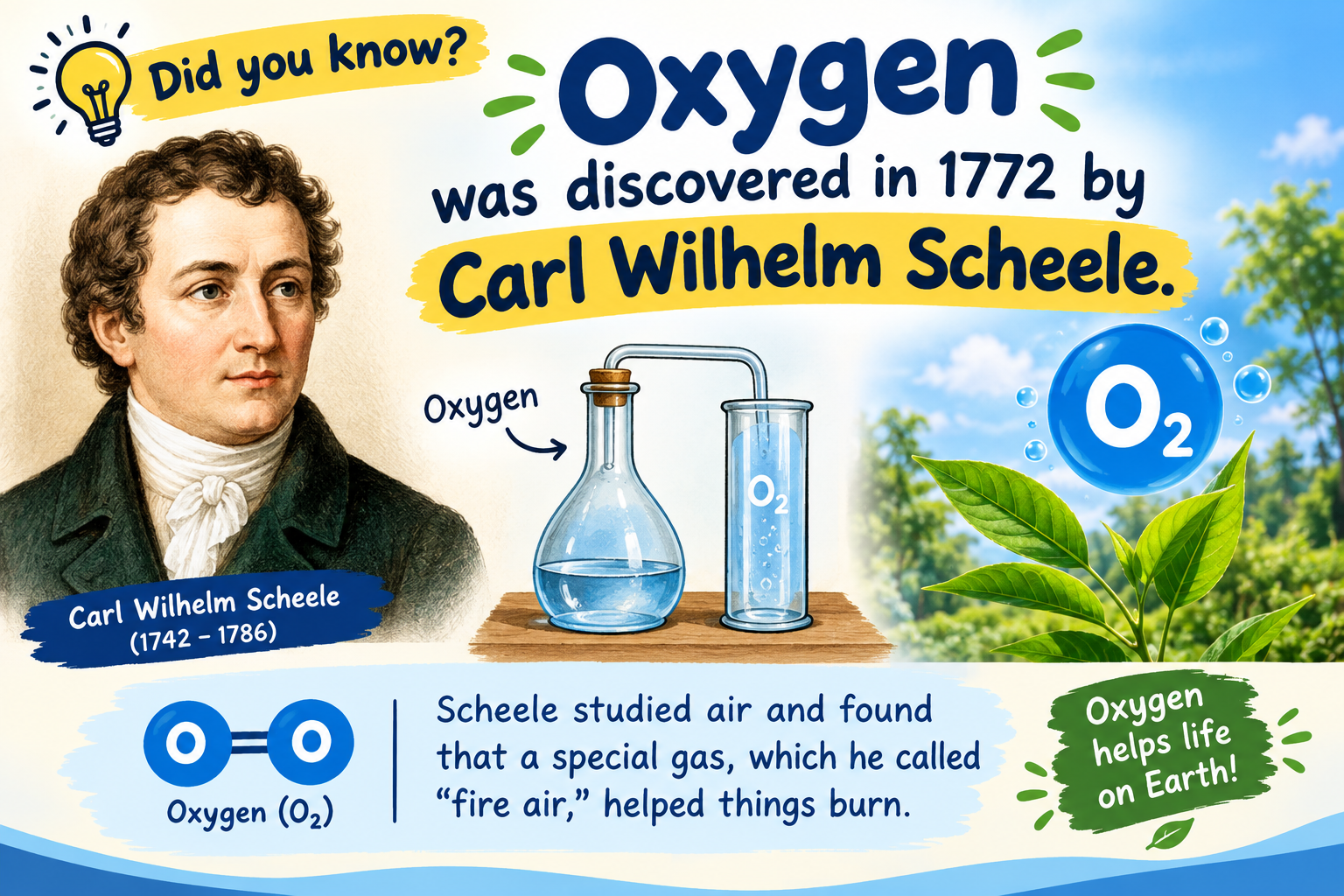
    Did you know that oxygen has a fascinating history? Swedish chemist **Carl Wilhelm Scheele** produced oxygen in experiments around **1772** and called it “fire air” because it supported combustion.

    Although Scheele’s work was important, the history of oxygen’s discovery is shared with other scientists. **Joseph Priestley independently produced and studied oxygen in 1774**, and **Antoine Lavoisier later helped establish oxygen’s role in combustion and respiration and gave the element its modern name.**

    This story shows how scientific discoveries often develop through the work of several scientists over time.

    **Keep exploring science—every discovery begins with curiosity and a question!**

    ### Hashtags

    #Oxygen #CarlWilhelmScheele #ScienceFacts #Chemistry #HistoryOfScience #DidYouKnow #AmazingFacts #ScienceHistory #ChemistryFacts #LearnSomethingNew #ScienceIsFun #Education #Knowledge #Curiosity #STEM #KeepLearning

    ### Emojis


    #rsisb Roll NO:232 Foundation level student. Story post:52 ### 🔬 Description **“Oxygen Was Discovered in 1772 by Carl Wilhelm Scheele.”** 🧪🌍✨ Did you know that oxygen has a fascinating history? 🤯🔬 Swedish chemist **Carl Wilhelm Scheele** produced oxygen in experiments around **1772** and called it “fire air” because it supported combustion. 🔥🧪 Although Scheele’s work was important, the history of oxygen’s discovery is shared with other scientists. **Joseph Priestley independently produced and studied oxygen in 1774**, and **Antoine Lavoisier later helped establish oxygen’s role in combustion and respiration and gave the element its modern name.** 🧠📚 This story shows how scientific discoveries often develop through the work of several scientists over time. 🌟🔬 **Keep exploring science—every discovery begins with curiosity and a question!** 🚀💡🌱 ### 🔖 Hashtags #Oxygen #CarlWilhelmScheele #ScienceFacts #Chemistry #HistoryOfScience #DidYouKnow #AmazingFacts #ScienceHistory #ChemistryFacts #LearnSomethingNew #ScienceIsFun #Education #Knowledge #Curiosity #STEM #KeepLearning ### 😊 Emojis 🧪🔬💨🔥🌍📚🧠💡✨🌟🚀⚗️😊🔎🌱📖
    0 تبصرے 0 شیئرز 3372 ویوز
  • #fire
    #fire
    0 تبصرے 0 شیئرز 419 ویوز
  • #rsisb
    ROll
    Story post no.63
    Foundation Level

    ### Oxygen: A Fascinating Discovery!

    **Oxygen was independently discovered by several scientists, including Carl Wilhelm Scheele, who produced it around 1772.** Scheele called it “fire air” because it supported combustion.

    Later, **Joseph Priestley independently produced oxygen in 1774**, and **Antoine Lavoisier** helped establish its role in combustion and respiration and gave it the name *oxygen*.

    This discovery transformed our understanding of **chemistry, breathing, combustion, and life itself**.

    #Oxygen #ScienceHistory #CarlWilhelmScheele #Chemistry #ScienceFacts #Discoveries #LearningIsFun #AmazingScience


    Asma Shaheen EducationWali
    Saima Empowerment Wali
    Irum Asim Leadershipwali
    #rsisb ROll Story post no.63 Foundation Level ### 🧪 Oxygen: A Fascinating Discovery! 🌬️ **Oxygen was independently discovered by several scientists, including Carl Wilhelm Scheele, who produced it around 1772.** Scheele called it “fire air” because it supported combustion. 🔥 Later, **Joseph Priestley independently produced oxygen in 1774**, and **Antoine Lavoisier** helped establish its role in combustion and respiration and gave it the name *oxygen*. ⚗️🌍 This discovery transformed our understanding of **chemistry, breathing, combustion, and life itself**. 🫁✨ #Oxygen #ScienceHistory #CarlWilhelmScheele #Chemistry #ScienceFacts #Discoveries #LearningIsFun #AmazingScience 🧪🔬🌎 Asma Shaheen EducationWali Saima Empowerment Wali Irum Asim Leadershipwali
    0 تبصرے 0 شیئرز 2179 ویوز
More Results