• #rsisb
    Roll no. 247
    Earning no.
    Foundation level

    **Finalize the Teaching Plan – Turning Learning Goals into Reality! **

    Assalam-o-Alaikum Everyone!

    Today, I am going to share my learning journey about **“Finalize the Teaching Plan.”** Finalizing a teaching plan is an important step in creating an organized, effective, and meaningful learning experience for students. It helps teachers prepare lessons, set clear learning objectives, choose suitable teaching methods, and make sure students understand what they are learning.

    A good teaching plan is more than just a timetable. It is a roadmap that guides both teachers and students toward success. Before finalizing a teaching plan, we should carefully review the learning objectives, lesson activities, teaching resources, time management, and assessment methods. We should also consider students' interests, abilities, questions, and individual learning needs. ‍‍

    **Important Steps to Finalize a Teaching Plan:**

    **1. Set Clear Learning Objectives:** Decide what students should know or be able to do by the end of the lesson.

    **2. Organize the Lesson Content:** Arrange the topics in a simple, logical, and easy-to-understand sequence.

    **3. Select Teaching Methods:** Use discussions, demonstrations, activities, storytelling, group work, and practical examples to make learning interesting.

    **4. Manage Time Effectively:** Give appropriate time to introductions, explanations, activities, questions, and revision.

    **5. Prepare Learning Resources:** Arrange books, worksheets, presentations, videos, and other materials needed for the lesson.

    **6. Encourage Student Participation:** Give students opportunities to ask questions, share ideas, solve problems, and learn from one another.

    **7. Plan Assessments:** Use quizzes, discussions, assignments, and activities to check students' understanding.

    **8. Review and Improve:** Make the final changes needed to ensure the teaching plan is clear, practical, and achievable.

    **Why Is Finalizing a Teaching Plan Important?**

    A finalized teaching plan helps teachers stay focused, use classroom time wisely, and create a positive learning environment. It also helps students understand their goals and participate confidently. When a plan is organized but flexible, teachers can make adjustments according to students' needs and make learning more enjoyable.

    **My Key Learning:**

    I have learned that successful teaching requires preparation, organization, creativity, patience, and continuous improvement. A well-prepared teaching plan can make lessons more effective and help students move toward their learning goals step by step.

    Let's remember that **great teaching begins with thoughtful planning, and meaningful learning grows through practice, curiosity, and teamwork!**

    Thank you for reading my learning journey! Keep learning, keep improving, and keep sharing knowledge with others!

    #rsisb Roll no. 247 Earning no. Foundation level 📚✨ **Finalize the Teaching Plan – Turning Learning Goals into Reality! 🎯📝** Assalam-o-Alaikum Everyone! 🌟😊 Today, I am going to share my learning journey about **“Finalize the Teaching Plan.”** 📖🎓 Finalizing a teaching plan is an important step in creating an organized, effective, and meaningful learning experience for students. It helps teachers prepare lessons, set clear learning objectives, choose suitable teaching methods, and make sure students understand what they are learning. 🧠💡 A good teaching plan is more than just a timetable. It is a roadmap that guides both teachers and students toward success. 🗺️🏆 Before finalizing a teaching plan, we should carefully review the learning objectives, lesson activities, teaching resources, time management, and assessment methods. We should also consider students' interests, abilities, questions, and individual learning needs. 👩‍🏫👨‍🎓💖 ✅ **Important Steps to Finalize a Teaching Plan:** 🎯 **1. Set Clear Learning Objectives:** Decide what students should know or be able to do by the end of the lesson. 📚 **2. Organize the Lesson Content:** Arrange the topics in a simple, logical, and easy-to-understand sequence. 🎨 **3. Select Teaching Methods:** Use discussions, demonstrations, activities, storytelling, group work, and practical examples to make learning interesting. ⏰ **4. Manage Time Effectively:** Give appropriate time to introductions, explanations, activities, questions, and revision. 🧰 **5. Prepare Learning Resources:** Arrange books, worksheets, presentations, videos, and other materials needed for the lesson. 🤝 **6. Encourage Student Participation:** Give students opportunities to ask questions, share ideas, solve problems, and learn from one another. 📝 **7. Plan Assessments:** Use quizzes, discussions, assignments, and activities to check students' understanding. 🔄 **8. Review and Improve:** Make the final changes needed to ensure the teaching plan is clear, practical, and achievable. 🌈 **Why Is Finalizing a Teaching Plan Important?** A finalized teaching plan helps teachers stay focused, use classroom time wisely, and create a positive learning environment. It also helps students understand their goals and participate confidently. When a plan is organized but flexible, teachers can make adjustments according to students' needs and make learning more enjoyable. 🌟📖 💭 **My Key Learning:** I have learned that successful teaching requires preparation, organization, creativity, patience, and continuous improvement. A well-prepared teaching plan can make lessons more effective and help students move toward their learning goals step by step. 🚀🏅 Let's remember that **great teaching begins with thoughtful planning, and meaningful learning grows through practice, curiosity, and teamwork!** 🌱💫 Thank you for reading my learning journey! ❤️🙏 Keep learning, keep improving, and keep sharing knowledge with others! 📚🌍✨
    0 Comentários 0 Compartilhamentos 196 Visualizações
  • Mohsin RS F8
    Story post NO:20
    roll NO:13
    Class: Foundation Level
    Made by Me

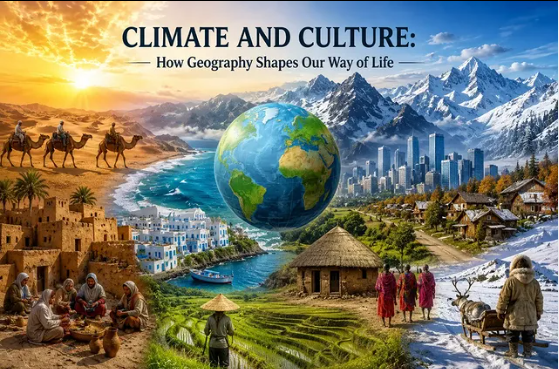
    Climate and Culture: How Geography Shapes Our Way of Life
    Climate and geography have a powerful influence on the way people live, work, eat, dress, build homes, and develop traditions. From hot deserts to cold mountains, every environment creates different challenges and opportunities that shape human lifestyles and cultures.
    In areas with hot climates, people often choose lightweight clothing, shaded buildings, and lifestyles adapted to high temperatures. In colder regions, homes are designed to retain warmth, and people commonly wear layered clothing to protect themselves from the cold. Similarly, communities living near rivers, coastlines, and fertile plains often develop strong connections with farming, fishing, trade, and water resources.
    Geography also influences food and traditions. Local crops, animals, and available resources become important parts of traditional dishes and cultural practices. Mountains, deserts, forests, and oceans can create natural boundaries that influence languages, customs, occupations, and patterns of settlement.
    However, geography does not completely determine culture. People adapt, innovate, migrate, and exchange ideas with other communities. Modern technology has also reduced many geographical limitations, allowing cultures to interact and evolve in new ways.
    Understanding the relationship between climate, geography, and culture helps us appreciate the incredible diversity of human life. It reminds us that the places we live in are not just backgrounds to our lives—they can influence our choices, traditions, communities, and connection with the natural world.
    Mohsin RS F8 🎓✨ Story post NO:20 roll NO:13 Class: Foundation Level 📚 Made by Me 💻🚀 Climate and Culture: How Geography Shapes Our Way of Life 🌍🌦️ Climate and geography have a powerful influence on the way people live, work, eat, dress, build homes, and develop traditions. From hot deserts to cold mountains, every environment creates different challenges and opportunities that shape human lifestyles and cultures. In areas with hot climates, people often choose lightweight clothing, shaded buildings, and lifestyles adapted to high temperatures. In colder regions, homes are designed to retain warmth, and people commonly wear layered clothing to protect themselves from the cold. Similarly, communities living near rivers, coastlines, and fertile plains often develop strong connections with farming, fishing, trade, and water resources. Geography also influences food and traditions. Local crops, animals, and available resources become important parts of traditional dishes and cultural practices. Mountains, deserts, forests, and oceans can create natural boundaries that influence languages, customs, occupations, and patterns of settlement. However, geography does not completely determine culture. People adapt, innovate, migrate, and exchange ideas with other communities. Modern technology has also reduced many geographical limitations, allowing cultures to interact and evolve in new ways. Understanding the relationship between climate, geography, and culture helps us appreciate the incredible diversity of human life. It reminds us that the places we live in are not just backgrounds to our lives—they can influence our choices, traditions, communities, and connection with the natural world. 🌱🏔️🏜️🌊
    0 Comentários 0 Compartilhamentos 240 Visualizações
  • #rsisb

    Roll No.177

    TEDxTalk No.81

    Level one


    The Future of Our Earth by Severn Cullis-Suzuki

    Our Earth is our beautiful home, and it is our responsibility to protect it for future generations. In this inspiring topic, “The Future of Our Earth” by Severn Cullis-Suzuki, we learn about the importance of protecting our planet, saving natural resources, and keeping our environment clean.

    Earth gives us fresh air, clean water, food, and a beautiful place to live. But pollution, deforestation, and climate change are serious problems that can harm our planet. We should take care of nature and make better choices to create a healthier and greener world.

    Every small action matters! We can plant trees , save water , reduce plastic waste , keep our surroundings clean , and encourage others to protect the environment. Together, we can make a positive difference and build a brighter future for the next generation.

    This topic teaches us that protecting the Earth is everyone's responsibility. We should not only think about today but also about the world we will leave for our children and grandchildren. ‍‍‍

    Let's work together to protect our planet, save nature, and make our Earth a cleaner, greener, and happier place to live!

    #TheFutureOfOurEarth

    #SevernCullisSuzuki

    #SaveOurEarth

    #ProtectOurPlanet

    #ClimateChange

    #SaveNature

    #PlantMoreTrees

    #GoGreen

    #EnvironmentalProtection

    #ReduceReuseRecycle

    #StopPollution

    #CleanEnvironment

    #GreenFuture

    #SustainableLiving

    #SaveWater

    #EarthDay

    #NatureLovers

    #YoungGeneration

    #EducationForEveryone

    #RehanSchool

    #HafizRehanMarketing
    #rsisb Roll No.177 TEDxTalk No.81 Level one 🌍🌱 The Future of Our Earth by Severn Cullis-Suzuki 🌱🌎 🌿✨ Our Earth is our beautiful home, and it is our responsibility to protect it for future generations. 🌍💚 In this inspiring topic, “The Future of Our Earth” by Severn Cullis-Suzuki, we learn about the importance of protecting our planet, saving natural resources, and keeping our environment clean. 🌳💧🌞 🌎💚 Earth gives us fresh air, clean water, food, and a beautiful place to live. 🌳🌸 But pollution, deforestation, and climate change are serious problems that can harm our planet. 🏭🚯🌡️ We should take care of nature and make better choices to create a healthier and greener world. 🌿♻️💚 🌱🌍 Every small action matters! We can plant trees 🌳, save water 💧, reduce plastic waste ♻️, keep our surroundings clean 🧹, and encourage others to protect the environment. 🌼🤝 Together, we can make a positive difference and build a brighter future for the next generation. 👧🧒🌈 💚✨ This topic teaches us that protecting the Earth is everyone's responsibility. We should not only think about today but also about the world we will leave for our children and grandchildren. 🌎👨‍👩‍👧‍👦🌿 🌍💫 Let's work together to protect our planet, save nature, and make our Earth a cleaner, greener, and happier place to live! 🌱🌳💚🌎 #TheFutureOfOurEarth 🌍 #SevernCullisSuzuki 🌱 #SaveOurEarth 💚 #ProtectOurPlanet 🌎 #ClimateChange 🌡️ #SaveNature 🌳 #PlantMoreTrees 🌲 #GoGreen 💚 #EnvironmentalProtection 🌿 #ReduceReuseRecycle ♻️ #StopPollution 🚯 #CleanEnvironment 🌸 #GreenFuture 🌱 #SustainableLiving 🌍 #SaveWater 💧 #EarthDay 🌎 #NatureLovers 🌻 #YoungGeneration 👧🧒 #EducationForEveryone 📚 #RehanSchool 🎓 #HafizRehanMarketing ✨
    0 Comentários 0 Compartilhamentos 1971 Visualizações 4
  • Mohsin RS F8
    Roll NO:13
    Canva post NO:46
    Class: Foundaton Level
    Made by Me

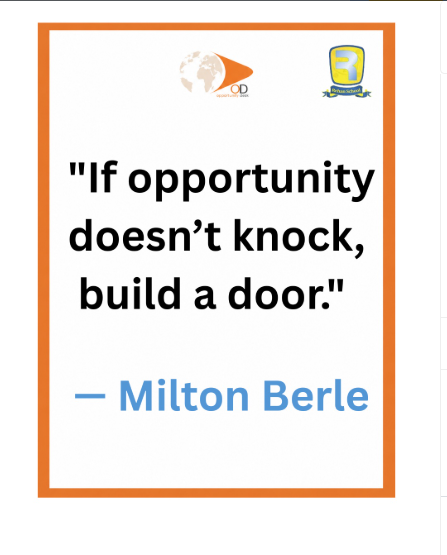
    “If opportunity doesn’t knock, build a door.” — Milton Berle

    Opportunity is often described as something that appears at the perfect moment, but this powerful quote reminds us that we should not always wait for opportunities to come to us. Sometimes, the greatest opportunities are created through our own effort, courage, creativity, and determination. If the door we are hoping for does not appear, we can take responsibility for creating our own path forward.

    Many people spend a lot of time waiting for the “right time” to begin. They may wait for better circumstances, more confidence, more resources, or someone else to give them a chance. While patience is important, waiting alone rarely creates progress. This quote encourages us to become active participants in our own journey. Instead of asking, “When will an opportunity come?” we can ask, “What can I do to create an opportunity?”

    Building a door represents taking action. It can mean learning a new skill, starting a project, practicing consistently, meeting new people, sharing an idea, or trying something different. These actions may not produce immediate results, but they can create possibilities that did not exist before. A small decision today can eventually lead to a much bigger opportunity tomorrow.

    Failure can also be part of building our own door. Sometimes our first idea does not work. Sometimes we face rejection, make mistakes, or discover that our original plan needs to change. Instead of seeing these experiences as the end, we can treat them as lessons. Every mistake can teach us something valuable and help us improve our next attempt.

    This quote is especially meaningful for students and young people. Education itself can become a doorway to new possibilities. Learning, asking questions, developing skills, reading, practicing, and staying curious can prepare us for opportunities in the future. We do not have to know exactly where every step will lead. What matters is continuing to learn and being willing to take action.

    Creating opportunities also requires courage.
    Mohsin RS F8 🎓✨ Roll NO:13 Canva post NO:46 Class: Foundaton Level 📚 Made by Me “If opportunity doesn’t knock, build a door.” — Milton Berle Opportunity is often described as something that appears at the perfect moment, but this powerful quote reminds us that we should not always wait for opportunities to come to us. Sometimes, the greatest opportunities are created through our own effort, courage, creativity, and determination. If the door we are hoping for does not appear, we can take responsibility for creating our own path forward. Many people spend a lot of time waiting for the “right time” to begin. They may wait for better circumstances, more confidence, more resources, or someone else to give them a chance. While patience is important, waiting alone rarely creates progress. This quote encourages us to become active participants in our own journey. Instead of asking, “When will an opportunity come?” we can ask, “What can I do to create an opportunity?” Building a door represents taking action. It can mean learning a new skill, starting a project, practicing consistently, meeting new people, sharing an idea, or trying something different. These actions may not produce immediate results, but they can create possibilities that did not exist before. A small decision today can eventually lead to a much bigger opportunity tomorrow. Failure can also be part of building our own door. Sometimes our first idea does not work. Sometimes we face rejection, make mistakes, or discover that our original plan needs to change. Instead of seeing these experiences as the end, we can treat them as lessons. Every mistake can teach us something valuable and help us improve our next attempt. This quote is especially meaningful for students and young people. Education itself can become a doorway to new possibilities. Learning, asking questions, developing skills, reading, practicing, and staying curious can prepare us for opportunities in the future. We do not have to know exactly where every step will lead. What matters is continuing to learn and being willing to take action. Creating opportunities also requires courage.
    0 Comentários 0 Compartilhamentos 875 Visualizações
  • Mohsin RS F8
    Roll NO:13
    Canva post NO:42
    Class: Foundaton Level
    Made by Me

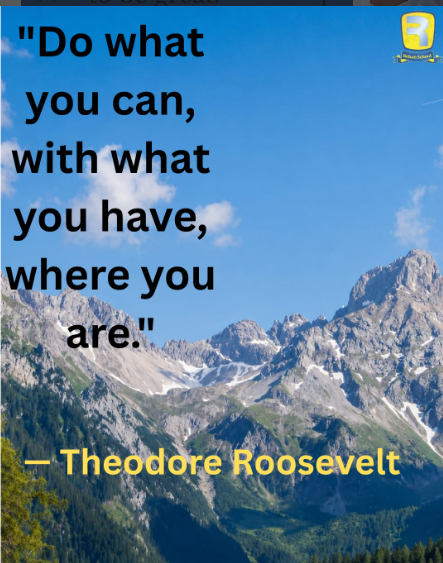
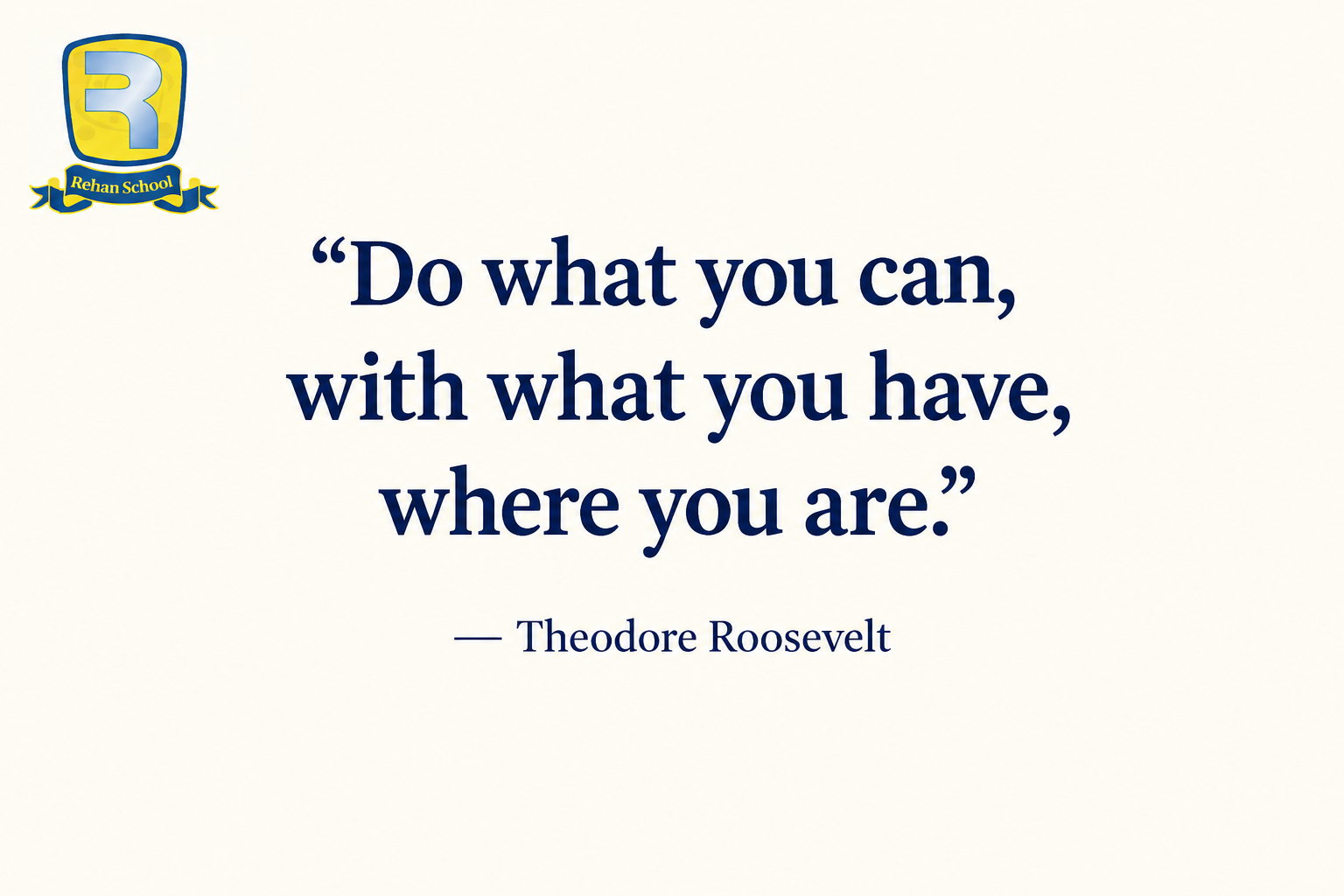
    “Do what you can, with what you have, where you are.” — Theodore Roosevelt

    This powerful quote by Theodore Roosevelt reminds us that we do not need perfect circumstances to begin working toward our goals. Many people spend a lot of time waiting for the “right” moment, the perfect opportunity, better resources, or more confidence before taking action. But life rarely gives us everything we want at the same time. Sometimes, the best way forward is simply to begin with whatever we already have and make the most of the situation we are in.

    The message behind this quote is simple but deeply meaningful: focus on action instead of excuses. You may not have all the tools, knowledge, money, experience, or support you wish you had, but you probably have something you can use right now. Your time, effort, creativity, determination, and willingness to learn can become powerful resources. Instead of focusing only on what is missing, focus on what is available and ask yourself, “What can I do today?”

    This mindset is especially important when facing challenges. When a goal feels too big, it can be easy to become discouraged before even starting. However, every major achievement begins with a small step. You do not have to solve everything at once. You can learn one new skill, complete one small task, improve one habit, or take one meaningful step toward your goal. Small actions, repeated consistently, can eventually create remarkable results.

    The quote also teaches us to stop comparing our journey with someone else’s. Other people may have different opportunities, resources, abilities, or circumstances. Comparing yourself to them can make you forget your own strengths. Instead, concentrate on your own starting point and make the best use of what you have. Progress is not about having the perfect beginning; it is about continuing to move forward.

    Another important lesson is that action creates confidence. We often think we need confidence before we begin, but confidence frequently develops after we take action and see ourselves making progress. Every attempt teaches us something.
    Mohsin RS F8 🎓✨ Roll NO:13 Canva post NO:42 Class: Foundaton Level 📚 Made by Me “Do what you can, with what you have, where you are.” — Theodore Roosevelt This powerful quote by Theodore Roosevelt reminds us that we do not need perfect circumstances to begin working toward our goals. Many people spend a lot of time waiting for the “right” moment, the perfect opportunity, better resources, or more confidence before taking action. But life rarely gives us everything we want at the same time. Sometimes, the best way forward is simply to begin with whatever we already have and make the most of the situation we are in. The message behind this quote is simple but deeply meaningful: focus on action instead of excuses. You may not have all the tools, knowledge, money, experience, or support you wish you had, but you probably have something you can use right now. Your time, effort, creativity, determination, and willingness to learn can become powerful resources. Instead of focusing only on what is missing, focus on what is available and ask yourself, “What can I do today?” This mindset is especially important when facing challenges. When a goal feels too big, it can be easy to become discouraged before even starting. However, every major achievement begins with a small step. You do not have to solve everything at once. You can learn one new skill, complete one small task, improve one habit, or take one meaningful step toward your goal. Small actions, repeated consistently, can eventually create remarkable results. The quote also teaches us to stop comparing our journey with someone else’s. Other people may have different opportunities, resources, abilities, or circumstances. Comparing yourself to them can make you forget your own strengths. Instead, concentrate on your own starting point and make the best use of what you have. Progress is not about having the perfect beginning; it is about continuing to move forward. Another important lesson is that action creates confidence. We often think we need confidence before we begin, but confidence frequently develops after we take action and see ourselves making progress. Every attempt teaches us something.
    0 Comentários 0 Compartilhamentos 553 Visualizações
  • RSIF8
    Roll no:86
    Task no:38
    Task topic: Living in Denial – Climate Change – Iqra Khilji
    Climate change is one of the greatest challenges facing our world today. Rising temperatures, melting glaciers, extreme weather events, and changing ecosystems are clear signs that our planet is under pressure. Despite the growing evidence, many people continue to deny or ignore the reality of climate change, delaying the actions needed to protect our environment.
    From devastating floods to prolonged droughts and heatwaves, the effects of climate change are becoming more visible every year. Communities around the world are experiencing the consequences, with impacts on agriculture, water resources, wildlife, and public health. These changes remind us that climate change is not a distant problem—it is happening right now.
    Human activities such as deforestation, pollution, and the excessive use of fossil fuels contribute significantly to global warming. However, every individual can play a role in creating positive change. Simple actions like saving energy, reducing waste, recycling, and planting trees can make a meaningful difference in protecting our planet for future generations.
    The first step toward solving any problem is accepting that it exists. By moving beyond denial and embracing responsibility, we can work together to build a cleaner, greener, and more sustainable future. Awareness, education, and action are the keys to combating climate change and ensuring a healthier world for everyone.
    #LivingInDenial #ClimateChange #IqraKhilji #ClimateAction #SaveThePlanet #GlobalWarming #EnvironmentalAwareness #GoGreen #Sustainability #ProtectEarth #EcoFriendly #GreenFuture #ActNow #ClimateCrisis #SaveOurFuture
    RSIF8 Roll no:86 Task no:38 Task topic: Living in Denial – Climate Change – Iqra Khilji Climate change is one of the greatest challenges facing our world today. Rising temperatures, melting glaciers, extreme weather events, and changing ecosystems are clear signs that our planet is under pressure. Despite the growing evidence, many people continue to deny or ignore the reality of climate change, delaying the actions needed to protect our environment. 🌱 🌦️ From devastating floods to prolonged droughts and heatwaves, the effects of climate change are becoming more visible every year. Communities around the world are experiencing the consequences, with impacts on agriculture, water resources, wildlife, and public health. These changes remind us that climate change is not a distant problem—it is happening right now. 🌳 Human activities such as deforestation, pollution, and the excessive use of fossil fuels contribute significantly to global warming. However, every individual can play a role in creating positive change. Simple actions like saving energy, reducing waste, recycling, and planting trees can make a meaningful difference in protecting our planet for future generations. 💚 The first step toward solving any problem is accepting that it exists. By moving beyond denial and embracing responsibility, we can work together to build a cleaner, greener, and more sustainable future. Awareness, education, and action are the keys to combating climate change and ensuring a healthier world for everyone. #LivingInDenial #ClimateChange #IqraKhilji #ClimateAction #SaveThePlanet #GlobalWarming #EnvironmentalAwareness #GoGreen #Sustainability #ProtectEarth #EcoFriendly #GreenFuture #ActNow #ClimateCrisis #SaveOurFuture 🌍🌿
    0 Comentários 0 Compartilhamentos 1493 Visualizações 7
  • Mohsin RS F8
    Roll NO:13
    Canva post NO:34
    Class: Foundaton Level
    Made by Me

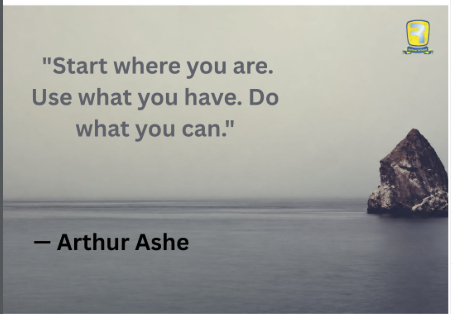
    “Start where you are. Use what you have. Do what you can.” — Arthur Ashe

    This powerful quote by Arthur Ashe is a simple reminder that we should not wait for perfect circumstances before taking action. Many times, we delay our dreams because we think we need more time, more money, more knowledge, better opportunities, or better conditions. But the truth is that progress often begins with the resources and abilities we already have.

    “Start where you are” means accepting your present situation instead of waiting for life to become perfect. You may not be exactly where you want to be today, and that is okay. Every successful journey begins from somewhere. Your current position is not the final destination; it is simply the starting point.

    “Use what you have” reminds us to appreciate the skills, knowledge, tools, and opportunities already available to us. You may not have everything you want, but you probably have something that can help you take the next step. Instead of focusing only on what is missing, focus on what you can use right now.

    “Do what you can” teaches us the importance of action. You do not have to solve every problem at once. You only need to do the next thing that is within your ability. A small step taken today can become the beginning of something much bigger tomorrow.

    This quote is especially meaningful when we are facing challenges or feeling unsure about the future. Sometimes the biggest obstacle is not failure—it is waiting too long to begin. Taking action builds confidence, develops experience, and helps us discover opportunities that we may never see while standing still.

    Remember, progress does not always happen through huge changes. It can come from studying for a few extra minutes, practicing a skill, completing one important task, improving one habit, or simply refusing to give up. Small actions repeated consistently can create remarkable results over time.

    So, don't wait until everything is perfect. Start with what you have, begin from where you are, and do the best you can today. Your future achievements may begin with one small decision you make
    Mohsin RS F8 🎓✨ Roll NO:13 Canva post NO:34 Class: Foundaton Level 📚 Made by Me “Start where you are. Use what you have. Do what you can.” — Arthur Ashe This powerful quote by Arthur Ashe is a simple reminder that we should not wait for perfect circumstances before taking action. Many times, we delay our dreams because we think we need more time, more money, more knowledge, better opportunities, or better conditions. But the truth is that progress often begins with the resources and abilities we already have. “Start where you are” means accepting your present situation instead of waiting for life to become perfect. You may not be exactly where you want to be today, and that is okay. Every successful journey begins from somewhere. Your current position is not the final destination; it is simply the starting point. “Use what you have” reminds us to appreciate the skills, knowledge, tools, and opportunities already available to us. You may not have everything you want, but you probably have something that can help you take the next step. Instead of focusing only on what is missing, focus on what you can use right now. “Do what you can” teaches us the importance of action. You do not have to solve every problem at once. You only need to do the next thing that is within your ability. A small step taken today can become the beginning of something much bigger tomorrow. This quote is especially meaningful when we are facing challenges or feeling unsure about the future. Sometimes the biggest obstacle is not failure—it is waiting too long to begin. Taking action builds confidence, develops experience, and helps us discover opportunities that we may never see while standing still. Remember, progress does not always happen through huge changes. It can come from studying for a few extra minutes, practicing a skill, completing one important task, improving one habit, or simply refusing to give up. Small actions repeated consistently can create remarkable results over time. So, don't wait until everything is perfect. Start with what you have, begin from where you are, and do the best you can today. Your future achievements may begin with one small decision you make
    0 Comentários 0 Compartilhamentos 510 Visualizações
  • Mohsin RS F8
    Roll NO:13
    Canva post NO:33
    Class: Foundaton Level
    Made by Me

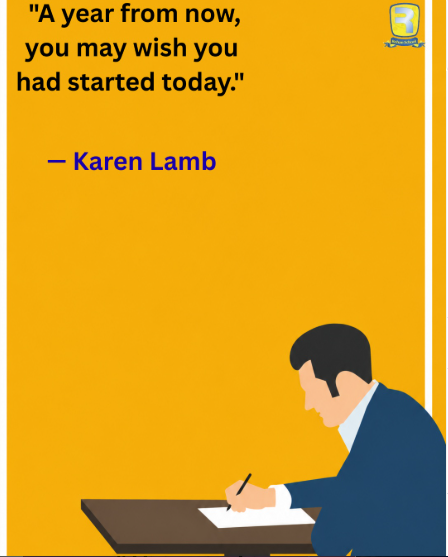
    “A year from now, you may wish you had started today.” — Karen Lamb

    This powerful quote reminds us that time keeps moving, whether we take action or continue waiting. Many of us have dreams, goals, plans, and ideas that we want to achieve, but sometimes we keep telling ourselves, “I’ll start tomorrow,” “I’ll do it when I have more time,” or “I’m not ready yet.” The problem is that tomorrow eventually becomes today, and another year can pass without us making meaningful progress.

    The message behind this quote is simple but deeply motivating: the best time to begin working toward your goals is today. You do not need to have everything figured out before you take the first step. You do not need perfect conditions, unlimited resources, or complete confidence. What matters most is starting with whatever you have and wherever you are.

    Imagine looking back one year from today. You could be proud that you started learning a new skill, improved your education, worked on a personal project, developed better habits, or took steps toward a dream that once seemed difficult. Even small actions, repeated consistently, can create meaningful results over time. On the other hand, if you spend the year only thinking about starting, you may look back with regret and wonder how much could have changed if you had simply begun.

    Starting today does not mean achieving everything immediately. It means making a commitment to yourself. Read one page. Learn something new. Practice for a few minutes. Write down your goal. Take the first step. Small beginnings can eventually become major achievements when supported by patience, consistency, and determination.

    This quote also teaches us not to be afraid of imperfect beginnings. Progress is rarely a straight line. There may be mistakes, failures, distractions, and moments when motivation disappears. But every attempt teaches us something and moves us forward. Waiting for the “perfect moment” can become an excuse that keeps us from discovering what we are capable of achieving.
    Mohsin RS F8 🎓✨ Roll NO:13 Canva post NO:33 Class: Foundaton Level 📚 Made by Me “A year from now, you may wish you had started today.” — Karen Lamb This powerful quote reminds us that time keeps moving, whether we take action or continue waiting. Many of us have dreams, goals, plans, and ideas that we want to achieve, but sometimes we keep telling ourselves, “I’ll start tomorrow,” “I’ll do it when I have more time,” or “I’m not ready yet.” The problem is that tomorrow eventually becomes today, and another year can pass without us making meaningful progress. The message behind this quote is simple but deeply motivating: the best time to begin working toward your goals is today. You do not need to have everything figured out before you take the first step. You do not need perfect conditions, unlimited resources, or complete confidence. What matters most is starting with whatever you have and wherever you are. Imagine looking back one year from today. You could be proud that you started learning a new skill, improved your education, worked on a personal project, developed better habits, or took steps toward a dream that once seemed difficult. Even small actions, repeated consistently, can create meaningful results over time. On the other hand, if you spend the year only thinking about starting, you may look back with regret and wonder how much could have changed if you had simply begun. Starting today does not mean achieving everything immediately. It means making a commitment to yourself. Read one page. Learn something new. Practice for a few minutes. Write down your goal. Take the first step. Small beginnings can eventually become major achievements when supported by patience, consistency, and determination. This quote also teaches us not to be afraid of imperfect beginnings. Progress is rarely a straight line. There may be mistakes, failures, distractions, and moments when motivation disappears. But every attempt teaches us something and moves us forward. Waiting for the “perfect moment” can become an excuse that keeps us from discovering what we are capable of achieving.
    0 Comentários 0 Compartilhamentos 403 Visualizações
  • #rsisb
    Roll No.240
    Canva No.104
    Level One

    This powerful quote reminds us that we don’t need perfect conditions to make progress. We should use the skills, knowledge, opportunities, and resources we already have and take action where we are today.

    At Rehan School, we believe every learner has the ability to grow, create, learn, and make a difference. Instead of waiting for the “right time,” start with what you have, take the first step, and keep moving forward.

    Use what you have.
    Learn what you can.
    Start where you are.
    Keep moving forward.

    #RehanSchool #Motivation #Inspiration #Education #Learning #GrowthMindset #StudentMotivation #PositiveMindset #NeverGiveUp #BelieveInYourself #DreamBig #KeepLearning #KeepGrowing #SuccessMindset #DoYourBest #TheodoreRoosevelt #DailyMotivation #FutureLeaders #EducationMatters #LearnGrowSucceed

    Rehan School Islamabad Campus
    Asma Shaheen EducationWali
    Irum Asim Leadershipwali
    Saima Empowerment Wali

    #rsisb Roll No.240 Canva No.104 Level One 💪✨ This powerful quote reminds us that we don’t need perfect conditions to make progress. We should use the skills, knowledge, opportunities, and resources we already have and take action where we are today. 🚀 📚 At Rehan School, we believe every learner has the ability to grow, create, learn, and make a difference. 🌱💡 Instead of waiting for the “right time,” start with what you have, take the first step, and keep moving forward. 🎯🔥 🌱 Use what you have. 💡 Learn what you can. 🚀 Start where you are. 🏆 Keep moving forward. #RehanSchool 🏫 #Motivation 💪 #Inspiration ✨ #Education 📚 #Learning 🌱 #GrowthMindset 🧠 #StudentMotivation 🎓 #PositiveMindset 😊 #NeverGiveUp 🔥 #BelieveInYourself 💙 #DreamBig 🌟 #KeepLearning 📖 #KeepGrowing 🌱 #SuccessMindset 🏆 #DoYourBest 💯 #TheodoreRoosevelt 🇺🇸 #DailyMotivation ☀️ #FutureLeaders 🚀 #EducationMatters 📚 #LearnGrowSucceed 🌟 Rehan School Islamabad Campus Asma Shaheen EducationWali Irum Asim Leadershipwali Saima Empowerment Wali
    0 Comentários 0 Compartilhamentos 861 Visualizações
  • #rsisb
    Roll no.239
    Miss Zoya no.3
    Foundation Level

    **Human beings are one of the most remarkable parts of life on Earth.** Humans have the ability to think, learn, communicate, create, imagine, and solve problems. They can develop knowledge through education and experience and use that knowledge to improve their lives and the world around them.

    The **human body** is a complex system made up of many organs and body systems that work together. The brain helps humans think, remember, learn, and control the body. The heart pumps blood throughout the body, while the lungs help provide oxygen. Bones provide structure and support, muscles allow movement, and the nervous system helps control and coordinate many body functions.

    Humans also have **emotions and feelings**. People can experience happiness, sadness, fear, anger, love, excitement, and many other emotions. Understanding emotions is important because they influence how people communicate, make decisions, and interact with others.

    ### Learning and Intelligence

    Humans have a remarkable ability to learn. Children learn language, numbers, social skills, and many other things as they grow. Education helps people develop knowledge and skills, while experience teaches them how to deal with challenges and make better decisions.

    Humans can also use **creativity and imagination** to create art, music, literature, inventions, and new technologies. This ability to imagine new possibilities has played an important role in the development of human civilization.

    ### Health and Well-Being

    Good health is essential for a healthy and productive life. Humans need nutritious food, clean water, oxygen, enough sleep, physical activity, and a safe environment. Regular exercise can help keep the body strong, while healthy habits can support overall well-being.

    Mental and emotional well-being are also important. People need positive relationships, support, relaxation, and opportunities to express their feelings.

    ### ‍‍‍ Human Relationships

    Humans are social beings. Families, friends, classmates, teachers, colleagues, and communities all play important roles in people's lives. Communication and cooperation help people build strong relationships

    ### Humans and Technology

    Technology has become an important part of modern human life. Computers, smartphones, the internet, robotics, and artificial intelligence help people communicate, learn, work, and solve problems.

    Artificial intelligence can assist humans in many areas, but human judgment, responsibility, creativity, and ethical thinking remain extremely important. Technology should be used wisely and responsibly to benefit society.

    ### Humans and the Environment

    Humans depend on Earth for air, water, food, energy, and natural resources. Protecting the environment is therefore an important responsibility.

    Pollution, climate change, deforestation, and the loss of biodiversity can affect human life and other living organisms. People can help protect the planet by reducing waste, saving water and energy, recycling, planting trees, and using resources responsibly.

    ### The Future of Humanity

    The future of humanity will depend on the choices people make today. Education, science, technology, cooperation, peace, and responsible decision-making can help create a better future.

    Humans may continue to explore space, develop new medical treatments, create advanced technologies, and discover new ways to solve global problems. However, progress should always be balanced with ethics, safety, equality, and respect for life.

    ### **Conclusion**

    The study of humans is a broad and fascinating topic that includes the **human body, brain, emotions, health, learning, relationships, society, technology, and the future**.

    Understanding ourselves can help us become healthier, kinder, more responsible, and more thoughtful people. It can also teach us to respect others, appreciate differences, protect our planet, and work together to solve problems.

    **Key Message:**

    > **Human beings have the ability to learn, create, care, and make a difference. By using knowledge wisely and treating others with respect, humans can help build a healthier, kinder, and better world.**
    #rsisb Roll no.239 Miss Zoya no.3 Foundation Level **Human beings are one of the most remarkable parts of life on Earth.** Humans have the ability to think, learn, communicate, create, imagine, and solve problems. They can develop knowledge through education and experience and use that knowledge to improve their lives and the world around them. The **human body** is a complex system made up of many organs and body systems that work together. The brain helps humans think, remember, learn, and control the body. The heart pumps blood throughout the body, while the lungs help provide oxygen. Bones provide structure and support, muscles allow movement, and the nervous system helps control and coordinate many body functions. Humans also have **emotions and feelings**. People can experience happiness, sadness, fear, anger, love, excitement, and many other emotions. Understanding emotions is important because they influence how people communicate, make decisions, and interact with others. ### 🧠 Learning and Intelligence Humans have a remarkable ability to learn. Children learn language, numbers, social skills, and many other things as they grow. Education helps people develop knowledge and skills, while experience teaches them how to deal with challenges and make better decisions. Humans can also use **creativity and imagination** to create art, music, literature, inventions, and new technologies. This ability to imagine new possibilities has played an important role in the development of human civilization. ### ❤️ Health and Well-Being Good health is essential for a healthy and productive life. Humans need nutritious food, clean water, oxygen, enough sleep, physical activity, and a safe environment. Regular exercise can help keep the body strong, while healthy habits can support overall well-being. Mental and emotional well-being are also important. People need positive relationships, support, relaxation, and opportunities to express their feelings. ### 👨‍👩‍👧‍👦 Human Relationships Humans are social beings. Families, friends, classmates, teachers, colleagues, and communities all play important roles in people's lives. Communication and cooperation help people build strong relationships ### 💻 Humans and Technology Technology has become an important part of modern human life. Computers, smartphones, the internet, robotics, and artificial intelligence help people communicate, learn, work, and solve problems. Artificial intelligence can assist humans in many areas, but human judgment, responsibility, creativity, and ethical thinking remain extremely important. Technology should be used wisely and responsibly to benefit society. ### 🌱 Humans and the Environment Humans depend on Earth for air, water, food, energy, and natural resources. Protecting the environment is therefore an important responsibility. Pollution, climate change, deforestation, and the loss of biodiversity can affect human life and other living organisms. People can help protect the planet by reducing waste, saving water and energy, recycling, planting trees, and using resources responsibly. ### 🚀 The Future of Humanity The future of humanity will depend on the choices people make today. Education, science, technology, cooperation, peace, and responsible decision-making can help create a better future. Humans may continue to explore space, develop new medical treatments, create advanced technologies, and discover new ways to solve global problems. However, progress should always be balanced with ethics, safety, equality, and respect for life. ### **Conclusion** The study of humans is a broad and fascinating topic that includes the **human body, brain, emotions, health, learning, relationships, society, technology, and the future**. Understanding ourselves can help us become healthier, kinder, more responsible, and more thoughtful people. It can also teach us to respect others, appreciate differences, protect our planet, and work together to solve problems. **Key Message:** > **Human beings have the ability to learn, create, care, and make a difference. By using knowledge wisely and treating others with respect, humans can help build a healthier, kinder, and better world.**
    0 Comentários 0 Compartilhamentos 2290 Visualizações 5
Páginas impulsionada