• RSIF8
    ROLL NO 77
    TEDX TALK NO 40
    TEDX TOPIC "The Art of Asking" – Amanda Palmer.

    **The Art of Asking – Amanda Palmer**

    Have you ever needed help but felt afraid to ask? In *The Art of Asking*, Amanda Palmer shares a powerful message about trust, vulnerability, and human connection.

    She teaches us that asking for help is not a sign of weakness; it's an opportunity to build meaningful relationships and allow others to support us. Whether you're a student, a creator, or someone chasing big dreams, remember that you don't have to do everything alone!

    **Key Lesson:** Be brave enough to ask, humble enough to receive, and kind enough to give back.

    Sometimes, one simple question can open the door to amazing opportunities!

    \#TheArtOfAsking #AmandaPalmer #PersonalGrowth #SelfImprovement #HumanConnection #Motivation #LifeLessons #CommunicationSkills #BuildTrust #LearningJourney #EducationalContent #Inspiration

    Add a stronger action promptMake the opening more attention-grabbing
    RSIF8 ROLL NO 77 TEDX TALK NO 40 TEDX TOPIC "The Art of Asking" – Amanda Palmer. 🎤✨ **The Art of Asking – Amanda Palmer** 💖🤝 Have you ever needed help but felt afraid to ask? 🤔💭 In *The Art of Asking*, Amanda Palmer shares a powerful message about trust, vulnerability, and human connection. ❤️ She teaches us that asking for help is not a sign of weakness; it's an opportunity to build meaningful relationships and allow others to support us. 🌱✨ Whether you're a student, a creator, or someone chasing big dreams, remember that you don't have to do everything alone! 🚀 💡 **Key Lesson:** Be brave enough to ask, humble enough to receive, and kind enough to give back. 🤝💫 🌟 Sometimes, one simple question can open the door to amazing opportunities! \#TheArtOfAsking #AmandaPalmer #PersonalGrowth #SelfImprovement #HumanConnection #Motivation #LifeLessons #CommunicationSkills #BuildTrust #LearningJourney #EducationalContent #Inspiration 💖🎯🚀 Add a stronger action promptMake the opening more attention-grabbing
    0 Comments 0 Shares 174 Views 11


  • #RSF8
    #canvapost56
    #RollNo13
    Class: Foundation Level
    Made by Me

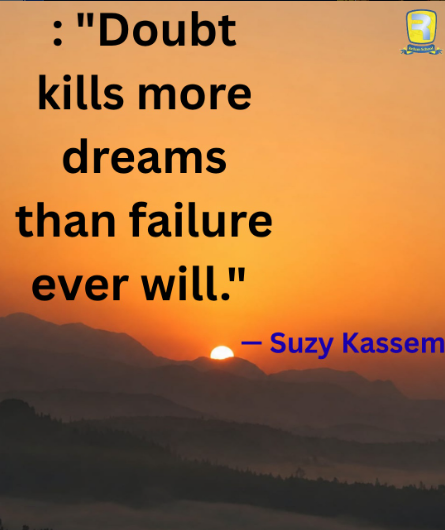
    “Doubt kills more dreams than failure ever will.” — Suzy Kassem

    Dreams are beautiful, but achieving them requires courage, patience, consistency, and most importantly, belief in yourself. Many people think that failure is the biggest reason why dreams remain incomplete. But sometimes, failure is not what stops us. The real obstacle is the doubt we create inside our own minds.

    We may have a dream, a goal, or a new idea, but then we start asking ourselves: “What if I fail?” “What if I am not good enough?” “What will people say?” “What if I make a mistake?” These questions can become so powerful that we never even take the first step. This is why self-doubt can be more dangerous to our dreams than failure itself.

    Failure does not necessarily mean that we have lost. In fact, failure can become one of our greatest teachers. Every mistake can teach us something new. Every difficult experience can make us stronger. Every unsuccessful attempt can help us understand what we need to improve. When we learn from failure and continue moving forward, we become wiser, more confident, and better prepared for the next opportunity.

    But when we allow doubt to control us, we may never discover what we are capable of achieving. We might give up before trying, avoid opportunities because they seem difficult, or compare our journey with someone else's. We may convince ourselves that our dreams are too big or that we are not talented enough. These thoughts can prevent us from seeing the potential that already exists within us.

    Believe that you can learn.
    Believe that you can improve.
    Believe that you can try again.
    Believe that your mistakes do not define you.
    Believe that your dreams are worth pursuing.

    You do not have to be perfect to begin. You do not have to know every answer. You do not have to have everything figured out before taking the first step. Sometimes, progress begins with a small decision: “I will try.”

    There may be moments when your confidence becomes weak. There may be challenges that make you question yourself. There may be people who do not understand your goals.
    #RSF8🎓✨ #canvapost56 #RollNo13 Class: Foundation Level 📚 Made by Me 💻🚀 ✨ “Doubt kills more dreams than failure ever will.” — Suzy Kassem ✨ Dreams are beautiful, but achieving them requires courage, patience, consistency, and most importantly, belief in yourself. Many people think that failure is the biggest reason why dreams remain incomplete. But sometimes, failure is not what stops us. The real obstacle is the doubt we create inside our own minds. We may have a dream, a goal, or a new idea, but then we start asking ourselves: “What if I fail?” “What if I am not good enough?” “What will people say?” “What if I make a mistake?” These questions can become so powerful that we never even take the first step. This is why self-doubt can be more dangerous to our dreams than failure itself. Failure does not necessarily mean that we have lost. In fact, failure can become one of our greatest teachers. Every mistake can teach us something new. Every difficult experience can make us stronger. Every unsuccessful attempt can help us understand what we need to improve. When we learn from failure and continue moving forward, we become wiser, more confident, and better prepared for the next opportunity. But when we allow doubt to control us, we may never discover what we are capable of achieving. We might give up before trying, avoid opportunities because they seem difficult, or compare our journey with someone else's. We may convince ourselves that our dreams are too big or that we are not talented enough. These thoughts can prevent us from seeing the potential that already exists within us. 🌱 Believe that you can learn. 💪 Believe that you can improve. 🚀 Believe that you can try again. 🔥 Believe that your mistakes do not define you. 🌟 Believe that your dreams are worth pursuing. You do not have to be perfect to begin. You do not have to know every answer. You do not have to have everything figured out before taking the first step. Sometimes, progress begins with a small decision: “I will try.” There may be moments when your confidence becomes weak. There may be challenges that make you question yourself. There may be people who do not understand your goals.
    0 Comments 0 Shares 190 Views
  • Today I Learned a Real Lesson About Building LLM Systems
    Today, I attempted something challenging: building an LLM-based system from scratch.

    I set everything up on GitHub Codespaces, connected the API, and integrated the model into a chatbot interface. On the surface, the system looked complete. The code was written, the files were organized, and the logic made sense.
    Yet, it didn’t work.

    No response.
    No answer from the LLM.
    Just silence.

    At first, I assumed the obvious — maybe this was simply too advanced. Maybe building something like this wasn’t possible for me yet. That doubt hit hard, because everything seemed correct.
    Instead of quitting, I decided to slow down and truly analyze what was happening.
    That’s when I discovered the real problem.
    The issue wasn’t the LLM.
    It wasn’t the API.
    It wasn’t even the chatbot logic.
    The actual failure was at the system level.

    The communication tunnel between the user, the server, and the LLM was never properly established. The request was not reaching the LLM in the first place. And if a question never reaches the model, an answer can never come back.

    This moment completely changed how I think about AI development.

    I realized that:
    AI systems are not just about writing code
    APIs don’t magically work unless the infrastructure allows them to
    Most real-world failures happen in networking, permissions, environment setup, and data flow
    Debugging is not a weakness — it’s a sign that you’re building something real
    What looked like an “impossible task” was actually a broken bridge in the system architecture.

    Today taught me that building LLM-powered applications is less about intelligence and more about clarity:
    Knowing where a request starts
    Understanding where it should go
    And making sure the path between them actually exists
    I didn’t fail today.

    I reached the stage where systems stop working unless you truly understand how they are connected.
    And that’s the stage where real builders are made.

    Rehan Allahwala
    @highlight
    Today I Learned a Real Lesson About Building LLM Systems Today, I attempted something challenging: building an LLM-based system from scratch. I set everything up on GitHub Codespaces, connected the API, and integrated the model into a chatbot interface. On the surface, the system looked complete. The code was written, the files were organized, and the logic made sense. Yet, it didn’t work. No response. No answer from the LLM. Just silence. At first, I assumed the obvious — maybe this was simply too advanced. Maybe building something like this wasn’t possible for me yet. That doubt hit hard, because everything seemed correct. Instead of quitting, I decided to slow down and truly analyze what was happening. That’s when I discovered the real problem. The issue wasn’t the LLM. It wasn’t the API. It wasn’t even the chatbot logic. The actual failure was at the system level. The communication tunnel between the user, the server, and the LLM was never properly established. The request was not reaching the LLM in the first place. And if a question never reaches the model, an answer can never come back. This moment completely changed how I think about AI development. I realized that: AI systems are not just about writing code APIs don’t magically work unless the infrastructure allows them to Most real-world failures happen in networking, permissions, environment setup, and data flow Debugging is not a weakness — it’s a sign that you’re building something real What looked like an “impossible task” was actually a broken bridge in the system architecture. Today taught me that building LLM-powered applications is less about intelligence and more about clarity: Knowing where a request starts Understanding where it should go And making sure the path between them actually exists I didn’t fail today. I reached the stage where systems stop working unless you truly understand how they are connected. And that’s the stage where real builders are made. 💡🚀 Rehan Allahwala @highlight
    0 Comments 0 Shares 224 Views


  • Mohsin RS F8
    Coding Task NO:12
    Class: Foundation Level
    Made by Me

    — Password Generator

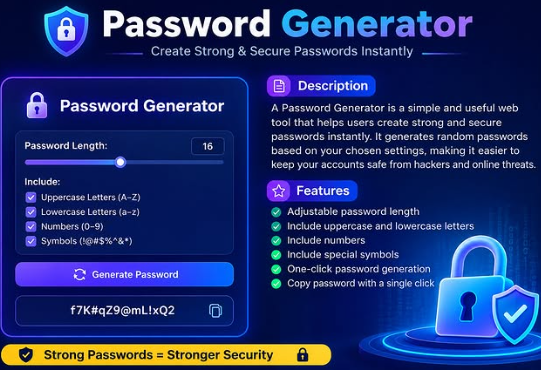
    A Password Generator is a useful and practical coding project designed to create strong and random passwords quickly. In today’s digital world, we use passwords for social media accounts, email, websites, applications, and many other online services. Using weak or easily guessed passwords can put accounts at risk, so learning how a password generator works is a great way to understand both programming and basic cybersecurity concepts.

    The main purpose of this project is to allow the user to generate a password according to their preferred settings. The generator can include uppercase letters, lowercase letters, numbers, and special characters. By combining different types of characters, the program can create passwords that are much harder to guess than simple words or predictable patterns.

    This project can be created using HTML, CSS, and JavaScript. HTML is used to build the structure of the interface, such as the password display, length selector, checkboxes, and generate button. CSS is used to make the application attractive, organized, and easy to use. JavaScript handles the main functionality by selecting characters randomly and creating a new password whenever the user clicks the Generate Password button.

    One of the most useful features of this project is adjustable password length. Users can choose how long they want the generated password to be. The project can also provide options for uppercase letters, lowercase letters, numbers, and symbols. This makes the generator flexible and allows users to create different types of passwords based on their needs.

    Another helpful feature is the copy button. After a password is generated, the user can copy it with a single click instead of manually selecting and typing it. This makes the application faster and more convenient to use.

    Building a Password Generator is also a great way to practice important JavaScript concepts. While creating this project, students can learn about variables, functions, arrays, random selection, loops, conditional statements, event listeners, and DOM manipulation.
    Mohsin RS F8 🎓✨ Coding Task NO:12 Class: Foundation Level 📚 Made by Me 💻🚀 — Password Generator 🔐💻 A Password Generator is a useful and practical coding project designed to create strong and random passwords quickly. In today’s digital world, we use passwords for social media accounts, email, websites, applications, and many other online services. Using weak or easily guessed passwords can put accounts at risk, so learning how a password generator works is a great way to understand both programming and basic cybersecurity concepts. The main purpose of this project is to allow the user to generate a password according to their preferred settings. The generator can include uppercase letters, lowercase letters, numbers, and special characters. By combining different types of characters, the program can create passwords that are much harder to guess than simple words or predictable patterns. This project can be created using HTML, CSS, and JavaScript. HTML is used to build the structure of the interface, such as the password display, length selector, checkboxes, and generate button. CSS is used to make the application attractive, organized, and easy to use. JavaScript handles the main functionality by selecting characters randomly and creating a new password whenever the user clicks the Generate Password button. One of the most useful features of this project is adjustable password length. Users can choose how long they want the generated password to be. The project can also provide options for uppercase letters, lowercase letters, numbers, and symbols. This makes the generator flexible and allows users to create different types of passwords based on their needs. Another helpful feature is the copy button. After a password is generated, the user can copy it with a single click instead of manually selecting and typing it. This makes the application faster and more convenient to use. Building a Password Generator is also a great way to practice important JavaScript concepts. While creating this project, students can learn about variables, functions, arrays, random selection, loops, conditional statements, event listeners, and DOM manipulation.
    0 Comments 0 Shares 602 Views
  • #rsisb Roll No.240 Song no.36 Level One This beautiful song celebrates the rich cultural heritage, traditions, languages, colors, and unity of Pakistan. From the mountains of the north to the beautiful landscapes of Sindh, Punjab, Khyber Pakhtunkhwa, and Balochistan, every region adds its own unique beauty to our beloved country. 🌄🌿 Our cultures may be different, our languages may be different, and our traditions may have their own special colors, but our hearts are connected by one beautiful identity — Pakistan. 💚🇵🇰 This song carries a message of unity, respect, love, peace, and national pride. It reminds us that our diversity is not a weakness; it is one of the greatest treasures of our nation. 🤝❤️ Let’s celebrate our differences, respect every culture and tradition, and work together to make Pakistan stronger, brighter, and more peaceful. 🌍✨ 🎶 Different cultures, one nation. Different colors, one beautiful Pakistan! 🇵🇰💚 #UnityInDiversity #Pakistan #PakistaniHeritage #PakistanCulture #PakistanZindabad #CulturalHeritage #NationalPride #Unity #Peace #LovePakistan #PakistaniTraditions #OurPakistan #OneNation #GreenAndWhite 🇵🇰💚✨ Rehan School Islamabad Campus Asma Shaheen EducationWali Irum Asim Leadershipwali Saima Empowerment Wali https://www.facebook.com/share/v/1SMwXhrfwJ/
    WWW.FACEBOOK.COM
    Facebook
    #rsisb Roll No.240 Song no.36 Level One This beautiful song celebrates the rich cultural heritage, traditions, languages, colors, and unity of Pakistan. From the mountains of the north to the...
    0 Comments 0 Shares 2095 Views
  • Day 11
    story post
    Roll no:10
    foundation level
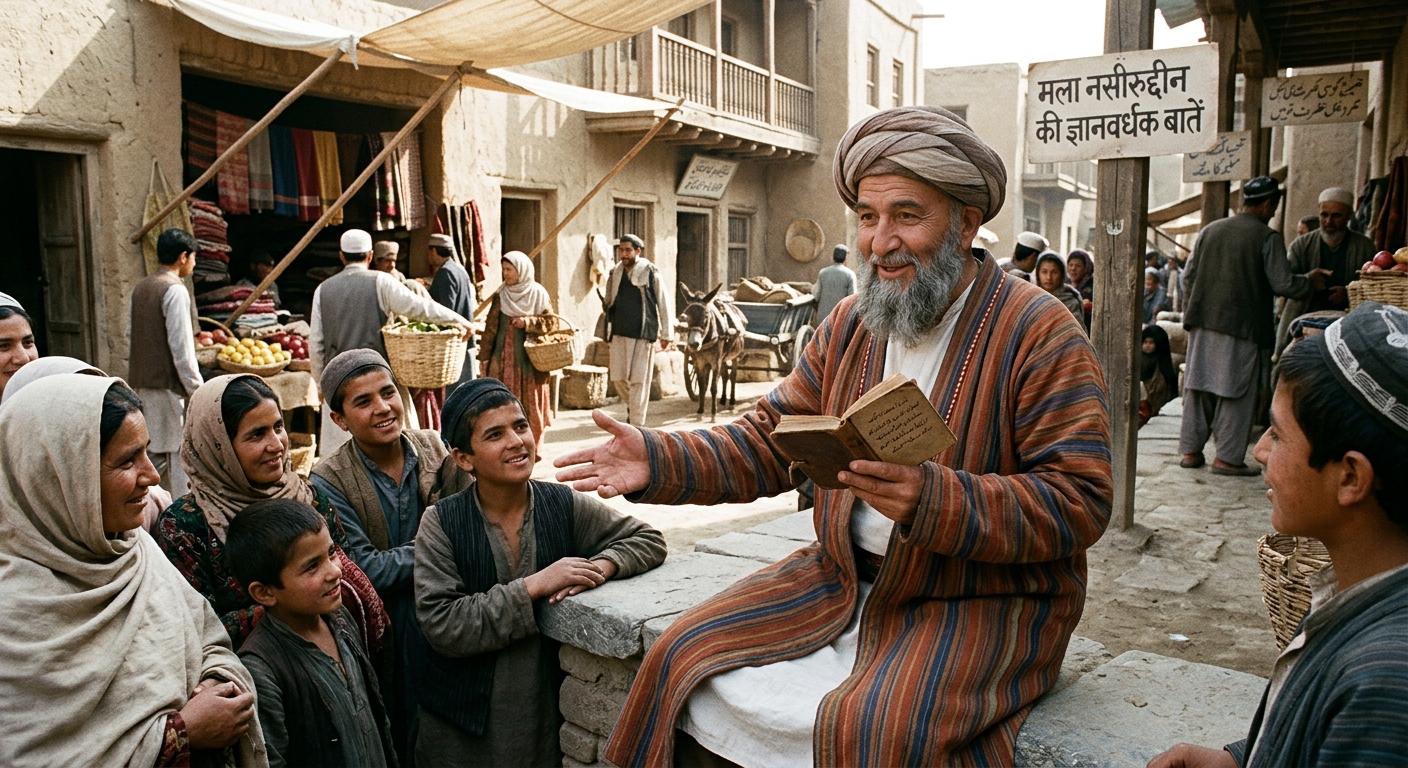
    Mulla Nasrudin was resting under a massive walnut tree in an orchard, looking out at a patch of large watermelons growing nearby on thin, fragile vines.
    He shook his head and murmured, "Oh, Allah, your wisdom is great, but sometimes I wonder about the design of this world! Look at this grand, powerful tree—it produces tiny, insignificant walnuts. And over there, those fragile, trailing vines carry giant, heavy watermelons! Surely it would make much more sense if the big tree grew the big watermelons, and the weak vines held the little nuts."
    Just as he finished his thought, a breeze blew through the orchard. A ripe walnut detached from a high branch, plummeted down, and landed squarely on Nasrudin's bare forehead with a sharp *thwack!*
    Rubbing his sore head, Nasrudin immediately dropped to his knees in prayer. "Forgive me, Allah!" he cried. "I will never question your design again! For if a heavy watermelon had been hanging from that branch instead of a tiny walnut, I would not be alive to tell the story!"
    ---
    ### Key Takeaway
    Nasrudin's tale serves as a classic humorous reminder about **perspective and humility**. It highlights how easy it is to judge a system or design as flawed based on superficial observations, only to realize later that there is a deeper function or balance we hadn't considered. See less
    Day 11 story post Roll no:10 foundation level Mulla Nasrudin was resting under a massive walnut tree in an orchard, looking out at a patch of large watermelons growing nearby on thin, fragile vines. He shook his head and murmured, "Oh, Allah, your wisdom is great, but sometimes I wonder about the design of this world! Look at this grand, powerful tree—it produces tiny, insignificant walnuts. And over there, those fragile, trailing vines carry giant, heavy watermelons! Surely it would make much more sense if the big tree grew the big watermelons, and the weak vines held the little nuts." Just as he finished his thought, a breeze blew through the orchard. A ripe walnut detached from a high branch, plummeted down, and landed squarely on Nasrudin's bare forehead with a sharp *thwack!* Rubbing his sore head, Nasrudin immediately dropped to his knees in prayer. "Forgive me, Allah!" he cried. "I will never question your design again! For if a heavy watermelon had been hanging from that branch instead of a tiny walnut, I would not be alive to tell the story!" --- ### Key Takeaway Nasrudin's tale serves as a classic humorous reminder about **perspective and humility**. It highlights how easy it is to judge a system or design as flawed based on superficial observations, only to realize later that there is a deeper function or balance we hadn't considered. See less
    0 Comments 0 Shares 1165 Views
  • RSIF8
    Roll no.29
    Task no.7
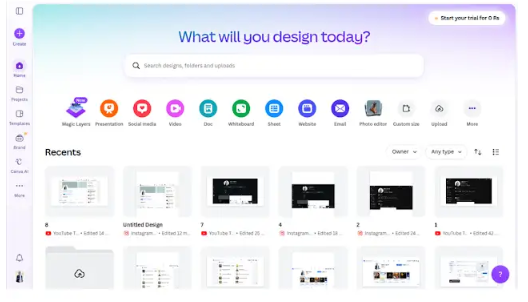
    Task Topic: How To download and use Canva


    **Step 1: Download or Access Canva**

    * **On Mobile (iPhone/Android) & iPad:** Open the App Store or Google Play Store, search for **Canva**, and tap download.
    * **On Desktop (Mac/Windows):** You can download the official Canva desktop app from their website, or simply use it directly in your web browser at [canva.com](https://www.canva.com) without downloading anything.

    **Step 2: Sign Up / Log In**

    * Open Canva and create a free account using your Google account, Facebook, Apple ID, or email.

    **Step 3: Create Your First Design**

    * Tap the **"+" button** or use the search bar to choose what you want to make (e.g., "Instagram Post", "Flyer", "Resume").
    * Pick a professional, pre-made template or start with a blank canvas.

    **Step 4: Customize & Export**

    * Tap on text to change it, swap out images, tweak colors, or add stickers.
    * Once you are happy with your creation, tap the **Share/Download button** (usually an arrow icon in the top right corner) to save it to your device as a PNG, JPG, or PDF


    #Canva #GraphicDesign #ContentCreator #DesignMadeEasy #CreativityUnleashed #DIYDesign #SocialMediaMarketing #CanvaLove #SmallBusinessTools
    RSIF8 Roll no.29 Task no.7 Task Topic: How To download and use Canva **Step 1: Download or Access Canva** * **On Mobile (iPhone/Android) & iPad:** Open the App Store or Google Play Store, search for **Canva**, and tap download. * **On Desktop (Mac/Windows):** You can download the official Canva desktop app from their website, or simply use it directly in your web browser at [canva.com](https://www.canva.com) without downloading anything. **Step 2: Sign Up / Log In** * Open Canva and create a free account using your Google account, Facebook, Apple ID, or email. **Step 3: Create Your First Design** * Tap the **"+" button** or use the search bar to choose what you want to make (e.g., "Instagram Post", "Flyer", "Resume"). * Pick a professional, pre-made template or start with a blank canvas. **Step 4: Customize & Export** * Tap on text to change it, swap out images, tweak colors, or add stickers. * Once you are happy with your creation, tap the **Share/Download button** (usually an arrow icon in the top right corner) to save it to your device as a PNG, JPG, or PDF #Canva #GraphicDesign #ContentCreator #DesignMadeEasy #CreativityUnleashed #DIYDesign #SocialMediaMarketing #CanvaLove #SmallBusinessTools
    0 Comments 0 Shares 3120 Views
  • RSIF8
    Roll No: 113
    **Coding Task:** **"Courage doesn’t always roar." — Mary Anne Radmacher**

    **"Courage doesn’t always roar." — Mary Anne Radmacher **

    This project presents an inspiring message about **courage, inner strength, confidence, and perseverance**. The quote reminds us that courage is not always loud or dramatic. Sometimes, true courage can be found in quiet decisions, small steps, and the strength to continue even when we are afraid.

    Courage can mean facing difficult situations, speaking up when necessary, trying again after failure, or simply choosing to move forward despite uncertainty. It teaches us that being brave does not mean having no fear; it means continuing forward even when fear is present.

    **The message teaches us:**
    Courage can be quiet and powerful
    Being afraid does not mean being weak
    Small acts can require great bravery
    Believe in yourself during difficult moments
    Face challenges with determination
    Learn from failures and keep moving forward
    Inner strength can help us overcome obstacles

    Working on this project helped me practice creativity, visual communication, typography, layout, and presenting a meaningful motivational message through an engaging digital design. It also helped me understand how powerful ideas can be communicated through simple words and effective visual presentation.

    **Key Message:** Courage does not always have to be loud. Sometimes, courage is simply taking one more step, trying one more time, or believing in yourself when things become difficult.

    **Be Brave • Trust Yourself • Keep Moving Forward **

    #RSIF8 #RollNo113 #CodingTask #MaryAnneRadmacher #Courage #Bravery #InnerStrength #Motivation #Inspiration #Confidence #Determination #Perseverance #SelfBelief #GrowthMindset #PositiveThinking #PersonalGrowth #Success #Creativity #DigitalSkills #StudentProject #VisualDesign #GraphicDesign #KeepGoing #NeverGiveUp #BeBrave
    RSIF8 Roll No: 113 **Coding Task:** **"Courage doesn’t always roar." — Mary Anne Radmacher** 🦁💪 **"Courage doesn’t always roar." — Mary Anne Radmacher 🌟🕊️** This project presents an inspiring message about **courage, inner strength, confidence, and perseverance**. The quote reminds us that courage is not always loud or dramatic. Sometimes, true courage can be found in quiet decisions, small steps, and the strength to continue even when we are afraid. 💪✨ Courage can mean facing difficult situations, speaking up when necessary, trying again after failure, or simply choosing to move forward despite uncertainty. 🌱🎯 It teaches us that being brave does not mean having no fear; it means continuing forward even when fear is present. 💡 **The message teaches us:** 🔹 Courage can be quiet and powerful 🔹 Being afraid does not mean being weak 🔹 Small acts can require great bravery 🔹 Believe in yourself during difficult moments 🔹 Face challenges with determination 🔹 Learn from failures and keep moving forward 🔹 Inner strength can help us overcome obstacles Working on this project helped me practice creativity, visual communication, typography, layout, and presenting a meaningful motivational message through an engaging digital design. 🎨💻 It also helped me understand how powerful ideas can be communicated through simple words and effective visual presentation. 🌟 **Key Message:** Courage does not always have to be loud. Sometimes, courage is simply taking one more step, trying one more time, or believing in yourself when things become difficult. 🕊️💫 **Be Brave • Trust Yourself • Keep Moving Forward 🚀** #RSIF8 #RollNo113 #CodingTask #MaryAnneRadmacher #Courage #Bravery #InnerStrength #Motivation #Inspiration #Confidence #Determination #Perseverance #SelfBelief #GrowthMindset #PositiveThinking #PersonalGrowth #Success #Creativity #DigitalSkills #StudentProject #VisualDesign #GraphicDesign #KeepGoing #NeverGiveUp #BeBrave
    0 Comments 0 Shares 2707 Views
  • RSIF 8
    Roll no 93
    Ted talk no 22
    Task topic:Watch "What makes you special?" Bilkul. Agar aap **sirf English mein 3-minute ki easy, natural speaking script** chahte hain, to yeh use karein:

    # 3-Minute Review: “What Makes You Special?” – Mariana Atencio

    Assalam-o-Alaikum everyone!

    Today I am going to share my review of the talk **“What Makes You Special?” by Mariana Atencio.**

    I really liked this talk because it gives us a very powerful message about being ourselves. The talk made me think about what makes each person different and special.

    One of the main things I learned is that we should not always compare ourselves with other people. Sometimes we look at other people and think they are more successful, more talented, or better than us. But everyone has a different journey. We all have different experiences, skills, challenges, and stories.

    I learned that our differences are not weaknesses. In fact, our differences can become our strengths. The things that make us different can help us see the world in a different way and can make us valuable to other people.

    Another important lesson I learned from this talk is to accept ourselves. We do not have to be perfect to be special. We should be confident about who we are and should not be afraid to show our real personality.

    Our life experiences also make us special. The challenges we face, the mistakes we make, and the lessons we learn all become part of our story. Instead of hiding our past or feeling bad about our differences, we can learn from them and use them to become stronger.

    After watching this talk, I feel more motivated to focus on my own journey. I want to improve myself, learn new skills, and become a better version of myself instead of comparing myself with others.

    Overall, I really enjoyed Mariana Atencio’s talk. I think it is especially useful for students and young people because it teaches us about confidence, identity, individuality, and believing in ourselves.

    My biggest takeaway from this talk is simple:

    **We should not try to become someone else. We should discover what makes us special and use it as our strength.**

    I would definitely recommend this talk to others because it can mak
    RSIF 8 Roll no 93 Ted talk no 22 Task topic:Watch "What makes you special?" Bilkul. Agar aap **sirf English mein 3-minute ki easy, natural speaking script** chahte hain, to yeh use karein: # 3-Minute Review: “What Makes You Special?” – Mariana Atencio Assalam-o-Alaikum everyone! Today I am going to share my review of the talk **“What Makes You Special?” by Mariana Atencio.** I really liked this talk because it gives us a very powerful message about being ourselves. The talk made me think about what makes each person different and special. One of the main things I learned is that we should not always compare ourselves with other people. Sometimes we look at other people and think they are more successful, more talented, or better than us. But everyone has a different journey. We all have different experiences, skills, challenges, and stories. I learned that our differences are not weaknesses. In fact, our differences can become our strengths. The things that make us different can help us see the world in a different way and can make us valuable to other people. Another important lesson I learned from this talk is to accept ourselves. We do not have to be perfect to be special. We should be confident about who we are and should not be afraid to show our real personality. Our life experiences also make us special. The challenges we face, the mistakes we make, and the lessons we learn all become part of our story. Instead of hiding our past or feeling bad about our differences, we can learn from them and use them to become stronger. After watching this talk, I feel more motivated to focus on my own journey. I want to improve myself, learn new skills, and become a better version of myself instead of comparing myself with others. Overall, I really enjoyed Mariana Atencio’s talk. I think it is especially useful for students and young people because it teaches us about confidence, identity, individuality, and believing in ourselves. My biggest takeaway from this talk is simple: **We should not try to become someone else. We should discover what makes us special and use it as our strength.** I would definitely recommend this talk to others because it can mak
    0 Comments 0 Shares 732 Views
  • accl task
    day 69
    week 3
    task: story post 69
    topic:Acids and Bases: The Balance of Nature
    Title: Acids and Bases: The Balance of Nature

    One afternoon, a curious student named Ayan entered the chemistry laboratory.

    On the table were several ordinary substances: lemon juice, vinegar, baking soda, soap, and pure water.

    Ayan looked at them and asked his teacher,

    “How can such different substances all be part of the same scientific system?”

    His teacher smiled.

    “Because many of them can be understood through the chemistry of acids, bases, and balance.”

    Ayan became curious.

    The World of Acids

    The teacher first placed a small amount of lemon juice on the table.

    “Lemon juice contains citric acid,” she explained.

    Acids are substances that, in water, increase the concentration of hydrogen ions (H⁺). Many acids have a sour taste, although scientists never identify an unknown chemical by tasting it.

    Ayan had seen acids in everyday life without realizing it.

    Vinegar contains acetic acid.

    The stomach naturally contains hydrochloric acid, which helps with digestion.

    Even some fruits contain naturally occurring acids.

    Ayan began to understand that the word “acid” did not always mean something dangerous.

    Discovering Bases

    Next, the teacher showed him a solution of baking soda.

    “This behaves as a base in water,” she said.

    Bases generally increase the concentration of hydroxide ions or accept hydrogen ions, depending on the chemical definition being used.

    Many basic substances are found around us.

    Some cleaning products are basic.

    Soap solutions are often basic.

    Certain minerals and compounds in nature can also behave as bases.

    Ayan realized that acids and bases were not simply opposites in a textbook.

    They were part of everyday chemistry.

    The pH Scale

    The teacher then drew a colorful scale on the board.

    It was the pH scale.

    “pH helps us describe how acidic or basic an aqueous solution is,” she explained.

    At about pH 7, a solution is considered neutral under standard conditions, such as pure water at around room temperature.

    Values below 7 are generally acidic.

    Values above 7 are generally basic.

    Ayan looked at the scale with fascination.

    The numbers seemed simple, but they represented important chemical differences.

    The teacher added:

    “The pH scale is logarithmic. A change of one pH unit represents a tenfold change in hydrogen-ion concentration.”

    Ayan suddenly realized that even a small numerical change could represent a significant chemical difference.

    When Acids and Bases Meet

    Then the teacher performed an experiment.

    She carefully combined an acid with a base.

    The two substances reacted.

    In many common acid-base reactions, the products include water and a salt. This type of reaction is often called neutralization.

    Ayan watched as the chemistry changed before his eyes.

    “So acids and bases can balance each other?” he asked.

    “In the right conditions, yes,” his teacher replied.

    “But neutralization does not always mean the final mixture has exactly pH 7. The result depends on the substances and their amounts.”

    Ayan nodded.

    Chemistry was more precise than he had imagined.

    Balance in Nature

    The teacher then showed Ayan pictures of lakes, soil, oceans, and living organisms.

    “Acid-base balance is important in nature too.”

    Soil chemistry can influence how nutrients are available to plants.

    The pH of freshwater can affect aquatic organisms.

    Ocean chemistry is also changing as the ocean absorbs carbon dioxide from the atmosphere, which leads to ocean acidification.

    This does not mean the ocean suddenly becomes a strong acid.

    Instead, its seawater chemistry shifts toward greater acidity, with important consequences for organisms that build shells or skeletons from calcium carbonate.

    Ayan began to see that chemistry was connected to the entire environment.

    Balance Inside the Human Body

    The teacher then explained that acid-base balance is also essential inside the human body.

    Blood normally stays within a narrow pH range.

    The body uses several systems—including the lungs and kidneys—to help regulate this balance.

    The lungs influence carbon dioxide levels, while the kidneys help regulate acids and bases over longer periods.

    Ayan was amazed.

    “Even our bodies have their own chemical balancing systems?”

    “Exactly,” said his teacher.

    The Power of Buffers

    There was one final concept.

    The teacher added:

    “Some solutions contain buffers.”

    Buffers help resist large changes in pH when relatively small amounts of acid or base are added.

    Ayan learned that buffer systems are important in chemistry, biology, medicine, and many natural environments.

    They help keep chemical conditions within useful ranges.

    The Lesson of Balance

    As the lesson ended, Ayan looked again at the bottles on the laboratory table.

    Lemon juice.

    Vinegar.

    Baking soda.

    Water.

    They seemed ordinary.

    But behind each substance was a world of chemical reactions, ions, and equilibrium.

    Ayan finally understood the lesson.

    Acids and bases are not simply about “strong” and “weak” chemicals.

    They are part of a larger story about chemical balance.

    From a laboratory experiment to soil, oceans, and living organisms, acid-base chemistry helps explain how many systems behave.

    Final Thought

    Nature depends on balance.

    Too much of one chemical condition can change an entire system, while the right balance can help maintain stability.

    Acids and bases teach us an important scientific lesson:9 sometimes, understanding two different forces interact is the key to understanding the system as a when

    accl task day 69 week 3 task: story post 69 topic:Acids and Bases: The Balance of Nature Title: 🧪 Acids and Bases: The Balance of Nature One afternoon, a curious student named Ayan entered the chemistry laboratory. On the table were several ordinary substances: lemon juice, vinegar, baking soda, soap, and pure water. Ayan looked at them and asked his teacher, “How can such different substances all be part of the same scientific system?” His teacher smiled. “Because many of them can be understood through the chemistry of acids, bases, and balance.” Ayan became curious. 🍋 The World of Acids The teacher first placed a small amount of lemon juice on the table. “Lemon juice contains citric acid,” she explained. Acids are substances that, in water, increase the concentration of hydrogen ions (H⁺). Many acids have a sour taste, although scientists never identify an unknown chemical by tasting it. Ayan had seen acids in everyday life without realizing it. Vinegar contains acetic acid. The stomach naturally contains hydrochloric acid, which helps with digestion. Even some fruits contain naturally occurring acids. Ayan began to understand that the word “acid” did not always mean something dangerous. 🧼 Discovering Bases Next, the teacher showed him a solution of baking soda. “This behaves as a base in water,” she said. Bases generally increase the concentration of hydroxide ions or accept hydrogen ions, depending on the chemical definition being used. Many basic substances are found around us. Some cleaning products are basic. Soap solutions are often basic. Certain minerals and compounds in nature can also behave as bases. Ayan realized that acids and bases were not simply opposites in a textbook. They were part of everyday chemistry. 🌈 The pH Scale The teacher then drew a colorful scale on the board. It was the pH scale. “pH helps us describe how acidic or basic an aqueous solution is,” she explained. At about pH 7, a solution is considered neutral under standard conditions, such as pure water at around room temperature. Values below 7 are generally acidic. Values above 7 are generally basic. Ayan looked at the scale with fascination. The numbers seemed simple, but they represented important chemical differences. The teacher added: “The pH scale is logarithmic. A change of one pH unit represents a tenfold change in hydrogen-ion concentration.” Ayan suddenly realized that even a small numerical change could represent a significant chemical difference. ⚖️ When Acids and Bases Meet Then the teacher performed an experiment. She carefully combined an acid with a base. The two substances reacted. In many common acid-base reactions, the products include water and a salt. This type of reaction is often called neutralization. Ayan watched as the chemistry changed before his eyes. “So acids and bases can balance each other?” he asked. “In the right conditions, yes,” his teacher replied. “But neutralization does not always mean the final mixture has exactly pH 7. The result depends on the substances and their amounts.” Ayan nodded. Chemistry was more precise than he had imagined. 🌱 Balance in Nature The teacher then showed Ayan pictures of lakes, soil, oceans, and living organisms. “Acid-base balance is important in nature too.” Soil chemistry can influence how nutrients are available to plants. The pH of freshwater can affect aquatic organisms. Ocean chemistry is also changing as the ocean absorbs carbon dioxide from the atmosphere, which leads to ocean acidification. This does not mean the ocean suddenly becomes a strong acid. Instead, its seawater chemistry shifts toward greater acidity, with important consequences for organisms that build shells or skeletons from calcium carbonate. Ayan began to see that chemistry was connected to the entire environment. 🧬 Balance Inside the Human Body The teacher then explained that acid-base balance is also essential inside the human body. Blood normally stays within a narrow pH range. The body uses several systems—including the lungs and kidneys—to help regulate this balance. The lungs influence carbon dioxide levels, while the kidneys help regulate acids and bases over longer periods. Ayan was amazed. “Even our bodies have their own chemical balancing systems?” “Exactly,” said his teacher. 🔬 The Power of Buffers There was one final concept. The teacher added: “Some solutions contain buffers.” Buffers help resist large changes in pH when relatively small amounts of acid or base are added. Ayan learned that buffer systems are important in chemistry, biology, medicine, and many natural environments. They help keep chemical conditions within useful ranges. 🌍 The Lesson of Balance As the lesson ended, Ayan looked again at the bottles on the laboratory table. Lemon juice. Vinegar. Baking soda. Water. They seemed ordinary. But behind each substance was a world of chemical reactions, ions, and equilibrium. Ayan finally understood the lesson. Acids and bases are not simply about “strong” and “weak” chemicals. They are part of a larger story about chemical balance. From a laboratory experiment to soil, oceans, and living organisms, acid-base chemistry helps explain how many systems behave. ⚗️ Final Thought Nature depends on balance. Too much of one chemical condition can change an entire system, while the right balance can help maintain stability. Acids and bases teach us an important scientific lesson:9 sometimes, understanding two different forces interact is the key to understanding the system as a when

    0 Comments 0 Shares 3405 Views
More Results