• ACCL book
    rehan school urdu bazar
    roll no 11
    foundation level
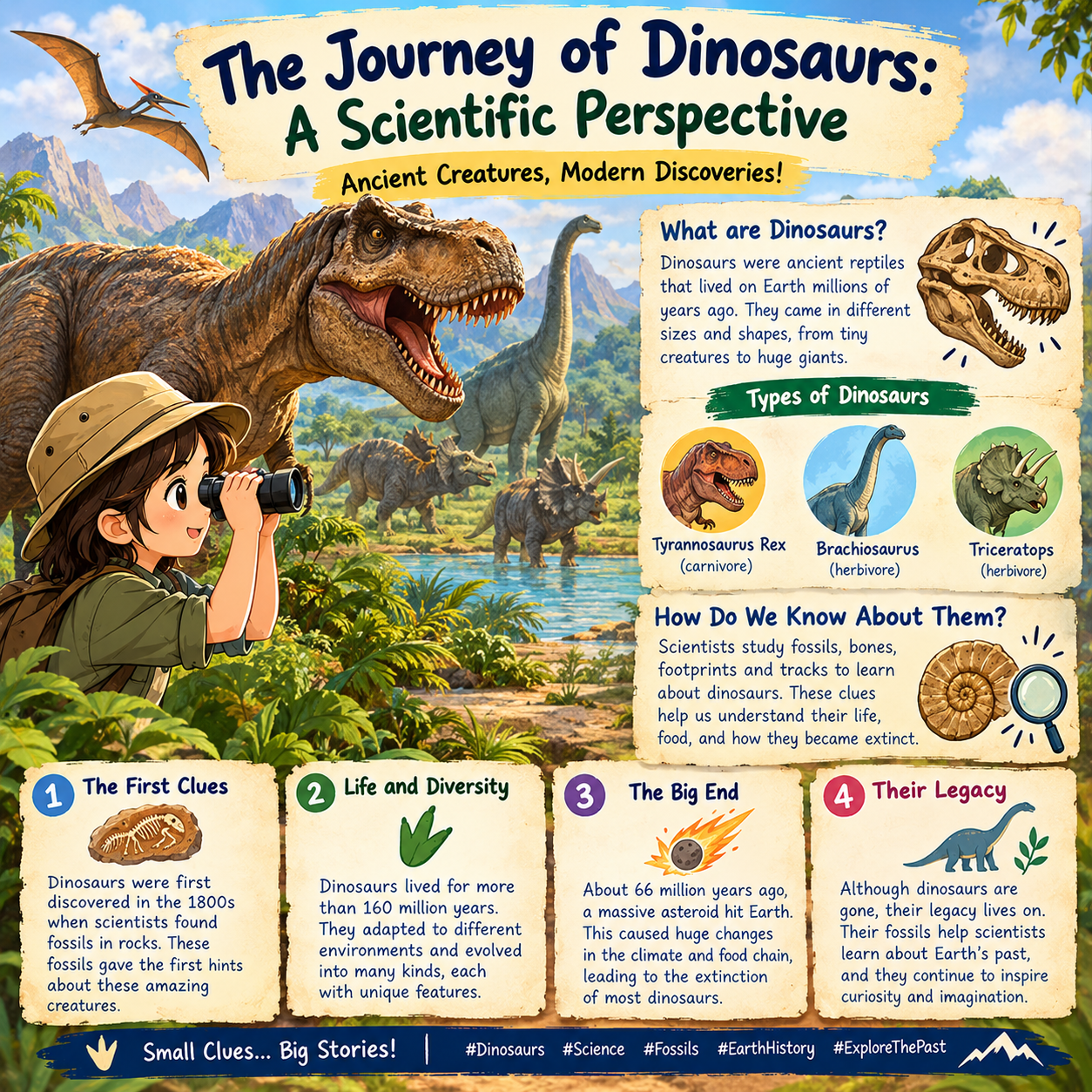
    **Paragraph 1: The Age of Dinosaurs**

    Millions of years ago, dinosaurs lived on Earth. They came in many shapes and sizes. Some were enormous plant-eaters, while others were powerful meat-eaters.

    **Paragraph 2: Different Types of Dinosaurs**

    There were many kinds of dinosaurs. Tyrannosaurus rex was a meat-eater with sharp teeth. Brachiosaurus had a long neck, and Triceratops had three horns on its head.

    **Paragraph 3: How Scientists Study Dinosaurs**

    Scientists learn about dinosaurs by studying fossils, bones, and footprints. These discoveries help them understand how dinosaurs lived, what they ate, and how they moved.

    **Paragraph 4: The End of Their Journey**

    About 66 million years ago, a huge asteroid struck Earth, causing major environmental changes. Most dinosaurs disappeared, but birds evolved from a group of dinosaurs. Today, fossils help scientists uncover their amazing history.**پیراگراف 1: ڈائنوسار کا دور**

    لاکھوں سال پہلے ڈائنوسار زمین پر رہتے تھے۔ ان کی شکلیں اور جسامت مختلف ہوتی تھیں۔ کچھ پودے کھاتے تھے، جبکہ کچھ دوسرے جانوروں کا شکار کرتے تھے۔

    **پیراگراف 2: ڈائنوسار کی مختلف اقسام**

    ڈائنوسار کی بہت سی اقسام تھیں۔ ٹائرانوسورس ریکس گوشت خور تھا اور اس کے دانت تیز تھے۔ بریچیوسورس کی گردن لمبی تھی، جبکہ ٹرائیسیراٹاپس کے سر پر تین سینگ تھے۔

    **پیراگراف 3: سائنس دان ڈائنوسار کے بارے میں کیسے جانتے ہیں؟**

    سائنس دان ڈائنوسار کی ہڈیوں، فوسلز اور قدموں کے نشانات کا مطالعہ کرتے ہیں۔ ان دریافتوں سے انہیں معلوم ہوتا ہے کہ ڈائنوسار کیسے رہتے، کیا کھاتے اور کیسے چلتے تھے۔

    **پیراگراف 4: ڈائنوسار کے سفر کا اختتام**

    تقریباً چھ کروڑ ساٹھ لاکھ سال پہلے ایک بڑا سیارچہ زمین سے ٹکرایا، جس سے ماحول میں بڑی تبدیلیاں آئیں۔ زیادہ تر ڈائنوسار ختم ہوگئے، لیکن ڈائنوسار کے ایک گروہ سے پرندے ارتقا پذیر ہوئے۔ آج بھی فوسلز سائنس دانوں کو ان کی حیرت انگیز تاریخ سمجھنے میں مدد دیتے ہیں۔
    ACCL book rehan school urdu bazar roll no 11 foundation level **Paragraph 1: The Age of Dinosaurs** Millions of years ago, dinosaurs lived on Earth. They came in many shapes and sizes. Some were enormous plant-eaters, while others were powerful meat-eaters. **Paragraph 2: Different Types of Dinosaurs** There were many kinds of dinosaurs. Tyrannosaurus rex was a meat-eater with sharp teeth. Brachiosaurus had a long neck, and Triceratops had three horns on its head. **Paragraph 3: How Scientists Study Dinosaurs** Scientists learn about dinosaurs by studying fossils, bones, and footprints. These discoveries help them understand how dinosaurs lived, what they ate, and how they moved. **Paragraph 4: The End of Their Journey** About 66 million years ago, a huge asteroid struck Earth, causing major environmental changes. Most dinosaurs disappeared, but birds evolved from a group of dinosaurs. Today, fossils help scientists uncover their amazing history.**پیراگراف 1: ڈائنوسار کا دور** لاکھوں سال پہلے ڈائنوسار زمین پر رہتے تھے۔ ان کی شکلیں اور جسامت مختلف ہوتی تھیں۔ کچھ پودے کھاتے تھے، جبکہ کچھ دوسرے جانوروں کا شکار کرتے تھے۔ **پیراگراف 2: ڈائنوسار کی مختلف اقسام** ڈائنوسار کی بہت سی اقسام تھیں۔ ٹائرانوسورس ریکس گوشت خور تھا اور اس کے دانت تیز تھے۔ بریچیوسورس کی گردن لمبی تھی، جبکہ ٹرائیسیراٹاپس کے سر پر تین سینگ تھے۔ **پیراگراف 3: سائنس دان ڈائنوسار کے بارے میں کیسے جانتے ہیں؟** سائنس دان ڈائنوسار کی ہڈیوں، فوسلز اور قدموں کے نشانات کا مطالعہ کرتے ہیں۔ ان دریافتوں سے انہیں معلوم ہوتا ہے کہ ڈائنوسار کیسے رہتے، کیا کھاتے اور کیسے چلتے تھے۔ **پیراگراف 4: ڈائنوسار کے سفر کا اختتام** تقریباً چھ کروڑ ساٹھ لاکھ سال پہلے ایک بڑا سیارچہ زمین سے ٹکرایا، جس سے ماحول میں بڑی تبدیلیاں آئیں۔ زیادہ تر ڈائنوسار ختم ہوگئے، لیکن ڈائنوسار کے ایک گروہ سے پرندے ارتقا پذیر ہوئے۔ آج بھی فوسلز سائنس دانوں کو ان کی حیرت انگیز تاریخ سمجھنے میں مدد دیتے ہیں۔
    0 Comments 0 Shares 115 Views
  • accl book
    rehan school urdu bazar campus
    roll no 16
    foundation leval
    Day 41
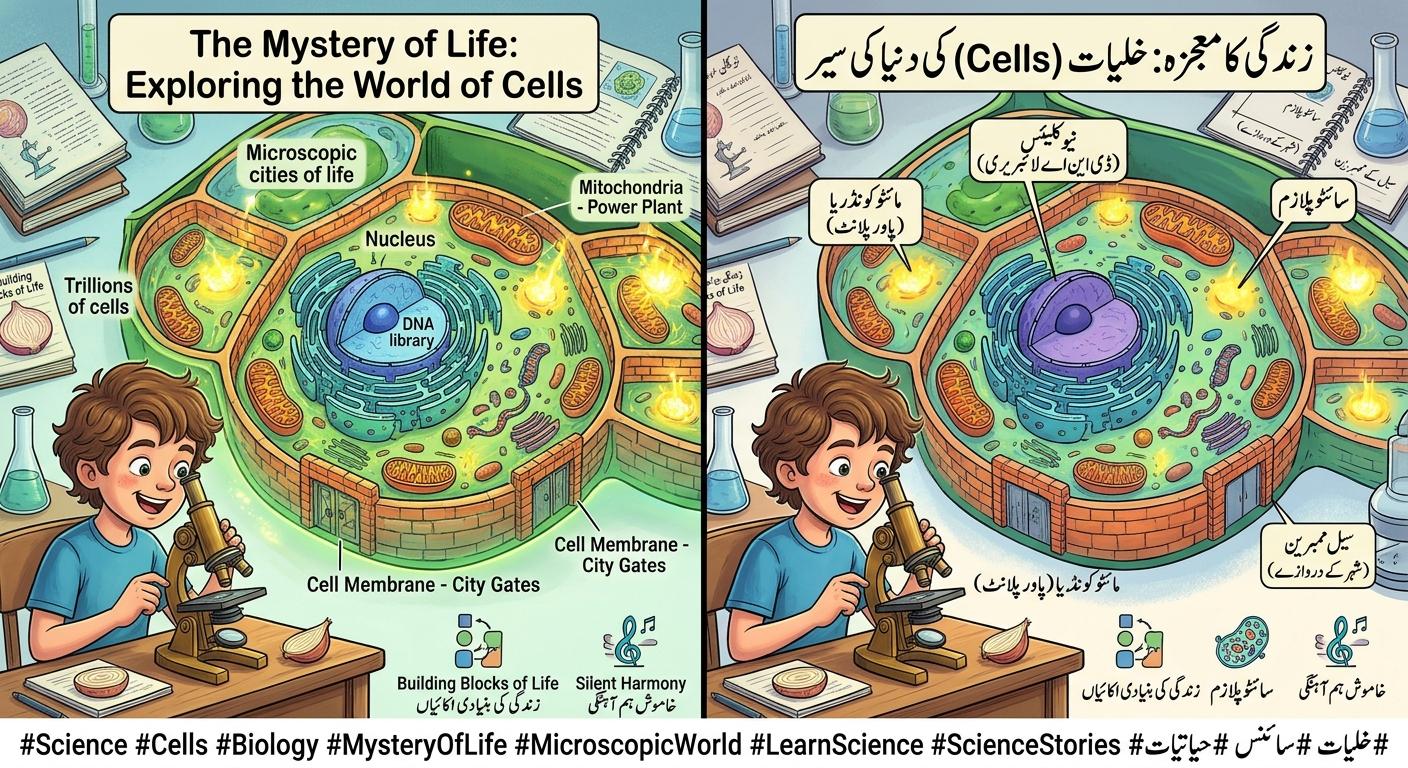
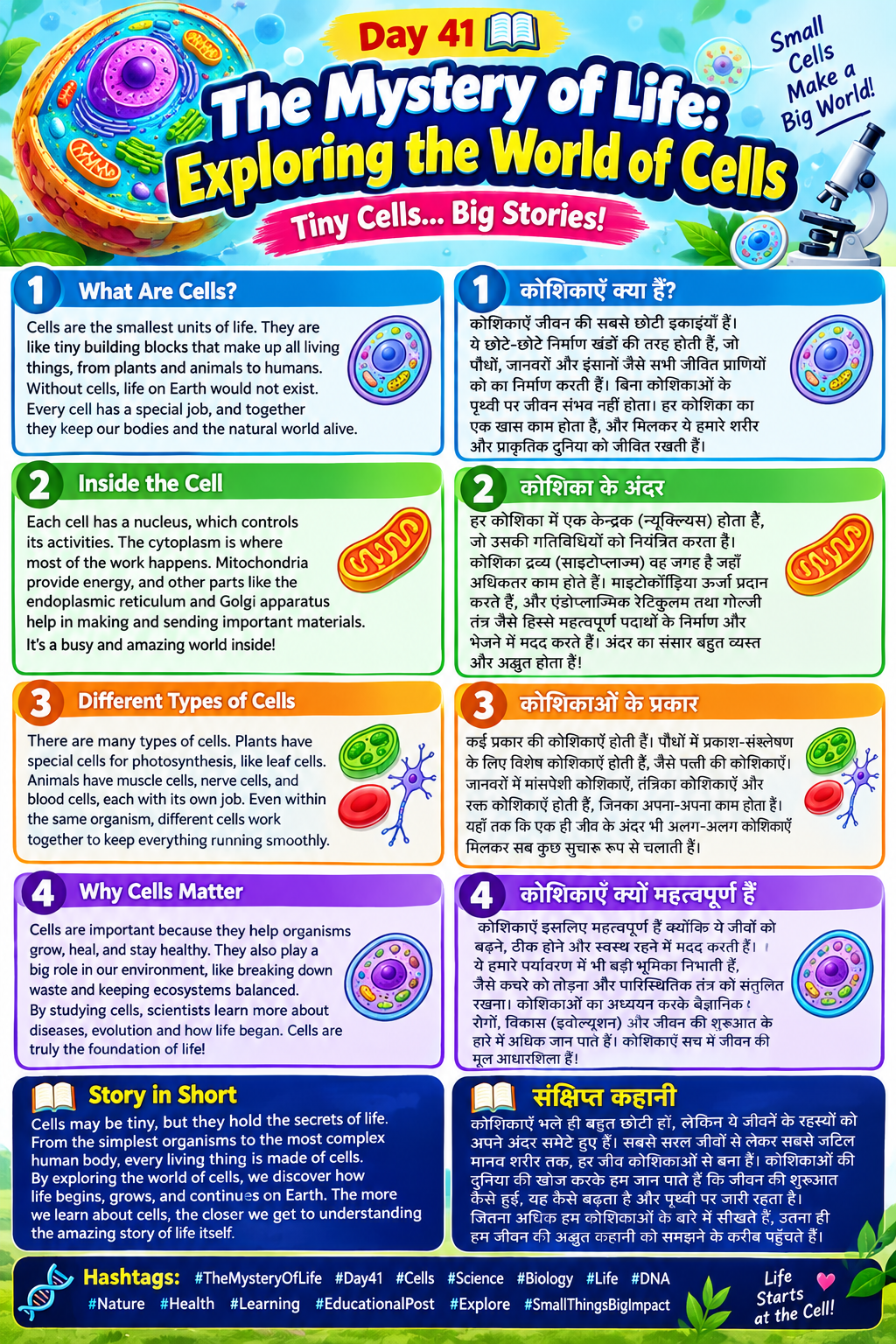
    Day 41: The Mystery of Life — Exploring the World of Cells
    English Story — Paragraph 1
    Cells are the tiny building blocks of life. Every living thing on Earth, including humans, animals, and plants, is made of cells. Although cells are extremely small and cannot usually be seen without a microscope, they perform amazing jobs every day. Our bodies contain billions and billions of cells that help us breathe, grow, move, digest food, and stay healthy. Each cell has its own special role, just like every worker in a big team. Some cells carry oxygen through our blood, while others help our bodies fight germs and repair damaged tissues. Without cells, life as we know it would not exist. These tiny structures are the foundation of all living things, and they hold many fascinating secrets about the natural world.
    English Story — Paragraph 2
    Inside every cell, there is a wonderful world of different parts working together. The nucleus acts like a control center, while the cytoplasm provides a place for many important activities to happen. The cell membrane protects the cell and controls what enters and leaves it. In plant cells, chloroplasts help plants make their own food using sunlight, water, and carbon dioxide. Mitochondria release energy that cells need to perform their functions. Scientists study cells with powerful microscopes to understand how living things grow, develop, and survive. By exploring the mystery of cells, we learn more about our bodies, diseases, nature, and the history of life. Even though cells are tiny, their importance is enormous. The more we discover about cells, the more we understand the amazing mystery of life!

    اردو کہانی — پیراگراف 1
    خلیے زندگی کی بنیادی اور انتہائی چھوٹی اکائیاں ہیں۔ زمین پر موجود تمام جاندار، جن میں انسان، جانور اور پودے شامل ہیں، خلیوں سے مل کر بنے ہیں۔ اگرچہ خلیے اتنے چھوٹے ہوتے ہیں کہ انہیں عام طور پر خوردبین کے بغیر دیکھنا ممکن نہیں ہوتا، لیکن یہ ہر روز حیرت انگیز کام انجام دیتے ہیں۔ ہمارے جسم میں اربوں خلیے موجود ہیں جو ہمیں سانس لینے، بڑھنے، حرکت کرنے، خوراک ہضم کرنے اور صحت مند رہنے میں مدد دیتے ہیں۔ ہر خلیے کا اپنا ایک خاص کام ہوتا ہے، بالکل اسی طرح جیسے کسی بڑی ٹیم میں ہر فرد کی الگ ذمہ داری ہوتی ہے۔ کچھ خلیے خون کے ذریعے آکسیجن پہنچاتے ہیں، جبکہ دوسرے جراثیم سے لڑنے اور جسم کے خراب حصوں کی مرمت کرنے میں مدد دیتے ہیں۔ اگر خلیے نہ ہوتے تو زندگی کا وجود ممکن نہ ہوتا۔ یہی ننھے خلیے تمام جانداروں کی بنیاد ہیں اور قدرتی دنیا کے بہت سے حیرت انگیز راز اپنے اندر رکھتے ہیں۔
    اردو کہانی — پیراگراف 2
    ہر خلیے کے اندر مختلف حصوں کی ایک حیرت انگیز دنیا موجود ہوتی ہے، جہاں ہر حصہ مل کر کام کرتا ہے۔ خلیے کا مرکز، جسے نیوکلیئس کہتے ہیں، ایک کنٹرول سینٹر کی طرح کام کرتا ہے۔ سائٹوپلازم خلیے کے اندر موجود وہ مادہ ہے جہاں بہت سی اہم سرگرمیاں انجام پاتی ہیں۔ خلیے کی جھلی اس کی حفاظت کرتی ہے اور یہ کنٹرول کرتی ہے کہ کون سے مادے اندر داخل ہوں اور کون سے باہر نکلیں۔ پودوں کے خلیوں میں کلوروپلاسٹ سورج کی روشنی، پانی اور کاربن ڈائی آکسائیڈ کی مدد سے خوراک بنانے میں مدد دیتے ہیں۔ مائٹوکونڈریا خلیے کو کام کرنے کے لیے توانائی فراہم کرتے ہیں۔ سائنس دان خوردبین کے ذریعے خلیوں کا مطالعہ کرتے ہیں تاکہ یہ سمجھ سکیں کہ جاندار کس طرح بڑھتے، ترقی کرتے اور زندہ رہتے ہیں۔ خلیوں کی دنیا کو جاننے سے ہمیں انسانی جسم، بیماریوں اور قدرت کے بارے میں بہت کچھ سیکھنے کو ملتا ہے۔ خلیے بظاہر بہت چھوٹے ہیں، لیکن زندگی میں ان کی اہمیت بے حد بڑی ہے!

    Hashtags
    #TheMysteryOfLife #Day41 #Cells #CellBiology #Science #Biology #HumanBody #MicroscopicWorld #LifeScience #Education #Learning #علم #خلیے #سائنس #حیاتیات #زندگی_کے_راز
    accl book rehan school urdu bazar campus roll no 16 foundation leval Day 41 📖 Day 41: The Mystery of Life — Exploring the World of Cells 🌍 English Story — Paragraph 1 Cells are the tiny building blocks of life. Every living thing on Earth, including humans, animals, and plants, is made of cells. Although cells are extremely small and cannot usually be seen without a microscope, they perform amazing jobs every day. Our bodies contain billions and billions of cells that help us breathe, grow, move, digest food, and stay healthy. Each cell has its own special role, just like every worker in a big team. Some cells carry oxygen through our blood, while others help our bodies fight germs and repair damaged tissues. Without cells, life as we know it would not exist. These tiny structures are the foundation of all living things, and they hold many fascinating secrets about the natural world. 🔬 English Story — Paragraph 2 Inside every cell, there is a wonderful world of different parts working together. The nucleus acts like a control center, while the cytoplasm provides a place for many important activities to happen. The cell membrane protects the cell and controls what enters and leaves it. In plant cells, chloroplasts help plants make their own food using sunlight, water, and carbon dioxide. Mitochondria release energy that cells need to perform their functions. Scientists study cells with powerful microscopes to understand how living things grow, develop, and survive. By exploring the mystery of cells, we learn more about our bodies, diseases, nature, and the history of life. Even though cells are tiny, their importance is enormous. The more we discover about cells, the more we understand the amazing mystery of life! 🌸 اردو کہانی — پیراگراف 1 خلیے زندگی کی بنیادی اور انتہائی چھوٹی اکائیاں ہیں۔ زمین پر موجود تمام جاندار، جن میں انسان، جانور اور پودے شامل ہیں، خلیوں سے مل کر بنے ہیں۔ اگرچہ خلیے اتنے چھوٹے ہوتے ہیں کہ انہیں عام طور پر خوردبین کے بغیر دیکھنا ممکن نہیں ہوتا، لیکن یہ ہر روز حیرت انگیز کام انجام دیتے ہیں۔ ہمارے جسم میں اربوں خلیے موجود ہیں جو ہمیں سانس لینے، بڑھنے، حرکت کرنے، خوراک ہضم کرنے اور صحت مند رہنے میں مدد دیتے ہیں۔ ہر خلیے کا اپنا ایک خاص کام ہوتا ہے، بالکل اسی طرح جیسے کسی بڑی ٹیم میں ہر فرد کی الگ ذمہ داری ہوتی ہے۔ کچھ خلیے خون کے ذریعے آکسیجن پہنچاتے ہیں، جبکہ دوسرے جراثیم سے لڑنے اور جسم کے خراب حصوں کی مرمت کرنے میں مدد دیتے ہیں۔ اگر خلیے نہ ہوتے تو زندگی کا وجود ممکن نہ ہوتا۔ یہی ننھے خلیے تمام جانداروں کی بنیاد ہیں اور قدرتی دنیا کے بہت سے حیرت انگیز راز اپنے اندر رکھتے ہیں۔ 🧬 اردو کہانی — پیراگراف 2 ہر خلیے کے اندر مختلف حصوں کی ایک حیرت انگیز دنیا موجود ہوتی ہے، جہاں ہر حصہ مل کر کام کرتا ہے۔ خلیے کا مرکز، جسے نیوکلیئس کہتے ہیں، ایک کنٹرول سینٹر کی طرح کام کرتا ہے۔ سائٹوپلازم خلیے کے اندر موجود وہ مادہ ہے جہاں بہت سی اہم سرگرمیاں انجام پاتی ہیں۔ خلیے کی جھلی اس کی حفاظت کرتی ہے اور یہ کنٹرول کرتی ہے کہ کون سے مادے اندر داخل ہوں اور کون سے باہر نکلیں۔ پودوں کے خلیوں میں کلوروپلاسٹ سورج کی روشنی، پانی اور کاربن ڈائی آکسائیڈ کی مدد سے خوراک بنانے میں مدد دیتے ہیں۔ مائٹوکونڈریا خلیے کو کام کرنے کے لیے توانائی فراہم کرتے ہیں۔ سائنس دان خوردبین کے ذریعے خلیوں کا مطالعہ کرتے ہیں تاکہ یہ سمجھ سکیں کہ جاندار کس طرح بڑھتے، ترقی کرتے اور زندہ رہتے ہیں۔ خلیوں کی دنیا کو جاننے سے ہمیں انسانی جسم، بیماریوں اور قدرت کے بارے میں بہت کچھ سیکھنے کو ملتا ہے۔ خلیے بظاہر بہت چھوٹے ہیں، لیکن زندگی میں ان کی اہمیت بے حد بڑی ہے! 🏷️ Hashtags #TheMysteryOfLife #Day41 #Cells #CellBiology #Science #Biology #HumanBody #MicroscopicWorld #LifeScience #Education #Learning #علم #خلیے #سائنس #حیاتیات #زندگی_کے_راز
    0 Comments 0 Shares 245 Views
  • Accl Foundation level (Rehan School Urdu Bazar Campus)
    Day :62 Story post no : 9
    Roll no : 16
    Accl task
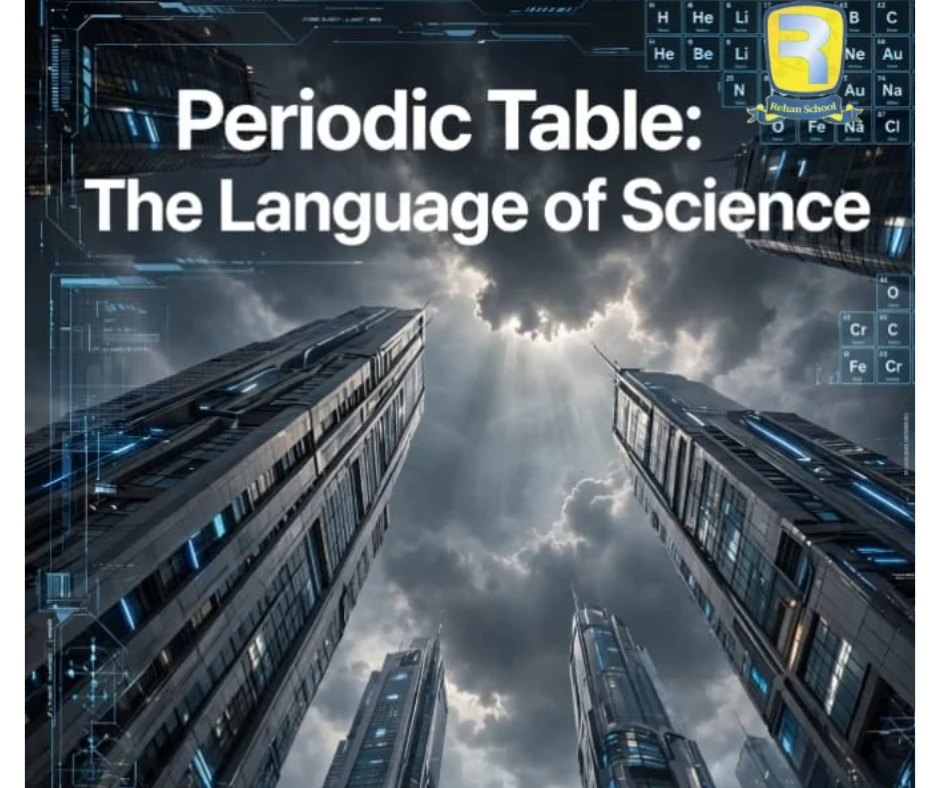
    > Periodic Table: The Language of Science
    > The Periodic Table is not just a chart on a wall, it is the alphabet of the universe! Just like we use 26 letters to make millions of words, nature uses 118 elements to make everything around us!
    > From the oxygen you breathe (O) to the gold in a ring (Au), from the iron in your blood (Fe) to the silicon in your phone — everything has a story written in this language!
    > Dmitri Mendeleev didn't just arrange elements, he gave science a dictionary to understand the world. Every box is a discovery, every symbol is a power!
    > Moral: If you learn this language, you can read the secrets of the whole universe!
    > Learn Elements, Understand Life!
    ### 2. Story / Description in Urdu (الف والی اردو):
    > پیریڈک ٹیبل: سائنس کی زبان
    > پیریڈک ٹیبل صرف دیوار پر لگا ایک چارٹ نہیں ہے، یہ کائنات کے حروفِ تہجی ہیں! جس طرح ہم 26 حروف سے لاکھوں الفاظ بناتے ہیں، اسی طرح قدرت 118 عناصر سے اس دنیا کی ہر چیز بناتی ہے!
    > آپ جو آکسیجن سانس لیتے ہیں (O) سے لے کر انگوٹھی میں موجود سونے (Au) تک، آپ کے خون میں موجود آئرن (Fe) سے لے کر آپ کے موبائل میں موجود سلیکون تک — ہر چیز کی کہانی اسی زبان میں لکھی ہوئی ہے!
    > دمتری مینڈلیف نے صرف عناصر کو ترتیب نہیں دیا، بلکہ اس نے سائنس کو دنیا کو سمجھنے کے لیے ایک لغت دی۔ ہر ڈبہ ایک دریافت ہے، ہر علامت ایک طاقت ہے!
    > سبق: اگر آپ یہ زبان سیکھ لیں، تو آپ پوری کائنات کے راز پڑھ سکتے ہیں!
    > عناصر سیکھو، زندگی کو سمجھو! See less
    Accl Foundation level (Rehan School Urdu Bazar Campus) Day :62 Story post no : 9 Roll no : 16 Accl task > 🧪 Periodic Table: The Language of Science 🔬 > The Periodic Table is not just a chart on a wall, it is the alphabet of the universe! 🌌 Just like we use 26 letters to make millions of words, nature uses 118 elements to make everything around us! ✨ > From the oxygen you breathe (O) to the gold in a ring (Au), from the iron in your blood (Fe) to the silicon in your phone — everything has a story written in this language! 💍📱🩸 > Dmitri Mendeleev didn't just arrange elements, he gave science a dictionary to understand the world. Every box is a discovery, every symbol is a power! 💪 > Moral: If you learn this language, you can read the secrets of the whole universe! 🚀 > 🔬 Learn Elements, Understand Life! 🔬 ### 2. Story / Description in Urdu (الف والی اردو): > 🧪 پیریڈک ٹیبل: سائنس کی زبان 🔬 > پیریڈک ٹیبل صرف دیوار پر لگا ایک چارٹ نہیں ہے، یہ کائنات کے حروفِ تہجی ہیں! 🌌 جس طرح ہم 26 حروف سے لاکھوں الفاظ بناتے ہیں، اسی طرح قدرت 118 عناصر سے اس دنیا کی ہر چیز بناتی ہے! ✨ > آپ جو آکسیجن سانس لیتے ہیں (O) سے لے کر انگوٹھی میں موجود سونے (Au) تک، آپ کے خون میں موجود آئرن (Fe) سے لے کر آپ کے موبائل میں موجود سلیکون تک — ہر چیز کی کہانی اسی زبان میں لکھی ہوئی ہے! 💍📱🩸 > دمتری مینڈلیف نے صرف عناصر کو ترتیب نہیں دیا، بلکہ اس نے سائنس کو دنیا کو سمجھنے کے لیے ایک لغت دی۔ ہر ڈبہ ایک دریافت ہے، ہر علامت ایک طاقت ہے! 💪 > سبق: اگر آپ یہ زبان سیکھ لیں، تو آپ پوری کائنات کے راز پڑھ سکتے ہیں! 🚀 > 🔬 عناصر سیکھو، زندگی کو سمجھو! 🔬 See less
    0 Comments 0 Shares 279 Views
  • ACCL Foundation Level (Rehan School Urdu Bazar Campus )
    Day : 48 Story Post No : 7
    Roll No : 16
    Accl task
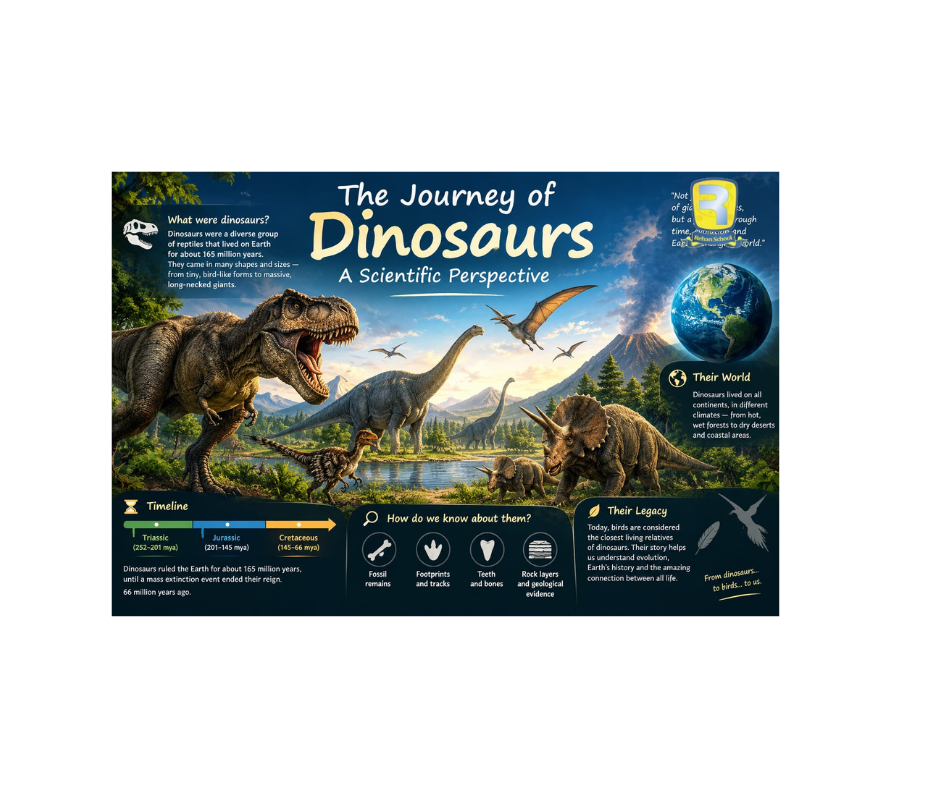
    The Journey of Dinosaurs: A Scientific Perspective
    English Story
    Millions of years ago, dinosaurs lived on Earth. Some were huge plant-eaters, while others were meat-eaters. Scientists study their fossils, bones, and footprints to learn about their lives.
    About 66 million years ago, most dinosaurs disappeared after a major extinction event, likely caused by a huge asteroid impact. However, birds today are the living descendants of a group of dinosaurs. Their journey helps us understand Earth's history and evolution.
    اردو کہانی
    لاکھوں سال پہلے زمین پر ڈائنوسار رہتے تھے۔ کچھ بہت بڑے تھے اور پودے کھاتے تھے، جبکہ کچھ دوسرے جانوروں کا شکار کرتے تھے۔ سائنس دان ان کی ہڈیوں، فوسلز اور قدموں کے نشانات سے ان کی زندگی کے بارے میں جانتے ہیں۔
    تقریباً 6 کروڑ 60 لاکھ سال پہلے ایک بڑے تباہ کن واقعے کے بعد زیادہ تر ڈائنوسار ختم ہو گئے۔ سائنس دانوں کے مطابق ایک بڑے شہابیے کے ٹکرانے نے اس میں اہم کردار ادا کیا۔ آج کے پرندے ڈائنوسار کے ایک گروہ کی نسل ہیں۔ ان کی تاریخ ہمیں زمین اور ارتقا کے بارے میں سکھاتی ہے۔
    ACCL Foundation Level (Rehan School Urdu Bazar Campus ) Day : 48 Story Post No : 7 Roll No : 16 Accl task 🦖 The Journey of Dinosaurs: A Scientific Perspective English Story 🌍 Millions of years ago, dinosaurs lived on Earth. Some were huge plant-eaters, while others were meat-eaters. Scientists study their fossils, bones, and footprints to learn about their lives. About 66 million years ago, most dinosaurs disappeared after a major extinction event, likely caused by a huge asteroid impact. However, birds today are the living descendants of a group of dinosaurs. Their journey helps us understand Earth's history and evolution. اردو کہانی 🦕 لاکھوں سال پہلے زمین پر ڈائنوسار رہتے تھے۔ کچھ بہت بڑے تھے اور پودے کھاتے تھے، جبکہ کچھ دوسرے جانوروں کا شکار کرتے تھے۔ سائنس دان ان کی ہڈیوں، فوسلز اور قدموں کے نشانات سے ان کی زندگی کے بارے میں جانتے ہیں۔ تقریباً 6 کروڑ 60 لاکھ سال پہلے ایک بڑے تباہ کن واقعے کے بعد زیادہ تر ڈائنوسار ختم ہو گئے۔ سائنس دانوں کے مطابق ایک بڑے شہابیے کے ٹکرانے نے اس میں اہم کردار ادا کیا۔ آج کے پرندے ڈائنوسار کے ایک گروہ کی نسل ہیں۔ ان کی تاریخ ہمیں زمین اور ارتقا کے بارے میں سکھاتی ہے۔ 🌿
    0 Comments 0 Shares 979 Views
  • ACCL Foundation Level
    Rehan School Urdu Bazar Campus
    Roll no. 04
    Day 41: Story Post

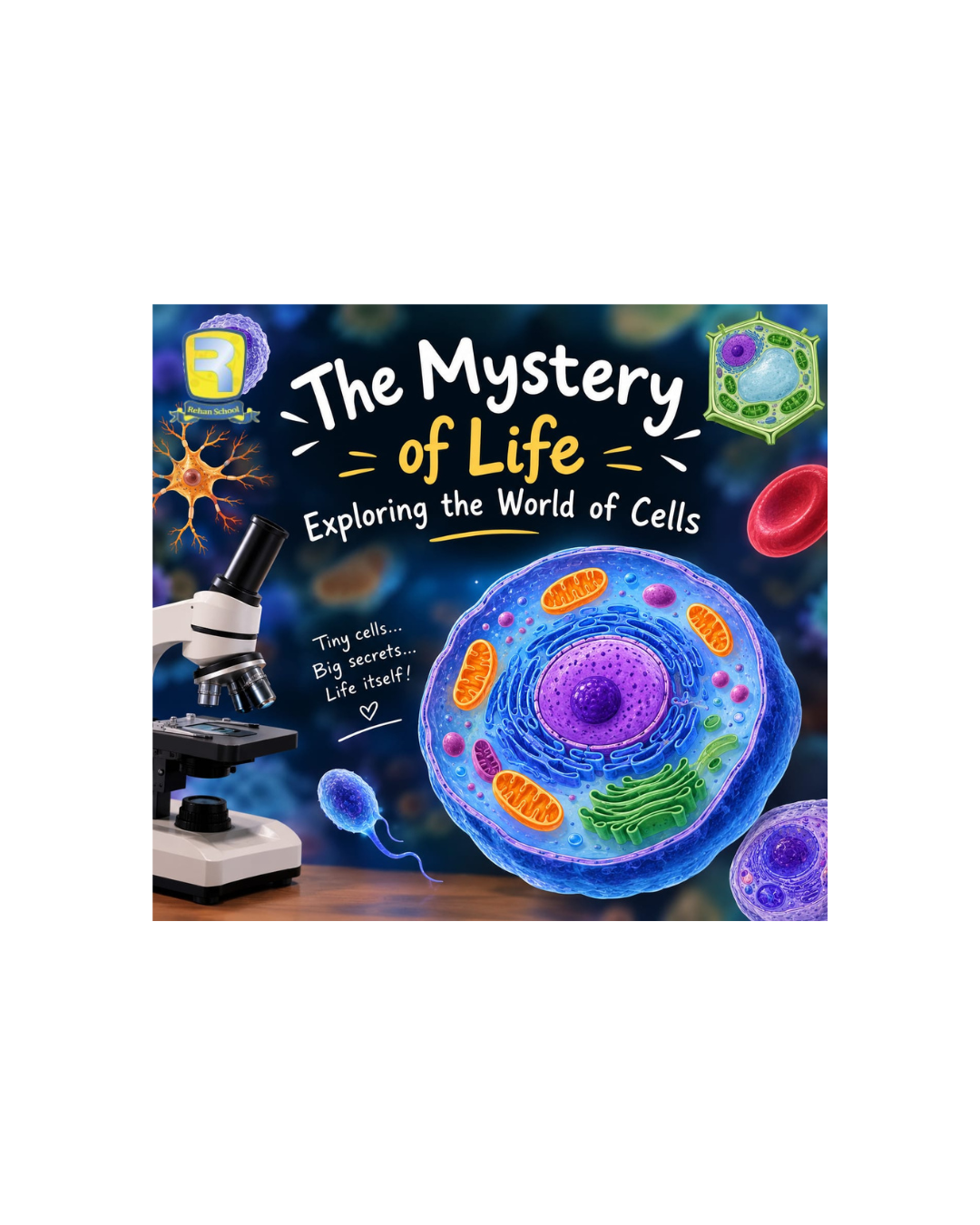
    # The Mystery of Life: Exploring the World of Cells

    ## English Story

    Once upon a time, there was a curious student who wanted to discover the mystery of life. One day, the student learned about cells, the tiny building blocks of all living things.

    With the help of a microscope, the student explored a drop of water and discovered a fascinating world of tiny structures. The student learned that plants, animals, and humans are all made of cells.

    Each cell has a special job. The nucleus controls the cell’s activities, the cell membrane protects it, and the mitochondria provide energy. Plant cells also have a cell wall and chloroplasts that help plants make their food.

    The student was amazed to discover that millions of tiny cells work together to help our bodies grow, heal, and stay alive. Although cells are too small to see with our eyes alone, they play a huge role in life.

    From that day on, the student understood that the smallest things can hold the biggest mysteries. Exploring the world of cells opened the door to a deeper understanding of nature, science, and the miracle of life.

    Moral: Every tiny part of life has a special purpose, and curiosity helps us discover the wonders of our world.

    ## اردو کہانی

    ایک دفعہ کا ذکر ہے کہ ایک تجسس رکھنے والا طالب علم زندگی کے راز جاننا چاہتا تھا۔ ایک دن اس نے خلیات (Cells) کے بارے میں سیکھا، جو تمام جانداروں کے جسم کی بنیادی اکائیاں ہیں۔

    خوردبین (Microscope) کی مدد سے اس طالب علم نے پانی کے ایک قطرے کا مشاہدہ کیا اور ایک حیرت انگیز چھوٹی دنیا دریافت کی۔ اس نے سیکھا کہ پودے، جانور اور انسان سب خلیات سے مل کر بنے ہیں۔

    ہر خلیے کا اپنا ایک خاص کام ہوتا ہے۔ نیوکلیئس خلیے کی سرگرمیوں کو کنٹرول کرتا ہے، خلیے کی جھلی اس کی حفاظت کرتی ہے، اور مائٹوکانڈریا توانائی فراہم کرتے ہیں۔ پودوں کے خلیوں میں خلیاتی دیوار اور کلوروپلاسٹ بھی ہوتے ہیں، جو پودوں کو خوراک بنانے میں مدد دیتے ہیں۔

    طالب علم یہ جان کر حیران رہ گیا کہ لاکھوں چھوٹے چھوٹے خلیے مل کر ہمارے جسم کو بڑھنے، زخموں کو ٹھیک کرنے اور زندہ رہنے میں مدد دیتے ہیں۔ اگرچہ ہم خلیات کو اپنی آنکھوں سے نہیں دیکھ سکتے، لیکن زندگی میں ان کا کردار بہت اہم ہے۔

    اس دن کے بعد طالب علم سمجھ گیا کہ دنیا کی سب سے چھوٹی چیزوں میں بھی بڑے راز چھپے ہو سکتے ہیں۔ خلیات کی دنیا کو دریافت کرنے سے اسے قدرت، سائنس اور زندگی کے حیرت انگیز نظام کو سمجھنے کا موقع ملا۔

    سبق: زندگی کا ہر چھوٹا حصہ ایک خاص مقصد رکھتا ہے، اور تجسس ہمیں دنیا کے حیرت انگیز راز دریافت کرنے میں مدد دیتا ہے۔

    ## Hashtags

    \#TheMysteryOfLife #ExploringCells #WorldOfCells #CellBiology #ScienceEducation #Microscope #Biology #AmazingScience #LifeScience #LearningIsFun #RehanSchool #UrduBazaarCampus #FoundationLevel
    ACCL Foundation Level Rehan School Urdu Bazar Campus Roll no. 04 Day 41: Story Post # The Mystery of Life: Exploring the World of Cells ## 🇬🇧 English Story Once upon a time, there was a curious student who wanted to discover the mystery of life. One day, the student learned about cells, the tiny building blocks of all living things. With the help of a microscope, the student explored a drop of water and discovered a fascinating world of tiny structures. The student learned that plants, animals, and humans are all made of cells. Each cell has a special job. The nucleus controls the cell’s activities, the cell membrane protects it, and the mitochondria provide energy. Plant cells also have a cell wall and chloroplasts that help plants make their food. The student was amazed to discover that millions of tiny cells work together to help our bodies grow, heal, and stay alive. Although cells are too small to see with our eyes alone, they play a huge role in life. From that day on, the student understood that the smallest things can hold the biggest mysteries. Exploring the world of cells opened the door to a deeper understanding of nature, science, and the miracle of life. Moral: Every tiny part of life has a special purpose, and curiosity helps us discover the wonders of our world. ## 🇵🇰 اردو کہانی ایک دفعہ کا ذکر ہے کہ ایک تجسس رکھنے والا طالب علم زندگی کے راز جاننا چاہتا تھا۔ ایک دن اس نے خلیات (Cells) کے بارے میں سیکھا، جو تمام جانداروں کے جسم کی بنیادی اکائیاں ہیں۔ خوردبین (Microscope) کی مدد سے اس طالب علم نے پانی کے ایک قطرے کا مشاہدہ کیا اور ایک حیرت انگیز چھوٹی دنیا دریافت کی۔ اس نے سیکھا کہ پودے، جانور اور انسان سب خلیات سے مل کر بنے ہیں۔ ہر خلیے کا اپنا ایک خاص کام ہوتا ہے۔ نیوکلیئس خلیے کی سرگرمیوں کو کنٹرول کرتا ہے، خلیے کی جھلی اس کی حفاظت کرتی ہے، اور مائٹوکانڈریا توانائی فراہم کرتے ہیں۔ پودوں کے خلیوں میں خلیاتی دیوار اور کلوروپلاسٹ بھی ہوتے ہیں، جو پودوں کو خوراک بنانے میں مدد دیتے ہیں۔ طالب علم یہ جان کر حیران رہ گیا کہ لاکھوں چھوٹے چھوٹے خلیے مل کر ہمارے جسم کو بڑھنے، زخموں کو ٹھیک کرنے اور زندہ رہنے میں مدد دیتے ہیں۔ اگرچہ ہم خلیات کو اپنی آنکھوں سے نہیں دیکھ سکتے، لیکن زندگی میں ان کا کردار بہت اہم ہے۔ اس دن کے بعد طالب علم سمجھ گیا کہ دنیا کی سب سے چھوٹی چیزوں میں بھی بڑے راز چھپے ہو سکتے ہیں۔ خلیات کی دنیا کو دریافت کرنے سے اسے قدرت، سائنس اور زندگی کے حیرت انگیز نظام کو سمجھنے کا موقع ملا۔ سبق: زندگی کا ہر چھوٹا حصہ ایک خاص مقصد رکھتا ہے، اور تجسس ہمیں دنیا کے حیرت انگیز راز دریافت کرنے میں مدد دیتا ہے۔ ## 🏷️ Hashtags \#TheMysteryOfLife #ExploringCells #WorldOfCells #CellBiology #ScienceEducation #Microscope #Biology #AmazingScience #LifeScience #LearningIsFun #RehanSchool #UrduBazaarCampus #FoundationLevel
    0 Comments 0 Shares 2466 Views
  • ACCL Foundation Level (Rehan School Urdu Bazar Campus )
    Day : 41 Story Post No: 6
    Roll No : 16
    Accl task
    The Mystery of Life: Exploring the World of Cells
    ---
    Once, a curious girl named Sara always asked one question: "What is life really made of?"
    One day, her science teacher didn't answer with words. She just placed a single drop of pond water under a microscope and said, "Look."
    Sara looked. And gasped.
    Inside that tiny, clear drop was an entire universe. Hundreds of tiny creatures swimming, spinning, eating, dividing. Little transparent bubbles were moving like they had a purpose.
    "What are they?" Sara whispered.
    "They are Cells," her teacher said. "The building blocks of all life. Every leaf, every bird, every human - including you - is made of them. You have about 37 trillion of them inside you right now."
    Sara couldn't believe it. "But they are so small!"
    "Small, but not simple," said the teacher. "Let's explore one."
    She showed Sara a diagram of a single cell.
    "See this? This dark circle in the middle is the Nucleus. Think of it as the brain or the control center. It holds all the instructions - your DNA - that tells the cell who you are.
    Around it is the Cytoplasm, a jelly-like fluid. It's like a busy factory floor where all the work happens. Food is turned into energy here.
    Scattered inside are tiny machines. Some are Mitochondria - the powerhouses that give you energy to run and laugh. Some are Ribosomes - tiny builders that make proteins.
    And finally, surrounding everything is the Cell Membrane. It's the gatekeeper, the wall of the city. It decides what goes in and what stays out, keeping the cell safe."
    Sara stared, amazed. "So... inside me, there are trillions of little cities, all working together?"
    "Exactly," the teacher smiled. "When cells of the same kind join together, they form tissues. Tissues join to form organs, like your heart and brain. And organs join to form... you."
    "So life isn't one big thing," Sara said slowly. "Life is billions of tiny lives working as one team."
    The teacher nodded. "That's the mystery. From the outside, we look like one person. From the inside, we are a universe."
    From that day on, Sara never saw herself the same way again. She knew that every time she breathed, healed, or grew - it was her 37 trillion tiny citizens working hard for her.
    MORAL: Life's greatest wonder is not in the stars above, but in the tiny world within us.
    ---
    زندگی کا راز: خلیوں کی دنیا کی سیر
    ایک دفعہ کا ذکر ہے، سارہ نام کی ایک بہت متجسس لڑکی تھی۔ وہ ہمیشہ ایک ہی سوال پوچھتی تھی: "آخر زندگی بنی کس چیز سے ہے؟"
    ایک دن اس کی سائنس ٹیچر نے اسے لفظوں میں جواب نہیں دیا۔ اس نے تالاب کے پانی کا ایک قطرہ خوردبین کے نیچے رکھا اور کہا، "خود دیکھ لو۔"
    سارہ نے خوردبین میں جھانکا۔ اور اس کی چیخ نکل گئی۔
    اس چھوٹے سے شفاف قطرے کے اندر ایک پوری کائنات آباد تھی۔ سینکڑوں ننھی ننھی مخلوقات تیر رہی تھیں، گھوم رہی تھیں، کھا رہی تھیں، تقسیم ہو رہی تھیں۔ چھوٹے چھوٹے شفاف غبارے ایسے حرکت کر رہے تھے جیسے ان کا کوئی مقصد ہو۔
    "یہ کیا ہیں؟" سارہ نے سرگوشی کی۔
    "یہ خلیے (Cells) ہیں،" ٹیچر نے کہا۔ "یہ زندگی کی بنیاد ہیں۔ ہر پتہ، ہر پرندہ، ہر انسان، تم سمیت، انہی سے بنا ہے۔ تمہارے اندر اس وقت تقریباً 37 کھرب خلیے موجود ہیں۔"
    سارہ کو یقین نہیں آیا۔ "لیکن یہ تو اتنے چھوٹے ہیں!"
    "چھوٹے ہیں، لیکن سادہ نہیں،" ٹیچر نے کہا۔ "آؤ ایک کو قریب سے دیکھتے ہیں۔"
    اس نے سارہ کو ایک خلیے کا نقشہ دکھایا۔
    "یہ دیکھو؟ بیچ میں یہ گہرا دائرہ مرکزہ (Nucleus) ہے۔ اسے خلیے کا دماغ یا کنٹرول سینٹر سمجھو۔ اس میں ساری ہدایات ہیں، تمہارا ڈی این اے، جو خلیے کو بتاتا ہے کہ تم کون ہو۔
    اس کے ارد گرد سائٹو پلازم (Cytoplasm) ہے، ایک جیلی جیسا مادہ۔ یہ ایک مصروف فیکٹری کے فرش کی طرح ہے جہاں سارا کام ہوتا ہے۔ یہاں خوراک توانائی میں بدلتی ہے۔
    اندر بکھری ہوئی چھوٹی چھوٹی مشینیں ہیں۔ کچھ مائٹو کونڈریا ہیں، یہ پاور ہاؤس ہیں جو تمہیں بھاگنے اور ہنسنے کے لیے توانائی دیتے ہیں۔ کچھ رائبوسومز ہیں، چھوٹے مستری جو پروٹین بناتے ہیں۔
    اور آخر میں، ہر چیز کے گرد خلیاتی جھلی (Cell Membrane) ہے۔ یہ دربان ہے، شہر کی دیوار ہے۔ یہ فیصلہ کرتی ہے کہ اندر کیا جائے گا اور باہر کیا رہے گا، اور خلیے کو محفوظ رکھتی ہے۔"
    سارہ حیرت سے بولی، "تو... میرے اندر کھربوں چھوٹے شہر ہیں، جو سب مل کر کام کر رہے ہیں؟"بالکل،" ٹیچر مسکرائی۔ "جب ایک ہی قسم کے خلیے آپس میں ملتے ہیں تو وہ ٹشو (نسیج) بناتے ہیں۔ ٹشو مل کر اعضاء بناتے ہیں، جیسے تمہارا دل اور دماغ۔ اور اعضاء مل کر بناتے ہیں... تمہیں۔"
    "تو زندگی ایک بڑی چیز نہیں ہے،" سارہ نے آہستہ سے کہا۔ "زندگی اربوں ننھی زندگیوں کا ایک ٹیم کے طور پر کام کرنا ہے۔"
    ٹیچر نے سر ہلایا۔ "یہی تو راز ہے۔ باہر سے ہم ایک انسان نظر آتے ہیں۔ اندر سے ہم ایک پوری کائنات ہیں۔"
    اس دن کے بعد سارہ نے اپنے آپ کو کبھی پہلے جیسا نہیں دیکھا۔ وہ جان گئی تھی کہ جب بھی وہ سانس لیتی ہے، اس کا زخم بھرتا ہے، یا وہ بڑی ہوتی ہے، تو اس کے 37 کھرب ننھے شہری اس کے لیے سخت محنت کر رہے ہوتے ہیں۔
    سبق: زندگی کا سب سے بڑا عجوبہ اوپر ستاروں میں نہیں، بلکہ ہمارے اندر کی چھوٹی دنیا میں چھپا ہے۔ See less
    ACCL Foundation Level (Rehan School Urdu Bazar Campus ) Day : 41 Story Post No: 6 Roll No : 16 Accl task The Mystery of Life: Exploring the World of Cells --- Once, a curious girl named Sara always asked one question: "What is life really made of?" One day, her science teacher didn't answer with words. She just placed a single drop of pond water under a microscope and said, "Look." Sara looked. And gasped. Inside that tiny, clear drop was an entire universe. Hundreds of tiny creatures swimming, spinning, eating, dividing. Little transparent bubbles were moving like they had a purpose. "What are they?" Sara whispered. "They are Cells," her teacher said. "The building blocks of all life. Every leaf, every bird, every human - including you - is made of them. You have about 37 trillion of them inside you right now." Sara couldn't believe it. "But they are so small!" "Small, but not simple," said the teacher. "Let's explore one." She showed Sara a diagram of a single cell. "See this? This dark circle in the middle is the Nucleus. Think of it as the brain or the control center. It holds all the instructions - your DNA - that tells the cell who you are. Around it is the Cytoplasm, a jelly-like fluid. It's like a busy factory floor where all the work happens. Food is turned into energy here. Scattered inside are tiny machines. Some are Mitochondria - the powerhouses that give you energy to run and laugh. Some are Ribosomes - tiny builders that make proteins. And finally, surrounding everything is the Cell Membrane. It's the gatekeeper, the wall of the city. It decides what goes in and what stays out, keeping the cell safe." Sara stared, amazed. "So... inside me, there are trillions of little cities, all working together?" "Exactly," the teacher smiled. "When cells of the same kind join together, they form tissues. Tissues join to form organs, like your heart and brain. And organs join to form... you." "So life isn't one big thing," Sara said slowly. "Life is billions of tiny lives working as one team." The teacher nodded. "That's the mystery. From the outside, we look like one person. From the inside, we are a universe." From that day on, Sara never saw herself the same way again. She knew that every time she breathed, healed, or grew - it was her 37 trillion tiny citizens working hard for her. MORAL: Life's greatest wonder is not in the stars above, but in the tiny world within us. --- زندگی کا راز: خلیوں کی دنیا کی سیر ایک دفعہ کا ذکر ہے، سارہ نام کی ایک بہت متجسس لڑکی تھی۔ وہ ہمیشہ ایک ہی سوال پوچھتی تھی: "آخر زندگی بنی کس چیز سے ہے؟" ایک دن اس کی سائنس ٹیچر نے اسے لفظوں میں جواب نہیں دیا۔ اس نے تالاب کے پانی کا ایک قطرہ خوردبین کے نیچے رکھا اور کہا، "خود دیکھ لو۔" سارہ نے خوردبین میں جھانکا۔ اور اس کی چیخ نکل گئی۔ اس چھوٹے سے شفاف قطرے کے اندر ایک پوری کائنات آباد تھی۔ سینکڑوں ننھی ننھی مخلوقات تیر رہی تھیں، گھوم رہی تھیں، کھا رہی تھیں، تقسیم ہو رہی تھیں۔ چھوٹے چھوٹے شفاف غبارے ایسے حرکت کر رہے تھے جیسے ان کا کوئی مقصد ہو۔ "یہ کیا ہیں؟" سارہ نے سرگوشی کی۔ "یہ خلیے (Cells) ہیں،" ٹیچر نے کہا۔ "یہ زندگی کی بنیاد ہیں۔ ہر پتہ، ہر پرندہ، ہر انسان، تم سمیت، انہی سے بنا ہے۔ تمہارے اندر اس وقت تقریباً 37 کھرب خلیے موجود ہیں۔" سارہ کو یقین نہیں آیا۔ "لیکن یہ تو اتنے چھوٹے ہیں!" "چھوٹے ہیں، لیکن سادہ نہیں،" ٹیچر نے کہا۔ "آؤ ایک کو قریب سے دیکھتے ہیں۔" اس نے سارہ کو ایک خلیے کا نقشہ دکھایا۔ "یہ دیکھو؟ بیچ میں یہ گہرا دائرہ مرکزہ (Nucleus) ہے۔ اسے خلیے کا دماغ یا کنٹرول سینٹر سمجھو۔ اس میں ساری ہدایات ہیں، تمہارا ڈی این اے، جو خلیے کو بتاتا ہے کہ تم کون ہو۔ اس کے ارد گرد سائٹو پلازم (Cytoplasm) ہے، ایک جیلی جیسا مادہ۔ یہ ایک مصروف فیکٹری کے فرش کی طرح ہے جہاں سارا کام ہوتا ہے۔ یہاں خوراک توانائی میں بدلتی ہے۔ اندر بکھری ہوئی چھوٹی چھوٹی مشینیں ہیں۔ کچھ مائٹو کونڈریا ہیں، یہ پاور ہاؤس ہیں جو تمہیں بھاگنے اور ہنسنے کے لیے توانائی دیتے ہیں۔ کچھ رائبوسومز ہیں، چھوٹے مستری جو پروٹین بناتے ہیں۔ اور آخر میں، ہر چیز کے گرد خلیاتی جھلی (Cell Membrane) ہے۔ یہ دربان ہے، شہر کی دیوار ہے۔ یہ فیصلہ کرتی ہے کہ اندر کیا جائے گا اور باہر کیا رہے گا، اور خلیے کو محفوظ رکھتی ہے۔" سارہ حیرت سے بولی، "تو... میرے اندر کھربوں چھوٹے شہر ہیں، جو سب مل کر کام کر رہے ہیں؟"بالکل،" ٹیچر مسکرائی۔ "جب ایک ہی قسم کے خلیے آپس میں ملتے ہیں تو وہ ٹشو (نسیج) بناتے ہیں۔ ٹشو مل کر اعضاء بناتے ہیں، جیسے تمہارا دل اور دماغ۔ اور اعضاء مل کر بناتے ہیں... تمہیں۔" "تو زندگی ایک بڑی چیز نہیں ہے،" سارہ نے آہستہ سے کہا۔ "زندگی اربوں ننھی زندگیوں کا ایک ٹیم کے طور پر کام کرنا ہے۔" ٹیچر نے سر ہلایا۔ "یہی تو راز ہے۔ باہر سے ہم ایک انسان نظر آتے ہیں۔ اندر سے ہم ایک پوری کائنات ہیں۔" اس دن کے بعد سارہ نے اپنے آپ کو کبھی پہلے جیسا نہیں دیکھا۔ وہ جان گئی تھی کہ جب بھی وہ سانس لیتی ہے، اس کا زخم بھرتا ہے، یا وہ بڑی ہوتی ہے، تو اس کے 37 کھرب ننھے شہری اس کے لیے سخت محنت کر رہے ہوتے ہیں۔ سبق: زندگی کا سب سے بڑا عجوبہ اوپر ستاروں میں نہیں، بلکہ ہمارے اندر کی چھوٹی دنیا میں چھپا ہے۔ See less
    0 Comments 0 Shares 1941 Views
  • RSIF8
    ROLL NO 77
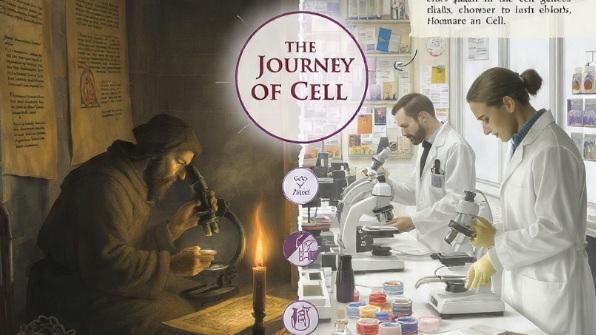
    STORY POST TOPIC The Journey of "Cell" From Monks' Chambers to Biology Labs

    **The Journey of “Cell” — From Monks’ Chambers to Biology Labs**

    کیا آپ جانتے ہیں کہ Biology میں **“Cell”** کا نام کہاں سے آیا؟

    یہ دلچسپ سفر **Robert Hooke** کے مشاہدات سے شروع ہوا، جب انہوں نے cork کے ایک ٹکڑے کو microscope کے ذریعے دیکھا اور اس میں چھوٹے چھوٹے خانے نما حصے نظر آئے۔ ان خانوں نے انہیں راہبوں کے کمروں (monks’ chambers) کی یاد دلائی، اور یوں **“cell”** کا نام مشہور ہوا۔

    آج Cell Biology جدید microscopes، DNA research اور advanced laboratories تک پہنچ چکی ہے۔

    یہ کہانی ہمیں دکھاتی ہے کہ ایک چھوٹا سا مشاہدہ کس طرح سائنس کی پوری دنیا کو بدل سکتا ہے!

    **Keep observing, keep questioning, and keep discovering! **
    RSIF8 ROLL NO 77 STORY POST TOPIC The Journey of "Cell" From Monks' Chambers to Biology Labs 🔬🧬 **The Journey of “Cell” — From Monks’ Chambers to Biology Labs** 🏛️➡️🧪 کیا آپ جانتے ہیں کہ Biology میں **“Cell”** کا نام کہاں سے آیا؟ 🤔🔬 یہ دلچسپ سفر **Robert Hooke** کے مشاہدات سے شروع ہوا، جب انہوں نے cork کے ایک ٹکڑے کو microscope کے ذریعے دیکھا اور اس میں چھوٹے چھوٹے خانے نما حصے نظر آئے۔ 🧫🔍 ان خانوں نے انہیں راہبوں کے کمروں (monks’ chambers) کی یاد دلائی، اور یوں **“cell”** کا نام مشہور ہوا۔ 📚✨ آج Cell Biology جدید microscopes، DNA research اور advanced laboratories تک پہنچ چکی ہے۔ 🧬🧪🚀 یہ کہانی ہمیں دکھاتی ہے کہ ایک چھوٹا سا مشاہدہ کس طرح سائنس کی پوری دنیا کو بدل سکتا ہے! 🌍💡 **Keep observing, keep questioning, and keep discovering! 🔬✨**
    0 Comments 0 Shares 434 Views
  • RSIF8
    ROLL NO 77
    STORY POST NO 43
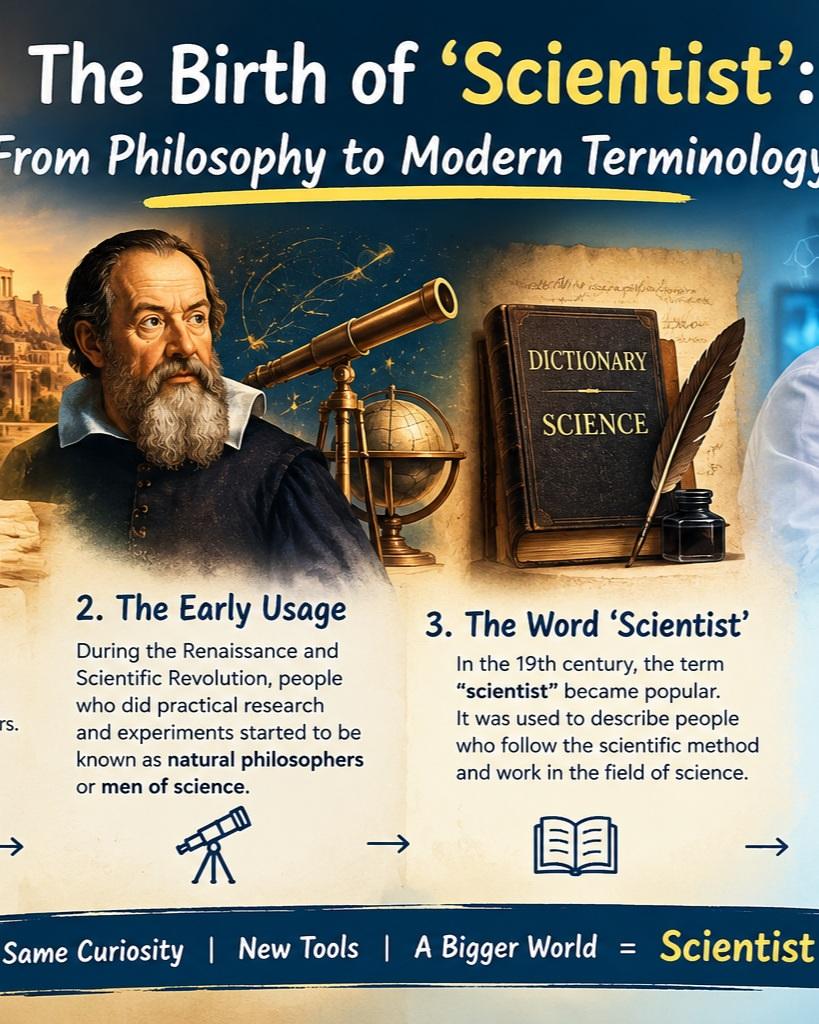
    STORY TOPIC : The Birth of 'Scientist': From Philosophy to Modern Terminology.

    **The Birth of “Scientist”: From Philosophy to Modern Terminology**

    کیا آپ جانتے ہیں کہ **“Scientist”** کا لفظ ہمیشہ سے موجود نہیں تھا؟
    قدیم زمانے میں فطرت، کائنات اور علم کا مطالعہ کرنے والے لوگوں کو عموماً **Philosophers** کہا جاتا تھا۔ وقت کے ساتھ علم کی مختلف شاخیں الگ ہوتی گئیں اور آخرکار **“Scientist”** ایک باقاعدہ اصطلاح کے طور پر سامنے آیا۔

    اس دلچسپ سفر میں جانیں کہ فلسفے سے جدید سائنس تک کا راستہ کیسے بنا، اور کس طرح ایک لفظ نے علم کی دنیا کو نئی شناخت دی!

    **Learn from the past. Understand the present. Create the future!**
    RSIF8 ROLL NO 77 STORY POST NO 43 STORY TOPIC : The Birth of 'Scientist': From Philosophy to Modern Terminology. 🔬✨ **The Birth of “Scientist”: From Philosophy to Modern Terminology** 🧠🌍 کیا آپ جانتے ہیں کہ **“Scientist”** کا لفظ ہمیشہ سے موجود نہیں تھا؟ 🤔📚 قدیم زمانے میں فطرت، کائنات اور علم کا مطالعہ کرنے والے لوگوں کو عموماً **Philosophers** کہا جاتا تھا۔ وقت کے ساتھ علم کی مختلف شاخیں الگ ہوتی گئیں اور آخرکار **“Scientist”** ایک باقاعدہ اصطلاح کے طور پر سامنے آیا۔ 🔬⚙️ اس دلچسپ سفر میں جانیں کہ فلسفے سے جدید سائنس تک کا راستہ کیسے بنا، اور کس طرح ایک لفظ نے علم کی دنیا کو نئی شناخت دی! 🚀🌌 📖 **Learn from the past. Understand the present. Create the future!** 🌟
    0 Comments 0 Shares 777 Views
  • RSIF8
    ROLL NO 77
    STORY POST NO 43
    STORY TOPIC : The Birth of 'Scientist': From Philosophy to Modern Terminology.

    **The Birth of “Scientist”: From Philosophy to Modern Terminology**

    کیا آپ جانتے ہیں کہ **“Scientist”** کا لفظ ہمیشہ سے موجود نہیں تھا؟
    قدیم زمانے میں فطرت، کائنات اور علم کا مطالعہ کرنے والے لوگوں کو عموماً **Philosophers** کہا جاتا تھا۔ وقت کے ساتھ علم کی مختلف شاخیں الگ ہوتی گئیں اور آخرکار **“Scientist”** ایک باقاعدہ اصطلاح کے طور پر سامنے آیا۔

    اس دلچسپ سفر میں جانیں کہ فلسفے سے جدید سائنس تک کا راستہ کیسے بنا، اور کس طرح ایک لفظ نے علم کی دنیا کو نئی شناخت دی!

    **Learn from the past. Understand the present. Create the future!**

    #Scientist #HistoryOfScience #ScienceHistory #Science #Philosophy #Knowledge #Learning #Education #InterestingFacts #ScienceFacts #DidYouKnow #EducationalContent #LearnEveryDay #ExploreScience #ModernScience
    RSIF8 ROLL NO 77 STORY POST NO 43 STORY TOPIC : The Birth of 'Scientist': From Philosophy to Modern Terminology. 🔬✨ **The Birth of “Scientist”: From Philosophy to Modern Terminology** 🧠🌍 کیا آپ جانتے ہیں کہ **“Scientist”** کا لفظ ہمیشہ سے موجود نہیں تھا؟ 🤔📚 قدیم زمانے میں فطرت، کائنات اور علم کا مطالعہ کرنے والے لوگوں کو عموماً **Philosophers** کہا جاتا تھا۔ وقت کے ساتھ علم کی مختلف شاخیں الگ ہوتی گئیں اور آخرکار **“Scientist”** ایک باقاعدہ اصطلاح کے طور پر سامنے آیا۔ 🔬⚙️ اس دلچسپ سفر میں جانیں کہ فلسفے سے جدید سائنس تک کا راستہ کیسے بنا، اور کس طرح ایک لفظ نے علم کی دنیا کو نئی شناخت دی! 🚀🌌 📖 **Learn from the past. Understand the present. Create the future!** 🌟 #Scientist #HistoryOfScience #ScienceHistory #Science #Philosophy #Knowledge #Learning #Education #InterestingFacts #ScienceFacts #DidYouKnow #EducationalContent #LearnEveryDay #ExploreScience #ModernScience 🔬🧠📚🌍✨
    0 Comments 0 Shares 1564 Views
  • RSIF8
    Roll NO:92
    Tedx Talk No:28
    Topic:**Academic Research is Publicly Funded – Why Isn't It Publicly Available? | Erica Stone**

    میں نے Erica Stone کی TEDx Talk **“Academic Research is Publicly Funded – Why Isn’t It Publicly Available?”** دیکھی، جو میرے لیے ایک بہت معلوماتی اور سوچنے پر مجبور کرنے والی گفتگو تھی۔

    اس گفتگو میں بتایا گیا ہے کہ جب تعلیمی اور سائنسی تحقیق کے لیے عوامی فنڈز استعمال ہوتے ہیں تو اس تحقیق تک عوام کی رسائی بھی ہونی چاہیے۔ اس سے طلبہ، محققین اور عام لوگوں کو علم حاصل کرنے اور نئی چیزیں سیکھنے کے بہتر مواقع مل سکتے ہیں۔

    اس TEDx Talk سے مجھے **تعلیم، تحقیق، علم کی تقسیم اور معلومات تک مساوی رسائی** کی اہمیت کو بہتر انداز میں سمجھنے کا موقع ملا۔ مجموعی طور پر یہ ایک مفید اور سبق آموز گفتگو تھی۔

    #TEDx #EricaStone #AcademicResearch #Education #Research #KnowledgeSharing #Learning #ReviewVideo
    RSIF8 Roll NO:92 Tedx Talk No:28 Topic:**Academic Research is Publicly Funded – Why Isn't It Publicly Available? | Erica Stone** میں نے Erica Stone کی TEDx Talk **“Academic Research is Publicly Funded – Why Isn’t It Publicly Available?”** دیکھی، جو میرے لیے ایک بہت معلوماتی اور سوچنے پر مجبور کرنے والی گفتگو تھی۔ اس گفتگو میں بتایا گیا ہے کہ جب تعلیمی اور سائنسی تحقیق کے لیے عوامی فنڈز استعمال ہوتے ہیں تو اس تحقیق تک عوام کی رسائی بھی ہونی چاہیے۔ اس سے طلبہ، محققین اور عام لوگوں کو علم حاصل کرنے اور نئی چیزیں سیکھنے کے بہتر مواقع مل سکتے ہیں۔ اس TEDx Talk سے مجھے **تعلیم، تحقیق، علم کی تقسیم اور معلومات تک مساوی رسائی** کی اہمیت کو بہتر انداز میں سمجھنے کا موقع ملا۔ مجموعی طور پر یہ ایک مفید اور سبق آموز گفتگو تھی۔ #TEDx #EricaStone #AcademicResearch #Education #Research #KnowledgeSharing #Learning #ReviewVideo
    0 Comments 0 Shares 1701 Views 0
More Results