#rsisb
Roll no.239
maya no.18
Foundation Level
The word **“Earth”** is one of the oldest and most meaningful words in the English language. It represents much more than the planet beneath our feet. Earth is our **home, the source of life, the ground we walk on, and a symbol of nature and human existence**. But where did this simple word come from, and how did its meaning develop over time?
The history of the word **“Earth”** takes us back thousands of years. In ancient forms of English and related Germanic languages, words similar to *earth* were used to describe the **ground, soil, land, and the physical world**. Over time, the word developed into the name we now use for our entire planet. Unlike many planets in our Solar System, whose names are connected to ancient gods and mythology, **Earth's English name is closely connected to the ordinary ground beneath our feet**.
This connection tells us something important about human history. Long before people understood that they lived on a planet moving through space, they experienced Earth simply as the land around them—the soil that grew their food, the ground that supported their homes, and the world they could see and touch.
As human knowledge grew, our understanding of Earth changed dramatically. Ancient thinkers observed the sky and began asking important questions about the shape and nature of the world. Over centuries, explorers, scientists, astronomers, and travelers expanded humanity's understanding of the planet. Eventually, space exploration allowed humans to see Earth from beyond its atmosphere. Those images showed something extraordinary: **our vast world is a beautiful, fragile-looking sphere surrounded by the darkness of space**.
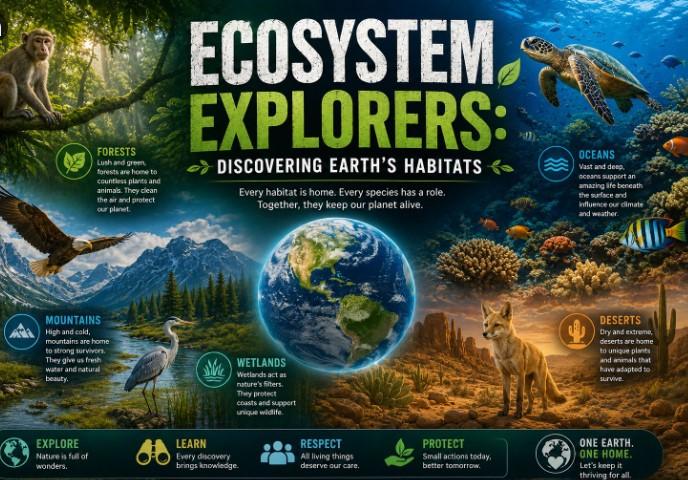
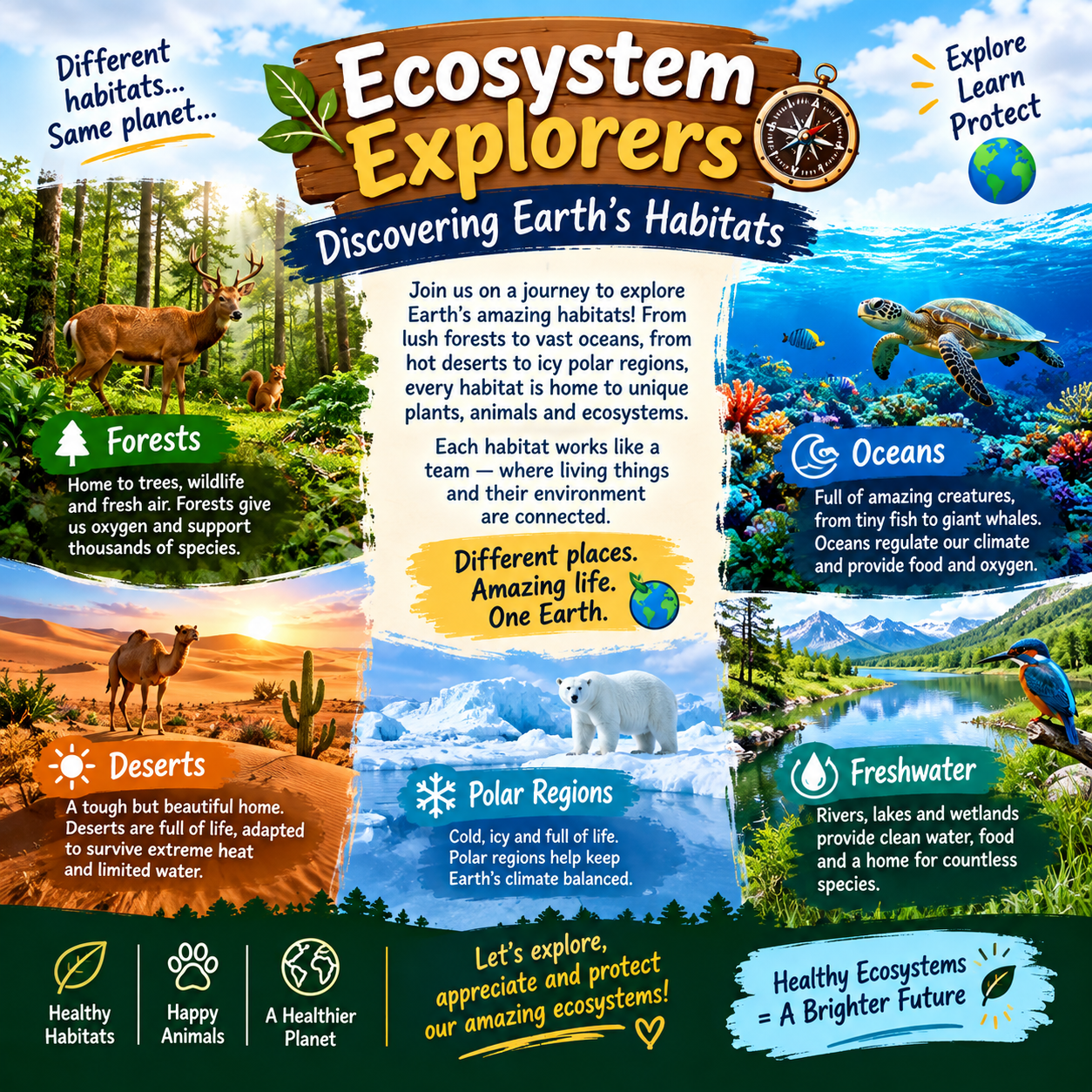
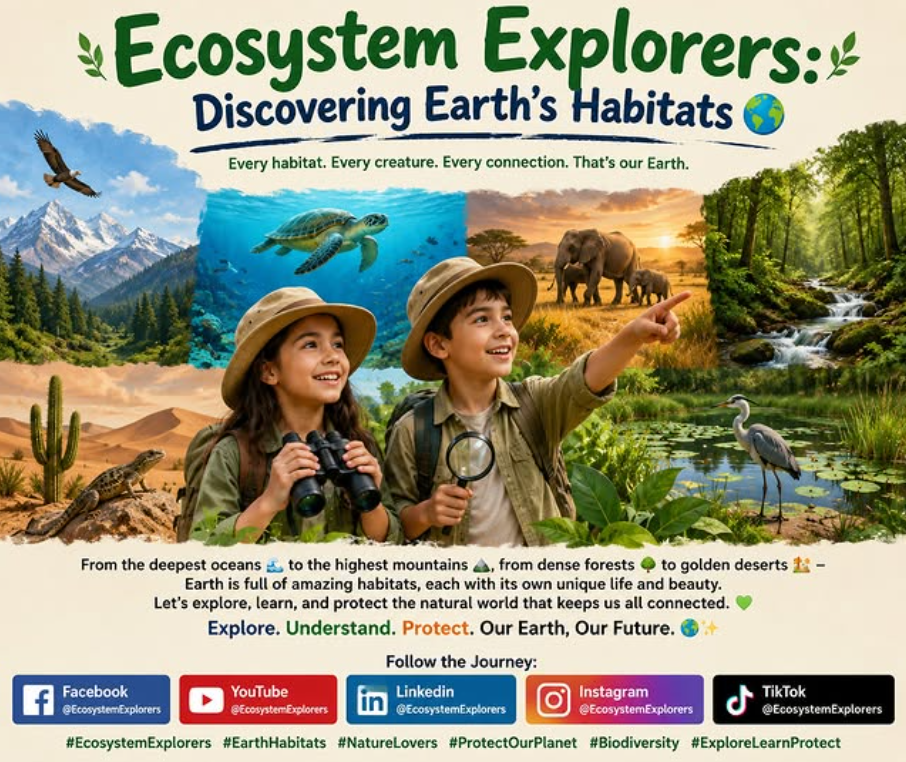
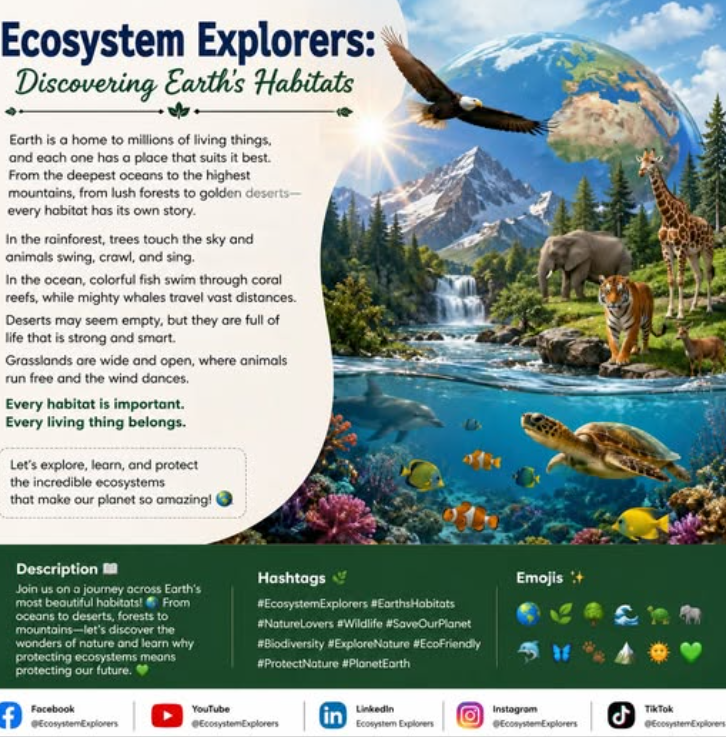
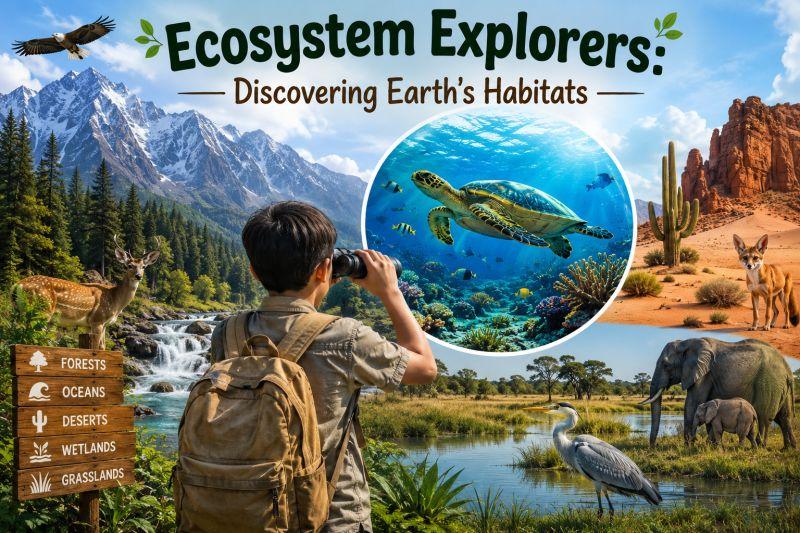
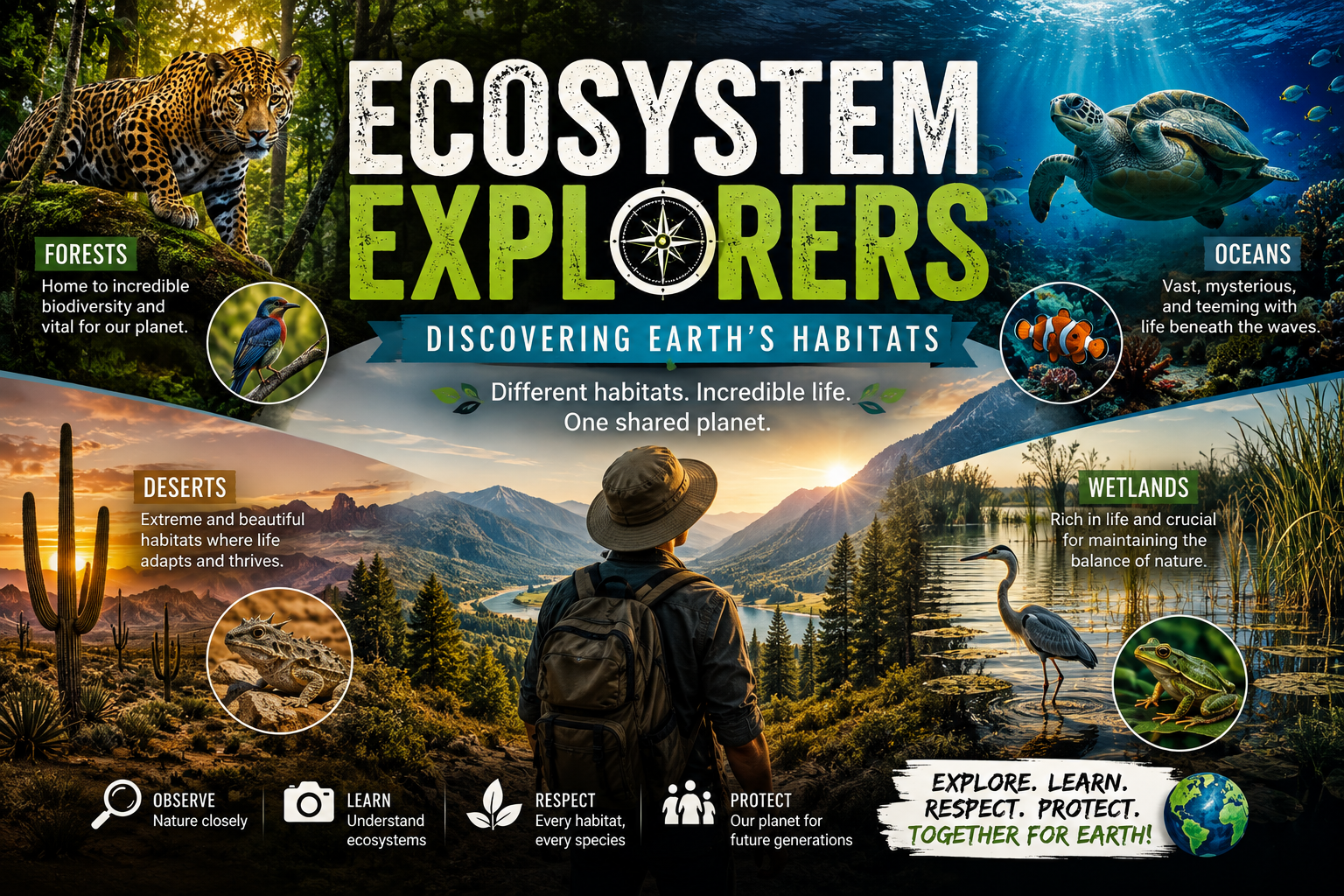
From a scientific perspective, Earth is the **third planet from the Sun** and the only world currently known to support life. It has liquid water on its surface, a protective atmosphere, and a wide variety of environments that support countless living organisms. Its oceans, forests, mountains, deserts, rivers, and grasslands form an incredibly diverse and interconnected system.
Earth's structure is also fascinating. Beneath the surface are different layers, including the **crust, mantle, and core**. These layers influence many natural processes, including the movement of tectonic plates, earthquakes, volcanic activity, and the formation of mountains. Although we live on the surface, the planet beneath us is constantly changing.
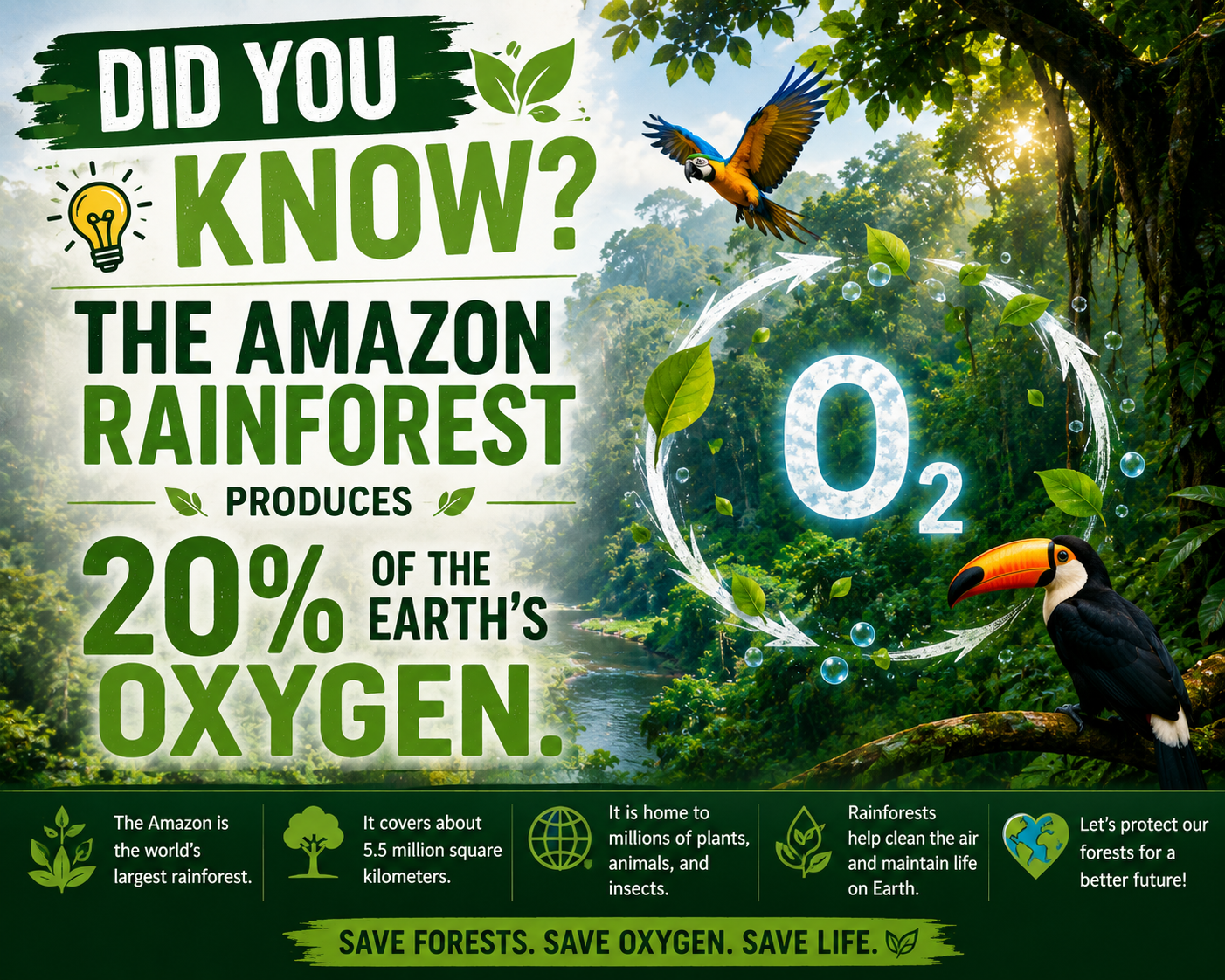
Life on Earth depends on a delicate balance. **Air, water, sunlight, soil, and biodiversity** all play essential roles in supporting life. Plants produce oxygen and form the foundation of many ecosystems. Oceans help regulate climate and support an enormous variety of life. Forests provide habitats and influence the movement of water and carbon through the environment.
However, Earth also faces serious environmental challenges. **Pollution, deforestation, habitat destruction, and climate change** affect ecosystems and communities around the world. These challenges remind us that Earth is not an unlimited resource. The choices humans make today can influence the quality of life for future generations.
Protecting Earth does not always require extraordinary actions. Small changes can make a difference, such as **reducing waste, conserving water and energy, planting and protecting trees, avoiding unnecessary pollution, and learning more about the environment**. Governments, scientists, businesses, communities, and individuals all have important roles to play.
The word **“Earth”** also has a powerful emotional and cultural meaning. People may come from different countries, speak different languages, and follow different traditions, but we all share the same planet. From this perspective, Earth can be seen as a symbol of our **shared home and shared responsibility**.
**“Earth” – The History of Our Home in a Word** is therefore a journey through **language, history, science, nature, and human imagination**. The story of this word shows how language grows alongside human knowledge. What once described the soil beneath people's feet eventually became the name of an entire world traveling through space.
The next time you hear or say the word **“Earth,”** remember that it carries a remarkable story. It connects us to the ancient past, the natural world around us, and the future we are helping to create.
**Earth is not just where we live—it is the only home we all share. Protecting it is a responsibility that belongs to everyone.**
###
**Hashtags**
#Earth #OurPlanet #PlanetEarth #WordHistory #HistoryOfEarth #EnglishLanguage #LanguageHistory #Science #Nature #Environment #ClimateAwareness #ProtectOurPlanet #Sustainability #EarthScience #Space #Astronomy #LifeOnEarth #MotherEarth #SaveEarth #GoGreen #CleanEnvironment #Biodiversity #ClimateChange #Education #Knowledge #LearnAndExplore #OnePlanet #FutureGenerations #EarthLovers #OurHome #rsisb
Roll no.239
maya no.18
Foundation Level
The word **“Earth”** is one of the oldest and most meaningful words in the English language. It represents much more than the planet beneath our feet. Earth is our **home, the source of life, the ground we walk on, and a symbol of nature and human existence**. But where did this simple word come from, and how did its meaning develop over time?
The history of the word **“Earth”** takes us back thousands of years. In ancient forms of English and related Germanic languages, words similar to *earth* were used to describe the **ground, soil, land, and the physical world**. Over time, the word developed into the name we now use for our entire planet. Unlike many planets in our Solar System, whose names are connected to ancient gods and mythology, **Earth's English name is closely connected to the ordinary ground beneath our feet**. 📖🌱
This connection tells us something important about human history. Long before people understood that they lived on a planet moving through space, they experienced Earth simply as the land around them—the soil that grew their food, the ground that supported their homes, and the world they could see and touch.
As human knowledge grew, our understanding of Earth changed dramatically. Ancient thinkers observed the sky and began asking important questions about the shape and nature of the world. Over centuries, explorers, scientists, astronomers, and travelers expanded humanity's understanding of the planet. Eventually, space exploration allowed humans to see Earth from beyond its atmosphere. Those images showed something extraordinary: **our vast world is a beautiful, fragile-looking sphere surrounded by the darkness of space**. 🚀🌌
From a scientific perspective, Earth is the **third planet from the Sun** and the only world currently known to support life. It has liquid water on its surface, a protective atmosphere, and a wide variety of environments that support countless living organisms. Its oceans, forests, mountains, deserts, rivers, and grasslands form an incredibly diverse and interconnected system. 🌊🏔️🌳
Earth's structure is also fascinating. Beneath the surface are different layers, including the **crust, mantle, and core**. These layers influence many natural processes, including the movement of tectonic plates, earthquakes, volcanic activity, and the formation of mountains. Although we live on the surface, the planet beneath us is constantly changing.
Life on Earth depends on a delicate balance. **Air, water, sunlight, soil, and biodiversity** all play essential roles in supporting life. Plants produce oxygen and form the foundation of many ecosystems. Oceans help regulate climate and support an enormous variety of life. Forests provide habitats and influence the movement of water and carbon through the environment.
However, Earth also faces serious environmental challenges. **Pollution, deforestation, habitat destruction, and climate change** affect ecosystems and communities around the world. These challenges remind us that Earth is not an unlimited resource. The choices humans make today can influence the quality of life for future generations. 🌿♻️
Protecting Earth does not always require extraordinary actions. Small changes can make a difference, such as **reducing waste, conserving water and energy, planting and protecting trees, avoiding unnecessary pollution, and learning more about the environment**. Governments, scientists, businesses, communities, and individuals all have important roles to play.
The word **“Earth”** also has a powerful emotional and cultural meaning. People may come from different countries, speak different languages, and follow different traditions, but we all share the same planet. From this perspective, Earth can be seen as a symbol of our **shared home and shared responsibility**. 🤝🌍
**“Earth” – The History of Our Home in a Word** is therefore a journey through **language, history, science, nature, and human imagination**. The story of this word shows how language grows alongside human knowledge. What once described the soil beneath people's feet eventually became the name of an entire world traveling through space.
The next time you hear or say the word **“Earth,”** remember that it carries a remarkable story. It connects us to the ancient past, the natural world around us, and the future we are helping to create.
**Earth is not just where we live—it is the only home we all share. Protecting it is a responsibility that belongs to everyone.** 🌍💚✨
### 🔖 **Hashtags**
#Earth #OurPlanet #PlanetEarth #WordHistory #HistoryOfEarth #EnglishLanguage #LanguageHistory #Science #Nature #Environment #ClimateAwareness #ProtectOurPlanet #Sustainability #EarthScience #Space #Astronomy #LifeOnEarth #MotherEarth #SaveEarth #GoGreen #CleanEnvironment #Biodiversity #ClimateChange #Education #Knowledge #LearnAndExplore #OnePlanet #FutureGenerations #EarthLovers #OurHome 🌍🌿💚✨