• #rsisb
    Roll No.221
    Song No.22
    Foundation Level


    **Microbial Universe: The Power of the Invisible World!**

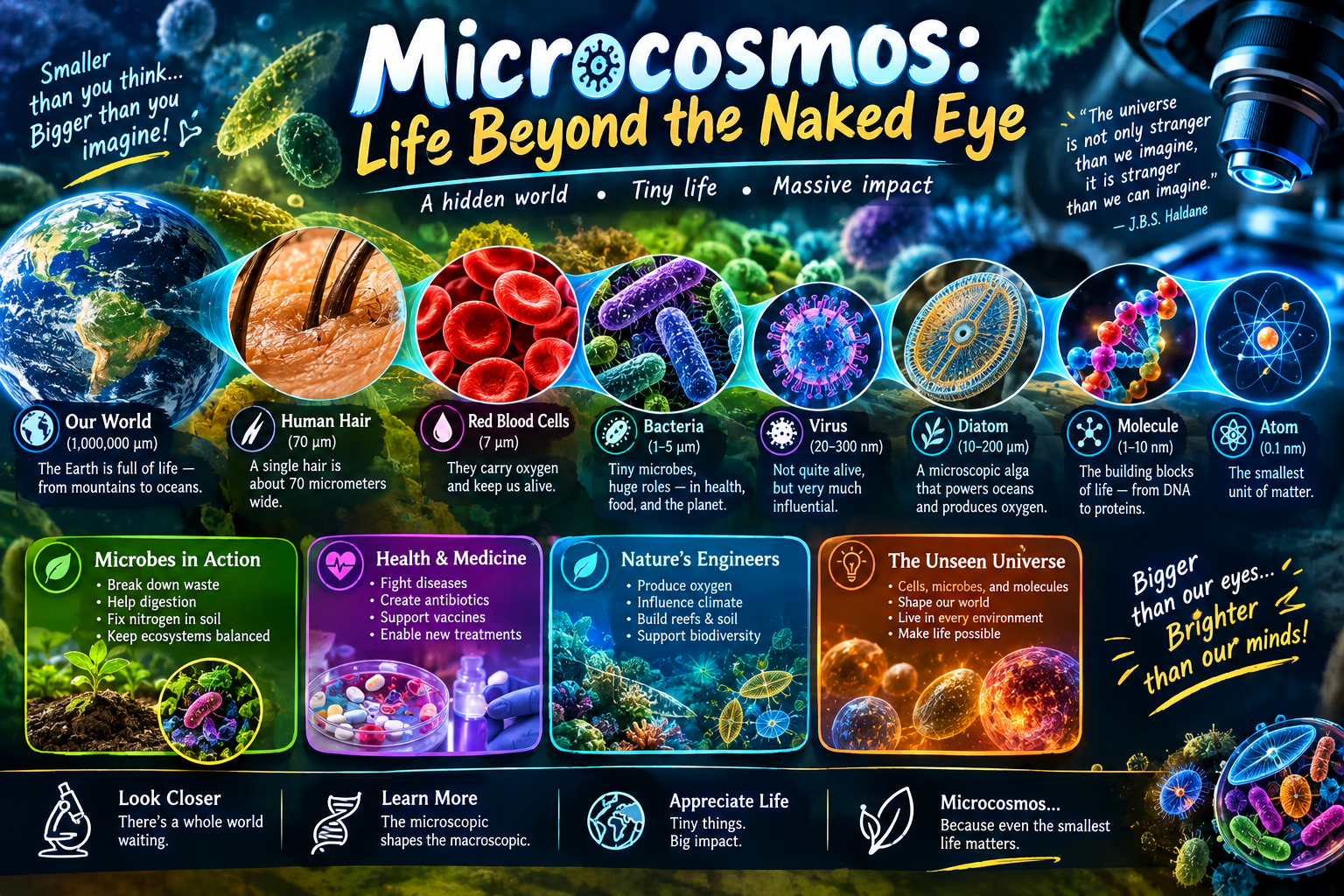
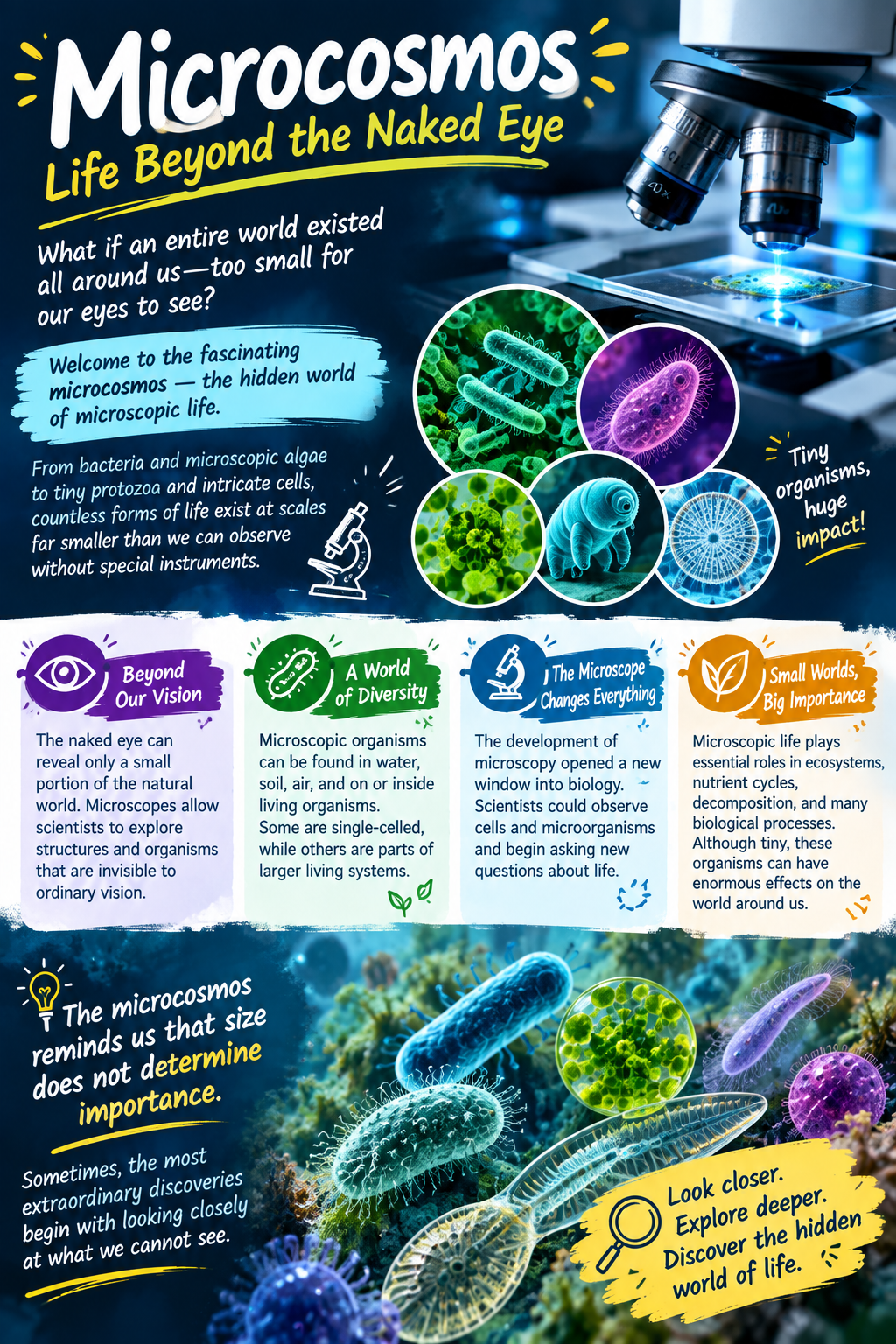
    Step into the fascinating hidden world of microorganisms with this educational Urdu song! Discover how tiny bacteria, fungi, and other microbes, though invisible to our eyes, have a powerful impact on life, nature, food, health, and our environment.

    This song makes microbiology simple, interesting, and enjoyable for students and science lovers. Learn how these microscopic organisms help shape the world around us and remind us that even the smallest things can have a huge impact!

    #MicrobialUniverse #Microbiology #Microorganisms #ScienceSong #UrduSong #Biology #ScienceEducation #EducationalSong #InvisibleWorld #LearningThroughMusic
    Asma Shaheen EducationWali
    @followers
    @highlight
    Saima Happinesswali
    Irum Asim
    #rsisb Roll No.221 Song No.22 Foundation Level 🦠🌍 **Microbial Universe: The Power of the Invisible World!** 🔬✨ Step into the fascinating hidden world of microorganisms with this educational Urdu song! Discover how tiny bacteria, fungi, and other microbes, though invisible to our eyes, have a powerful impact on life, nature, food, health, and our environment. 🌱🧬 🎶 This song makes microbiology simple, interesting, and enjoyable for students and science lovers. Learn how these microscopic organisms help shape the world around us and remind us that even the smallest things can have a huge impact! 🌎💫 #MicrobialUniverse #Microbiology #Microorganisms #ScienceSong #UrduSong #Biology #ScienceEducation #EducationalSong #InvisibleWorld #LearningThroughMusic Asma Shaheen EducationWali @followers @highlight Saima Happinesswali Irum Asim
    0 Kommentare 0 Anteile 245 Ansichten 1
  • #rsisb
    Roll no.247
    Foundation# The Blueprint of Existence: Unraveling DNA and the Origins of Life

    **The Blueprint of Existence: Unraveling DNA and the Origins of Life** is a fascinating journey into one of science’s greatest mysteries: **How did life begin, and how does living matter carry the instructions needed to grow, function, and reproduce?** From microscopic cells to complex organisms, DNA plays a remarkable role in storing and passing on biological information.

    **DNA, or deoxyribonucleic acid,** can be thought of as a biological instruction manual. It contains genetic information that helps cells build proteins, regulate their activities, and pass characteristics from one generation to the next. Its famous double-helix structure, made from complementary nucleotide bases, allows genetic information to be copied and transmitted with extraordinary precision.

    But DNA also raises a deeper question: **Where did the first genetic information come from?** Scientists have been investigating the origins of life for decades. While there is no single confirmed explanation for exactly how life began, several scientific ideas explore how simple chemicals on the early Earth might have interacted, formed increasingly complex molecules, and eventually contributed to the emergence of systems capable of reproduction and evolution.

    One important idea in origin-of-life research is the possibility that **RNA may have played an early role** because it can both store information and participate in chemical reactions. Over immense periods of time, chemical systems may have become increasingly sophisticated, eventually leading toward the molecular machinery found in modern cells.

    The story of DNA is also connected to **evolution**. Small changes in genetic information can occur over generations, while natural selection and other evolutionary processes influence which traits become more or less common in populations. This helps explain the incredible diversity of life on Earth—from tiny microorganisms to plants, animals, and humans.

    Exploring DNA and the origins of life reminds us that science is not simply about memorizing facts. It is about asking questions, examining evidence, testing ideas, and remaining curious about the natural world. Every discovery about cells, genes, molecules, and ancient environments gives us another piece of the enormous puzzle of existence.

    **The blueprint of life is more than a molecule—it is part of a remarkable scientific story about information, chemistry, evolution, and the extraordinary diversity of living systems.** The more we learn about DNA and life's origins, the more we appreciate both the complexity of life today and the fascinating scientific questions that remain unanswered.

    Whether you are a student, science enthusiast, researcher, or simply someone curious about the world around you, this topic offers an exciting opportunity to explore biology, genetics, chemistry, evolution, and the origins of life.

    ### Key Topics

    Structure and function of DNA
    Genetic information and inheritance
    Chemistry and the origins of life
    Early Earth environments
    RNA and early molecular systems
    Evolution and natural selection
    The diversity of life
    Unanswered questions in modern biology

    ### Hashtags

    #BlueprintOfExistence #DNA #Genetics #OriginsOfLife #Science #Biology #MolecularBiology #Evolution #GeneticCode #LifeOnEarth #EarlyEarth #RNA #CellBiology #ScientificDiscovery #STEM #ScienceEducation #Biotechnology #Nature #Learning #Curiosity
    #rsisb Roll no.247 Foundation# The Blueprint of Existence: Unraveling DNA and the Origins of Life 🧬🌍✨ 🔬 **The Blueprint of Existence: Unraveling DNA and the Origins of Life** is a fascinating journey into one of science’s greatest mysteries: **How did life begin, and how does living matter carry the instructions needed to grow, function, and reproduce?** 🌱🧬 From microscopic cells to complex organisms, DNA plays a remarkable role in storing and passing on biological information. 🧬 **DNA, or deoxyribonucleic acid,** can be thought of as a biological instruction manual. It contains genetic information that helps cells build proteins, regulate their activities, and pass characteristics from one generation to the next. Its famous double-helix structure, made from complementary nucleotide bases, allows genetic information to be copied and transmitted with extraordinary precision. 🌍 But DNA also raises a deeper question: **Where did the first genetic information come from?** Scientists have been investigating the origins of life for decades. While there is no single confirmed explanation for exactly how life began, several scientific ideas explore how simple chemicals on the early Earth might have interacted, formed increasingly complex molecules, and eventually contributed to the emergence of systems capable of reproduction and evolution. 🧪🌊⚡ One important idea in origin-of-life research is the possibility that **RNA may have played an early role** because it can both store information and participate in chemical reactions. Over immense periods of time, chemical systems may have become increasingly sophisticated, eventually leading toward the molecular machinery found in modern cells. 🧫🔬 The story of DNA is also connected to **evolution**. Small changes in genetic information can occur over generations, while natural selection and other evolutionary processes influence which traits become more or less common in populations. This helps explain the incredible diversity of life on Earth—from tiny microorganisms to plants, animals, and humans. 🌳🦠🦋🐘 ✨ Exploring DNA and the origins of life reminds us that science is not simply about memorizing facts. It is about asking questions, examining evidence, testing ideas, and remaining curious about the natural world. Every discovery about cells, genes, molecules, and ancient environments gives us another piece of the enormous puzzle of existence. 🔍🌌 🚀 **The blueprint of life is more than a molecule—it is part of a remarkable scientific story about information, chemistry, evolution, and the extraordinary diversity of living systems.** The more we learn about DNA and life's origins, the more we appreciate both the complexity of life today and the fascinating scientific questions that remain unanswered. 📚 Whether you are a student, science enthusiast, researcher, or simply someone curious about the world around you, this topic offers an exciting opportunity to explore biology, genetics, chemistry, evolution, and the origins of life. 🧬🔬🌍💡 ### 🌟 Key Topics 🧬 Structure and function of DNA 🔬 Genetic information and inheritance 🧪 Chemistry and the origins of life 🌊 Early Earth environments 🧫 RNA and early molecular systems 🌱 Evolution and natural selection 🌍 The diversity of life 🚀 Unanswered questions in modern biology ### 🔖 Hashtags #BlueprintOfExistence #DNA #Genetics #OriginsOfLife #Science #Biology #MolecularBiology #Evolution #GeneticCode #LifeOnEarth #EarlyEarth #RNA #CellBiology #ScientificDiscovery #STEM #ScienceEducation #Biotechnology #Nature #Learning #Curiosity 🧬🔬🌍✨
    0 Kommentare 0 Anteile 2703 Ansichten
  • Plastic waste in landfills can be managed and repurposed in several ways:

    1. **Landfill Gas Recovery**: Landfills produce methane gas as organic waste decomposes. This gas can be captured and used for energy production through methods like landfill gas recovery, reducing greenhouse gas emissions.

    2. **Recycling**: Some landfills have recycling programs where plastic items are sorted and sent for recycling. This helps reduce the need for new plastic production and conserves resources.

    3. **Waste-to-Energy**: In some places, plastic waste can be incinerated in waste-to-energy facilities, where it is burned to generate electricity or heat. This can offset the use of fossil fuels.

    4. **Bioremediation**: Certain microorganisms can break down plastics over time. Researchers are exploring bioremediation techniques to accelerate this process and reduce the environmental impact of plastics in landfills.

    5. **Mining for Resources**: Some landfills are being explored as potential sources of valuable materials, including metals and plastics, through a process called landfill mining.

    6. **Leachate Treatment**: Proper management of landfill leachate, which is the liquid that seeps out of landfills, can help reduce contamination of groundwater and surface water.

    7. **Methane Capture**: Besides energy production, captured methane can be used as a fuel source for vehicles or industrial processes.

    Its important to note that reducing the generation of plastic waste and promoting recycling and responsible disposal methods are crucial steps in minimizing the environmental impact of plastic waste in landfills.
    Plastic waste in landfills can be managed and repurposed in several ways: 1. **Landfill Gas Recovery**: Landfills produce methane gas as organic waste decomposes. This gas can be captured and used for energy production through methods like landfill gas recovery, reducing greenhouse gas emissions. 2. **Recycling**: Some landfills have recycling programs where plastic items are sorted and sent for recycling. This helps reduce the need for new plastic production and conserves resources. 3. **Waste-to-Energy**: In some places, plastic waste can be incinerated in waste-to-energy facilities, where it is burned to generate electricity or heat. This can offset the use of fossil fuels. 4. **Bioremediation**: Certain microorganisms can break down plastics over time. Researchers are exploring bioremediation techniques to accelerate this process and reduce the environmental impact of plastics in landfills. 5. **Mining for Resources**: Some landfills are being explored as potential sources of valuable materials, including metals and plastics, through a process called landfill mining. 6. **Leachate Treatment**: Proper management of landfill leachate, which is the liquid that seeps out of landfills, can help reduce contamination of groundwater and surface water. 7. **Methane Capture**: Besides energy production, captured methane can be used as a fuel source for vehicles or industrial processes. It's important to note that reducing the generation of plastic waste and promoting recycling and responsible disposal methods are crucial steps in minimizing the environmental impact of plastic waste in landfills.
    0 Kommentare 0 Anteile 588 Ansichten
  • Did you know?

    A handful of soil contains an astonishing number of microbes! In just one gram of soil, there can be over a billion bacteria, fungi, protozoa, nematodes, and other microorganisms. These tiny creatures play crucial roles in nutrient cycling, soil structure maintenance, and the decomposition of organic matter, making soil a vital and dynamic ecosystem.

    Next time you eat a fruit or see a tree, remember that billions and trillions of bacteria helped make this happen.

    Imagine holding tens of billions of these microscopic life forms in your hand, each contributing to the health of our planet.

    Check out this colorful visualization of a handful of soil teeming with life!

    #SoilHealth #Microbes #Nature #Ecosystem
    🌱 Did you know? 🌱 A handful of soil contains an astonishing number of microbes! In just one gram of soil, there can be over a billion bacteria, fungi, protozoa, nematodes, and other microorganisms. These tiny creatures play crucial roles in nutrient cycling, soil structure maintenance, and the decomposition of organic matter, making soil a vital and dynamic ecosystem. Next time you eat a fruit or see a tree, remember that billions and trillions of bacteria helped make this happen. 🌳🍎 Imagine holding tens of billions of these microscopic life forms in your hand, each contributing to the health of our planet. 🌍 Check out this colorful visualization of a handful of soil teeming with life! #SoilHealth #Microbes #Nature #Ecosystem
    0 Kommentare 0 Anteile 1196 Ansichten
  • A handful of soil contains an astonishing number of microorganisms. On average, one gram of soil can contain:
    • Bacteria: 100 million to 1 billion (10⁸ - 10⁹)
    • Fungi: 100,000 to 1 million (10⁵ - 10⁶)
    • Protozoa: 1,000 to 100,000 (10³ - 10⁵)
    • Viruses: 100 million to 1 trillion (10⁸ - 10¹²)
    • Archaea: Similar to bacteria in number

    Since a handful of soil weighs about 50-100 grams, it could contain trillions of microorganisms in total. These microbes play a crucial role in nutrient cycling, organic matter decomposition, and soil health.
    A handful of soil contains an astonishing number of microorganisms. On average, one gram of soil can contain: • Bacteria: 100 million to 1 billion (10⁸ - 10⁹) • Fungi: 100,000 to 1 million (10⁵ - 10⁶) • Protozoa: 1,000 to 100,000 (10³ - 10⁵) • Viruses: 100 million to 1 trillion (10⁸ - 10¹²) • Archaea: Similar to bacteria in number Since a handful of soil weighs about 50-100 grams, it could contain trillions of microorganisms in total. These microbes play a crucial role in nutrient cycling, organic matter decomposition, and soil health.
    0 Kommentare 0 Anteile 425 Ansichten
  • How to Make Money from ****: Turning Waste into Wealth

    For centuries, “****” has been considered useless, smelly, and something to get rid of quickly. But in the modern world, technology and entrepreneurship have transformed waste into a goldmine. What was once a problem is now a product. If handled smartly, human and animal excrement can be converted into energy, fertilizers, raw materials, and even profitable businesses worth millions.

    Here is a detailed breakdown of how to make money from ****:


    1. Biogas Production – Turning **** into Energy

    How it works:
    • Cow dung, poultry droppings, or human waste is collected in a sealed tank called a digester.
    • Microorganisms break it down without oxygen (anaerobic digestion).
    • This produces biogas (methane + carbon dioxide), which can be used for:
    • Cooking (instead of LPG/wood)
    • Electricity generation
    • Running small engines and vehicles

    Money Model:
    • Sell biogas cylinders to households.
    • Install biogas plants for farms, hotels, schools.
    • Generate electricity and sell back to the grid.

    Example Numbers:
    • 1 cow produces ~10–15 kg dung/day → enough to cook for a family of 5.
    • A 100-cow farm can power 20–25 homes.


    2. Organic Fertilizer & Compost – **** as Plant Food

    How it works:
    • Animal and human waste is dried, treated, and composted.
    • It turns into nutrient-rich fertilizer full of nitrogen, phosphorus, and potassium.

    Money Model:
    • Packaged as organic fertilizer → sell to farmers.
    • Branded as eco-friendly garden soil for urban gardening.

    Example Numbers:
    • In Pakistan, urea costs ~3,000 PKR per 50kg bag. Organic fertilizer can be sold at ~2,500 PKR with higher demand from organic farmers.
    • Poultry farms with 10,000 chickens produce tons of droppings daily, which can become a steady fertilizer business.


    3. Paper, Packaging & Building Materials

    How it works:
    • Elephant dung, cow dung, and horse manure contain undigested fibers.
    • These fibers can be processed into eco-friendly paper or biodegradable packaging.
    • Human waste sludge can also be mixed with other materials to create bricks and cement blocks.

    Money Model:
    • Sell eco-paper notebooks, gift boxes, tissue rolls.
    • Partner with eco-conscious brands.
    • Supply low-cost building materials in rural housing projects.

    Global Example: In Thailand and Sri Lanka, elephant dung paper is a thriving tourist souvenir industry.


    4. Bio-Plastics & Bio-Charcoal

    How it works:
    • Cow dung and other animal waste can be carbonized into biochar (a type of charcoal).
    • This biochar can be used as fuel, water filter material, or soil additive.
    • Some companies are also experimenting with turning human waste into bioplastics.

    Money Model:
    • Sell biochar as a cheap, clean alternative to coal.
    • Package biochar as a BBQ product for export markets.
    • Partner with green companies looking for biodegradable materials.


    5. Medical & Cosmetic Products

    Believe it or not:
    • Some animal dung is used in traditional medicine (e.g., Ayurveda uses cow dung and cow urine for treatments).
    • Cosmetics companies use sterilized extracts in face masks, soaps, and anti-aging creams (marketing it as “natural minerals”).

    Money Model:
    • Sell branded “organic” beauty products.
    • Develop herbal remedies with cow dung extracts.

    Example: India already has multiple companies making cow dung soap and exporting it.


    6. Insect Farming from ****

    How it works:
    • Flies naturally lay eggs in dung.
    • These eggs hatch into larvae (maggots), which are protein-rich animal feed for fish, poultry, and pets.

    Money Model:
    • Build a black soldier fly farm that grows larvae on animal manure.
    • Sell larvae as fish feed (cheaper than soybean meal).
    • Sell leftover compost as fertilizer.

    Example Numbers:
    • 1 ton of poultry droppings → produces 200–300 kg insect protein → which sells at a premium in the aquaculture industry.


    7. Public Toilets as a Business

    How it works:
    • Build pay-per-use eco-toilets in cities or bus stations.
    • Collect human waste → convert to biogas & fertilizer.
    • Make double income: toilet fees + energy/fertilizer sales.

    Money Model:
    • Charge 20–50 PKR per use.
    • Sell fertilizer to local farmers.
    • Provide clean sanitation while making profit.


    8. Art, Culture & Tourism

    Yes, even **** can be art!
    • Artists worldwide make sculptures and paintings using dung (dried, sterilized).
    • Tourists pay to see “eco-museums” of waste-to-wealth innovation.

    Money Model:
    • Sell dung-art souvenirs.
    • Run workshops on “eco-art.”
    • Attract eco-tourism funding.


    Challenges & How to Overcome Them
    1. Smell and Hygiene Issues → Must invest in treatment, deodorizing, and safe packaging.
    2. Cultural Taboos → Market products under eco-friendly or green branding (don’t always say it’s made of dung).
    3. Government Regulations → Work with local authorities for waste management licenses.


    Future Vision

    In a world of 8 billion people and billions of animals, **** is one of the most abundant resources on earth. If every village and city treated waste as a resource instead of a problem, we could:
    • Create thousands of jobs
    • Generate clean energy
    • Save the environment from pollution
    • And yes, make millions of dollars from ****.

    As the saying goes:
    “Where there’s muck, there’s money.”
    💩 How to Make Money from Shit: Turning Waste into Wealth For centuries, “shit” has been considered useless, smelly, and something to get rid of quickly. But in the modern world, technology and entrepreneurship have transformed waste into a goldmine. What was once a problem is now a product. If handled smartly, human and animal excrement can be converted into energy, fertilizers, raw materials, and even profitable businesses worth millions. Here is a detailed breakdown of how to make money from shit: ⸻ 1. Biogas Production – Turning Shit into Energy ⚡ How it works: • Cow dung, poultry droppings, or human waste is collected in a sealed tank called a digester. • Microorganisms break it down without oxygen (anaerobic digestion). • This produces biogas (methane + carbon dioxide), which can be used for: • Cooking (instead of LPG/wood) • Electricity generation • Running small engines and vehicles Money Model: • Sell biogas cylinders to households. • Install biogas plants for farms, hotels, schools. • Generate electricity and sell back to the grid. Example Numbers: • 1 cow produces ~10–15 kg dung/day → enough to cook for a family of 5. • A 100-cow farm can power 20–25 homes. ⸻ 2. Organic Fertilizer & Compost – Shit as Plant Food 🌱 How it works: • Animal and human waste is dried, treated, and composted. • It turns into nutrient-rich fertilizer full of nitrogen, phosphorus, and potassium. Money Model: • Packaged as organic fertilizer → sell to farmers. • Branded as eco-friendly garden soil for urban gardening. Example Numbers: • In Pakistan, urea costs ~3,000 PKR per 50kg bag. Organic fertilizer can be sold at ~2,500 PKR with higher demand from organic farmers. • Poultry farms with 10,000 chickens produce tons of droppings daily, which can become a steady fertilizer business. ⸻ 3. Paper, Packaging & Building Materials 📦 How it works: • Elephant dung, cow dung, and horse manure contain undigested fibers. • These fibers can be processed into eco-friendly paper or biodegradable packaging. • Human waste sludge can also be mixed with other materials to create bricks and cement blocks. Money Model: • Sell eco-paper notebooks, gift boxes, tissue rolls. • Partner with eco-conscious brands. • Supply low-cost building materials in rural housing projects. Global Example: In Thailand and Sri Lanka, elephant dung paper is a thriving tourist souvenir industry. ⸻ 4. Bio-Plastics & Bio-Charcoal 🔥 How it works: • Cow dung and other animal waste can be carbonized into biochar (a type of charcoal). • This biochar can be used as fuel, water filter material, or soil additive. • Some companies are also experimenting with turning human waste into bioplastics. Money Model: • Sell biochar as a cheap, clean alternative to coal. • Package biochar as a BBQ product for export markets. • Partner with green companies looking for biodegradable materials. ⸻ 5. Medical & Cosmetic Products 💊💄 Believe it or not: • Some animal dung is used in traditional medicine (e.g., Ayurveda uses cow dung and cow urine for treatments). • Cosmetics companies use sterilized extracts in face masks, soaps, and anti-aging creams (marketing it as “natural minerals”). Money Model: • Sell branded “organic” beauty products. • Develop herbal remedies with cow dung extracts. Example: India already has multiple companies making cow dung soap and exporting it. ⸻ 6. Insect Farming from Shit 🪲 How it works: • Flies naturally lay eggs in dung. • These eggs hatch into larvae (maggots), which are protein-rich animal feed for fish, poultry, and pets. Money Model: • Build a black soldier fly farm that grows larvae on animal manure. • Sell larvae as fish feed (cheaper than soybean meal). • Sell leftover compost as fertilizer. Example Numbers: • 1 ton of poultry droppings → produces 200–300 kg insect protein → which sells at a premium in the aquaculture industry. ⸻ 7. Public Toilets as a Business 🚻 How it works: • Build pay-per-use eco-toilets in cities or bus stations. • Collect human waste → convert to biogas & fertilizer. • Make double income: toilet fees + energy/fertilizer sales. Money Model: • Charge 20–50 PKR per use. • Sell fertilizer to local farmers. • Provide clean sanitation while making profit. ⸻ 8. Art, Culture & Tourism 🎨 Yes, even shit can be art! • Artists worldwide make sculptures and paintings using dung (dried, sterilized). • Tourists pay to see “eco-museums” of waste-to-wealth innovation. Money Model: • Sell dung-art souvenirs. • Run workshops on “eco-art.” • Attract eco-tourism funding. ⸻ Challenges & How to Overcome Them 🚧 1. Smell and Hygiene Issues → Must invest in treatment, deodorizing, and safe packaging. 2. Cultural Taboos → Market products under eco-friendly or green branding (don’t always say it’s made of dung). 3. Government Regulations → Work with local authorities for waste management licenses. ⸻ Future Vision 🚀 In a world of 8 billion people and billions of animals, shit is one of the most abundant resources on earth. If every village and city treated waste as a resource instead of a problem, we could: • Create thousands of jobs • Generate clean energy • Save the environment from pollution • And yes, make millions of dollars from shit. As the saying goes: 👉 “Where there’s muck, there’s money.”
    0 Kommentare 0 Anteile 293 Ansichten
  • The Magical Factory Beneath Our Feet

    Deep beneath the quiet soil, where sunlight only dreams of reaching, lives a humble little worker — the earthworm.
    To most people, it’s just a wriggly creature, slimy and small.
    But in truth, it’s one of the most powerful alchemists on Earth.


    The Secret Life of Wormy

    Meet Wormy.
    Every night, when the world above sleeps, Wormy starts his shift in the underground factory.
    He doesn’t wear a helmet or gloves, but he works harder than any human engineer.
    His mission?
    To take the world’s waste — fallen leaves, spoiled fruits, animal dung, and bits of old plants — and turn it into something miraculous: vermicompost, a treasure chest of life-giving minerals.


    The Magic Begins

    Wormy munches on what we call “dirt.”
    But inside his tiny body lives a whole universe of microorganisms — billions of friendly bacteria that work like invisible chefs.
    As Wormy eats, these chefs break down the waste into simpler forms.
    Inside his gut, chemical reactions quietly happen:
    Nitrogen becomes available for new leaves ,
    Phosphorus prepares itself to strengthen roots ,
    and Potassium sharpens a plant’s immune system .

    When Wormy finally lets go of what he doesn’t need — his poo, or worm castings — it’s no longer waste.
    It’s pure black gold.


    From Poo to Power

    Each grain of this black gold glows under a microscope.
    It is rich in:
    • Nitrogen, Phosphorus, and Potassium,
    • Calcium, Magnesium, and Sulphur,
    • and trace minerals like Iron, Zinc, Copper, and Boron.

    In a single teaspoon of Wormy’s compost live millions of microbes, quietly feeding the Earth and keeping plants alive.
    When farmers sprinkle it on their fields, vegetables grow greener, fruits taste sweeter, and the soil becomes softer and more fertile.

    Wormy’s droppings even help the planet breathe — they lock carbon in the soil, reducing pollution from the air.


    Nature’s Recycling Engineer

    Without asking for salary or sleep, Wormy and his family work day and night.
    They don’t just recycle; they regenerate.
    They take what humans call “poo-poo” or garbage and transform it into minerals, enzymes, and life itself.
    Through them, nothing in nature is wasted.
    Every fallen leaf becomes a promise — that life will rise again.


    The Lesson of Wormy

    Next time you see a worm on the ground, don’t step over it.
    Bend down, smile, and say thank you.
    That little worm is helping feed the world.
    It is silently reminding us that real magic is not in the sky, but in the soil beneath our feet.

    From decay comes nourishment.
    From waste comes life.
    From Wormy comes the future.


    Written by Rehan Allahwala — with ChatGPT
    🌍 The Magical Factory Beneath Our Feet Deep beneath the quiet soil, where sunlight only dreams of reaching, lives a humble little worker — the earthworm. To most people, it’s just a wriggly creature, slimy and small. But in truth, it’s one of the most powerful alchemists on Earth. ⸻ 🪱 The Secret Life of Wormy Meet Wormy. Every night, when the world above sleeps, Wormy starts his shift in the underground factory. He doesn’t wear a helmet or gloves, but he works harder than any human engineer. His mission? To take the world’s waste — fallen leaves, spoiled fruits, animal dung, and bits of old plants — and turn it into something miraculous: vermicompost, a treasure chest of life-giving minerals. ⸻ ⚗️ The Magic Begins Wormy munches on what we call “dirt.” But inside his tiny body lives a whole universe of microorganisms — billions of friendly bacteria that work like invisible chefs. As Wormy eats, these chefs break down the waste into simpler forms. Inside his gut, chemical reactions quietly happen: Nitrogen becomes available for new leaves 🌿, Phosphorus prepares itself to strengthen roots 🌱, and Potassium sharpens a plant’s immune system 💪. When Wormy finally lets go of what he doesn’t need — his poo, or worm castings — it’s no longer waste. It’s pure black gold. ⸻ 💎 From Poo to Power Each grain of this black gold glows under a microscope. It is rich in: • Nitrogen, Phosphorus, and Potassium, • Calcium, Magnesium, and Sulphur, • and trace minerals like Iron, Zinc, Copper, and Boron. In a single teaspoon of Wormy’s compost live millions of microbes, quietly feeding the Earth and keeping plants alive. When farmers sprinkle it on their fields, vegetables grow greener, fruits taste sweeter, and the soil becomes softer and more fertile. Wormy’s droppings even help the planet breathe — they lock carbon in the soil, reducing pollution from the air. 🌎 ⸻ 🌈 Nature’s Recycling Engineer Without asking for salary or sleep, Wormy and his family work day and night. They don’t just recycle; they regenerate. They take what humans call “poo-poo” or garbage and transform it into minerals, enzymes, and life itself. Through them, nothing in nature is wasted. Every fallen leaf becomes a promise — that life will rise again. ⸻ 💚 The Lesson of Wormy Next time you see a worm on the ground, don’t step over it. Bend down, smile, and say thank you. That little worm is helping feed the world. It is silently reminding us that real magic is not in the sky, but in the soil beneath our feet. From decay comes nourishment. From waste comes life. From Wormy comes the future. ⸻ 🖋️ Written by Rehan Allahwala — with ChatGPT
    0 Kommentare 0 Anteile 686 Ansichten
  • Why Every Empty Piece of Land Should Grow Mung Beans

    Millions of acres of land in Pakistan remain empty for months or even years. Such land gradually loses its fertility, becomes hard and dry, and is invaded by weeds. One of the simplest ways to bring life back to the soil is to scatter mung bean seeds and let nature do the rest. Mung beans are not only a food crop—they are also nature’s own fertilizer factory.

    Timeline: From Seed to Harvest

    Week 1

    Seeds germinate and emerge from the soil.

    Week 2–4

    Plants establish themselves and begin covering the ground, protecting the soil from direct sunlight and erosion.

    Week 5–6

    Flowers begin to appear. Nitrogen-fixing bacteria in the roots are actively enriching the soil.

    Week 7–10

    Pods form and mature.

    Week 9–12 (60–90 days)

    The crop is ready for harvest. The roots and remaining plant material can be plowed back into the soil, adding organic matter and natural fertilizer.

    In just two to three months, barren land becomes healthier and more productive.

    A Self-Sustaining Green Cover

    One of the most fascinating aspects of mung beans is that they can continue to renew themselves. If the crop is not harvested, the mature pods dry naturally and release their seeds onto the ground.

    When the next rain comes or the land receives irrigation, many of these seeds germinate and begin another cycle of growth. In this way, nature effectively replants the crop by itself. Even without human intervention, empty land can remain covered with greenery instead of becoming barren.

    This continuous cycle provides several benefits:

    * The land remains green throughout the year.
    * Soil erosion caused by wind and rain is reduced.
    * Organic matter continuously returns to the soil.
    * Weeds are suppressed naturally.
    * Birds, bees, earthworms, and beneficial insects return to the area.
    * Fertility improves with each generation of plants.

    Thus, an abandoned field can gradually transform into a living ecosystem that renews itself year after year.

    Nature’s Free Urea Factory

    Mung beans belong to the legume family. Their roots contain bacteria that capture nitrogen from the atmosphere and store it in the soil. This process is called nitrogen fixation.

    Agricultural experts estimate that a mung bean crop can add approximately 30–60 kilograms of nitrogen per hectare to the soil. This is equivalent to roughly 65–130 kilograms of urea fertilizer.

    At current prices, this amount of urea is worth approximately Rs. 6,000–12,000. In other words, simply growing mung beans on empty land can provide thousands of rupees worth of natural fertilizer for the next crop.

    Preventing Land from Becoming Dead

    Bare land exposed to the sun and wind loses moisture and organic matter. Heavy rains can wash away valuable topsoil.

    A living cover of mung bean plants:

    * Protects the soil from erosion.
    * Helps retain moisture.
    * Loosens compacted earth.
    * Encourages earthworms and beneficial microorganisms.
    * Suppresses weeds naturally.

    Low Cost, High Reward

    Mung beans require relatively little water and are easy to grow. Even if seeds are simply broadcast before the rainy season, many plants will grow with minimal effort.

    Besides improving the soil, farmers can also harvest the beans themselves, typically producing ten to fifteen times the amount of seed planted.

    Improving Future Crops

    After a mung bean crop, wheat, vegetables, cotton, and fruit trees generally perform better and require less chemical fertilizer. Farmers around the world use legumes as a natural way to restore exhausted land.

    Supporting Nature

    Mung bean flowers attract bees and beneficial insects, improving biodiversity and helping pollination.

    A Tool Against Poverty

    Pakistan spends billions of rupees every year importing fertilizers and agricultural inputs. Yet Allah has already created a natural fertilizer factory in the form of legumes such as mung beans.

    If millions of acres of unused land across Pakistan were simply covered with mung beans for two or three months every year, the country would:

    * Improve soil fertility.
    * Reduce dependence on expensive urea.
    * Produce more food.
    * Increase farmer income.
    * Preserve underground water.
    * Create a greener and healthier environment.

    Conclusion

    Empty land is a wasted opportunity. In only 60–90 days, a simple mung bean crop can transform dead soil into living soil. It acts like a free fertilizer factory worth thousands of rupees, protects the earth from erosion, improves water retention, provides nutritious food, and prepares the land for future crops.

    And even if no one harvests it, nature itself can continue the cycle by allowing the seeds to fall and grow again. A neglected field can slowly become a self-sustaining green ecosystem.

    Sometimes the greatest blessings are also the simplest. A handful of mung bean seeds scattered on empty land can create abundance for generations.
    Why Every Empty Piece of Land Should Grow Mung Beans Millions of acres of land in Pakistan remain empty for months or even years. Such land gradually loses its fertility, becomes hard and dry, and is invaded by weeds. One of the simplest ways to bring life back to the soil is to scatter mung bean seeds and let nature do the rest. Mung beans are not only a food crop—they are also nature’s own fertilizer factory. Timeline: From Seed to Harvest Week 1 Seeds germinate and emerge from the soil. Week 2–4 Plants establish themselves and begin covering the ground, protecting the soil from direct sunlight and erosion. Week 5–6 Flowers begin to appear. Nitrogen-fixing bacteria in the roots are actively enriching the soil. Week 7–10 Pods form and mature. Week 9–12 (60–90 days) The crop is ready for harvest. The roots and remaining plant material can be plowed back into the soil, adding organic matter and natural fertilizer. In just two to three months, barren land becomes healthier and more productive. A Self-Sustaining Green Cover One of the most fascinating aspects of mung beans is that they can continue to renew themselves. If the crop is not harvested, the mature pods dry naturally and release their seeds onto the ground. When the next rain comes or the land receives irrigation, many of these seeds germinate and begin another cycle of growth. In this way, nature effectively replants the crop by itself. Even without human intervention, empty land can remain covered with greenery instead of becoming barren. This continuous cycle provides several benefits: * The land remains green throughout the year. * Soil erosion caused by wind and rain is reduced. * Organic matter continuously returns to the soil. * Weeds are suppressed naturally. * Birds, bees, earthworms, and beneficial insects return to the area. * Fertility improves with each generation of plants. Thus, an abandoned field can gradually transform into a living ecosystem that renews itself year after year. Nature’s Free Urea Factory Mung beans belong to the legume family. Their roots contain bacteria that capture nitrogen from the atmosphere and store it in the soil. This process is called nitrogen fixation. Agricultural experts estimate that a mung bean crop can add approximately 30–60 kilograms of nitrogen per hectare to the soil. This is equivalent to roughly 65–130 kilograms of urea fertilizer. At current prices, this amount of urea is worth approximately Rs. 6,000–12,000. In other words, simply growing mung beans on empty land can provide thousands of rupees worth of natural fertilizer for the next crop. Preventing Land from Becoming Dead Bare land exposed to the sun and wind loses moisture and organic matter. Heavy rains can wash away valuable topsoil. A living cover of mung bean plants: * Protects the soil from erosion. * Helps retain moisture. * Loosens compacted earth. * Encourages earthworms and beneficial microorganisms. * Suppresses weeds naturally. Low Cost, High Reward Mung beans require relatively little water and are easy to grow. Even if seeds are simply broadcast before the rainy season, many plants will grow with minimal effort. Besides improving the soil, farmers can also harvest the beans themselves, typically producing ten to fifteen times the amount of seed planted. Improving Future Crops After a mung bean crop, wheat, vegetables, cotton, and fruit trees generally perform better and require less chemical fertilizer. Farmers around the world use legumes as a natural way to restore exhausted land. Supporting Nature Mung bean flowers attract bees and beneficial insects, improving biodiversity and helping pollination. A Tool Against Poverty Pakistan spends billions of rupees every year importing fertilizers and agricultural inputs. Yet Allah has already created a natural fertilizer factory in the form of legumes such as mung beans. If millions of acres of unused land across Pakistan were simply covered with mung beans for two or three months every year, the country would: * Improve soil fertility. * Reduce dependence on expensive urea. * Produce more food. * Increase farmer income. * Preserve underground water. * Create a greener and healthier environment. Conclusion Empty land is a wasted opportunity. In only 60–90 days, a simple mung bean crop can transform dead soil into living soil. It acts like a free fertilizer factory worth thousands of rupees, protects the earth from erosion, improves water retention, provides nutritious food, and prepares the land for future crops. And even if no one harvests it, nature itself can continue the cycle by allowing the seeds to fall and grow again. A neglected field can slowly become a self-sustaining green ecosystem. Sometimes the greatest blessings are also the simplest. A handful of mung bean seeds scattered on empty land can create abundance for generations.
    0 Kommentare 0 Anteile 58 Ansichten
  • #rsisb
    Roll No.190
    Canva Post No.49
    Foundation Level

    Exploring Lifes Mechanisms Through Experimentation

    Life is one of the greatest mysteries in the universe. From the smallest microscopic cell to the most complex living organisms, every form of life operates through intricate biological mechanisms that enable growth, reproduction, adaptation, and survival. Understanding these mechanisms is at the heart of biological science, and experimentation serves as one of the most powerful tools for uncovering the secrets of life.

    Experimentation allows scientists, researchers, and students to move beyond observation and actively investigate how living systems function. Through carefully designed experiments, we can test hypotheses, collect evidence, and draw conclusions about the natural processes that govern life. Whether studying the structure of cells, the role of DNA, the functions of organs, or the interactions between organisms and their environments, experimentation transforms curiosity into meaningful scientific knowledge.

    Every scientific breakthrough begins with a question. How do cells communicate with one another? What causes certain traits to be inherited? How do organisms adapt to changing environments? Experiments provide a systematic way to explore these questions and discover reliable answers. By manipulating variables, recording observations, and analyzing results, scientists can identify patterns and mechanisms that would otherwise remain hidden.

    Laboratory investigations have played a crucial role in advancing our understanding of biology. Through experiments, researchers have uncovered the structure of DNA, developed life-saving medicines, improved agricultural practices, and gained insights into diseases that affect millions of people worldwide. These discoveries have transformed healthcare, enhanced food production, and contributed to a better understanding of the natural world.

    Experimentation also helps us understand the interconnectedness of life. Ecosystems consist of countless interactions among plants, animals, microorganisms, and their environments. By studying these relationships through experiments, scientists can develop strategies to protect biodiversity, conserve natural resources, and address environmental challenges such as climate change and habitat loss.

    For students, experimentation is more than a learning activity—it is an opportunity to think critically, solve problems, and develop scientific skills. Conducting experiments encourages observation, analysis, creativity, and logical reasoning. It helps learners understand that science is not just a collection of facts but a dynamic process of discovery and exploration.

    Through experimentation, we gain a deeper appreciation for the complexity and beauty of life. Every cell, tissue, organ, and organism contributes to a vast network of biological processes that sustain living systems. Exploring these mechanisms allows us to answer important questions, improve human well-being, and inspire future generations of scientists and innovators.

    The journey of scientific discovery never ends. As technology advances and new questions arise, experimentation will continue to reveal the remarkable mechanisms that drive life itself. By embracing curiosity and investigation, we unlock new possibilities for understanding our world and shaping a better future.

    Science begins with a question, grows through experimentation, and flourishes through discovery. Every experiment is a step closer to understanding the incredible mechanisms that make life possible.

    #ExploringLife #LifeMechanisms #Experimentation #Biology #ScienceEducation #STEM #ScientificDiscovery #Research #LaboratoryLife #FutureScientists #Innovation #Learning #Curiosity #LifeSciences #Knowledge #ScienceMatters #DiscoveryJourney #BiologicalResearch #ExploreAndLearn #EducationForAll #ScienceInAction #FutureOfScience #ThinkLikeAScientist #AcademicExcellence #ResearchAndDiscovery #InspiringMinds #ScienceCommunity #UnlockingLif
    #rsisb Roll No.190 Canva Post No.49 Foundation Level 🧬🔬 Exploring Life's Mechanisms Through Experimentation 🔬🧬 Life is one of the greatest mysteries in the universe. From the smallest microscopic cell to the most complex living organisms, every form of life operates through intricate biological mechanisms that enable growth, reproduction, adaptation, and survival. Understanding these mechanisms is at the heart of biological science, and experimentation serves as one of the most powerful tools for uncovering the secrets of life. 🌱 Experimentation allows scientists, researchers, and students to move beyond observation and actively investigate how living systems function. Through carefully designed experiments, we can test hypotheses, collect evidence, and draw conclusions about the natural processes that govern life. Whether studying the structure of cells, the role of DNA, the functions of organs, or the interactions between organisms and their environments, experimentation transforms curiosity into meaningful scientific knowledge. 🔬 Every scientific breakthrough begins with a question. How do cells communicate with one another? What causes certain traits to be inherited? How do organisms adapt to changing environments? Experiments provide a systematic way to explore these questions and discover reliable answers. By manipulating variables, recording observations, and analyzing results, scientists can identify patterns and mechanisms that would otherwise remain hidden. 🧪 Laboratory investigations have played a crucial role in advancing our understanding of biology. Through experiments, researchers have uncovered the structure of DNA, developed life-saving medicines, improved agricultural practices, and gained insights into diseases that affect millions of people worldwide. These discoveries have transformed healthcare, enhanced food production, and contributed to a better understanding of the natural world. 🌍 Experimentation also helps us understand the interconnectedness of life. Ecosystems consist of countless interactions among plants, animals, microorganisms, and their environments. By studying these relationships through experiments, scientists can develop strategies to protect biodiversity, conserve natural resources, and address environmental challenges such as climate change and habitat loss. 💡 For students, experimentation is more than a learning activity—it is an opportunity to think critically, solve problems, and develop scientific skills. Conducting experiments encourages observation, analysis, creativity, and logical reasoning. It helps learners understand that science is not just a collection of facts but a dynamic process of discovery and exploration. 🧬 Through experimentation, we gain a deeper appreciation for the complexity and beauty of life. Every cell, tissue, organ, and organism contributes to a vast network of biological processes that sustain living systems. Exploring these mechanisms allows us to answer important questions, improve human well-being, and inspire future generations of scientists and innovators. 🚀 The journey of scientific discovery never ends. As technology advances and new questions arise, experimentation will continue to reveal the remarkable mechanisms that drive life itself. By embracing curiosity and investigation, we unlock new possibilities for understanding our world and shaping a better future. ✨ Science begins with a question, grows through experimentation, and flourishes through discovery. Every experiment is a step closer to understanding the incredible mechanisms that make life possible. #ExploringLife 🔬 #LifeMechanisms 🧬 #Experimentation 🧪 #Biology 🌱 #ScienceEducation 📚 #STEM 🚀 #ScientificDiscovery 🔍 #Research 🧫 #LaboratoryLife 👩‍🔬 #FutureScientists 🌟 #Innovation 💡 #Learning 🎓 #Curiosity ✨ #LifeSciences 🧬 #Knowledge 📖 #ScienceMatters 🌍 #DiscoveryJourney 🚀 #BiologicalResearch 🔬 #ExploreAndLearn 🌱 #EducationForAll 📚 #ScienceInAction 🧪 #FutureOfScience 🌟 #ThinkLikeAScientist 💡 #AcademicExcellence 🎓 #ResearchAndDiscovery 🔍 #InspiringMinds ✨ #ScienceCommunity 🧬 #UnlockingLif
    0 Kommentare 0 Anteile 15177 Ansichten