• RSIF8
    Roll no.49
    Documentary no.08
    Documentary Topic:The Photosynthesis Factory – How Plants Make Food

    Discover the amazing natural process through which plants prepare their own food! In this educational documentary, I explore photosynthesis, the process that allows green plants to use sunlight, water, and carbon dioxide to produce glucose and release oxygen.

    From the role of chlorophyll and chloroplasts to the importance of roots, leaves, and tiny openings called stomata, this documentary explains how every part of a plant contributes to this incredible process.

    Photosynthesis is essential for life on Earth because it provides oxygen, supports food chains, and helps maintain the balance of our environment.

    The key message: Every green leaf is a tiny food factory, turning sunlight into the energy that supports life on our planet!

    #Photosynthesis #PlantScience #HowPlantsMakeFood #Biology #Nature #ScienceDocumentary #Chlorophyll #EnvironmentalAwareness #ClassFoundation #RSf8
    RSIF8 Roll no.49 Documentary no.08 Documentary Topic:The Photosynthesis Factory – How Plants Make Food Discover the amazing natural process through which plants prepare their own food! 🌱 In this educational documentary, I explore photosynthesis, the process that allows green plants to use sunlight, water, and carbon dioxide to produce glucose and release oxygen. From the role of chlorophyll and chloroplasts to the importance of roots, leaves, and tiny openings called stomata, this documentary explains how every part of a plant contributes to this incredible process. 🔬🍃 Photosynthesis is essential for life on Earth because it provides oxygen, supports food chains, and helps maintain the balance of our environment. 🌍💚 💡 The key message: Every green leaf is a tiny food factory, turning sunlight into the energy that supports life on our planet! #Photosynthesis #PlantScience #HowPlantsMakeFood #Biology #Nature #ScienceDocumentary #Chlorophyll #EnvironmentalAwareness #ClassFoundation #RSf8
    0 Comments 0 Shares 2273 Views 3
  • #rsisb
    Roll no.231
    story post no.98
    FOundation Level
    ### The Photosynthesis Factory: How Plants Make Food
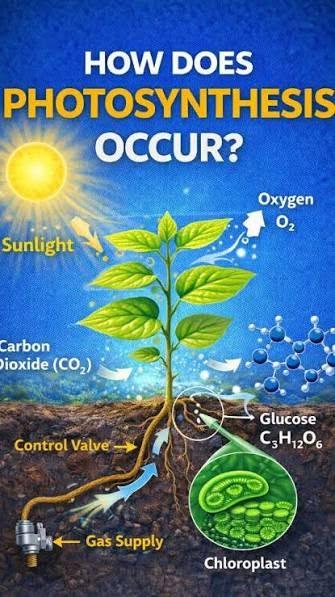
    Imagine every green plant has a tiny **food factory** inside its leaves! This amazing process is called **photosynthesis**. Plants use **sunlight, water, and carbon dioxide** to produce glucose, a type of sugar that provides stored chemical energy for growth and survival.
    genui{"learning_viz":{"type_id":"PHOTOSYNTHESIS","initial_values":{"lightIntensity":"high","carbonDioxide":"medium","water":"medium"}}}
    The process mainly takes place in structures called **chloroplasts**, which contain the green pigment **chlorophyll**. Chlorophyll absorbs light energy from the Sun.
    Plants take in **carbon dioxide** from the air through tiny openings in their leaves called **stomata**, while their roots absorb **water** from the soil. These ingredients are used to make glucose, and **oxygen is released** into the atmosphere.
    Photosynthesis is essential for life because plants provide food and release much of the oxygen that living organisms depend on.
    #Photosynthesis #PlantScience #Biology #Chlorophyll #Plants #Science #Nature #Learning #Education #PhotosynthesisFactory
    Asma Shaheen EducationWali
    Saima Empowerment Wali
    Irum Asim Leadershipwali
    #rsisb Roll no.231 story post no.98 FOundation Level ### 🌱☀️ The Photosynthesis Factory: How Plants Make Food Imagine every green plant has a tiny **food factory** inside its leaves! 🏭🌿 This amazing process is called **photosynthesis**. Plants use **sunlight, water, and carbon dioxide** to produce glucose, a type of sugar that provides stored chemical energy for growth and survival. ☀️💧🌬️ genui{"learning_viz":{"type_id":"PHOTOSYNTHESIS","initial_values":{"lightIntensity":"high","carbonDioxide":"medium","water":"medium"}}} The process mainly takes place in structures called **chloroplasts**, which contain the green pigment **chlorophyll**. Chlorophyll absorbs light energy from the Sun. 🌞🍃 Plants take in **carbon dioxide** from the air through tiny openings in their leaves called **stomata**, while their roots absorb **water** from the soil. These ingredients are used to make glucose, and **oxygen is released** into the atmosphere. 🌍💚 Photosynthesis is essential for life because plants provide food and release much of the oxygen that living organisms depend on. 🌱🫁✨ #Photosynthesis #PlantScience #Biology #Chlorophyll #Plants #Science #Nature #Learning #Education #PhotosynthesisFactory 🌿🔬☀️ Asma Shaheen EducationWali Saima Empowerment Wali Irum Asim Leadershipwali
    0 Comments 0 Shares 1245 Views
  • RSIf8
    Roll Number: 49
    Story post no.47
    Story post topic:Exploring the Organelles' Roles

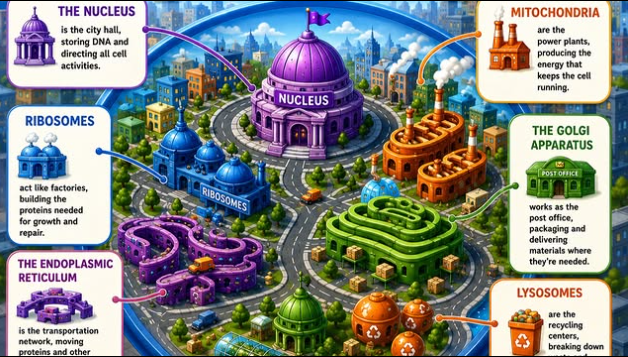
    Imagine a cell as a busy city where every organelle has an important job!

    The nucleus is the city hall, storing DNA and directing all cell activities.
    Mitochondria are the power plants, producing the energy that keeps the cell running.
    Ribosomes act like factories, building the proteins needed for growth and repair.
    The Golgi apparatus works as the post office, packaging and delivering materials where they're needed.
    The endoplasmic reticulum is the transportation network, moving proteins and other substances throughout the cell.
    Lysosomes are the recycling centers, breaking down waste and keeping the cell clean.
    In plant cells, chloroplasts capture sunlight to produce food through photosynthesis.

    Together, these tiny organelles work in perfect harmony, proving that even the smallest parts can make the biggest difference.

    Every cell is a bustling city—and every organelle plays a vital role in keeping life alive!

    #CellBiology #Science #Biology #Organelles #STEM #Education #Learning #ScienceFacts #DidYouKnow #Microscope #LifeScience #Knowledge
    RSIf8 Roll Number: 49 Story post no.47 Story post topic:Exploring the Organelles' Roles Imagine a cell as a busy city where every organelle has an important job! 🌟🏙️ 🧠 The nucleus is the city hall, storing DNA and directing all cell activities. ⚡ Mitochondria are the power plants, producing the energy that keeps the cell running. 🏭 Ribosomes act like factories, building the proteins needed for growth and repair. 📦 The Golgi apparatus works as the post office, packaging and delivering materials where they're needed. 🚚 The endoplasmic reticulum is the transportation network, moving proteins and other substances throughout the cell. 🧹 Lysosomes are the recycling centers, breaking down waste and keeping the cell clean. 🌿 In plant cells, chloroplasts capture sunlight to produce food through photosynthesis. ☀️🍃 Together, these tiny organelles work in perfect harmony, proving that even the smallest parts can make the biggest difference. 🌍💚 Every cell is a bustling city—and every organelle plays a vital role in keeping life alive! 🌟🔬 #CellBiology #Science #Biology #Organelles #STEM #Education #Learning #ScienceFacts #DidYouKnow #Microscope #LifeScience #Knowledge 🧬✨
    0 Comments 0 Shares 2532 Views
  • accl book
    rehan school urdu bazar campus
    roll no 16
    foundation leval
    Day 41
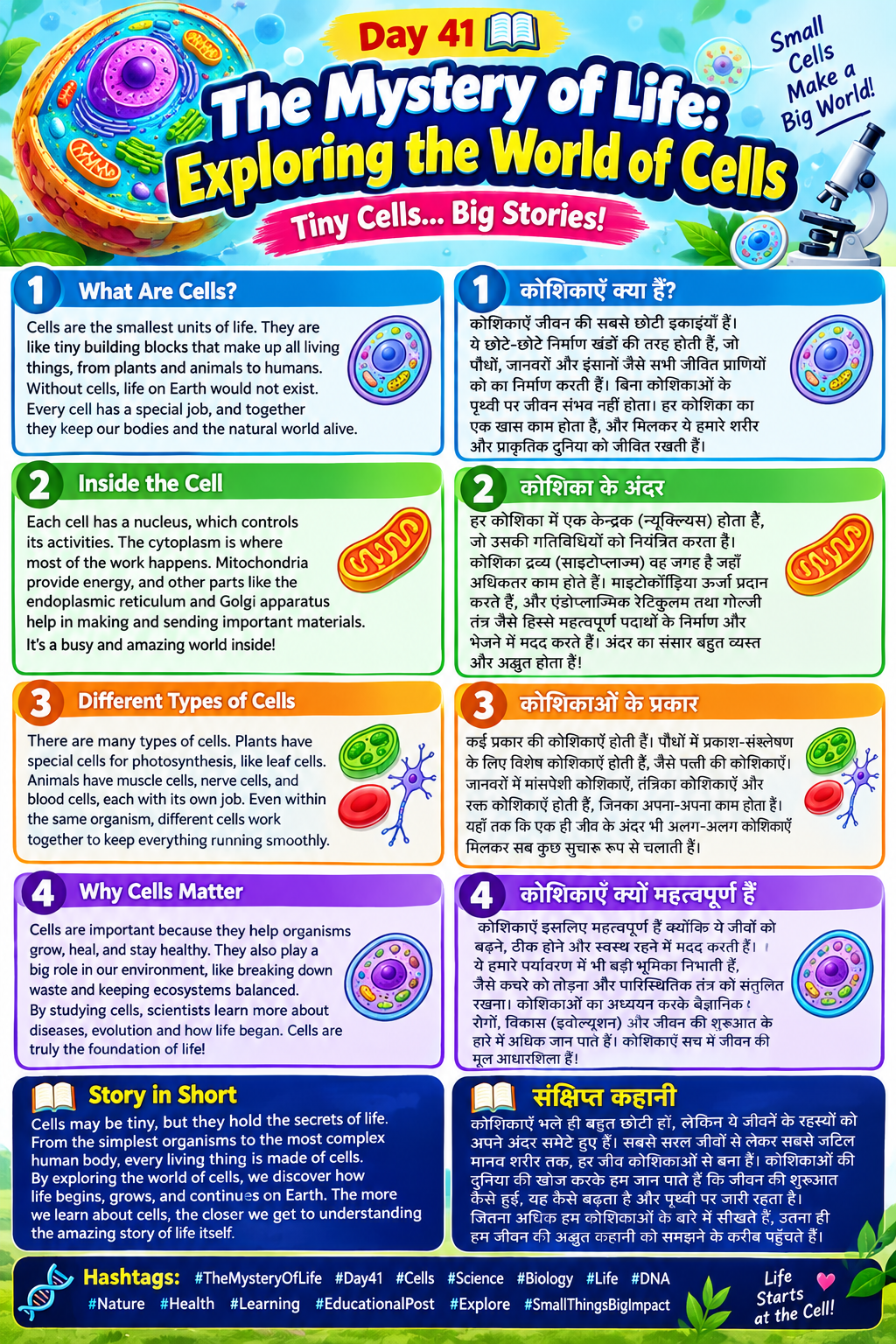
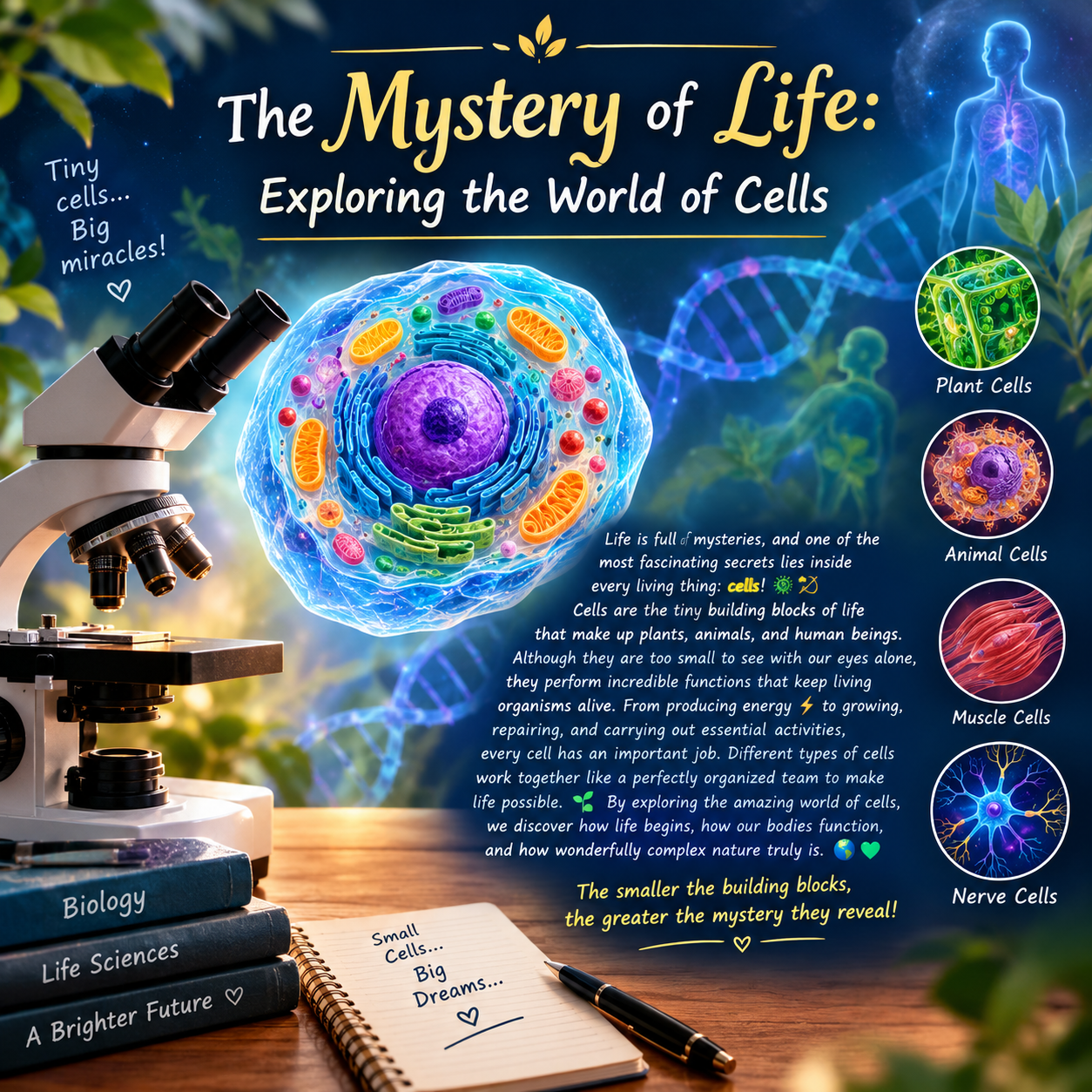
    Day 41: The Mystery of Life — Exploring the World of Cells
    English Story — Paragraph 1
    Cells are the tiny building blocks of life. Every living thing on Earth, including humans, animals, and plants, is made of cells. Although cells are extremely small and cannot usually be seen without a microscope, they perform amazing jobs every day. Our bodies contain billions and billions of cells that help us breathe, grow, move, digest food, and stay healthy. Each cell has its own special role, just like every worker in a big team. Some cells carry oxygen through our blood, while others help our bodies fight germs and repair damaged tissues. Without cells, life as we know it would not exist. These tiny structures are the foundation of all living things, and they hold many fascinating secrets about the natural world.
    English Story — Paragraph 2
    Inside every cell, there is a wonderful world of different parts working together. The nucleus acts like a control center, while the cytoplasm provides a place for many important activities to happen. The cell membrane protects the cell and controls what enters and leaves it. In plant cells, chloroplasts help plants make their own food using sunlight, water, and carbon dioxide. Mitochondria release energy that cells need to perform their functions. Scientists study cells with powerful microscopes to understand how living things grow, develop, and survive. By exploring the mystery of cells, we learn more about our bodies, diseases, nature, and the history of life. Even though cells are tiny, their importance is enormous. The more we discover about cells, the more we understand the amazing mystery of life!

    اردو کہانی — پیراگراف 1
    خلیے زندگی کی بنیادی اور انتہائی چھوٹی اکائیاں ہیں۔ زمین پر موجود تمام جاندار، جن میں انسان، جانور اور پودے شامل ہیں، خلیوں سے مل کر بنے ہیں۔ اگرچہ خلیے اتنے چھوٹے ہوتے ہیں کہ انہیں عام طور پر خوردبین کے بغیر دیکھنا ممکن نہیں ہوتا، لیکن یہ ہر روز حیرت انگیز کام انجام دیتے ہیں۔ ہمارے جسم میں اربوں خلیے موجود ہیں جو ہمیں سانس لینے، بڑھنے، حرکت کرنے، خوراک ہضم کرنے اور صحت مند رہنے میں مدد دیتے ہیں۔ ہر خلیے کا اپنا ایک خاص کام ہوتا ہے، بالکل اسی طرح جیسے کسی بڑی ٹیم میں ہر فرد کی الگ ذمہ داری ہوتی ہے۔ کچھ خلیے خون کے ذریعے آکسیجن پہنچاتے ہیں، جبکہ دوسرے جراثیم سے لڑنے اور جسم کے خراب حصوں کی مرمت کرنے میں مدد دیتے ہیں۔ اگر خلیے نہ ہوتے تو زندگی کا وجود ممکن نہ ہوتا۔ یہی ننھے خلیے تمام جانداروں کی بنیاد ہیں اور قدرتی دنیا کے بہت سے حیرت انگیز راز اپنے اندر رکھتے ہیں۔
    اردو کہانی — پیراگراف 2
    ہر خلیے کے اندر مختلف حصوں کی ایک حیرت انگیز دنیا موجود ہوتی ہے، جہاں ہر حصہ مل کر کام کرتا ہے۔ خلیے کا مرکز، جسے نیوکلیئس کہتے ہیں، ایک کنٹرول سینٹر کی طرح کام کرتا ہے۔ سائٹوپلازم خلیے کے اندر موجود وہ مادہ ہے جہاں بہت سی اہم سرگرمیاں انجام پاتی ہیں۔ خلیے کی جھلی اس کی حفاظت کرتی ہے اور یہ کنٹرول کرتی ہے کہ کون سے مادے اندر داخل ہوں اور کون سے باہر نکلیں۔ پودوں کے خلیوں میں کلوروپلاسٹ سورج کی روشنی، پانی اور کاربن ڈائی آکسائیڈ کی مدد سے خوراک بنانے میں مدد دیتے ہیں۔ مائٹوکونڈریا خلیے کو کام کرنے کے لیے توانائی فراہم کرتے ہیں۔ سائنس دان خوردبین کے ذریعے خلیوں کا مطالعہ کرتے ہیں تاکہ یہ سمجھ سکیں کہ جاندار کس طرح بڑھتے، ترقی کرتے اور زندہ رہتے ہیں۔ خلیوں کی دنیا کو جاننے سے ہمیں انسانی جسم، بیماریوں اور قدرت کے بارے میں بہت کچھ سیکھنے کو ملتا ہے۔ خلیے بظاہر بہت چھوٹے ہیں، لیکن زندگی میں ان کی اہمیت بے حد بڑی ہے!

    Hashtags
    #TheMysteryOfLife #Day41 #Cells #CellBiology #Science #Biology #HumanBody #MicroscopicWorld #LifeScience #Education #Learning #علم #خلیے #سائنس #حیاتیات #زندگی_کے_راز
    accl book rehan school urdu bazar campus roll no 16 foundation leval Day 41 📖 Day 41: The Mystery of Life — Exploring the World of Cells 🌍 English Story — Paragraph 1 Cells are the tiny building blocks of life. Every living thing on Earth, including humans, animals, and plants, is made of cells. Although cells are extremely small and cannot usually be seen without a microscope, they perform amazing jobs every day. Our bodies contain billions and billions of cells that help us breathe, grow, move, digest food, and stay healthy. Each cell has its own special role, just like every worker in a big team. Some cells carry oxygen through our blood, while others help our bodies fight germs and repair damaged tissues. Without cells, life as we know it would not exist. These tiny structures are the foundation of all living things, and they hold many fascinating secrets about the natural world. 🔬 English Story — Paragraph 2 Inside every cell, there is a wonderful world of different parts working together. The nucleus acts like a control center, while the cytoplasm provides a place for many important activities to happen. The cell membrane protects the cell and controls what enters and leaves it. In plant cells, chloroplasts help plants make their own food using sunlight, water, and carbon dioxide. Mitochondria release energy that cells need to perform their functions. Scientists study cells with powerful microscopes to understand how living things grow, develop, and survive. By exploring the mystery of cells, we learn more about our bodies, diseases, nature, and the history of life. Even though cells are tiny, their importance is enormous. The more we discover about cells, the more we understand the amazing mystery of life! 🌸 اردو کہانی — پیراگراف 1 خلیے زندگی کی بنیادی اور انتہائی چھوٹی اکائیاں ہیں۔ زمین پر موجود تمام جاندار، جن میں انسان، جانور اور پودے شامل ہیں، خلیوں سے مل کر بنے ہیں۔ اگرچہ خلیے اتنے چھوٹے ہوتے ہیں کہ انہیں عام طور پر خوردبین کے بغیر دیکھنا ممکن نہیں ہوتا، لیکن یہ ہر روز حیرت انگیز کام انجام دیتے ہیں۔ ہمارے جسم میں اربوں خلیے موجود ہیں جو ہمیں سانس لینے، بڑھنے، حرکت کرنے، خوراک ہضم کرنے اور صحت مند رہنے میں مدد دیتے ہیں۔ ہر خلیے کا اپنا ایک خاص کام ہوتا ہے، بالکل اسی طرح جیسے کسی بڑی ٹیم میں ہر فرد کی الگ ذمہ داری ہوتی ہے۔ کچھ خلیے خون کے ذریعے آکسیجن پہنچاتے ہیں، جبکہ دوسرے جراثیم سے لڑنے اور جسم کے خراب حصوں کی مرمت کرنے میں مدد دیتے ہیں۔ اگر خلیے نہ ہوتے تو زندگی کا وجود ممکن نہ ہوتا۔ یہی ننھے خلیے تمام جانداروں کی بنیاد ہیں اور قدرتی دنیا کے بہت سے حیرت انگیز راز اپنے اندر رکھتے ہیں۔ 🧬 اردو کہانی — پیراگراف 2 ہر خلیے کے اندر مختلف حصوں کی ایک حیرت انگیز دنیا موجود ہوتی ہے، جہاں ہر حصہ مل کر کام کرتا ہے۔ خلیے کا مرکز، جسے نیوکلیئس کہتے ہیں، ایک کنٹرول سینٹر کی طرح کام کرتا ہے۔ سائٹوپلازم خلیے کے اندر موجود وہ مادہ ہے جہاں بہت سی اہم سرگرمیاں انجام پاتی ہیں۔ خلیے کی جھلی اس کی حفاظت کرتی ہے اور یہ کنٹرول کرتی ہے کہ کون سے مادے اندر داخل ہوں اور کون سے باہر نکلیں۔ پودوں کے خلیوں میں کلوروپلاسٹ سورج کی روشنی، پانی اور کاربن ڈائی آکسائیڈ کی مدد سے خوراک بنانے میں مدد دیتے ہیں۔ مائٹوکونڈریا خلیے کو کام کرنے کے لیے توانائی فراہم کرتے ہیں۔ سائنس دان خوردبین کے ذریعے خلیوں کا مطالعہ کرتے ہیں تاکہ یہ سمجھ سکیں کہ جاندار کس طرح بڑھتے، ترقی کرتے اور زندہ رہتے ہیں۔ خلیوں کی دنیا کو جاننے سے ہمیں انسانی جسم، بیماریوں اور قدرت کے بارے میں بہت کچھ سیکھنے کو ملتا ہے۔ خلیے بظاہر بہت چھوٹے ہیں، لیکن زندگی میں ان کی اہمیت بے حد بڑی ہے! 🏷️ Hashtags #TheMysteryOfLife #Day41 #Cells #CellBiology #Science #Biology #HumanBody #MicroscopicWorld #LifeScience #Education #Learning #علم #خلیے #سائنس #حیاتیات #زندگی_کے_راز
    0 Comments 0 Shares 4924 Views
  • ACCL BOOK
    DAY 41
    Story Post
    Zainab Siddiqui AI Wali
    Foundation Level
    Roll No: 002
    Student at Rehan School Urdu Bazar Campus
    @Saba Ibrahim Educationwali

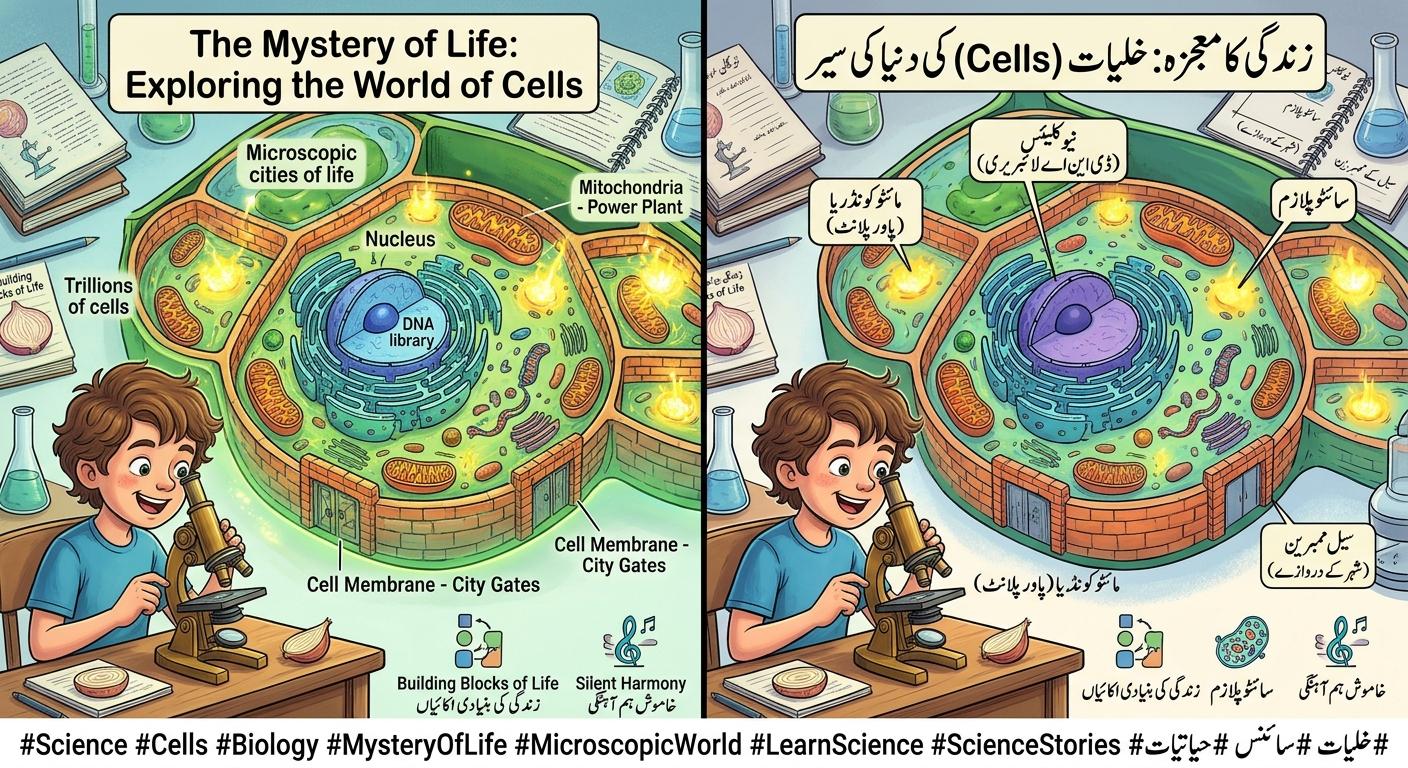
    Leo pressed his eye against the lens of the old microscope, adjusting the focus knob until a vibrant green world snapped into sharp relief . Inside a single leaf cell, an entire bustling universe unfolded .

    Thousands of tiny emerald spheres—chloroplasts —danced in a swirling current of cytoplasm, diligently capturing sunlight and transforming it into life . At the center, the nucleus stood like a grand, quiet library , holding the ancient, coiled blueprints of existence .

    Leo watched in silent wonder as microscopic channels pumped nutrients across the cell membrane , and mitochondria worked tirelessly like miniature power plants keeping the rhythm going . In that quiet room, illuminated by a single bulb , he realized that the greatest mystery of the universe wasn't hidden among distant stars, but quietly pulsing in every living thing around him . As he looked deeper, he understood that these tiny cells are the foundation of the entire cosmos, writing a new story every single moment without making a sound .
    Activate to view larger image,
    ACCL BOOK DAY 41 Story Post Zainab Siddiqui AI Wali Foundation Level Roll No: 002 Student at Rehan School Urdu Bazar Campus @Saba Ibrahim Educationwali Leo pressed his eye against the lens of the old microscope, adjusting the focus knob until a vibrant green world snapped into sharp relief 🌿🔍. Inside a single leaf cell, an entire bustling universe unfolded 🌍✨. Thousands of tiny emerald spheres—chloroplasts 🍃—danced in a swirling current of cytoplasm, diligently capturing sunlight and transforming it into life ☀️🌱. At the center, the nucleus 🧬 stood like a grand, quiet library 📚, holding the ancient, coiled blueprints of existence 📜. Leo watched in silent wonder as microscopic channels pumped nutrients across the cell membrane 💧, and mitochondria ⚡ worked tirelessly like miniature power plants keeping the rhythm going 🔋. In that quiet room, illuminated by a single bulb 💡, he realized that the greatest mystery of the universe wasn't hidden among distant stars, but quietly pulsing in every living thing around him 🌸🌟. As he looked deeper, he understood that these tiny cells are the foundation of the entire cosmos, writing a new story every single moment without making a sound 📖💫. Activate to view larger image,
    1
    0 Comments 0 Shares 1670 Views
  • ACCL POST
    Day:43
    Roll No:003
    Story post
    Student at Rehan School Urdu bazar campus

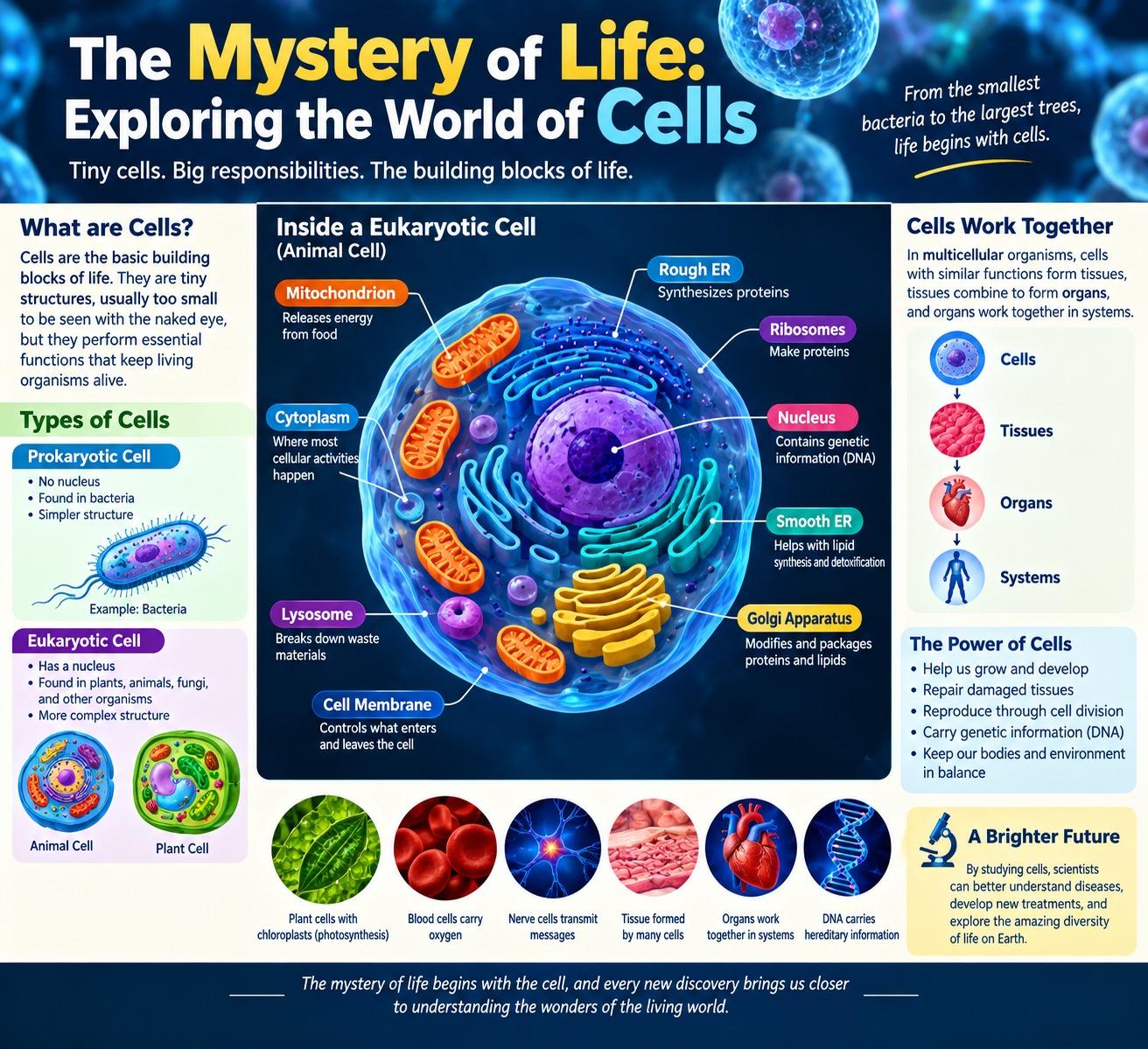
    # The Mystery of Life: Exploring the World of Cells Life is one of the most fascinating mysteries of the natural world. From the tallest trees to the smallest insects, every living organism has a unique structure and a special way of surviving. But have you ever wondered what makes life possible? What is the tiny building block that forms every living thing? The answer is **cells**, the fundamental units of life. Although cells are usually too small to be seen without a microscope, they perform countless important functions that allow living organisms to grow, develop, reproduce, and survive. Cells are often described as the basic building blocks of life because all living organisms are made up of one or more cells. Some organisms, such as bacteria, consist of only a single cell, while humans, animals, and plants are made up of trillions of cells. Each cell has its own structure and responsibilities. Some cells help the body obtain energy, while others carry oxygen, fight infections, or transmit messages throughout the body. In plants, cells help produce food through photosynthesis and provide support to the plant's structure. There are two major types of cells: **prokaryotic cells and eukaryotic cells**. Prokaryotic cells, such as bacteria, do not have a nucleus enclosed by a membrane. Eukaryotic cells, which are found in animals, plants, fungi, and many other organisms, contain a nucleus that stores genetic information. These cells also contain specialized structures called organelles, each of which performs a particular function. For example, the nucleus controls many cellular activities, mitochondria release usable energy from food, and the cell membrane regulates what enters and leaves the cell. Plant cells also contain chloroplasts, which help them produce food using sunlight. One of the most amazing things about cells is how they work together. In multicellular organisms, cells with similar functions form tissues, tissues combine to form organs, and organs work together in systems. In the human body, for example, the heart, lungs, brain, and other organs depend on the coordinated activities of countless cells. This cooperation allows the body to maintain balance, respond to changes, and carry out the activities necessary for life. Cells also play an essential role in growth, healing, and reproduction. Through a process called cell division, cells produce new cells. This allows organisms to grow, replace old or damaged cells, and repair tissues. Cells contain DNA, the genetic material that carries instructions for the development and functioning of living organisms. By studying DNA and cellular processes, scientists can better understand heredity, diseases, and the remarkable diversity of life on Earth. The study of cells has transformed our understanding of biology and medicine. understanding the wonders of the living world.**
    Activate to view larger image,
    View image
    ACCL POST Day:43 Roll No:003 Story post Student at Rehan School Urdu bazar campus # The Mystery of Life: Exploring the World of Cells Life is one of the most fascinating mysteries of the natural world. From the tallest trees to the smallest insects, every living organism has a unique structure and a special way of surviving. But have you ever wondered what makes life possible? What is the tiny building block that forms every living thing? The answer is **cells**, the fundamental units of life. Although cells are usually too small to be seen without a microscope, they perform countless important functions that allow living organisms to grow, develop, reproduce, and survive. Cells are often described as the basic building blocks of life because all living organisms are made up of one or more cells. Some organisms, such as bacteria, consist of only a single cell, while humans, animals, and plants are made up of trillions of cells. Each cell has its own structure and responsibilities. Some cells help the body obtain energy, while others carry oxygen, fight infections, or transmit messages throughout the body. In plants, cells help produce food through photosynthesis and provide support to the plant's structure. There are two major types of cells: **prokaryotic cells and eukaryotic cells**. Prokaryotic cells, such as bacteria, do not have a nucleus enclosed by a membrane. Eukaryotic cells, which are found in animals, plants, fungi, and many other organisms, contain a nucleus that stores genetic information. These cells also contain specialized structures called organelles, each of which performs a particular function. For example, the nucleus controls many cellular activities, mitochondria release usable energy from food, and the cell membrane regulates what enters and leaves the cell. Plant cells also contain chloroplasts, which help them produce food using sunlight. One of the most amazing things about cells is how they work together. In multicellular organisms, cells with similar functions form tissues, tissues combine to form organs, and organs work together in systems. In the human body, for example, the heart, lungs, brain, and other organs depend on the coordinated activities of countless cells. This cooperation allows the body to maintain balance, respond to changes, and carry out the activities necessary for life. Cells also play an essential role in growth, healing, and reproduction. Through a process called cell division, cells produce new cells. This allows organisms to grow, replace old or damaged cells, and repair tissues. Cells contain DNA, the genetic material that carries instructions for the development and functioning of living organisms. By studying DNA and cellular processes, scientists can better understand heredity, diseases, and the remarkable diversity of life on Earth. The study of cells has transformed our understanding of biology and medicine. understanding the wonders of the living world.** Activate to view larger image, View image
    0 Comments 0 Shares 3043 Views
  • ACCL TASK
    Day:41
    Roll No:003
    Story post
    @Student at Rehan School Urdu bazar campus

    # The Mystery of Life: Exploring the World of Cells

    Life is one of the most fascinating mysteries of the natural world. From the tallest trees to the smallest insects, every living organism has a unique structure and a special way of surviving. But have you ever wondered what makes life possible? What is the tiny building block that forms every living thing? The answer is **cells**, the fundamental units of life. Although cells are usually too small to be seen without a microscope, they perform countless important functions that allow living organisms to grow, develop, reproduce, and survive.

    Cells are often described as the basic building blocks of life because all living organisms are made up of one or more cells. Some organisms, such as bacteria, consist of only a single cell, while humans, animals, and plants are made up of trillions of cells. Each cell has its own structure and responsibilities. Some cells help the body obtain energy, while others carry oxygen, fight infections, or transmit messages throughout the body. In plants, cells help produce food through photosynthesis and provide support to the plant's structure.

    There are two major types of cells: **prokaryotic cells and eukaryotic cells**. Prokaryotic cells, such as bacteria, do not have a nucleus enclosed by a membrane. Eukaryotic cells, which are found in animals, plants, fungi, and many other organisms, contain a nucleus that stores genetic information. These cells also contain specialized structures called organelles, each of which performs a particular function. For example, the nucleus controls many cellular activities, mitochondria release usable energy from food, and the cell membrane regulates what enters and leaves the cell. Plant cells also contain chloroplasts, which help them produce food using sunlight.

    One of the most amazing things about cells is how they work together. In multicellular organisms, cells with similar functions form tissues, tissues combine to form organs, and organs work together in systems. In the human body, for example, the heart, lungs, brain, and other organs depend on the coordinated activities of countless cells. This cooperation allows the body to maintain balance, respond to changes, and carry out the activities necessary for life.

    Cells also play an essential role in growth, healing, and reproduction. Through a process called cell division, cells produce new cells. This allows organisms to grow, replace old or damaged cells, and repair tissues. Cells contain DNA, the genetic material that carries instructions for the development and functioning of living organisms. of cells. Exploring the world of cells helps us understand how living things function and reveals the extraordinary hidden within even the smallest units of life. The mystery of life begins with the cell, and every new discovery brings us closer to understanding the wonders of the living world.
    ACCL TASK Day:41 Roll No:003 Story post @Student at Rehan School Urdu bazar campus # The Mystery of Life: Exploring the World of Cells Life is one of the most fascinating mysteries of the natural world. From the tallest trees to the smallest insects, every living organism has a unique structure and a special way of surviving. But have you ever wondered what makes life possible? What is the tiny building block that forms every living thing? The answer is **cells**, the fundamental units of life. Although cells are usually too small to be seen without a microscope, they perform countless important functions that allow living organisms to grow, develop, reproduce, and survive. Cells are often described as the basic building blocks of life because all living organisms are made up of one or more cells. Some organisms, such as bacteria, consist of only a single cell, while humans, animals, and plants are made up of trillions of cells. Each cell has its own structure and responsibilities. Some cells help the body obtain energy, while others carry oxygen, fight infections, or transmit messages throughout the body. In plants, cells help produce food through photosynthesis and provide support to the plant's structure. There are two major types of cells: **prokaryotic cells and eukaryotic cells**. Prokaryotic cells, such as bacteria, do not have a nucleus enclosed by a membrane. Eukaryotic cells, which are found in animals, plants, fungi, and many other organisms, contain a nucleus that stores genetic information. These cells also contain specialized structures called organelles, each of which performs a particular function. For example, the nucleus controls many cellular activities, mitochondria release usable energy from food, and the cell membrane regulates what enters and leaves the cell. Plant cells also contain chloroplasts, which help them produce food using sunlight. One of the most amazing things about cells is how they work together. In multicellular organisms, cells with similar functions form tissues, tissues combine to form organs, and organs work together in systems. In the human body, for example, the heart, lungs, brain, and other organs depend on the coordinated activities of countless cells. This cooperation allows the body to maintain balance, respond to changes, and carry out the activities necessary for life. Cells also play an essential role in growth, healing, and reproduction. Through a process called cell division, cells produce new cells. This allows organisms to grow, replace old or damaged cells, and repair tissues. Cells contain DNA, the genetic material that carries instructions for the development and functioning of living organisms. of cells. Exploring the world of cells helps us understand how living things function and reveals the extraordinary hidden within even the smallest units of life. The mystery of life begins with the cell, and every new discovery brings us closer to understanding the wonders of the living world.
    0 Comments 0 Shares 2544 Views
  • ACCL Foundation Level
    Rehan School Urdu Bazar Campus
    Roll no. 04
    Day 41: Story Post

    # The Mystery of Life: Exploring the World of Cells

    ## English Story

    Once upon a time, there was a curious student who wanted to discover the mystery of life. One day, the student learned about cells, the tiny building blocks of all living things.

    With the help of a microscope, the student explored a drop of water and discovered a fascinating world of tiny structures. The student learned that plants, animals, and humans are all made of cells.

    Each cell has a special job. The nucleus controls the cell’s activities, the cell membrane protects it, and the mitochondria provide energy. Plant cells also have a cell wall and chloroplasts that help plants make their food.

    The student was amazed to discover that millions of tiny cells work together to help our bodies grow, heal, and stay alive. Although cells are too small to see with our eyes alone, they play a huge role in life.

    From that day on, the student understood that the smallest things can hold the biggest mysteries. Exploring the world of cells opened the door to a deeper understanding of nature, science, and the miracle of life.

    Moral: Every tiny part of life has a special purpose, and curiosity helps us discover the wonders of our world.

    ## اردو کہانی

    ایک دفعہ کا ذکر ہے کہ ایک تجسس رکھنے والا طالب علم زندگی کے راز جاننا چاہتا تھا۔ ایک دن اس نے خلیات (Cells) کے بارے میں سیکھا، جو تمام جانداروں کے جسم کی بنیادی اکائیاں ہیں۔

    خوردبین (Microscope) کی مدد سے اس طالب علم نے پانی کے ایک قطرے کا مشاہدہ کیا اور ایک حیرت انگیز چھوٹی دنیا دریافت کی۔ اس نے سیکھا کہ پودے، جانور اور انسان سب خلیات سے مل کر بنے ہیں۔

    ہر خلیے کا اپنا ایک خاص کام ہوتا ہے۔ نیوکلیئس خلیے کی سرگرمیوں کو کنٹرول کرتا ہے، خلیے کی جھلی اس کی حفاظت کرتی ہے، اور مائٹوکانڈریا توانائی فراہم کرتے ہیں۔ پودوں کے خلیوں میں خلیاتی دیوار اور کلوروپلاسٹ بھی ہوتے ہیں، جو پودوں کو خوراک بنانے میں مدد دیتے ہیں۔

    طالب علم یہ جان کر حیران رہ گیا کہ لاکھوں چھوٹے چھوٹے خلیے مل کر ہمارے جسم کو بڑھنے، زخموں کو ٹھیک کرنے اور زندہ رہنے میں مدد دیتے ہیں۔ اگرچہ ہم خلیات کو اپنی آنکھوں سے نہیں دیکھ سکتے، لیکن زندگی میں ان کا کردار بہت اہم ہے۔

    اس دن کے بعد طالب علم سمجھ گیا کہ دنیا کی سب سے چھوٹی چیزوں میں بھی بڑے راز چھپے ہو سکتے ہیں۔ خلیات کی دنیا کو دریافت کرنے سے اسے قدرت، سائنس اور زندگی کے حیرت انگیز نظام کو سمجھنے کا موقع ملا۔

    سبق: زندگی کا ہر چھوٹا حصہ ایک خاص مقصد رکھتا ہے، اور تجسس ہمیں دنیا کے حیرت انگیز راز دریافت کرنے میں مدد دیتا ہے۔

    ## Hashtags

    \#TheMysteryOfLife #ExploringCells #WorldOfCells #CellBiology #ScienceEducation #Microscope #Biology #AmazingScience #LifeScience #LearningIsFun #RehanSchool #UrduBazaarCampus #FoundationLevel
    ACCL Foundation Level Rehan School Urdu Bazar Campus Roll no. 04 Day 41: Story Post # The Mystery of Life: Exploring the World of Cells ## 🇬🇧 English Story Once upon a time, there was a curious student who wanted to discover the mystery of life. One day, the student learned about cells, the tiny building blocks of all living things. With the help of a microscope, the student explored a drop of water and discovered a fascinating world of tiny structures. The student learned that plants, animals, and humans are all made of cells. Each cell has a special job. The nucleus controls the cell’s activities, the cell membrane protects it, and the mitochondria provide energy. Plant cells also have a cell wall and chloroplasts that help plants make their food. The student was amazed to discover that millions of tiny cells work together to help our bodies grow, heal, and stay alive. Although cells are too small to see with our eyes alone, they play a huge role in life. From that day on, the student understood that the smallest things can hold the biggest mysteries. Exploring the world of cells opened the door to a deeper understanding of nature, science, and the miracle of life. Moral: Every tiny part of life has a special purpose, and curiosity helps us discover the wonders of our world. ## 🇵🇰 اردو کہانی ایک دفعہ کا ذکر ہے کہ ایک تجسس رکھنے والا طالب علم زندگی کے راز جاننا چاہتا تھا۔ ایک دن اس نے خلیات (Cells) کے بارے میں سیکھا، جو تمام جانداروں کے جسم کی بنیادی اکائیاں ہیں۔ خوردبین (Microscope) کی مدد سے اس طالب علم نے پانی کے ایک قطرے کا مشاہدہ کیا اور ایک حیرت انگیز چھوٹی دنیا دریافت کی۔ اس نے سیکھا کہ پودے، جانور اور انسان سب خلیات سے مل کر بنے ہیں۔ ہر خلیے کا اپنا ایک خاص کام ہوتا ہے۔ نیوکلیئس خلیے کی سرگرمیوں کو کنٹرول کرتا ہے، خلیے کی جھلی اس کی حفاظت کرتی ہے، اور مائٹوکانڈریا توانائی فراہم کرتے ہیں۔ پودوں کے خلیوں میں خلیاتی دیوار اور کلوروپلاسٹ بھی ہوتے ہیں، جو پودوں کو خوراک بنانے میں مدد دیتے ہیں۔ طالب علم یہ جان کر حیران رہ گیا کہ لاکھوں چھوٹے چھوٹے خلیے مل کر ہمارے جسم کو بڑھنے، زخموں کو ٹھیک کرنے اور زندہ رہنے میں مدد دیتے ہیں۔ اگرچہ ہم خلیات کو اپنی آنکھوں سے نہیں دیکھ سکتے، لیکن زندگی میں ان کا کردار بہت اہم ہے۔ اس دن کے بعد طالب علم سمجھ گیا کہ دنیا کی سب سے چھوٹی چیزوں میں بھی بڑے راز چھپے ہو سکتے ہیں۔ خلیات کی دنیا کو دریافت کرنے سے اسے قدرت، سائنس اور زندگی کے حیرت انگیز نظام کو سمجھنے کا موقع ملا۔ سبق: زندگی کا ہر چھوٹا حصہ ایک خاص مقصد رکھتا ہے، اور تجسس ہمیں دنیا کے حیرت انگیز راز دریافت کرنے میں مدد دیتا ہے۔ ## 🏷️ Hashtags \#TheMysteryOfLife #ExploringCells #WorldOfCells #CellBiology #ScienceEducation #Microscope #Biology #AmazingScience #LifeScience #LearningIsFun #RehanSchool #UrduBazaarCampus #FoundationLevel
    0 Comments 0 Shares 5117 Views
  • #rsisb Foundation level student. Roll no:232 Documentary NO:7 🌿☀️ **Documentary — The Photosynthesis Factory: How Plants Make Food** 🌱🎬 Welcome to the fascinating world of plants! 🌍🌿 In this documentary, *The Photosynthesis Factory: How Plants Make Food*, we explore one of nature’s most amazing processes: photosynthesis. 🔬🍃 Discover how plants use sunlight, water, and carbon dioxide to produce glucose (their food) and release oxygen into the atmosphere. ☀️💧🌬️ Learn about the important role of chlorophyll and chloroplasts, which help plants capture sunlight and convert it into chemical energy. From the green leaves in our gardens to the forests that support life on Earth, photosynthesis plays a vital role in maintaining our planet’s balance. 🌳🌎 It provides oxygen, supports food chains, and helps make life possible for humans and animals. Join me on this educational journey to discover how plants work like tiny natural factories and why photosynthesis is essential for life on Earth! 🌱💚 **Protect Plants, Protect Nature, Protect Our Future! 🌍💚** #Photosynthesis #PlantScience #Biology #ScienceDocumentary #HowPlantsMakeFood #Chlorophyll #Chloroplasts #PlantLife #Nature #EnvironmentalScience #ScienceEducation #EducationalVideo #GreenPlanet #SaveNature #LearnWithAI 🌿☀️🔬🧪🌎✨ Irum Asim Leadershipwali Asma Shaheen EducationWali Rehan School Islamabad Campus https://www.facebook.com/share/v/19PkuJsUae/
    WWW.FACEBOOK.COM
    Facebook
    #rsisb Foundation level student. Roll no:232 Documentary NO:7 🌿☀️ **Documentary — The Photosynthesis Factory: How Plants Make Food** 🌱🎬 Welcome to the fascinating world of plants! 🌍🌿 In this...
    0 Comments 0 Shares 3682 Views
  • #rsisb
    Roll no. 247
    Story post . 18
    Foundation level

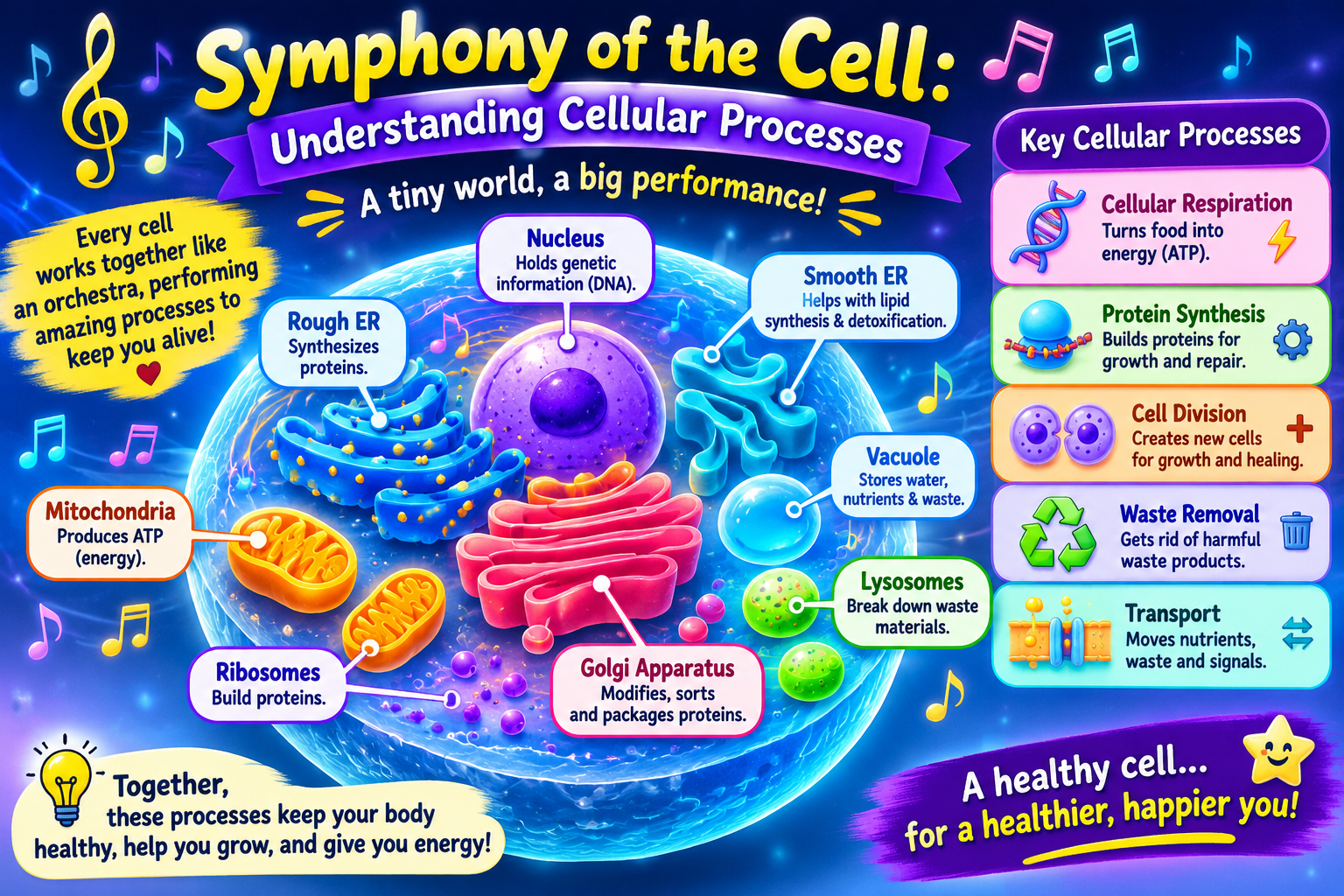
    **Story Post — Symphony of the Cell: Understanding Cellular Processes**

    **Welcome to the Amazing World of Cells!**

    Have you ever wondered how the human body works, how we grow, how we breathe, or how our bodies get energy? The answer lies in the tiny but powerful building blocks of life — **cells!**

    **Symphony of the Cell** takes us on an exciting journey into the microscopic world, where every cell works like a beautiful orchestra. Just as musical instruments work together to create a wonderful melody, the different parts of a cell work together to keep living organisms alive and healthy.

    **Discover the Amazing Cell Organelles!**

    **Mitochondria:** Often called the powerhouse of the cell, mitochondria help produce the energy that cells need to function.

    **Nucleus:** The control center of the cell, containing DNA and instructions for many cellular activities.

    **Ribosomes:** Tiny structures that make proteins, which are essential for growth and repair.

    **Golgi Apparatus:** Helps modify, package, and transport proteins and other materials.

    **Cell Membrane:** Controls what enters and leaves the cell, helping maintain a stable internal environment.

    **Chloroplasts:** Found in plant cells, these structures capture sunlight for photosynthesis.

    **Cytoplasm:** The jelly-like material inside the cell where many important chemical reactions take place.

    **How Do Cells Work Together?**

    Cells carry out many amazing processes every second! They use nutrients to obtain energy, make proteins, transport materials, remove waste, respond to their surroundings, and grow. Some cells can also divide to produce new cells. These activities help living organisms survive and develop.

    **Why Is Understanding Cellular Processes Important?**

    Learning about cells helps us understand human health, diseases, plant growth, genetics, and the incredible complexity of life. From the smallest microorganism to the largest living organisms, cells play an essential role in the natural world.

    **Let's Learn, Explore, and Discover!**

    Science teaches us that even the smallest things can have the biggest impact. Every cell has a role to play, and together, cells create the extraordinary systems that make life possible. Keep asking questions, keep exploring, and never stop learning!

    **Question for You:** If you could explore one part of a cell under a powerful microscope, which organelle would you choose, and why?

    Like, share, and comment to spread the wonder of science! Let's make learning fun, creative, and inspiring for everyone.
    #rsisb Roll no. 247 Story post . 18 Foundation level 🔬🎶 **Story Post — Symphony of the Cell: Understanding Cellular Processes** 🧬✨ 🌟 **Welcome to the Amazing World of Cells!** 🌟 Have you ever wondered how the human body works, how we grow, how we breathe, or how our bodies get energy? 🤔💡 The answer lies in the tiny but powerful building blocks of life — **cells!** 🦠🔬 🎼 **Symphony of the Cell** takes us on an exciting journey into the microscopic world, where every cell works like a beautiful orchestra. Just as musical instruments work together to create a wonderful melody, the different parts of a cell work together to keep living organisms alive and healthy. 🎻🎹🎵 🧫 **Discover the Amazing Cell Organelles!** 🔋 **Mitochondria:** Often called the powerhouse of the cell, mitochondria help produce the energy that cells need to function. 🧠 **Nucleus:** The control center of the cell, containing DNA and instructions for many cellular activities. 🏭 **Ribosomes:** Tiny structures that make proteins, which are essential for growth and repair. 📦 **Golgi Apparatus:** Helps modify, package, and transport proteins and other materials. 🚪 **Cell Membrane:** Controls what enters and leaves the cell, helping maintain a stable internal environment. 🌱 **Chloroplasts:** Found in plant cells, these structures capture sunlight for photosynthesis. ☀️🌿 💧 **Cytoplasm:** The jelly-like material inside the cell where many important chemical reactions take place. ⚡ **How Do Cells Work Together?** Cells carry out many amazing processes every second! They use nutrients to obtain energy, make proteins, transport materials, remove waste, respond to their surroundings, and grow. Some cells can also divide to produce new cells. These activities help living organisms survive and develop. 🌍❤️ 🧬 **Why Is Understanding Cellular Processes Important?** Learning about cells helps us understand human health, diseases, plant growth, genetics, and the incredible complexity of life. From the smallest microorganism to the largest living organisms, cells play an essential role in the natural world. 🌎🔍 📚 **Let's Learn, Explore, and Discover!** Science teaches us that even the smallest things can have the biggest impact. Every cell has a role to play, and together, cells create the extraordinary systems that make life possible. Keep asking questions, keep exploring, and never stop learning! 🚀💡 💭 **Question for You:** If you could explore one part of a cell under a powerful microscope, which organelle would you choose, and why? 🔬👇 ❤️ Like, share, and comment to spread the wonder of science! Let's make learning fun, creative, and inspiring for everyone. 🌟📖
    0 Comments 0 Shares 1953 Views
More Results